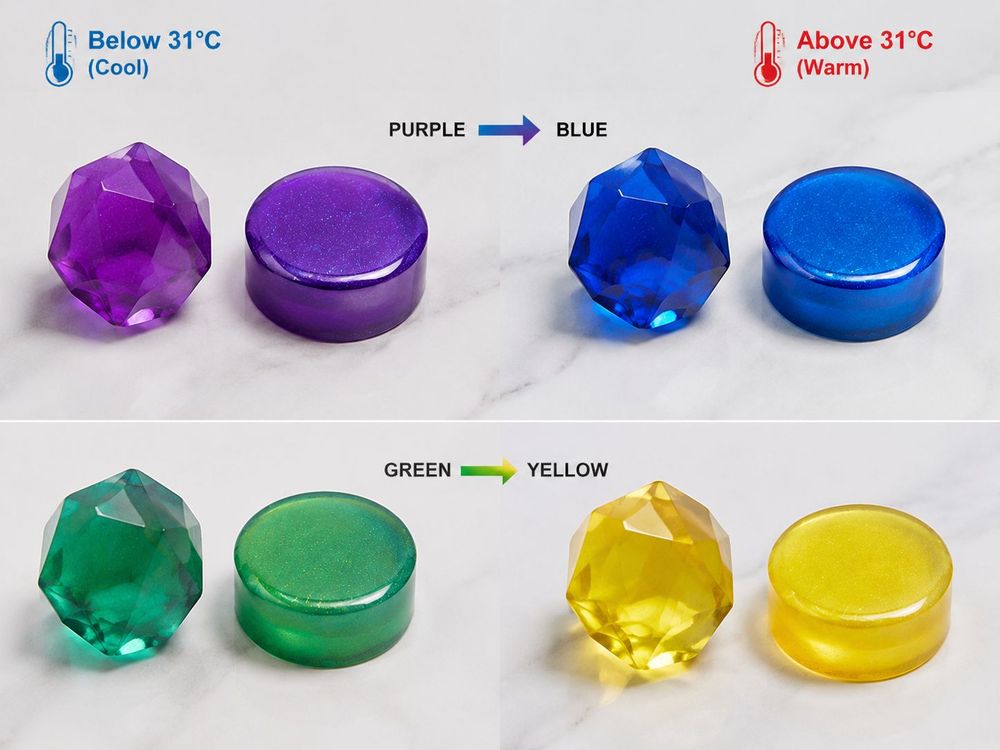
Mixing thermochromic powder into epoxy resin lets you build surfaces that visibly shift color in response to heat — a functional effect increasingly specified in craft art, interactive floor coatings, and novelty consumer goods. Done correctly, thermal pigment powder disper...
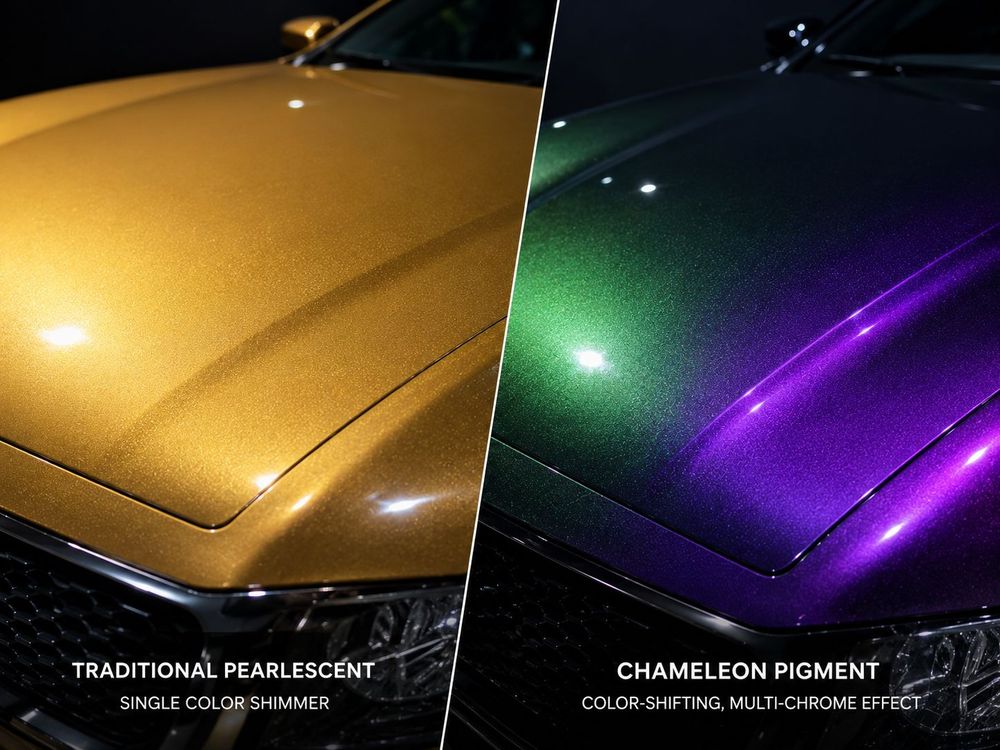
When it comes to the chameleon vs pearlescent debate, the fundamental difference is motion versus stillness. Traditional pearlescent pigments produce a luminous, static shimmer through a single interference coating — beautiful, reliable, and cost-effective. Chameleon pigments,...
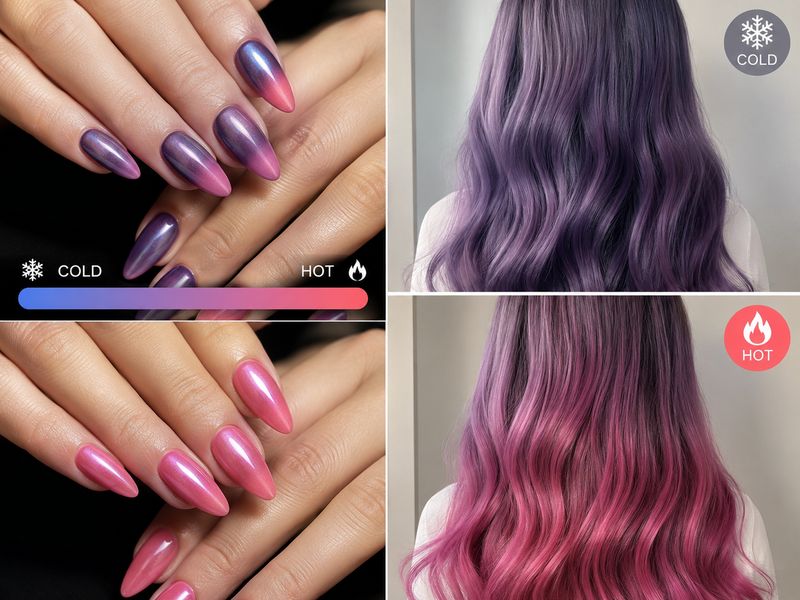
Thermochromic pigment delivers a functional color-change effect — shifting from vivid to colorless or transitioning between two distinct hues in response to body heat — making it one of the more technically demanding ingredients to formulate correctly in nail and cosmetic systems. For na...
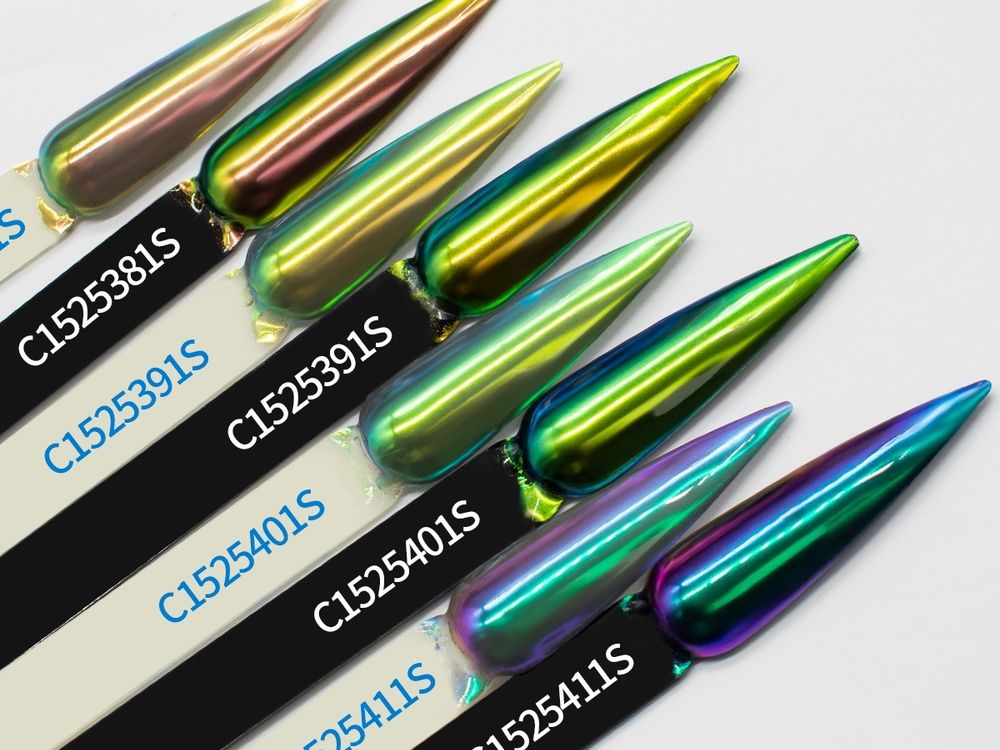
Color shift pigment — whether formulated as a chameleon pigment for automotive topcoats or as an optically variable pigment for security printing — produces a continuous, flowing color transition across viewing angles by exploiting thin-film light interference rather than conventional ab...
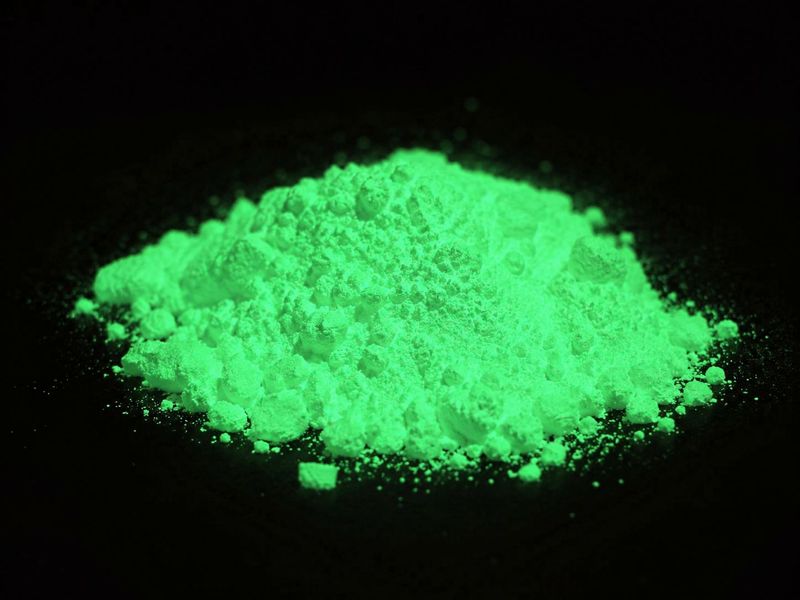
Strontium aluminate is the high-performance inorganic host lattice behind today's most capable photoluminescent pigment systems — rare-earth doped, long-afterglow, and dramatically brighter than the zinc sulfide materials it largely displaced. In powder form, it absorbs ambient light...
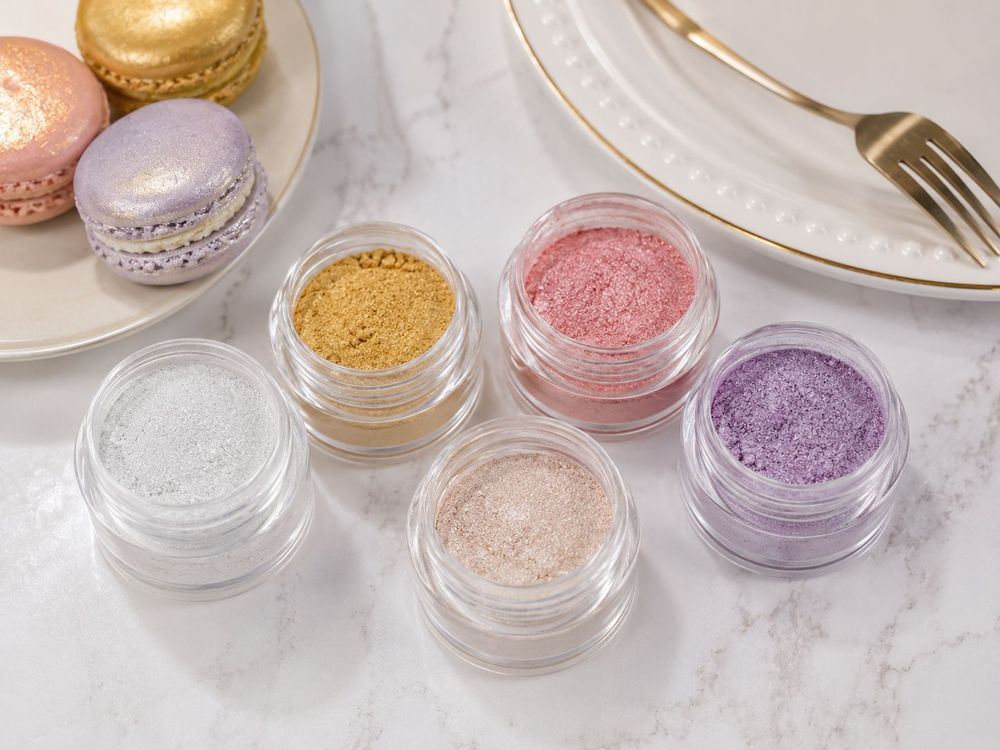
Edible luster dust is a mica-based pearlescent powder used to apply shimmering gold, silver, and color-shift effects directly onto cakes, chocolates, and confections — where visual impact is as deliberate as flavor. For formulators and food decorating specialists, understanding what separates...
Pearlescent pigment delivers glossy, sparkling color and shimmer through light interference, giving coatings, plastics, inks, and cosmetics a transparent pearl-like effect. Available as silver white, gold, metallic, and multicolor pearl pigment powder, it works across paints, nail art, epoxy floors,...
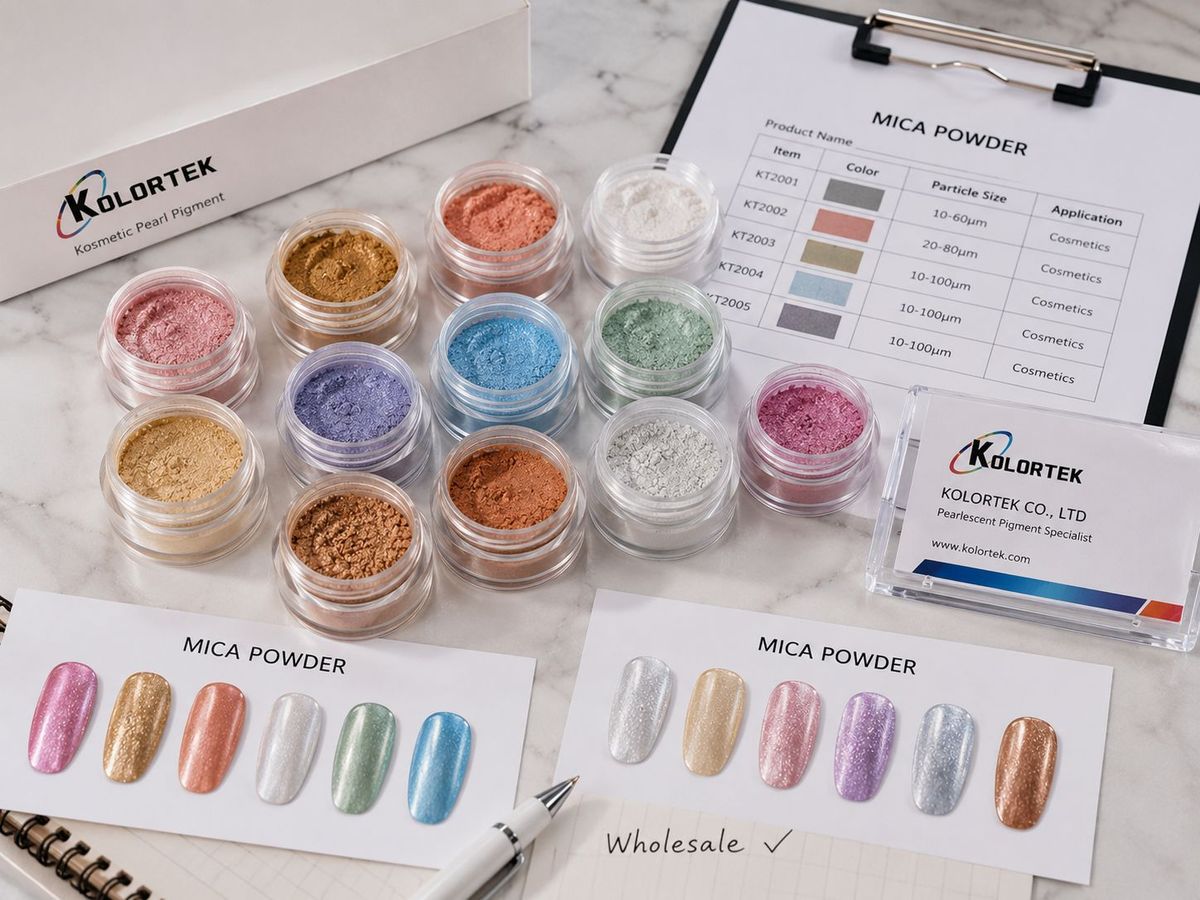
Sourcing cosmetic mica powder wholesale means navigating a complex overlap of regulatory compliance, optical performance, and supply consistency — decisions that directly affect how your finished product looks on skin. Whether you're building a pearlescent eyeshadow palette or a shim...
Selecting the right skin safe pigment powder for makeup formulas means navigating overlapping regulatory frameworks, substrate interactions, and application-zone restrictions — not just picking a color. A pearlescent gold that performs beautifully in a lip gloss may be entirely inapp...
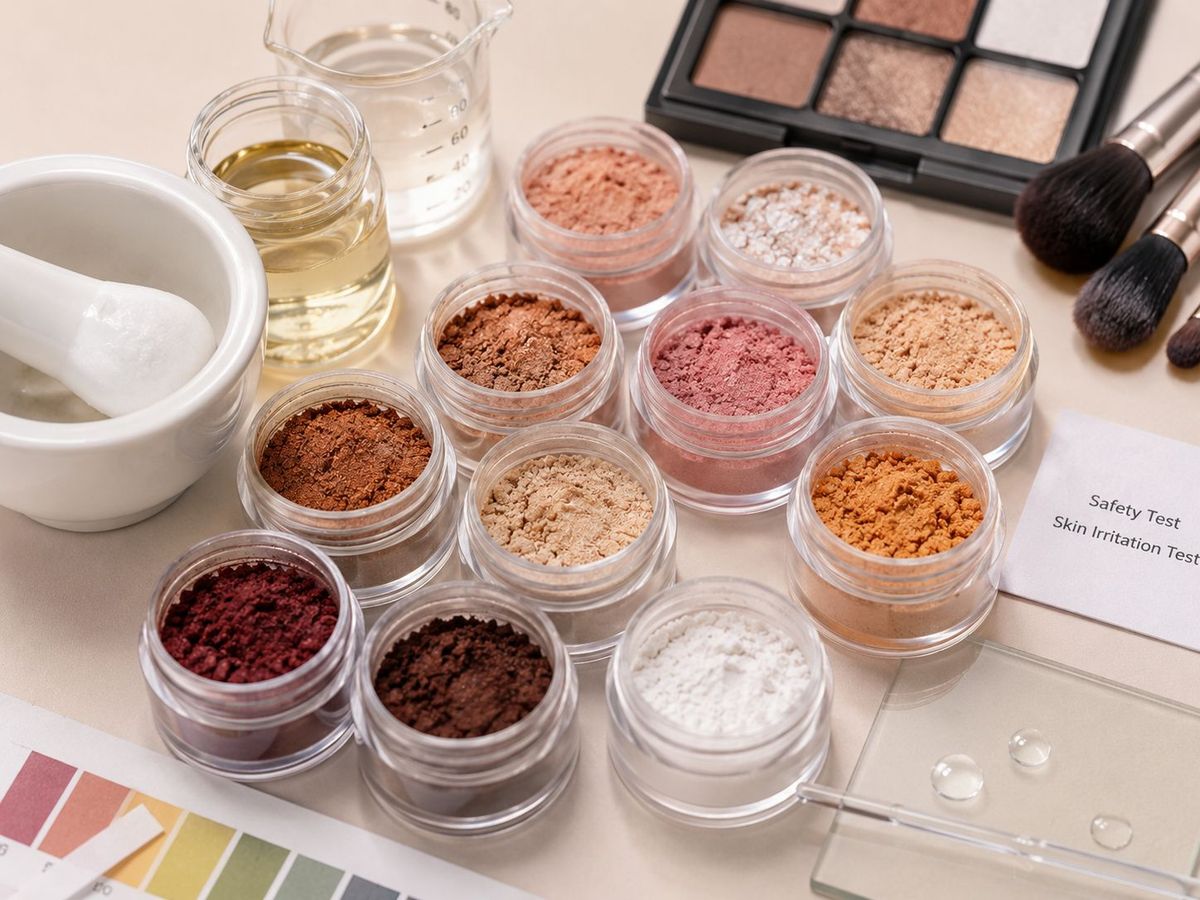
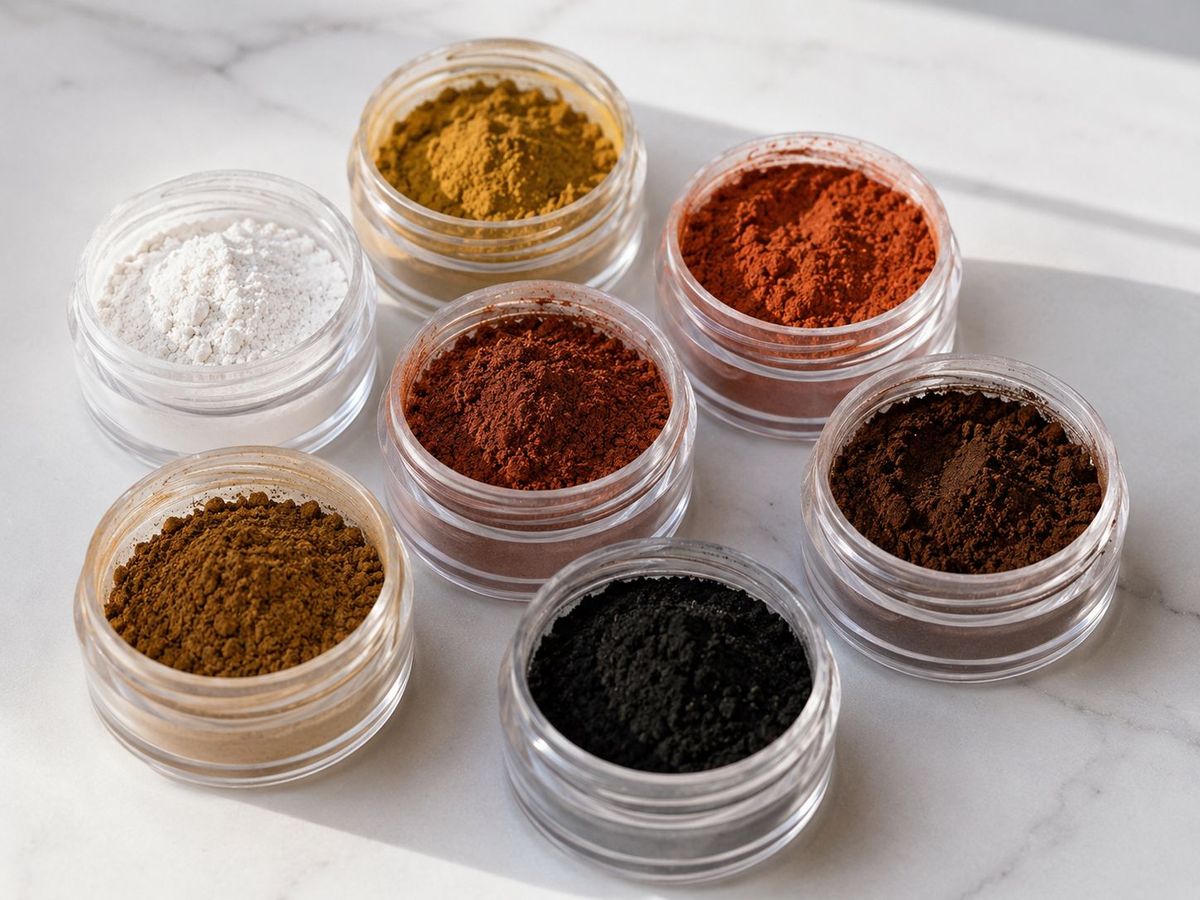
Cosmetic iron oxides are inorganic mineral pigments for cosmetics that deliver stable, matte color across the full brown-red-yellow-black spectrum — the backbone of skin-tone matching in foundations, blushers, and pressed powders. Unlike organic dyes, they resist fading, tolerate processing he...
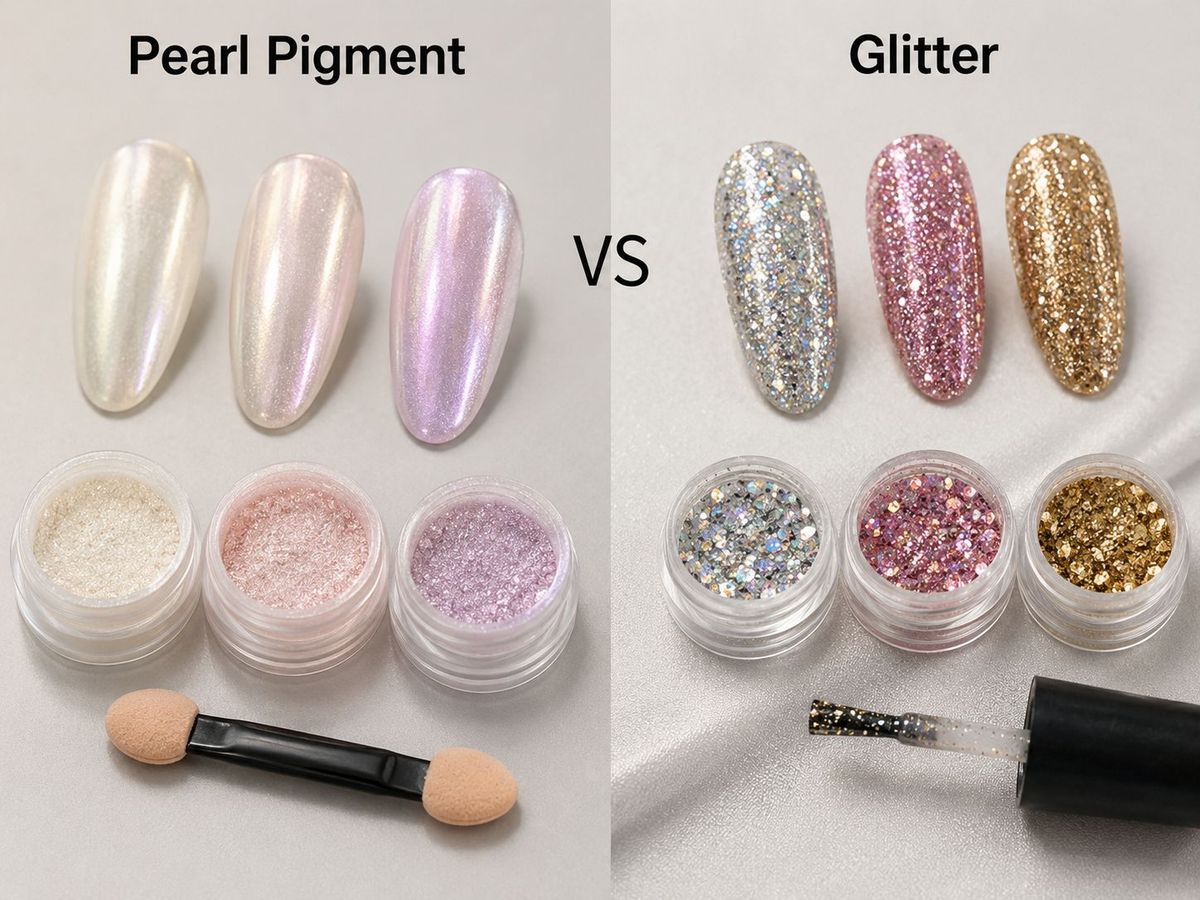
Selecting between pearl pigment and glitter for nail applications comes down to optical behavior, formulation compatibility, and the finish your end product demands — not just aesthetics. Shimmer pigment powder delivers a smooth, continuous pearlescent or metallic sheen by...
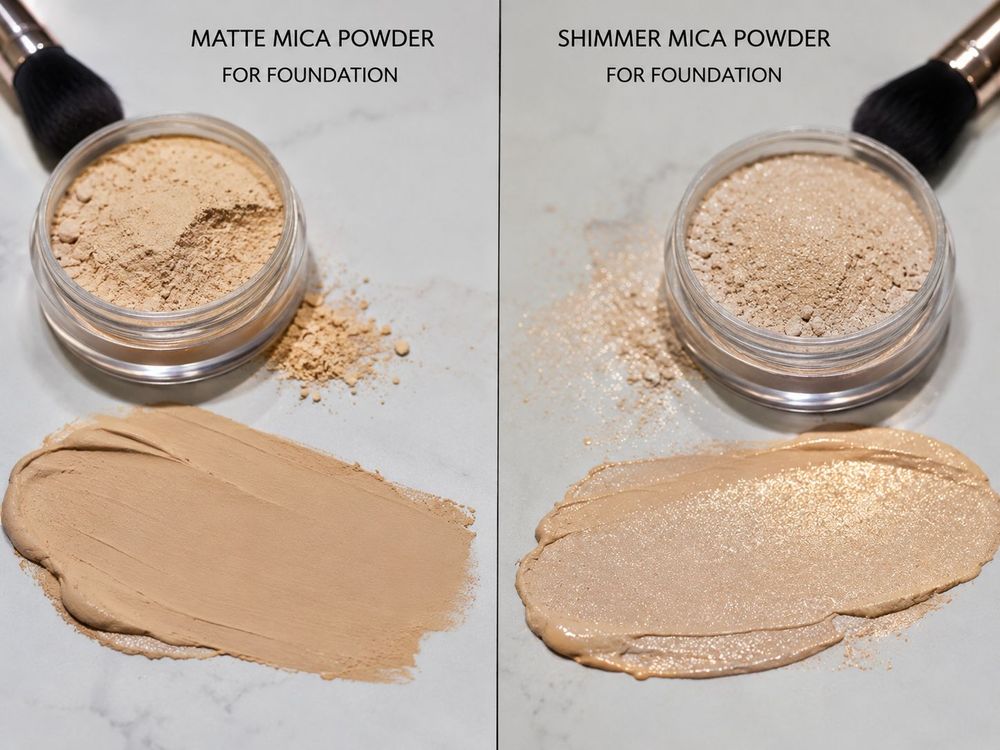
Choosing between matte mica powder and shimmer mica powder in foundation formulation directly affects finish, skin interaction, and consumer perception — and the decision is rarely as simple as "glow vs. no glow." Both rely on the optical and physical behavior of cosme...



 English
 Français
 Deutsch
 Русский
 Español
 Português