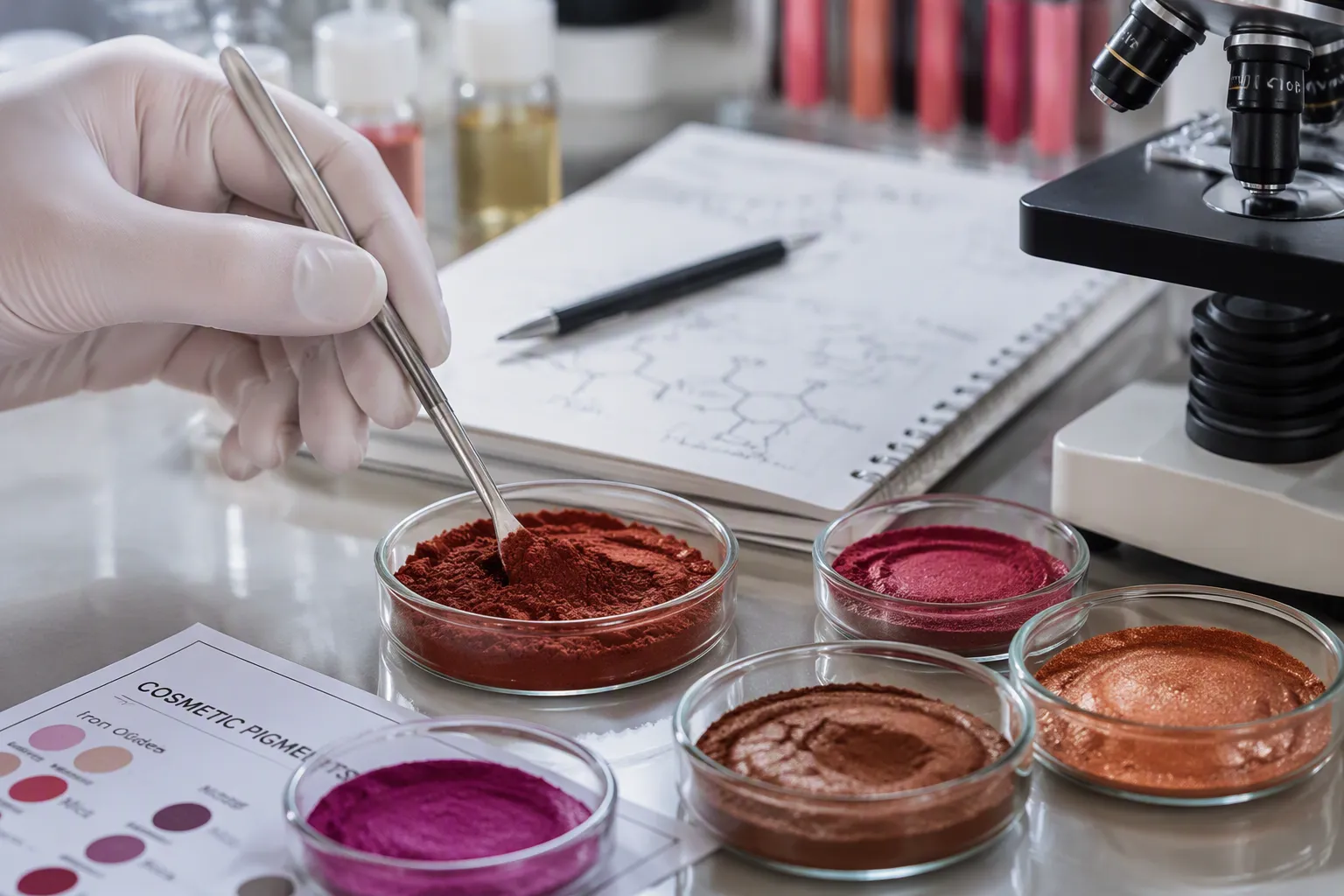
You choose surface treated pigments by matching the treatment to your formulation goals. First, define your system: emulsion, anhydrous, or surface treated pigment powder. Next, set your top priority: dispersibility, stability, skin feel, or cost. These two answers narrow the field before yo...
Pearlescent pigments are manufactured through a controlled, multi-stage wet-chemical process that coats transparent mica platelets (typically 5–200 µm in diameter) with thin, uniform layers of metal oxides—most commonly titanium dioxide (TiO₂), iron oxide (Fe₂O₃), or chromium oxi...
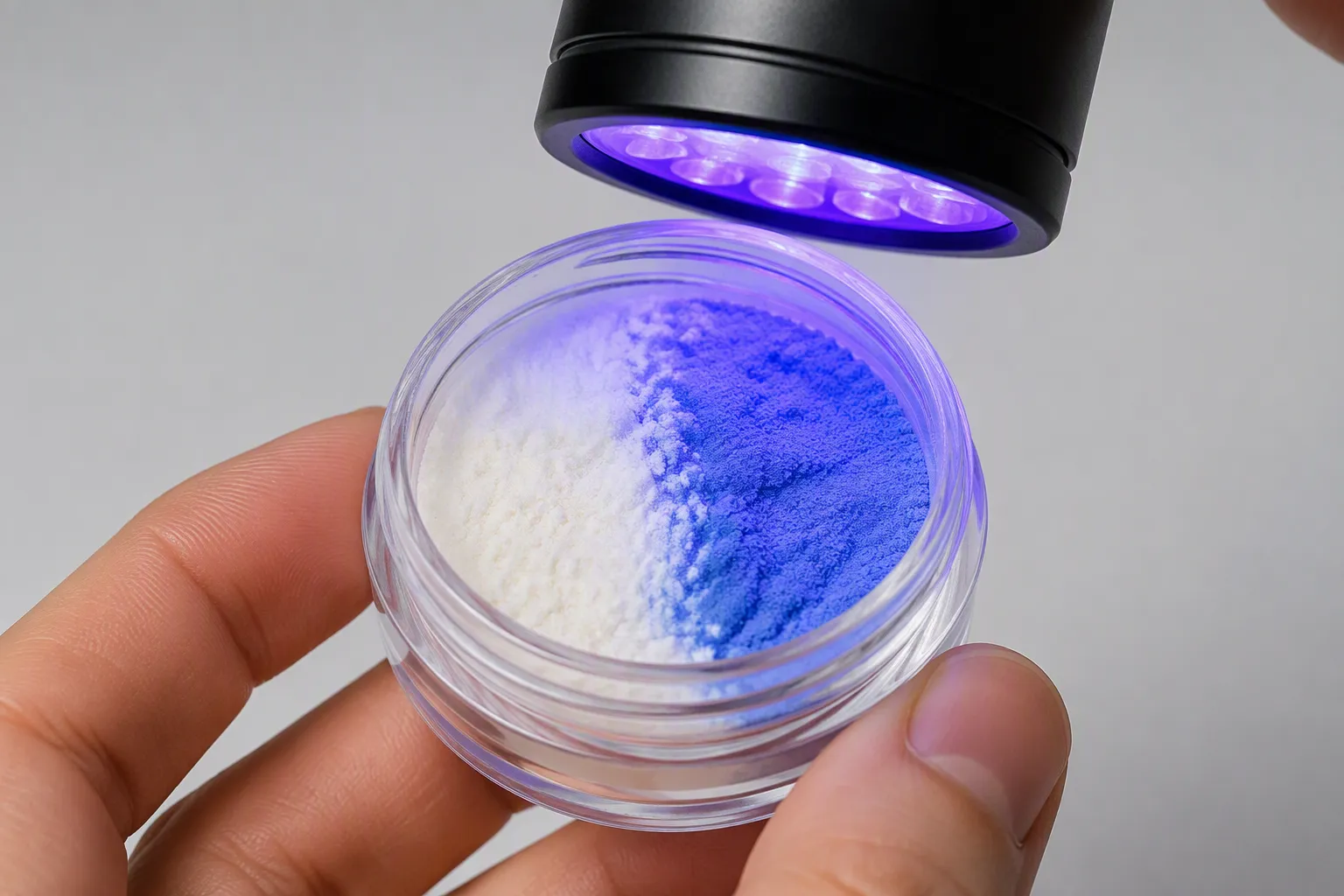
You see photochromic pigments as compounds that reversibly change color under UV light. This color change is a reversible chemical reaction triggered by ultraviolet radiation. When you remove the UV source, the reaction reverses and the pigment returns to its original state. A uv activated p...
Quick Answer
When sourcing a xirallic equivalent for automotive refinish work, the non-negotiable starting point is the substrate: you need an aluminum oxide (Al₂O₃) crystal-based pigment — not mica — to replicate the faceted, high-brilliance sparkle that defines the Xirallic v...
After two decades of fielding calls, emails, and trade show conversations, we've noticed that the same questions come up — over and over — before a buyer decides to commit to a mica powder manufacturer. These aren't bad questions. They're exactly the right ones. This mica manufactur...
A reliable pearlescent pigment manufacturer must demonstrate verifiable quality control (e.g., ISO 9001 certification), consistent batch-to-batch performance, regulatory compliance for target markets (e.g., FDA, EU Cosmetics Regulation EC No. 1223/2009), technical transparency (TDS/COA/MSDS), and en...
Quick Answer
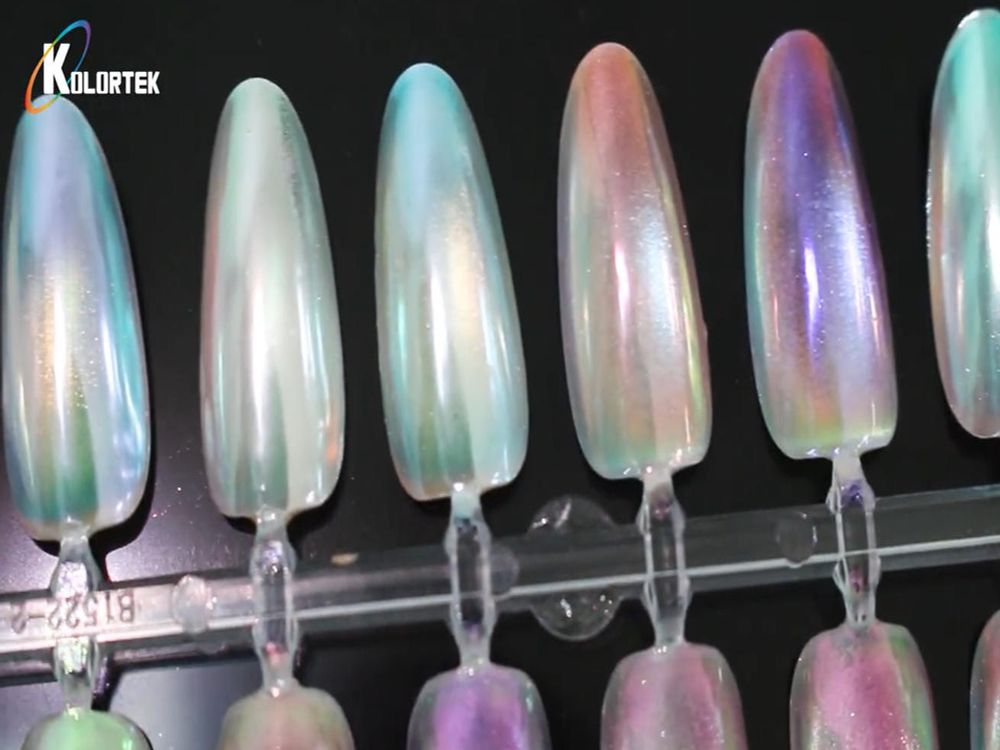
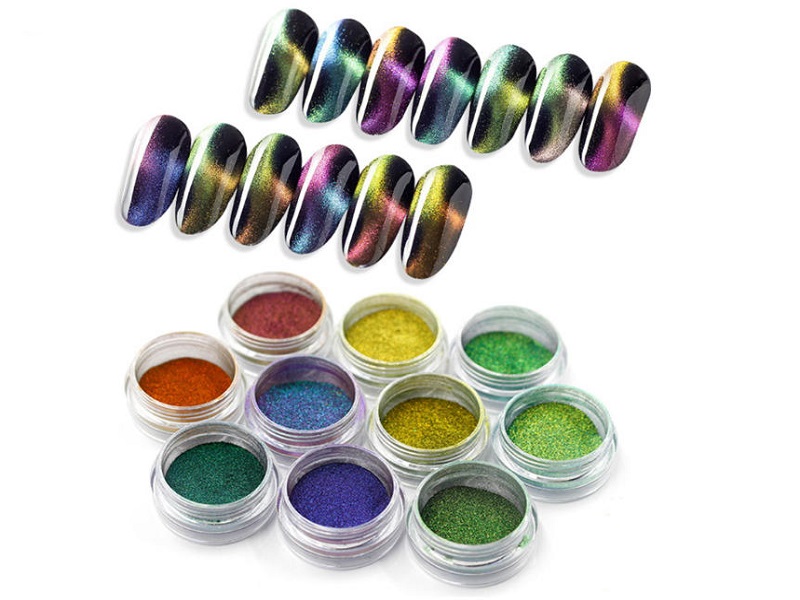
Aurora powders are transparent, multi-angle interference pigments that produce ethereal, color-shifting effects inspired by the northern lights — and they are defining nail art trends 2026 more than any other finish. From blinding diamond sparkle to whisper-soft Morandi...
Quick Answer
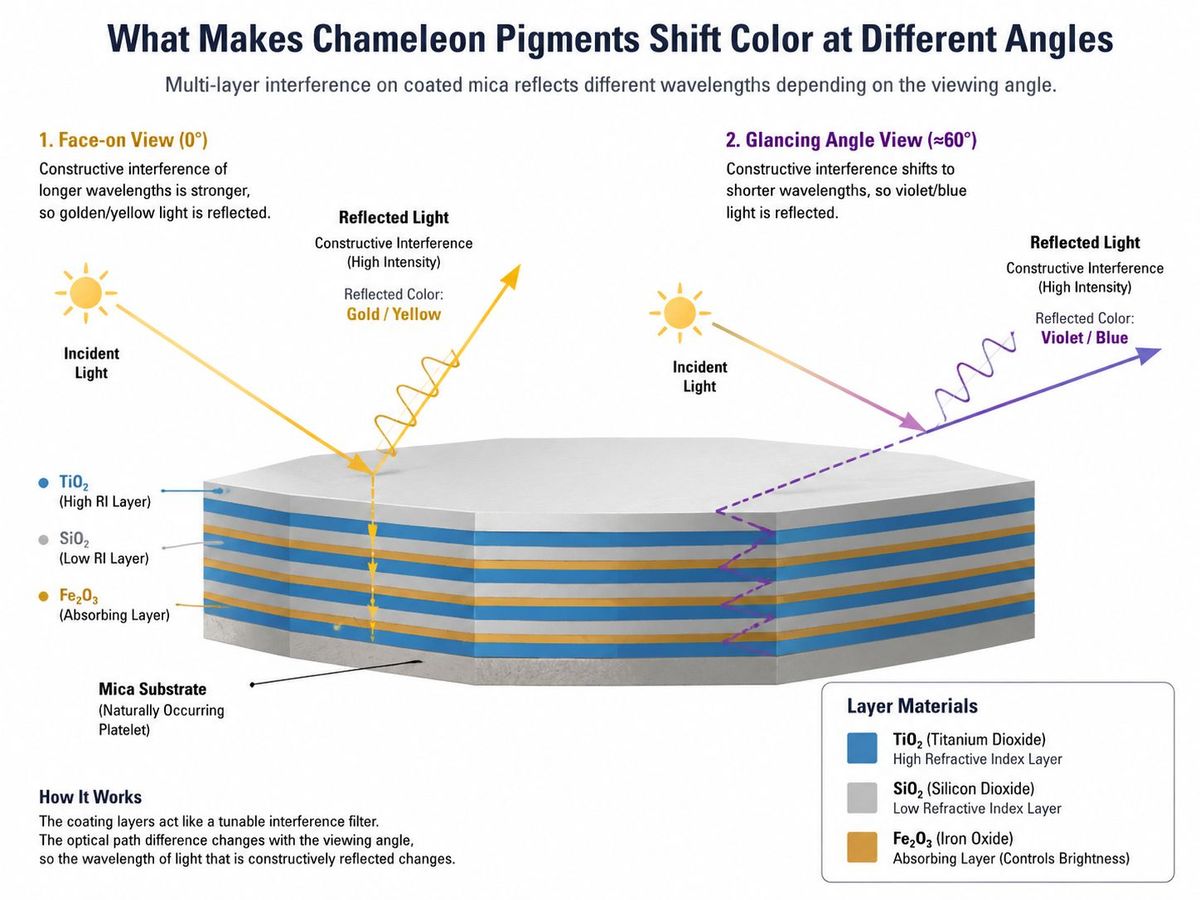
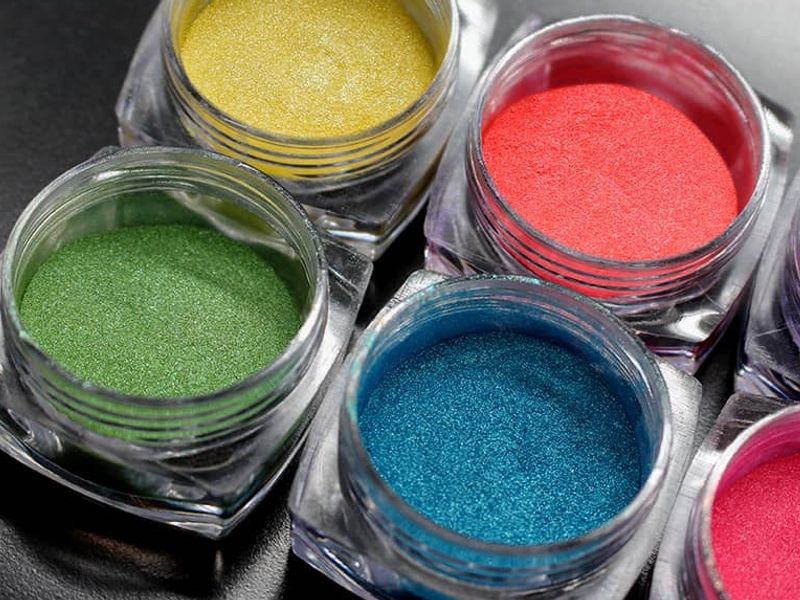
Chameleon pigments shift color at different viewing angles because of a phenomenon called multi-layer thin-film interference — the same optical principle behind a soap bubble's rainbow sheen, but precisely engineered at the nanoscale. Understanding how chameleon pigment works...
Quick Answer
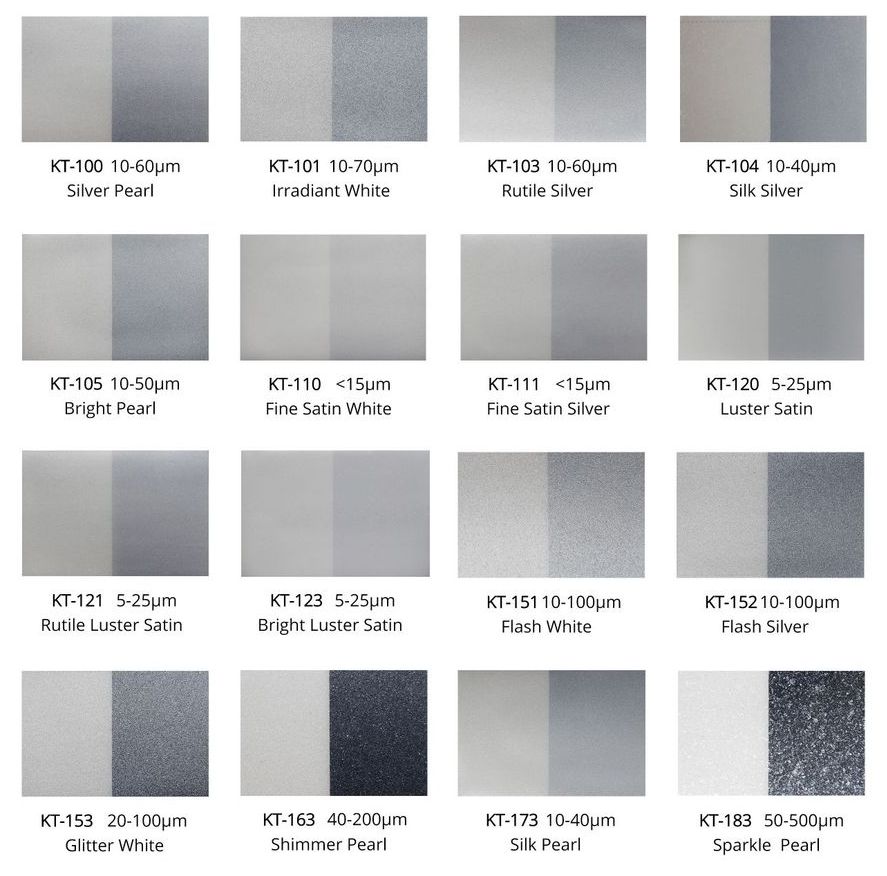
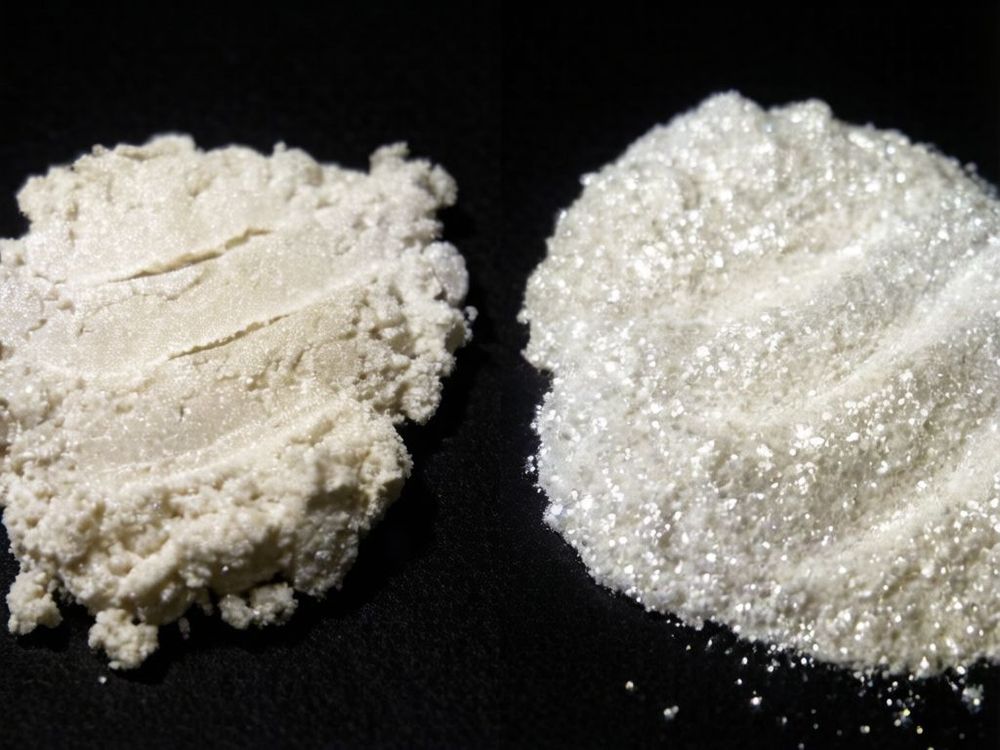
When it comes to the fine vs coarse pearl pigment debate, particle size is the single most important parameter governing visual effect — and choosing incorrectly costs you far more than a reformulation. Fine pearl pigments (1–25 μm) deliver satin coverage and silky textur...
Quick Answer
For cosmetic brands building a private label product line, this pearlescent pigment guide covers everything from substrate selection and regulatory compliance to supplier evaluation — because the wrong pigment partner doesn't just cost you money, it can derail a product launch ent...
Quick Answer
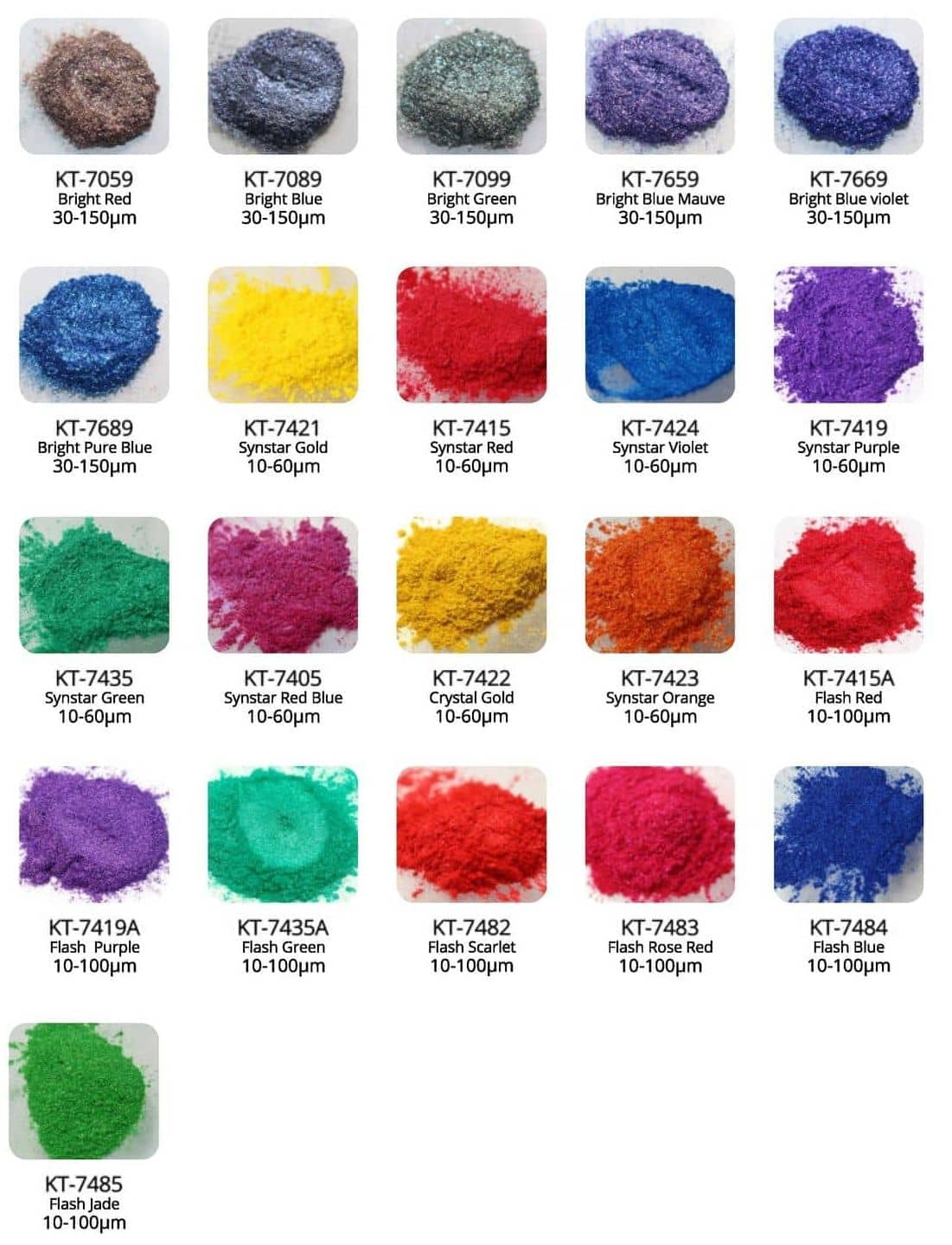
There is no single "best" pearl pigment for nail polish — the right choice depends entirely on the effect you're chasing, the system you're formulating into, and the regulatory markets you're selling in. This cosmetic pigment selection guide breaks down which Kolortek se...
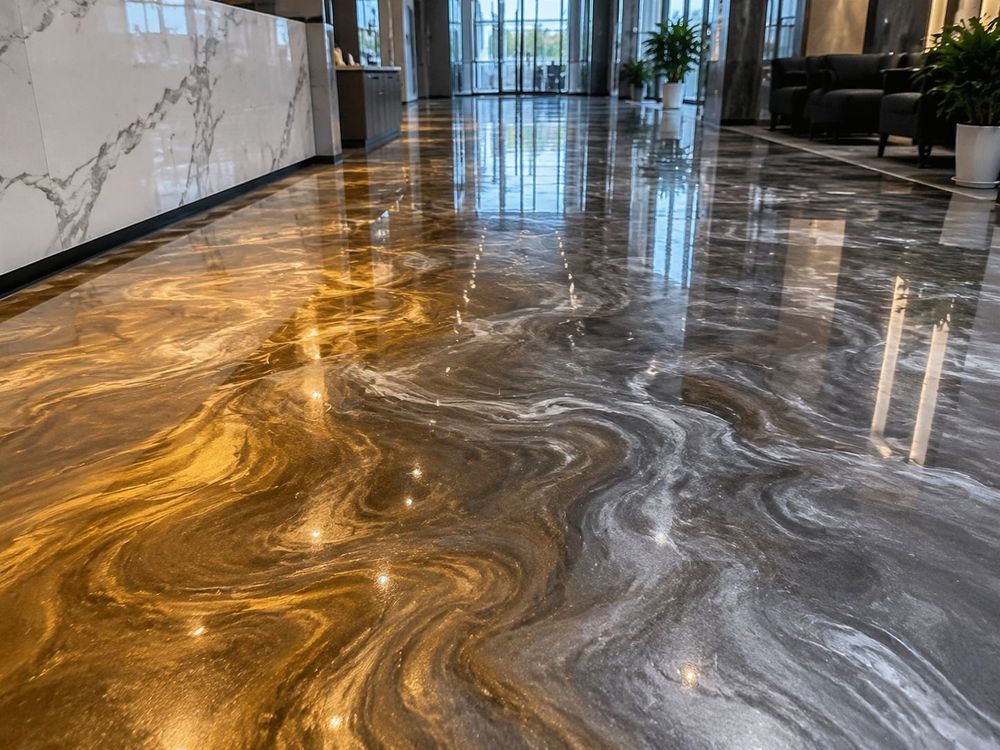
Selecting the right metallic epoxy pigment for floor coatings comes down to more than color — it's about how that pigment holds orientation under pour, resists UV yellowing, and sustains its gold, silver, or chameleon shimmer through traffic and chemical exposure. Metallic pigme...


 English
 Français
 Deutsch
 Русский
 Español
 Português