Color cosmetics rely on effect pigments to define product identity — the shimmer in an eyeshadow, the pearl depth in a lip gloss, the color-shift in a nail gel. As consumer demand moves toward more complex visual effects alongside growing scrutiny of ingredient safety, cosmetic formulat...
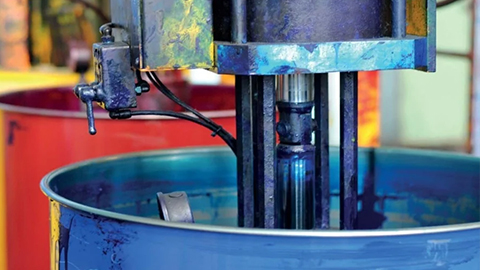
Effect pigments in paints and coatings serve a broader range of applications than any other end-use industry — from automotive refinish basecoats and industrial machinery finishes to architectural interior feature walls, epoxy decorative floors, and powder coatings on consumer goods. In each...
Effect pigments in printing applications serve a different set of constraints than coatings or plastics. Film thickness in gravure and flexo printing is measured in microns — typically 2–8 µm per layer — which means only fine-particle pigment grades are physically compatible...
Edible glitter and luster dust are used in confectionery, cake decoration, beverages, and specialty food products to add visual shimmer and metallic effects that conventional food colorants cannot produce. Demand for these products has grown alongside the expansion of home baking, artisan confection...
Epoxy resin surfaces — whether poured floors in commercial spaces or cast countertops in residential kitchens — demand pigments that can hold up under significant mechanical and chemical stress while still delivering visual depth. This is where mica-based effect pigments earn their place...
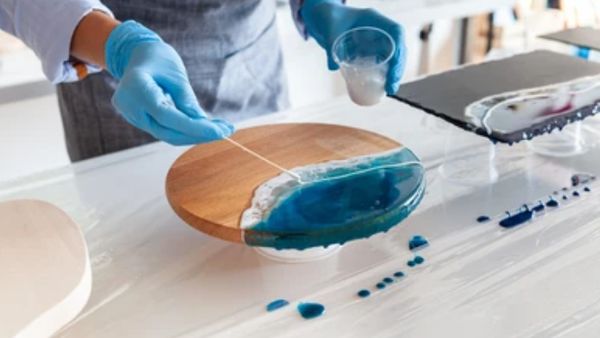
Epoxy resin has become one of the most versatile craft and art substrates in recent years — used in everything from river tables and jewelry casting to wall art panels, serving trays, and decorative geodes. The medium is clear, self-leveling, and chemically inert once cured, which makes it an...
Edible luster dust—also referred to as edible glitters, pearl dust, or sparkle powder—has become a widely used decorative element in professional bakeries, confectioneries, and beverage applications. These pearlescent pigments deliver metallic and iridescent visual effects to cakes, des...
Cold-process soap making has experienced a resurgence among artisan producers and small-batch manufacturers who value creative control, ingredient transparency, and handcrafted quality. Unlike industrial continuous processes or melt-and-pour bases, cold-process soap relies on the exothermic saponif...
Color-shift pigments have transitioned from specialty nail art products to mainstream formulations across gel polish, dipping powders, acrylic systems, and conventional lacquers. These pigments create multi-dimensional color effects that change based on viewing angle, offering nail technicians and...
Resin and epoxy crafting has grown from a niche hobby into a significant market segment spanning art, décor, functional items, and small-batch manufacturing. Whether creating river tables, jewelry, decorative coasters, or clear-coat finishes, crafters and formulators are working with transpa...
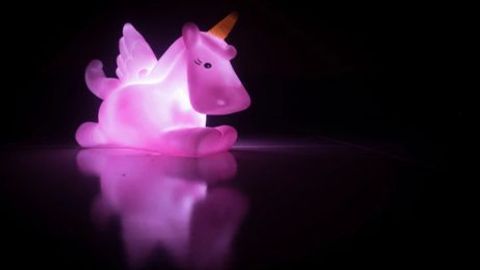
Photoluminescent pigments serve two distinct but equally important roles in plastic products. In safety applications, they provide emergency egress marking, warning indicators, and low-light visibility without requiring electrical power. In toy manufacturing, they deliver interactive visual effects...
Color-shift pigments have become a defining feature in high-value coatings, particularly in automotive finishes where differentiation and visual impact drive purchasing decisions. Unlike conventional metallic or pearlescent pigments that reflect a single color, chameleon pigments display multiple d...












 English
 Français
 Deutsch
 Русский
 Español
 Português