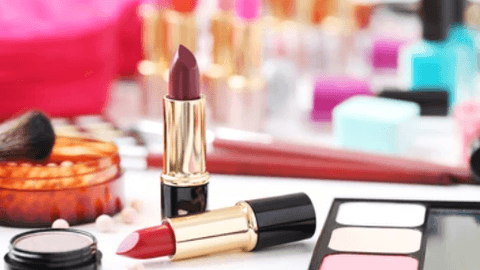
Color cosmetics rely on effect pigments to define product identity — the shimmer in an eyeshadow, the pearl depth in a lip gloss, the color-shift in a nail gel. As consumer demand moves toward more complex visual effects alongside growing scrutiny of ingredient safety, cosmetic formulat...
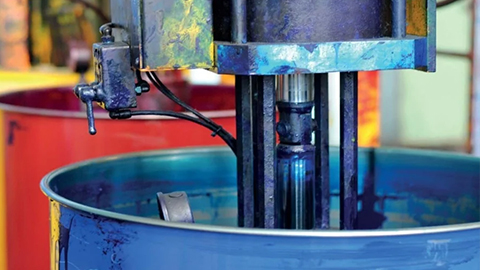
Effect pigments in paints and coatings serve a broader range of applications than any other end-use industry — from automotive refinish basecoats and industrial machinery finishes to architectural interior feature walls, epoxy decorative floors, and powder coatings on consumer goods. In each...
Effect pigments in printing applications serve a different set of constraints than coatings or plastics. Film thickness in gravure and flexo printing is measured in microns — typically 2–8 µm per layer — which means only fine-particle pigment grades are physically compatible...
Edible glitter and luster dust are used in confectionery, cake decoration, beverages, and specialty food products to add visual shimmer and metallic effects that conventional food colorants cannot produce. Demand for these products has grown alongside the expansion of home baking, artisan confection...
Plastics processing places more demanding constraints on pigment performance than most other effect pigment applications. Injection molding, extrusion, and blow molding expose pigments to temperatures between 180°C and 320°C depending on the polymer system — a range that eliminates mos...
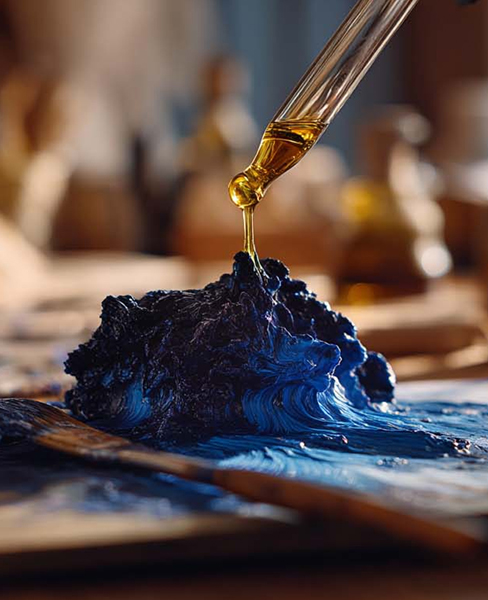
Craft and art applications — epoxy resin art, fluid painting, candle making, model painting, leather finishing, tumblers, and mixed media — are among the most visually effect-driven uses of pigment powders. Effect pigments define the work: the shimmer in a resin pour, the color shift in...
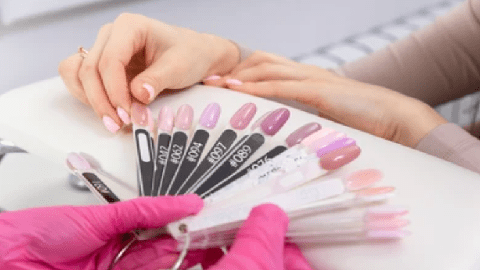
Nail art is one of the most effect-pigment-intensive segments of the cosmetics industry. A single gel nail collection may require chrome powders, cat eye magnetic pigments, holographic effects, color-shift chameleons, pearl bases, and glitter toppers — each requiring its own pigment chemistry...
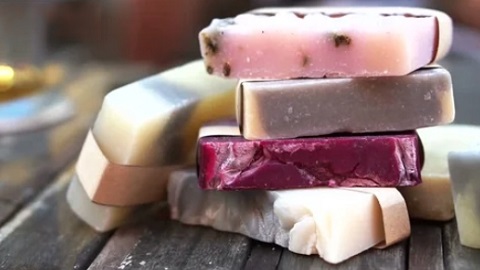
Soap making — from artisan cold process bars to commercial melt-and-pour production — relies on colorants and effect pigments to define product appearance and support brand positioning. Pearl mica, metallic shimmer, holographic glitter, and matte colorants each serve different aesthetic...




 English
 Français
 Deutsch
 Русский
 Español
 Português