Leave A Message
If you are interested in our products and want to know more details,please leave a message here,we will reply you as soon as we can.
Thermochromic Pigment Supplier: 30 Grades from 1 kg MOQ
Thirty thermochromic grades from a 1 kg minimum: how the activation band, the separate second colour and three process limits decide a repeatable order.
Item No. :
KTP series — 30 grades in production: 13 single-colour, 7 two-tone, 10 BPA-free. The liquid range KT-MLC01 is a separate line and is not counted in the 30.Color Effect :
Coloured below the activation temperature and colourless above it, reversibly; two-tone grades reveal a second, conventional pigment when the capsule clearsParticle Size :
1–10 µm for single-colour grades; 3–10 µm for two-tone and BPA-free gradesComposition :
Leuco dye, colour developer and fatty-acid or ester solvent held in a microcapsule; grade-level detail on the TDSBrand :
KolortekMOQ :
1 kg for the KTP rangeApplication :
Cups, spoons and food-contact articles from the BPA-free ten; moulded and cast parts; coatings and inks; cold-chain and hot-drink temperature indicatorsKolortek runs 30 thermochromic grades in production, all shipped from a 1 kg minimum. The same factory asks 25 kg for pearl pigment and 0.1 kg for Chromashift. Those numbers follow how each product is built — and ordering at the wrong tier turns a first purchase into two years of stock.
At a Glance
The 30 grades split by how the capsule is built. Thirteen are single-colour — one colour below activation, colourless above — at 1–10 μm. Seven are two-tone and ten BPA-free, both at 3–10 μm. A separate liquid range uses cholesteric liquid crystals and is quoted on its own.
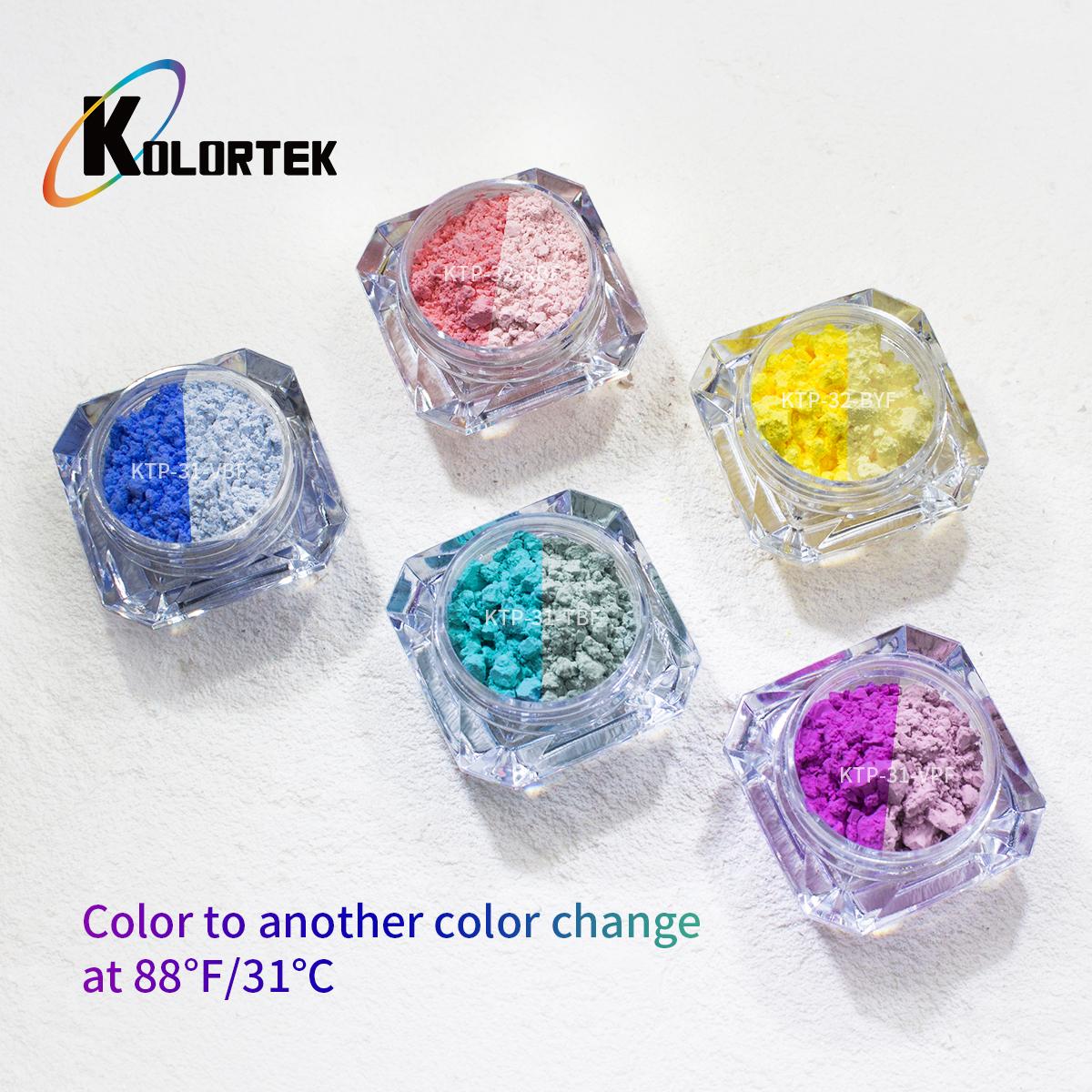
Fig. 1 — Six two-tone grades. Each jar holds one pigment: left half below activation, right above.
The 1 kg minimum follows the form. A microcapsule is judged from a kilogram: it coats test pieces, runs a small moulding trial and leaves material for a second attempt. Pearl at 25 kg is a platelet that has to fill a coating line for a full batch.
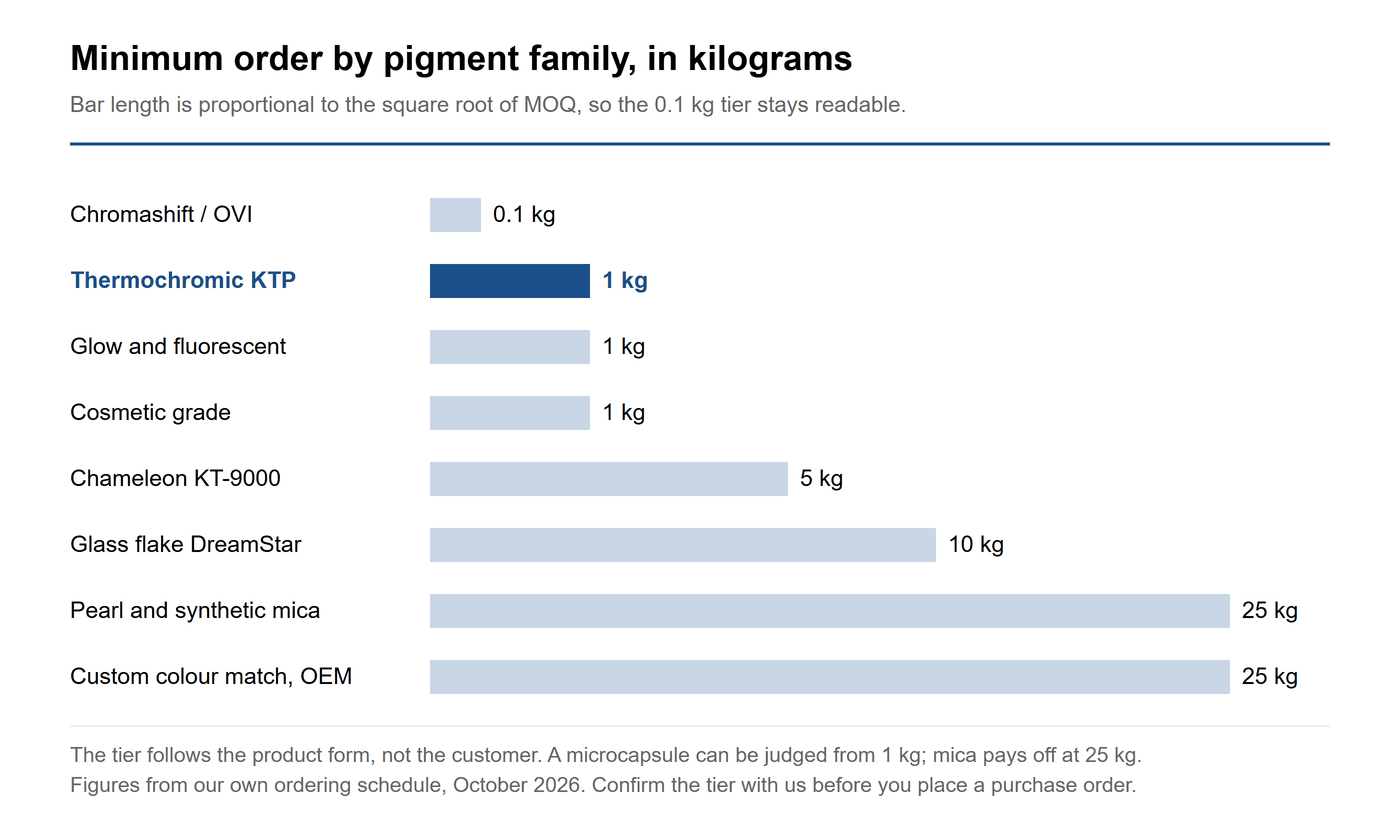
Fig. 2 — Minimum order by family. The tier tracks the form, not the negotiation.
Buyers start with a colour and ask what temperatures exist. It works better reversed: the activation point decides what the product can do, and colour is the easiest to change.
Five single-colour grades activate below room temperature, from red at 16 °C to gold yellow at 22 °C. They read as coloured at ambient and fade as the object warms: a chilled drink, a cold-chain box, a surface out of a fridge.
Twenty-three grades activate at 30–32 °C, and 18 sit at exactly 31 °C. That is body heat, which is why this band carries nearly every mood product: all seven two-tone, three single-colour and eight BPA-free.
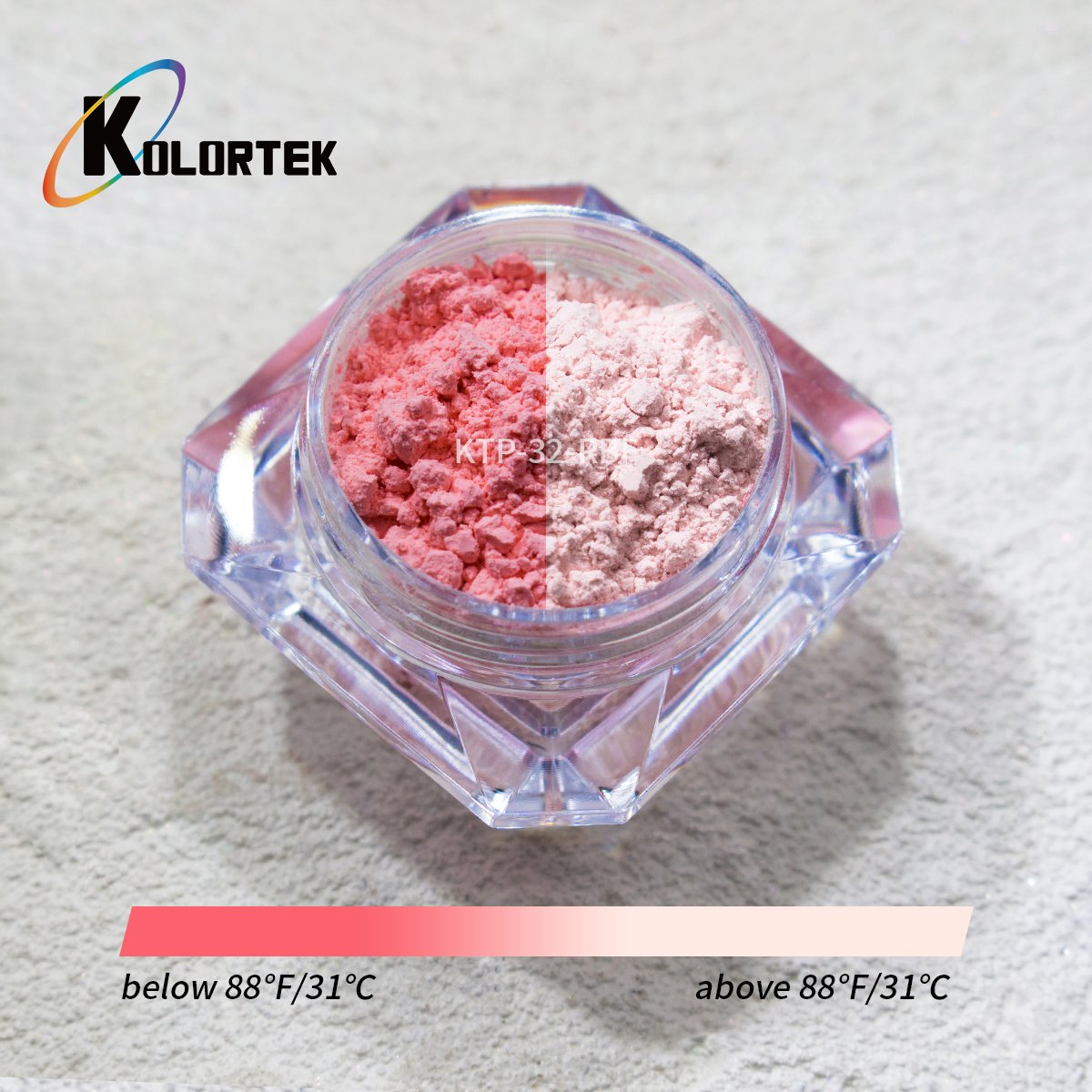
Fig. 3 — A 31 °C grade against its colour bar, below and above activation.
Only two grades sit this high: an orange red and a red, for hot drinks, warmed panels or a check that nothing reacts at room temperature. The band is narrow, so a specification at 44 °C leaves little choice.
One colour name can appear in more than one band: red at 16, 31 and 45 °C, yellow at 18 and 32, black at 18 and 31. Ordering "red thermochromic" without a temperature is how a repeat order behaves differently. The list is on heat-activated pigment page.
A two-tone grade does not turn into another colour inside the capsule. The capsule holds one leuco dye system; when it goes colourless, what remains is a second, conventional pigment mixed alongside it. A black-to-red grade is a thermochromic black with a red pigment sitting next to it.
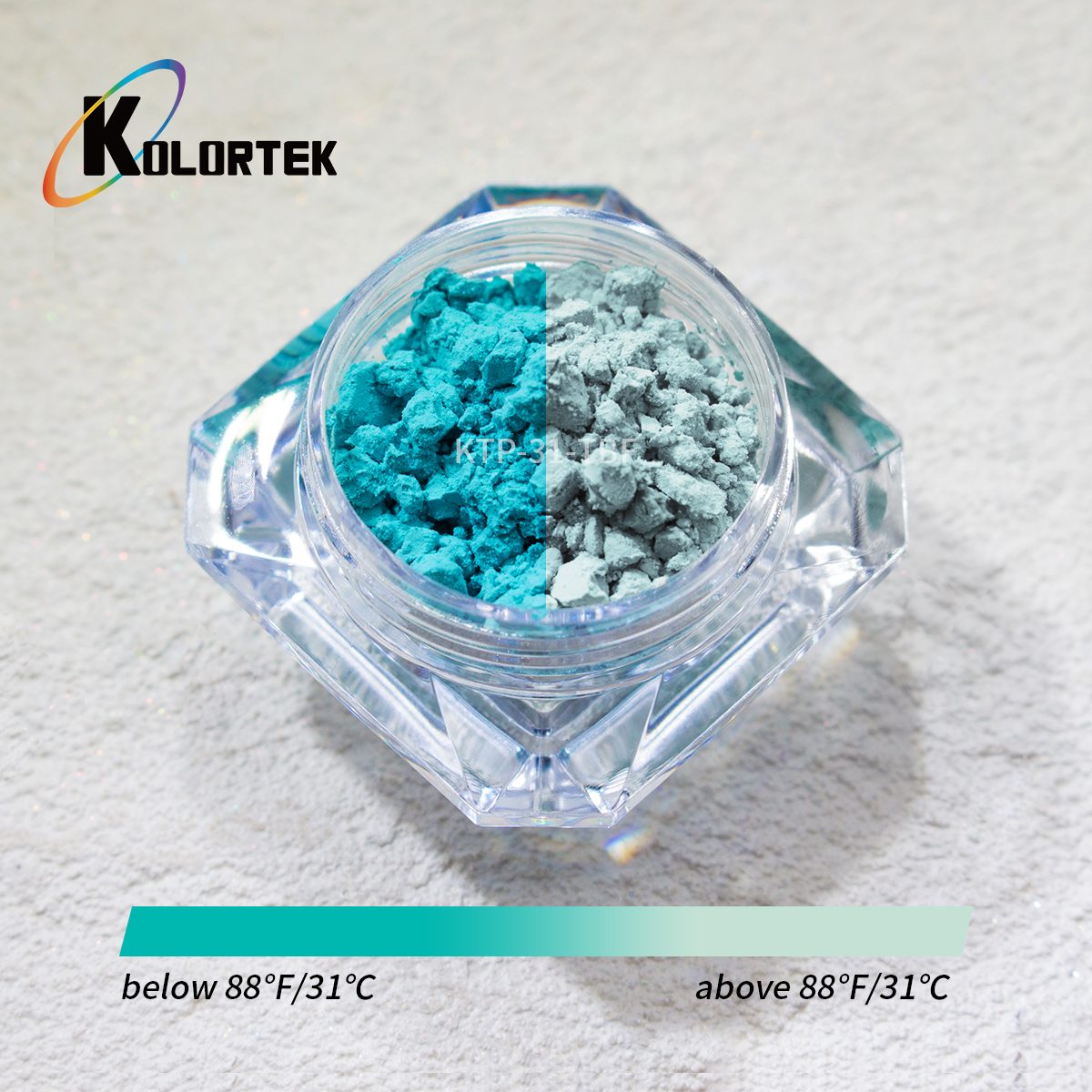
Fig. 4 — A two-tone grade in turkey blue. The colour on warming comes from a second, conventional pigment.
The first colour is controlled by the capsule and holds tight batch to batch. The second follows ordinary pigment supply and can drift between lots: two batches match on the activated colour while the revealed one reads a shade apart. If it must match an existing product, say so on the order.
All seven run at 31 °C and 3–10 μm — interchangeable in process, not in colour. The food-contact side is on the BPA-free food-grade page.
The working part is a shell, which makes this the most process-sensitive product in the range. Three limits decide whether a process can carry it — check them before choosing a colour.
Exposure above 60 °C can damage the capsule permanently — it stops reversing and the grade becomes an expensive ordinary pigment. Brief contact is not sustained heat: a moulding cycle is not a twenty-minute bake.
High shear ruptures the capsule. A high-speed dissolver, a bead mill or a tight-clearance pump breaks a share of the shells and leaves a weaker change than the sample showed. Low-speed mixing is the requirement; skipping it is why "the sample was stronger than the batch".
Light-fastness is limited. Under sustained UV the capsule degrades and the change weakens. Indoors this rarely matters; outdoors, plan a UV-screening topcoat and test the finished article, not the powder. Dispersion detail is in the epoxy mixing guide.
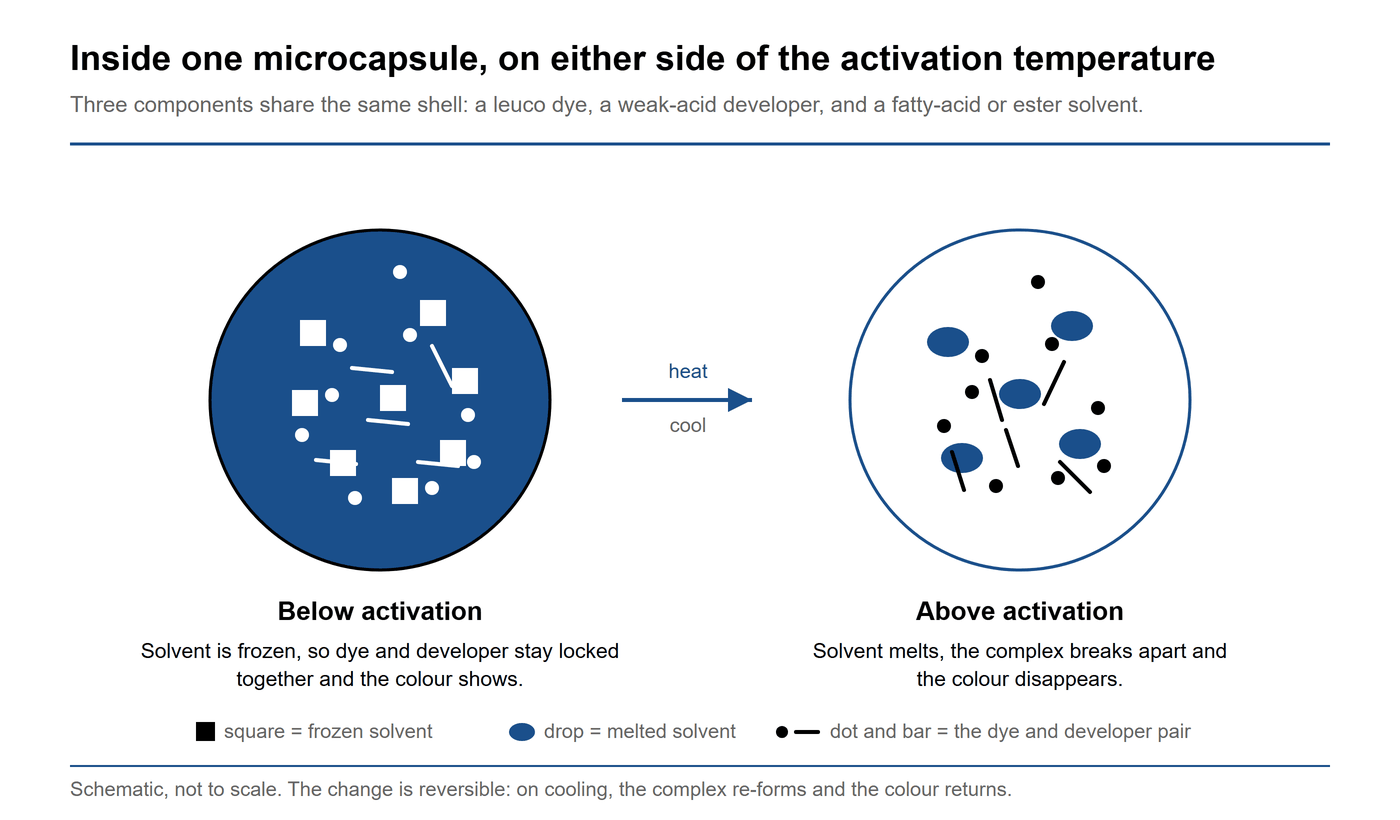
Fig. 5 — What those limits protect. Dye and developer stay locked only while the solvent is frozen.
The schedule below is what stands today, not a discount ladder. Each tier follows from the product.
| Family | MOQ | Why this tier |
|---|---|---|
| Chromashift / OVI | 0.1 kg | A thin flake; a gram already shows the full travel. |
| Thermochromic KTP | 1 kg | Covers test pieces and still allows a second attempt. |
| Glow and fluorescent | 1 kg | Judged on small castings and printed patches. |
| Cosmetic grade | 1 kg | Small batches by nature; paperwork outweighs quantity. |
| Chameleon KT-9000 | 5 kg | Usually a base colour across a line, not a sample. |
| Glass flake DreamStar | 10 kg | Handled in a coating line, so a trial needs volume. |
| Pearl and synthetic mica | 25 kg | A platelet that must fill a full batch to pay off. |
| Custom colour match, OEM | 25 kg | A dedicated run; below this, matching costs more than the batch. |
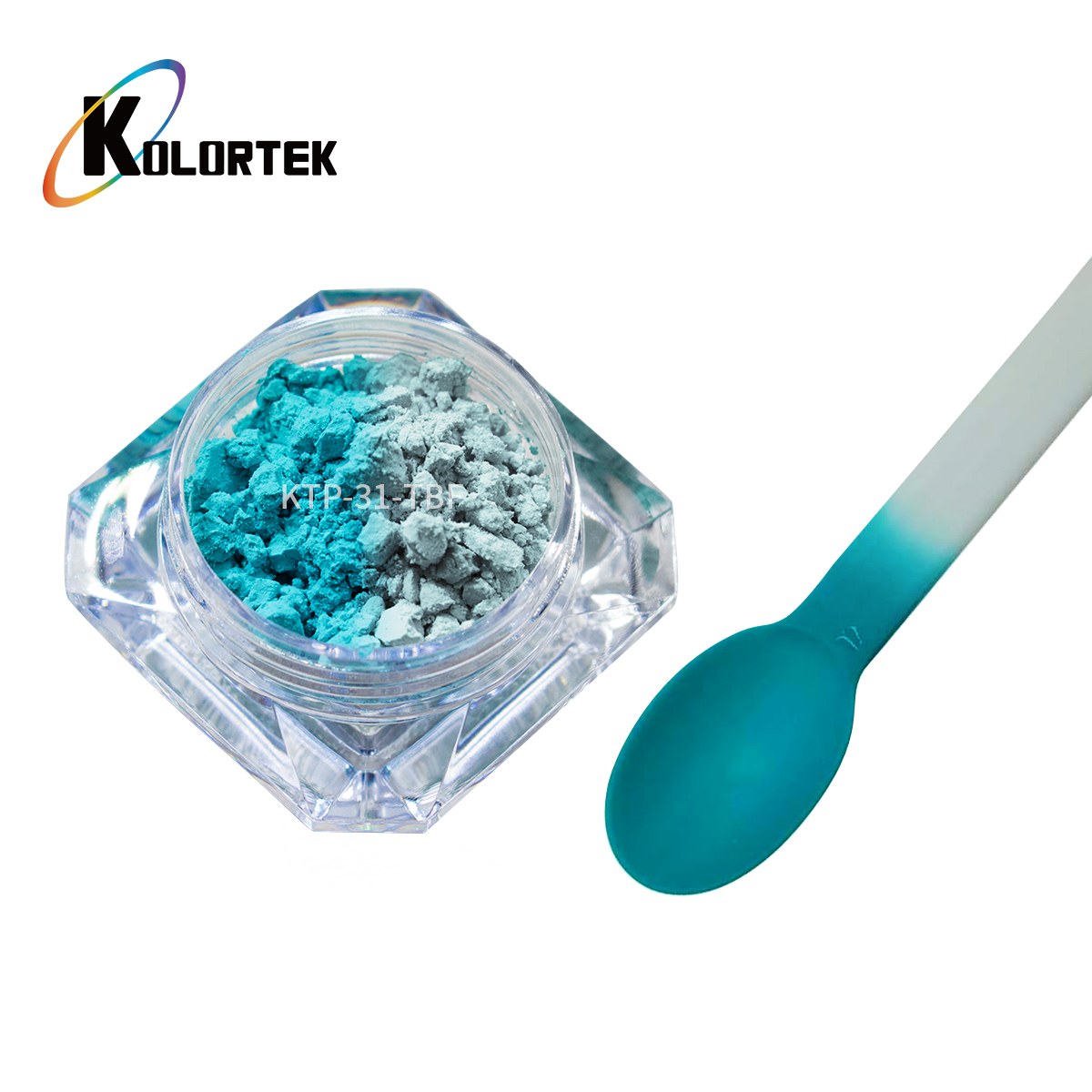
Fig. 6 — A BPA-free grade on a spoon, above and below 31 °C. Food contact is where the 1 kg tier pays off.
For a product that works through a shell, a certificate listing only colour and mesh is not enough. Ask what the batch record holds for activation temperature and particle size, and whether a retained sample is kept. That separates a grade you can repeat from one you must re-qualify.
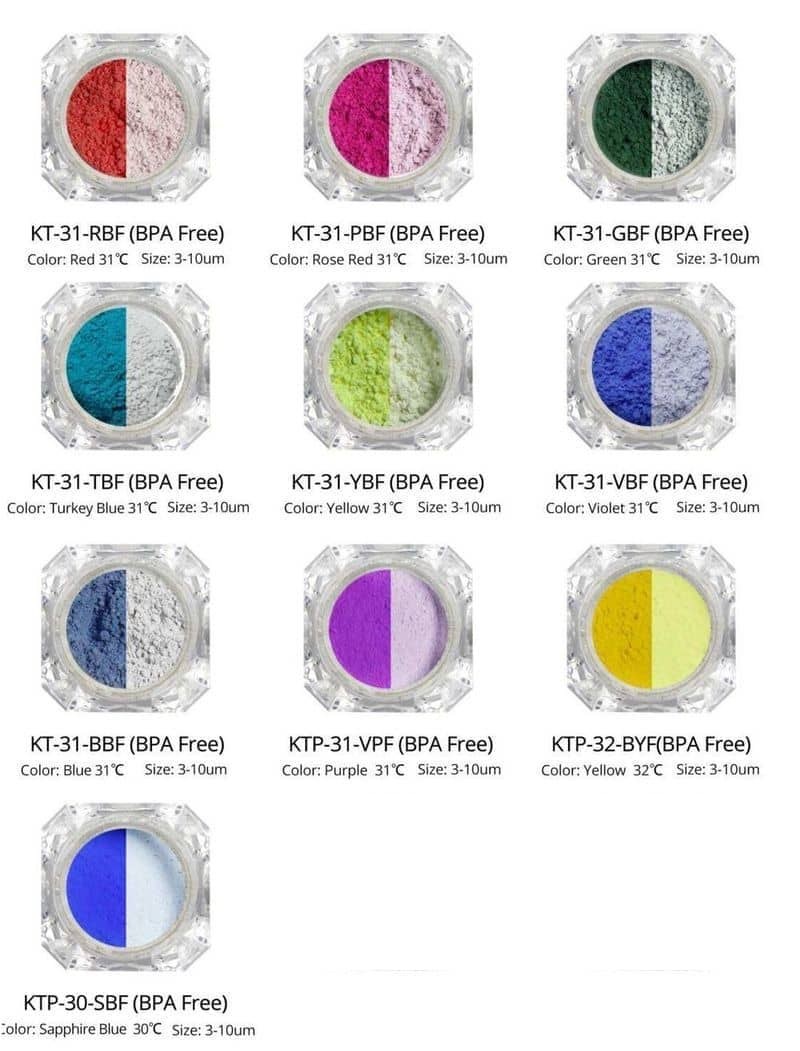
Fig. 7 — The ten BPA-free grades, each dish split below and above activation. What a batch record should reproduce.
The BPA-free ten are the ones to specify for food-contact articles: cups, spoons, food packaging. They are formulated without bisphenol-A and are not for direct ingestion. BPA-free is a separate set of ten grades, not a property of the range.
Industrial buyers often arrive with a temperature-indicator brief rather than a decorative one; transition sharpness is in the industrial application notes.
Minimum order for the KTP range is 1 kg. Stock grades ship within two weeks; a scheduled grade or custom match takes three to four weeks. Payment is online bank payment, T/T, Western Union or PayPal. Our quality management system is ISO 9001:2015 certified.
Video 1. Several grades warming and cooling in sequence, so the transition is watched, not read.
Every grade's activation point and particle size is in the thermochromic pigments catalogue. Send the code, the activation temperature and the process; the quotation follows that specification.
Documentation is issued per grade and market. REACH, RoHS, Halal, Kosher, US FDA registration and SGS test reports are provided on request, and the safety data sheet travels with every grade. Certificates are named, not numbered: ask for the current issue against your code.
1 kg for KTP. Pearl is 25 kg and Chromashift 0.1 kg; the gap follows the product form.
The second colour is not inside the capsule. It comes from a conventional pigment mixed with the thermochromic component, so it drifts between lots.
Brief contact with a melt can work, but sustained exposure above 60 °C damages the capsule permanently, and high shear ruptures it. Trial the tool first.
Most hot-drink cups sit at 31–32 °C, where the change answers a hand. A chilled-chain indicator wants 16–22 °C.
A first order runs in three steps, each checking what the previous cannot. Rushing to the third is how a project ends with a colour that works on a test piece and wrongly on the shelf.
First, verify colour and transition on your own substrate at your own thickness — a patch on paper proves the pigment changes, not that it changes in your resin. Second, confirm the batch against the retained sample. Third, scale in the tier the form allows. Sample packs are built against the application, so send the process and target temperature, not a colour name.
Thirty thermochromic grades from a 1 kg minimum: how the activation band, the separate second colour and three process limits decide a repeatable order.
Read More
Fabric is one of the more demanding substrates for thermochromic chemistry. The dye has to survive wash cycles, flex without cracking, bond to fiber structures that weren't designed to hold encapsulated colorants, and still deliver a clean, repeatable color transition. That's a tighter brief than most people expect when they first start sourcing.
Read More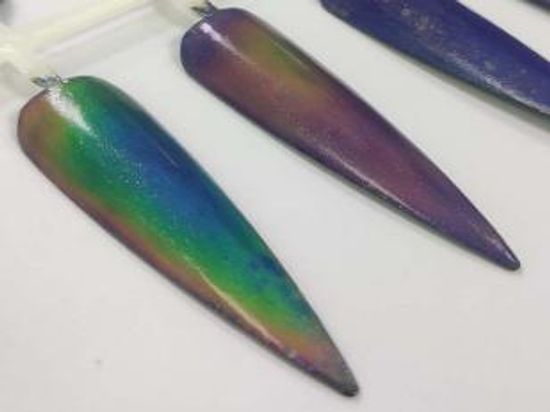
KT-MLC01 is a water-based thermochromic liquid crystal that cycles through twelve distinct colors — from black through copper, yellow, green, blue, and violet — across a 14℃ to 36℃ temperature window, making it one of the more visually dynamic options in the thermochromic category. Unlike single-transition thermochromic pigments, these mood liquid colors deliver a continuous chromatic shift in a single liquid formulation, suited for custom decorative paints, textile printing, and novelty cosmetic applications. Formulators looking to introduce live color-shift behavior into coatings or printed substrates will find the liquid format straightforward to incorporate.
Read More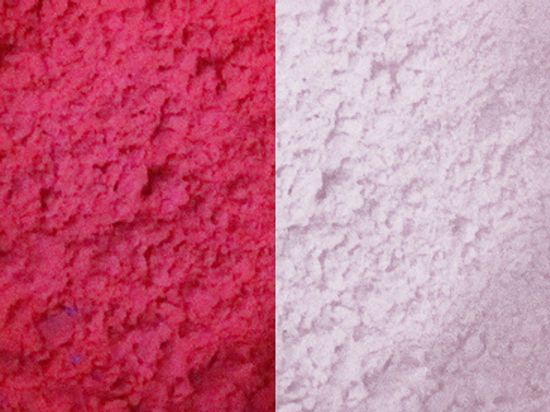
KTP-16-BR is a red thermochromic pigment that transitions from vivid red to fully colorless when temperature rises above 16°C — making it one of the lowest activation-point options in Kolortek's standard range. As a heat sensitive pigment, it's well-suited for applications where near-ambient temperature triggers are required, including temperature-indicating textiles, novelty printing, and decorative coatings. Formulators working with color change with temperature effects will find the fine 1–10μm particle size integrates cleanly into most ink and coating systems.
Read More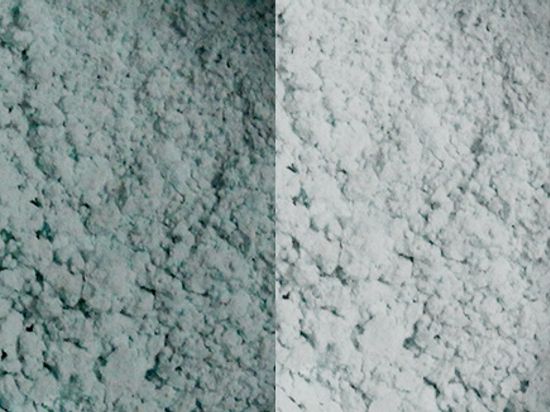
KTP-17-MG is a thermochromic powder that transitions from malachite green to fully colorless at 17°C — a low activation threshold that makes it effective for skin-contact, ambient-response, and cool-environment applications. As a heat reactive pigment, it integrates cleanly into printing, coating, and cosmetic systems where a sharp, reversible color reveal is the intended effect. Typical end-uses include nail formulations, textile printing, and craft coatings.
Read More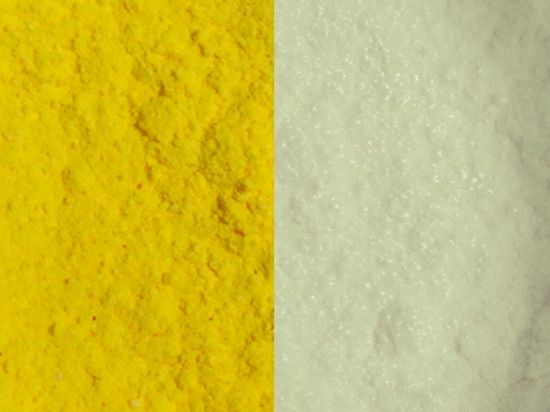
KTP-32-BY is a thermochromic powder that transitions from vivid yellow to colorless at 32°C — a body-temperature-adjacent activation point that makes it well-suited for skin-contact applications like cosmetics and nail products. This heat sensitive pigment powder disperses cleanly in most coating and printing systems, and is also available in a BPA Free food grade version for product contact use cases such as cups and utensils. Formulators working in textiles printing, craft art, or specialty inks will find the 1–10μm particle range compatible with a broad range of application methods.
Read More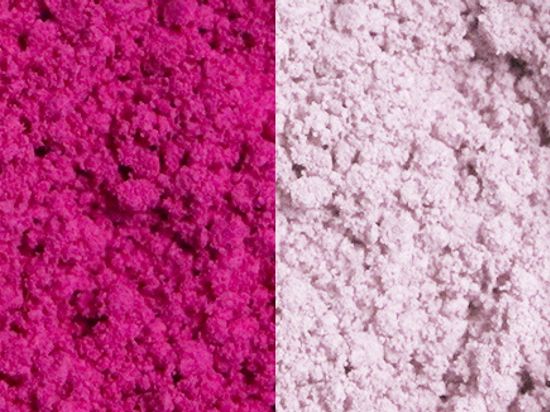
KTP-31-PBF is a rose red thermochromic pigment powder that transitions to colorless at 31°C — a body-temperature-proximate activation point well-suited for skin-contact and food-contact applications. Certified BPA Free, this heat reactive pigment is formulated for cosmetics, nail systems, and food-contact printing where safety compliance is non-negotiable. It performs equally well in textile printing and craft applications where a clean, reversible color-fade effect is the design intent.
Read More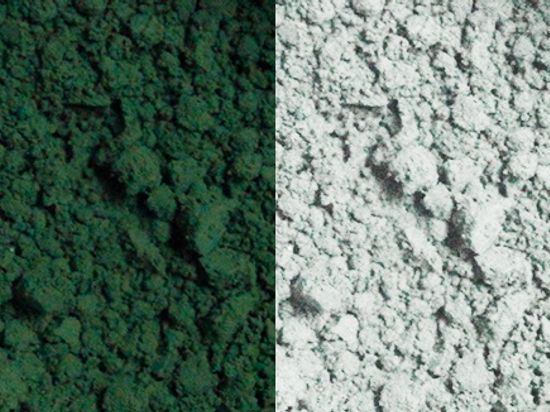
KTP-31-GBF is a food grade thermochromic pigment that shifts from vivid green to fully colorless at 31°C — clean, reversible, and BPA Free. Engineered for direct skin and food contact surface applications, this heat sensitive pigment powder is well suited for cosmetic formulations, nail products, and food contact items like cups and spoons. Its fine 3–10μm particle size ensures smooth dispersion across both water- and solvent-based systems.
Read More
 English
 Français
 Deutsch
 Русский
 Español
 Português