
Leave A Message
If you are interested in our products and want to know more details,please leave a message here,we will reply you as soon as we can.
Heat Reactive Thermochromic Powder Malachite Green 17°C — KTP-17-MG
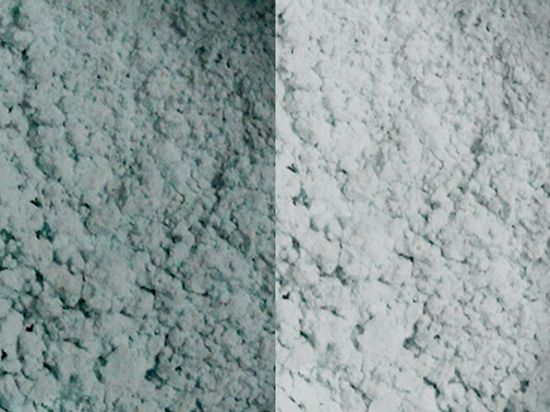
KTP-17-MG is a thermochromic powder that transitions from malachite green to fully colorless at 17°C — a low activation threshold that makes it effective for skin-contact, ambient-response, and cool-environment applications. As a heat reactive pigment, it integrates cleanly into printing, coating, and cosmetic systems where a sharp, reversible color reveal is the intended effect. Typical end-uses include nail formulations, textile printing, and craft coatings.
Item No. :
KTP-17-MGColor Effect :
Malachite Green 17℃Particle Size :
1-10μmBrand :
Kolortek / OEMMOQ :
1KGApplication :
Packaging, Printing Inks, Cosmetics, Textiles, Toys, Paints & Coatings, Food Contact (BPA-free series), Safety IndicatorsThe transition is fully reversible. Cool the substrate back down and the green returns. That cycle can repeat many thousands of times in a properly formulated system with appropriate UV protection and thermal stability additives.
Worth noting: the activation temperature of 17°C places this product at a point where it responds to ambient room conditions, human touch, or mild heating. That's distinct from higher-temperature variants, which require sustained warmth to activate.
| Model | Color | Activation Temp | Change Type | Particle Size |
|---|---|---|---|---|
| KTP-17-MG | Malachite Green | 17°C | Colored → Colorless | 1–10μm |
The broader KTP series includes variants that shift colored-to-colorless, colored-to-another-color, and food-grade BPA-free versions for direct-contact or sensitive applications. Activation temperatures range across the series to cover cold-chain, ambient, and high-heat use cases.
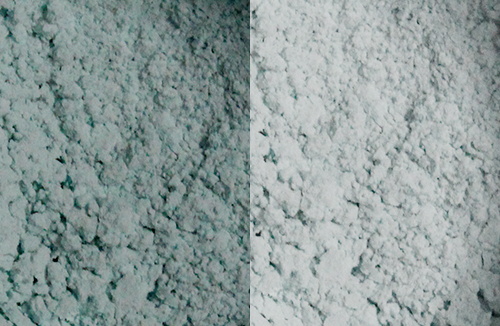
KTP-17-MG is formulated for use across several substrate categories. In practice, these are the most common integration points:
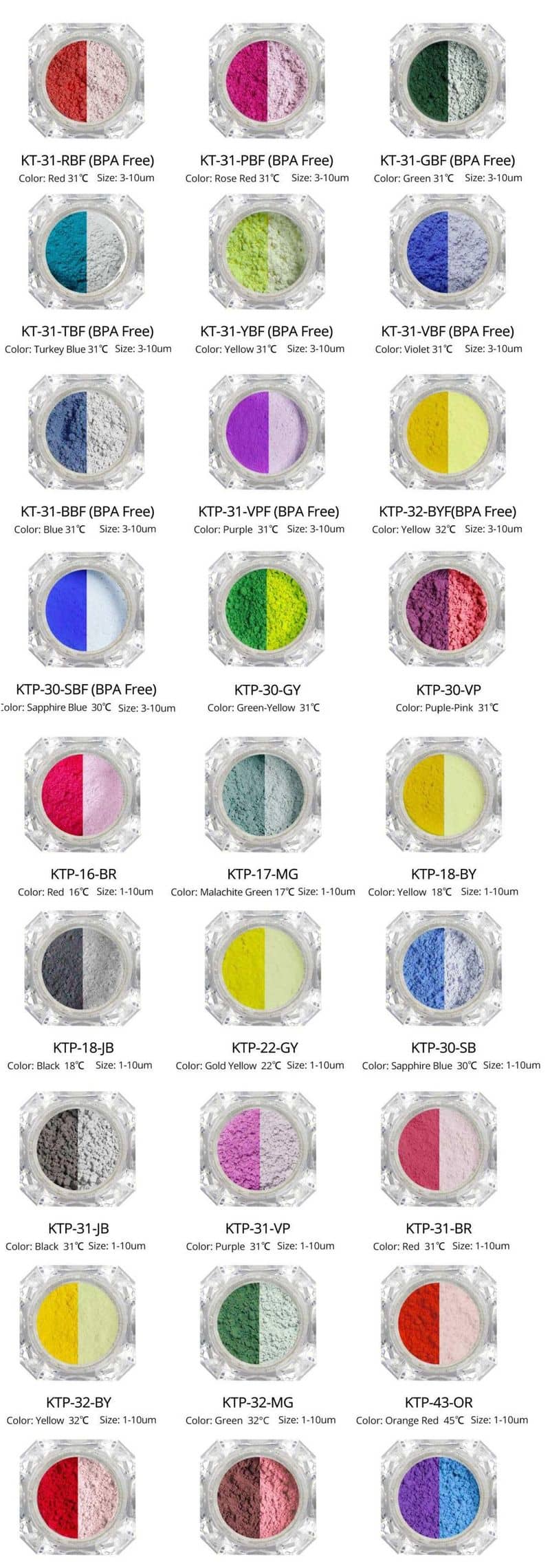
A few points that affect formulation decisions:
Dispersion method matters. KTP-17-MG should be incorporated using low-to-medium shear mixing. High-speed dispersers, bead mills, or three-roll mills are generally not appropriate — the mechanical energy damages the microcapsules and degrades performance. Stirring into a pre-wet binder or using a planetary mixer at controlled speed is the standard approach.
UV stability is a real limitation for outdoor use. Leuco-dye systems are inherently sensitive to UV degradation. For exterior applications, UV absorbers or UV-stable topcoats should be incorporated into the system design. Indoor or short-exposure applications have significantly fewer constraints.
Base coat color is a design variable, not an afterthought. Because the pigment becomes transparent above 17°C, the revealed color is whatever sits beneath it. A white base gives a neutral reveal; a colored base creates a complementary or contrasting shift. This is where most of the visual design work happens.
That said, loading rate affects both color saturation and the sharpness of the transition. Higher loads produce more intense color below activation; too high a load in thin films can create uneven distribution. Typical loading ranges vary by application — technical data sheets provide starting-point recommendations.
Storage: keep sealed, away from heat and direct light. The 17°C activation point means warehouse temperature is a real handling consideration — not just a spec footnote.
KTP-17-MG is a colored-to-colorless variant. This is the most common format for reveal-effect designs — the pigment disappears, exposing the layer below. It's the right choice when the design intent depends on a hidden graphic, text, or base color becoming visible.
Colored-to-colored variants shift from one hue to another. These are used where a continuous color presence is required and a full fade-to-clear isn't desirable. Food-grade BPA-free versions are available for sensitive contact applications. All variants operate on the same reversible temperature-response principle — only the color behavior and regulatory compliance differ.
Q: Can KTP-17-MG be used in solvent-based systems?
Yes, it can be incorporated into solvent-based binders, but solvent selection matters. Strong solvents — particularly ketones and some esters — can attack the microcapsule shell over time. Aliphatics and mild aromatic systems are generally more compatible. Pre-dispersion testing in your specific solvent blend is recommended before scaling.
Q: Is this product suitable for food contact or cosmetic direct-skin applications?
KTP-17-MG is not designated food grade. For hair dye or direct food-contact applications, the KT Food Grade thermochromic series (BPA free) is the appropriate specification. For nail and general cosmetic applications, KTP-17-MG is applicable — but always verify compliance with your regional regulatory requirements.
Q: How sharp is the color transition at 17°C?
The transition zone typically spans a few degrees rather than being a single hard threshold. Color begins to fade as temperature approaches 17°C and completes the shift within a few degrees above. The perceived sharpness depends on film thickness, loading rate, and the contrast between the pigment color and the base coat beneath. Thicker films tend to show a more gradual transition; thinner films can appear sharper.
Q: What documentation is available for qualification or compliance work?
MSDS, TDS, and COA are available. Certifications include ISO 9001, REACH, and SGS. For procurement or regulatory qualification, contact contact@kolortek.com with your specific documentation requirements.
If you're evaluating KTP-17-MG for a specific application or need formulation guidance, samples and technical data sheets are available on request. Custom color development and activation temperature variants are also supported for projects with defined volume requirements. Reach out at contact@kolortek.com with your substrate, application type, and target performance criteria.
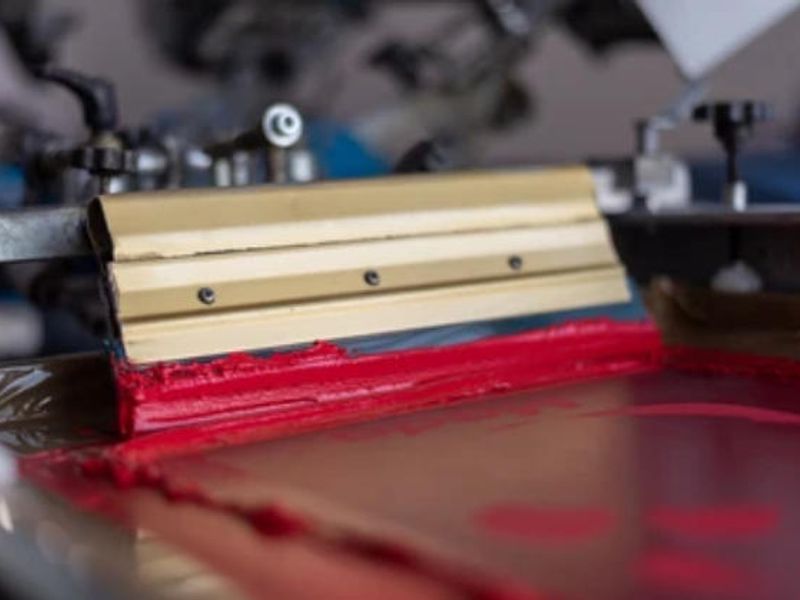
Screen printing with thermochromic ink is one of the more demanding pigment applications — you're asking a material to perform a reversible color transition reliably, across thousands of print cycles, under real-world handling conditions. The pigment has to disperse cleanly into the ink vehicle, survive the shear of the squeegee, and still respond predictably to temperature after it's cured onto the substrate.
Read More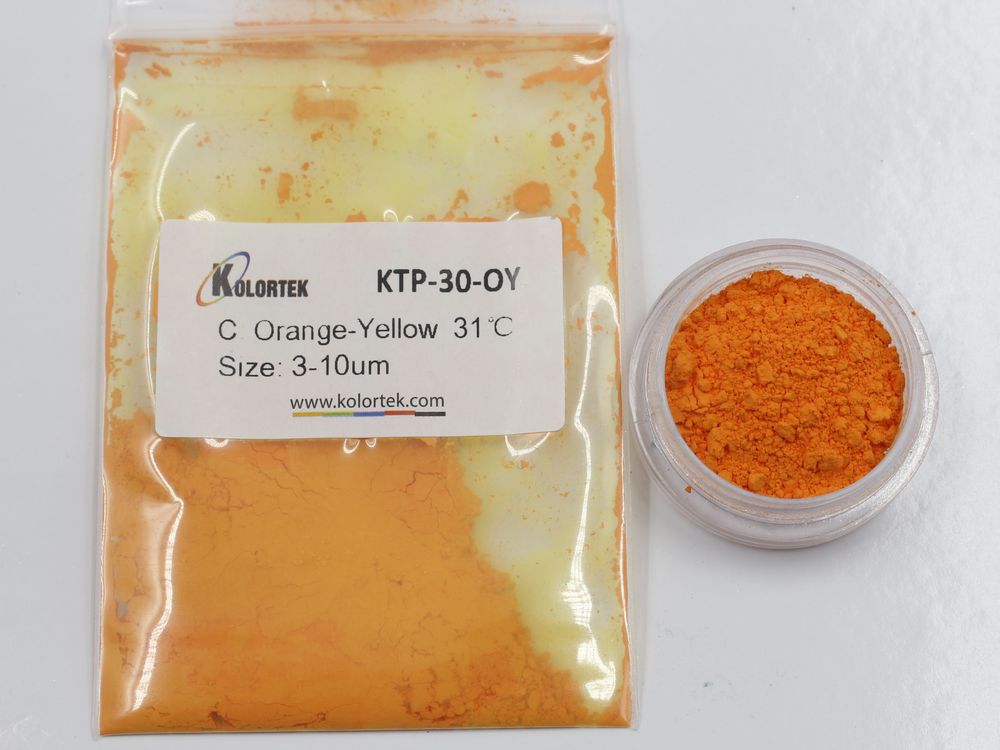
Fabric is one of the more demanding substrates for thermochromic chemistry. The dye has to survive wash cycles, flex without cracking, bond to fiber structures that weren't designed to hold encapsulated colorants, and still deliver a clean, repeatable color transition. That's a tighter brief than most people expect when they first start sourcing.
Read More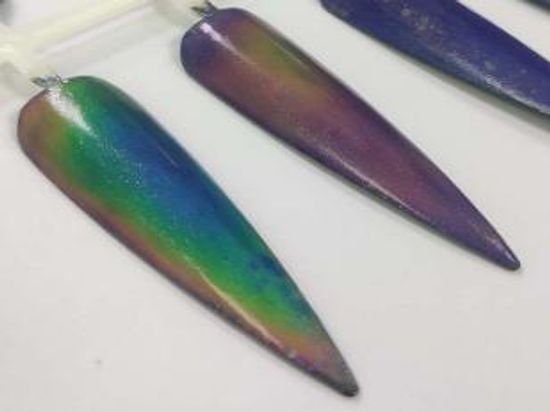
KT-MLC01 is a water-based thermochromic liquid crystal that cycles through twelve distinct colors — from black through copper, yellow, green, blue, and violet — across a 14℃ to 36℃ temperature window, making it one of the more visually dynamic options in the thermochromic category. Unlike single-transition thermochromic pigments, these mood liquid colors deliver a continuous chromatic shift in a single liquid formulation, suited for custom decorative paints, textile printing, and novelty cosmetic applications. Formulators looking to introduce live color-shift behavior into coatings or printed substrates will find the liquid format straightforward to incorporate.
Read More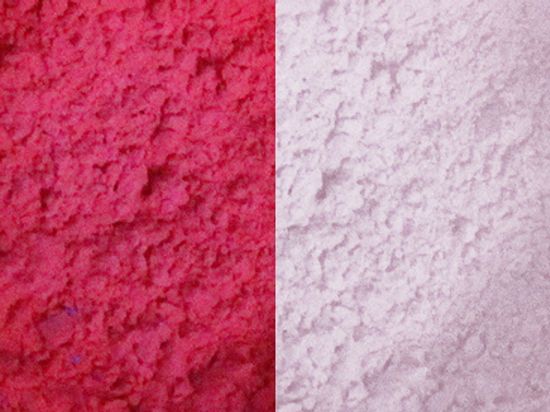
KTP-16-BR is a red thermochromic pigment that transitions from vivid red to fully colorless when temperature rises above 16°C — making it one of the lowest activation-point options in Kolortek's standard range. As a heat sensitive pigment, it's well-suited for applications where near-ambient temperature triggers are required, including temperature-indicating textiles, novelty printing, and decorative coatings. Formulators working with color change with temperature effects will find the fine 1–10μm particle size integrates cleanly into most ink and coating systems.
Read More
KTP-17-MG is a thermochromic powder that transitions from malachite green to fully colorless at 17°C — a low activation threshold that makes it effective for skin-contact, ambient-response, and cool-environment applications. As a heat reactive pigment, it integrates cleanly into printing, coating, and cosmetic systems where a sharp, reversible color reveal is the intended effect. Typical end-uses include nail formulations, textile printing, and craft coatings.
Read More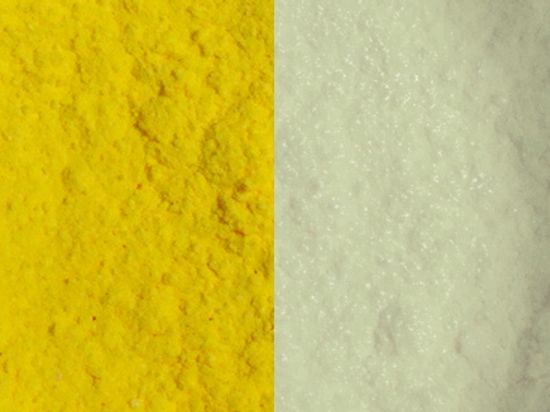
KTP-32-BY is a thermochromic powder that transitions from vivid yellow to colorless at 32°C — a body-temperature-adjacent activation point that makes it well-suited for skin-contact applications like cosmetics and nail products. This heat sensitive pigment powder disperses cleanly in most coating and printing systems, and is also available in a BPA Free food grade version for product contact use cases such as cups and utensils. Formulators working in textiles printing, craft art, or specialty inks will find the 1–10μm particle range compatible with a broad range of application methods.
Read More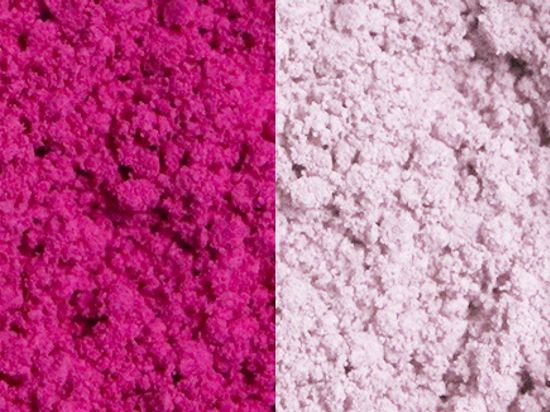
KTP-31-PBF is a rose red thermochromic pigment powder that transitions to colorless at 31°C — a body-temperature-proximate activation point well-suited for skin-contact and food-contact applications. Certified BPA Free, this heat reactive pigment is formulated for cosmetics, nail systems, and food-contact printing where safety compliance is non-negotiable. It performs equally well in textile printing and craft applications where a clean, reversible color-fade effect is the design intent.
Read More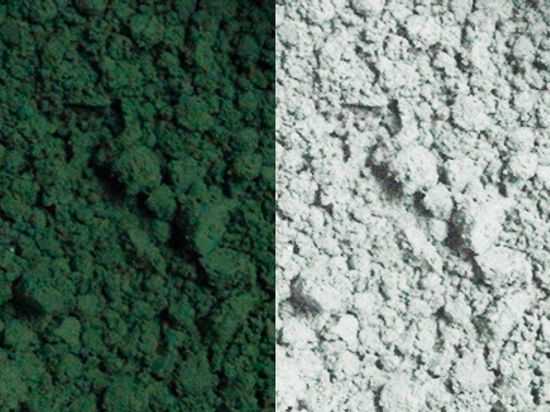
KTP-31-GBF is a food grade thermochromic pigment that shifts from vivid green to fully colorless at 31°C — clean, reversible, and BPA Free. Engineered for direct skin and food contact surface applications, this heat sensitive pigment powder is well suited for cosmetic formulations, nail products, and food contact items like cups and spoons. Its fine 3–10μm particle size ensures smooth dispersion across both water- and solvent-based systems.
Read More
 English
 Français
 Deutsch
 Русский
 Español
 Português