
Leave A Message
If you are interested in our products and want to know more details,please leave a message here,we will reply you as soon as we can.
Thermochromic Pigment Manufacturer BPA Free Food Grade
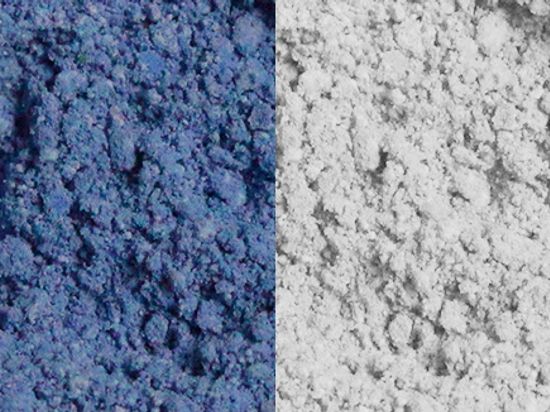
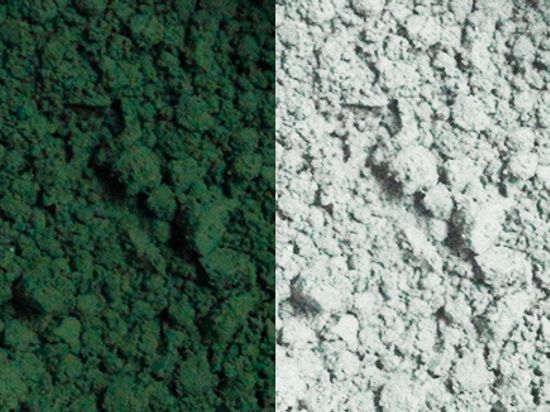
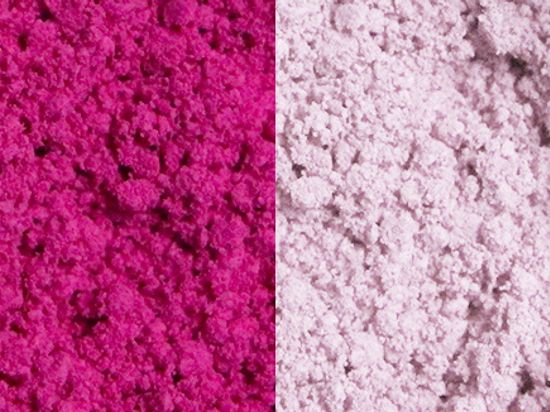
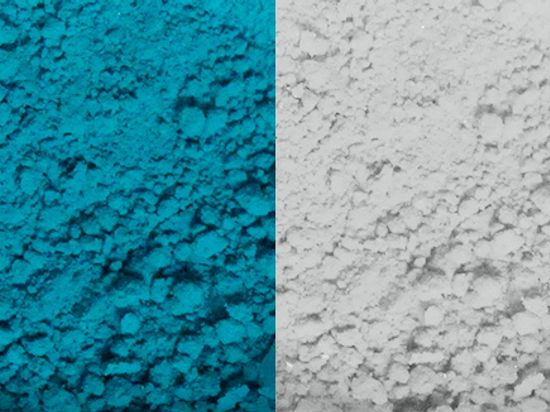
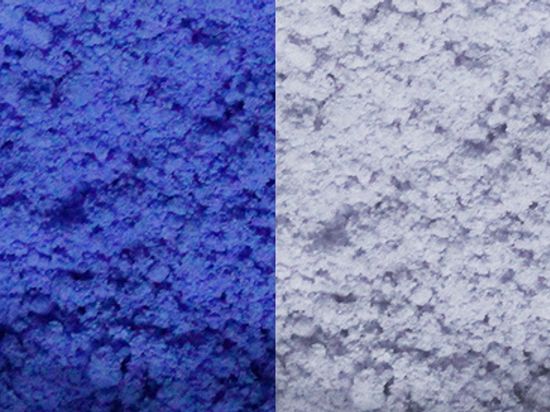
Our BPA-free food grade series delivers reversible thermochromic behavior without the regulatory red flags. These materials meet the stricter safety profiles required for lip products, nail polish, hair dye, and other direct-contact formulations where standard heat-sensitive chemistry won't clear approval.
Item No. :
Thermochromic Pigment BPA FreeColor Effect :
Multi colorsParticle Size :
1-10μm, 3-10μmBrand :
Kolortek / OEMMOQ :
1KGApplication :
Packaging, Printing Inks, Cosmetics, Textiles, Toys, Paints & Coatings, Food Contact (BPA-free series), Safety IndicatorsFormulators working with skin-contact applications know the compliance headaches. Standard thermochromic pigment chemistries often contain bisphenol A, which rules them out for cosmetics, food packaging, and children's products before formulation even begins.
That constraint doesn't mean abandoning the effect entirely.
Our BPA-free food grade series delivers reversible thermochromic behavior without the regulatory red flags. These materials meet the stricter safety profiles required for lip products, nail polish, hair dye, and other direct-contact formulations where standard heat-sensitive chemistry won't clear approval.
Thermochromic materials undergo reversible color transitions at specific activation temperatures. Most commercial products fall into two categories:
Colored to colorless: The pigment appears colored at room temperature and becomes transparent above its transition point, revealing the substrate or base coat underneath.
Colored to another color: The material shifts between two distinct hues as temperature crosses the threshold—useful when you need the effect visible at all temperatures.
The transition isn't binary. You'll see gradual fading across a 3–5°C range around the rated activation temperature. That sensitivity is inherent to leuco dye chemistry and affects how you design the application.
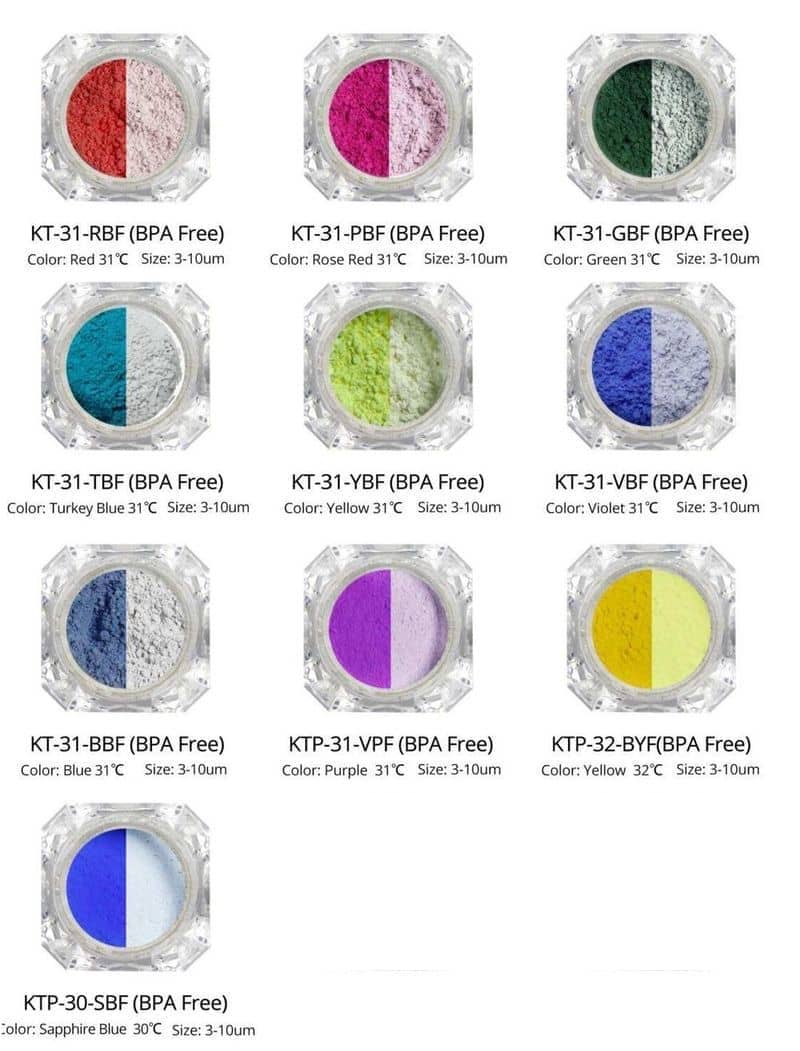
Our food grade series eliminates bisphenol compounds while maintaining color intensity and cycle stability. Available BPA-free models include:
These materials pass the safety thresholds for cosmetic formulation in most jurisdictions. Still worth confirming with your regulatory team for specific markets—approval processes differ.
Cosmetics: Nail lacquers respond well to encapsulated thermochromics. The solvent system matters—some carriers will degrade the microcapsule shell. We've seen stable dispersion in nitrocellulose bases with careful mill timing.
Hair applications: Direct dyes for temporary color can incorporate food grade thermochromics, though you'll need emulsifiers compatible with both the pigment and the substrate chemistry. Expect some trial work on dispersion stability.
Textile printing: Screen printing and digital transfer both work. Binder selection drives durability—acrylic and urethane systems generally outperform PVC plastisol for wash fastness with these microcapsules.
Custom paint and craft coatings: Water-based formulations require surfactants that don't compromise capsule integrity. Solvent-based systems often show better color saturation but limit your application scope if you're targeting consumer craft products.
In practice, loading levels run 5–20% by weight depending on opacity requirements and substrate color. Higher concentrations improve visibility but increase cost and can affect rheology.
Particle size: Our standard thermochromic materials range 3–10 microns. That's large enough to settle in low-viscosity systems. You'll need suspension agents or rheology modifiers in water-based formulations.
Dispersion: These are microencapsulated systems. High-shear mixing or extended milling can rupture capsules and kill the effect. Gentle folding or low-speed stirring works better than aggressive dispersion equipment.
Temperature stability: Activation temperatures span 16°C to 45°C across the product line. Match the transition point to your application—body heat activation around 31°C suits cosmetics, while 16–22°C works for ambient display applications.
Lightfastness: UV exposure degrades leuco dye systems over time. Indoor applications hold up fine. Outdoor use needs UV absorbers or topcoats, and even then, expect some fade after prolonged exposure.
That said, the BPA-free formulations don't compromise cycle life compared to standard versions. We've documented 10,000+ reversible transitions without significant color shift in controlled testing.
Worth noting: these pigments don't play well with strong oxidizers or reducing agents. Bleach and peroxide systems can permanently deactivate the chromophore.
Our non-food-grade line (KTP-16, KTP-17, KTP-18 series, etc.) offers broader color options and sometimes tighter transition windows. If your application doesn't require BPA-free certification, those materials may deliver better cost-performance.
The tradeoff is regulatory clearance. Standard heat sensitive pigment chemistry works fine for automotive coatings, industrial graphics, and novelty items where skin contact isn't a factor.
For anything touching skin or food contact surfaces, the BPA-free series is the starting point. Don't assume you can substitute—procurement will flag it during compliance review.
Store in sealed containers below 30°C. Prolonged exposure above the activation temperature won't permanently damage the pigment, but repeated thermal cycling during storage can accelerate degradation.
Moisture sensitivity varies by grade. Most formulations tolerate normal ambient humidity, but bulk storage in high-humidity environments can cause clumping. Desiccant packs help for long-term warehousing.
Once dispersed in a carrier, shelf life depends more on the vehicle than the pigment. We've tracked formulations stable beyond 18 months in properly preserved systems.
Can I mix different activation temperatures in one formulation?
Yes, blending multiple grades creates multi-stage transitions. A 16°C and 31°C pigment together will show two distinct color changes as temperature rises. Just account for the combined loading impact on viscosity and opacity.
Do these pigments work in clear coatings?
Colored-to-colorless types work well over light substrates in clear binders. You'll see the base color through the transparent warm state. Heavily pigmented or dark substrates reduce the visibility of the effect—test on your actual substrate before scaling.
What's the difference between thermochromic and photochromic effects?
Thermochromic pigments respond to temperature changes, while photochromic materials react to UV light exposure. The chemistries are completely different, and the application requirements don't overlap much.
How do I know if BPA-free certification is actually required for my application?
If the finished product contacts skin, lips, eyes, or food surfaces, assume you need BPA-free materials until regulatory confirms otherwise. The risk of reformulating later outweighs any upfront cost savings from using standard grades.
Thermochromic formulation often requires iteration. Substrate interaction, binder compatibility, and processing conditions all affect the final result.
We provide 50g technical samples for initial trials. That's enough to test dispersion behavior, evaluate color intensity, and confirm the activation temperature suits your application before committing to production quantities.
For formulation-specific questions—dispersion protocols, recommended binder systems, or compatibility with specific additives—our technical team works directly with formulators to troubleshoot. Two decades manufacturing effect pigments means we've likely seen your substrate and vehicle combination before.
Request technical data sheets and samples: Contact our team with your application details, target activation temperature, and formulation type. We'll recommend specific grades and provide test quantities to validate performance in your system.
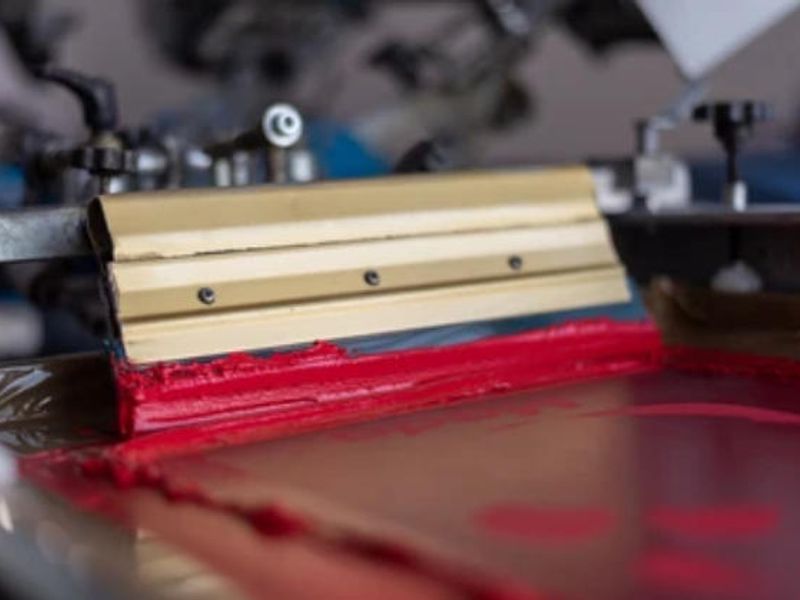
Screen printing with thermochromic ink is one of the more demanding pigment applications — you're asking a material to perform a reversible color transition reliably, across thousands of print cycles, under real-world handling conditions. The pigment has to disperse cleanly into the ink vehicle, survive the shear of the squeegee, and still respond predictably to temperature after it's cured onto the substrate.
Read More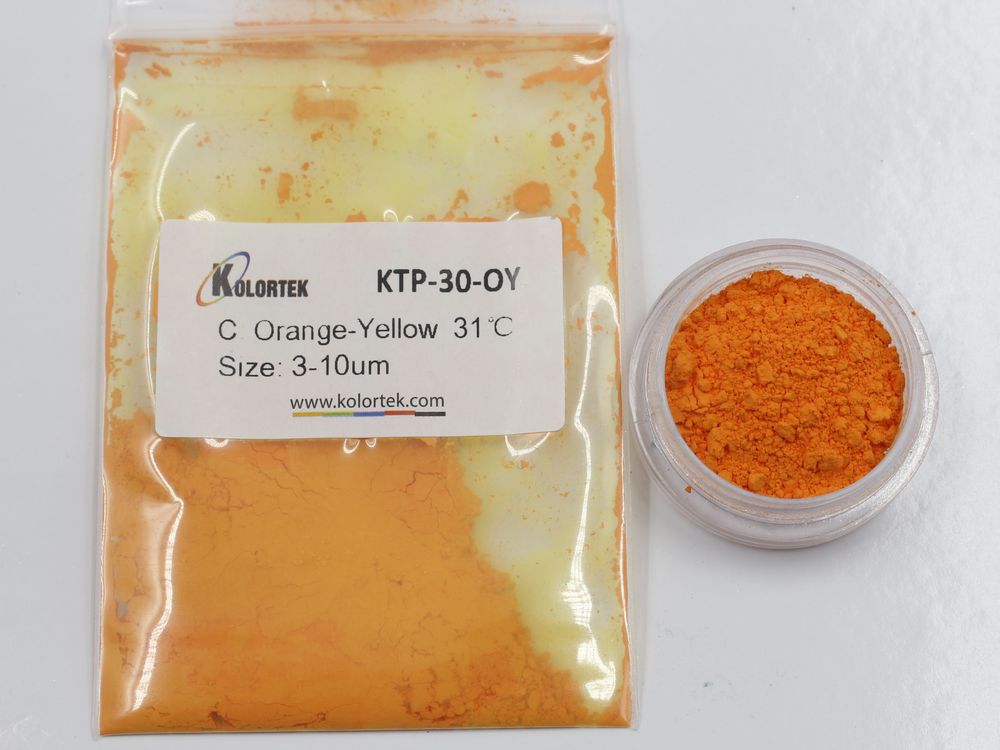
Fabric is one of the more demanding substrates for thermochromic chemistry. The dye has to survive wash cycles, flex without cracking, bond to fiber structures that weren't designed to hold encapsulated colorants, and still deliver a clean, repeatable color transition. That's a tighter brief than most people expect when they first start sourcing.
Read More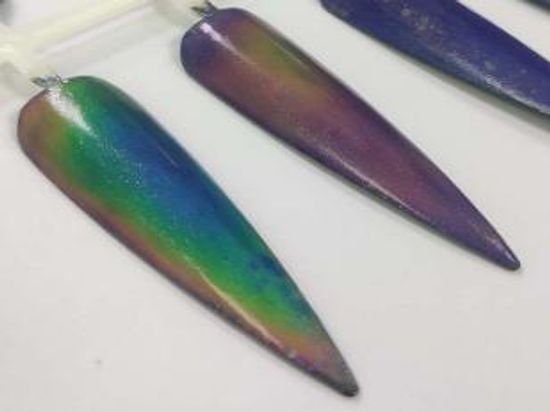
KT-MLC01 is a water-based thermochromic liquid crystal that cycles through twelve distinct colors — from black through copper, yellow, green, blue, and violet — across a 14℃ to 36℃ temperature window, making it one of the more visually dynamic options in the thermochromic category. Unlike single-transition thermochromic pigments, these mood liquid colors deliver a continuous chromatic shift in a single liquid formulation, suited for custom decorative paints, textile printing, and novelty cosmetic applications. Formulators looking to introduce live color-shift behavior into coatings or printed substrates will find the liquid format straightforward to incorporate.
Read More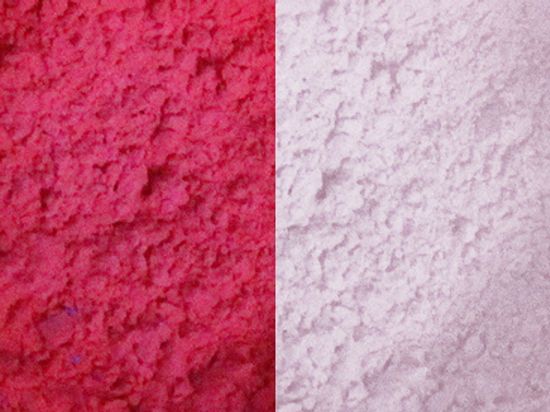
KTP-16-BR is a red thermochromic pigment that transitions from vivid red to fully colorless when temperature rises above 16°C — making it one of the lowest activation-point options in Kolortek's standard range. As a heat sensitive pigment, it's well-suited for applications where near-ambient temperature triggers are required, including temperature-indicating textiles, novelty printing, and decorative coatings. Formulators working with color change with temperature effects will find the fine 1–10μm particle size integrates cleanly into most ink and coating systems.
Read More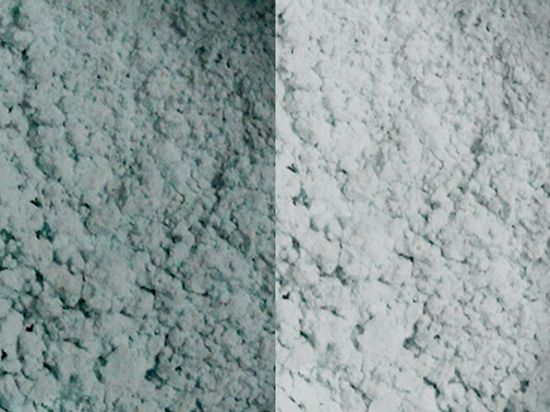
KTP-17-MG is a thermochromic powder that transitions from malachite green to fully colorless at 17°C — a low activation threshold that makes it effective for skin-contact, ambient-response, and cool-environment applications. As a heat reactive pigment, it integrates cleanly into printing, coating, and cosmetic systems where a sharp, reversible color reveal is the intended effect. Typical end-uses include nail formulations, textile printing, and craft coatings.
Read More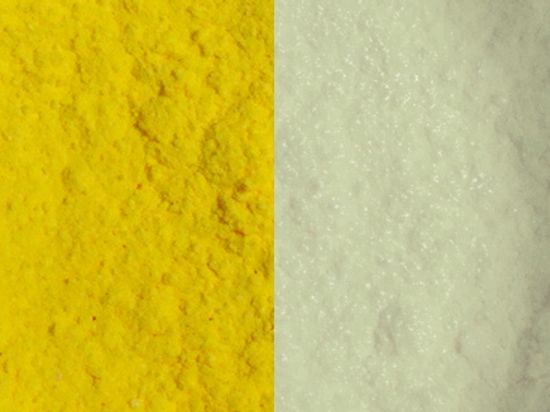
KTP-32-BY is a thermochromic powder that transitions from vivid yellow to colorless at 32°C — a body-temperature-adjacent activation point that makes it well-suited for skin-contact applications like cosmetics and nail products. This heat sensitive pigment powder disperses cleanly in most coating and printing systems, and is also available in a BPA Free food grade version for product contact use cases such as cups and utensils. Formulators working in textiles printing, craft art, or specialty inks will find the 1–10μm particle range compatible with a broad range of application methods.
Read More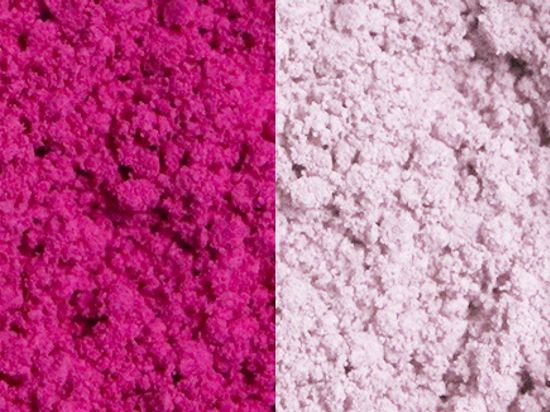
KTP-31-PBF is a rose red thermochromic pigment powder that transitions to colorless at 31°C — a body-temperature-proximate activation point well-suited for skin-contact and food-contact applications. Certified BPA Free, this heat reactive pigment is formulated for cosmetics, nail systems, and food-contact printing where safety compliance is non-negotiable. It performs equally well in textile printing and craft applications where a clean, reversible color-fade effect is the design intent.
Read More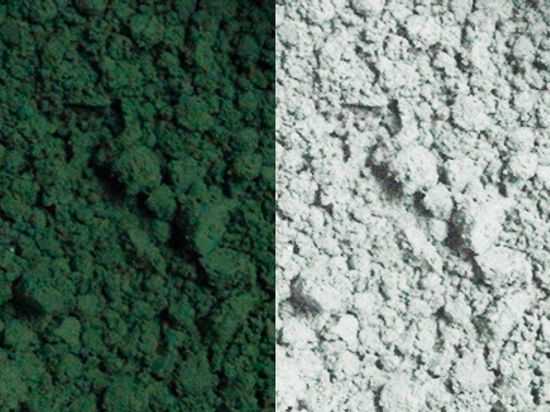
KTP-31-GBF is a food grade thermochromic pigment that shifts from vivid green to fully colorless at 31°C — clean, reversible, and BPA Free. Engineered for direct skin and food contact surface applications, this heat sensitive pigment powder is well suited for cosmetic formulations, nail products, and food contact items like cups and spoons. Its fine 3–10μm particle size ensures smooth dispersion across both water- and solvent-based systems.
Read More
 English
 Français
 Deutsch
 Русский
 Español
 Português