
Leave A Message
If you are interested in our products and want to know more details,please leave a message here,we will reply you as soon as we can.
Thermochromic Pigments Heat Activated Color Changing
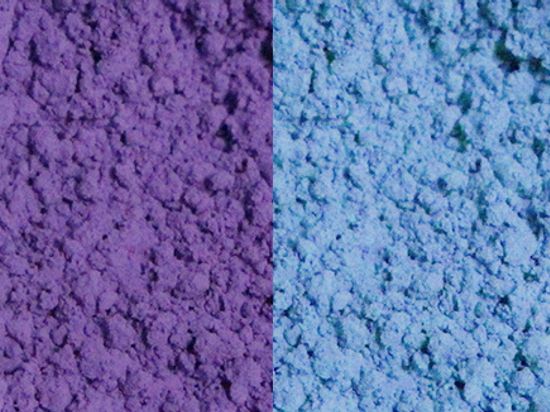
Thermochromic Pigments change color in response to temperature, either transitioning from colored to colorless or shifting between two colors at a defined activation temperature. Kolortek's KTP series covers three sub-categories: colored-to-colorless, colored-to-another-color, and a BPA-free food-grade series. Particle size is 1–10 µm, suitable for inks, coatings, plastics, and cosmetic formulations where a heat-responsive color effect is required.
Item No. :
KTP Series — Thermochromic PigmentsColor Effect :
Colored to Colorless / Colored to Another Color / BPA-Free Food Grade variantsParticle Size :
1–10 µmComposition :
Microencapsulated leuco dye system (shell / developer / dye; composition varies by grade)Brand :
Kolortek / OEMMOQ :
1KGApplication :
Packaging, Printing Inks, Cosmetics, Textiles, Toys, Paints & Coatings, Food Contact (BPA-free series), Safety Indicators
The thermochromic effect in the KTP series is produced by microencapsulated leuco dye systems. Each pigment particle is a microcapsule containing three components: a leuco dye (the color-forming agent), a color developer (which protonates the dye to produce color at lower temperatures), and a solvent (which controls the activation temperature by melting at a defined point and dissolving the developer-dye complex). When the temperature rises above the activation threshold, the solvent melts, the developer dissociates from the dye, and the dye returns to its colorless leuco form — the color disappears. When the temperature drops, the system reverses and color returns.
The composition of KTP-16-BR illustrates this structure: Polyoxymethylene Melamine forms the microcapsule shell, Cholesterol functions as the solvent/activation medium, and Red 28 is the leuco dye colorant. The capsule wall protects the internal chemistry from direct contact with the formulation medium, which is why these pigments can be dispersed in water-based, solvent-based, and UV-cure systems without the internal chemistry being disrupted — provided solvent exposure and processing temperatures remain within the recommended limits.
The colored-to-another-color variant works by layering or blending thermochromic pigments with conventional pigments: below activation temperature, both contribute to the visible color; above it, the thermochromic component becomes colorless and only the base pigment color remains, producing a color shift rather than a disappearance. The food-grade BPA-free series uses developer chemistry that excludes bisphenol A, relevant for applications in direct or indirect food contact contexts.
Activation temperature is a key specification that varies across the product range. Common activation points are available from approximately 15°C through to 65°C and above. The specific activation temperature for any grade should be confirmed from the product TDS before formulation.
Key Features & Benefits
| Feature | Practical Benefit for Buyers |
|---|---|
| Microencapsulated leuco dye system | Internal chemistry is isolated from the formulation medium — compatible with water-based, solvent-based, and UV systems within processing limits |
| Three sub-series: colored-to-colorless, colored-to-color, BPA-free food grade | Single supplier covers standard decorative, functional indicator, and food-contact applications without needing multiple sources |
| Fine particle size 1–10 µm | Integrates smoothly into inks and thin-film coatings without visible particle texture; suitable for screen and gravure printing |
| Reversible color change | Effect resets on cooling — reusable indicator function in packaging, promotional, and safety applications |
| Industry / End Use | Specific Applications | Notes |
|---|---|---|
| Packaging & Labels | Temperature-sensitive labels for cold chain logistics, beverage can coatings showing serve temperature, tamper-evidence indicators | Activation temp selected to match product serve or storage temperature |
| Printing Inks | Screen printing on promotional merchandise, gravure and flexo for specialty packaging, security and anti-counterfeiting print | Fine 1–10 µm particle size compatible with most ink systems |
| Cosmetics & Personal Care | Nail polish with heat-activated color change, color-shift lip products, bath and body products | BPA-free food-grade series recommended for lip-contact products; confirm grade suitability against regulatory requirements |
| Toys & Novelty | Color-changing toys, children's tableware, mood-indicating products | Food-grade BPA-free series for products with child contact |
| Textiles & Apparel | Heat-sensitive fabric prints, promotional apparel, athletic wear with temperature response | Applied via textile ink or print system; wash fastness depends on encapsulation integrity |
| Paints & Coatings | Custom automotive and decorative paint effects, wall coatings with temperature-reactive zones | Colored-to-colorless over a base coat to reveal design on temperature change |
| Food Contact (BPA-Free Series) | Coffee cup sleeves, beverage packaging, food-grade temperature indicators | BPA-free series only; end-use regulatory compliance is the customer's responsibility |
| Safety & Industrial Indicators | Pipe temperature indicators, equipment surface temperature warning markings, heat-sensitive safety labels | Activation temperature must be matched to the specific monitoring requirement |
| Promotional & Merchandise | Color-changing mugs, promotional packaging, event merchandise | High-volume, cost-effective decorative application |
Activation temperature selection is critical for each application. Contact us with your target activation temperature and formulation system for grade-specific guidance.
Example product shown. Full series data available upon request.
| Specification | Details |
| Trade Name | Red KTP-16-BR |
| Item No. | KTP-16-BR |
| Series | Thermochromic Pigment Series |
| INCI Name | Polyoxymethylene Melamine - Cholesterol - Red 28 |
| CAS No. | 9003.08.1 - 57.88.5 - 18472.87.2 |
| Color Effect | Red |
| Particle Size | 1–10 µm |
| Composition | Cholesterol (38.0–44.0%), Polyoxymethylene Melamine (25.0–40.0%), Red 28 (16.0–37.0%) |
| Form | Powder |
| Odor | Odorless |
| Solubility in Water | Insoluble |
| Brand | Kolortek |
| MOQ | 1KG |
Full TDS and SDS available upon request. Additional particle size grades available.
Thermochromic pigments are functional materials — the activation temperature, color change behavior, and chemical compatibility with the formulation system all have to be correct simultaneously for the application to work. Buyers sourcing from unfamiliar suppliers face two common problems: receiving pigments where the actual activation temperature differs from the stated specification, and getting inadequate technical support to troubleshoot compatibility issues when the pigment interacts unexpectedly with a specific resin, solvent, or processing temperature. For applications like food packaging or children's products, there is also the additional dimension of regulatory compliance — specifically the presence or absence of BPA in the developer chemistry.
Kolortek Thermochromic series addresses these issues through three distinct sub-series — colored-to-colorless, colored-to-another-color, and BPA-free food grade — so buyers can select the appropriate chemistry for their application without reformulating around a one-size-fits-all product. The microencapsulated structure isolates the thermochromic chemistry from the surrounding formulation, which broadens compatibility across water-based, solvent-based, and UV systems within the recommended processing parameters. With 20 years of effect pigment manufacturing experience, Kolortek maintains consistent activation temperature and color strength across production batches — the two variables that matter most for functional thermochromic applications. Technical data sheets, safety data sheets, and application guidance are available for all grades.
Sample sets by color and activation temperature, grade-specific TDS, and pricing are available upon inquiry. Contact Kolortek's technical team with your target activation temperature, formulation system, and application requirements.
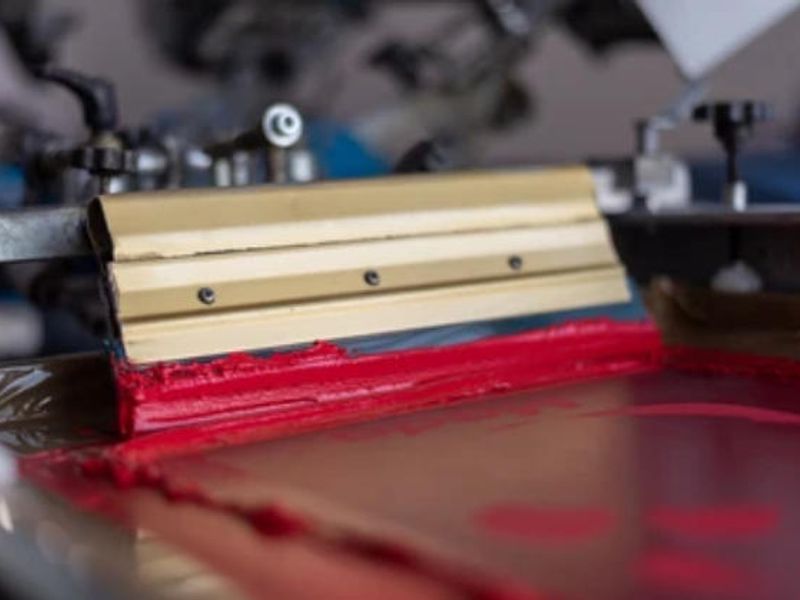
Screen printing with thermochromic ink is one of the more demanding pigment applications — you're asking a material to perform a reversible color transition reliably, across thousands of print cycles, under real-world handling conditions. The pigment has to disperse cleanly into the ink vehicle, survive the shear of the squeegee, and still respond predictably to temperature after it's cured onto the substrate.
Read More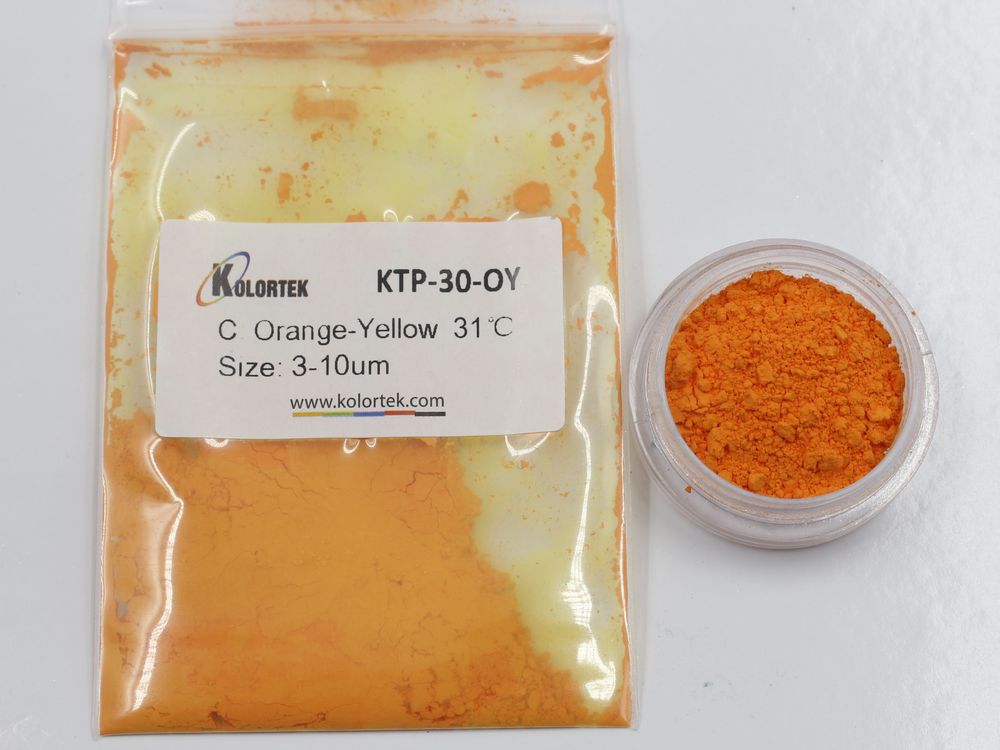
Fabric is one of the more demanding substrates for thermochromic chemistry. The dye has to survive wash cycles, flex without cracking, bond to fiber structures that weren't designed to hold encapsulated colorants, and still deliver a clean, repeatable color transition. That's a tighter brief than most people expect when they first start sourcing.
Read More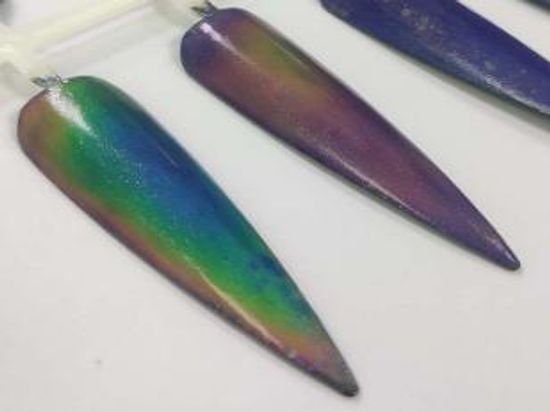
KT-MLC01 is a water-based thermochromic liquid crystal that cycles through twelve distinct colors — from black through copper, yellow, green, blue, and violet — across a 14℃ to 36℃ temperature window, making it one of the more visually dynamic options in the thermochromic category. Unlike single-transition thermochromic pigments, these mood liquid colors deliver a continuous chromatic shift in a single liquid formulation, suited for custom decorative paints, textile printing, and novelty cosmetic applications. Formulators looking to introduce live color-shift behavior into coatings or printed substrates will find the liquid format straightforward to incorporate.
Read More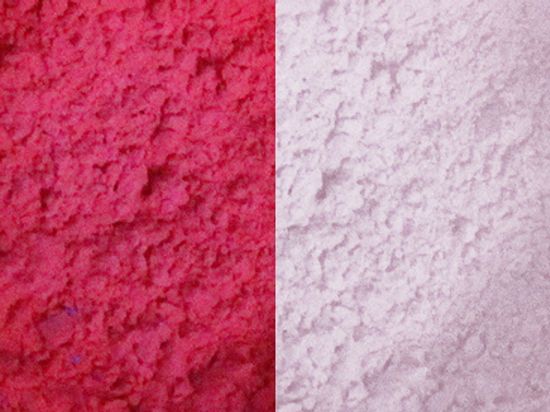
KTP-16-BR is a red thermochromic pigment that transitions from vivid red to fully colorless when temperature rises above 16°C — making it one of the lowest activation-point options in Kolortek's standard range. As a heat sensitive pigment, it's well-suited for applications where near-ambient temperature triggers are required, including temperature-indicating textiles, novelty printing, and decorative coatings. Formulators working with color change with temperature effects will find the fine 1–10μm particle size integrates cleanly into most ink and coating systems.
Read More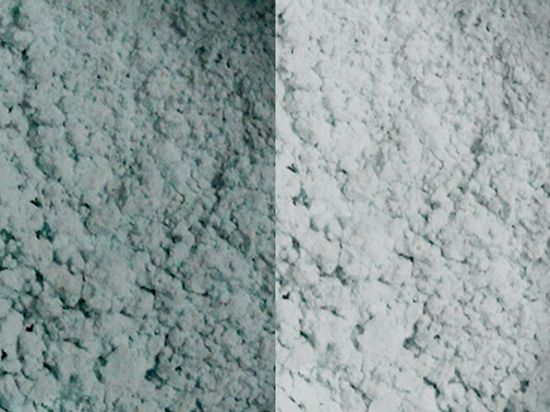
KTP-17-MG is a thermochromic powder that transitions from malachite green to fully colorless at 17°C — a low activation threshold that makes it effective for skin-contact, ambient-response, and cool-environment applications. As a heat reactive pigment, it integrates cleanly into printing, coating, and cosmetic systems where a sharp, reversible color reveal is the intended effect. Typical end-uses include nail formulations, textile printing, and craft coatings.
Read More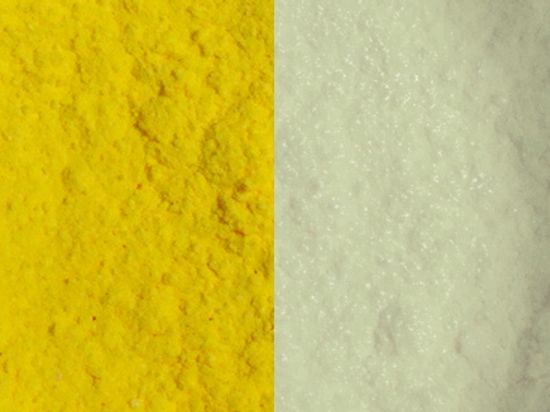
KTP-32-BY is a thermochromic powder that transitions from vivid yellow to colorless at 32°C — a body-temperature-adjacent activation point that makes it well-suited for skin-contact applications like cosmetics and nail products. This heat sensitive pigment powder disperses cleanly in most coating and printing systems, and is also available in a BPA Free food grade version for product contact use cases such as cups and utensils. Formulators working in textiles printing, craft art, or specialty inks will find the 1–10μm particle range compatible with a broad range of application methods.
Read More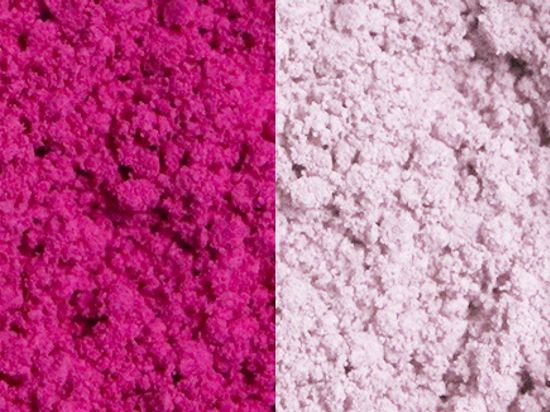
KTP-31-PBF is a rose red thermochromic pigment powder that transitions to colorless at 31°C — a body-temperature-proximate activation point well-suited for skin-contact and food-contact applications. Certified BPA Free, this heat reactive pigment is formulated for cosmetics, nail systems, and food-contact printing where safety compliance is non-negotiable. It performs equally well in textile printing and craft applications where a clean, reversible color-fade effect is the design intent.
Read More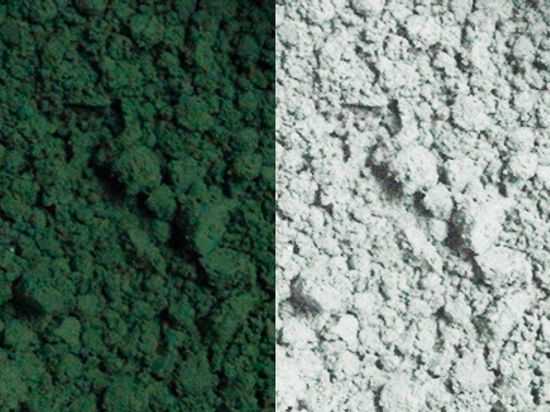
KTP-31-GBF is a food grade thermochromic pigment that shifts from vivid green to fully colorless at 31°C — clean, reversible, and BPA Free. Engineered for direct skin and food contact surface applications, this heat sensitive pigment powder is well suited for cosmetic formulations, nail products, and food contact items like cups and spoons. Its fine 3–10μm particle size ensures smooth dispersion across both water- and solvent-based systems.
Read More
 English
 Français
 Deutsch
 Русский
 Español
 Português