
Leave A Message
If you are interested in our products and want to know more details,please leave a message here,we will reply you as soon as we can.
Pearl Pigment for Powder Coatings: Pick the Band Your Film Can Carry

A 60–80 µm decorative powder film cannot carry a 100 µm flake. How film thickness across one part decides the pearl size band you order, and how to check it.
A powder coating drawing specifies film thickness — often 60–80 µm for decorative work — but that number is an acceptance floor, not a guarantee that every point on the part measures the same. Edges build heavy under electrostatic deposition, recesses come out thin, and an effect pigment responds to the local film where it sits rather than the value written on the certificate.
Key takeaways
The specification sets a minimum; it does not promise uniform thickness across the geometry.
Electrostatic field lines concentrate on edges and avoid deep recesses, producing wide variation on a single part.
Flake orientation depends on dry film thickness: D50 should stay at or below one third of the thinnest film you will see.
Select the band from the thinnest zone, then live with how it performs on the thicker areas.
Most powder specifications quote a range with a lower limit. Decorative single-coat applications typically call for 60–80 µm, general industrial work runs 60–120 µm, and exterior or heavy-duty coatings go higher. Quality control measures against the floor: any reading below it is a rejection. The specification does not claim that the entire part sits at 70 µm; it says no area should fall below the minimum, and it acknowledges that not every square centimetre gets a probe.
A pearlescent flake sees only the resin around it. Two parts that both clear a 60 µm floor can differ by tens of microns where a photograph is taken, and the interference colour will track that local thickness rather than what passed inspection.
This forces a reversal. Normally colour is chosen first and thickness is the coater's responsibility. Here, the thickness map comes first and the pigment band is chosen to fit it. The following four sections walk through that reversal.

Fig. 1 — A ribbed section on the rack, mid-pass. Every slot and rib in this part is a surface the gun reaches at a different angle, so the film it leaves will not be one thickness.
Electrostatic deposition directs charged particles along field lines. Field strength peaks at projecting features — edges, rims, raised detail — and drops inside cavities where the geometry shields the surface. Powder accumulates heavily on edges and thinly in recesses, channels and sharp internal corners. A second pass intended to fill a recess often adds more to the surrounding rim than to the shielded interior.
The spread between readings depends on part geometry, grounding, applied voltage, powder feed rate, gun angle, distance, rack position and pass sequence. That list is why appearance alone cannot diagnose a colour problem: two parts can look different using identical powder but different thickness distributions. The direct approach is a map — one reading on a flat face, one on an edge, one at the deepest recess you can reach — written down rather than averaged.
Only when those three numbers are in hand does the question of which band to use have a clear answer, because the three locations give three different answers and the thinnest governs the choice.
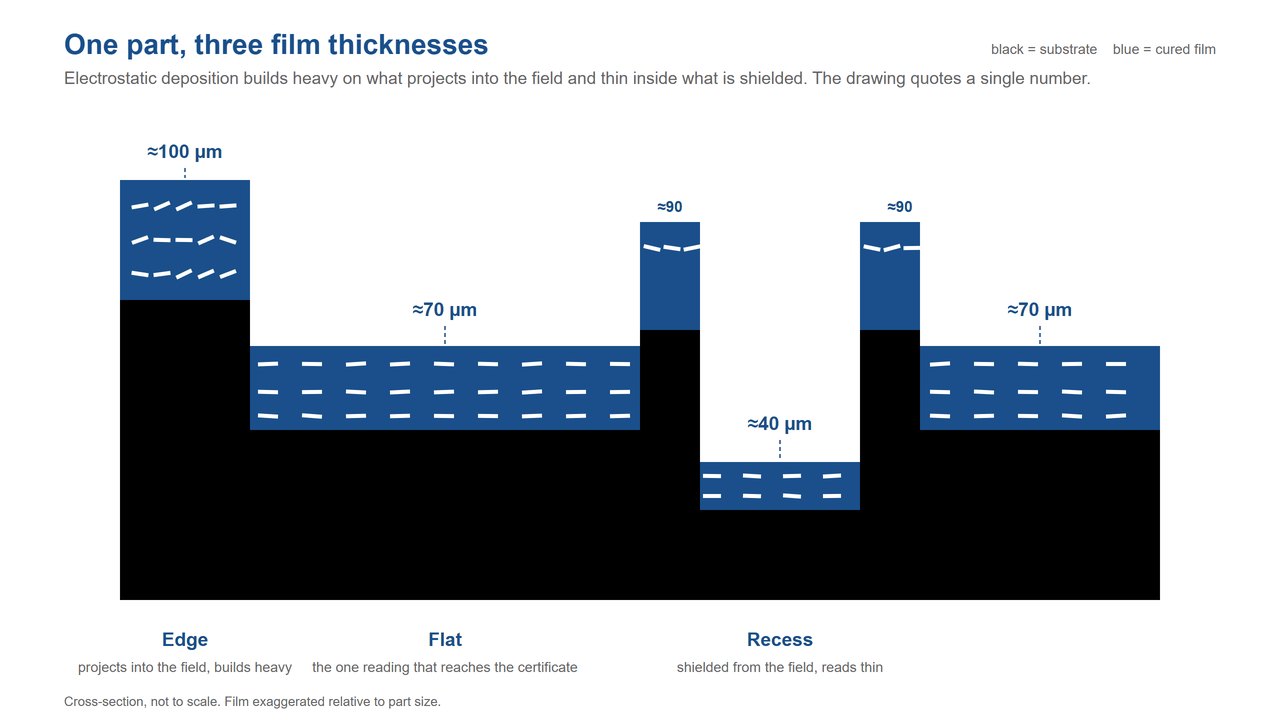
Fig. 2 — Schematic. The same part, three positions: a heavy edge, a nominal flat and a shielded recess. The flake does not know which one the drawing specified.
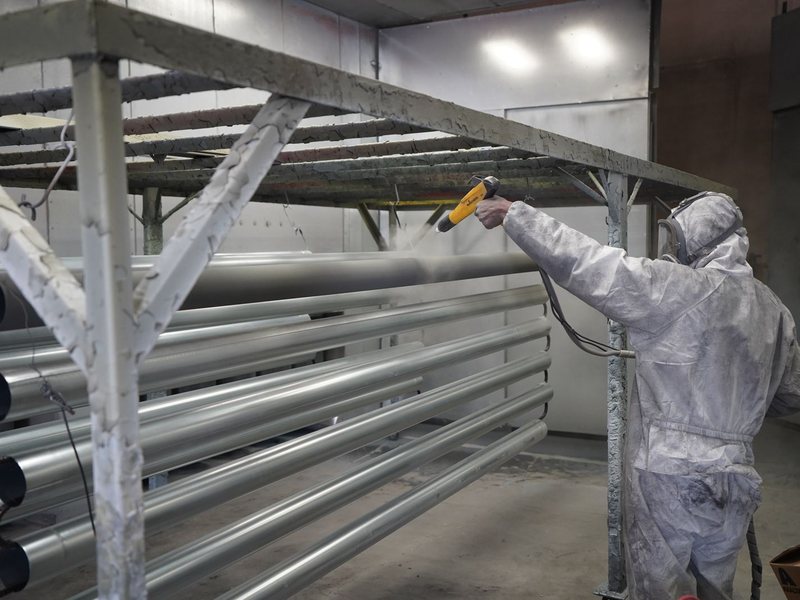
Fig. 3 — Field lines decide where powder lands. A recess is not under-supplied by accident; it is shielded by geometry that the gun cannot see into.
A pearlescent flake produces its interference colour when lying approximately parallel to the surface. This is not optional; it is the geometry the optical effect requires. A flake tilted at an angle redirects the light away from the observer, and the returned colour shifts away from the one on the sample card.
Film thickness determines how much clearance a flake has to settle flat. The one-third rule we publish for liquid coatings applies equally here: keep D50 at or below one third of dry film thickness. A 70 µm decorative film therefore wants D50 around 23 µm or finer. Our pearl grades ship in four bands: under 15 µm, 5–25 µm, 10–60 µm and 10–100 µm. Against that rule, 5–25 fits comfortably inside a decorative single coat, 10–60 sits near the limit, and 10–100 exceeds it. In a recess reading 40 µm, the ceiling falls to roughly 13 µm, leaving only the finest band.
When D50 exceeds one third of the film, flakes no longer settle independently. They stack on one another, bridge, and those near the surface end up tilted. The protruding edges register as roughness to a fingertip and as scatter to a gloss meter, and that scatter overlays the interference colour and diminishes it. Three complaints that arrive separately — a recess darker than the flat, a flat duller than the sample, an edge brighter and more golden than either — trace to this single mechanism observed at three locations.
How the pigment gets into the powder is a separate topic, and the three incorporation routes behave differently with the same flake. The orientation rule itself does not change between a liquid basecoat and a cured powder film. The pearlescent pigments for coatings and paints we supply cover all four size bands.
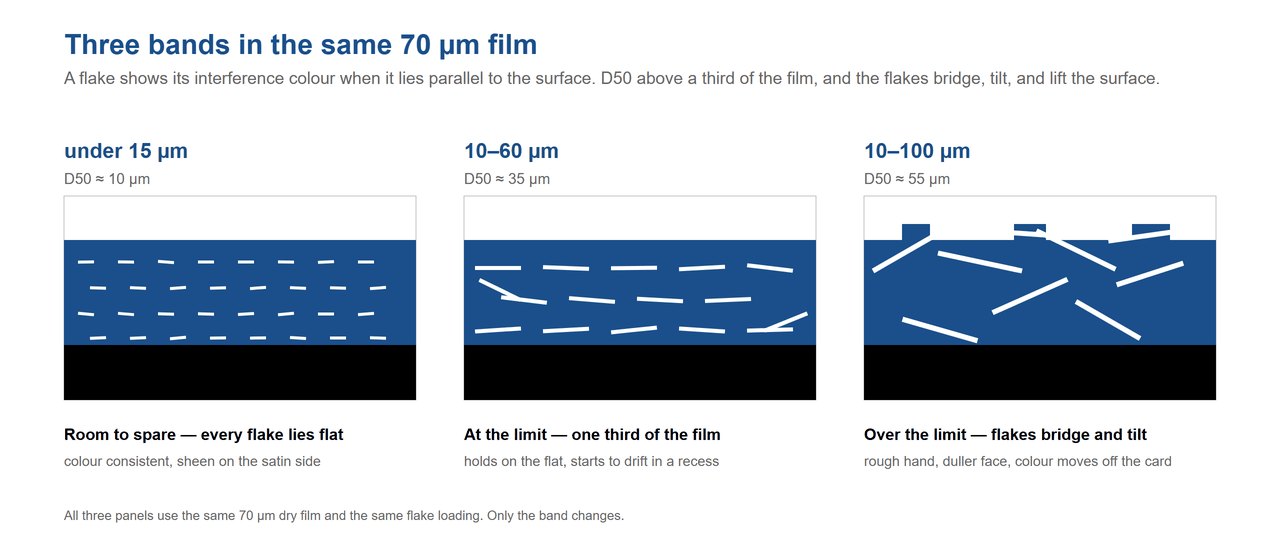
Fig. 4 — Schematic. The same 70 µm film with three bands. Small flake stacks flat with room to spare; coarse flake bridges over its neighbours, tilts, and lifts the surface.
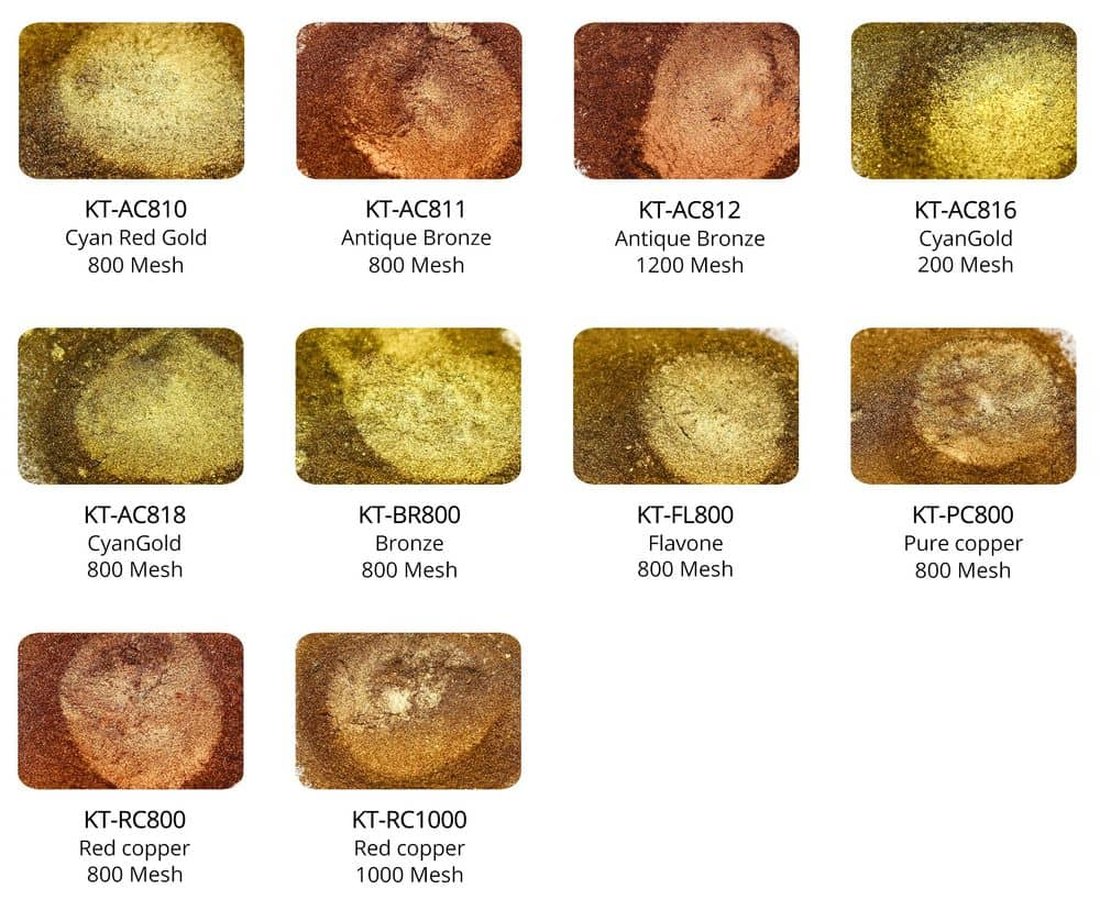
Fig. 5 — Metallic bronze and copper grades, each stamped with its mesh. A different platelet family from the pearls in Fig. 6, under the same clearance rule: the coarser the grade, the more film it needs before it lies flat.
The straightforward solution is to move to the finest band. In a thin film it does eliminate the mismatch: flakes under 15 µm lie flat in a 40 µm recess and colour holds across the part.
The trade-off appears elsewhere in the appearance. Smaller flakes return less light along the specular angle, shifting the finish from metallic sparkle toward satin sheen. Hiding power drops as well, so in a single-coat system the substrate can show through in the thinnest zones. Finer flake also means higher surface area per gram; the same pigment loading presents more interface for the resin to wet, and a formulation balanced at 10–60 will not transfer unchanged to a band half its size.
Fine grades are not inferior; they are a different aesthetic. A fine bright pearl grade is the end of the spectrum that maintains colour in thin films on complex parts, chosen for consistency rather than brilliance. The metallic bronze powder for decorative coatings behaves the same way: finer mesh delivers a smoother, quieter surface.
The choice is not fine versus coarse. The choice is: select the band from the thinnest point the part will actually reach, then accept what that band does on the thicker flats. If flat appearance matters more than recess uniformity, that is a valid decision — but it is a decision, not a default.
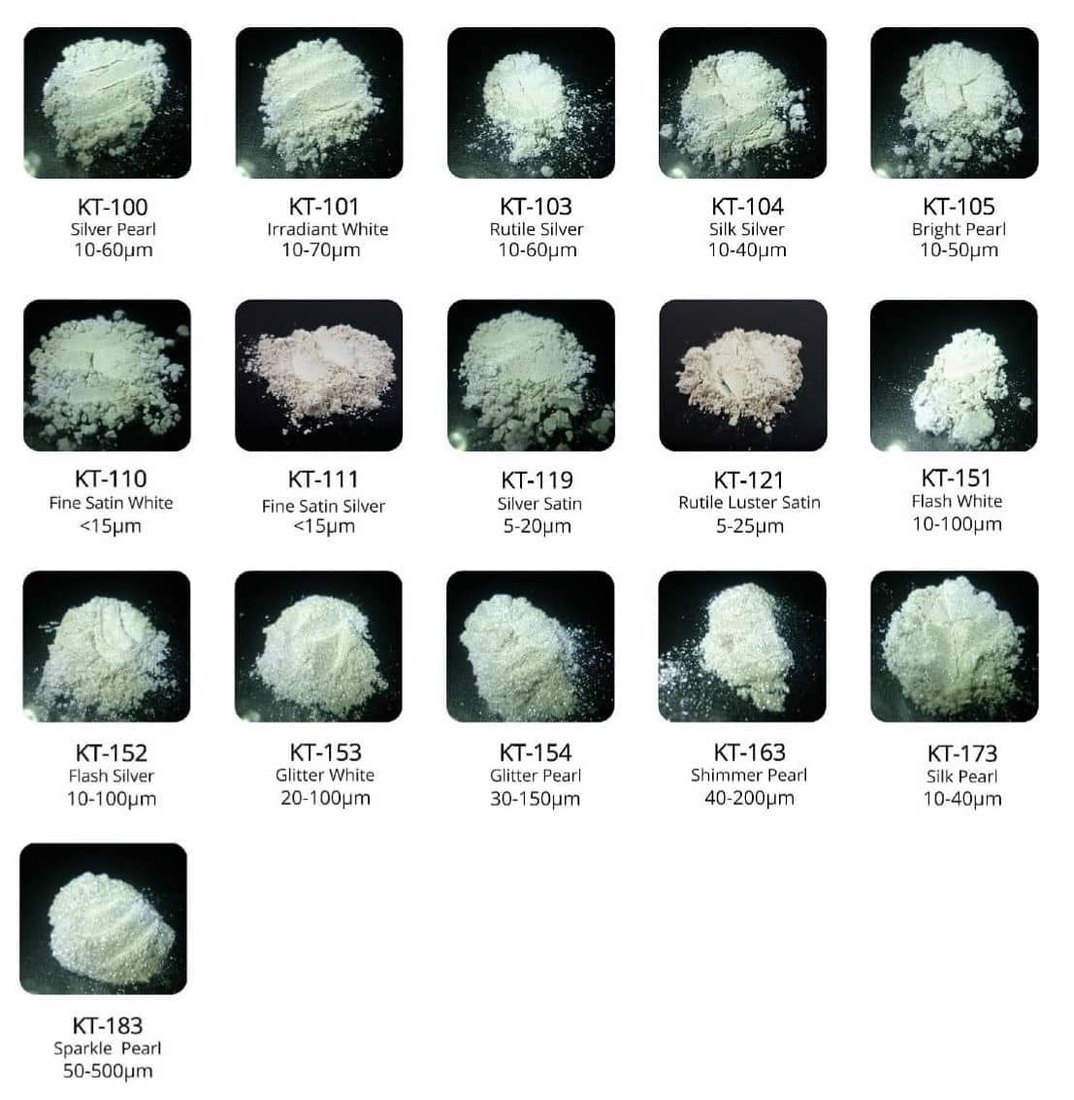
Fig. 6 — Pearl powder across the bands we supply. The difference the eye reads here as shade is really a difference in flake size and, once sprayed, in how much film each flake needs.
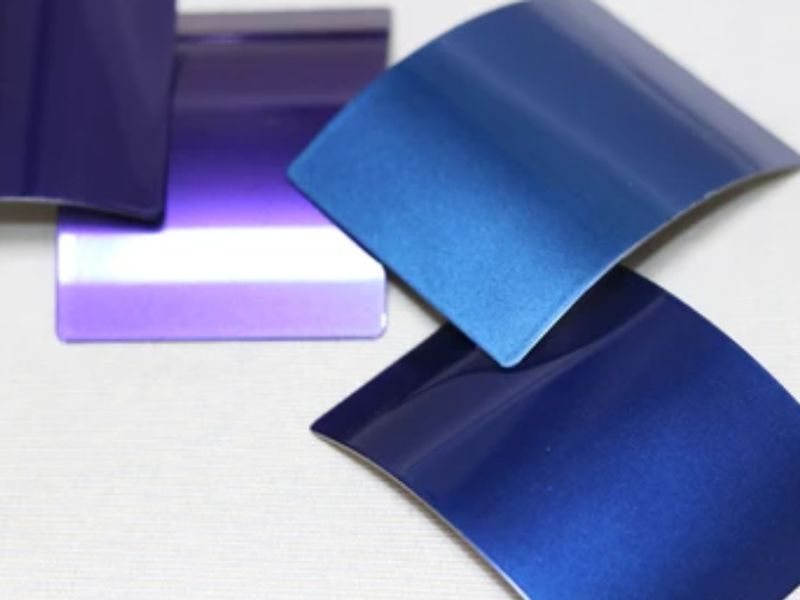
Fig. 7 — Curved cards photographed at a shallow angle. A card is sprayed heavy on a flat, controlled substrate — the one geometry that holds every flake parallel — and that is exactly what a recess does not reproduce.
Geometry is often fixed. The part is designed, the rack is built, the line operates at its rate. The practical response is not a different pigment but a different acceptance criterion: write the requirement by zone rather than as one number for the whole component. One reading for the flat, a separate one for the edge, and a separate rule for the recess where the probe cannot reach.
The alternative is to accept the difference deliberately. A darker recess is not a defect if the drawing never required uniform appearance there; it becomes a complaint only when the acceptance note implies a uniformity the process cannot achieve.
There is also a formulation option: apply a non-effect base coat under the effect layer, so the recess has opacity and the effect layer delivers only the sheen. That changes the film stack and the cost, so it belongs to the coater and the powder formulator. Our contribution is narrower — identifying which bands maintain their appearance at the thickness you actually have.
Fill these in before requesting a sample. Two you already know; the third requires one gauge reading.
One comparison decides it: if D50 is at or below one third of the thinnest reading, the flake has clearance to lie flat and appearance will hold across the part. If D50 sits above that, some flake will reach the surface no matter how the colour was matched. Between the two is where a trial panel justifies its cost.
The bands we supply, and the thinnest film each lies flat in under that rule:
| Band | D50 | Lies flat from | Where it fits |
|---|---|---|---|
| under 15 µm | ~10 µm | ~30 µm | Deep recesses, thin sections, fine detail |
| 5–25 µm | ~15 µm | ~45 µm | Decorative single coat with geometry; the forgiving middle |
| 10–60 µm | ~35 µm | ~105 µm | Thicker builds, two-coat systems, large flat faces |
| 10–100 µm | ~55 µm | ~165 µm | Thick-film and industrial builds, not a single decorative coat |
Table 1 — Bands against minimum film for flat orientation, at D50 no more than one third of dry film thickness. D50 values are nominal; your technical data sheet carries measured values.
10–60 is the band most often quoted for powder work, and ordering it is not an error — ordering it for a 70 µm single coat and judging the result at a recess is. The pearl pigment color cards show how each shade behaves at a given size.
It will reduce the mismatch, and in many recesses that is sufficient. It will not change the geometry that produced the thin film, so a deeply shielded recess can still read darker than the flat. Measure first; if the recess is at 40 µm and the band D50 is 35, the grade is the problem. If the recess is at 20 µm, the geometry is.
Yes, for thick builds and two-coat systems where cured film is well above the decorative range. On a single decorative coat it is the band that produces rough hand and dull recesses, for the mechanical reason described in section three.
Not in this range. Powder cure runs around 180–200 °C, and the pearlescent, interference and metallic carriers we supply are stable far above that, each against its own data sheet. The limiting constraint in decorative powder is film thickness, not the oven.
Not for a thin recess. A card is sprayed thick on a controlled substrate, which is the one condition a recess does not reproduce. Use the card to choose a shade, and a panel sprayed at your film weight to judge how that shade survives your geometry.
We supply pearl, interference and metallic effect pigments across the size bands discussed here, and we will tell you plainly which bands maintain appearance at your film thickness and which will not. Technical data sheets carry measured D50 for each grade, and ISO 9001:2015 certification covers the quality system behind them.
Send us the three numbers — the floor on your drawing, the thinnest reading at the recess, and the band you are weighing — together with substrate and cure schedule. We will come back with the band that fits that film, the shades available in it, and a custom sample pack built around your part rather than a shade card.
A 60–80 µm decorative powder film cannot carry a 100 µm flake. How film thickness across one part decides the pearl size band you order, and how to check it.
Read More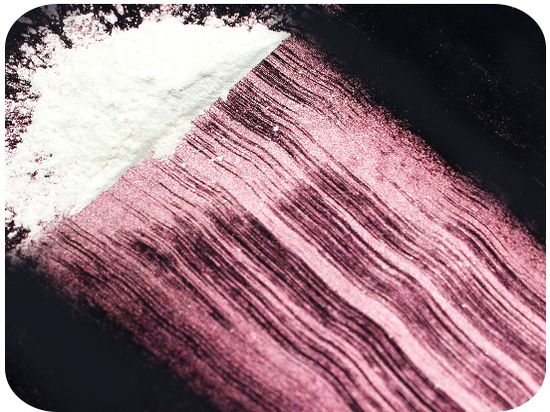
KT-T60-21-WR Radiant Red is a direct xirallic substitute radiant red pigment built on an alumina (Al₂O₃) flake substrate — not mica — producing the faceted, mirror-sharp crystal sparkle that defines the Xirallic® aesthetic. It maps directly to Merck Xirallic® T60-21, making it a 1:1 drop-in reference for formulators working in automotive OEM basecoats or premium refinish systems who need an equivalent shade and optical performance at factory-direct pricing.
Read More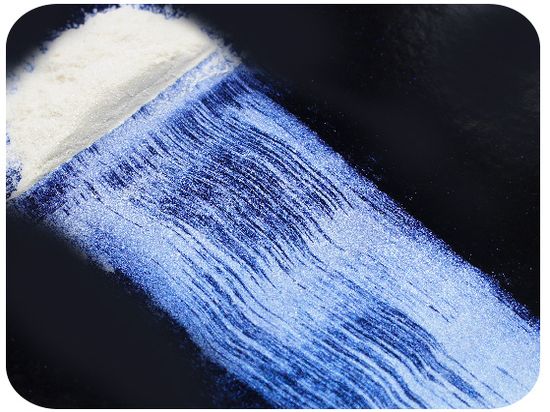
KT-T60-22-WR Rainbow Violet XiallicSparks is our direct equivalent to Xirallic T60-22 — an al2o3 violet effect pigment built on aluminum oxide flake substrate rather than mica. With a refractive index of 1.76 and a 6–30 μm particle size, it produces the sharp, faceted crystal sparkle that defines high-end automotive basecoat finishes. Where mica-based pigments deliver a soft diffuse glow, this grade gives you tight, mirror-like highlights with exceptional chroma and color purity in a Rainbow Violet effect.
Read More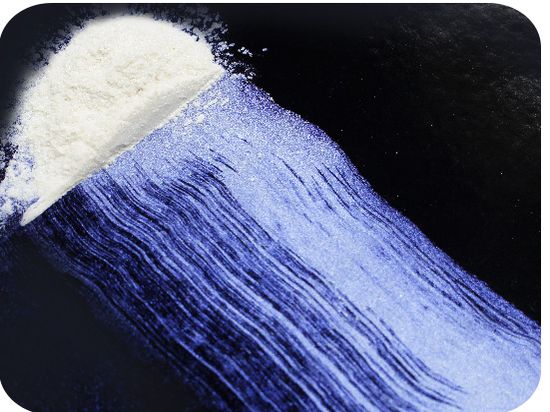
KT-T60-23-WR is our alumina-based xirallic replacement galaxy blue pigment, engineered as a direct drop-in alternative to Merck Xirallic T60-23. Built on a high-refractive-index Al₂O₃ crystal substrate (RI 1.76) with a 6–30 μm particle range, it delivers a faceted, crystal-clear blue sparkle in automotive basecoat systems — the kind of depth and brilliance that mica-based pigments structurally cannot match.
Read More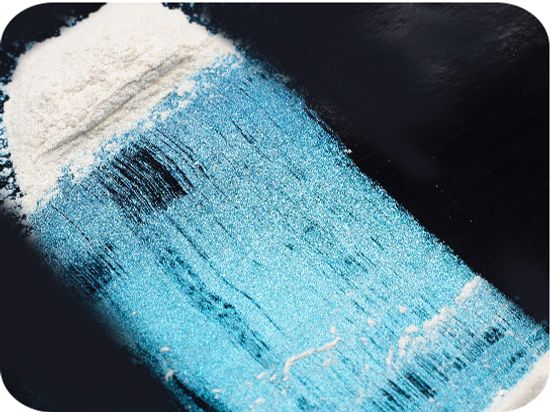
KT-T60-25-WR is an alumina (Al₂O₃) crystal-effect pigment in our XiallicSparks series, producing a vivid Rainbow Green sparkle with the kind of faceted, high-brilliance character you see in top-tier automotive OEM finishes. With a 6–30 μm particle size range and an Al₂O₃ substrate refractive index of 1.76 — significantly higher than standard mica — this rainbow green Al₂O₃ pigment delivers exceptional chroma and clarity in basecoat/clearcoat systems, at factory-direct pricing.
Read More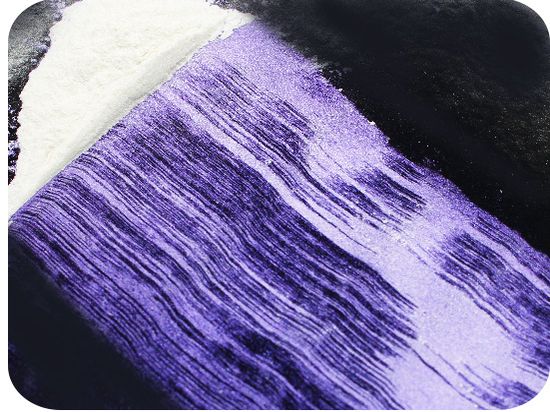
KT-T60-26-WR Rainbow Purple is an alumina-based crystal-effect pigment from our XiallicSparks series, producing a vivid rainbow purple sparkle in automotive basecoat-clearcoat systems. Built on an Al₂O₃ flake substrate — not mica — it delivers higher chroma, sharper highlights, and better flake orientation than conventional pearl pigments. With a particle size range of 6–30 μm and a D50 of 9–11 μm, it is engineered specifically for high-end automotive OEM and refinish applications where a distinct, crystal-like purple sparkle is the design intent.
Read More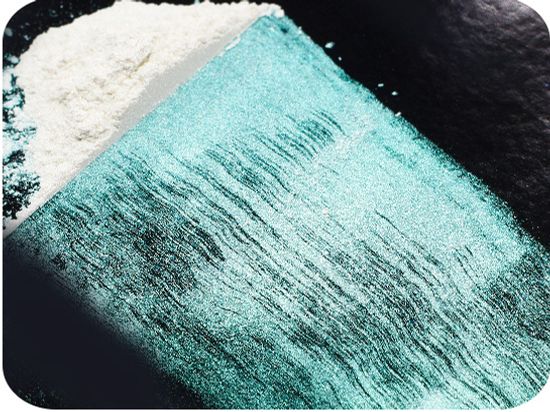
XiallicSparks is Kolortek's line of aluminum oxide effect pigment available in bulk supply, engineered as direct alternatives to Merck Xirallic® in automotive OEM and premium industrial coating applications. Built on an Al₂O₃ flake substrate rather than mica, the series delivers the faceted, crystal-like sparkle that defines high-end automotive finishes — at factory-direct pricing that typically runs 20–40% below Merck equivalents for comparable performance. If you're evaluating a xirallic alternative wholesale source, this is the product line to assess.
Read More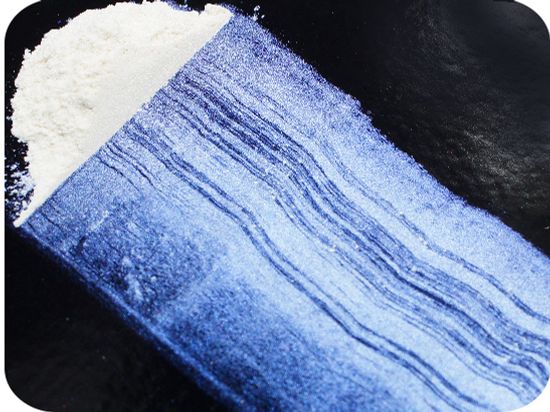
If you're sourcing a xirallic equivalent factory direct and need the same aluminum oxide crystal substrate that drives Merck Xirallic's signature faceted sparkle, Kolortek's XiallicSparks series — product codes KT-T60 and KT-F60 — delivers that effect at 20–40% lower cost than branded equivalents. With eleven grades covering colors from Galaxy Silver to Flame Copper, particle sizes of 6–30 μm, and factory-direct supply from our manufacturing base in China, these are purpose-built alternatives for automotive coating formulators who want performance without the Merck price tag.
Read More
 English
 Français
 Deutsch
 Русский
 Español
 Português