
Leave A Message
If you are interested in our products and want to know more details,please leave a message here,we will reply you as soon as we can.
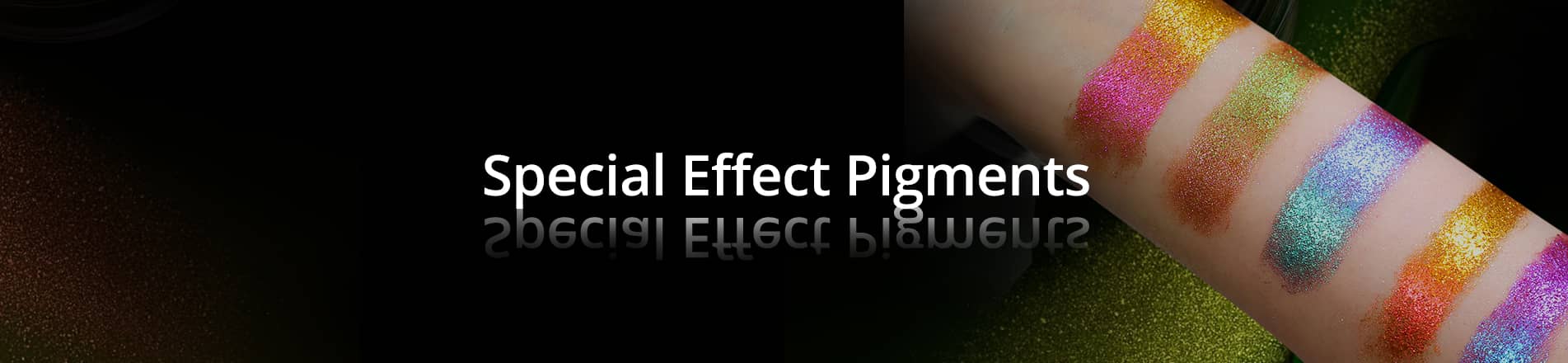
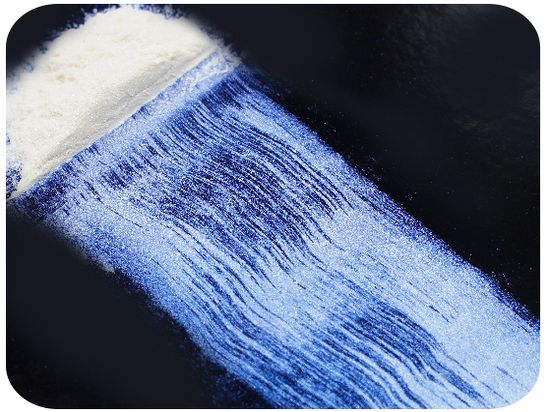
KT-T60-22-WR Rainbow Violet XiallicSparks is our direct equivalent to Xirallic T60-22 — an al2o3 violet effect pigment built on aluminum oxide flake substrate rather than mica. With a refractive index of 1.76 and a 6–30 μm particle size, it produces the sharp, faceted crystal sparkle that defines high-end automotive basecoat finishes. Where mica-based pigments deliver a soft diffuse glow, this grade gives you tight, mirror-like highlights with exceptional chroma and color purity in a Rainbow Violet effect.
Most effect pigments in the market use natural or synthetic mica as the flake substrate. The XiallicSparks series, including KT-T60-22-WR, is built on aluminum oxide — the same technology platform as Merck's Xirallic line. That difference in substrate drives everything downstream: the optical behavior, the surface uniformity, and the character of the sparkle itself.
Alumina flakes have a perfectly smooth surface, which allows very thin, uniform optical coatings to be applied during manufacture. Each flake behaves like a small mirror — reflecting light in a tight, specular cone rather than scattering it broadly. The result is a faceted crystal sparkle that reads as individual, distinct highlight points across the panel surface. Mica-based pigments scatter more light and produce a softer, more diffuse pearl glow. Neither is better in absolute terms; they serve different design intentions.
The refractive index difference matters here too. At 1.76, the alumina flake creates stronger interference contrast than mica at 1.58. In the Rainbow Violet effect, that translates to a higher-chroma violet with noticeably more brilliance at highlight angles. In our experience supporting automotive coating customers, this is the characteristic that makes XiallicSparks grades visually distinct from standard interference pigments — even to an untrained eye at normal viewing distance.
| Parameter | Value / Notes |
|---|---|
| Product Code | KT-T60-22-WR |
| Series | XiallicSparks |
| Color Effect | Rainbow Violet |
| Substrate | Al₂O₃ (aluminum oxide) flake |
| Particle Size | 6–30 μm |
| Refractive Index | 1.76 |
| Optical Type | Crystal sparkle — sharp, defined highlights (non-pearlescent) |
| Heat Stability | Stable at automotive curing temperatures: 140–160°C for 20–30 min |
| Weather Resistance | Excellent |
| Chemical Resistance | Good — automotive fluids |
| Xirallic Equivalent | Xirallic T60-22 |
| Recommended Loading | 3–8% on total paint weight (automotive basecoat) |
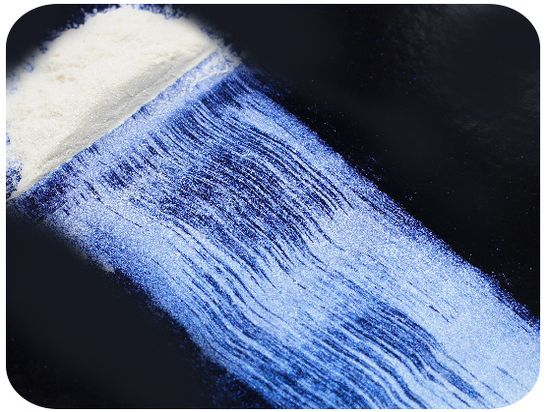
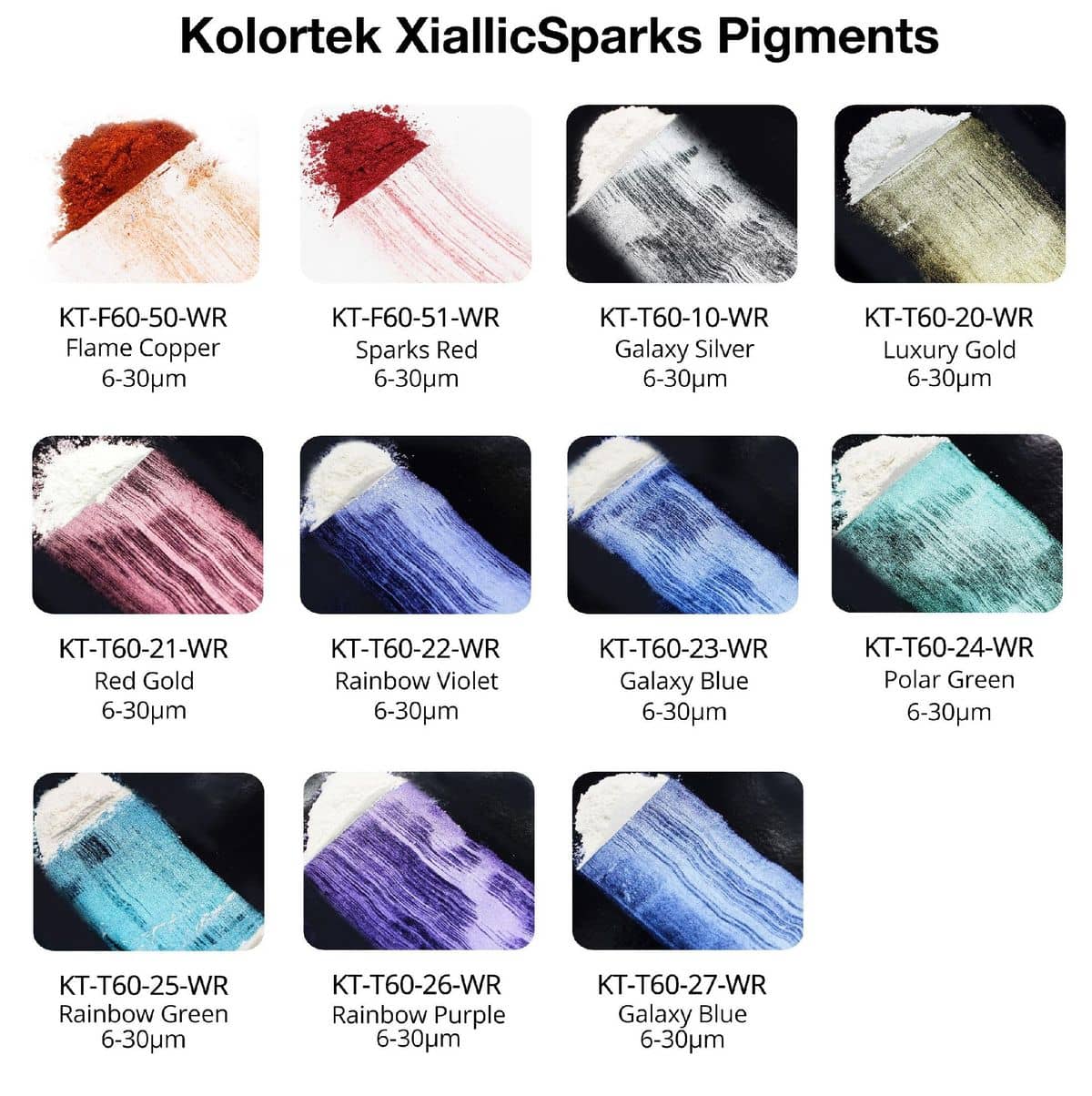
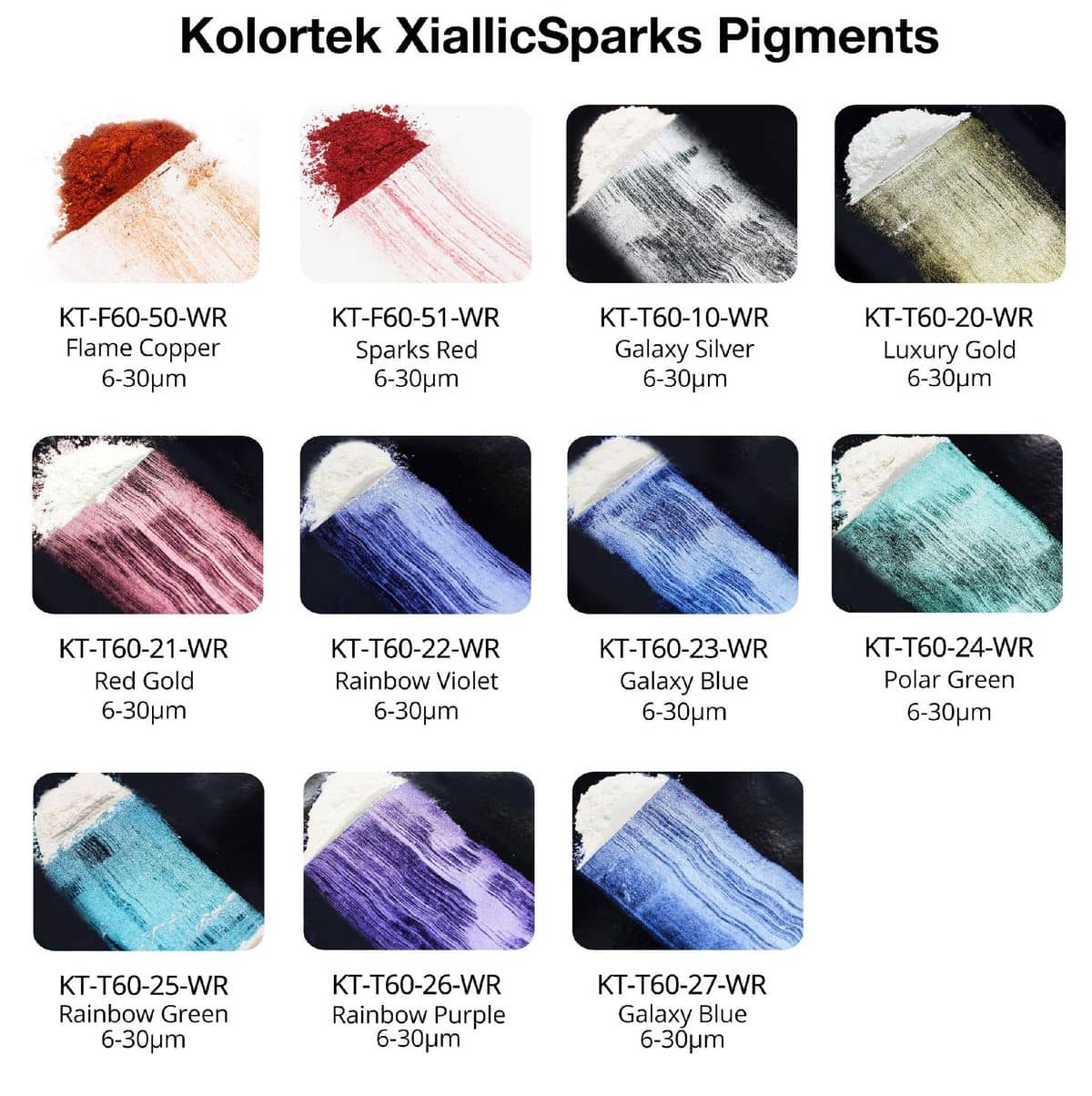
KT-T60-22-WR sits within the full XiallicSparks range. All grades share the 6–30 μm Al₂O₃ flake platform and the same crystal-effect optical character — color is the primary variable across the line. The table below shows the complete lineup with Xirallic cross-references where available.
| Kolortek Code | Color Effect | Xirallic Equivalent |
|---|---|---|
| KT-F60-50-WR | Flame Copper | Xirallic T60-20 |
| KT-F60-51-WR | Sparks Red | Xirallic T60-21 |
| KT-T60-10-WR | Galaxy Silver | Xirallic T60-10 |
| KT-T60-20-WR | Luxury Gold | Xirallic T60-20 |
| KT-T60-21-WR | Radiant Red | Xirallic T60-21 |
| KT-T60-22-WR | Rainbow Violet ◀ this grade | Xirallic T60-22 |
| KT-T60-23-WR | Galaxy Blue | Xirallic T60-23 |
| KT-T60-24-WR | Polar Green | Xirallic T60-24 |
| KT-T60-25-WR | Rainbow Green | — |
| KT-T60-26-WR | Rainbow Purple | — |
| KT-T60-27-WR | Galaxy Blue | — |
If you are currently running Xirallic T60-22 in a formulation and need a direct drop-in, KT-T60-22-WR maps to that reference. Our cross-reference program is built specifically for that transition — matching particle size range and optical effect rather than just color name.
KT-T60-22-WR is engineered specifically for automotive OEM coatings — top-of-the-line metallic and crystal finishes where the visual specification calls for deep, saturated sparkle with high flop. It also performs in premium automotive refinish work, and we see it used in high-end industrial coatings for consumer electronics and luxury goods where an automotive-grade finish quality is the target.
One thing to note: this is not a general-purpose decorative pigment, and it is not for cosmetics. The XiallicSparks line is not face-safe certified, and the cost-performance profile is not suited to commodity decorative applications. For those use cases, our standard pearl pigment ranges — KT-100 through KT-9000 series — are the appropriate starting point.
The automotive violet sparkle pigment effect is also maximized through system design choices, not just pigment selection alone. A black or very dark basecoat underneath the effect layer is essential — the contrast between the opaque dark ground and the transparent, highly refractive alumina flakes is what creates the deep, three-dimensional sparkle appearance. A mid-grey or white basecoat will compromise the visual dramatically.
Pre-disperse KT-T60-22-WR in a small portion of the binder before letting it into the bulk formulation. A Cowles blade or equivalent high-speed disperser handles this well. The critical constraint is avoiding milling or high-shear equipment — alumina flakes fracture under excessive shear, and broken flakes produce a duller, less defined sparkle. Once the flake geometry is compromised, the optical performance cannot be recovered.
Typical loading in automotive basecoats runs 3–8% on total paint weight. Within that range, higher loadings increase sparkle density but can reduce individual highlight definition if the flakes start to crowd each other. In our application lab, we generally recommend starting at 4–5% and adjusting based on the target visual specification.
Apply in multiple thin coats rather than a single heavy coat. This builds more uniform sparkle distribution and gives each flake the space to orient flat and parallel to the substrate — which is where the alumina flake's good orientation and flow characteristics become an advantage. Slow solvent flash and coating systems with good flow are preferable for that reason. Finish with a high-gloss clear coat to protect the pigment layer and enhance the crystal visual.
KT-T60-22-WR is heat stable through standard automotive bake schedules: 140–160°C for 20–30 minutes. No special modifications to a standard OEM or refinish cure cycle are required.
Merck Xirallic has been the reference standard for alumina-based crystal-effect pigments in automotive coatings for many years. The XiallicSparks series is a factory-direct alternative built on the same Al₂O₃ substrate platform. Kolortek's direct pricing model typically delivers 20–40% cost savings versus Merck equivalents for comparable optical performance — a figure that matters when you are buying at automotive production volumes.
When replacing a Xirallic T60-22 reference with KT-T60-22-WR, the cross-reference is direct — same color effect, same 6–30 μm particle size range. That said, any pigment substitution in an approved automotive color formula requires your own color matching and system qualification process. We supply draw-down samples and technical documentation to support that process.
Kolortek operates under ISO 9001:2015 certification covering the production and sale of pigments and related products. MSDS/SDS documentation ships with all orders; a technical data sheet is available for KT-T60-22-WR on request. For regulatory documentation packages — including compliance support for specific export markets — contact our technical team.
One clarification worth making: XiallicSparks grades are not positioned for cosmetic or personal care applications, and face-safe certification is not part of this product line's scope. If you are sourcing for a cosmetic application, the correct starting point is our cosmetic-grade pearl pigment ranges, not XiallicSparks.
Is KT-T60-22-WR a direct replacement for Merck Xirallic T60-22?
Yes — KT-T60-22-WR is the XiallicSparks direct equivalent to Xirallic T60-22, sharing the same Al₂O₃ flake substrate, 6–30 μm particle size range, and Rainbow Violet crystal effect. Any actual formula substitution will still require color matching and system qualification on your side, which we support with samples and technical data. Factory-direct pricing typically runs 20–40% below Merck list prices.
What basecoat color should I use under KT-T60-22-WR for best results?
A black or very dark basecoat is the standard recommendation. The crystal sparkle effect depends on contrast between the opaque dark ground and the transparent, highly refractive alumina flakes. On a light or mid-tone basecoat, the violet sparkle reads as significantly less intense and loses much of its depth. This applies to all XiallicSparks grades, not just the Rainbow Violet.
Why does KT-T60-22-WR produce a sharper sparkle than mica-based violet pigments at the same particle size?
The difference comes down to substrate refractive index and surface smoothness. Aluminum oxide flakes have a refractive index of 1.76, compared to 1.58 for mica. The perfectly smooth alumina surface also allows thinner, more uniform optical coatings. Each flake behaves like a small mirror — producing tight, specular highlights rather than the broader diffuse glow characteristic of mica-based interference pigments. The result is a rainbow violet crystal pigment effect with visibly higher chroma and sparkle definition.
Can KT-T60-22-WR be used in cosmetics or nail products?
No. The XiallicSparks series is not face-safe certified and is not recommended for cosmetic, personal care, or nail applications. For those end uses, Kolortek offers separate cosmetic-grade effect pigment ranges. XiallicSparks grades are engineered exclusively for automotive OEM coatings, premium refinish, and high-end industrial coating applications.
Contact our technical team to discuss formulation requirements, request draw-down samples, or obtain a full regulatory documentation package for KT-T60-22-WR.
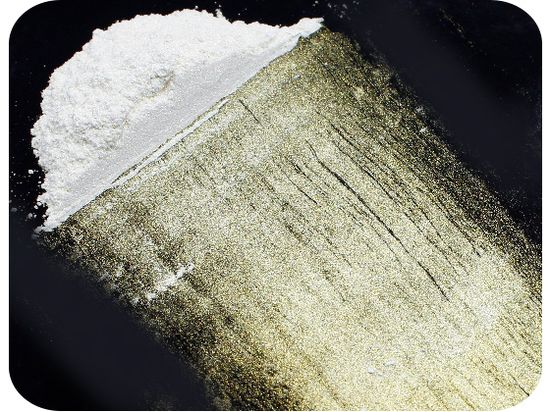
KT-T60-20-WR is Kolortek's direct aluminum oxide gold pigment in the XiallicSparks series — a factory-confirmed equivalent to Merck Xirallic® T60-20. Built on α-Al₂O₃ flakes rather than mica, it delivers a sharp, crystal-effect gold sparkle with exceptional chroma and flake orientation in automotive basecoat/clearcoat systems. Particle size runs 6–30 μm (D50: 9–11 μm), with heat stability to 140–160 °C for 20–30 minutes — fully compatible with standard automotive OEM cure cycles.
Read More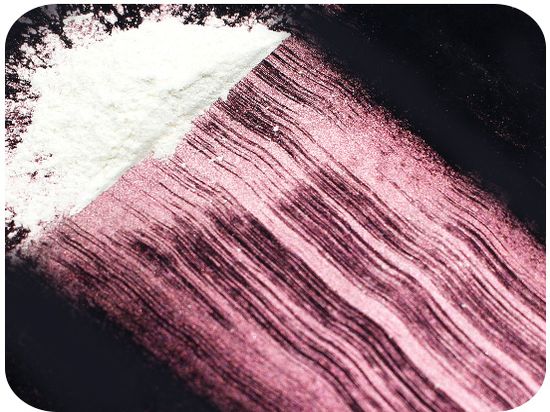
KT-T60-21-WR Radiant Red is a direct xirallic substitute radiant red pigment built on an alumina (Al₂O₃) flake substrate — not mica — producing the faceted, mirror-sharp crystal sparkle that defines the Xirallic® aesthetic. It maps directly to Merck Xirallic® T60-21, making it a 1:1 drop-in reference for formulators working in automotive OEM basecoats or premium refinish systems who need an equivalent shade and optical performance at factory-direct pricing.
Read More
KT-T60-22-WR Rainbow Violet XiallicSparks is our direct equivalent to Xirallic T60-22 — an al2o3 violet effect pigment built on aluminum oxide flake substrate rather than mica. With a refractive index of 1.76 and a 6–30 μm particle size, it produces the sharp, faceted crystal sparkle that defines high-end automotive basecoat finishes. Where mica-based pigments deliver a soft diffuse glow, this grade gives you tight, mirror-like highlights with exceptional chroma and color purity in a Rainbow Violet effect.
Read More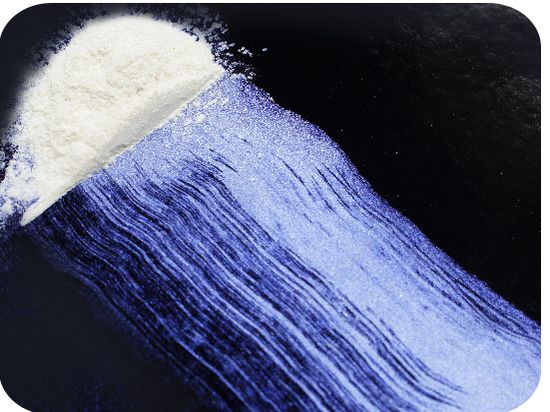
KT-T60-23-WR is our alumina-based xirallic replacement galaxy blue pigment, engineered as a direct drop-in alternative to Merck Xirallic T60-23. Built on a high-refractive-index Al₂O₃ crystal substrate (RI 1.76) with a 6–30 μm particle range, it delivers a faceted, crystal-clear blue sparkle in automotive basecoat systems — the kind of depth and brilliance that mica-based pigments structurally cannot match.
Read More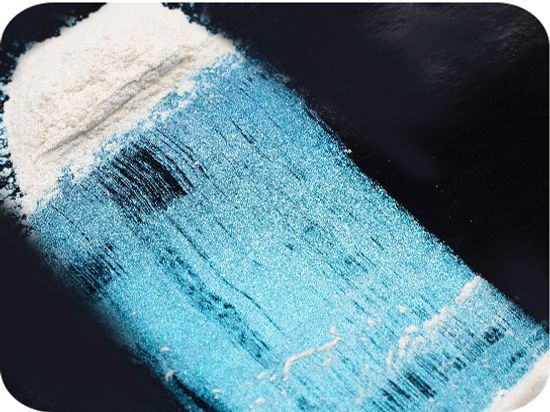
KT-T60-25-WR is an alumina (Al₂O₃) crystal-effect pigment in our XiallicSparks series, producing a vivid Rainbow Green sparkle with the kind of faceted, high-brilliance character you see in top-tier automotive OEM finishes. With a 6–30 μm particle size range and an Al₂O₃ substrate refractive index of 1.76 — significantly higher than standard mica — this rainbow green Al₂O₃ pigment delivers exceptional chroma and clarity in basecoat/clearcoat systems, at factory-direct pricing.
Read More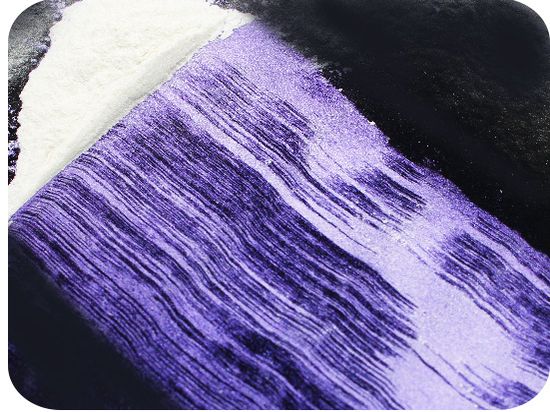
KT-T60-26-WR Rainbow Purple is an alumina-based crystal-effect pigment from our XiallicSparks series, producing a vivid rainbow purple sparkle in automotive basecoat-clearcoat systems. Built on an Al₂O₃ flake substrate — not mica — it delivers higher chroma, sharper highlights, and better flake orientation than conventional pearl pigments. With a particle size range of 6–30 μm and a D50 of 9–11 μm, it is engineered specifically for high-end automotive OEM and refinish applications where a distinct, crystal-like purple sparkle is the design intent.
Read More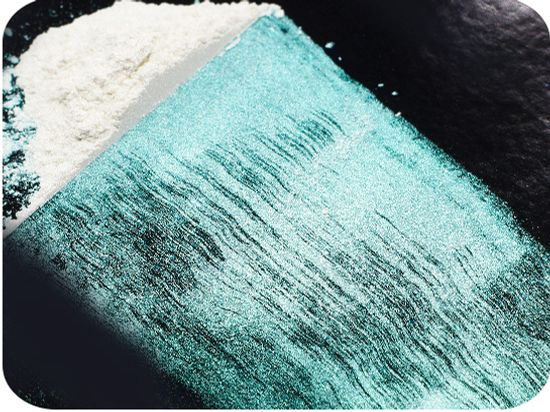
XiallicSparks is Kolortek's line of aluminum oxide effect pigment available in bulk supply, engineered as direct alternatives to Merck Xirallic® in automotive OEM and premium industrial coating applications. Built on an Al₂O₃ flake substrate rather than mica, the series delivers the faceted, crystal-like sparkle that defines high-end automotive finishes — at factory-direct pricing that typically runs 20–40% below Merck equivalents for comparable performance. If you're evaluating a xirallic alternative wholesale source, this is the product line to assess.
Read More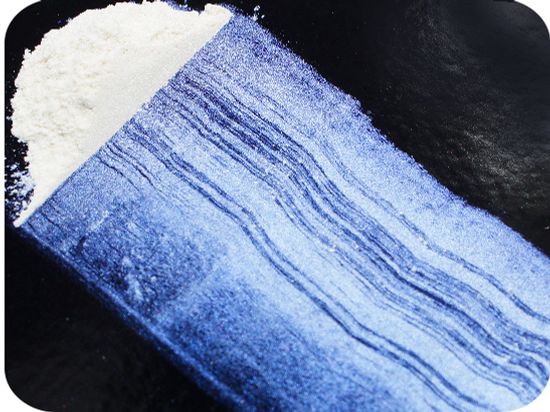
If you're sourcing a xirallic equivalent factory direct and need the same aluminum oxide crystal substrate that drives Merck Xirallic's signature faceted sparkle, Kolortek's XiallicSparks series — product codes KT-T60 and KT-F60 — delivers that effect at 20–40% lower cost than branded equivalents. With eleven grades covering colors from Galaxy Silver to Flame Copper, particle sizes of 6–30 μm, and factory-direct supply from our manufacturing base in China, these are purpose-built alternatives for automotive coating formulators who want performance without the Merck price tag.
Read More
 English
 Français
 Deutsch
 Русский
 Español
 Português