
Leave A Message
If you are interested in our products and want to know more details,please leave a message here,we will reply you as soon as we can.
Gold Bronze Metallic Powder Bulk 800 Mesh for Decorative Coatings
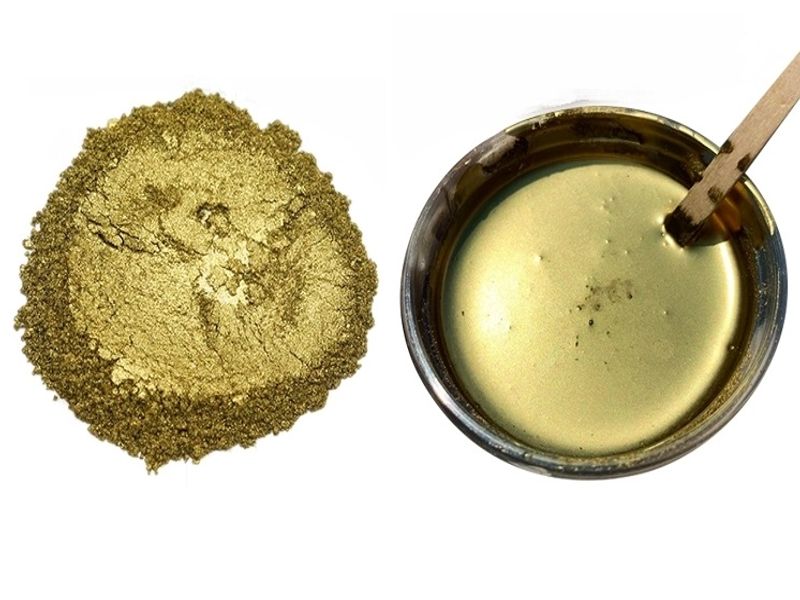
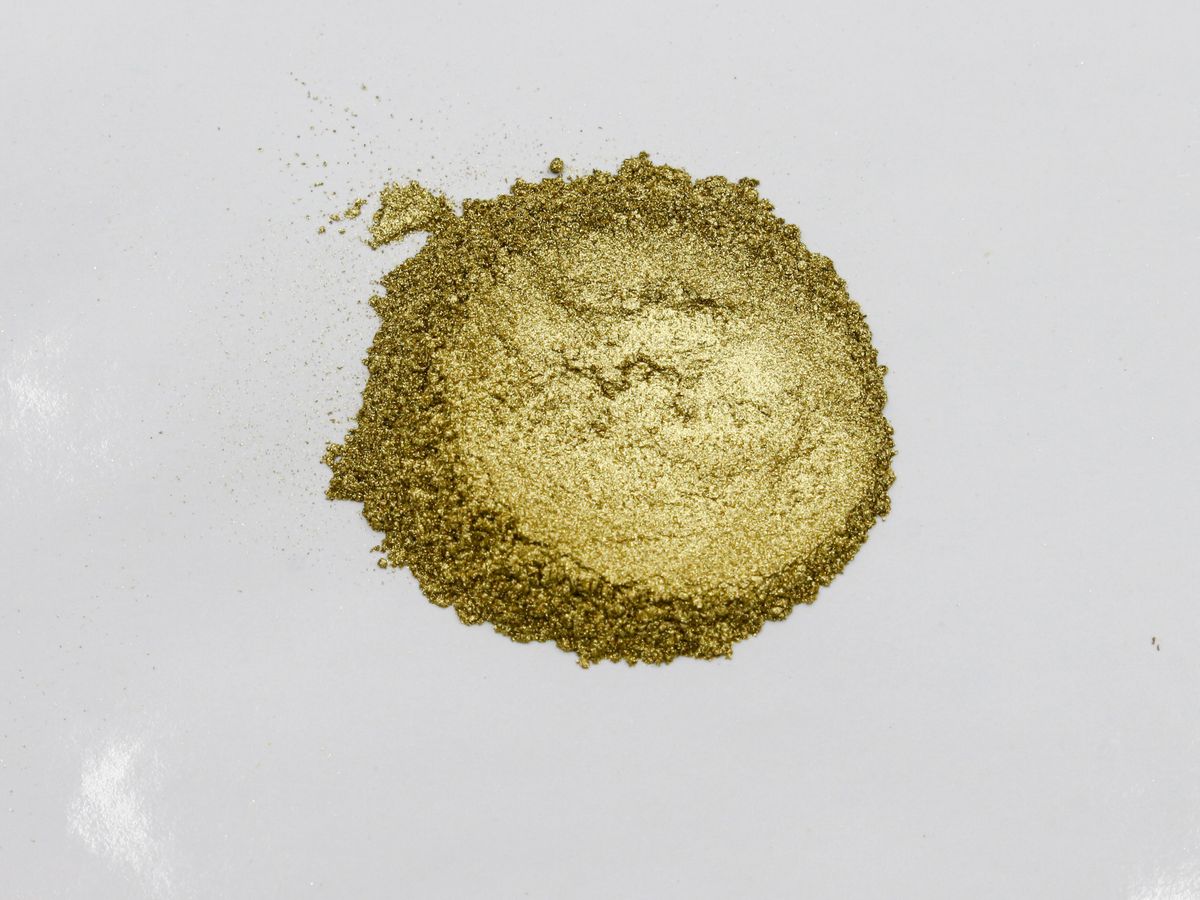
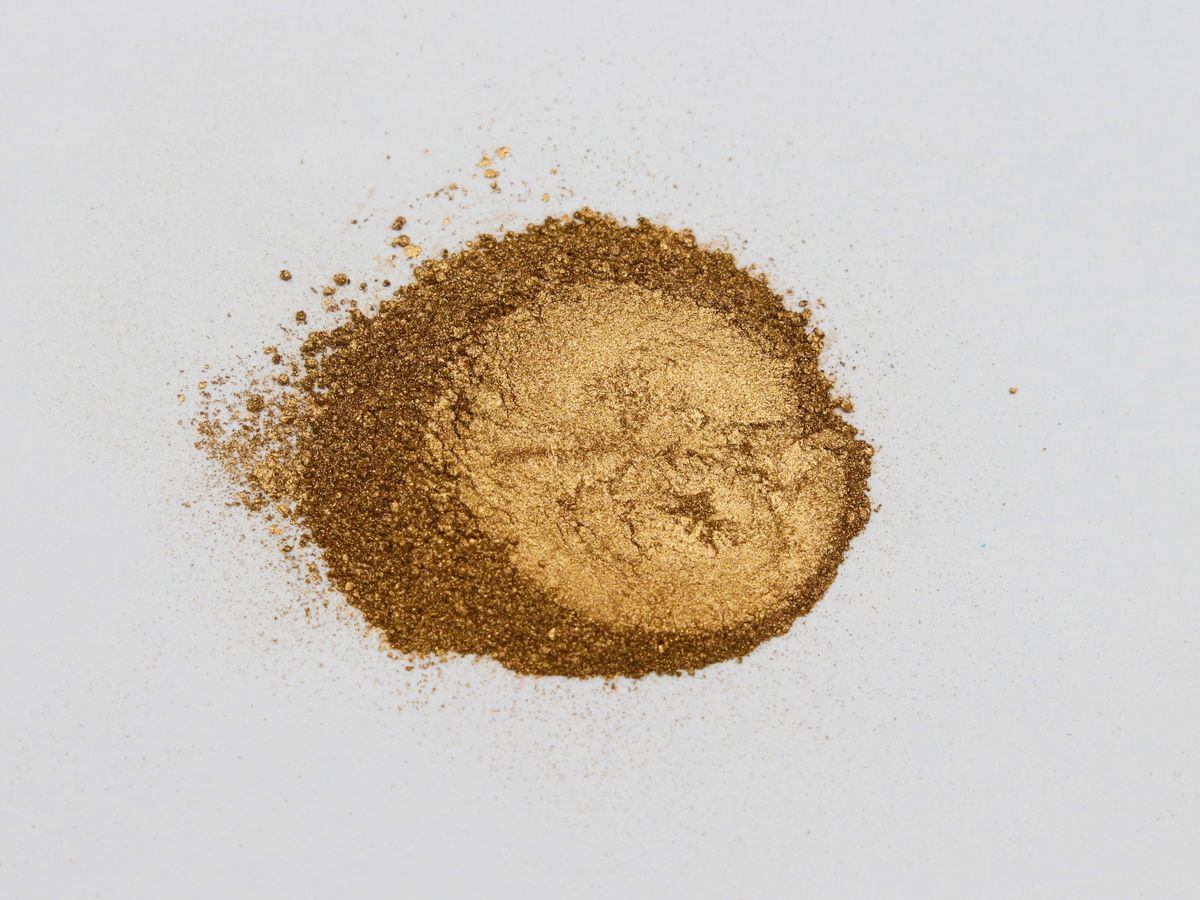
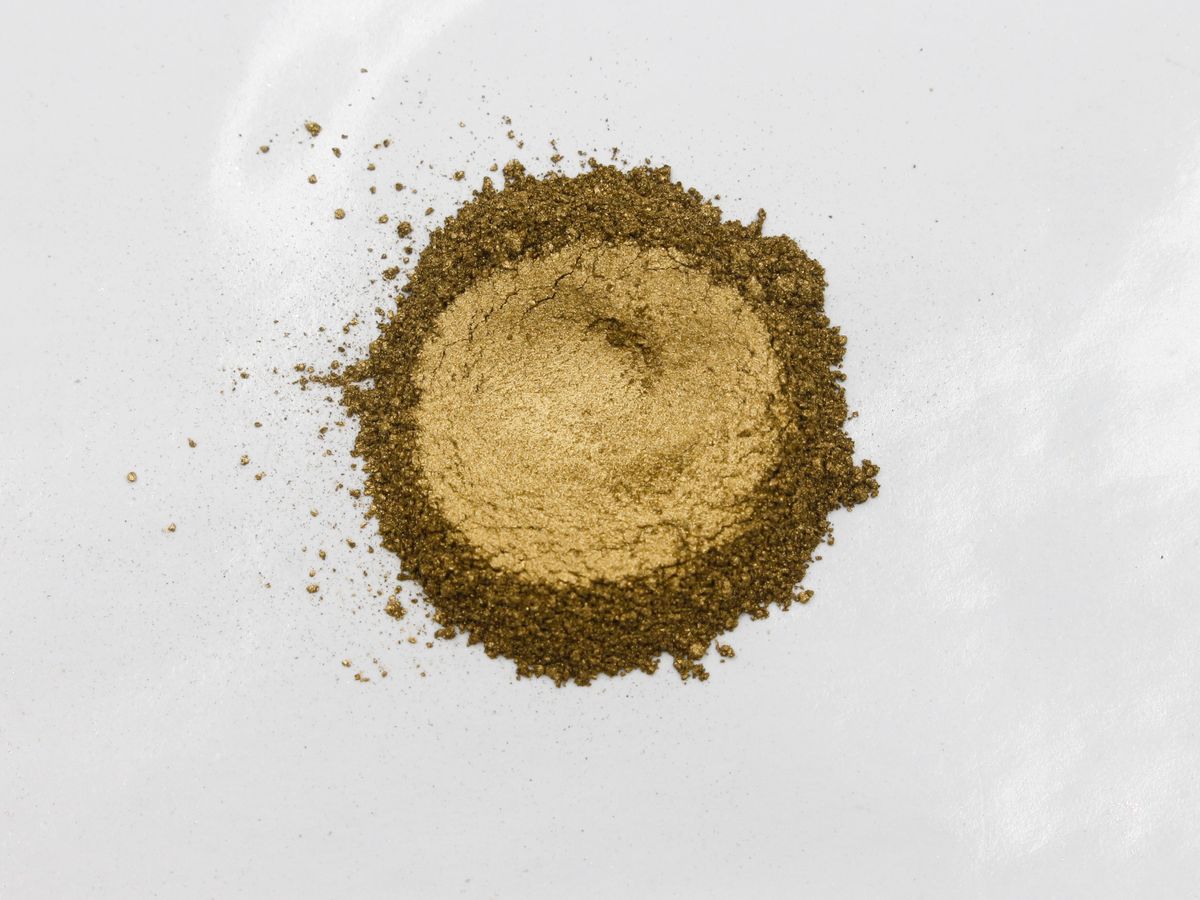
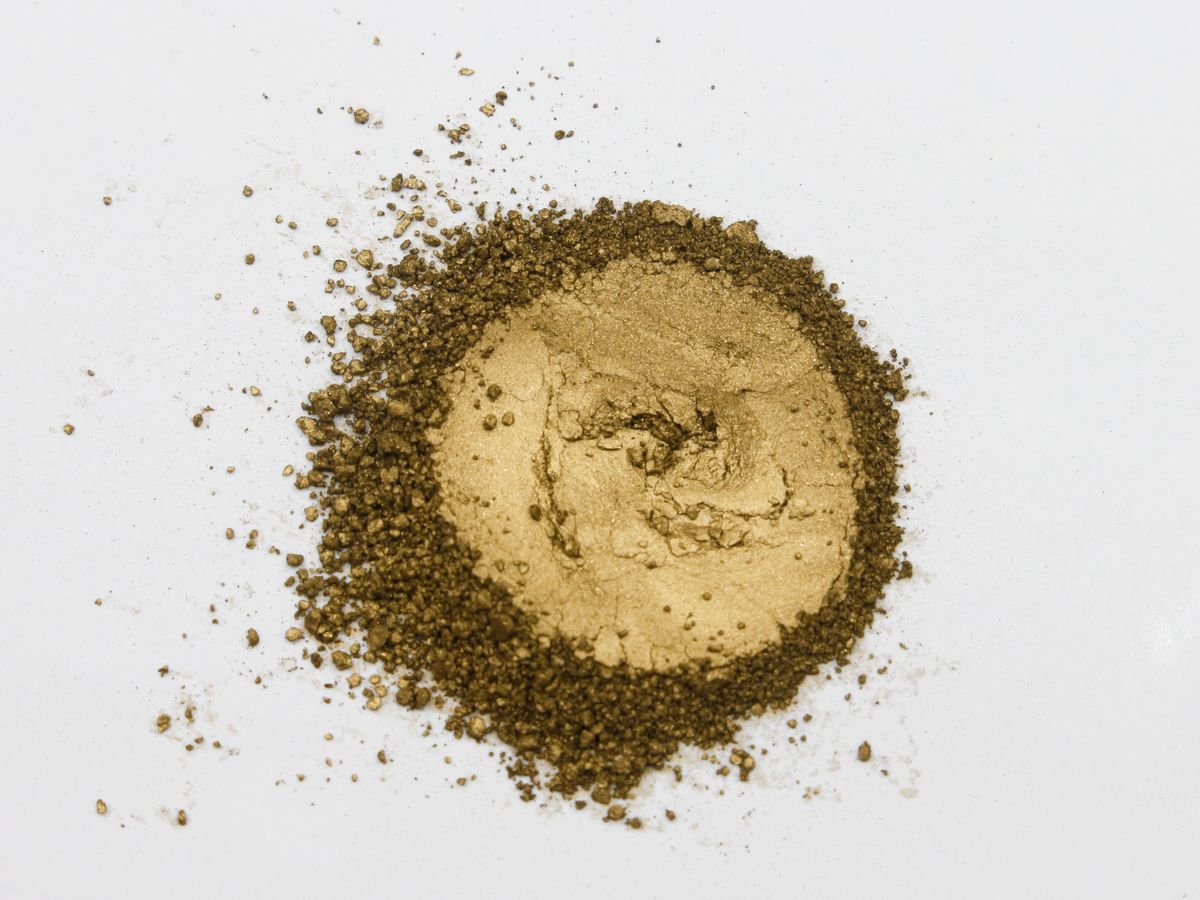
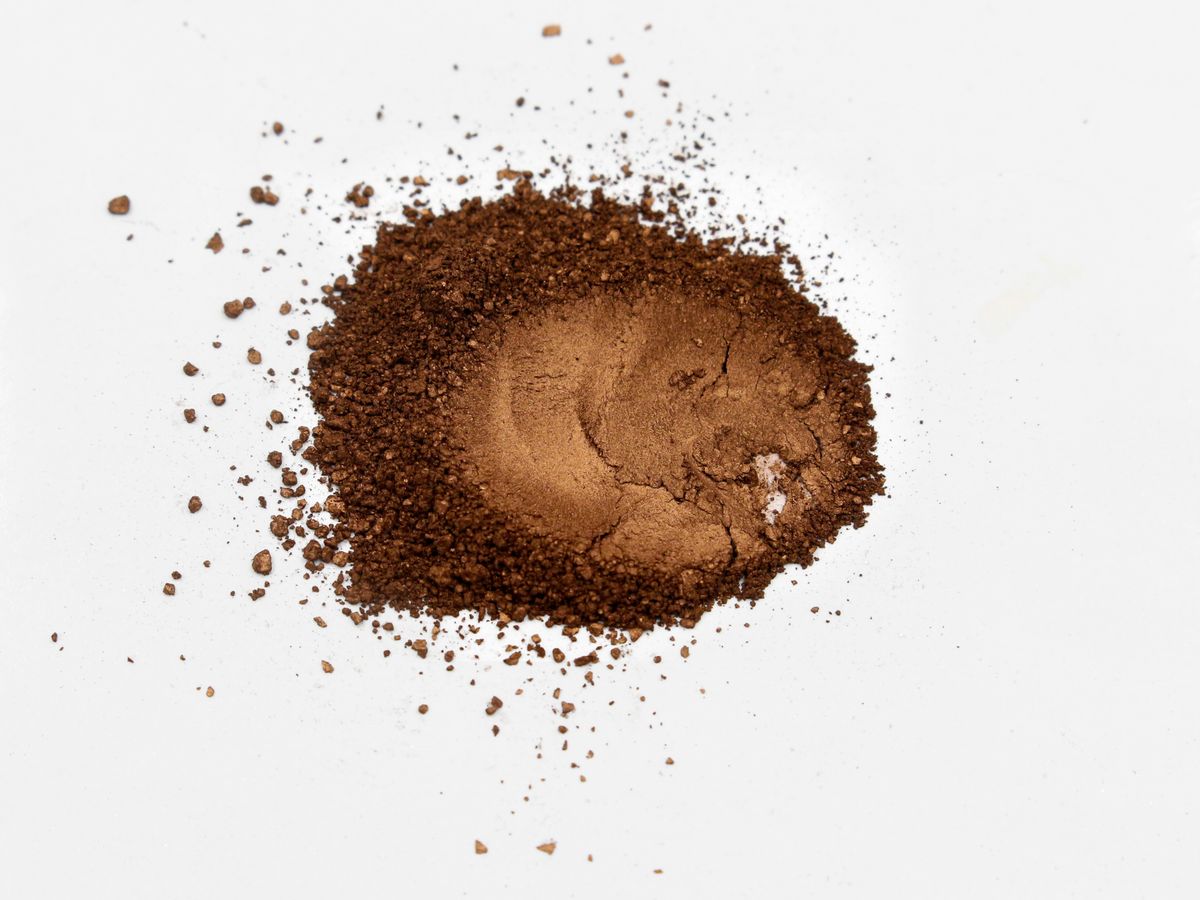
Gold bronze metallic powder at 800 mesh is the standard-grade choice for decorative coatings, delivering a smooth, uniform metallic finish where individual flakes are not visible to the naked eye. At Kolortek, our bulk gold bronze powder is based on copper-zinc alloy technology — producing a true metal reflection that no mica-based pearl pigment can replicate. Whether you're sourcing decorative gold bronze powder for furniture trim, picture frames, or hardware finishes, 800 mesh gives you the balance of coverage, smoothness, and optical depth that most decorative coating applications demand.
Decorative coatings span a wide range of substrates and aesthetics — picture frames that need rich antique gold, furniture trim demanding a clean pale-gold sheen, hardware finishes requiring deep bronze warmth. What they share is a requirement for a metallic layer that reads as uniform and opaque at normal viewing distances, without the "glittery" individual-flake appearance that coarser mesh grades produce.
At 800 mesh, gold bronze powder flakes are fine enough that the coating surface appears as a continuous metallic film rather than a collection of visible particles. This is why, across our two decades of supplying effect pigments, 800 mesh consistently emerges as the go-to grade for production decorative coating lines. It is also the standard entry point for printing ink applications — packaging, gift wrap, labels — where press mechanics demand tight particle size control.
The copper-zinc alloy composition gives formulators a genuine color palette: pure copper tones (high copper content), warm bronze and antique tones (intermediate ratios), and pale or flavone gold (higher zinc content). This range is impossible to achieve with mica-based gold pigments, which create color through optical interference rather than actual metal chemistry.
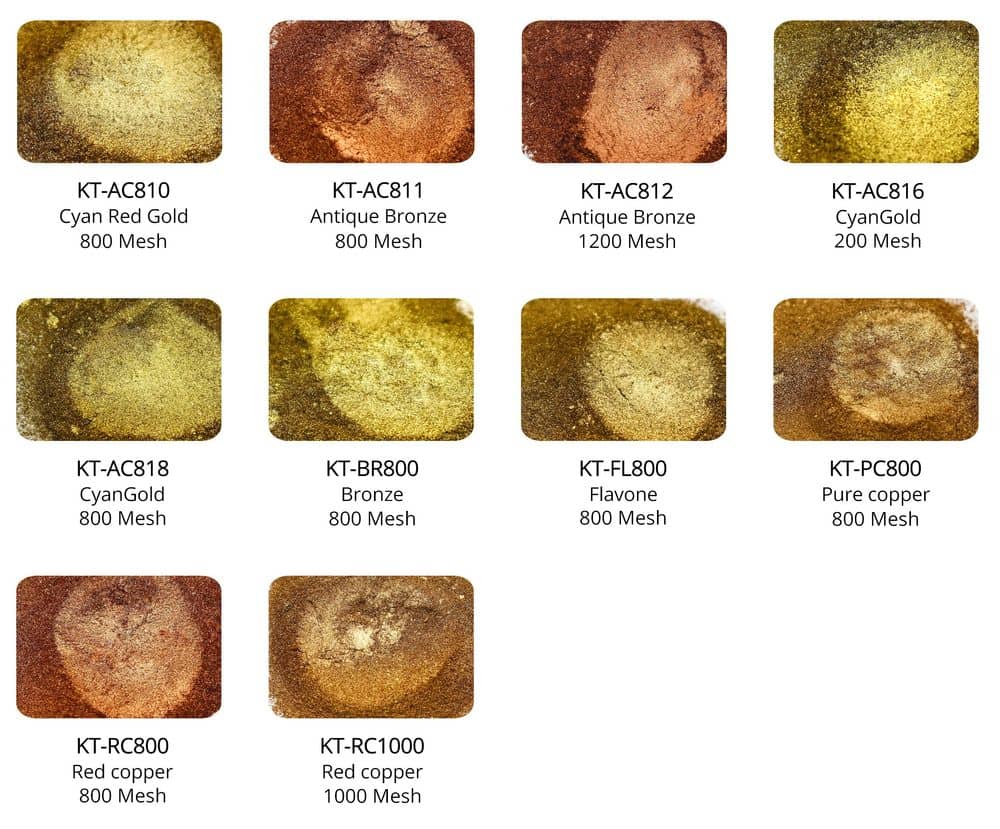
Our 800-mesh lineup covers ten distinct color variants, letting formulators select exactly the right metallic tone without post-blending. The key models are:
The AC series (KT-AC8xx) carries surface treatment for use in water-based and mildly challenging formulation environments. For solvent-based systems, the standard KT-BR800 through KT-RC800 codes are the most cost-effective path.
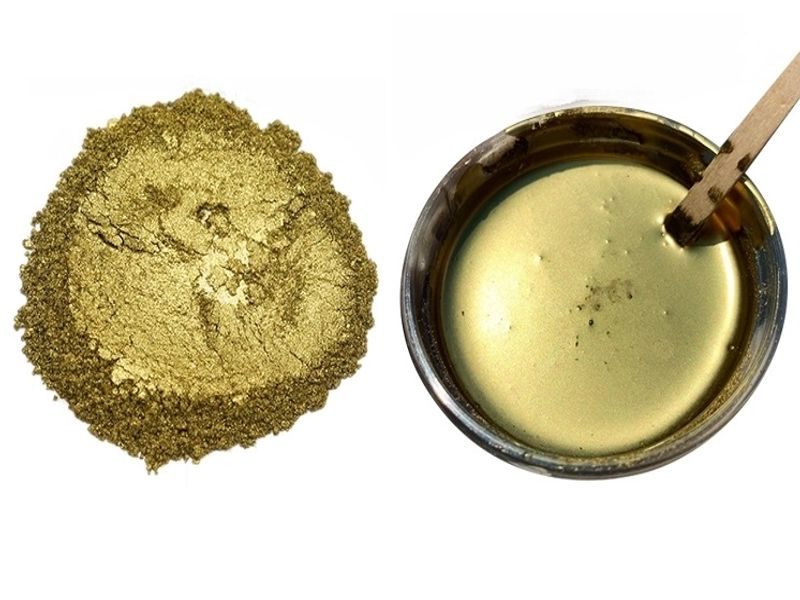
800 mesh is not always the right answer. If your coating is applied thick or brushed — as in craft and DIY decorative work — a 400–600 mesh grade gives more visible sparkle and a handcrafted metallic feel. If you are formulating a high-gloss industrial printing ink or a fine-detail label coating, moving up to 1000–1200 mesh reduces the risk of settling and improves uniformity under high-speed application. The 800-mesh grade sits squarely in the standard production zone: it runs cleanly through spray equipment, disperses reliably in most systems, and delivers a professionally smooth finish.
In furniture trim and picture frame finishes, KT-BR800 or KT-AC811 (antique bronze) are loaded at 4–6% in a short-oil alkyd or nitrocellulose lacquer vehicle. The low-shear cowles blade disperser is run at moderate speed to wet the flakes without bending them — bent flakes scatter light diffusely and kill the metallic effect. A single pass through a 150-mesh filter ahead of spray application removes any agglomerates that could create surface streaks.
The shift toward low-VOC water-based systems is a real pressure on decorative coating producers. Untreated bronze flakes react with water, generating hydrogen gas, and the copper surface oxidizes to a dull brown within days. At Kolortek, we specifically developed the AC series with polymer or stearate encapsulation to prevent this reaction. KT-AC800RX and KT-AC800CX have been validated in acrylic water-based systems at pH 6.5–8.5, which covers most commercial water-based decorative lacquers. Keep the mixing time short after the pigment is added, and seal containers promptly — even treated flakes benefit from minimized moisture exposure during storage.
800 mesh is the dominant grade in rotogravure and flexographic metallic inks. The fine particle size flows through gravure cells cleanly and resists nozzle blockage in flexo anilox rolls. In our experience, loading levels of 5–8% in a nitrocellulose or polyamide ink vehicle give full metallic coverage on coated paper and PET film. KT-FL800 (flavone gold) is a popular choice for premium gift wrap and greeting card printing where a bright, near-gold-leaf appearance is the brief.
Temple ornaments, statue decoration, and traditional craft items represent a significant volume in wholesale gold bronze powder demand across Asia and the Middle East. These applications often use simple lacquer or spirit varnish vehicles, applied by brush. KT-PC800 (pure copper) and KT-RC800 (red copper) are frequently specified for statue and religious item restoration because they produce the warm, slightly reddish metallic tone associated with traditional bronze casting. At these application scales, bulk purchasing in 5–25 kg containers is standard — and our production line supports consistent color matching across large multi-batch orders.
| Pigment Code | Color / Tone | Best For | Key Advantage | System Compatibility |
|---|---|---|---|---|
| KT-BR800 | Classic bronze | Furniture trim, picture frames | Most versatile mid-tone; consistent batch quality | Solvent-based preferred |
| KT-FL800 | Flavone / pale gold | Gift wrap printing, luxury packaging | Brightest, most yellow-gold tone; near gold-leaf look | Solvent-based preferred |
| KT-PC800 | Pure copper | Hardware finishes, statue restoration | Richest reddish-copper; high hiding power | Solvent-based preferred |
| KT-AC811 / KT-AC800BX | Antique bronze | Decorative mouldings, restoration coatings | Aged, muted tone for classical aesthetics | Solvent & water-based (BX series) |
| KT-AC810 / KT-AC800CX | Cyan red gold | Luxury packaging, premium decorative coatings | Complex cool-toned gold; stands out from standard bronze | Solvent & water-based (CX series) |
| KT-AC800RX | Red copper | Water-based decorative lacquers | Surface-treated; stable in aqueous systems at pH 6.5–8.5 | Water-based compatible |
| KT-AC818 | Cyan gold | Modern decorative finishes, high-brilliance coatings | Clean greenish-gold with high surface brilliance | Solvent & water-based |
The metallic effect depends entirely on flat, mirror-like flake surfaces that reflect light directionally. Mechanical damage to these flakes — caused by high-shear mills or prolonged mixing — creates micro-fractures and surface distortion that shift a brilliant gold coating into a dull, greyish finish. Use a cowles blade disperser at moderate tip speed (5–8 m/s), pre-wet the powder in a small portion of solvent or resin before introducing it to the main batch, and stop mixing as soon as dispersion is complete. There is no benefit to over-mixing bronze pigments.
Full opacity in a decorative coating is typically reached at 3–8% by weight, depending on film thickness and substrate color. Starting at 5% is a practical baseline for most spray-applied decorative lacquers. Going above 8% rarely improves the visual result and increases cost; it can also make the dried film brittle if the pigment-to-binder ratio becomes too high.
Copper-zinc alloys are reactive metals. Strongly acidic systems (pH below 6) will dissolve the surface layer of the flakes, producing a greenish discoloration and gas evolution. Strongly alkaline systems (pH above 9) cause a similar darkening effect through surface oxidation. Most commercial acrylic and alkyd vehicles fall within the safe pH 6–9 window, but always verify when working with novel formulations or when adding crosslinkers that may shift pH during cure.
Bronze flakes need to lie flat and parallel to the substrate surface in the dried film. Poor orientation — caused by turbulent application, excessively fast solvent evaporation, or an incompatible rheology modifier — produces a grainy, uneven metallic appearance. Matching the solvent evaporation profile to the flake settling time, and using a leafing or non-leafing grade appropriate to your application method, significantly affects the final visual result.
At 800 mesh, bronze flakes are fine enough that the coated surface reads as a continuous, uniform metallic film rather than individual reflective particles. This makes it suitable for spray, roll, and brush application across furniture, picture frames, and hardware finishes. Coarser grades produce visible sparkle, which is desirable in craft applications but not in professional decorative production.
Standard untreated bronze powder reacts with water and should not be used directly in aqueous systems. Kolortek's AC series (KT-AC800RX, KT-AC800CX, KT-AC800BX) is surface-treated specifically for water-based formulations, providing stability at pH 6.5–8.5 which covers most commercial acrylic water-based lacquers. Always seal containers and minimize exposure to moisture during storage even when using treated grades.
Gold bronze powder consists of actual copper-zinc alloy metal flakes that reflect light the way a metal surface does — producing deep, fully opaque metallic coverage. Pearl pigments create gold-like color through optical interference on mica flakes, which gives a transparent, shimmer-based effect. For applications where full opacity and a genuine metallic look are required, bronze powder is the correct material; pearl pigments cannot replicate that effect.
A cowles blade disperser running at moderate speed is the standard choice. Pre-wet the powder in a small portion of solvent or binder before adding to the main batch to reduce clumping. Avoid ball mills, sand mills, and high-intensity rotor-stator mixers — these apply enough shear to deform the metal flakes, permanently degrading the metallic effect.
A starting point of 4–6% by weight in the wet formulation works for most spray-applied decorative lacquers. Full opacity is generally achieved at 3–8%, depending on the film thickness and the darkness of the substrate. There is little visual benefit to exceeding 8% and the cost per liter increases without a corresponding improvement in the metallic appearance.
KT-AC811 or KT-AC800BX (Antique Bronze series) are the most direct choices — they are formulated to produce a deliberately muted, aged metallic tone that reads as classical bronze rather than bright modern gold. For solvent-based nitrocellulose or alkyd lacquers, KT-AC811 is the standard specification; for water-based decorative systems, KT-AC800BX provides the same color tone with surface treatment for aqueous compatibility.
At Kolortek, we supply wholesale gold bronze powder to coating manufacturers, printing ink producers, and craft distributors across more than 100 countries. Our 800-mesh range is manufactured under ISO 9001:2015 quality management, with TDS and SDS documentation provided with every shipment. Sample requests, custom color matching, and OEM packaging are all supported — contact our technical sales team to discuss your specific formulation requirements.
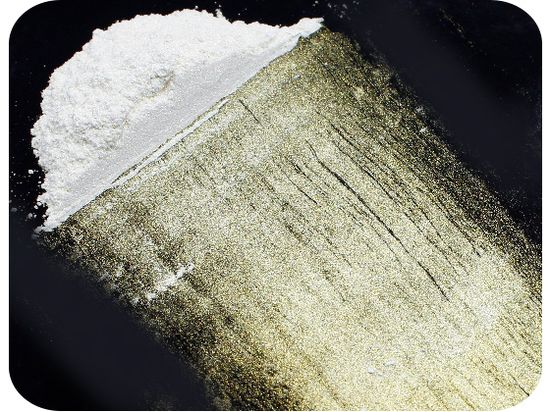
KT-T60-20-WR is Kolortek's direct aluminum oxide gold pigment in the XiallicSparks series — a factory-confirmed equivalent to Merck Xirallic® T60-20. Built on α-Al₂O₃ flakes rather than mica, it delivers a sharp, crystal-effect gold sparkle with exceptional chroma and flake orientation in automotive basecoat/clearcoat systems. Particle size runs 6–30 μm (D50: 9–11 μm), with heat stability to 140–160 °C for 20–30 minutes — fully compatible with standard automotive OEM cure cycles.
Read More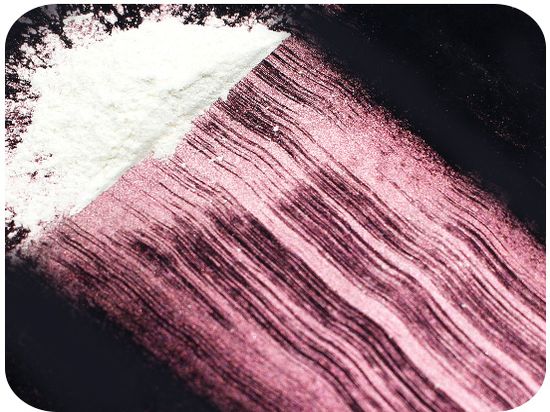
KT-T60-21-WR Radiant Red is a direct xirallic substitute radiant red pigment built on an alumina (Al₂O₃) flake substrate — not mica — producing the faceted, mirror-sharp crystal sparkle that defines the Xirallic® aesthetic. It maps directly to Merck Xirallic® T60-21, making it a 1:1 drop-in reference for formulators working in automotive OEM basecoats or premium refinish systems who need an equivalent shade and optical performance at factory-direct pricing.
Read More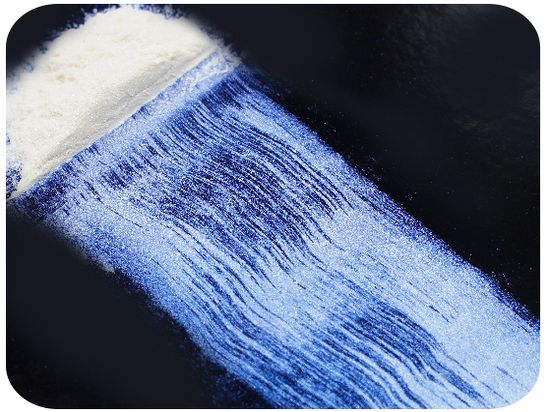
KT-T60-22-WR Rainbow Violet XiallicSparks is our direct equivalent to Xirallic T60-22 — an al2o3 violet effect pigment built on aluminum oxide flake substrate rather than mica. With a refractive index of 1.76 and a 6–30 μm particle size, it produces the sharp, faceted crystal sparkle that defines high-end automotive basecoat finishes. Where mica-based pigments deliver a soft diffuse glow, this grade gives you tight, mirror-like highlights with exceptional chroma and color purity in a Rainbow Violet effect.
Read More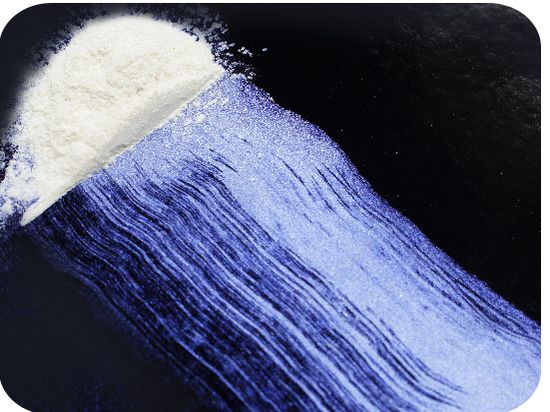
KT-T60-23-WR is our alumina-based xirallic replacement galaxy blue pigment, engineered as a direct drop-in alternative to Merck Xirallic T60-23. Built on a high-refractive-index Al₂O₃ crystal substrate (RI 1.76) with a 6–30 μm particle range, it delivers a faceted, crystal-clear blue sparkle in automotive basecoat systems — the kind of depth and brilliance that mica-based pigments structurally cannot match.
Read More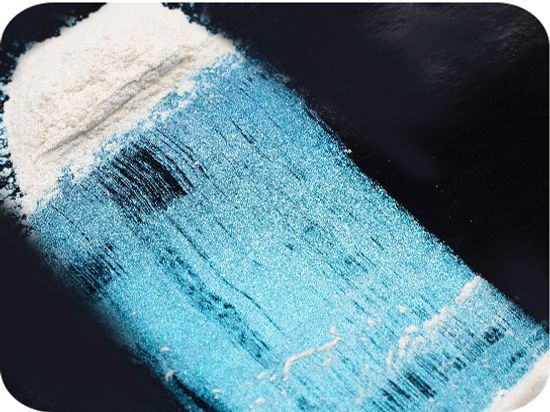
KT-T60-25-WR is an alumina (Al₂O₃) crystal-effect pigment in our XiallicSparks series, producing a vivid Rainbow Green sparkle with the kind of faceted, high-brilliance character you see in top-tier automotive OEM finishes. With a 6–30 μm particle size range and an Al₂O₃ substrate refractive index of 1.76 — significantly higher than standard mica — this rainbow green Al₂O₃ pigment delivers exceptional chroma and clarity in basecoat/clearcoat systems, at factory-direct pricing.
Read More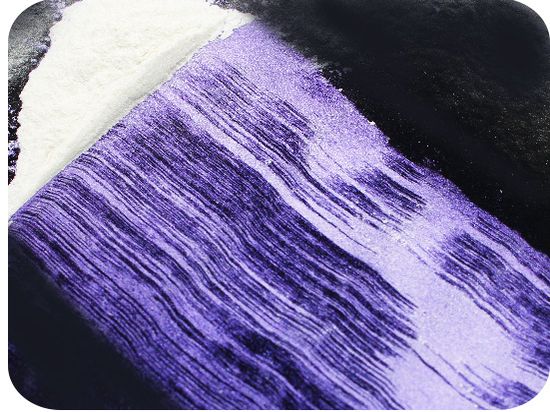
KT-T60-26-WR Rainbow Purple is an alumina-based crystal-effect pigment from our XiallicSparks series, producing a vivid rainbow purple sparkle in automotive basecoat-clearcoat systems. Built on an Al₂O₃ flake substrate — not mica — it delivers higher chroma, sharper highlights, and better flake orientation than conventional pearl pigments. With a particle size range of 6–30 μm and a D50 of 9–11 μm, it is engineered specifically for high-end automotive OEM and refinish applications where a distinct, crystal-like purple sparkle is the design intent.
Read More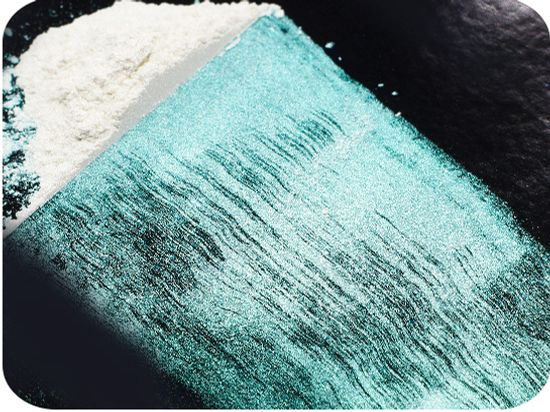
XiallicSparks is Kolortek's line of aluminum oxide effect pigment available in bulk supply, engineered as direct alternatives to Merck Xirallic® in automotive OEM and premium industrial coating applications. Built on an Al₂O₃ flake substrate rather than mica, the series delivers the faceted, crystal-like sparkle that defines high-end automotive finishes — at factory-direct pricing that typically runs 20–40% below Merck equivalents for comparable performance. If you're evaluating a xirallic alternative wholesale source, this is the product line to assess.
Read More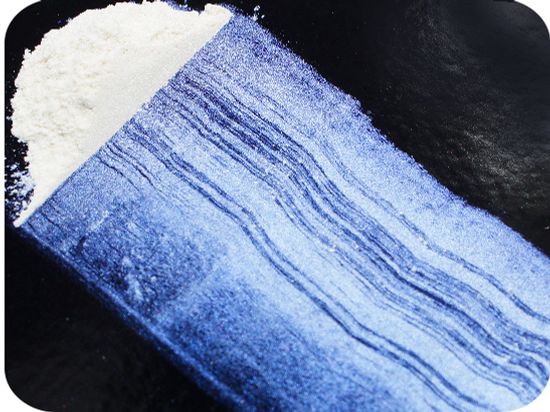
If you're sourcing a xirallic equivalent factory direct and need the same aluminum oxide crystal substrate that drives Merck Xirallic's signature faceted sparkle, Kolortek's XiallicSparks series — product codes KT-T60 and KT-F60 — delivers that effect at 20–40% lower cost than branded equivalents. With eleven grades covering colors from Galaxy Silver to Flame Copper, particle sizes of 6–30 μm, and factory-direct supply from our manufacturing base in China, these are purpose-built alternatives for automotive coating formulators who want performance without the Merck price tag.
Read More
 English
 Français
 Deutsch
 Русский
 Español
 Português