
Leave A Message
If you are interested in our products and want to know more details,please leave a message here,we will reply you as soon as we can.
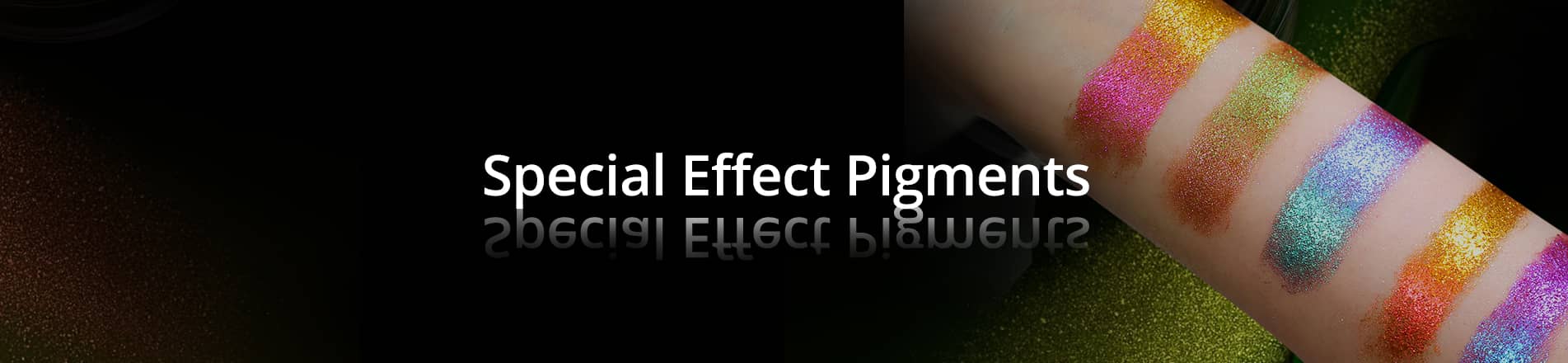
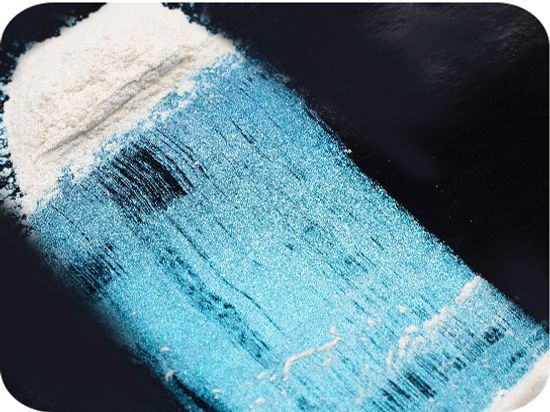
KT-T60-25-WR is an alumina (Al₂O₃) crystal-effect pigment in our XiallicSparks series, producing a vivid Rainbow Green sparkle with the kind of faceted, high-brilliance character you see in top-tier automotive OEM finishes. With a 6–30 μm particle size range and an Al₂O₃ substrate refractive index of 1.76 — significantly higher than standard mica — this rainbow green Al₂O₃ pigment delivers exceptional chroma and clarity in basecoat/clearcoat systems, at factory-direct pricing.
Most effect pigments in the market are built on natural or synthetic mica flakes. Mica is a perfectly serviceable substrate, and we use it across much of our KT-100 through KT-9000 pearlescent range for exactly that reason. But for applications demanding exceptional sparkle intensity, deep color saturation, and the kind of crisp, faceted highlights associated with luxury automotive finishes, mica has a ceiling.
Alumina flakes change that equation. The Al₂O₃ substrate is harder, smoother, and geometrically flatter than mica, which means the optical coatings applied to each flake are thinner, more uniform, and more precise. At a refractive index of 1.76 versus mica's 1.58, the contrast at each interface is sharper — and that translates directly into the crystal-like sparkle effect that distinguishes XiallicSparks from conventional pearl pigments. The Rainbow Green color in KT-T60-25-WR reads as clean, saturated green against a dark base, with individual flake highlights that are notably bright and well-defined rather than diffuse.
This is the same technical architecture underlying Merck's Xirallic® product line, which has been the benchmark for crystal-effect Al₂O₃ pigments in the automotive industry for years. Our XiallicSparks series — including the KT-T60 and KT-F60 product lines — occupies the same performance tier as a direct crystal substrate green pigment alternative.
| Parameter | Value / Description |
|---|---|
| Model | KT-T60-25-WR |
| Series | XiallicSparks (KT-T60 / KT-F60) |
| Substrate | Alumina (Al₂O₃) flake |
| Refractive Index (substrate) | 1.76 |
| Particle Size | 6–30 μm |
| Color Effect | Rainbow Green; non-pearlescent crystal sparkle; sharp defined highlights |
| Heat Resistance | Stable at 140–160 °C for 20–30 min (standard automotive cure) |
| Weather Resistance | Excellent |
| Chemical Resistance | Good resistance to automotive fluids |
| Recommended Loading | 3–8% on total paint weight in automotive basecoat |
| Competitive Reference | Alternative to Merck Xirallic® product line |
Note: density, bulk density, oil absorption, pH tolerance, and exact particle size distribution data are not currently published for this model. Contact us directly for full TDS and COA documentation.
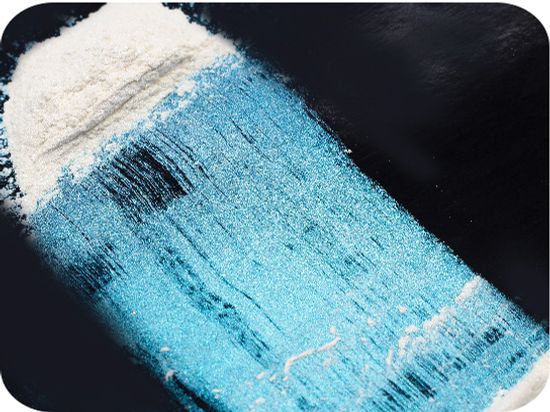
KT-T60-25-WR is designed first and foremost for automotive OEM coatings — the type of top-of-the-line metallic and crystal finishes used on production vehicles where both visual intensity and long-term durability are non-negotiable. That means full compatibility with standard automotive basecoat/clearcoat systems and stability through production cure cycles.
The product is also used in automotive refinish work — specifically high-end collision repair and custom refinish where matching or exceeding OEM visual standards is the brief. We also supply XiallicSparks grades into high-end industrial coating applications, including premium consumer electronics casings and luxury goods where the crystal-effect aesthetic commands a visual premium.
One thing to note clearly: KT-T60-25-WR is not intended for cosmetics. The XiallicSparks line is not formulated or certified for face-safe or body-contact applications. Formulators working in personal care should look at our cosmetic-grade ranges within the KT-100 through KT-9000 series instead. Similarly, for general decorative coatings where the visual specification doesn't require this level of crystal character, more economical alternatives exist within our standard Kolortek pearl pigment range.
The alumina flakes in XiallicSparks are harder and more uniform than mica, but they're not immune to mechanical damage. In our experience supporting automotive coating customers, flake fracture from milling or aggressive recirculation equipment is the most common processing mistake — it directly degrades the sparkle character of the finished film. Pre-disperse KT-T60-25-WR in a small portion of the binder first, using a cowles blade or equivalent high-speed disperser, then let down into the bulk basecoat. Keep the shear gentle through all subsequent mixing stages.
Loading should stay in the 3–8% range on total paint weight for most automotive basecoat formulations. Going above that ceiling rarely improves the visual effect and introduces application problems — flooding, mottling, and uneven flake orientation in the film. At the other end, too little pigment results in a sparse, under-defined sparkle that doesn't justify the substrate cost.
Flash-off management is critical with crystal-effect pigments. Too-fast clearcoat application traps misaligned platelets and kills the specular response. Too slow, and you risk over-orientation effects that produce a mottled appearance in direct light. The dry film thickness target for the basecoat is 15–25 μm — standard automotive guidance, but worth holding to precisely when working with Al₂O₃ flake grades.
We get this question frequently from formulators who are evaluating the KT-T60 series against our mica-based pearl range for the first time. The short answer is that they serve genuinely different visual targets.
| Feature | XiallicSparks (KT-T60-25-WR) | KT-100/200/300/500 Pearl Series |
|---|---|---|
| Substrate | Alumina (Al₂O₃) flake | Natural or synthetic mica |
| Refractive Index | 1.76 | ~1.58 |
| Visual Character | Crystal sparkle; sharp faceted highlights; high brilliance | Pearlescent luster; soft-to-medium sheen; broad application range |
| Primary Use | Automotive OEM / premium refinish / luxury goods | Coatings, plastics, inks, cosmetics, textiles |
| Cosmetics Suitability | Not recommended | Cosmetic-grade options available |
| Competitive Reference | Merck Xirallic® alternative | Merck Iriodin® cross-reference available |
If your application calls for the distinctive crystal character that the automotive industry associates with top-of-the-line paint programs, KT-T60-25-WR is the appropriate choice. If you need a broad-use pearl pigment for coatings, plastics, inks, or cosmetics, the KT-100 through KT-9000 series will give you more flexibility and a lower cost basis.
At the company level, Kolortek operates under ISO 9001:2015 quality management certification, covering production and sales of glitters, pigments, and fillers. Full documentation — MSDS, TDS, and COA — is available on request for KT-T60-25-WR.
A note on REACH: our supplied REACH registration certificate specifically covers fluorphlogopite (synthetic mica) grades. For XiallicSparks Al₂O₃ models including KT-T60-25-WR, product-specific REACH confirmation needs to be requested directly. The same applies to RoHS and any other model-specific compliance requirements — we don't publish blanket claims that don't stand up to scrutiny at the SKU level.
Is KT-T60-25-WR a direct Xirallic equivalent, and can it replace Merck Xirallic Rainbow Green in an existing formulation?
KT-T60-25-WR is positioned as a xirallic equivalent rainbow green in terms of substrate technology — it uses the same Al₂O₃ flake platform with a 6–30 μm particle size and delivers comparable crystal-effect performance in automotive basecoat systems. That said, we don't carry a formal one-to-one model mapping for this specific Rainbow Green SKU. For a direct formulation substitution, we recommend requesting a drawdown sample and comparing side-by-side under multi-angle lighting against your existing approved standard before signing off on a production switch.
What loading rate should I use for KT-T60-25-WR in an automotive waterborne basecoat?
The recommended range is 3–8% on total paint weight. Most automotive OEM basecoat formulations land in the 4–6% window for a well-defined crystal effect without flooding or mottling. Multiple thin coats produce more uniform sparkle than a single heavy application. Dry film thickness in the basecoat layer should target 15–25 μm. The same loading guidance applies whether the system is waterborne or solventborne — though flash-off window management will differ between the two.
Why does the alumina substrate produce a brighter crystal effect than standard mica-based pearlescent pigments?
Two factors drive this. First, the Al₂O₃ substrate has a refractive index of 1.76 versus approximately 1.58 for mica — the higher contrast at the coating/substrate interface sharpens the specular response. Second, alumina flakes are geometrically flatter and smoother than mica, allowing the optical coating layers to be deposited with greater uniformity. The result is sharper, more defined highlights per individual flake, which reads visually as a crystal-like sparkle rather than the softer, more diffuse luster typical of mica-based pearlescents.
Can KT-T60-25-WR be used in cosmetic formulations such as eyeshadow or nail color?
No. The XiallicSparks series is not formulated, tested, or certified for cosmetic or face-contact applications. For cosmetic pigment requirements — including eyeshadow, nail color, lipstick, or body care — the appropriate grades are within our KT-100 through KT-9000 pearlescent series, where cosmetic-grade options and supporting compliance documentation are available.
Contact our technical team to discuss sample requests, formulation requirements, or compliance documentation for your specific application.
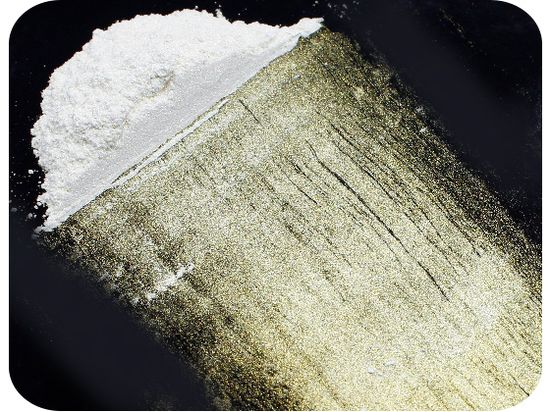
KT-T60-20-WR is Kolortek's direct aluminum oxide gold pigment in the XiallicSparks series — a factory-confirmed equivalent to Merck Xirallic® T60-20. Built on α-Al₂O₃ flakes rather than mica, it delivers a sharp, crystal-effect gold sparkle with exceptional chroma and flake orientation in automotive basecoat/clearcoat systems. Particle size runs 6–30 μm (D50: 9–11 μm), with heat stability to 140–160 °C for 20–30 minutes — fully compatible with standard automotive OEM cure cycles.
Read More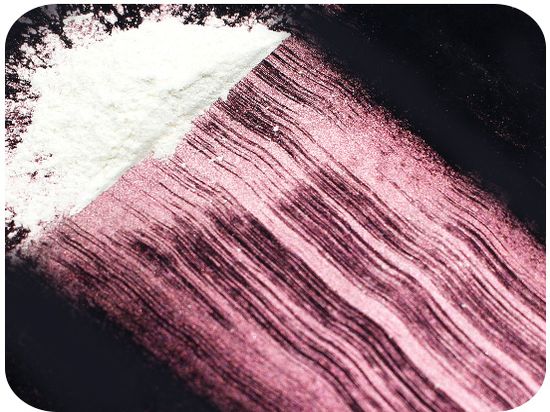
KT-T60-21-WR Radiant Red is a direct xirallic substitute radiant red pigment built on an alumina (Al₂O₃) flake substrate — not mica — producing the faceted, mirror-sharp crystal sparkle that defines the Xirallic® aesthetic. It maps directly to Merck Xirallic® T60-21, making it a 1:1 drop-in reference for formulators working in automotive OEM basecoats or premium refinish systems who need an equivalent shade and optical performance at factory-direct pricing.
Read More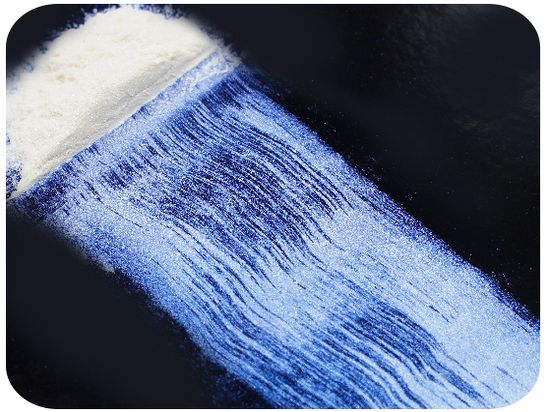
KT-T60-22-WR Rainbow Violet XiallicSparks is our direct equivalent to Xirallic T60-22 — an al2o3 violet effect pigment built on aluminum oxide flake substrate rather than mica. With a refractive index of 1.76 and a 6–30 μm particle size, it produces the sharp, faceted crystal sparkle that defines high-end automotive basecoat finishes. Where mica-based pigments deliver a soft diffuse glow, this grade gives you tight, mirror-like highlights with exceptional chroma and color purity in a Rainbow Violet effect.
Read More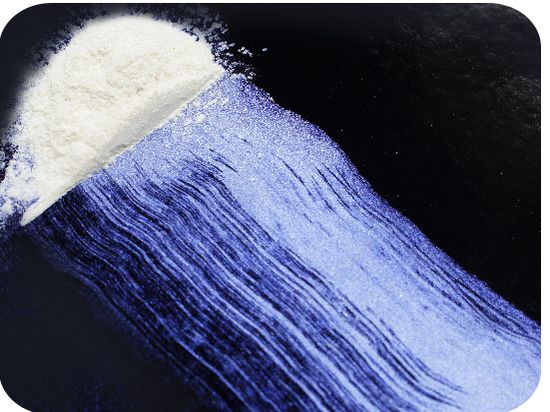
KT-T60-23-WR is our alumina-based xirallic replacement galaxy blue pigment, engineered as a direct drop-in alternative to Merck Xirallic T60-23. Built on a high-refractive-index Al₂O₃ crystal substrate (RI 1.76) with a 6–30 μm particle range, it delivers a faceted, crystal-clear blue sparkle in automotive basecoat systems — the kind of depth and brilliance that mica-based pigments structurally cannot match.
Read More
KT-T60-25-WR is an alumina (Al₂O₃) crystal-effect pigment in our XiallicSparks series, producing a vivid Rainbow Green sparkle with the kind of faceted, high-brilliance character you see in top-tier automotive OEM finishes. With a 6–30 μm particle size range and an Al₂O₃ substrate refractive index of 1.76 — significantly higher than standard mica — this rainbow green Al₂O₃ pigment delivers exceptional chroma and clarity in basecoat/clearcoat systems, at factory-direct pricing.
Read More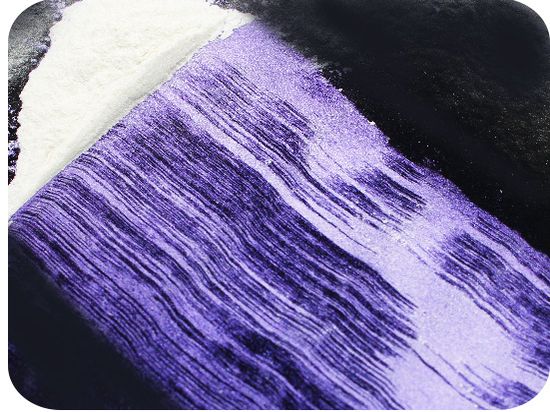
KT-T60-26-WR Rainbow Purple is an alumina-based crystal-effect pigment from our XiallicSparks series, producing a vivid rainbow purple sparkle in automotive basecoat-clearcoat systems. Built on an Al₂O₃ flake substrate — not mica — it delivers higher chroma, sharper highlights, and better flake orientation than conventional pearl pigments. With a particle size range of 6–30 μm and a D50 of 9–11 μm, it is engineered specifically for high-end automotive OEM and refinish applications where a distinct, crystal-like purple sparkle is the design intent.
Read More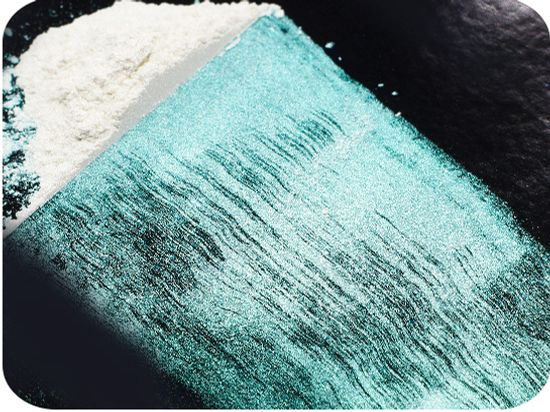
XiallicSparks is Kolortek's line of aluminum oxide effect pigment available in bulk supply, engineered as direct alternatives to Merck Xirallic® in automotive OEM and premium industrial coating applications. Built on an Al₂O₃ flake substrate rather than mica, the series delivers the faceted, crystal-like sparkle that defines high-end automotive finishes — at factory-direct pricing that typically runs 20–40% below Merck equivalents for comparable performance. If you're evaluating a xirallic alternative wholesale source, this is the product line to assess.
Read More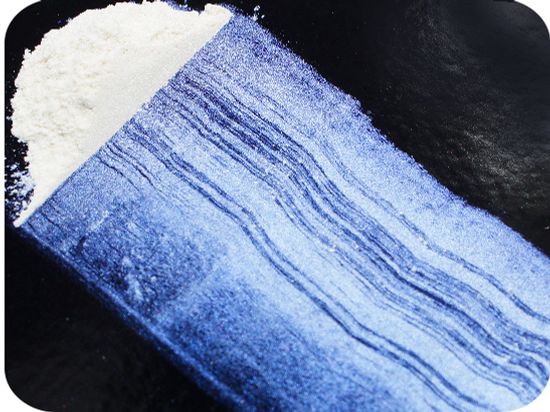
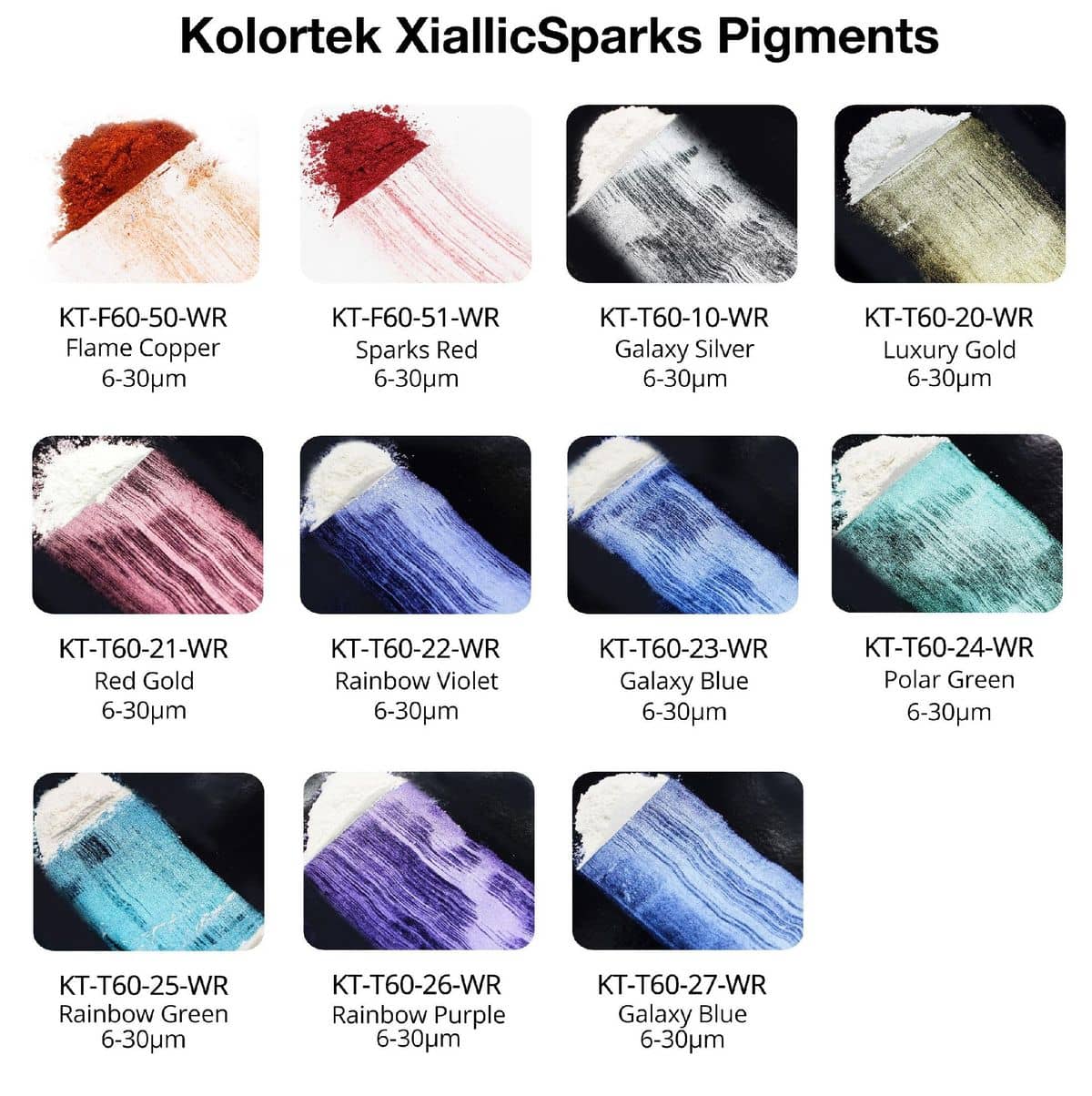
If you're sourcing a xirallic equivalent factory direct and need the same aluminum oxide crystal substrate that drives Merck Xirallic's signature faceted sparkle, Kolortek's XiallicSparks series — product codes KT-T60 and KT-F60 — delivers that effect at 20–40% lower cost than branded equivalents. With eleven grades covering colors from Galaxy Silver to Flame Copper, particle sizes of 6–30 μm, and factory-direct supply from our manufacturing base in China, these are purpose-built alternatives for automotive coating formulators who want performance without the Merck price tag.
Read More
 English
 Français
 Deutsch
 Русский
 Español
 Português