Leave A Message
If you are interested in our products and want to know more details,please leave a message here,we will reply you as soon as we can.
KT-T60-10-WR Galaxy Silver Xirallic Alternative for Automotive Coatings
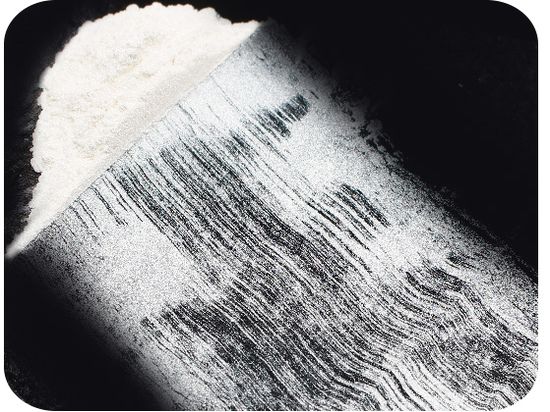
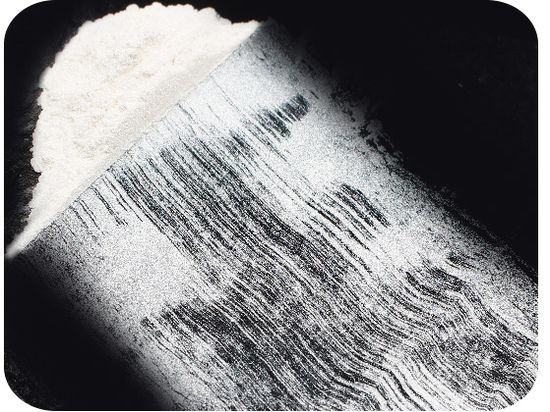
KT-T60-10-WR Galaxy Silver is a crystal substrate effect pigment built on an aluminum oxide (Al₂O₃) platelet base, and it is the silver shade in our XiallicSparks lineup — a series developed specifically as a direct alternative to Merck Xirallic effect pigments for automotive coatings. With a particle size range of 6–30 μm, it delivers a high-brilliance, crystal-like sparkle and visual depth that matches the signature aesthetic Xirallic is known for, at factory-direct pricing from Kolortek.
The visual character of KT-T60-10-WR comes directly from its substrate: aluminum oxide crystals are optically purer and more geometrically consistent than natural mica, which is why Al₂O₃-based pigments produce that distinctive sharp, high-depth sparkle — the quality that Xirallic built its reputation on in the automotive OEM segment. Our Galaxy Silver shade sits at the neutral end of the XiallicSparks palette, making it a practical anchor point for formulators building silver metallic basecoats where clean luster and sparkle intensity are the primary targets.
At 6–30 μm particle size, the pigment produces coarse-to-medium sparkle consistent with the flake sizes used in premium automotive waterborne and solvent-borne basecoats. The range sits within the zone where individual flake orientation in a properly applied basecoat delivers the flip-flop and depth that distinguishes effect coatings from conventional metallics.
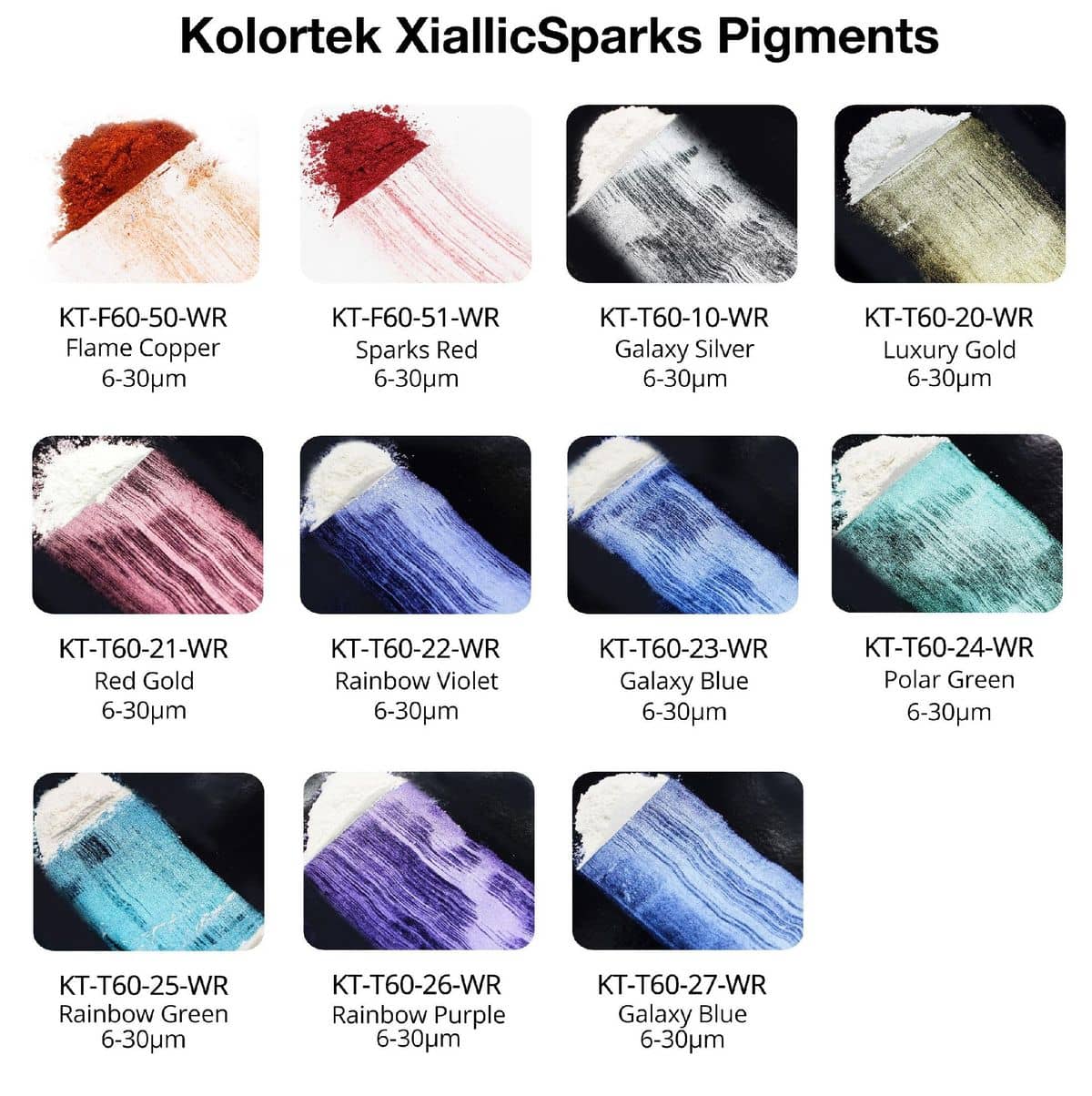
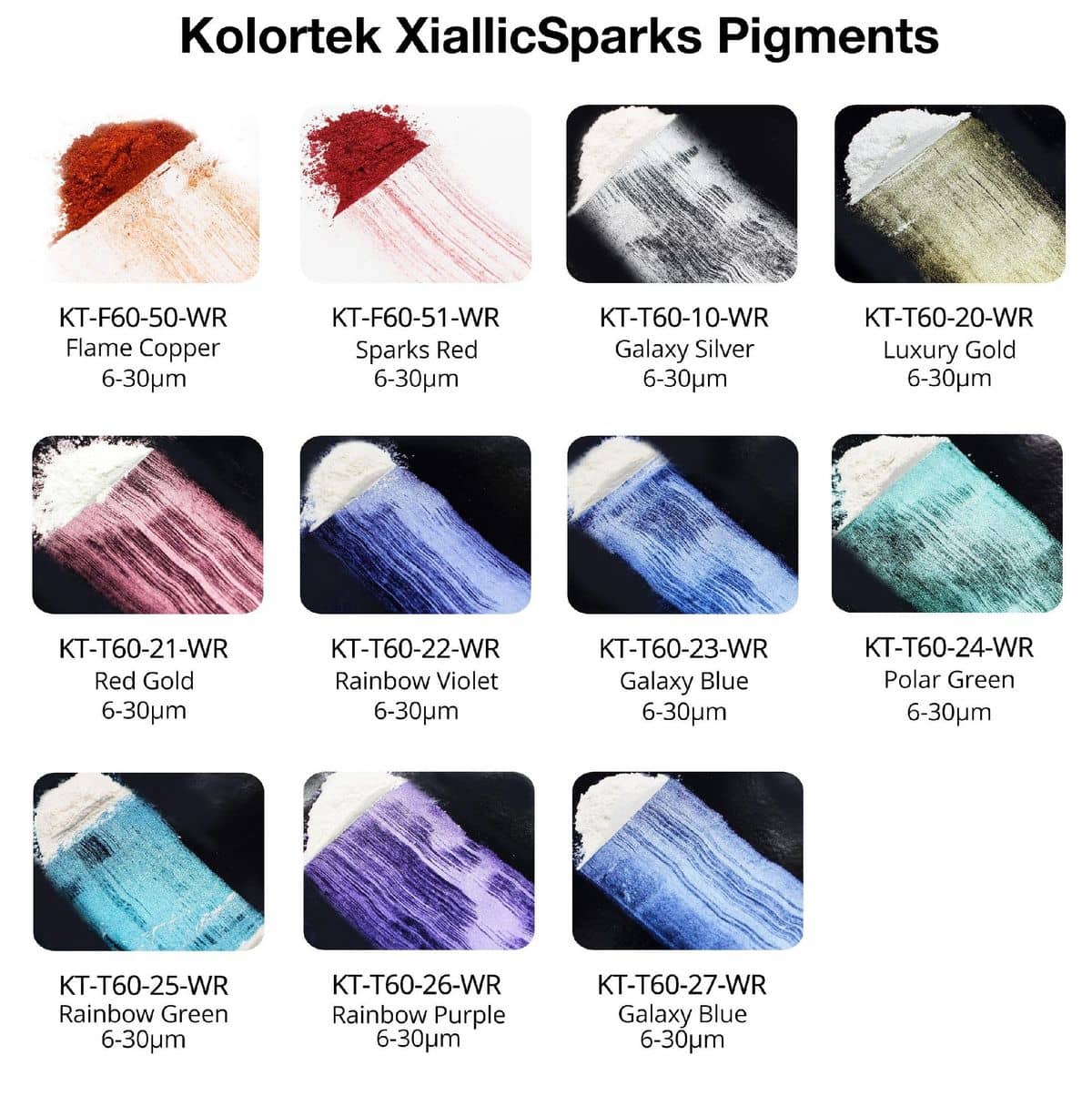
KT-T60-10-WR is one of eleven shades in the XiallicSparks lineup. All variants share the Al₂O₃ crystal substrate and the 6–30 μm particle size range. The table below lists the full range as documented.
| Kolortek Code | Color Name | Particle Size |
|---|---|---|
| KT-F60-50-WR | Flame Copper | 6–30 μm |
| KT-F60-51-WR | Sparks Red | 6–30 μm |
| KT-T60-10-WR | Galaxy Silver | 6–30 μm |
| KT-T60-20-WR | Luxury Gold | 6–30 μm |
| KT-T60-21-WR | Radiant Red | 6–30 μm |
| KT-T60-22-WR | Rainbow Violet | 6–30 μm |
| KT-T60-23-WR | Galaxy Blue | 6–30 μm |
| KT-T60-24-WR | Polar Green | 6–30 μm |
| KT-T60-25-WR | Rainbow Green | 6–30 μm |
| KT-T60-26-WR | Rainbow Purple | 6–30 μm |
| KT-T60-27-WR | Galaxy Blue (variant) | 6–30 μm |
KT-T60-10-WR is recommended for automotive coating applications — OEM production, refinish, and custom/aftermarket finishes. In our portfolio, it sits alongside the KT-8000 DreamStar series under "luxury sparkle" automotive applications, reflecting the market segment where Al₂O₃-based effects genuinely earn their price point.
This product is intended for basecoat/clearcoat systems. We do not currently document its use in plastics, printing inks, cosmetics, or general industrial coatings, and we would not recommend extrapolating compatibility without formulation testing specific to those systems.
A key consideration with any Al₂O₃ crystal effect pigment is mechanical sensitivity during dispersion. High-shear mixing — the kind used for grinding conventional pigments — damages the platelet structure and kills the sparkle effect. KT-T60-10-WR should be added at the low-shear letdown stage, after any grinding cycles are complete. Avoid recirculation loops that expose the pigment to prolonged shear.
Proper flash-off time between basecoat and clearcoat is important for platelet orientation. Rushing the clearcoat application traps solvents and can disrupt the flake alignment that produces the depth and flip-flop characteristic of this pigment class. General basecoat guidelines suggest targeting a 15–25 μm dry film thickness, with pigment loading kept within the range appropriate for effect pigments in automotive basecoat systems — consult our TDS for system-specific recommendations.
Specific density, oil absorption, and solvent-system compatibility data for KT-T60-10-WR are not yet published in our standard documentation. Formulators moving from Merck Xirallic formulations should request our TDS and run parallel application tests to confirm behavior in their specific binder system before full production rollout.
The XiallicSparks series was built specifically to address procurement constraints that automotive coating formulators face when sourcing from a single Tier-1 supplier. Merck Xirallic is an Al₂O₃ crystal platform with strong market recognition — but it comes with corresponding pricing and single-source dependency. As a xirallic pigment alternative supplier with factory-direct access to both the raw substrate and the coating process, Kolortek can offer comparable visual performance with documented cost savings of 20–40%, while supplying TDS, MSDS/SDS, and supporting regulatory documentation.
That said, we do not claim universal drop-in compatibility without testing. Particle size distribution, surface treatment details, and binder interaction behavior can differ between manufacturers even when the substrate class is the same. Formulators should run side-by-side drawdowns in their actual coating system before committing to a full batch substitution. In our experience supporting customers through this process, alignment on film-build, application method, and flash schedule typically resolves most handling differences.
Kolortek operates under an ISO 9001:2015 quality management system covering production and sales of effect pigments and related products. TDS and MSDS/SDS documentation are standard for every shipment. The company maintains low heavy metal content controls across its pigment lines.
Regulatory documentation packages are available on request, subject to the specific grade, batch, and destination market. One note for procurement teams: our REACH registration certificate on file covers fluorphlogopite (synthetic mica) grades. For this Al₂O₃-based product, product-specific regulatory confirmation should be requested directly. We can support documentation requirements for major export markets — contact the technical team with your destination and application detail.
What substrate does KT-T60-10-WR use, and how does it compare to standard mica-based effect pigments?
KT-T60-10-WR uses an aluminum oxide (Al₂O₃) crystal substrate, the same substrate class as Merck Xirallic — not natural or synthetic mica. Al₂O₃ crystals are optically purer and more geometrically uniform than mica, which produces a sharper, higher-brilliance sparkle with greater visual depth. Mica-based pigments typically yield a softer, more diffuse luster by comparison. The 6–30 μm particle size range of KT-T60-10-WR contributes to its coarse, high-intensity sparkle character.
Is KT-T60-10-WR a direct drop-in replacement for Merck Xirallic T60-10 WR Galaxy Silver?
KT-T60-10-WR is formulated as a functional alternative targeting the same visual effect category — Al₂O₃ crystal substrate, 6–30 μm particle size, Galaxy Silver appearance. However, we recommend running side-by-side application tests in your specific basecoat system before substituting at scale. Surface treatment details and binder interaction behavior can vary between manufacturers, and confirmation of color match and handling behavior in your system is the responsible step before production changeover.
What other shades are available in the XiallicSparks range if I need more than Galaxy Silver?
The XiallicSparks series covers 11 shades on the same Al₂O₃ crystal substrate at 6–30 μm. Options include Luxury Gold (KT-T60-20-WR), Radiant Red (KT-T60-21-WR), Rainbow Violet (KT-T60-22-WR), Galaxy Blue (KT-T60-23-WR), Polar Green (KT-T60-24-WR), Rainbow Green (KT-T60-25-WR), Rainbow Purple (KT-T60-26-WR), Flame Copper (KT-F60-50-WR), and Sparks Red (KT-F60-51-WR). All are positioned as Merck Xirallic alternatives for automotive coatings.
Can KT-T60-10-WR be used in plastics or printing inks as well as automotive coatings?
Current documentation supports automotive coatings — OEM, refinish, and aftermarket — as the intended application for this grade. We do not have validated formulation data for plastics compounding, printing inks, or cosmetics for this specific product. If your application falls outside automotive coatings, we would recommend discussing your system with our technical team before proceeding, as compatibility would need to be confirmed independently.
Contact our technical team to discuss formulation requirements or to request a TDS and sample for your application evaluation.
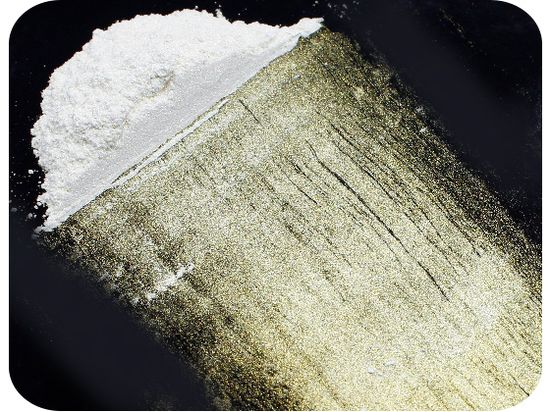
KT-T60-20-WR is Kolortek's direct aluminum oxide gold pigment in the XiallicSparks series — a factory-confirmed equivalent to Merck Xirallic® T60-20. Built on α-Al₂O₃ flakes rather than mica, it delivers a sharp, crystal-effect gold sparkle with exceptional chroma and flake orientation in automotive basecoat/clearcoat systems. Particle size runs 6–30 μm (D50: 9–11 μm), with heat stability to 140–160 °C for 20–30 minutes — fully compatible with standard automotive OEM cure cycles.
Read More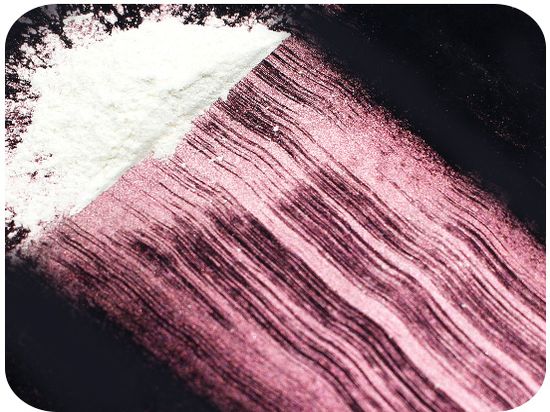
KT-T60-21-WR Radiant Red is a direct xirallic substitute radiant red pigment built on an alumina (Al₂O₃) flake substrate — not mica — producing the faceted, mirror-sharp crystal sparkle that defines the Xirallic® aesthetic. It maps directly to Merck Xirallic® T60-21, making it a 1:1 drop-in reference for formulators working in automotive OEM basecoats or premium refinish systems who need an equivalent shade and optical performance at factory-direct pricing.
Read More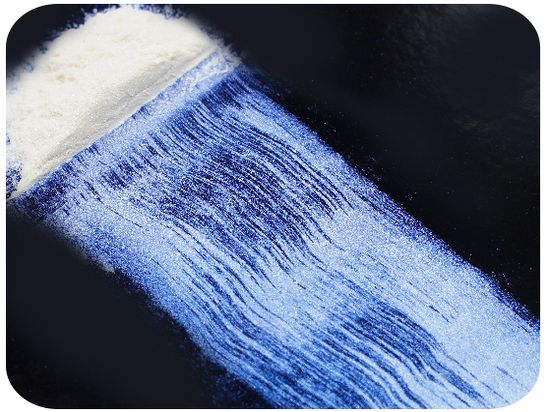
KT-T60-22-WR Rainbow Violet XiallicSparks is our direct equivalent to Xirallic T60-22 — an al2o3 violet effect pigment built on aluminum oxide flake substrate rather than mica. With a refractive index of 1.76 and a 6–30 μm particle size, it produces the sharp, faceted crystal sparkle that defines high-end automotive basecoat finishes. Where mica-based pigments deliver a soft diffuse glow, this grade gives you tight, mirror-like highlights with exceptional chroma and color purity in a Rainbow Violet effect.
Read More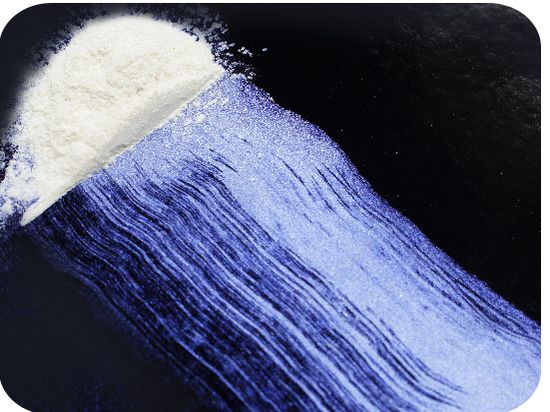
KT-T60-23-WR is our alumina-based xirallic replacement galaxy blue pigment, engineered as a direct drop-in alternative to Merck Xirallic T60-23. Built on a high-refractive-index Al₂O₃ crystal substrate (RI 1.76) with a 6–30 μm particle range, it delivers a faceted, crystal-clear blue sparkle in automotive basecoat systems — the kind of depth and brilliance that mica-based pigments structurally cannot match.
Read More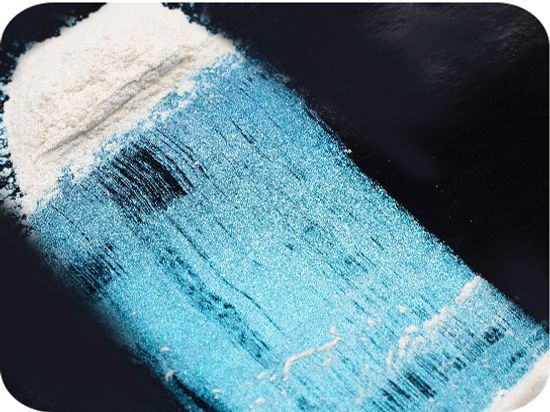
KT-T60-25-WR is an alumina (Al₂O₃) crystal-effect pigment in our XiallicSparks series, producing a vivid Rainbow Green sparkle with the kind of faceted, high-brilliance character you see in top-tier automotive OEM finishes. With a 6–30 μm particle size range and an Al₂O₃ substrate refractive index of 1.76 — significantly higher than standard mica — this rainbow green Al₂O₃ pigment delivers exceptional chroma and clarity in basecoat/clearcoat systems, at factory-direct pricing.
Read More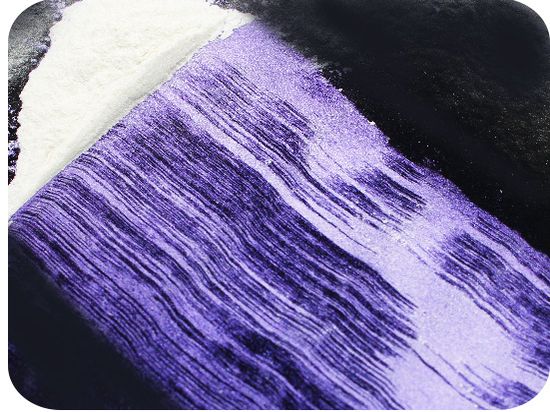
KT-T60-26-WR Rainbow Purple is an alumina-based crystal-effect pigment from our XiallicSparks series, producing a vivid rainbow purple sparkle in automotive basecoat-clearcoat systems. Built on an Al₂O₃ flake substrate — not mica — it delivers higher chroma, sharper highlights, and better flake orientation than conventional pearl pigments. With a particle size range of 6–30 μm and a D50 of 9–11 μm, it is engineered specifically for high-end automotive OEM and refinish applications where a distinct, crystal-like purple sparkle is the design intent.
Read More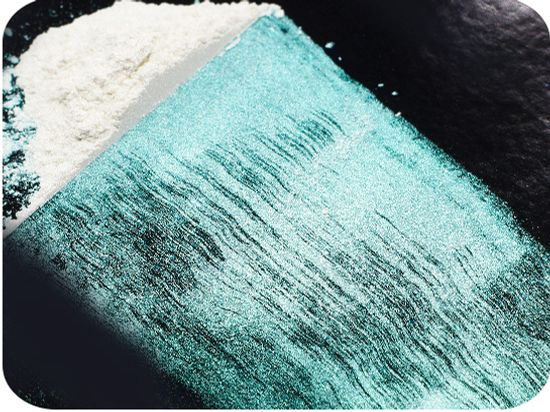
XiallicSparks is Kolortek's line of aluminum oxide effect pigment available in bulk supply, engineered as direct alternatives to Merck Xirallic® in automotive OEM and premium industrial coating applications. Built on an Al₂O₃ flake substrate rather than mica, the series delivers the faceted, crystal-like sparkle that defines high-end automotive finishes — at factory-direct pricing that typically runs 20–40% below Merck equivalents for comparable performance. If you're evaluating a xirallic alternative wholesale source, this is the product line to assess.
Read More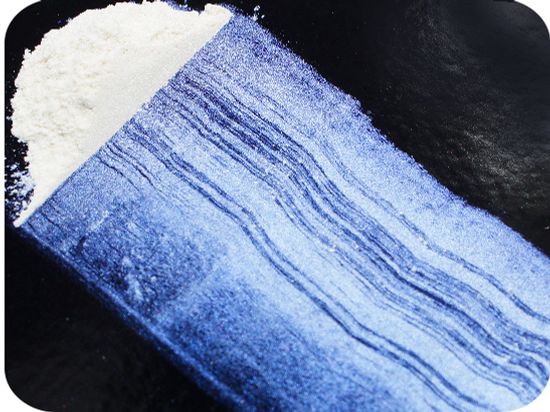
If you're sourcing a xirallic equivalent factory direct and need the same aluminum oxide crystal substrate that drives Merck Xirallic's signature faceted sparkle, Kolortek's XiallicSparks series — product codes KT-T60 and KT-F60 — delivers that effect at 20–40% lower cost than branded equivalents. With eleven grades covering colors from Galaxy Silver to Flame Copper, particle sizes of 6–30 μm, and factory-direct supply from our manufacturing base in China, these are purpose-built alternatives for automotive coating formulators who want performance without the Merck price tag.
Read More
 English
 Français
 Deutsch
 Русский
 Español
 Português