
Leave A Message
If you are interested in our products and want to know more details,please leave a message here,we will reply you as soon as we can.
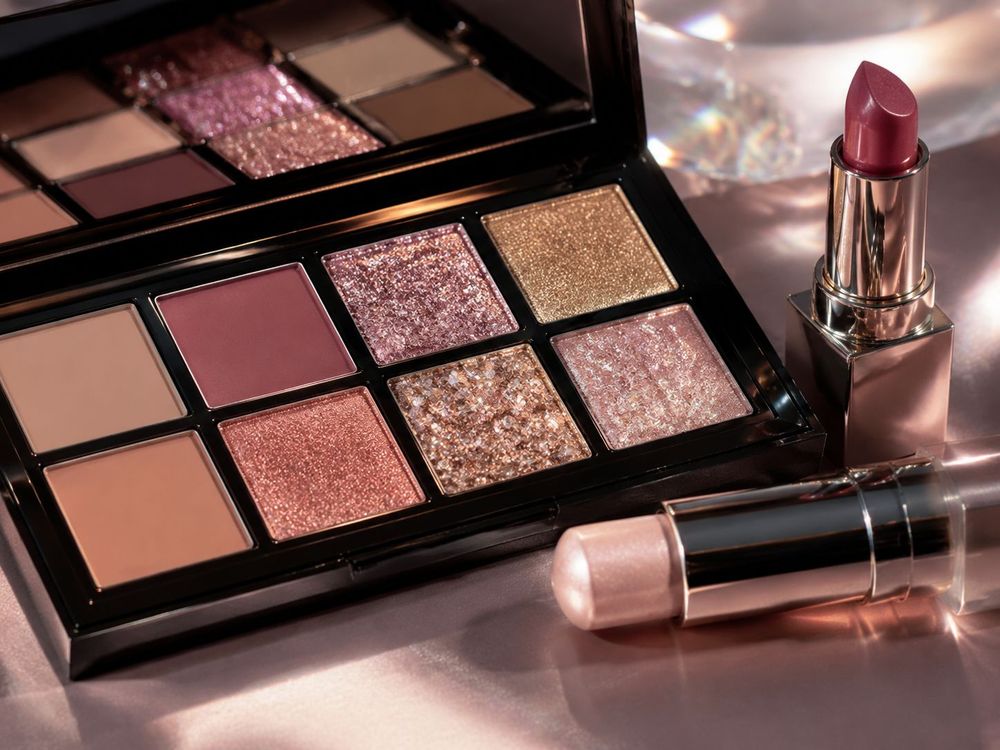
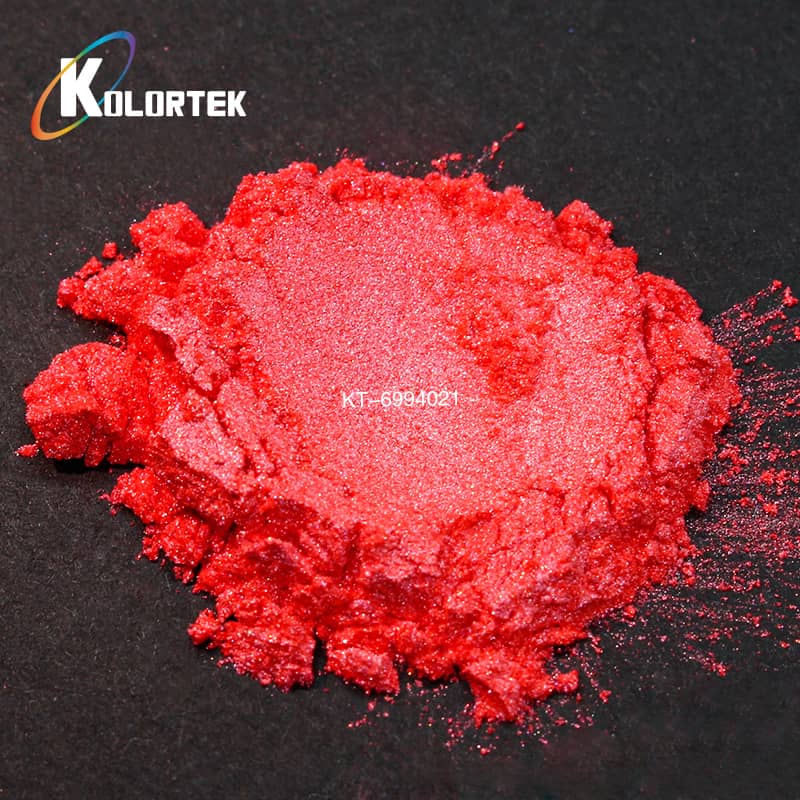
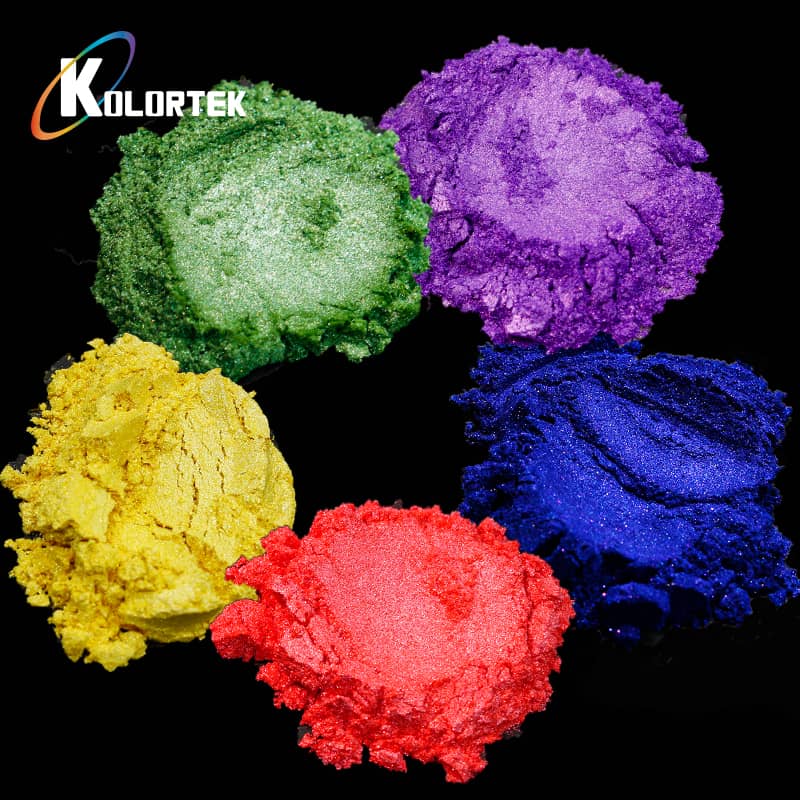
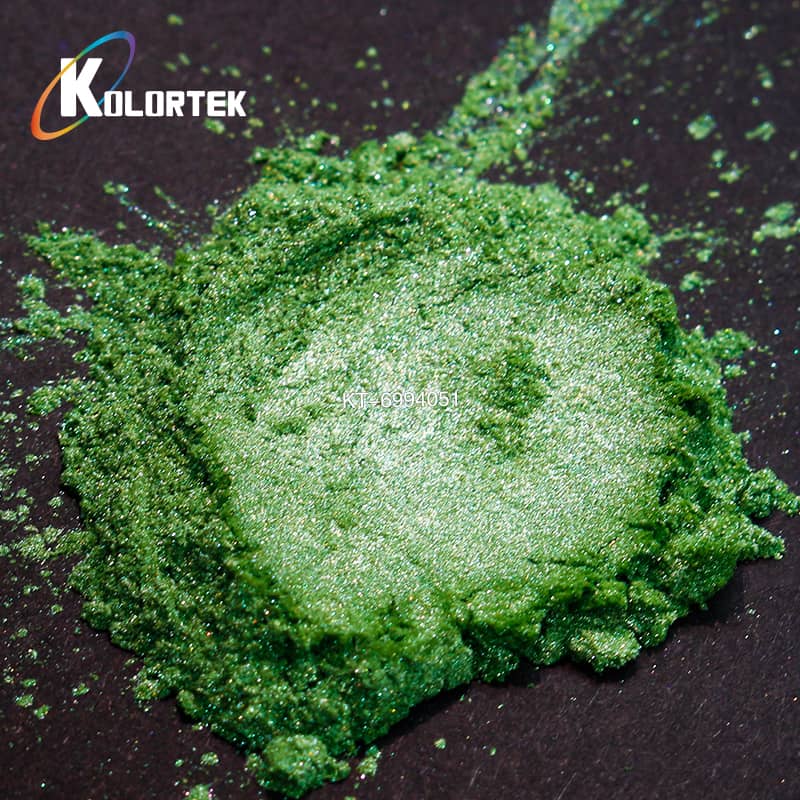
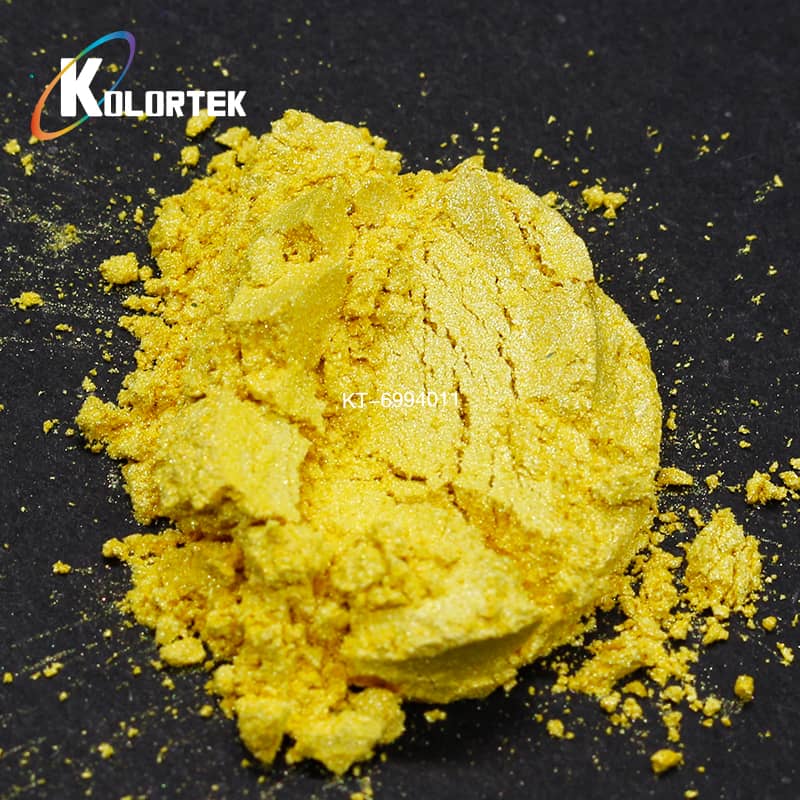
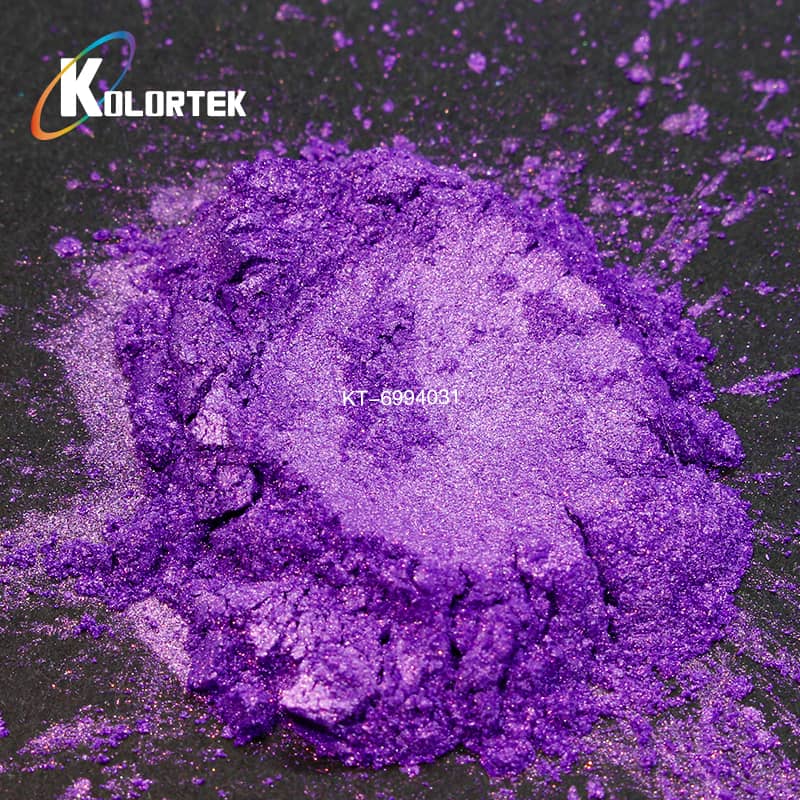
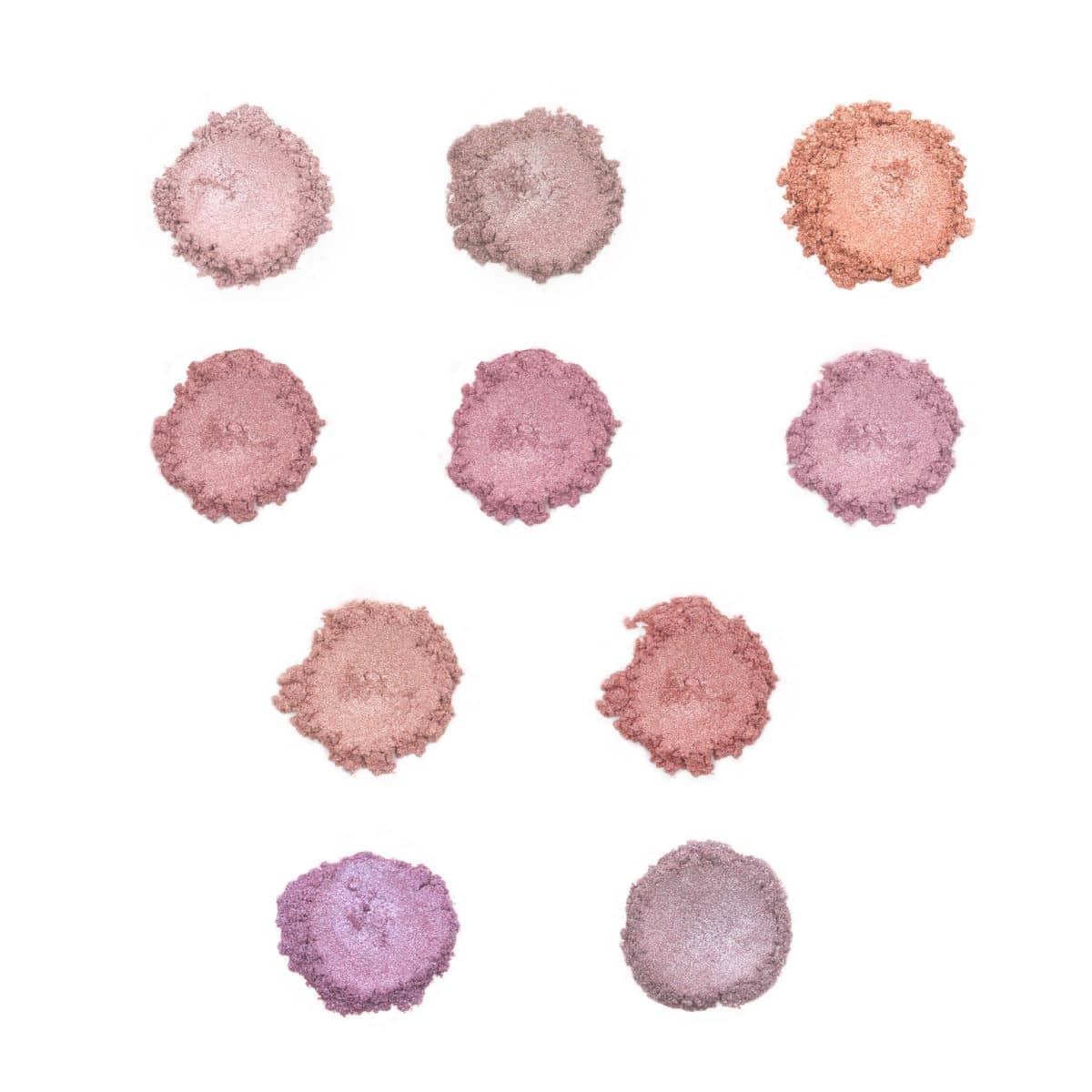
Selecting the right cosmetic pigment requires matching particle size, substrate chemistry, and regulatory status to your specific product format and target market. At Kolortek, our cosmetic pigment selection guide covers everything from natural shimmer mica to color-travel interference pigments — each chosen to meet both performance and compliance requirements. Whether you are formulating an eyeshadow palette or a premium highlighter, the correct pigment selection for cosmetics is the single most critical variable in achieving the visual effect your brand promises.
Color cosmetics have always been about visual storytelling, but the complexity behind that story has grown significantly. A single eyeshadow palette may contain matte pressed pigments, fine satin shimmers, and chunky glitter — each requiring a different pigment substrate, particle size range, and surface treatment. Add regional regulatory frameworks on top of that, and pigment selection becomes one of the most consequential decisions in your product development cycle.
At Kolortek, we supply cosmetic pigments across every major product category: eye products (eyeshadow, eyeliner, mascara), face products (blush, highlighter, bronzer, foundation, setting powder), lip products (lipstick, lip gloss, lip balm), and skincare hybrids (BB creams, tinted moisturizers, shimmer body lotions). Each of these formats imposes unique constraints — skin feel, stability in a specific vehicle, lip safety compliance, or solvent resistance for nail polish. Understanding those constraints is where brand-ready pigment selection begins.
Particle size is the most direct lever you have over the perceived finish of a cosmetic product. Fine grades in the 5–25 μm range produce smooth, skin-conforming application — ideal for foundations, BB creams, and lipsticks where texture uniformity matters as much as color. Medium grades of 20–60 μm introduce visible shimmer that reads as "glowing" rather than glittery, making them the workhorses of eyeshadow formulation. Large grades from 40–200 μm deliver the bold, reflective sparkle associated with premium highlighters and loose shimmer powders.
The substrate's Mohs hardness also directly affects skin feel. Natural mica is softer and more forgiving on skin than synthetic alternatives or borosilicate glass. However, our KT-699 synthetic mica (Fluorphlogopite) is engineered with a very fine platelet geometry that compensates for its slightly higher hardness, maintaining the smooth slip formulators expect in premium formulations.
Our KT-655 Series uses natural or synthetic mica coated with TiO₂ or SnO₂ only — no organic dyes. This makes it the cleanest-label interference pigment available and the default recommendation for brands launching in multiple regulatory regions simultaneously. It delivers natural shimmer effects (gold, silver, bronze, interference colors) without triggering D&C batch certification requirements in the US or Annex IV scrutiny in the EU.
The KT-688 Series uses natural mica with D&C color coatings, producing the brightest, most vivid multi-chrome effects in our cosmetic lineup. It is widely used in eyeshadow palettes and lip products where color intensity is the brief. The KT-699 Series mirrors KT-688's vivid output but is built on synthetic mica — appealing to brands with ethical sourcing commitments or those targeting markets where natural mica supply chain transparency is under scrutiny.
For brands seeking maximum sparkle with exceptional transparency, our KT-68840 and KT-68860 Borosilicate series (40–200 μm and 60–300 μm respectively) are the answer. These glass-based pigments are engineered for premium highlighters and loose powders where a wet, dimensional glitter effect — rather than a flat shimmer — defines the product. Their optical clarity is unmatched by mica substrates at equivalent particle sizes.
Beyond effect pigments, a complete cosmetic formula also requires Cosmetic Oxides (Iron Oxides, TiO₂, Ultramarines) for base color and opacity, and Cosmetic Fillers such as Sericite, Silica, Boron Nitride, and Magnesium Myristate for texture, slip, and oil absorption. Our fillers are available with surface treatments including Dimethicone and Triethoxycaprylylsilane for improved dispersion in both water and oil phases.
Regulatory region should be determined before aesthetics in any development brief. In the EU (EC 1223/2009), all colorants must appear in Annex IV; KT-655 and Cosmetic Oxides are the safest baseline, and TiO₂ in powder form requires inhalation risk management. Brands targeting the EU market should also note that microplastic restrictions are accelerating demand for our biodegradable glitter alternatives (cellulose and PLA-based).
In the US (FDA/MoCRA), KT-655 and Cosmetic Oxides are exempt colors requiring no batch certification, while D&C Lakes and grades incorporating FD&C or D&C dyes (including some KT-688/699 shades) require per-batch FDA certification. MoCRA additionally mandates facility registration, product listing, and documented safety substantiation. In Japan (MHLW positive list) and China (CSAR/IECIC), KT-655 and Cosmetic Oxides are confirmed compliant; organic colorants in other series must be verified shade-by-shade. Chinese formulations must also meet heavy metal limits: Pb ≤ 10 ppm, As ≤ 2 ppm, Hg ≤ 1 ppm, Cd ≤ 5 ppm.
In pressed eyeshadows and highlighters, pigment loads typically run 5–50% depending on effect intensity. We recommend particle sizes in the 5–60 μm range for pressed formats (finer grades for pan-pourable pressed shadows, coarser for baked or chunky textures) and up to 200 μm borosilicate grades for loose sparkle powders. Fillers like Sericite and Boron Nitride improve payoff and skin adhesion; binder systems typically represent 5–15% of the formula. Add effect pigments late in the blending sequence to preserve platelet integrity — never subject them to the same high-shear processing you use for your base blend.
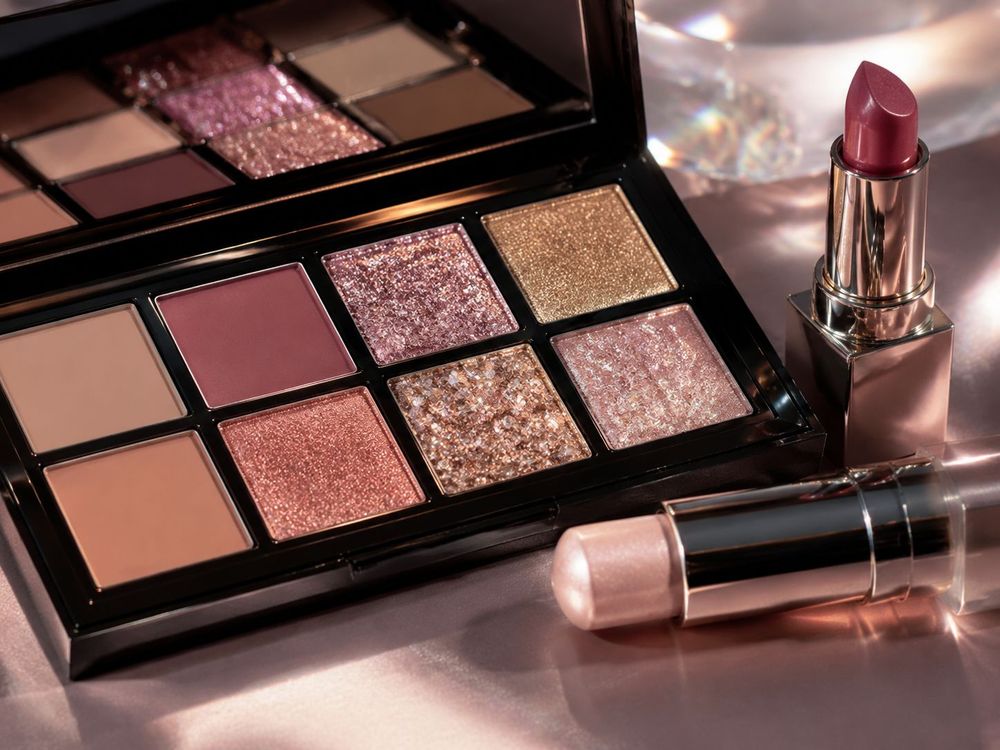
Liquid foundations, highlighter sticks, shimmer lotions, and cream blushes require pigment loads of 1–15%. The critical rule here is pre-dispersion in the oil phase before water addition, and surface-treated grades are strongly recommended — Dimethicone-treated pigments integrate smoothly without agglomeration, while Triethoxycaprylylsilane-treated grades improve water resistance in transfer-proof formulas. High-shear homogenization after pigment addition is the most common formulation mistake we see; it shatters the mica platelets and turns a luminous glow finish into a flat, dull haze.
Lip products allow 1–20% pigment content, but colorant selection is tightly restricted. Acceptable choices include Iron Oxides, TiO₂, mica (KT-655, KT-688, KT-699), and certified D&C Lakes. Ferric Ferrocyanide (CI 77510) is not lip-approved in many markets and must be excluded regardless of its visual appeal in other formats. For nail polish, solvent resistance is the non-negotiable filter: our Aurora ARS series, Metasilver, Moonlight Mirror, and glitter ranges are engineered for solvent-based systems. Note that Aurora AM-series pigments are powder-format only and are not rated for solvent nail systems.
For brands competing at the premium end of the color cosmetics market, our ChromaPlus™ series (C150 and C1525 lines) delivers dramatic color-travel effects — Green-to-Violet, Gold-to-Red — through multilayer interference architecture. These are the pigments behind the "duochrome" aesthetic that has dominated editorial beauty and social content. Our Aurora cosmetic grades provide a softer, ethereal rainbow radiance for skincare-adjacent products. The HMC6 Holographic Multichrome series combines diffraction-based holographic sparkle with multi-angle color shift — genuinely distinct from standard interference pigments and increasingly specified for limited-edition packaging tie-ins. For professional nail applications specifically, our 3D Cat Eye Magnetic pigments enable clean, precise cat-eye effects through magnetic alignment.
| Pigment Type / Series | Visual Effect | Best For | Key Advantage | Considerations |
|---|---|---|---|---|
| KT-655 (Natural/Synthetic Mica + TiO₂/SnO₂) | Natural shimmer, interference colors | All formats; multi-market clean-label launches | No organic dyes; exempt color in US; broadest global compliance | Lower color saturation vs. dye-coated grades |
| KT-688 (Natural Mica + D&C coating) | Vivid multi-chrome, bright colors | Eyeshadow palettes, lip products | Maximum color intensity; broad shade range | FDA batch certification required for D&C shades; verify per market |
| KT-699 (Synthetic Mica / Fluorphlogopite) | Bright, high-purity shimmer and color | Clean beauty, ethical sourcing brands, premium positioning | Superior purity; no natural mica supply chain concerns | Organic colorant shades require per-market shade verification |
| KT-68840/68860 (Borosilicate Glass) | Diamond/wet sparkle, high transparency | Premium highlighters, loose sparkle powders | Unmatched optical clarity and sparkle intensity at large particle sizes | Protect from shear; harder substrate requires careful tactile evaluation |
| ChromaPlus™ (C150, C1525) | Dramatic color travel / duochrome shift | Premium eyeshadow, editorial lip products, limited editions | Strong color shift at viewing angle; high social media visual impact | Higher cost; best showcased in sheer or low-filler formulas |
| HMC6 Holographic Multichrome | Holographic sparkle + multi-angle color shift | Limited-edition launches, nail, highlighter | Truly distinct from interference pigments; high novelty factor | Diffraction structure sensitive to over-mixing |
| Cosmetic Oxides (Iron Oxide, TiO₂, Ultramarines) | Matte base color, opacity, tinting | Foundation, blush, concealer, matte eyeshadow | Globally compliant; no certification required (exempt colors) | TiO₂ powder form: inhalation caution in EU spray/powder products |
| D&C Lakes | Vibrant, intense organic color | Lipsticks, blushes, high-chroma color cosmetics | Highest chroma saturation of any cosmetic colorant class | FDA batch certification required; not suitable for clean beauty positioning |
| Biodegradable Glitter (Cellulose/PLA) | Glitter sparkle, macro particle effect | EU-market body products, festival/performance makeup | Microplastic-regulation compliant; strong sustainability narrative | Optical performance slightly different from PET glitter; test early |
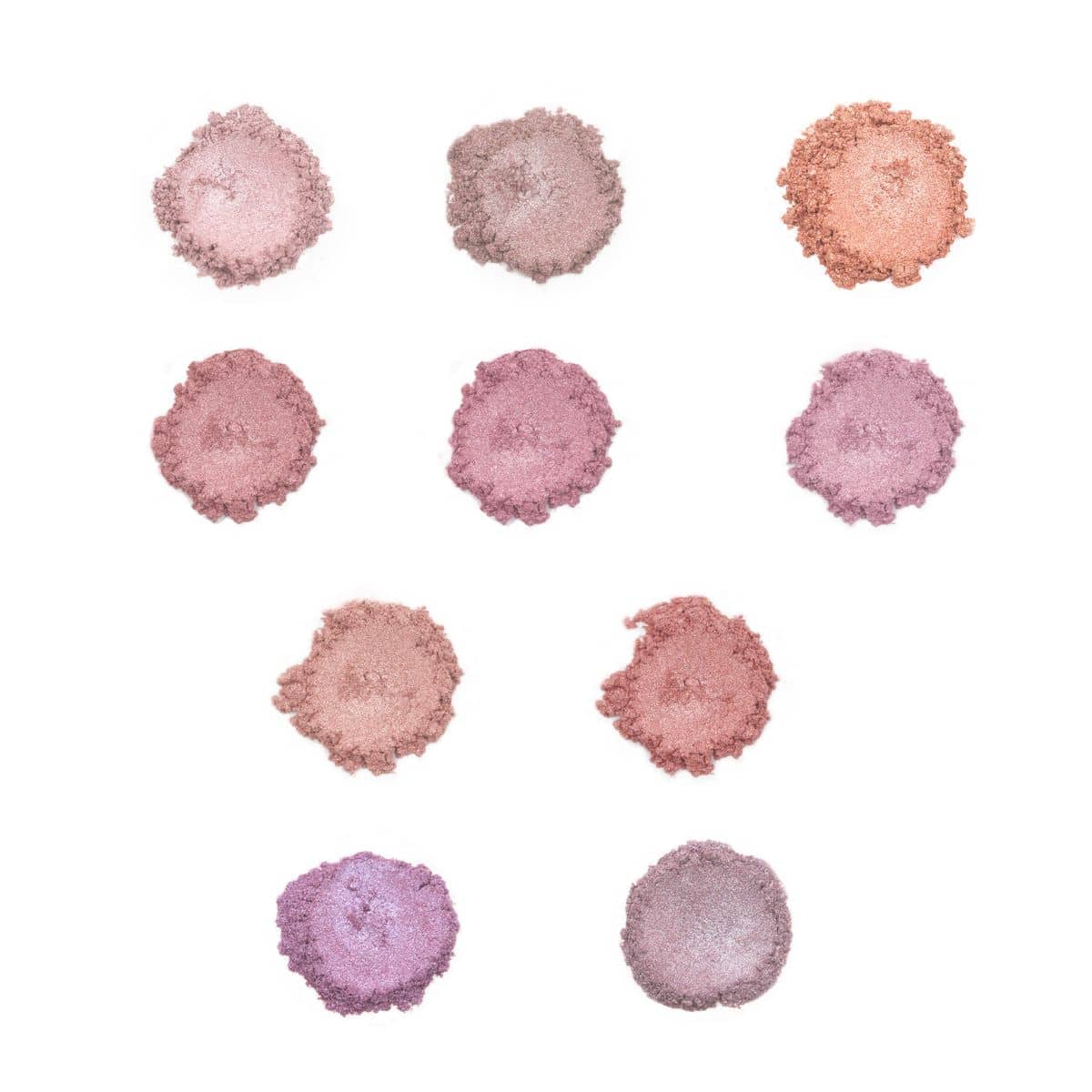
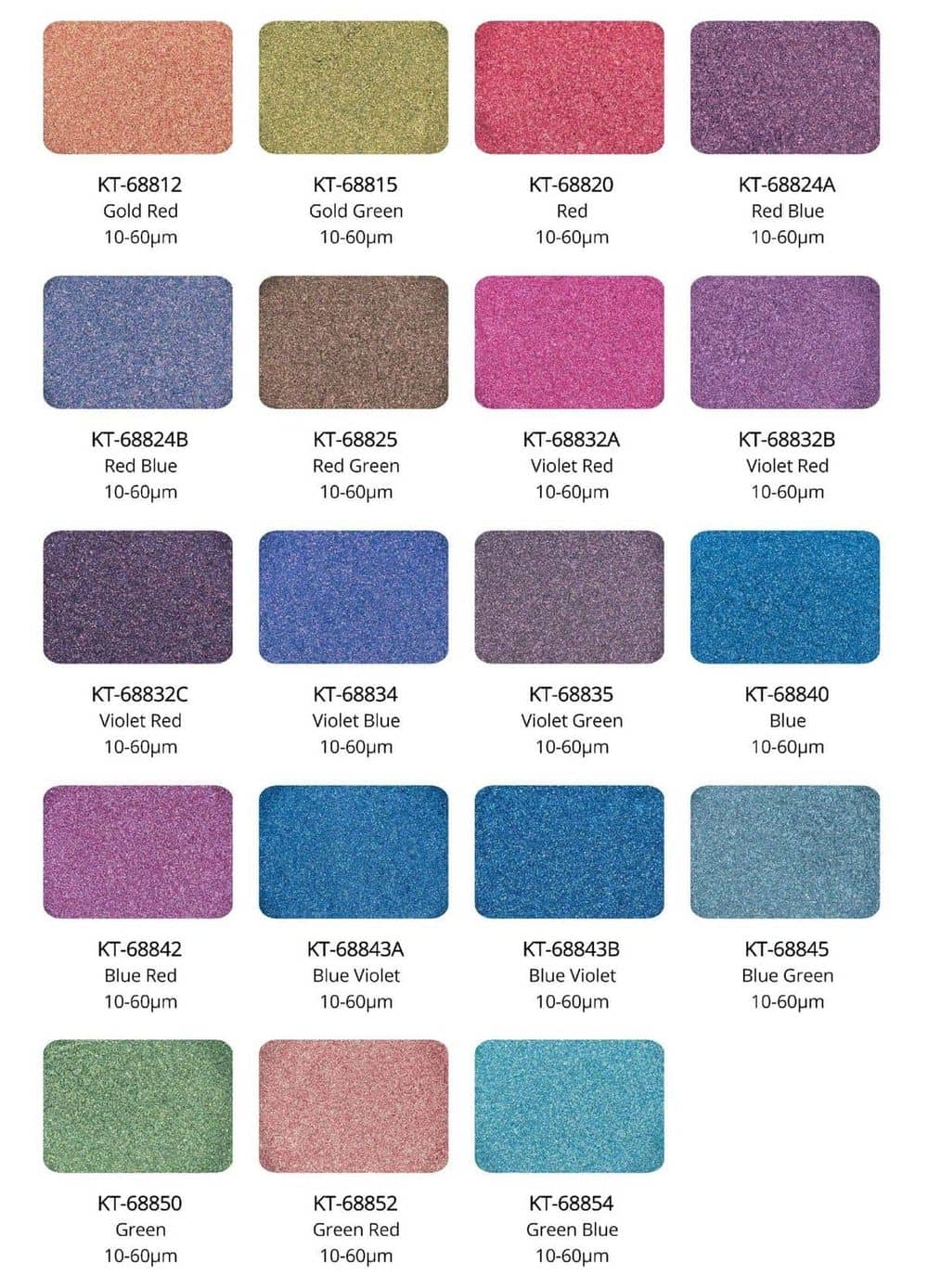
Natural mica (Muscovite) is mined and carries inherent supply chain and purity variability. Synthetic mica (Fluorphlogopite, used in our KT-699 series) is manufactured under controlled conditions, delivering higher whiteness, greater platelet uniformity, and a cleaner ethical sourcing story. Both are globally approved cosmetic ingredients, but synthetic mica is increasingly preferred by brands with clean beauty or responsible sourcing commitments.
Match particle size to the visual finish your product brief requires: 5–25 μm for satin smoothness in foundations and lipsticks, 20–60 μm for the visible shimmer characteristic of eyeshadows, and 40–200 μm for the bold, reflective sparkle of highlighters and loose powders. Larger particles also require gentler processing — they are more vulnerable to shear degradation during manufacturing.
Our KT-655 series (TiO₂/SnO₂-coated mica, no organic dyes) and Cosmetic Oxides (Iron Oxides, TiO₂, Ultramarines) are the safest cross-market baseline. They are exempt colors in the US, Annex IV-compliant in the EU, on Japan's MHLW positive list, and IECIC-listed for China. Organic colorant-containing grades (KT-688, KT-699, D&C Lakes) require shade-specific verification for each market.
ChromaPlus™ interference pigments based on mica substrates can be evaluated for lip use, but each shade must be screened against lip-approved colorant lists for your target markets. Formulations must exclude non-lip-safe colorants such as Ferric Ferrocyanide (CI 77510). We recommend submitting your intended shade to regulatory review before progressing to prototype stage.
The most common cause is platelet fracture from high-shear mixing after pigment addition. Interference and pearlescent effects rely on intact, parallel-aligned platelets reflecting light coherently. Once fractured, the effect degrades to a flat or frosty appearance. Always pre-disperse platelet pigments in the oil phase, add them at the lowest reasonable speed, and avoid prolonged agitation after incorporation.
For brands avoiding TiO₂ in powder-format products — increasingly relevant given EU inhalation classification — we offer the KT-500 Metal Luster series, KT-951 series, and ChromaPlus-4 (C1535 line) as confirmed TiO₂-free alternatives. These deliver metallic, interference, and color-travel effects respectively without triggering TiO₂ inhalation risk concerns in aerosol or loose powder applications.

Selecting the right cosmetic pigment powder for face and eye formulations requires balancing color performance, skin compatibility, and regulatory compliance across powder, cream, and liquid systems. From pearlescent shimmer and metallic finishes to flat matte coverage, eyeshadow pigment powder and foundation pigment systems each demand different base materials, surface treatments, and dispersibility profiles. These pigments are used across pressed powders, loose eyeshadows, liquid foundations, blushers, and highlighters — anywhere precise color payoff and a reliable skin feel are non-negotiable.
Read More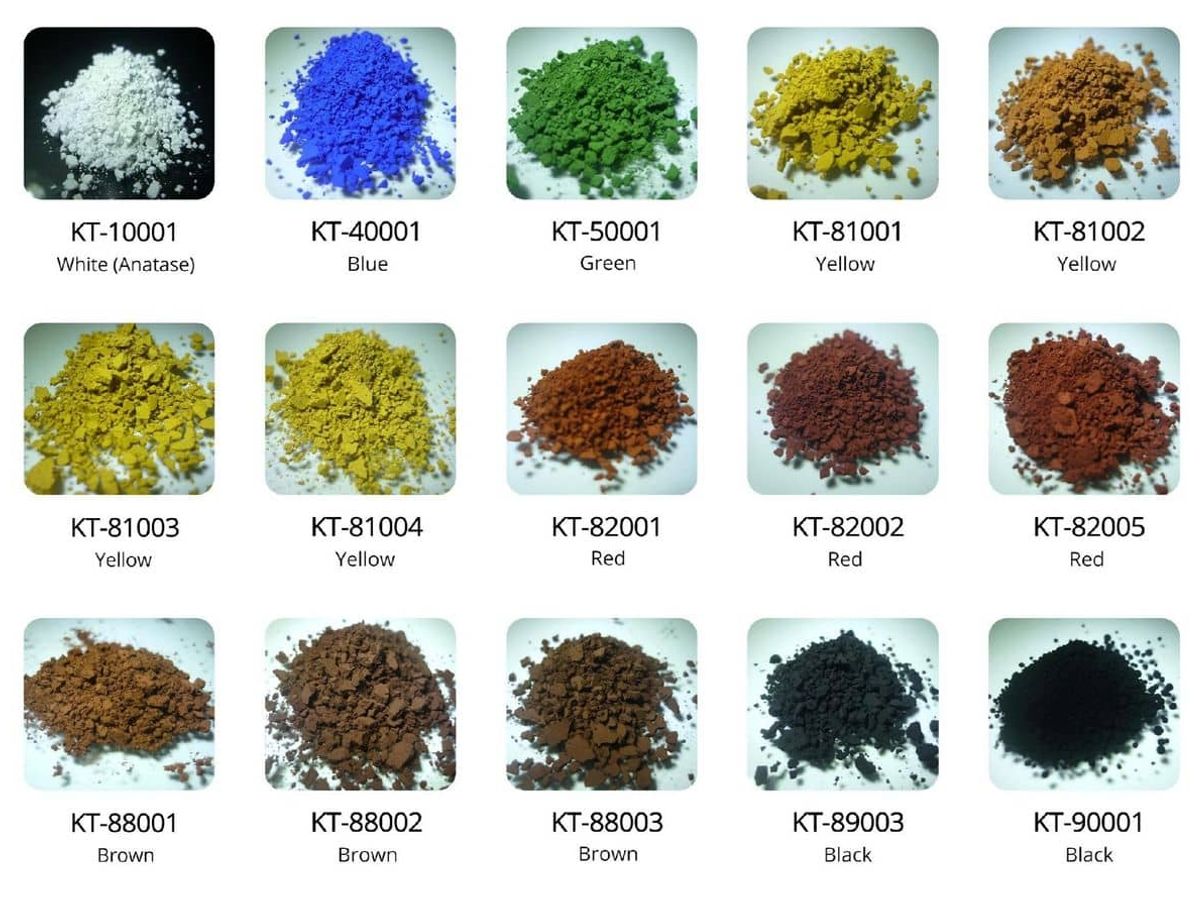
Matte cosmetic pigments — including iron oxides, ultramarines, and D&C Lakes — are the foundational colorants behind face powders, foundations, eyeshadows, and skin-tone blushers that require a flat, non-reflective finish. Cosmetic iron oxide in yellow, red, black, and brown grades delivers reliable, skin-safe color across a wide tonal range, while oxide pigment foundation formulations depend on these same materials for consistent coverage and smooth skin integration. Unlike effect pigments, these matte oxides absorb rather than reflect light, making them the go-to choice wherever a velvety, diffused color result is required.
Read More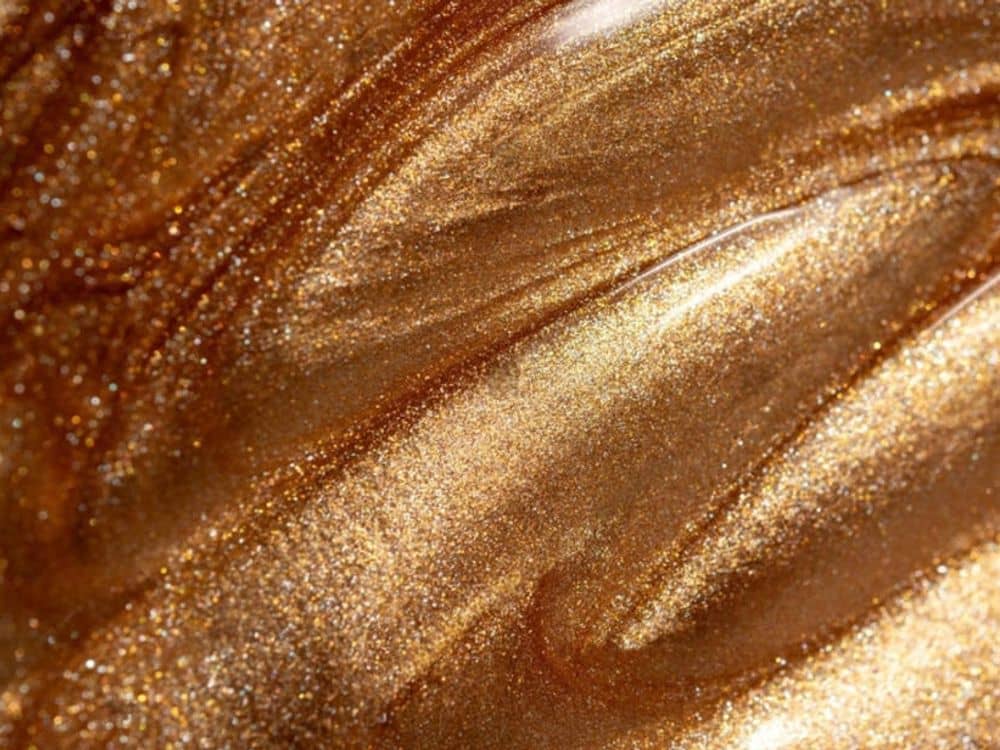
Decorative cosmetics rely on shimmer pigment powder to deliver the dimensional brilliance consumers expect — from soft satin glows in face powders to high-intensity metallic flashes in eyeshadow palettes. Pearlescent, holographic, color-shifting, and glitter-type pigments are the primary effect systems used, each serving a distinct visual role across eye, lip, face, and nail formats. When the formulation demands depth, sparkle, or chameleon color movement, selecting the right decorative cosmetic colorant is the core technical decision.
Read More
Selecting the right cosmetic pigment requires matching particle size, substrate chemistry, and regulatory status to your specific product format and target market. At Kolortek, our cosmetic pigment selection guide covers everything from natural shimmer mica to color-travel interference pigments — each chosen to meet both performance and compliance requirements. Whether you are formulating an eyeshadow palette or a premium highlighter, the correct pigment selection for cosmetics is the single most critical variable in achieving the visual effect your brand promises.
Read More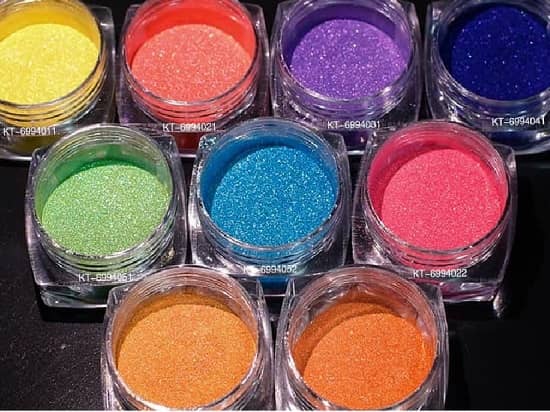
Cosmetic grade pearl pigment from Kolortek is manufactured to meet the heavy metal and microbiological limits required by major regulatory frameworks — EU EC 1223/2009, US FDA, China CSAR, and Japan MHLW — and is available across three substrate platforms: natural mica, synthetic mica (fluorphlogopite), and borosilicate glass. Particle sizes range from 5–25 μm for smooth foundation-grade finishes up to 60–300 μm for bold highlighter and loose powder sparkle. As a direct manufacturer with 20+ years in effect pigments, we supply pearlescent pigment in volumes ranging from sampling quantities through full production runs, with TDS, COA, SDS, INCI declarations, and heavy metal test reports provided as standard.
Read More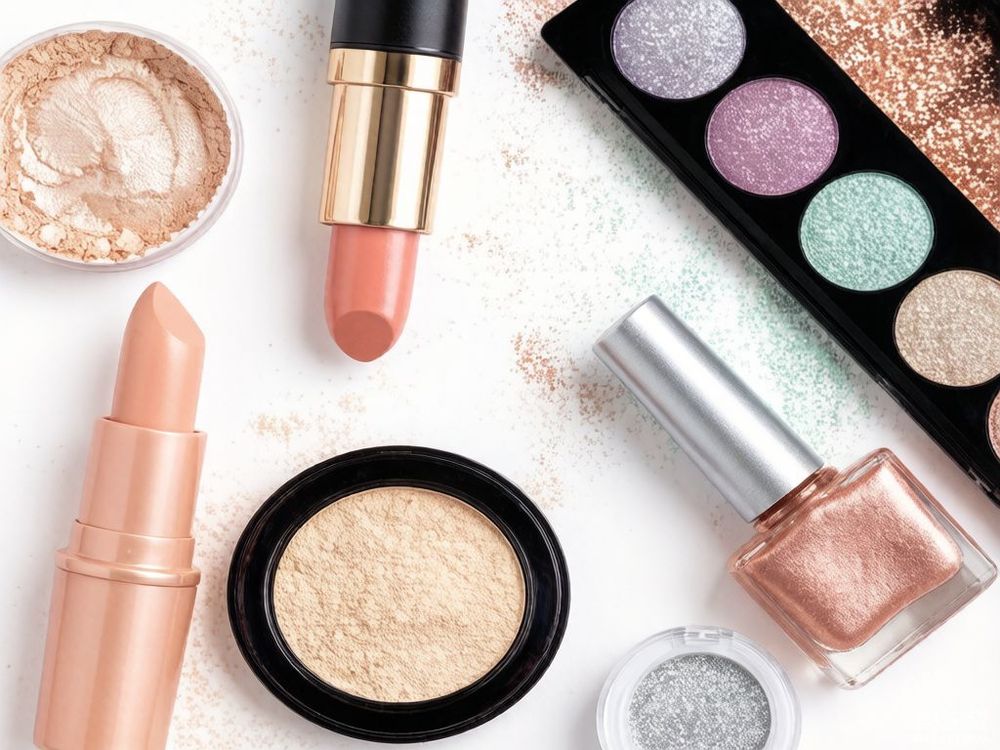
Pearl pigment for cosmetics delivers the luminous, multi-dimensional shimmer that defines modern color cosmetics — from eyeshadows and highlighters to lip glosses and tinted moisturizers. At Kolortek, we formulate cosmetic pearl solutions across mica-based, borosilicate, and synthetic fluorphlogopite substrates, each engineered to meet specific performance, regulatory, and aesthetic requirements. Selecting the right cosmetic pigment depends on particle size, substrate chemistry, surface treatment, and the market's regulatory framework.
Read More
 English
 Français
 Deutsch
 Русский
 Español
 Português