Leave A Message
If you are interested in our products and want to know more details,please leave a message here,we will reply you as soon as we can.
China supplier cosmetic grade pearl pigment at factory price
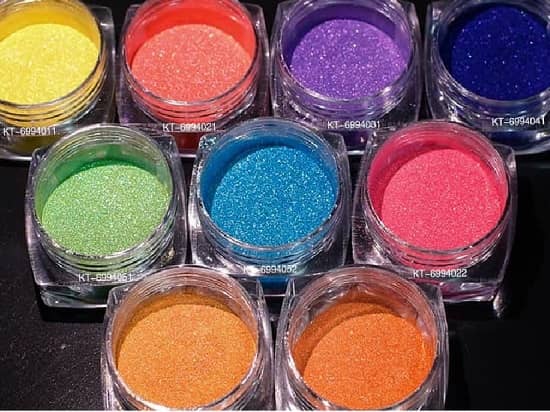
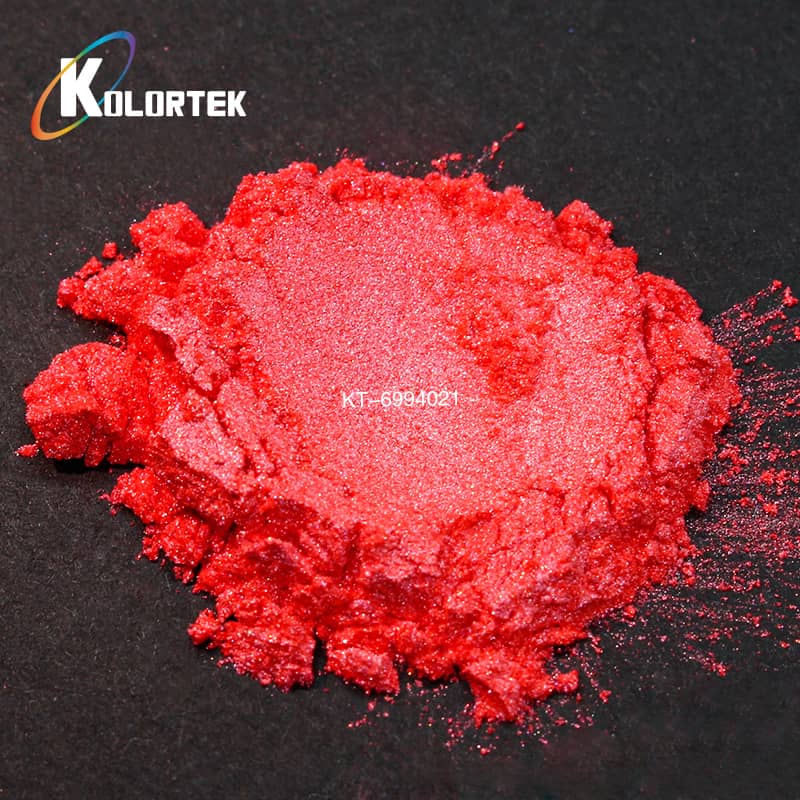
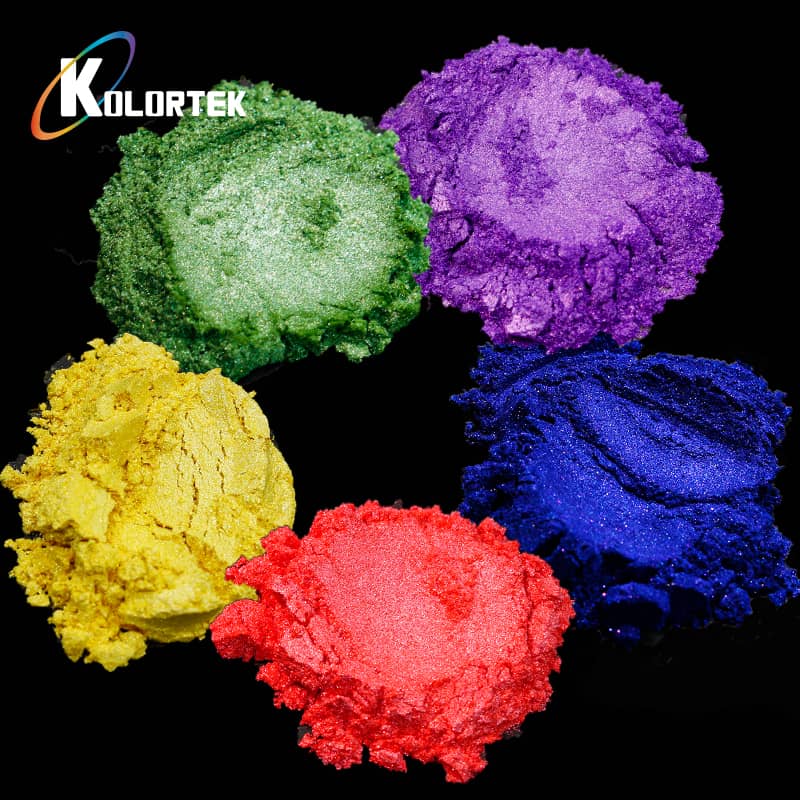
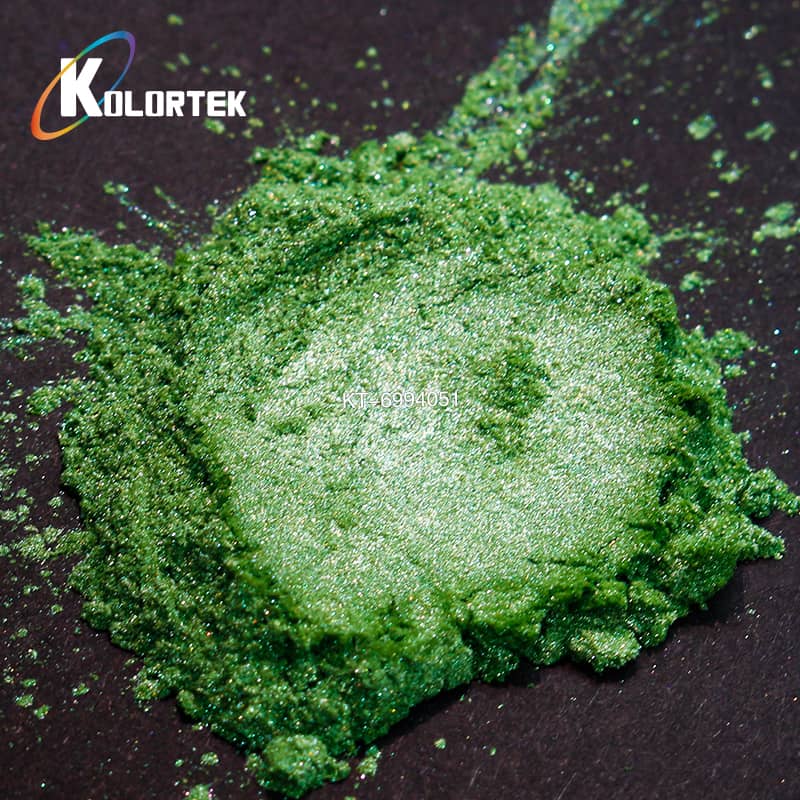
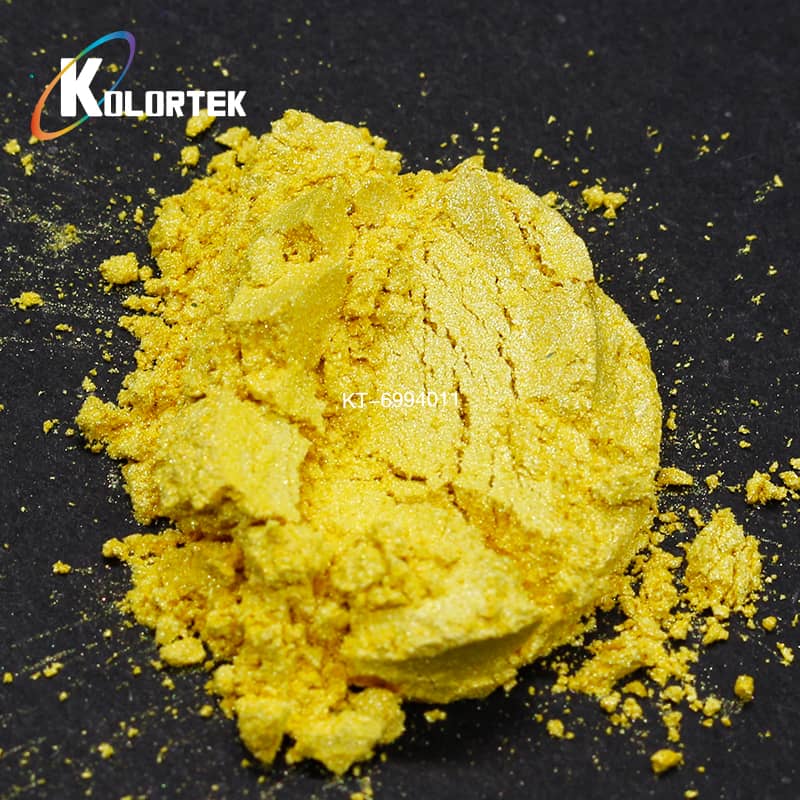
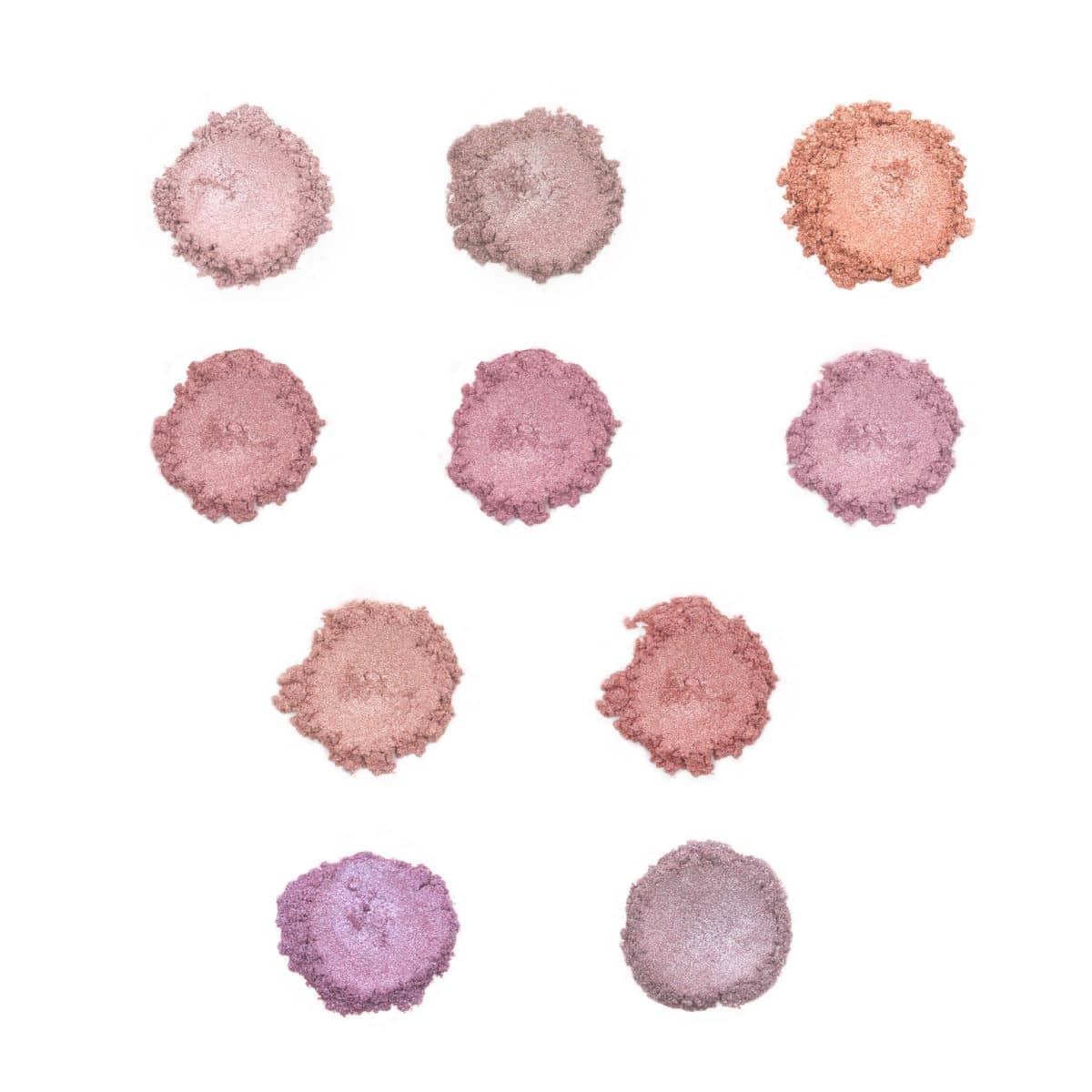
Cosmetic grade pearl pigment from Kolortek is manufactured to meet the heavy metal and microbiological limits required by major regulatory frameworks — EU EC 1223/2009, US FDA, China CSAR, and Japan MHLW — and is available across three substrate platforms: natural mica, synthetic mica (fluorphlogopite), and borosilicate glass. Particle sizes range from 5–25 μm for smooth foundation-grade finishes up to 60–300 μm for bold highlighter and loose powder sparkle. As a direct manufacturer with 20+ years in effect pigments, we supply pearlescent pigment in volumes ranging from sampling quantities through full production runs, with TDS, COA, SDS, INCI declarations, and heavy metal test reports provided as standard.
The "cosmetic grade" designation is not a marketing label — it carries specific, enforceable obligations. Every batch we supply for cosmetic use is tested against heavy metal limits (Pb <10 ppm, As <3 ppm, Hg <1 ppm, Cd <1 ppm for EU-compliant grades), and microbiological limits are held to TAMC <100 CFU/g and TYMC <10 CFU/g. These are the thresholds formulators and regulatory affairs teams in Europe, North America, and China actually work with.
Beyond purity, cosmetic grade means the colorant ingredients are approved for skin contact under the relevant positive lists. For the EU, that means Annex IV of EC 1223/2009. For the US, mica is permitted under 21 CFR 73.2496 as an exempt colorant — no batch certification required. For China, all colorants must be IECIC-listed: mica (CI 77019), synthetic fluorphlogopite, TiO₂ (CI 77891), iron oxides (CI 77491/77492/77499), and tin oxide (CI 77861) are all listed. Japan's MHLW positive list system requires per-ingredient verification, which is why we frequently recommend the KT-655 Series for Japanese market submissions — it uses only inorganic TiO₂/SnO₂ coatings with no organic dyes, minimising regulatory risk across all major markets simultaneously.
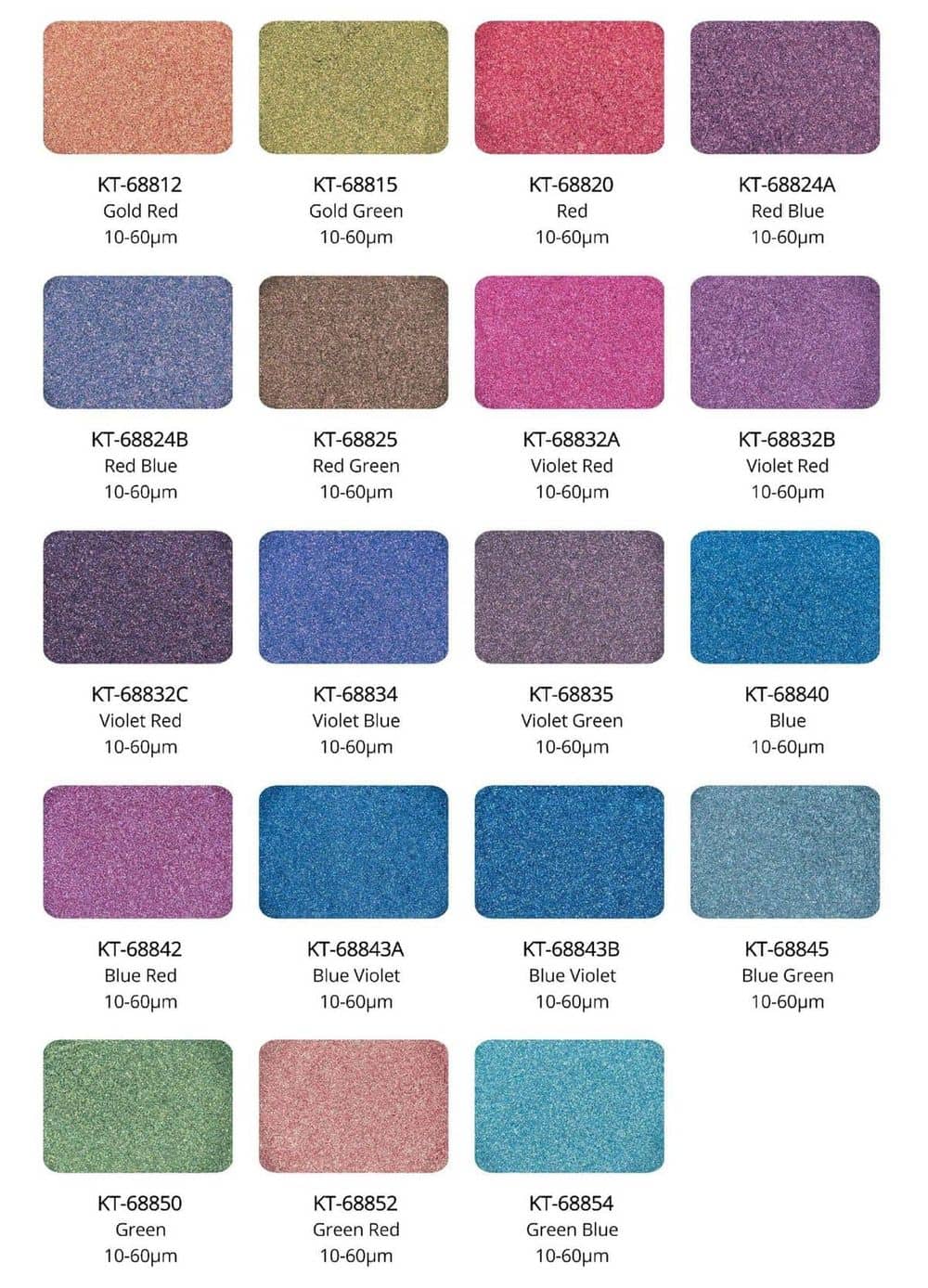
The KT-688 Series uses natural mica as the substrate, coated with D&C-approved colorants to produce interference and absorption effects. Available shades include Red Blue (68824B), Red Green (68825), Violet Green (68835), Violet Blue (68834), Gold Green (68815), Gold Red (68812), and others. These are the workhorses of our cosmetic pigment range — broadly compatible across pressed powders, eyeshadow, lipstick, and blush formulations.
The KT-655 Series is TiO₂/SnO₂ coated only, with no organic dyes. It runs from 655111 Gold Green through 655193 Grey — pure interference colors that satisfy the cleanest-label requirements and are fully inorganic. For formulators targeting the Japanese MHLW market or EU customers concerned about organic colorant declarations, this series avoids a significant amount of per-ingredient regulatory work.
Synthetic fluorphlogopite (the KT-699 Synstar line) offers higher purity and brighter whiteness than natural mica, with tighter batch-to-batch consistency. We developed this series partly in response to supply chain and ethical sourcing concerns that have become more prominent with natural mica in recent years. The REACH registration covers fluorphlogopite, and it is IECIC-listed for the China market.
The KT-699 range covers an extended palette: Purple (699131), Dark Blue (699141), Magenta (699121), Yellow (699111), and a wider set including Silver Grey, Coffee Brown, and Black Pearl (6992011–6992094). This breadth makes it practical for color cosmetic developers building an entire pressed eyeshadow palette from a single substrate platform.
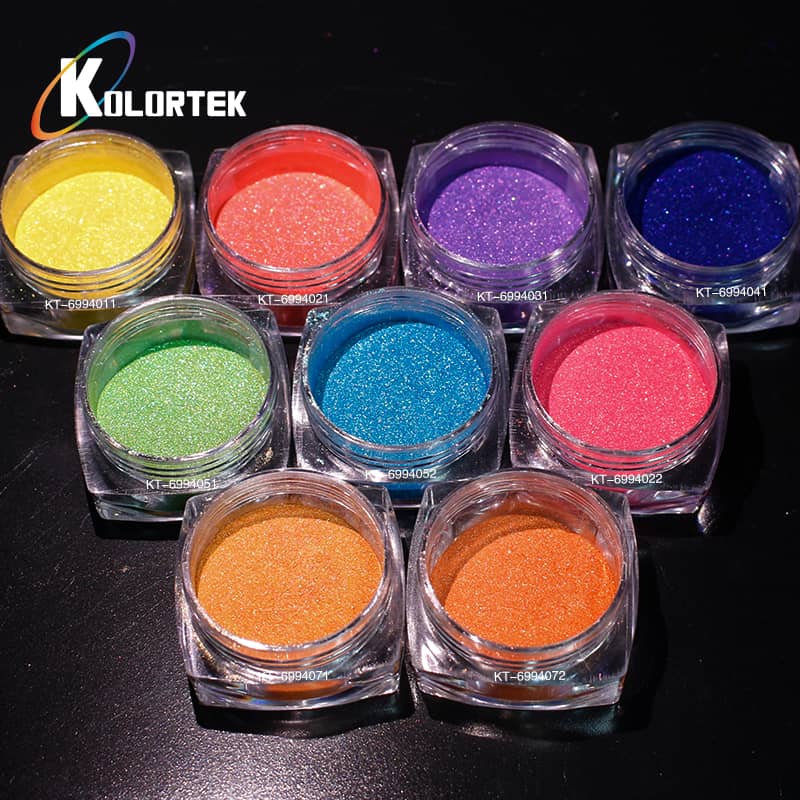
The KT-8000 DreamStar series is built on calcium aluminum borosilicate, which is IECIC-listed and produces a different optical quality to mica — higher transparency, a glass-smooth specular reflection, and a sophisticated shimmer that sits visually distinct from mica-based luster. The trade-off is substrate fragility: these platelets are more sensitive to high-shear mixing than mica-based grades.
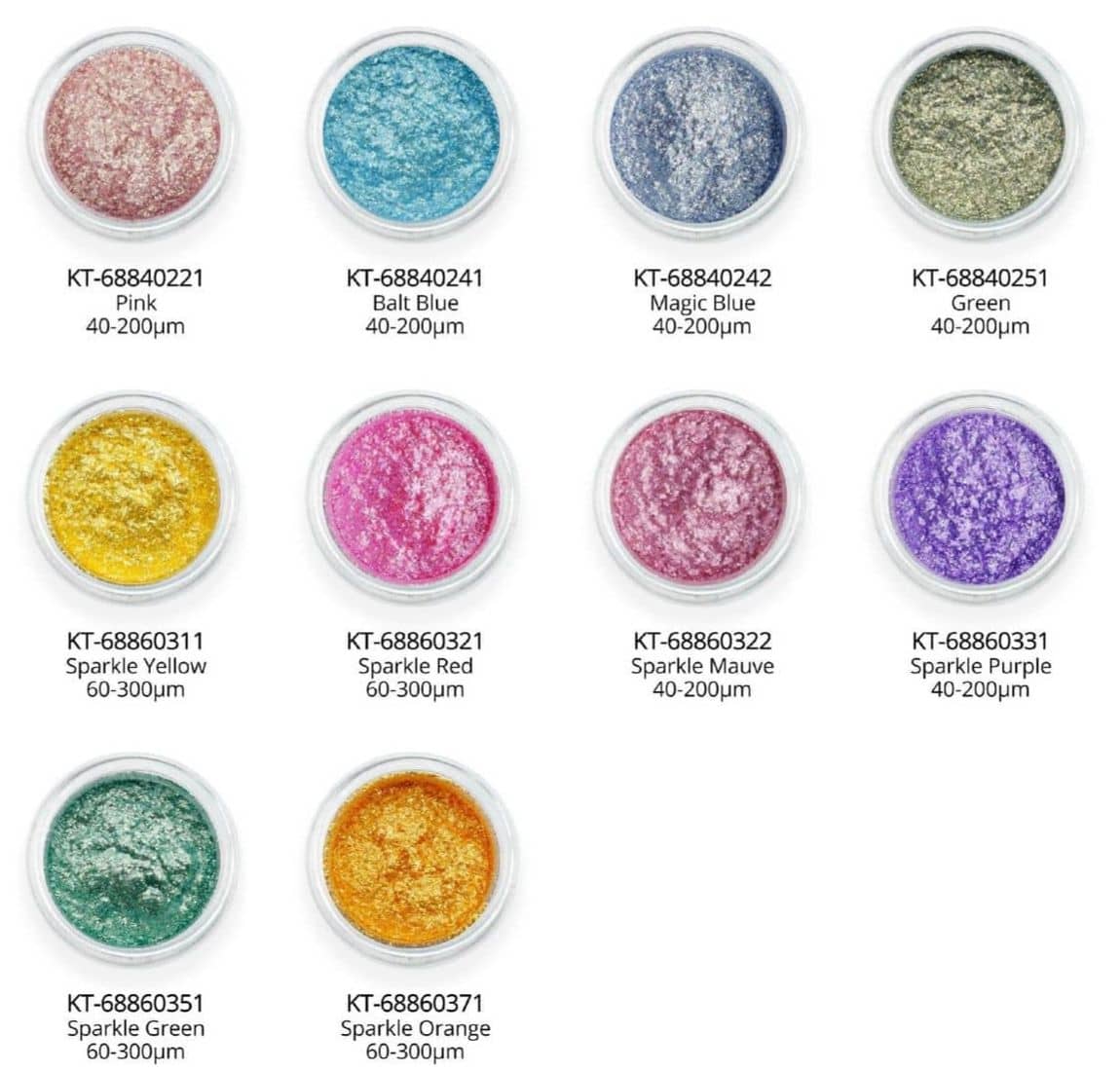
Two particle size grades are available. The KT-68840 runs 40–200 μm in shades including Pink (68840221), Baltic Blue (68840241), Magic Blue (68840242), and Green (68840251). The KT-68860 runs 60–300 μm in Sparkle Yellow (68860311), Sparkle Red (68860321), Sparkle Green (68860351), Sparkle Blue (68860361), and Sparkle Orange (68860371). Both grades are suited to highlighters, loose powders, and body shimmer where maximum sparkle intensity is the objective.
| Application | Recommended Particle Size | Loading Range | Suggested Series |
|---|---|---|---|
| Lipstick / Lip Gloss | 5–25 μm | 1–20% | KT-655, KT-688 (lip-safe shades), KT-699 |
| Foundation | 5–25 μm | 3–15% | KT-655 Silver, KT-699 (fine grades) |
| Pressed Eyeshadow | 20–60 μm | 5–50% | KT-688, KT-699, ChromaPlus |
| Loose Eyeshadow | 20–60 μm | 5–60% | KT-688, KT-699, KT-8000 |
| Highlighter | 40–200 μm | 5–30% | KT-68840, KT-68860, Aurora ARD16 |
| Pressed Powder / Blush | 10–60 μm | 10–40% | KT-655, KT-688, KT-699 |
| Cream / Lotion / BB Cream | 5–25 μm | 1–15% | KT-655, KT-699 (G or TS treated) |
| Body Shimmer | 40–300 μm | 2–10% | KT-68860, Aurora, ChromaFlakes |
Beyond standard interference colors, we offer several cosmetic-grade special effect lines that go into premium color cosmetics, highlighters, and editorial makeup:
One thing to note on the Aurora range: solvent-resistant grades (ARS6***/ARS21**/ARS31**) are cleared for nail polish formulations, while AM***/AM2***/AM3*** grades are powder-cosmetics only and should not be used in solvent systems.
The most common processing mistake we see in the field is over-shearing. All platelet-based pigments — mica, synthetic mica, borosilicate — depend on intact, large, flat platelets for their reflective luster. High-speed dispersers, three-roll mills, or vigorous homogenization fracture the platelet structure and you end up with a duller, grayer result regardless of how good the pigment was to begin with. Low-shear paddle or planetary mixing is the correct approach at every stage.
For emulsion and cream bases, pre-disperse the pigment in the oil phase before combining with the water phase. This reduces agglomeration and improves color development significantly. In powder formulations — pressed or loose — add the pearlescent pigment late in the dry-blending sequence, after the bulk fillers and binders are already combined.
Surface treatment selection affects both processing and end performance. The dimethicone (G suffix) treatment provides hydrophobic character and improves skin adhesion — useful in loose powders and setting sprays. The Triethoxycaprylylsilane (TS suffix) treatment improves dispersion stability in ester and oil systems, which matters in lip gloss and cream formulations. The Lauroyl Lysine (LL suffix) amino acid coating is specifically for skin feel — formulators targeting a silky, non-gritty texture on application should specify LL-treated grades.
Ferric Ferrocyanide (Iron Blue, CI 77510) is not lip-approved in many jurisdictions — confirm regional status before including it in lip product formulations. Iron Oxides, TiO₂, and mica are universally approved for lip use across EU, US, China, and Japan. When in doubt on a colorant's lip status, the KT-655 all-inorganic series is the safest formulation choice.
| Market | Pb (Lead) | As (Arsenic) | Hg (Mercury) | Cd (Cadmium) |
|---|---|---|---|---|
| EU (EC 1223/2009) | <10 ppm | <3 ppm | <1 ppm | <1 ppm |
| China (CSAR) | ≤10 ppm | ≤2 ppm | ≤1 ppm | ≤5 ppm |
| Japan (MHLW typical) | <20 ppm | <2 ppm | <1 ppm | — |
| Kolortek Internal Control (typical) | <10 ppm | <3 ppm | <1 ppm | <1 ppm |
Our quality management system operates under ISO 9001:2015, covering production and sales of pigments and fillers. REACH registration is in place for fluorphlogopite (synthetic mica). SGS sample test reports are available for Chromashift pigments. Halal and Kosher certifications exist for specific listed product scopes — confirm applicability to a specific model before citing these on product documentation.
On the China market specifically: all key inorganic colorants (mica CI 77019, TiO₂ CI 77891, iron oxides CI 77491/77492/77499, ultramarines CI 77007, manganese violet CI 77742, chromium oxide green CI 77288, tin oxide CI 77861, calcium aluminum borosilicate, silica) are IECIC-listed, supporting a streamlined notification pathway under CSAR for general cosmetics. The relevant GB standard for mica-based pearlescent pigments used in cosmetics is GB/T 29665-2013.
Standard documentation provided with cosmetic grade orders: TDS, SDS/MSDS, COA (batch-specific), heavy metal test report, INCI declaration, and IECIC-listing confirmation. Regulatory documentation packages for specific destination markets are available on request — the scope depends on the selected grade and intended use region.
What particle size should I specify for a lip gloss versus a loose highlighter powder?
For lip gloss, specify 5–25 μm grades — fine particles disperse smoothly in the oil and wax matrix and don't create gritty texture on the lips. For loose highlighter, 40–200 μm or the borosilicate 60–300 μm grades (KT-68840/68860) deliver the bold, faceted sparkle that registers visually in that application. Loading in lip gloss typically runs 1–5%; highlighter powder can go up to 30%.
Which series is safest for multi-market registration — EU, US, China, and Japan simultaneously?
The KT-655 Series is our standard recommendation for formulators who need a single grade to work across all four markets. It uses only inorganic TiO₂/SnO₂ coatings with no organic dyes, so all colorants fall into the exempt/inorganic category under FDA (21 CFR 73.2496), are Annex IV-listed under EU EC 1223/2009, are IECIC-listed for China CSAR, and pass the MHLW positive list without per-shade organic verification. It avoids the most common multi-market compliance friction points in a single formulation choice.
As a China cosmetic pearl pigment supplier, what documentation do you provide for Chinese market product notification?
For China CSAR submissions, we provide COA with batch-specific heavy metal data (controlling to Pb ≤10 ppm, As ≤2 ppm, Hg ≤1 ppm, Cd ≤5 ppm per CSAR limits), IECIC-listing confirmation for all colorant ingredients, INCI declarations, and GB/T 29665-2013 compliance documentation for mica-based grades. General cosmetic products (as opposed to special-purpose cosmetics) follow a simplified notification pathway; imported general cosmetics have been exempt from mandatory animal testing since 2021.
What is the difference between natural mica and synthetic mica (fluorphlogopite) in cosmetic pearl pigment, and when does the distinction matter?
Natural mica (muscovite) carries inherent variability in purity and color, and its supply chain has well-documented sourcing concerns in certain regions. Synthetic fluorphlogopite is produced under controlled manufacturing conditions — it delivers higher optical purity, brighter whiteness, and more consistent sparkle batch to batch. The practical distinction for formulators: synthetic mica grades (KT-699 Synstar) are specified when optical consistency is critical, when supply chain transparency matters to brand positioning, or when a slightly elevated brightness is needed. Both are IECIC-listed and broadly compliant across major markets.
Contact our technical team to discuss grade selection, loading optimization, or regulatory documentation requirements for your target markets — reach us at contact@kolortek.com.

Selecting the right cosmetic pigment powder for face and eye formulations requires balancing color performance, skin compatibility, and regulatory compliance across powder, cream, and liquid systems. From pearlescent shimmer and metallic finishes to flat matte coverage, eyeshadow pigment powder and foundation pigment systems each demand different base materials, surface treatments, and dispersibility profiles. These pigments are used across pressed powders, loose eyeshadows, liquid foundations, blushers, and highlighters — anywhere precise color payoff and a reliable skin feel are non-negotiable.
Read More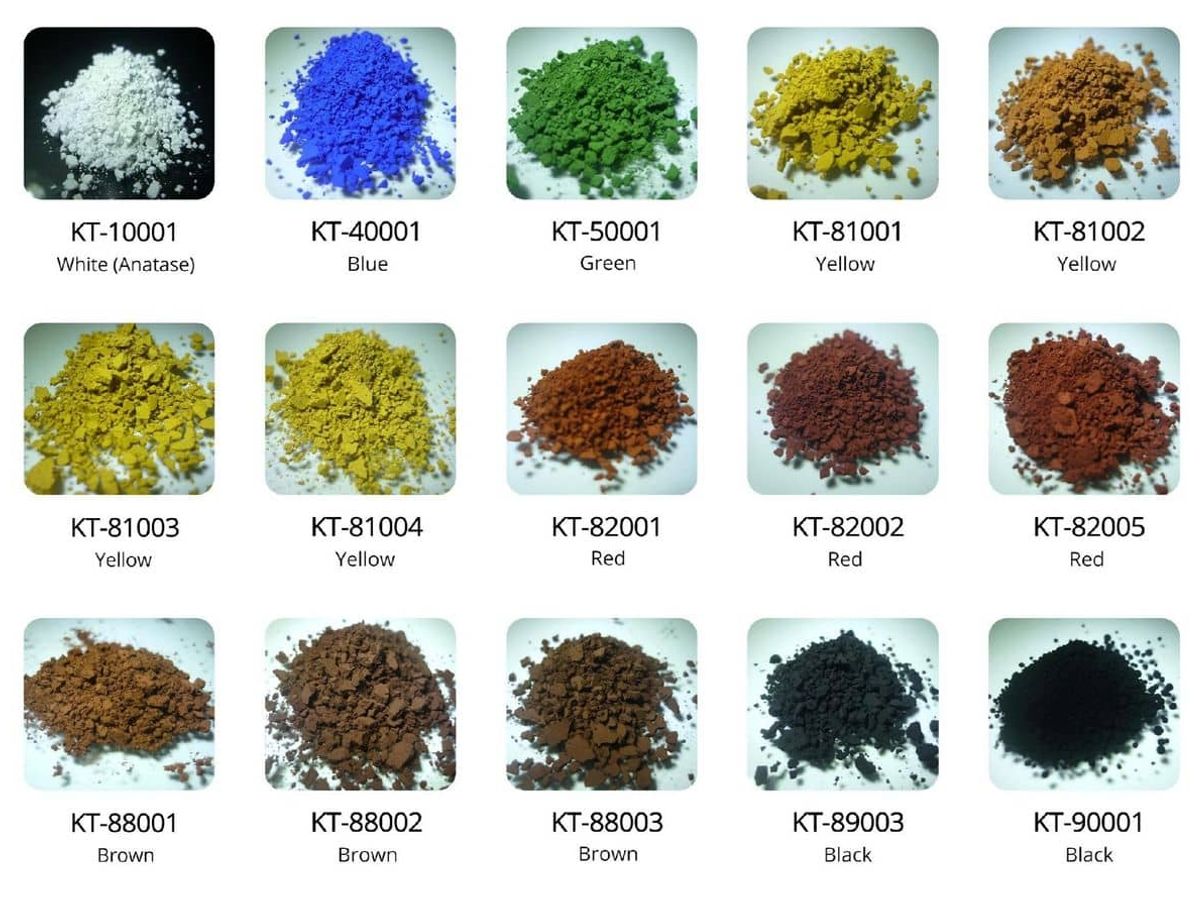
Matte cosmetic pigments — including iron oxides, ultramarines, and D&C Lakes — are the foundational colorants behind face powders, foundations, eyeshadows, and skin-tone blushers that require a flat, non-reflective finish. Cosmetic iron oxide in yellow, red, black, and brown grades delivers reliable, skin-safe color across a wide tonal range, while oxide pigment foundation formulations depend on these same materials for consistent coverage and smooth skin integration. Unlike effect pigments, these matte oxides absorb rather than reflect light, making them the go-to choice wherever a velvety, diffused color result is required.
Read More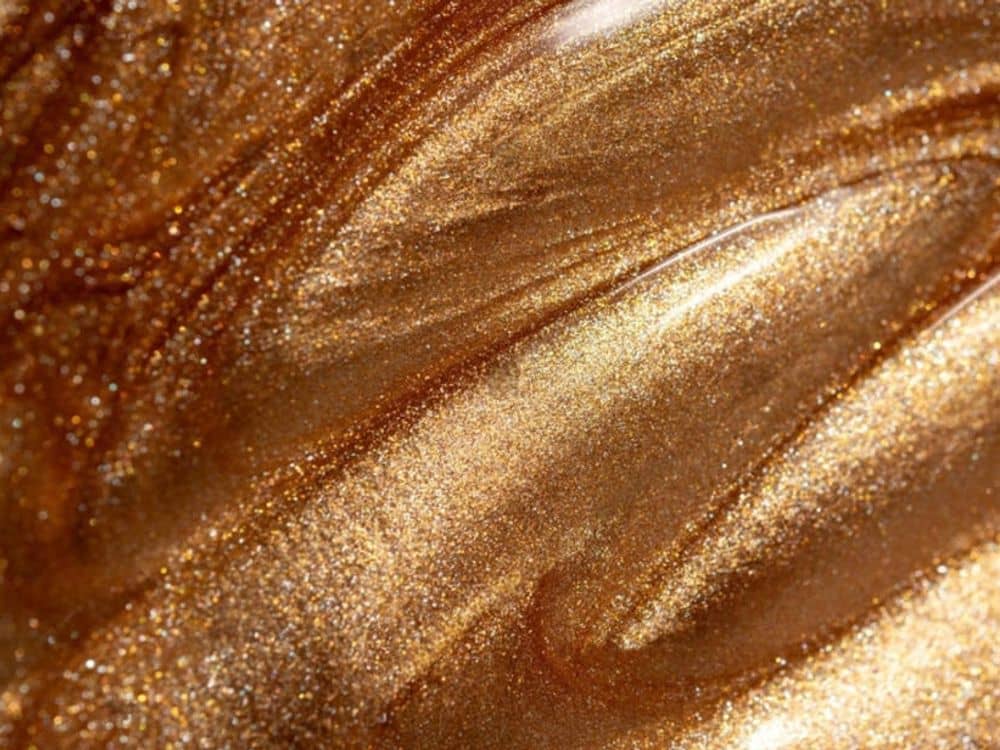
Decorative cosmetics rely on shimmer pigment powder to deliver the dimensional brilliance consumers expect — from soft satin glows in face powders to high-intensity metallic flashes in eyeshadow palettes. Pearlescent, holographic, color-shifting, and glitter-type pigments are the primary effect systems used, each serving a distinct visual role across eye, lip, face, and nail formats. When the formulation demands depth, sparkle, or chameleon color movement, selecting the right decorative cosmetic colorant is the core technical decision.
Read More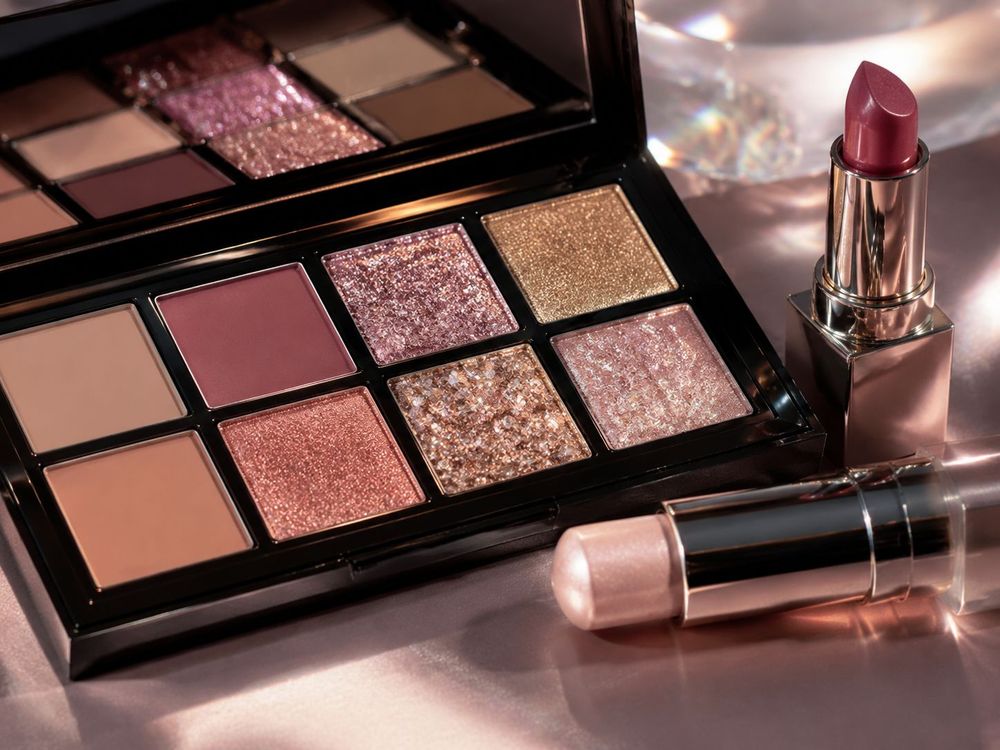
Selecting the right cosmetic pigment requires matching particle size, substrate chemistry, and regulatory status to your specific product format and target market. At Kolortek, our cosmetic pigment selection guide covers everything from natural shimmer mica to color-travel interference pigments — each chosen to meet both performance and compliance requirements. Whether you are formulating an eyeshadow palette or a premium highlighter, the correct pigment selection for cosmetics is the single most critical variable in achieving the visual effect your brand promises.
Read More
Cosmetic grade pearl pigment from Kolortek is manufactured to meet the heavy metal and microbiological limits required by major regulatory frameworks — EU EC 1223/2009, US FDA, China CSAR, and Japan MHLW — and is available across three substrate platforms: natural mica, synthetic mica (fluorphlogopite), and borosilicate glass. Particle sizes range from 5–25 μm for smooth foundation-grade finishes up to 60–300 μm for bold highlighter and loose powder sparkle. As a direct manufacturer with 20+ years in effect pigments, we supply pearlescent pigment in volumes ranging from sampling quantities through full production runs, with TDS, COA, SDS, INCI declarations, and heavy metal test reports provided as standard.
Read More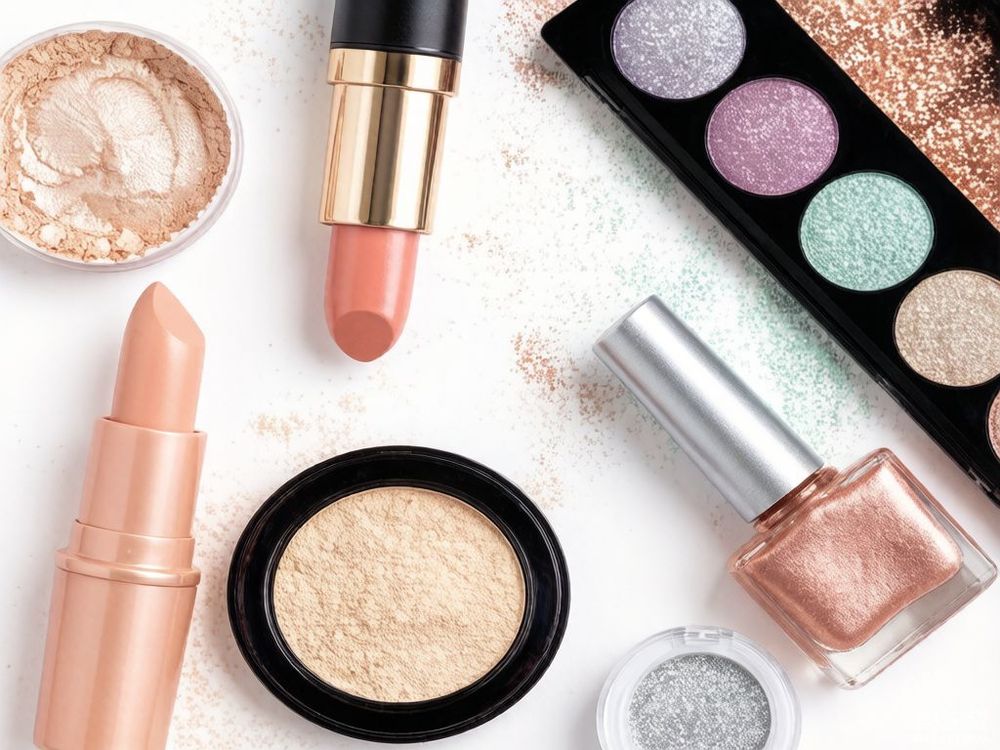
Pearl pigment for cosmetics delivers the luminous, multi-dimensional shimmer that defines modern color cosmetics — from eyeshadows and highlighters to lip glosses and tinted moisturizers. At Kolortek, we formulate cosmetic pearl solutions across mica-based, borosilicate, and synthetic fluorphlogopite substrates, each engineered to meet specific performance, regulatory, and aesthetic requirements. Selecting the right cosmetic pigment depends on particle size, substrate chemistry, surface treatment, and the market's regulatory framework.
Read More
 English
 Français
 Deutsch
 Русский
 Español
 Português