
Leave A Message
If you are interested in our products and want to know more details,please leave a message here,we will reply you as soon as we can.
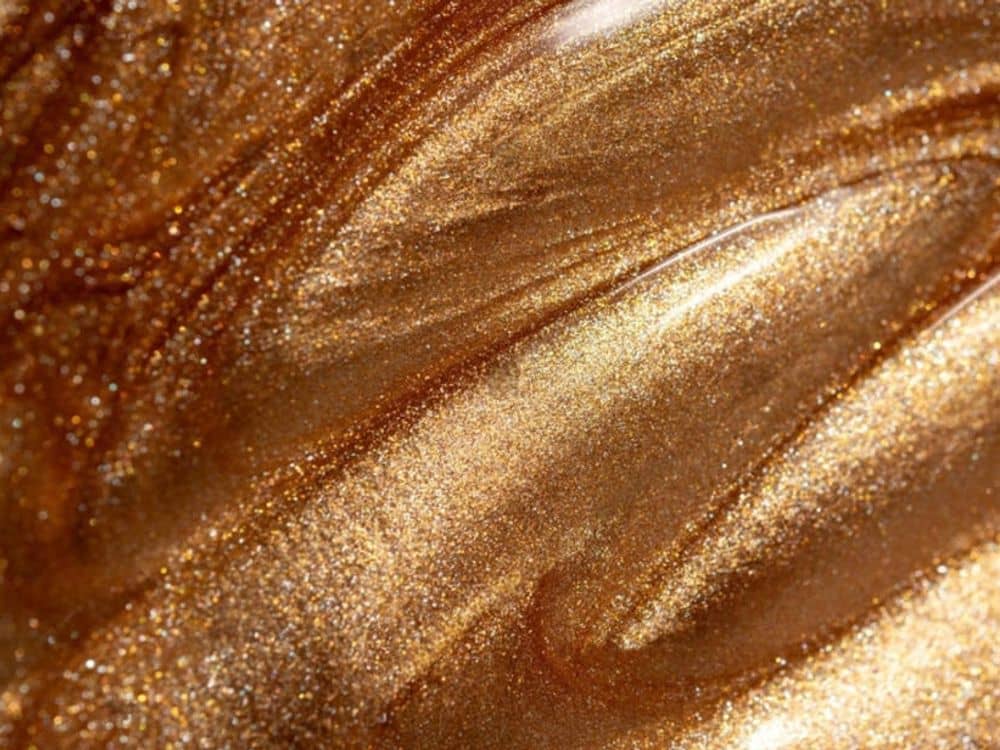
Decorative cosmetics rely on shimmer pigment powder to deliver the dimensional brilliance consumers expect — from soft satin glows in face powders to high-intensity metallic flashes in eyeshadow palettes. Pearlescent, holographic, color-shifting, and glitter-type pigments are the primary effect systems used, each serving a distinct visual role across eye, lip, face, and nail formats. When the formulation demands depth, sparkle, or chameleon color movement, selecting the right decorative cosmetic colorant is the core technical decision.
Shimmer and effect pigments appear across nearly every decorative cosmetic category. Pressed eyeshadow palettes and loose eye powders are the most demanding formats — they require both visual intensity and clean skin feel. Lip glosses and lipsticks call for pigments that stay stable in wax and oil matrices without bleeding. Nail polish imposes stricter demands: solvent resistance and long-term film stability matter as much as the visual effect. Face powders and blushers occupy a more subtle register, where a light pearlescent shimmer lifts the complexion without looking frosted or overdone.
In practice, the same base pigment series often spans multiple product types. What changes is the loading level, particle size grade selected, and the medium it's being dispersed into. Understanding this relationship — pigment type, substrate, and expected finish — is where most formulation work actually happens.
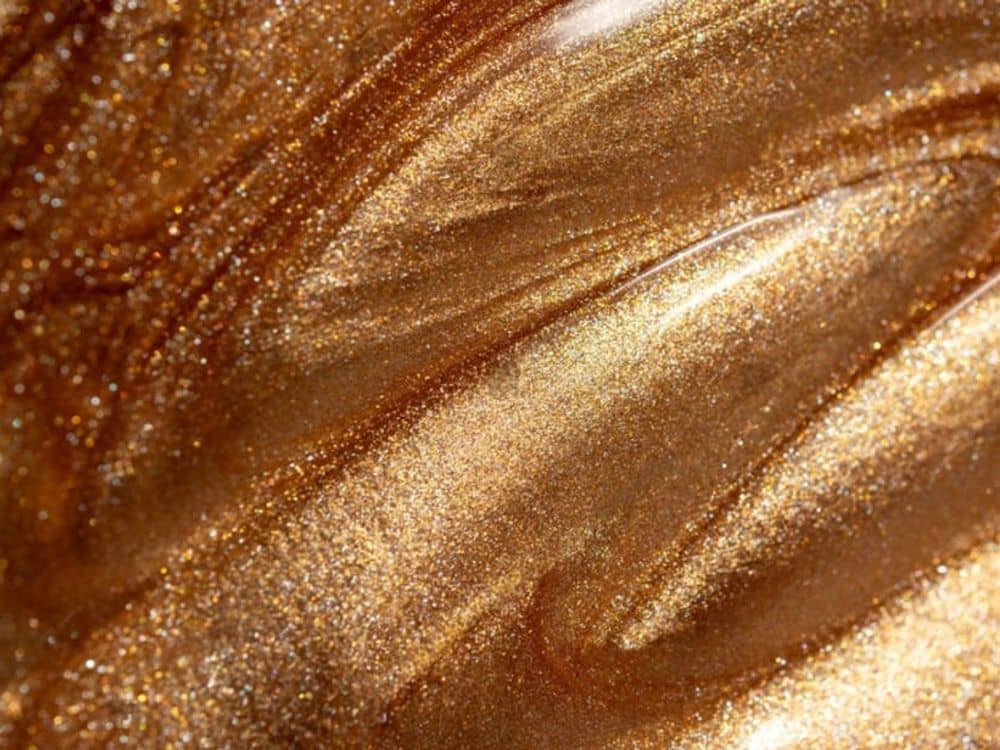
Effect pigments for cosmetics work by manipulating light at the surface of thin platelet particles. A pearlescent pigment — typically a mica or synthetic mica substrate coated with titanium dioxide or iron oxide — reflects light at specific wavelengths while transmitting others, creating the signature luster. Interference and color travel effects emerge when the coating thickness is precisely controlled to shift dominant hue with viewing angle.
Holographic pigments work by physical diffraction rather than interference coating — the surface microstructure splits white light into rainbow bands. Magnetic cat-eye pigments contain oriented metallic flakes that react to an applied magnetic field during application, creating the characteristic eye-like light band across nail gel.
Glitter-type particles are larger and reflective rather than refractive — they contribute hard sparkle rather than soft shimmer. In cosmetic applications, biodegradable cellulose glitters are increasingly preferred over conventional polyester formats due to regulatory pressure in multiple markets.
The table below maps effect types to cosmetic application formats and indicates key technical considerations for each.
| Effect Type | Typical Application | Representative Series | Key Note |
|---|---|---|---|
| Pearlescent / Shimmer | Face powder, blush, eyeshadow, lip | KT-100 Silver White, KT-300 Gold, KT-500 Metal Luster, KT-6000 Multicolor (natural mica), Synstar KT-7xxx series (synthetic mica) | Synthetic mica offers higher brightness and better chemical stability than natural mica |
| Diamond / Borosilicate Sparkle | Eyeshadow, highlight, nail | DreamStar / KT-8000 Borosilicate Series | Higher transparency and refractive index create a sharper sparkle than standard mica |
| Color Shifting / Chameleon | Eyeshadow, lip gloss, nail | Chromashift (C150507, C152531), Duochrome Chameleon Series | Strong angular color travel; cosmetic-grade variants available for face/eye use |
| Holographic / Diffraction | Eyeshadow, face highlight, lip, nail | Holographic Pigments, HMC6xx Holographic Multichrome | Multi-prism rainbow effect; check eye/lip approval for specific grades |
| Aurora / Iridescent | Eyeshadow, nail, highlight | Aurora AM/AM2/AM3 Series, CandyPlus ARS21/ARS31, Aurora Diamond ARD16xx, Aurora Platinum Gray APG series | AM/AM2/AM3 not solvent-resistant; ARS21/ARS31 are solvent-resistant and cosmetic grade |
| Metallic / Mirror | Nail polish, mirror nail, eye liner | KT Intense Chroma Metallic Silver, Kolortek Metasilver (KT-89204), Moonlight Mirror MB series, Romantic Rose Date series | Romantic Rose Date series are solvent-resistant; mirror effect requires fine particle dispersion |
| 3D Cat Eye Magnetic | Nail gel / nail polish | Duochrome Chameleon Cat Eyes, 3D Multicolor Chameleon Cat Eyes, 3D-Cat Crystal, 3D-Cat Starlight, 3D-Cat Eye Flash Powder | Requires magnetic application tool during curing; effect depends on gel viscosity and pot life |
| Glitter | Face, lip, eye, body | Advanced Multicolors Glitter, Biodegradable Glitters (cellulose) | Biodegradable cellulose grades preferred for EU / environmentally regulated markets |
| Cosmetic Multicolor (regulated colorants) | Full-face, eyes, lips | KT-68800, KT-699000, KT-660000, KT-706000, KT-6992000, KT-68800000, KT-655000 series | Color pigments in matrix include Iron Oxide, Carmine, FD&C colorants; ingredient disclosure varies by series |
Regulatory compliance is non-negotiable. In decorative cosmetics, ingredient disclosure and approved colorant lists differ significantly between the EU, US FDA, and other jurisdictions. Pigments used in eye-area products face additional restrictions compared to face-only products. Before locking in a choice, confirm the specific grade is approved for the intended application zone — face, eye, and lip each carry different lists.
Solvent compatibility is a practical filter for nail and lip gloss applications. Standard Aurora AM-series powders are not solvent-resistant and will not survive in acetate or alcohol-based nail lacquer systems. For those formats, solvent-resistant grades such as the CandyPlus ARS21/ARS31 series or the Romantic Rose Date series are the working choice. Mixing solvent-incompatible pigments into nail polish is a common formulation error that leads to color bleed and haze.
Synthetic mica vs. natural mica is a meaningful distinction in finished product quality. Synthetic mica (fluorophlogopite) delivers higher whiteness, better chemical stability, and more consistent particle geometry. For eyeshadow shimmer pigment applications where saturation and clean color expression matter — particularly in pressed powder palettes — synthetic mica-based grades tend to outperform natural mica at equivalent loading.
Particle size drives texture perception as much as visual effect. Finer grades produce satiny, skin-close shimmer. Coarser grades create visible sparkle and increase the "glitter" character of the finish. In practice, many eyeshadow and blush formulations layer multiple particle size grades to achieve a composite visual result — soft base shimmer with surface sparkle points.
Pearlescent and effect pigments are platelet-shaped and oriented particles — their optical performance depends on maintaining that platelet structure through the manufacturing process. High-shear mixing, ball milling, or aggressive grinding can fracture platelets and reduce luster measurably. For pressed powder formats, direct compression blending at low shear is preferred. For liquid systems (lip gloss, mascara), use a gentle dispersion approach — typically hand paddle, low-speed cowles, or three-roll mill only where necessary.
In anhydrous emollient bases (lip balm, stick foundation), pearlescent pigments typically disperse without surfactants. In water-based or emulsion systems, a small amount of compatible wetting agent improves dispersion uniformity and prevents agglomeration. That said, some cosmetic-grade pigment surfaces are already treated to improve wetting in oil or water systems — checking the surface treatment of the specific grade before reaching for additional processing aids avoids unnecessary formula complexity.
For the Cosmetic Multicolor series (68800, 699000, 655000, and related), the colorant matrix includes regulated pigments such as Iron Oxides, Carmine, Ferric Ferrocyanide (Iron Blue), and FD&C colorants depending on the series. Each series has a specific ingredient set — the 655000 series is noted for simpler, cleaner ingredients, which may be relevant when positioning a product for sensitive skin claims or clean beauty labeling.
Custom color matching is available, which is useful when a house color or brand palette color cannot be achieved with a standard grade. Custom development typically involves adjusting substrate, coating oxide, and blend ratios to reach a target — this requires sharing a reference standard and a target medium for evaluation.
Not all shimmer effects are interchangeable. Here is a practical comparison of the main effect systems for this application:
Pearlescent (mica-based): The broadest, most versatile category. Stable across most cosmetic systems, large color range, strong compatibility record. One limitation is that the effect is relatively conventional — it does not surprise consumers the way angular-shifting or holographic effects do.
Borosilicate / DreamStar grades: Higher sparkle intensity and cleaner transparency than standard mica. More expensive. The visual effect reads as "diamond" or "gem-like" rather than satin. Well-suited for premium eyeshadow and highlight products where brilliance is the lead claim.
Color-shifting / Chameleon: Delivers the most visually dynamic effect — two distinct colors depending on viewing angle. Popular in editorial and trend-forward eyeshadow palettes. The cosmetic-grade variants (e.g., Chromashift C150507 series) are designed specifically for eye/face compliance. The effect is harder to photograph accurately, which can complicate product marketing but creates strong in-store impact.
Holographic: Creates the most attention-grabbing rainbow effect, but the diffraction pattern can read as aggressive in mass-market face products. Better suited to nail, editorial eye, and body highlight applications. The HMC6xx Holographic Multichrome series extends this into face and lip formats with compliant grades.
Metallic / Mirror grades: For nail applications specifically, metallic pigments from the Moonlight Mirror and Romantic Rose Date series achieve near-chrome reflectivity. The cosmetic shimmer powder concept here shifts into true mirror territory — these are not shimmer in the traditional sense but high-reflectance metallic films applied dry over gel base.
Biodegradable glitters: Increasingly the only viable glitter option in EU-regulated markets due to microplastics restrictions. The cellulose-based grades perform differently from polyester — lower refractive index, slightly softer sparkle. Adequate for most face and body glitter applications where compliance is the constraint.
Q: Are all shimmer pigments approved for use in eye area cosmetics?
No. Approval for eye use is grade-specific and jurisdiction-specific. Some colorants permitted in face products — such as certain FD&C blues and reds — are not approved for eye use under US FDA rules. When selecting a grade for eyeshadow or eyeliner, verify the specific formulation's compliance against the target market's approved list. Kolortek identifies which series carry eye-approved colorant systems and can provide the relevant certificates upon request.
Q: What is the difference between the Aurora AM series and the CandyPlus ARS series for eyeshadow use?
Both are Aurora-effect cosmetic pigments, but they differ in solvent resistance. The AM, AM2, and AM3 series are not solvent-resistant — suitable for pressed powder and water-based formats. The CandyPlus ARS21 and ARS31 series are solvent-resistant and cosmetic grade, making them compatible with oil, anhydrous, and solvent-based systems. If you're developing a lip lacquer or gel liner where solvent resistance matters, use the CandyPlus grades.
Q: Can holographic pigments be used in lip products?
Selected grades can. The HMC6xx Holographic Multichrome series is specifically available for face, eyes, lips, and nail polish. Standard holographic film-based pigments may not carry the same approval. Always confirm the specific grade's documented approval for lip use before formulating.
Q: How do I achieve a mirror chrome effect in nail polish rather than just shimmer?
True mirror chrome in nail requires very fine metallic pigment with high surface reflectivity applied at a controlled loading level — typically over a dark base. The Moonlight Mirror series and the Romantic Rose Date series (including KT-89204) are engineered for this. Critically, these pigments need to be applied by dry rub or incorporated at specific concentrations in a compatible gel or polish medium; standard high-shear dispersion degrades the mirror effect. The Romantic Rose Date series are solvent-resistant, which is important for lacquer-based systems.
Request Samples or Technical Support
If you are developing an eyeshadow palette, lip product, nail system, or any other decorative cosmetic format and need to evaluate effect pigment options, Kolortek provides samples, formulation guideline support, and compliance documentation including ISO, REACH, SGS, TÜV SÜD, Kosher, and Cruelty-free certificates.
Custom colors and technical consultation are available for brands working with specific palette targets or unique effect requirements.
Contact the technical team: contact@kolortek.com

Selecting the right cosmetic pigment powder for face and eye formulations requires balancing color performance, skin compatibility, and regulatory compliance across powder, cream, and liquid systems. From pearlescent shimmer and metallic finishes to flat matte coverage, eyeshadow pigment powder and foundation pigment systems each demand different base materials, surface treatments, and dispersibility profiles. These pigments are used across pressed powders, loose eyeshadows, liquid foundations, blushers, and highlighters — anywhere precise color payoff and a reliable skin feel are non-negotiable.
Read More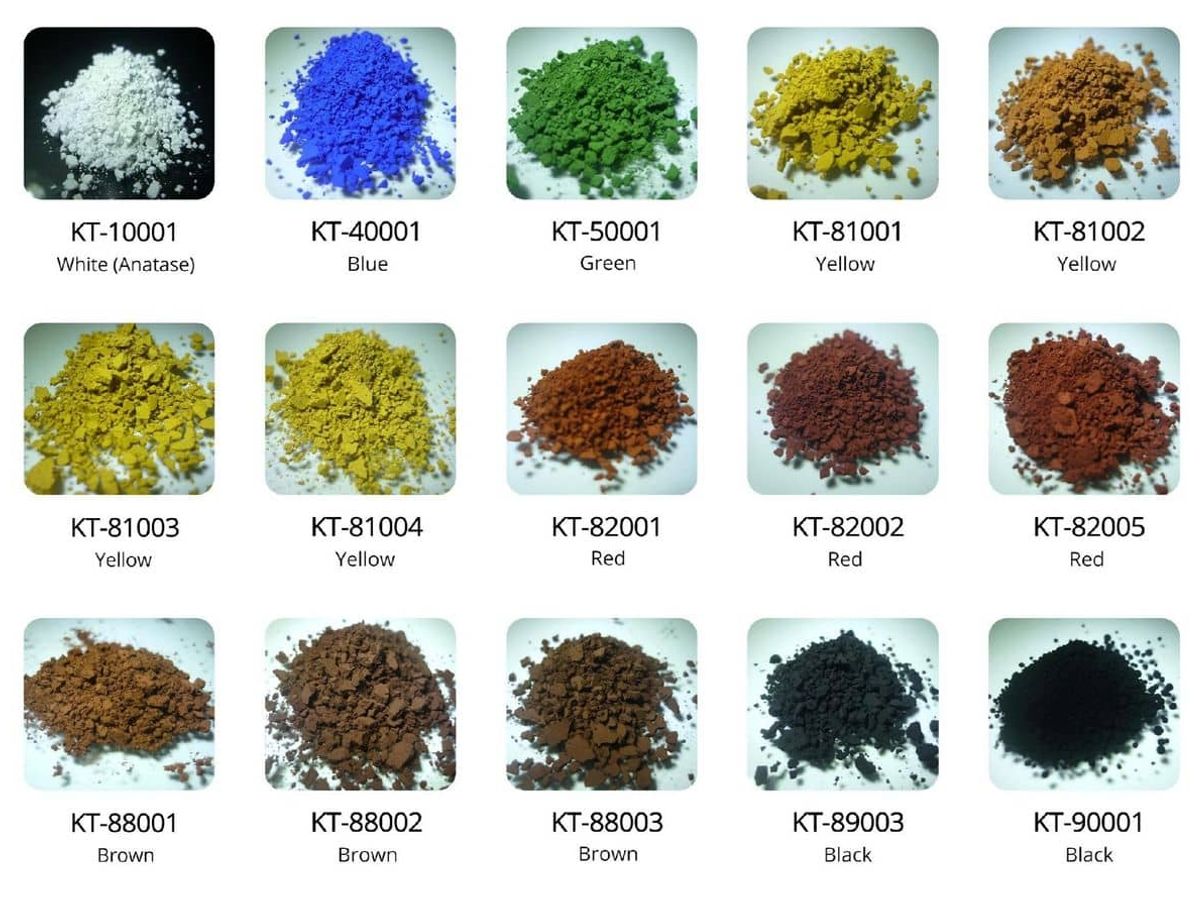
Matte cosmetic pigments — including iron oxides, ultramarines, and D&C Lakes — are the foundational colorants behind face powders, foundations, eyeshadows, and skin-tone blushers that require a flat, non-reflective finish. Cosmetic iron oxide in yellow, red, black, and brown grades delivers reliable, skin-safe color across a wide tonal range, while oxide pigment foundation formulations depend on these same materials for consistent coverage and smooth skin integration. Unlike effect pigments, these matte oxides absorb rather than reflect light, making them the go-to choice wherever a velvety, diffused color result is required.
Read More
Decorative cosmetics rely on shimmer pigment powder to deliver the dimensional brilliance consumers expect — from soft satin glows in face powders to high-intensity metallic flashes in eyeshadow palettes. Pearlescent, holographic, color-shifting, and glitter-type pigments are the primary effect systems used, each serving a distinct visual role across eye, lip, face, and nail formats. When the formulation demands depth, sparkle, or chameleon color movement, selecting the right decorative cosmetic colorant is the core technical decision.
Read More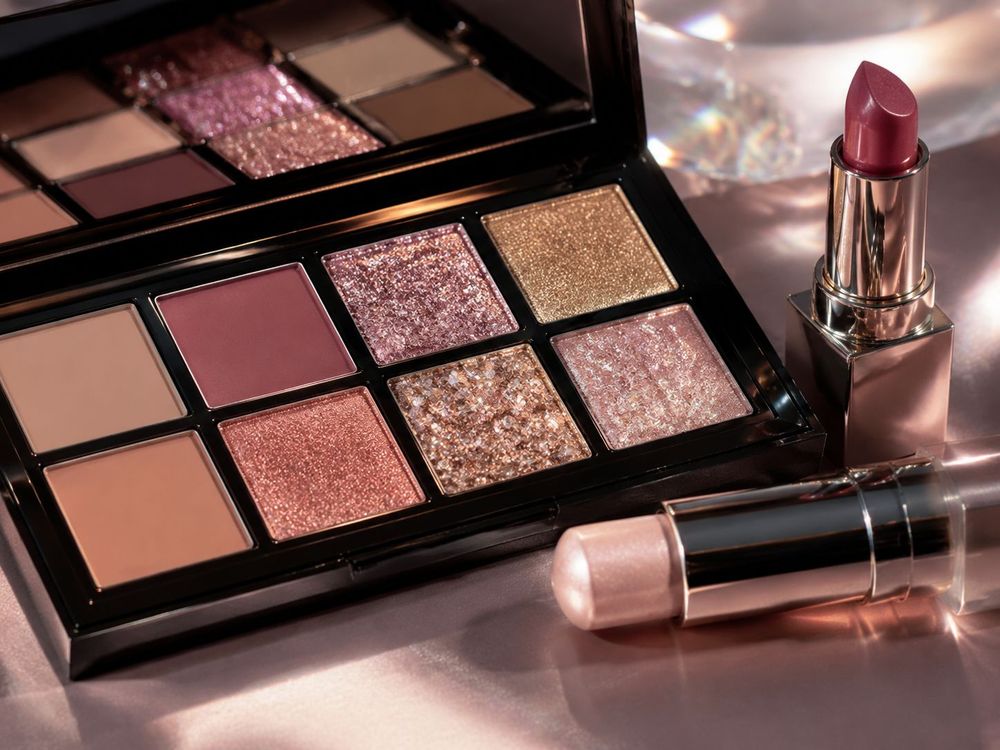
Selecting the right cosmetic pigment requires matching particle size, substrate chemistry, and regulatory status to your specific product format and target market. At Kolortek, our cosmetic pigment selection guide covers everything from natural shimmer mica to color-travel interference pigments — each chosen to meet both performance and compliance requirements. Whether you are formulating an eyeshadow palette or a premium highlighter, the correct pigment selection for cosmetics is the single most critical variable in achieving the visual effect your brand promises.
Read More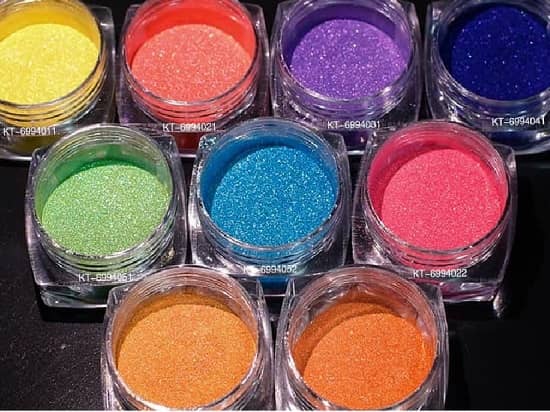
Cosmetic grade pearl pigment from Kolortek is manufactured to meet the heavy metal and microbiological limits required by major regulatory frameworks — EU EC 1223/2009, US FDA, China CSAR, and Japan MHLW — and is available across three substrate platforms: natural mica, synthetic mica (fluorphlogopite), and borosilicate glass. Particle sizes range from 5–25 μm for smooth foundation-grade finishes up to 60–300 μm for bold highlighter and loose powder sparkle. As a direct manufacturer with 20+ years in effect pigments, we supply pearlescent pigment in volumes ranging from sampling quantities through full production runs, with TDS, COA, SDS, INCI declarations, and heavy metal test reports provided as standard.
Read More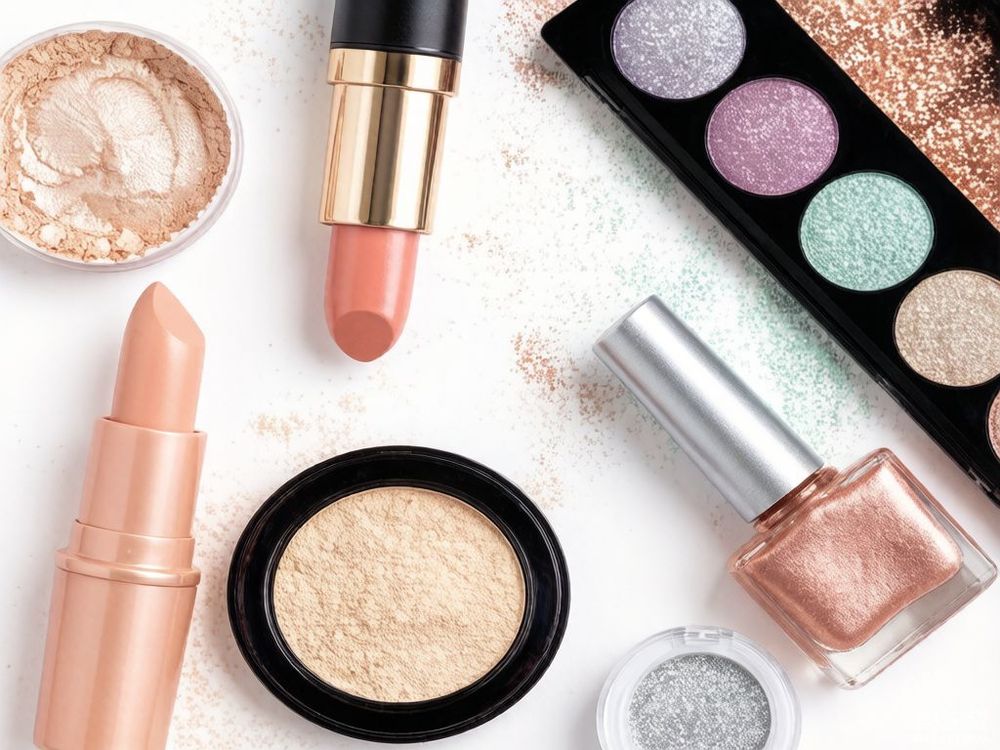
Pearl pigment for cosmetics delivers the luminous, multi-dimensional shimmer that defines modern color cosmetics — from eyeshadows and highlighters to lip glosses and tinted moisturizers. At Kolortek, we formulate cosmetic pearl solutions across mica-based, borosilicate, and synthetic fluorphlogopite substrates, each engineered to meet specific performance, regulatory, and aesthetic requirements. Selecting the right cosmetic pigment depends on particle size, substrate chemistry, surface treatment, and the market's regulatory framework.
Read More
 English
 Français
 Deutsch
 Русский
 Español
 Português