
Leave A Message
If you are interested in our products and want to know more details,please leave a message here,we will reply you as soon as we can.
Cosmetic Pigments for Face Eyeshadow Foundation Formulations

Selecting the right cosmetic pigment powder for face and eye formulations requires balancing color performance, skin compatibility, and regulatory compliance across powder, cream, and liquid systems. From pearlescent shimmer and metallic finishes to flat matte coverage, eyeshadow pigment powder and foundation pigment systems each demand different base materials, surface treatments, and dispersibility profiles. These pigments are used across pressed powders, loose eyeshadows, liquid foundations, blushers, and highlighters — anywhere precise color payoff and a reliable skin feel are non-negotiable.
Item No. :
Cosmetic Pigments for Eye and FaceBrand :
Kolortek / OEMApplication :
CosmeticFace and eye formulations represent two distinct but often overlapping segments of decorative cosmetics. Foundation and face powder formulations prioritize coverage, skin tone matching, and a natural or satin finish. Eyeshadow systems, by contrast, are where effect pigments — pearls, duochromes, holographics, metallics — take the lead. The two categories share some common workhorses: iron oxides for base coloration, titanium dioxide for opacity, and mica-based pearlescents for luminosity. But the pigment loading, particle characteristics, and surface treatment requirements differ substantially between a skin-tone-matched foundation and a high-impact eye look.
In practice, a supplier working across both segments needs a portfolio that spans raw functional fillers, matte colorants, compliant D&C lakes, and a range of effect pigments — not just a single product line.
Pigments in face and eye cosmetics serve multiple simultaneous roles. Understanding how these roles interact is key to building a stable, high-performing formula.
Not every pigment type is appropriate for every face or eye formula. Below is a practical mapping of pigment systems to application categories:
| Formulation Type | Primary Pigment Systems | Functional Support Materials | Typical Effects |
|---|---|---|---|
| Liquid / Cushion Foundation | Iron oxides, TiO₂, surface-treated iron oxides | Silicone-treated TiO₂, dimethicone-treated mica | Natural coverage, skin-tone match |
| Pressed / Loose Face Powder | Iron oxides, ultramarines, pearlescent mica | Boron nitride, sericite mica, magnesium stearate | Matte to satin finish, soft focus |
| Blusher / Bronzer | Iron oxide red/brown, D&C lakes, pearl pigments | Mica powders, carnauba wax-treated mica | Warm flush, shimmer, glow |
| Pressed Eyeshadow | Pearl multicolor series, interference series, D&C lakes | Treated sericite, magnesium myristate | Shimmer, metallic, pearlescent |
| Loose / Glitter Eyeshadow | Holographic, duochrome chameleon, borosilicate, cosmetic glitters | Synthetic mica base, biodegradable glitter | High-sparkle, color-shifting, rainbow |
| Highlighter / Illuminator | Silver, gold, metallic luster series, borosilicate (DreamStar) | Synthetic fluorphlogopite mica | Intense glow, mirror-like metallic |
Surface Treatment Matters More Than Base Color
Raw, untreated iron oxide or mica in a water-based foundation will agglomerate and resist uniform dispersion. Surface-treated variants — silicone-coated, dimethicone-treated, or triethoxycaprylylsilane-treated — provide dramatically better dispersibility in both aqueous and oil-continuous systems. In pressed powder systems, treated pigments also reduce the dry, chalky feel that untreated oxides can produce at high loading.
Opacity vs. Effect: A Real Trade-off
High-coverage foundation systems rely on titanium dioxide and opaque iron oxides. But heavy TiO₂ loading competes directly with any pearlescent effect you're trying to build in — the opacity masks the interference color. If a luminous foundation is the goal, the TiO₂ loading needs to be moderated and complemented with transparent pearlescent pigments rather than opaque oxides.
Regulatory Compliance by Target Market
The approved colorant list differs between the US FDA, EU Cosmetics Regulation, and Japanese standards. A D&C lake that's eye-approved in the US may not have the same status in the EU. Pigments used in face-and-eye multicolor series need to be formulated with specific colorant combinations to pass in each target market. This is not a detail — getting it wrong means product recalls or market entry failure. Kolortek's cosmetic multicolor series (68800, 699000, 660000, 706000 series, among others) are developed specifically to address these regional compliance differences.
Batch-to-Batch Consistency
For foundation pigments especially, color consistency across production batches is critical. A shade variation that's visually imperceptible in an eyeshadow pan can be immediately noticeable when applied as a face foundation. Cosmetic-grade iron oxides need tight color specifications — and suppliers need to provide COA data batch by batch.
Dispersion in Pressed Powder Systems
In pressed eyeshadow and face powder systems, the binder is usually a combination of wax or ester and the filler network. Pearlescent pigments and flake-based effect pigments — holographics, duochromes — require gentle mixing to preserve platelet orientation. High-shear blending fractures the flake geometry and kills the visual effect. Use ribbon blenders or low-RPM paddle mixers when incorporating larger flake materials. For iron oxides and matte pigments, thorough dispersion is needed to prevent specking; these can tolerate more aggressive mixing.
Liquid Foundation and Emulsion Systems
In oil-in-water emulsion foundations, hydrophilic pigments disperse into the water phase, while silicone- or silane-treated pigments are better matched to the oil phase. Mixing a hydrophilic iron oxide directly into the oil phase causes dispersion problems and pigment agglomeration. Match the surface treatment of the pigment to the intended phase. Triethoxycaprylylsilane-treated iron oxides perform well in both phases and provide better rub-off resistance in the final film.
Cosmetic Fillers: Not Optional
Boron nitride, silica microspheres, and magnesium myristate are often treated as secondary ingredients, but in practice they define the sensory experience of a face powder or eyeshadow. Boron nitride provides a dry, silky slip that synthetic mica alone cannot replicate. Silica microspheres create a soft-focus effect by scattering light — useful in setting powders and skin-perfecting foundations. Leaving these out to cut cost typically results in consumer complaints about texture before color is even evaluated.
Special Effect Pigments in Eye Systems
Duochrome, holographic, and color-shifting pigments are used at relatively low loading rates in eye formulations — typically 5–30% depending on intensity target — because their visual contribution is strong even at modest levels. One limitation is that many of these effects are viewing-angle dependent and can appear muted when loaded into a highly opaque or matte base. Keep the carrier medium as transparent as possible for maximum effect visibility. For glow-in-the-dark or fluorescent pigments in decorative eye looks, confirm eye-area regulatory compliance before finalizing the formula.
| Pigment Type | Visual Effect | Best Use | Limitation |
|---|---|---|---|
| Iron Oxide | Matte, opaque color | Foundation, contour, matte eye | No shimmer; needs surface treatment for liquid systems |
| Natural Mica Pearl | Pearlescent shimmer | Eyeshadow, blush, highlighter | Minor variation in natural mica batches |
| Synthetic Mica Pearl | High-brightness shimmer, clean white | High-end eyeshadow, luminous foundation | Higher cost than natural mica |
| Borosilicate Pearl | Glass-like sparkle, bright interference | Highlighter, dimensional eyeshadow | Less coverage; needs transparent base |
| Duochrome / Chameleon | Angle-dependent color shift | Eyeshadow, face art, special collections | Effect reduced in opaque or high-TiO₂ bases |
| Holographic | Rainbow spectrum sparkle | Loose eyeshadow, face glitter | Confirm eye-area approval; mixing with other pigments can muddy the effect |
| D&C / FD&C Lakes | Vibrant, saturated matte color | Bright eyeshadow shades, blusher | Strict regional approval requirements; not all eye-approved |
| Cosmetic Fillers | No color; tactile improvement | All pressed and loose powders | Over-use dilutes color payoff |
Q: What is the difference between natural mica and synthetic mica for eyeshadow applications?
Natural mica is mined, processed, and coated — it carries minor color variance batch to batch due to its mineral origin. Synthetic mica (fluorphlogopite) is manufactured under controlled conditions, resulting in a purer white base that produces brighter, more vivid interference colors. For high-end eyeshadow or any application where color precision matters, synthetic mica provides more consistent results. That said, natural mica is widely used and performs well in the majority of standard eyeshadow and face powder formulations.
Q: Which pigments are approved for use around the eye area?
This depends entirely on the target market. In the US, the FDA maintains a specific positive list for color additives approved for eye-area use — not all D&C lakes make the cut, and some widely used cosmetic colorants are face-only. The EU operates under a separate annex system. Japan has its own approved list. Iron oxides, mica-based pearlescents, ultramarines, and chromium green oxide are generally eye-approved across major markets, but always verify against the current regulatory status for your specific market before finalizing a formula.
Q: How do I maintain color consistency across production batches for foundations?
Request COA data — specifically L*a*b* color coordinates — for every batch of iron oxide received. Set acceptable tolerance ranges and reject batches outside spec before they enter production. Cosmetic-grade iron oxides from reputable manufacturers carry batch-to-batch tolerances significantly tighter than industrial grade. Also standardize your dispersion process: mixing speed, time, and order of addition all affect final color development. A batch that looks off may actually be a dispersion inconsistency rather than a pigment issue.
Q: Can the same pigment powder work for both foundation and eyeshadow formulations?
Some can, but "cosmetic grade" alone is not sufficient criteria. A pearlescent mica pigment used in a face highlighter may also work in an eyeshadow if it carries eye-area approval and the particle characteristics are compatible. However, iron oxides used in foundation may not be approved for direct eye contact in all markets. Surface treatments suitable for oil-based foundations may not perform the same way in pressed powder eyeshadows. Always evaluate regulatory approval, surface treatment compatibility, and formulation performance separately for each application — even when using the same base pigment.
Work with a Supplier Who Understands Formulation — Not Just Pigment
Whether you're developing a new foundation shade range, building a high-impact eyeshadow palette, or reformulating a face product to meet updated EU or US compliance requirements, the pigment selection directly determines what's achievable. Kolortek supplies cosmetic-grade colorants, effect pigments, treated fillers, and D&C/FD&C lakes across the full face and eye application spectrum — with formulation guideline support, COA, MSDS, TDS, and relevant certifications including ISO 9001, REACH, SGS, TÜV SÜD, Kosher, and Cruelty-free.
To request samples, discuss regulatory documentation for your target market, or get technical input on a specific formulation challenge, contact us at contact@kolortek.com.
Selecting the right cosmetic pigment powder for face and eye formulations requires balancing color performance, skin compatibility, and regulatory compliance across powder, cream, and liquid systems. From pearlescent shimmer and metallic finishes to flat matte coverage, eyeshadow pigment powder and foundation pigment systems each demand different base materials, surface treatments, and dispersibility profiles. These pigments are used across pressed powders, loose eyeshadows, liquid foundations, blushers, and highlighters — anywhere precise color payoff and a reliable skin feel are non-negotiable.
Read More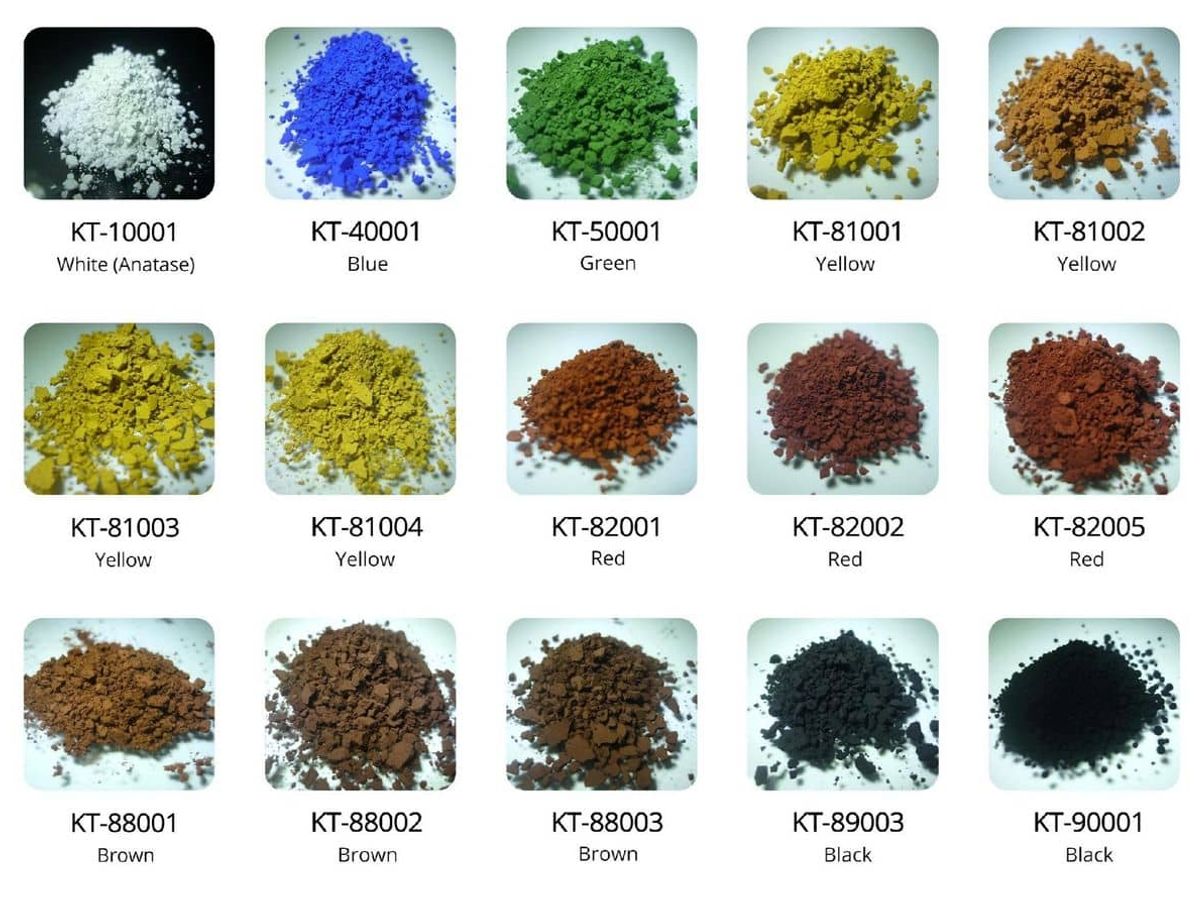
Matte cosmetic pigments — including iron oxides, ultramarines, and D&C Lakes — are the foundational colorants behind face powders, foundations, eyeshadows, and skin-tone blushers that require a flat, non-reflective finish. Cosmetic iron oxide in yellow, red, black, and brown grades delivers reliable, skin-safe color across a wide tonal range, while oxide pigment foundation formulations depend on these same materials for consistent coverage and smooth skin integration. Unlike effect pigments, these matte oxides absorb rather than reflect light, making them the go-to choice wherever a velvety, diffused color result is required.
Read More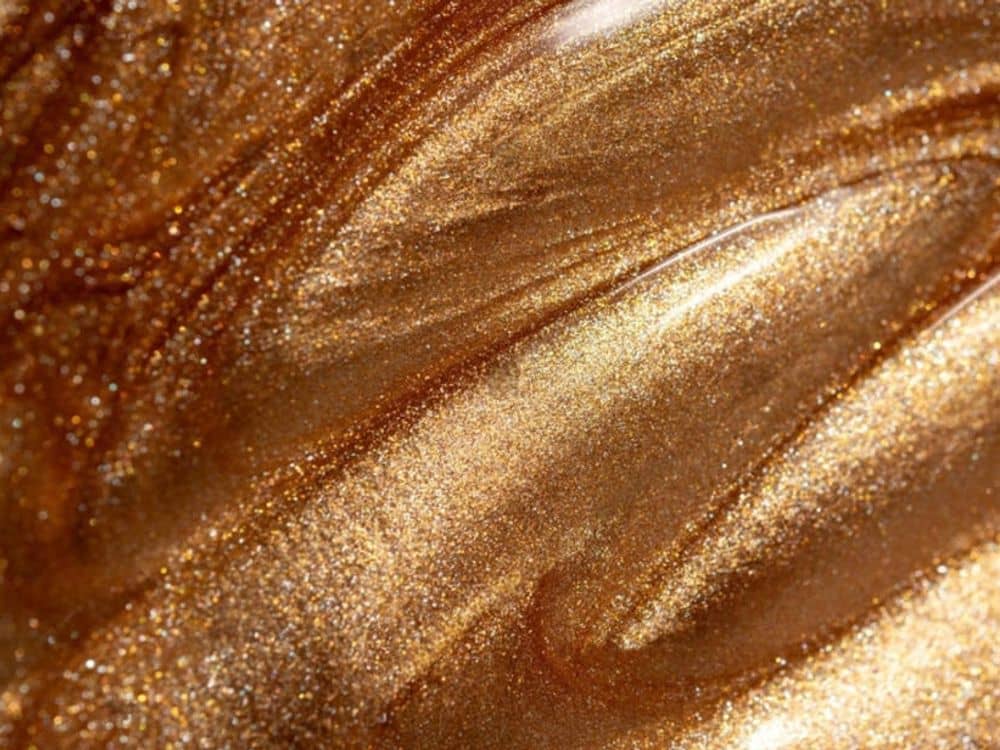
Decorative cosmetics rely on shimmer pigment powder to deliver the dimensional brilliance consumers expect — from soft satin glows in face powders to high-intensity metallic flashes in eyeshadow palettes. Pearlescent, holographic, color-shifting, and glitter-type pigments are the primary effect systems used, each serving a distinct visual role across eye, lip, face, and nail formats. When the formulation demands depth, sparkle, or chameleon color movement, selecting the right decorative cosmetic colorant is the core technical decision.
Read More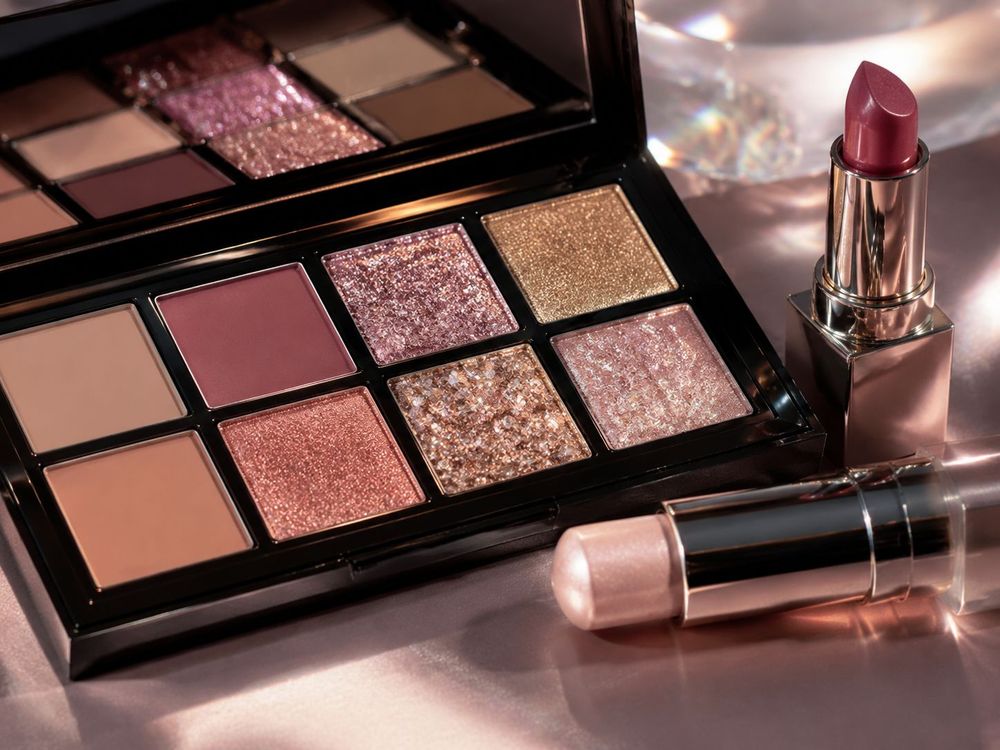
Selecting the right cosmetic pigment requires matching particle size, substrate chemistry, and regulatory status to your specific product format and target market. At Kolortek, our cosmetic pigment selection guide covers everything from natural shimmer mica to color-travel interference pigments — each chosen to meet both performance and compliance requirements. Whether you are formulating an eyeshadow palette or a premium highlighter, the correct pigment selection for cosmetics is the single most critical variable in achieving the visual effect your brand promises.
Read More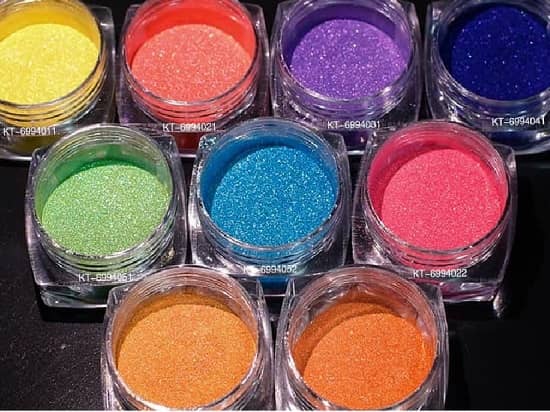
Cosmetic grade pearl pigment from Kolortek is manufactured to meet the heavy metal and microbiological limits required by major regulatory frameworks — EU EC 1223/2009, US FDA, China CSAR, and Japan MHLW — and is available across three substrate platforms: natural mica, synthetic mica (fluorphlogopite), and borosilicate glass. Particle sizes range from 5–25 μm for smooth foundation-grade finishes up to 60–300 μm for bold highlighter and loose powder sparkle. As a direct manufacturer with 20+ years in effect pigments, we supply pearlescent pigment in volumes ranging from sampling quantities through full production runs, with TDS, COA, SDS, INCI declarations, and heavy metal test reports provided as standard.
Read More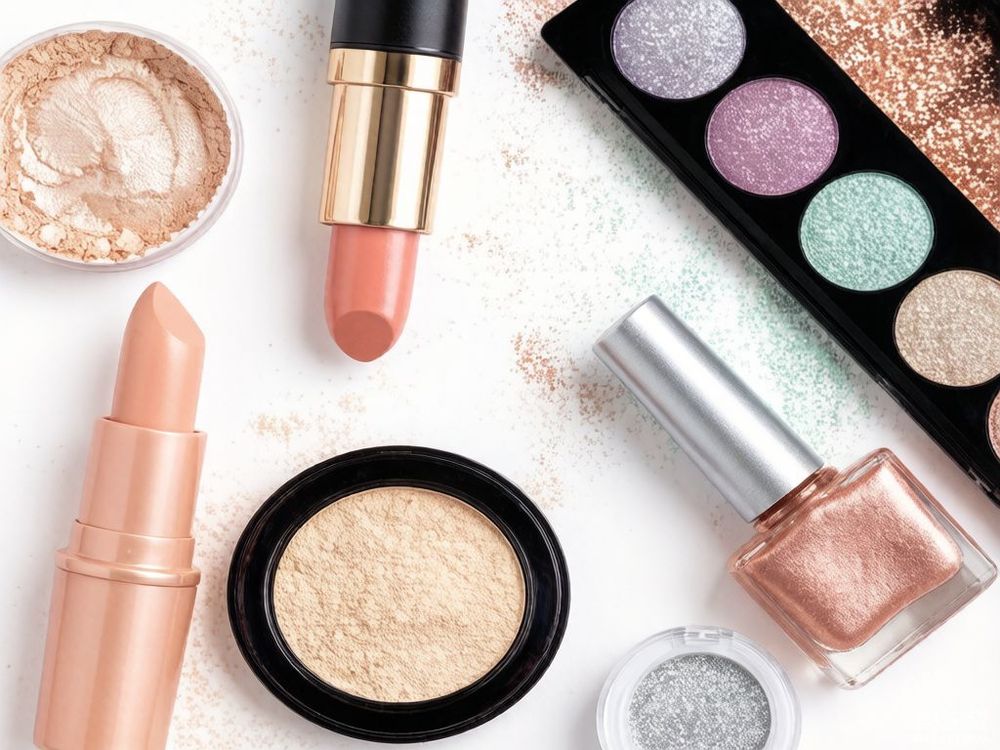
Pearl pigment for cosmetics delivers the luminous, multi-dimensional shimmer that defines modern color cosmetics — from eyeshadows and highlighters to lip glosses and tinted moisturizers. At Kolortek, we formulate cosmetic pearl solutions across mica-based, borosilicate, and synthetic fluorphlogopite substrates, each engineered to meet specific performance, regulatory, and aesthetic requirements. Selecting the right cosmetic pigment depends on particle size, substrate chemistry, surface treatment, and the market's regulatory framework.
Read More
 English
 Français
 Deutsch
 Русский
 Español
 Português