
Leave A Message
If you are interested in our products and want to know more details,please leave a message here,we will reply you as soon as we can.
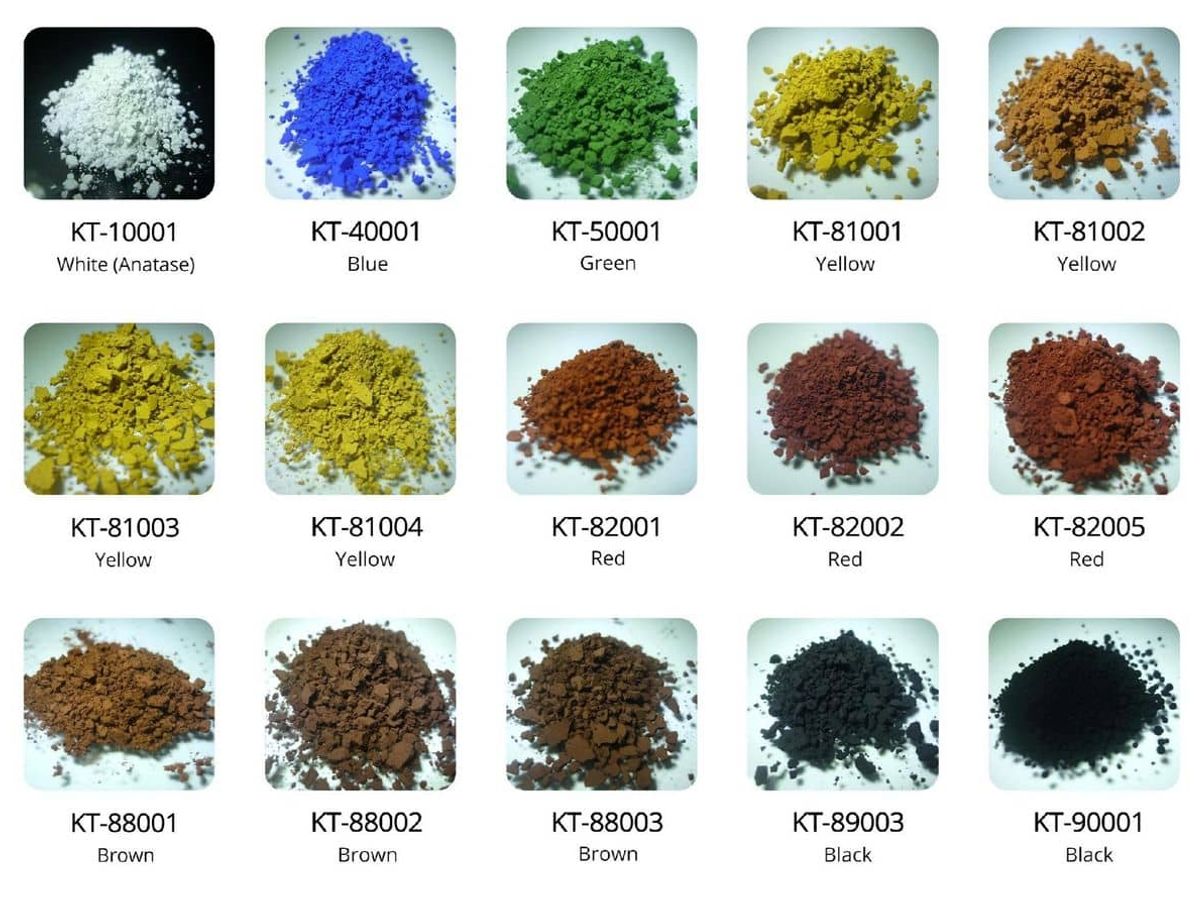
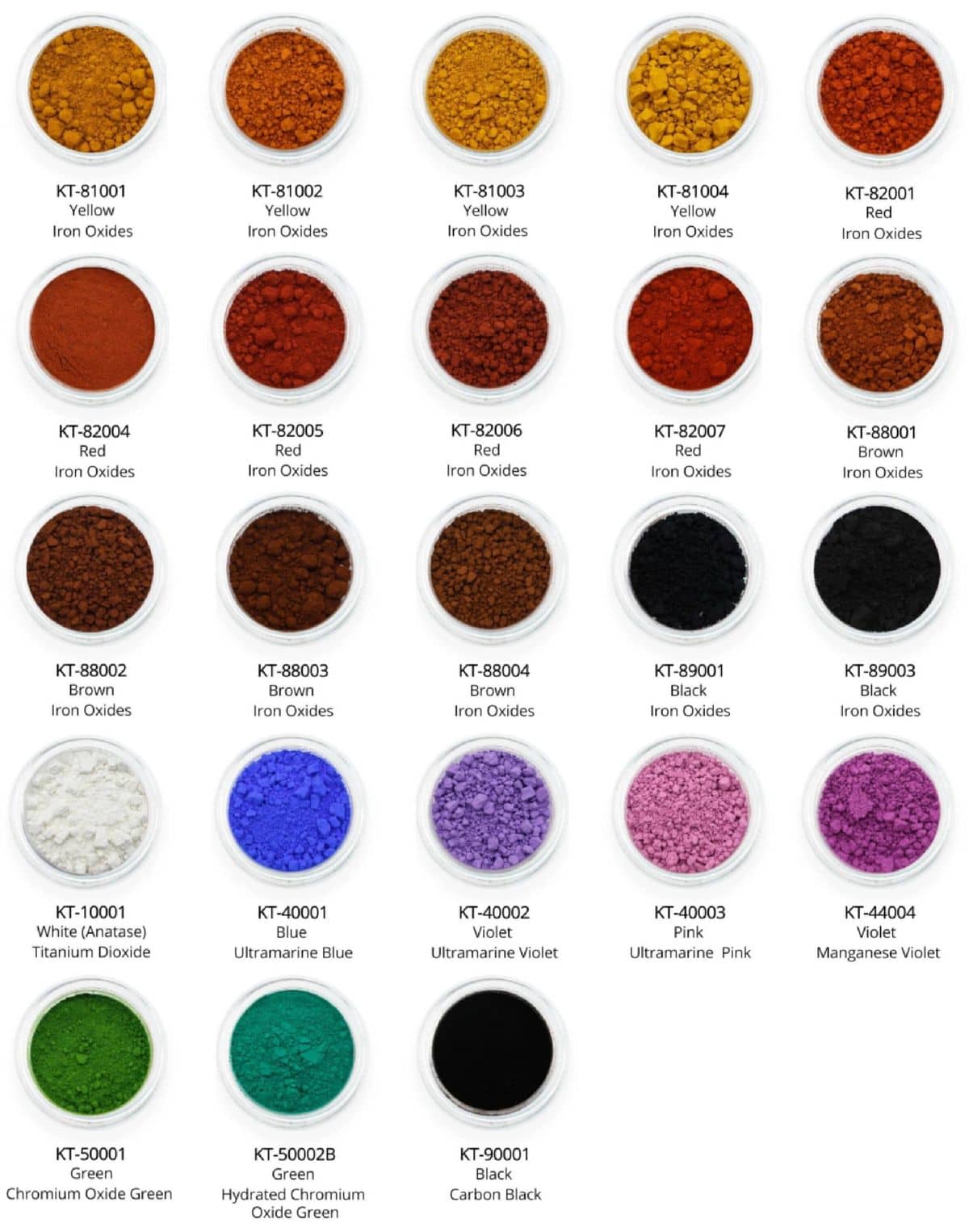
Matte cosmetic pigments — including iron oxides, ultramarines, and D&C Lakes — are the foundational colorants behind face powders, foundations, eyeshadows, and skin-tone blushers that require a flat, non-reflective finish. Cosmetic iron oxide in yellow, red, black, and brown grades delivers reliable, skin-safe color across a wide tonal range, while oxide pigment foundation formulations depend on these same materials for consistent coverage and smooth skin integration. Unlike effect pigments, these matte oxides absorb rather than reflect light, making them the go-to choice wherever a velvety, diffused color result is required.
Item No. :
Cosmetic Matte PigmentsColor Effect :
MatteComposition :
Iron Oxide & OxideBrand :
Kolortek / OEMMOQ :
10KGApplication :
CosmeticIn practice, cosmetic-grade matte oxides appear across nearly every category of face and eye makeup. Foundations and BB creams rely on iron oxide blends to build accurate skin-tone matching — typically a controlled combination of yellow, red, and black to shift warmth, depth, and undertone simultaneously. Face powders use the same palette but demand finer dispersion and lower oil absorption to avoid patchiness on skin.
Eyeshadow and eyeliner formulations extend into ultramarines (blue, violet, pink), chromium green oxide, hydrated chromium oxide, manganese violet, and carbon black — each contributing a specific hue range that iron oxides alone cannot cover. Mascaras lean heavily on carbon black for depth, with iron oxide black added when a softer, less harsh tone is preferred.
Nail products are a distinct use case. A matte nail finish behaves differently from a face formula — the film-forming resin system is solvent-based, and achieving a stable matte texture in a cured film requires pigments specifically adapted to that matrix. Dedicated matte nail pigment series (M601, M602, M603 ranges) address this, alongside iron oxides and D&C Lakes formulated for nail application.
Cosmetic matte oxides do three things in a formulation:
That said, raw untreated oxides present two practical challenges: high oil absorption and a rough surface texture that can feel scratchy or uneven on skin. These are real formulation issues, not cosmetic ones.
| Pigment Type | Color Range | Primary Application | Notes |
|---|---|---|---|
| Iron Oxides (Yellow, Red, Black, Brown) | Warm earth tones | Foundation, powder, blush, liner | Core skin-tone colorants; treated versions improve skin feel |
| Titanium Dioxide | White / opacity | Foundation, face powder | Controls tint base opacity; blends with iron oxides |
| Ultramarines (Blue, Violet, Pink) | Cool blues, violets | Eyeshadow, eyeliner | Not compatible with acidic formulations |
| Chromium Green Oxide / Hydrated Chromium Oxide | Olive to cool green | Eyeshadow, liner | Different tonal warmth between anhydrous and hydrated forms |
| Manganese Violet | Violet | Eyeshadow, blush | Stable in most cosmetic pH ranges |
| Carbon Black | Deep black | Mascara, liner | High tinting strength; requires careful dispersion |
| D&C Lakes | Broad spectrum | Lip, eye, blush, nail | Extends color gamut; regulated by region |
| Treated Iron Oxides (Triethoxycaprylylsilane) | Yellow, Red, Black | Foundation, face powder, skincare | Improved skin feel, reduced oil absorption |
Purity and heavy metal compliance are non-negotiable. All natural color oxides must be screened to remove harmful impurities — arsenic, lead, mercury, antimony — to meet cosmetic-grade requirements. This is a regulatory threshold, not just a quality preference.
Oil absorption matters significantly in pressed powder and foundation formats. Raw iron oxide typically shows relatively high oil absorption, which affects how much binder you need and how the formula sets on skin. Formulators working on long-wear or transfer-resistant products need to account for this when setting their pigment-to-binder ratio.
Batch-to-batch color consistency is critical for foundation shades. Even a slight shift in iron oxide hue between lots will produce visible differences at the skin-tone matching level — a well-known challenge with natural oxide sources. Supplier-level quality control on this point is important to verify before scaling.
Regulatory status by market also varies. D&C Lakes in particular are approved or restricted differently across FDA (US), EU Cosmetics Regulation, and other regional frameworks. Confirm the status of each colorant for the target market before finalizing a formulation.
Surface treatment changes how oxides behave in a formula. Triethoxycaprylylsilane-treated iron oxides carry a hydrophobic silane coating that reduces their surface energy. In practice, this translates to easier wetting in oil-based systems, improved skin adhesion, and measurably lower oil absorption — which matters in compact powders where over-absorption leads to crumbly or hard-to-press product.
One limitation is that treated oxides behave differently in water-based or emulsion systems. The hydrophobic surface can cause agglomeration if dispersion is not properly managed. Pre-dispersing in a compatible oil phase before introducing water-phase components usually resolves this.
For nail formulations, the solvent system is typically nitrocellulose-based or waterborne UV-cure. Matte pigment powders designed specifically for nail matrices (M601, M602, M603 series) are better suited here than standard cosmetic oxides, which may not disperse cleanly or survive curing conditions. Standard iron oxides for nails — yellow, red, brown, black — are available as a more basic color option when matte texture is achieved through other means (e.g., matting agents in the resin).
Ultramarines are acid-sensitive. In any formulation with pH below about 5, they will decompose and lose color. This is a known limitation when formulating with vitamin C or AHA-based products. Manganese violet and iron oxides are more stable in these conditions.
| Property | Untreated Iron Oxide | Triethoxycaprylylsilane Treated |
|---|---|---|
| Skin feel | Can feel rough or draggy | Smoother, more skin-compatible |
| Oil absorption | Higher | Reduced |
| Compatibility with oil phase | Moderate | Improved wetting |
| Water phase dispersion | Easier | Requires additional dispersion care |
| Cost | Lower | Higher |
| Best for | Basic pigment coloring, budget formulations | Skin-contact products, long-wear, premium feel |
Q: What is the difference between cosmetic-grade and industrial-grade iron oxide?
Cosmetic-grade iron oxides undergo additional purification to remove heavy metal impurities — arsenic, lead, mercury — to levels compliant with regulations such as EU 1223/2009 and FDA 21 CFR. Industrial grades are not manufactured to these thresholds and should not be used in skin-contact applications.
Q: Can I use the same iron oxide blend across both foundation and eyeshadow formulations?
In principle, yes — the same cosmetic iron oxide grades can be used in both. In practice, eyeshadow formulations often require higher color intensity and different binder or mica ratios, so the performance at a given loading level will differ. The oxide blend itself is transferable; the surrounding formula needs separate optimization.
Q: Do treated iron oxides affect color strength or final shade?
Surface treatment adds a thin coating layer, which can slightly reduce mass tone intensity compared to untreated oxide. Typically this is minor and compensated by better dispersion — but if you're switching from untreated to treated grades in an existing formulation, run a side-by-side color comparison before finalizing the switch.
Q: Are D&C Lakes suitable for use in products sold in both the EU and US?
Not automatically. The approved D&C Lake list under FDA and the EU's Annex IV do not fully overlap. Several lakes approved in the US are not permitted in EU cosmetics and vice versa. If you are formulating for global distribution, verify each lake's status in every target market before including it in the formula.
Request Samples or Technical Support
If you are developing a foundation, powder, eyeshadow, or matte nail product and need to evaluate cosmetic-grade oxides or treated pigment options, sample requests and formulation guideline support are available. Technical documentation including TDS, COA, and MSDS can be provided on request.
Contact: contact@kolortek.com

Selecting the right cosmetic pigment powder for face and eye formulations requires balancing color performance, skin compatibility, and regulatory compliance across powder, cream, and liquid systems. From pearlescent shimmer and metallic finishes to flat matte coverage, eyeshadow pigment powder and foundation pigment systems each demand different base materials, surface treatments, and dispersibility profiles. These pigments are used across pressed powders, loose eyeshadows, liquid foundations, blushers, and highlighters — anywhere precise color payoff and a reliable skin feel are non-negotiable.
Read More
Matte cosmetic pigments — including iron oxides, ultramarines, and D&C Lakes — are the foundational colorants behind face powders, foundations, eyeshadows, and skin-tone blushers that require a flat, non-reflective finish. Cosmetic iron oxide in yellow, red, black, and brown grades delivers reliable, skin-safe color across a wide tonal range, while oxide pigment foundation formulations depend on these same materials for consistent coverage and smooth skin integration. Unlike effect pigments, these matte oxides absorb rather than reflect light, making them the go-to choice wherever a velvety, diffused color result is required.
Read More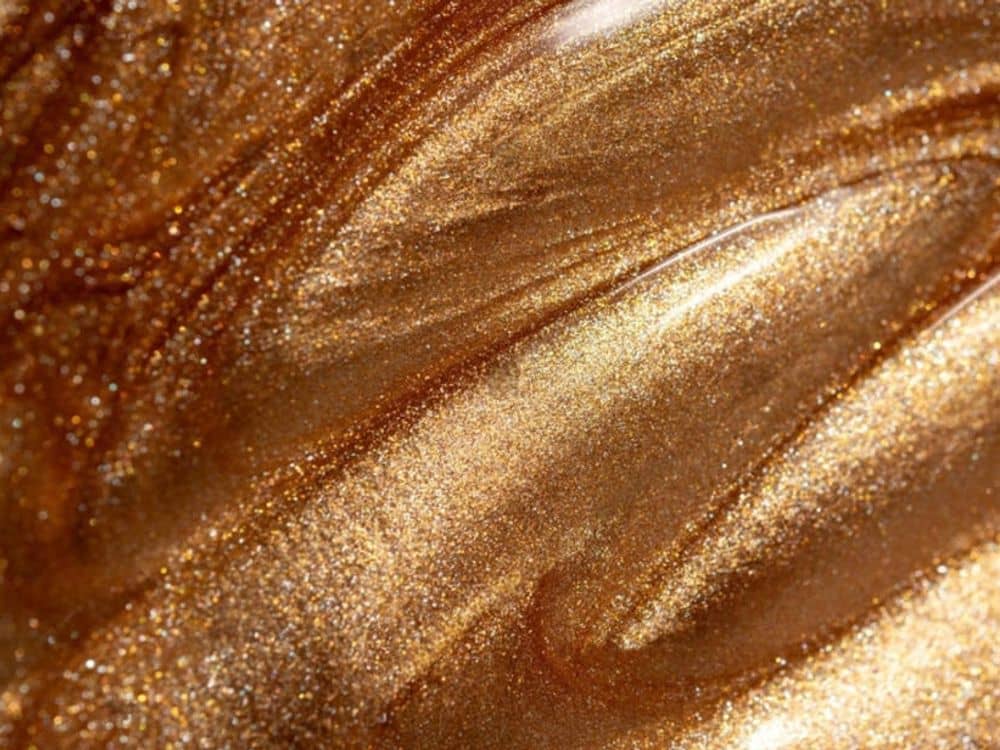
Decorative cosmetics rely on shimmer pigment powder to deliver the dimensional brilliance consumers expect — from soft satin glows in face powders to high-intensity metallic flashes in eyeshadow palettes. Pearlescent, holographic, color-shifting, and glitter-type pigments are the primary effect systems used, each serving a distinct visual role across eye, lip, face, and nail formats. When the formulation demands depth, sparkle, or chameleon color movement, selecting the right decorative cosmetic colorant is the core technical decision.
Read More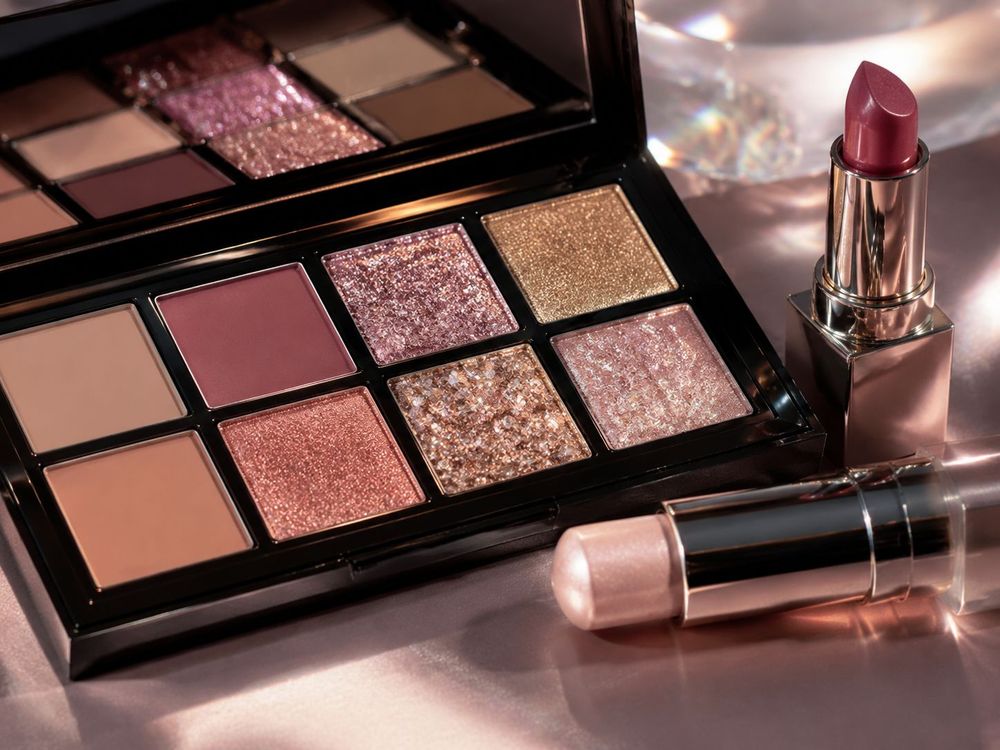
Selecting the right cosmetic pigment requires matching particle size, substrate chemistry, and regulatory status to your specific product format and target market. At Kolortek, our cosmetic pigment selection guide covers everything from natural shimmer mica to color-travel interference pigments — each chosen to meet both performance and compliance requirements. Whether you are formulating an eyeshadow palette or a premium highlighter, the correct pigment selection for cosmetics is the single most critical variable in achieving the visual effect your brand promises.
Read More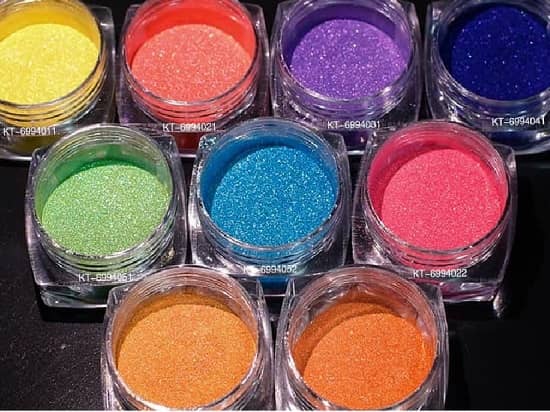
Cosmetic grade pearl pigment from Kolortek is manufactured to meet the heavy metal and microbiological limits required by major regulatory frameworks — EU EC 1223/2009, US FDA, China CSAR, and Japan MHLW — and is available across three substrate platforms: natural mica, synthetic mica (fluorphlogopite), and borosilicate glass. Particle sizes range from 5–25 μm for smooth foundation-grade finishes up to 60–300 μm for bold highlighter and loose powder sparkle. As a direct manufacturer with 20+ years in effect pigments, we supply pearlescent pigment in volumes ranging from sampling quantities through full production runs, with TDS, COA, SDS, INCI declarations, and heavy metal test reports provided as standard.
Read More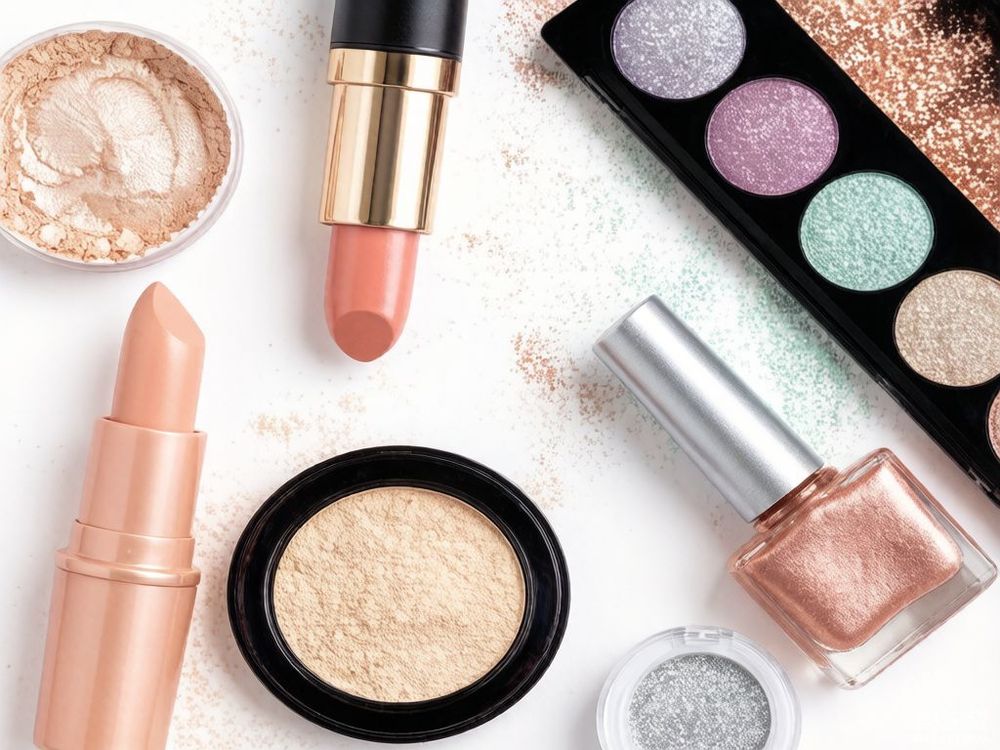
Pearl pigment for cosmetics delivers the luminous, multi-dimensional shimmer that defines modern color cosmetics — from eyeshadows and highlighters to lip glosses and tinted moisturizers. At Kolortek, we formulate cosmetic pearl solutions across mica-based, borosilicate, and synthetic fluorphlogopite substrates, each engineered to meet specific performance, regulatory, and aesthetic requirements. Selecting the right cosmetic pigment depends on particle size, substrate chemistry, surface treatment, and the market's regulatory framework.
Read More
 English
 Français
 Deutsch
 Русский
 Español
 Português