
Leave A Message
If you are interested in our products and want to know more details,please leave a message here,we will reply you as soon as we can.
Chameleon Pigment Supplier: Match the Grade to Your Process
A colour name crosses size bands; a code does not. Which range you need depends on substrate, film build and minimum order — three answers before price.
Item No. :
Magic Chameleon KT-9000 series; Chromashift K1 and S1 series, ChromaFlakes F95, S9 and F92; Chromashift Black Change DK and DKC1. Four separate ranges — the two largest share no code, so the range has to be named before a code can be quoted.Color Effect :
Angle-dependent colour travel — the perceived colour moves as the viewing angle changes. Magic Chameleon is mica-based; Chromashift is the optically variable range with a cosmetic-grade counterpart column; Black Change is tuned for dark substrates.Particle Size :
Magic Chameleon runs 5–25 μm to 50–500 μm. Chromashift runs 5–25 μm to 20–80 μm; its ChromaFlakes grades are cut film and carry a grade name instead of a micron figure.Composition :
Multi-layer interference pigment on a platelet substrate; grade-level composition and coating detail are given on the TDS for the specific code.Brand :
KolortekMOQ :
5 kg for Magic Chameleon; 0.1 kg for Chromashift and Black Change; 1 kg for cosmetic grade; 25 kg for a custom colour matchApplication :
Coatings and automotive refinish, printing inks, plastics, nail gel and colour cosmetics; cosmetic-grade counterparts sit in their own column beside the industrial codesA buyer sends one line: quote for chameleon pigment. Under that phrase sit several ranges that span 5 to 500 μm, and not one code appears in two of them. That is not a commercial trick — a colour name travels across size bands while a code does not. Nothing can be priced until your process picks the range, which is why the first question here is never about price.
Chameleon pigment is not one range here. Magic Chameleon is mica-based with a multi-layer oxide coating; Chromashift is the optically variable line and carries a cosmetic-grade counterpart column beside the industrial codes; Devil's Kiss is built for dark substrates. Put the first two side by side and the overlap is zero: not one code appears in both. A buyer comparing a price from each is not comparing suppliers — he is comparing two things that happen to share a colour vocabulary.
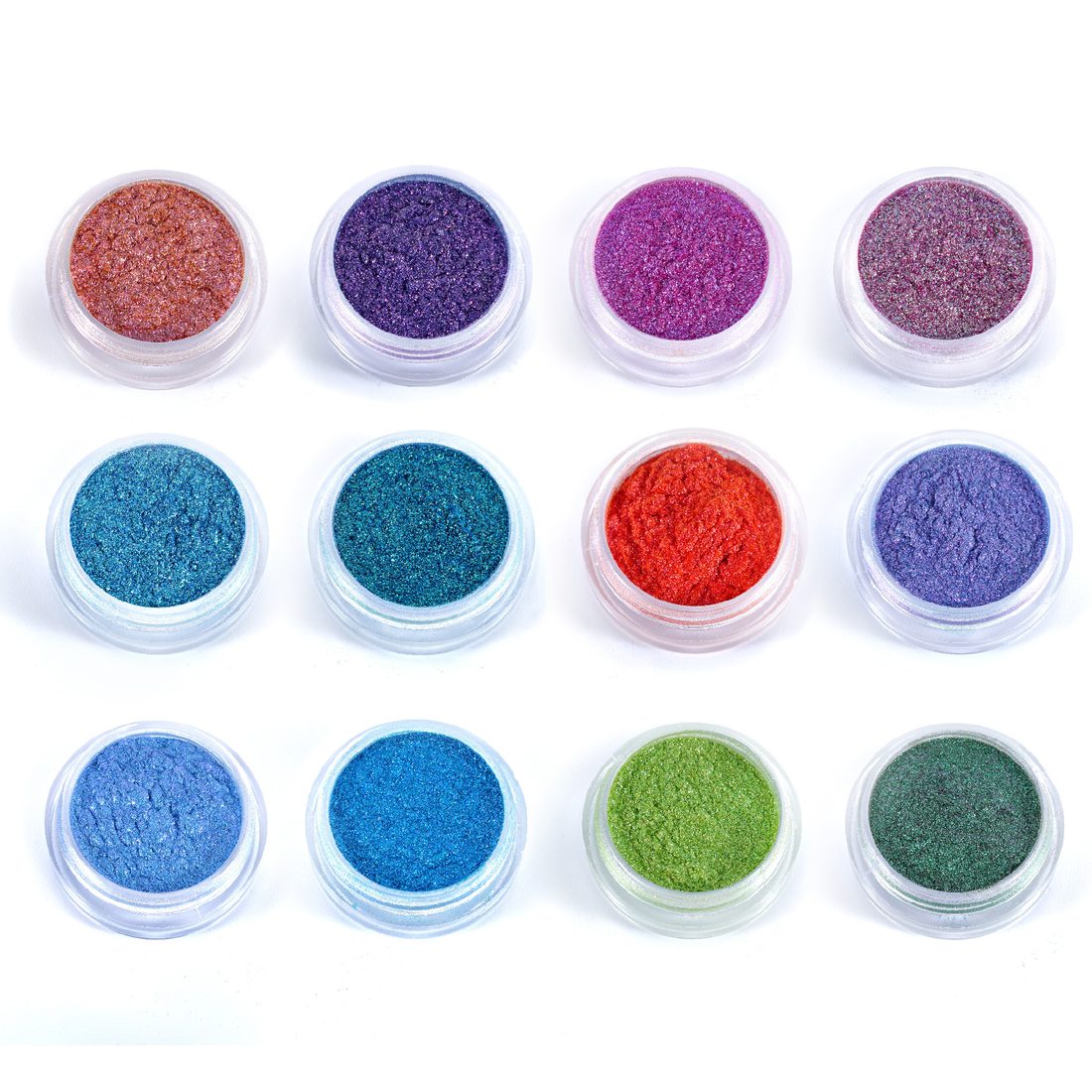
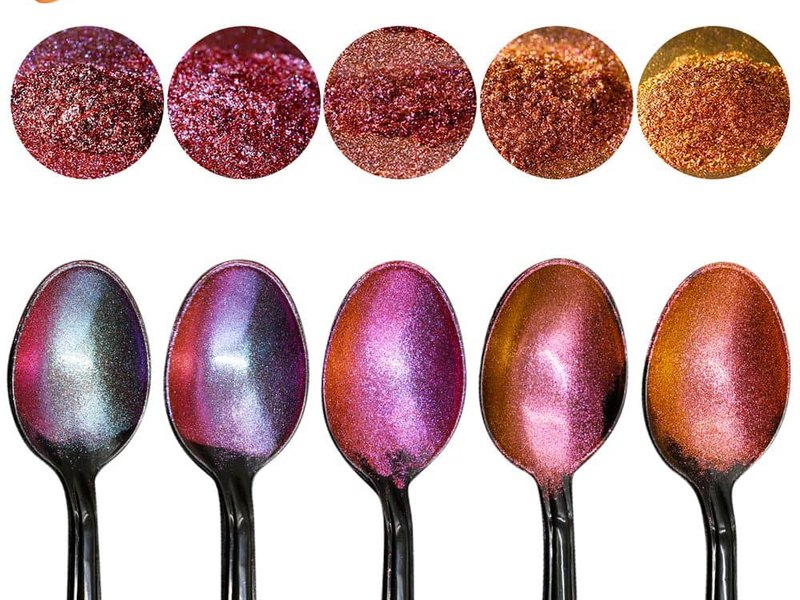
Fig. 1 — Magic Chameleon grades. Mica-based, multishift.
The difference that matters on the line is the substrate, not the name. Mica-based grades are graded platelets with a micron range attached; the optically variable line also includes cut film, sold by grade name because there is no range to give. Two orders that read identically on paper can arrive as different physical objects.
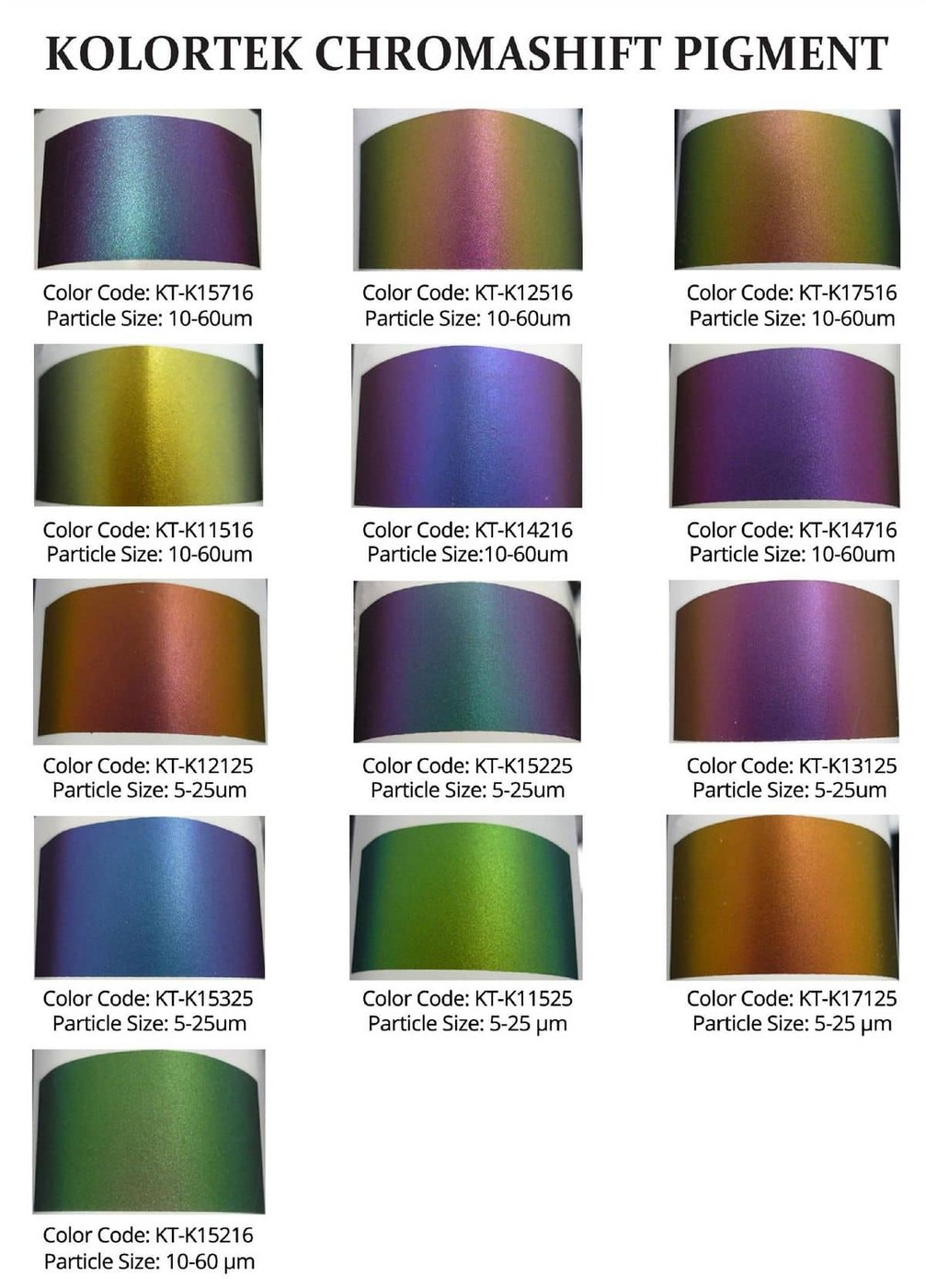
Fig. 2 — Chromashift grades. Optically variable, no overlap with Fig. 1.
A third option matters for anyone working on black. Devil's Kiss is the dark-substrate line, and the same grade that reads strongly on a black base reads weakly on white — the base colour decides whether the effect survives, far more than the loading does. If a sample looked right on a white card and dull on the part, this is the first thing to check.
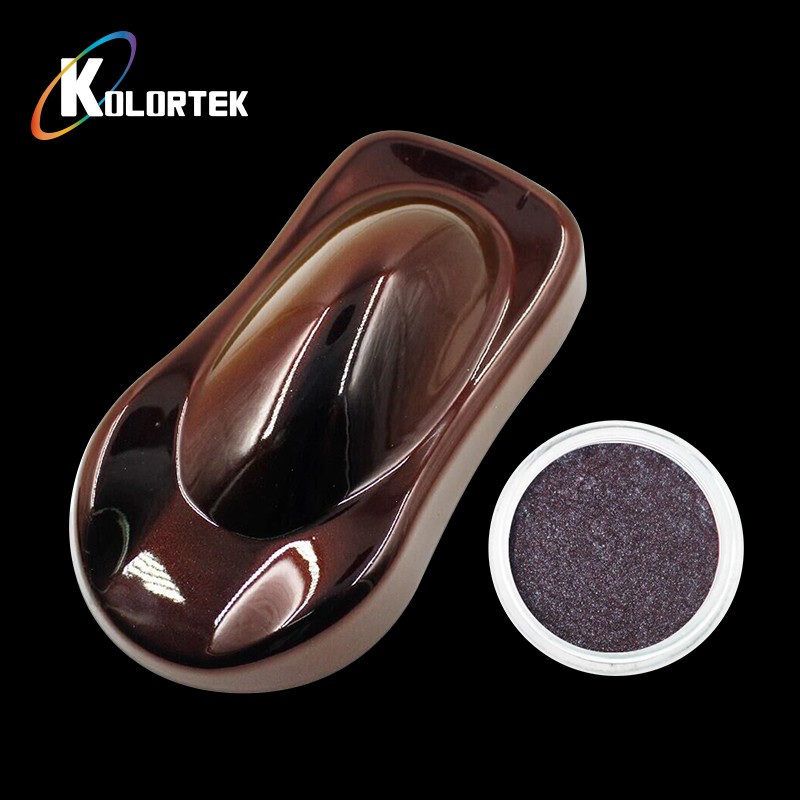
Fig. 3 — Devil's Kiss, built for dark substrates.
The practical risk sits in old price lists. A buyer working from a two-year-old sheet can quote a grade that has since been retired or pulled for unstable production, and only find out after winning the order. Send the code from your card and it is checked against the current list the same working day — that single step removes the whole category of failure.
The size column is not standardised, and that is a sourcing problem rather than a formatting one. One range runs from 5–25 μm at the fine end to 50–500 μm at the coarse, and two grades can sit four bands apart while sharing a colour name.
The optically variable line behaves differently again. Its flake grades carry no micron figure at all — the size field reads irregular large flakes. Those are cut film, not a graded platelet, so there is no μm value to give. Ask for one in microns and the question does not apply to the product.
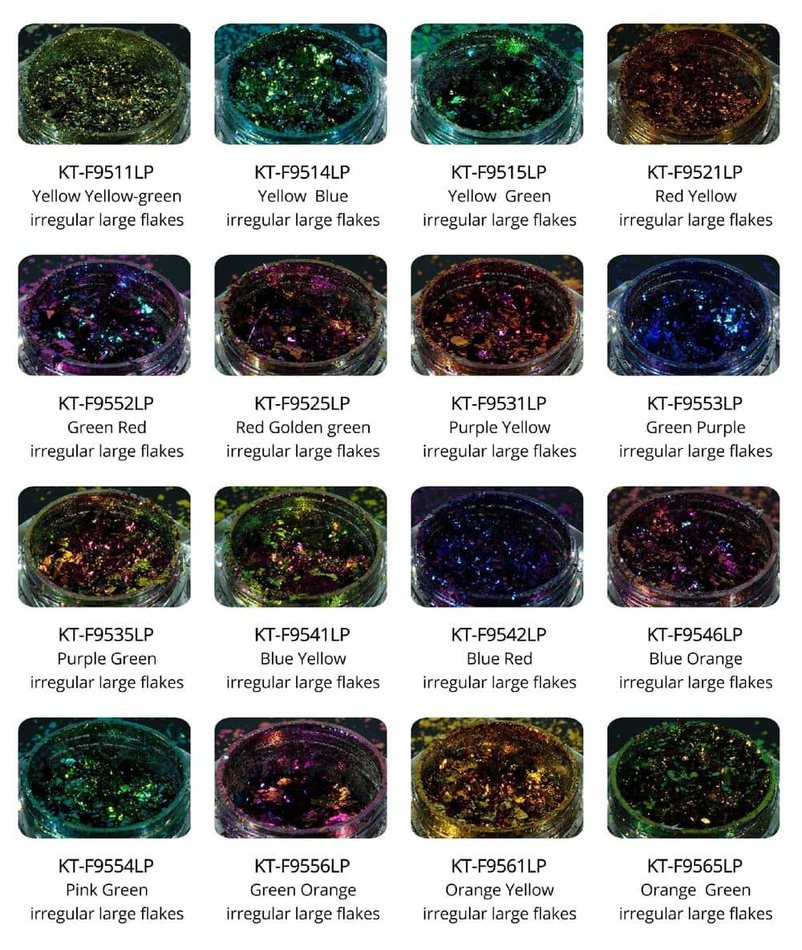
Fig. 4 — ChromaFlakes. Sold by grade name, not by a micron figure.
This is why the process gets asked about before the size. A spray gun, a gravure cylinder and a 180-mesh screen each reject a different band, and the rejection happens at the machine, not on the spec sheet. Describe the application and the answer comes back as the two or three grades that survive it.
A single colour name can return more than one grade. Blue-green/blue/violet/red describes a shift arc, not a particle — the grades behind it differ in nothing but size band, so the arc reads the same and the film behaviour does not.
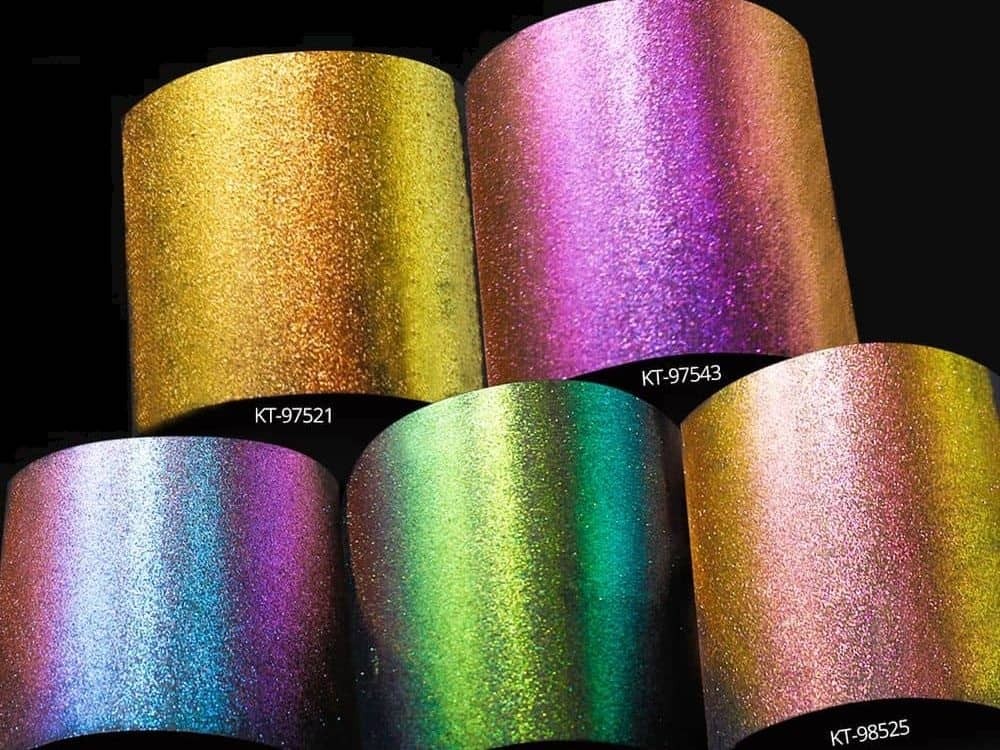
Fig. 5 — Colour card. One name, several grades behind it.
Repeat orders are where this bites. A buyer reorders by colour name, the warehouse ships the code on file, and the shift reads identical in the jar and different on the panel. When you reorder, quote the code, not the colour.
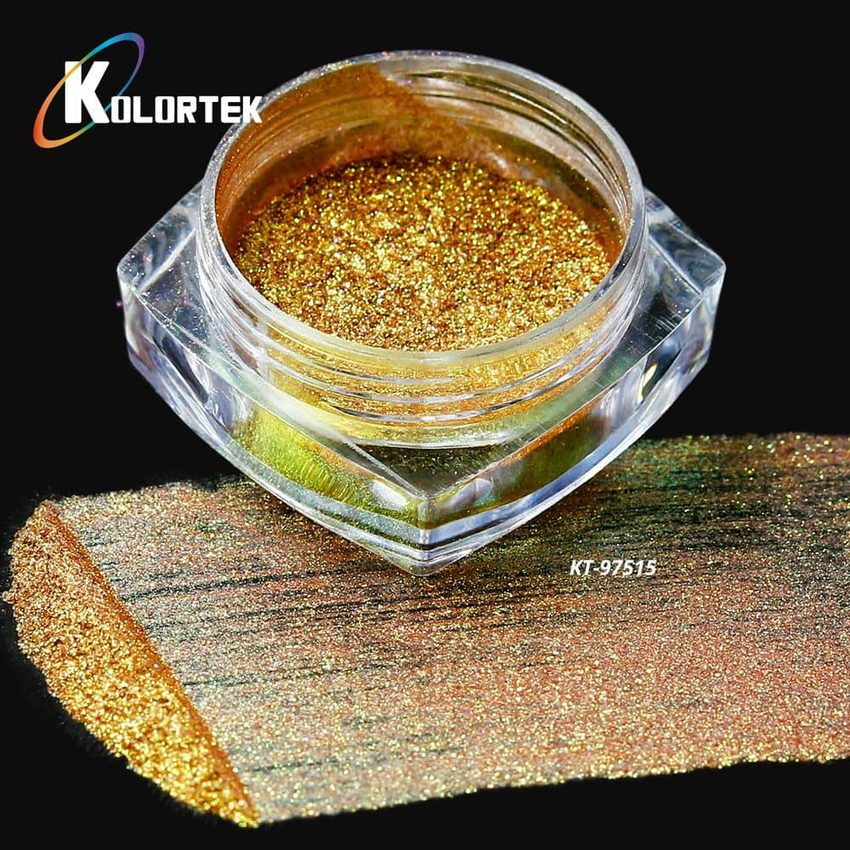
Fig. 6 — One grade in powder form. A colour card shows the shift; it cannot show which particle carries it.
Once the line is settled, the minimum order surprises people. Magic Chameleon starts at 5 kg; Chromashift starts at 0.1 kg, fifty times smaller. Cosmetic grade sits between at 1 kg, and a custom colour match goes back up to 25 kg. The gap is not a bargaining position: Chromashift is built in small precision batches, which is why a 100 g trial is realistic, while Magic Chameleon is a production grade where 5 kg is already the small end. Ordering 0.1 kg of it is not a discount conversation — there is no batch to draw from.
Stocked grades ship within two weeks; a scheduled grade or a custom match takes three to four weeks. Payment runs on online bank payment, T/T, Western Union or PayPal. For a first order we would rather see a small trial on your own substrate than a large one from a colour card.
Three answers turn an enquiry into a quotation. Without them any price we send is a guess, and a guess on a colour-shift material costs both sides a sample round.
The table below sorts the ranges by your situation rather than by our sheet. Read the left column first — it is the only one that decides anything.
| Your situation | Range to look at | Form | MOQ | Where it fails |
|---|---|---|---|---|
| Dark or black base | Devil's Kiss | Mica platelet | 0.1 kg | The same grade reads weak on white |
| Thin film, spray, tight build | Chromashift, fine end | Graded platelet, 5–25 μm | 0.1 kg | Coarse grades stand out at a fold |
| Largest sparkle, brush or cast | ChromaFlakes | Cut film flake | 0.1 kg | No μm figure exists to quote |
| Production volume, industrial | Magic Chameleon | Mica platelet, 5–500 μm | 5 kg | Entry batch is 50× the small lines |
| Cosmetic or nail gel | Cosmetic counterpart column | Graded platelet | 1 kg | The industrial code is not a substitute |
Minimum order belongs to the range, not to the order. A 0.1 kg trial from one and a 5 kg order from another are still two minimums in one shipment. For a first test the small lines are the cheaper way to find out which one your process keeps.
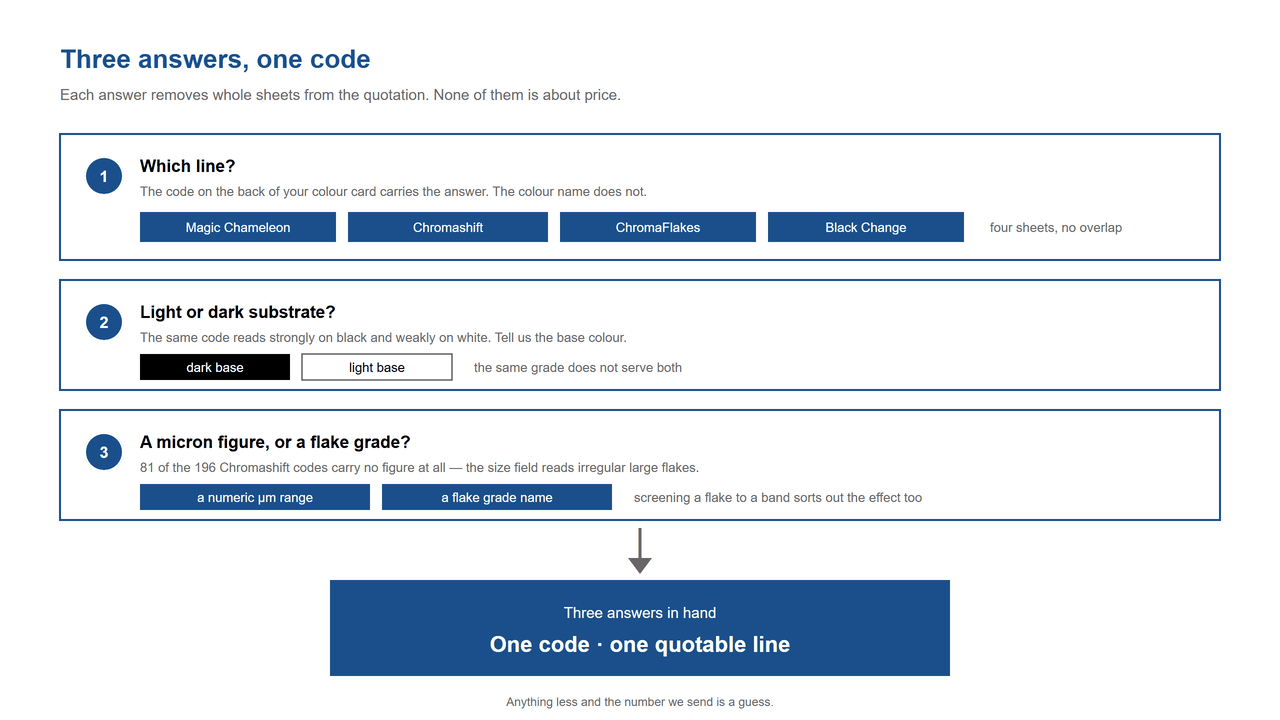
Fig. 7 — Three questions, one range. Everything after that is a number.
Both collections download as separate catalogues — Chameleon Collection and Chromashift Collection. Take the one matching the line you were quoted, not both: they do not overlap, and reading them together is what produces the wrong code. Category views sit at chameleon series and Chromashift pigment; a worked example of the mica-based line is on the colour shift powder series page. Trial quantities are arranged through a custom sample pack.
We hold an ISO 9001:2015 certified quality management system. Certificates and compliance documentation covering REACH, RoHS, Halal, Kosher and US FDA registration — together with independent SGS test reports — are provided on request for the required grade and target market. Tell us the grade, the application and the destination market, and we supply the matching documents.
Cosmetic-grade alternatives sit in their own column against the industrial codes, so the substitution is documented rather than assumed. Quote the counterpart code directly — ordering the industrial code and expecting it to clear for a cosmetic use is the one mistake here that cannot be fixed after the fact.
Yes, but the minimum applies per line, not per order. A 0.1 kg Chromashift and a 5 kg Magic Chameleon in one shipment are still two minimums. Buyers who test both usually start with the Chromashift trial because the entry size is smaller.
Usually yes, but check it before quoting. Grades get retired and some get pulled for unstable production, so a card from two years ago can still show a code that is no longer made. Send the code and its status comes back the same working day.
Because they are not graded platelets. ChromaFlakes are cut from a coated film, so the particle is irregular by construction and the sheet records a grade name instead of a range. Screening them to a micron band would sort out the effect along with the oversize.
No. They produce a comparable shift but not an identical one, and the difference shows up at oblique angles rather than face-on. That is the practical reason the two codes cannot be swapped mid-project even where the colour names read alike.
A colour name crosses size bands; a code does not. Which range you need depends on substrate, film build and minimum order — three answers before price.
Read More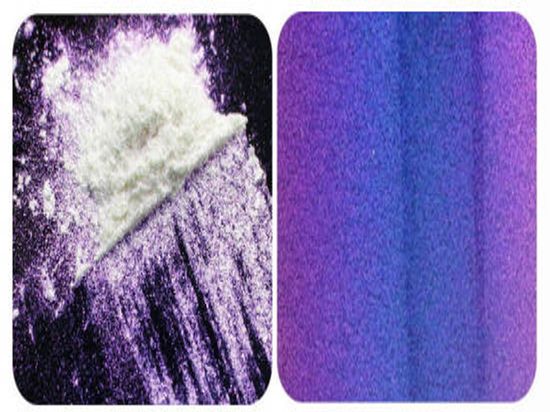
KT-92375 is a large-particle ghost chameleon pigment from Kolortek's KT-9000 Magic Chameleon Series, delivering a continuous five-stage color shift — indigo → purple → red → orange → yellow — as the viewing angle changes. Built on natural mica coated with titanium dioxide, silica, and tin oxide, it carries a particle size of 75–175 μm for maximum sparkle. We developed this grade specifically for high-impact automotive finishes, custom coatings, and luxury decorative applications where a dramatic, angle-dependent color shift is the primary design goal.
Read More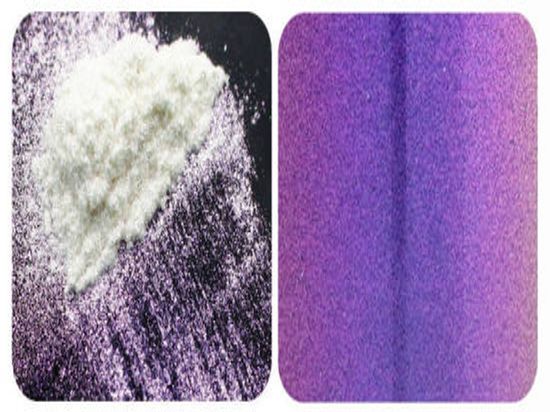
KT-92475 is a large-particle chameleon pigment from the KT-9000 Magic Chameleon Series, producing a continuous mauve → red → orange → yellow color shift that sweeps across the visible spectrum as the viewing angle changes. With a particle size of 75–175 μm and a natural mica substrate coated with titanium dioxide, silica, and tin oxide, it delivers the coarse, high-sparkle texture that nail art formulators need for maximum visual drama — particularly over a dark or black base coat.
Read More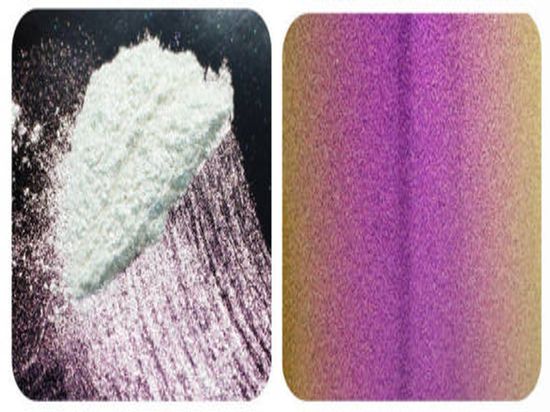
KT-92575 is a large-flake chameleon pearl powder from our KT-9000 Magic Chameleon Series, producing a dramatic angle-dependent color shift spanning red, orange, yellow, and kelly green on dark substrates. Built on a natural mica substrate with a multi-layer coating of titanium dioxide, silica, and tin oxide, it delivers an INCI composition suited to high-end cosmetic and nail art formulations. The 75–175 μm particle range gives it the high-sparkle, deep color-travel behavior that distinguishes it from finer cosmetic pearl grades.
Read More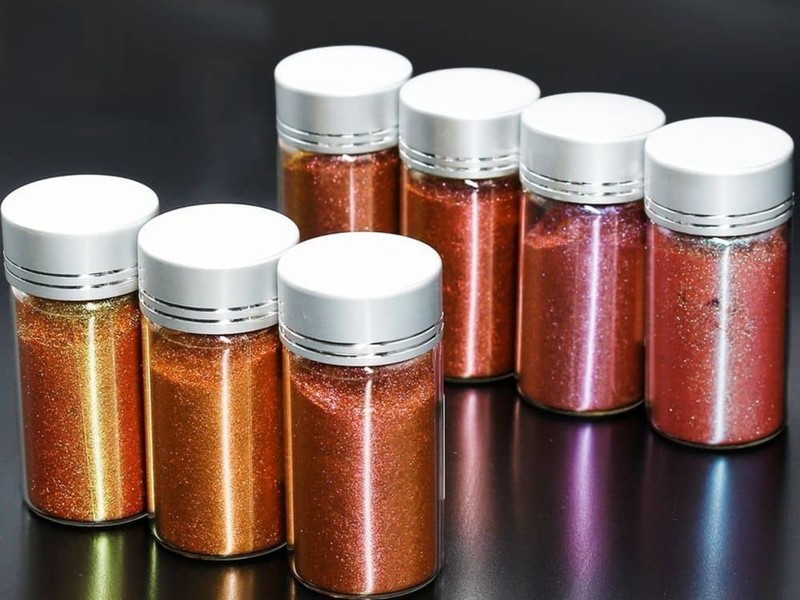
Magic Chameleon duochrome mica powder shifts to a second colour with the viewing angle. Six colour-travel options, nine size grades (5–250 μm), MOQ 5 kg.
Read More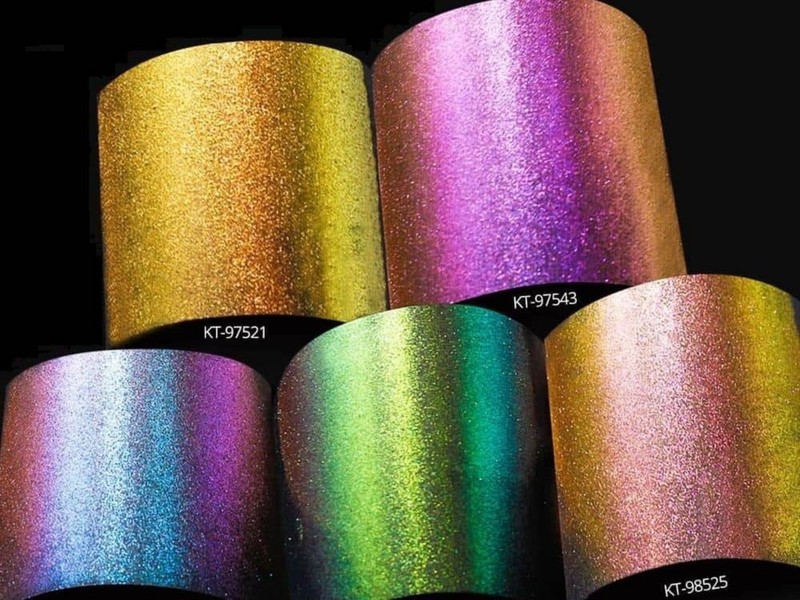
Multicolor chameleon pigment travels three or more hues. Compare shade-pair families by anchor hue, intermediate hue and available particle-size bands.
Read More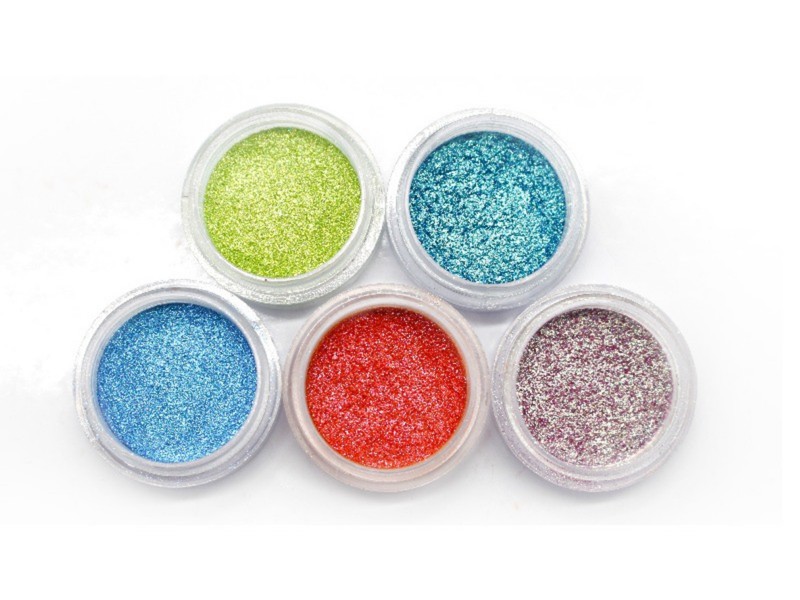
Chameleon mica powder reads differently in a coating film and in a moulded part. See why the orientation mechanism changes and which grade band to start with.
Read More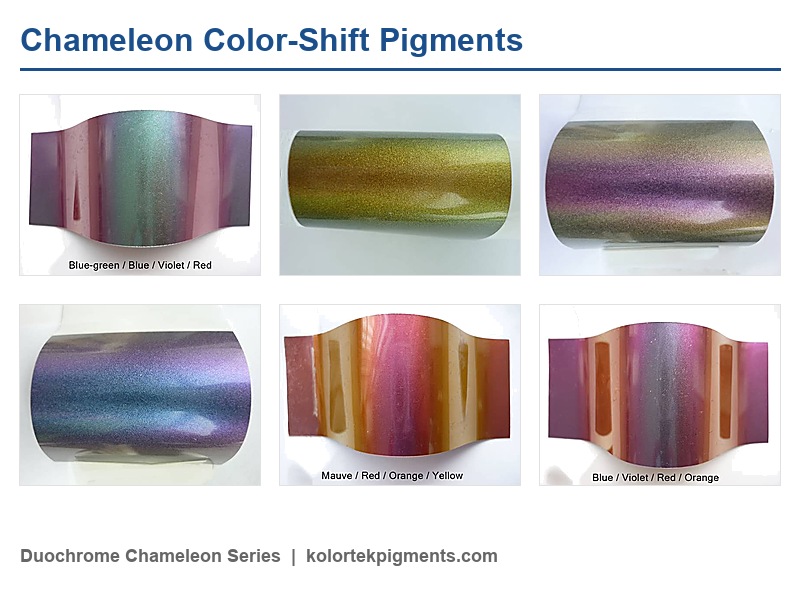
Colour shift mica powder reads as a different colour depending on where you stand. Fix light, tilt and viewing direction so lab, line and buyer agree.
Read More
 English
 Français
 Deutsch
 Русский
 Español
 Português