
Leave A Message
If you are interested in our products and want to know more details,please leave a message here,we will reply you as soon as we can.
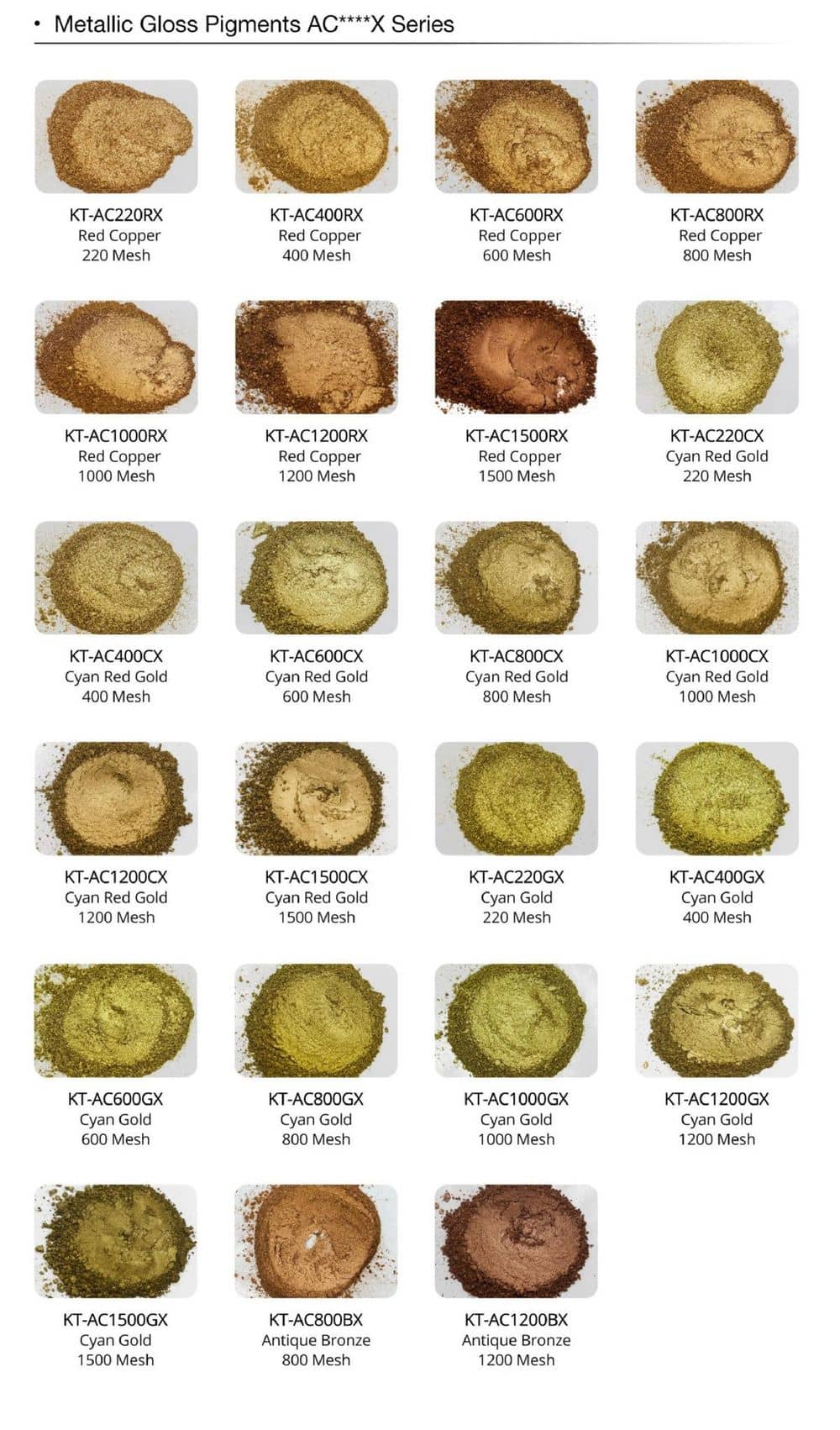
AC220GX-AC1500GX Cyan gold bronze powder multiple mesh sizes
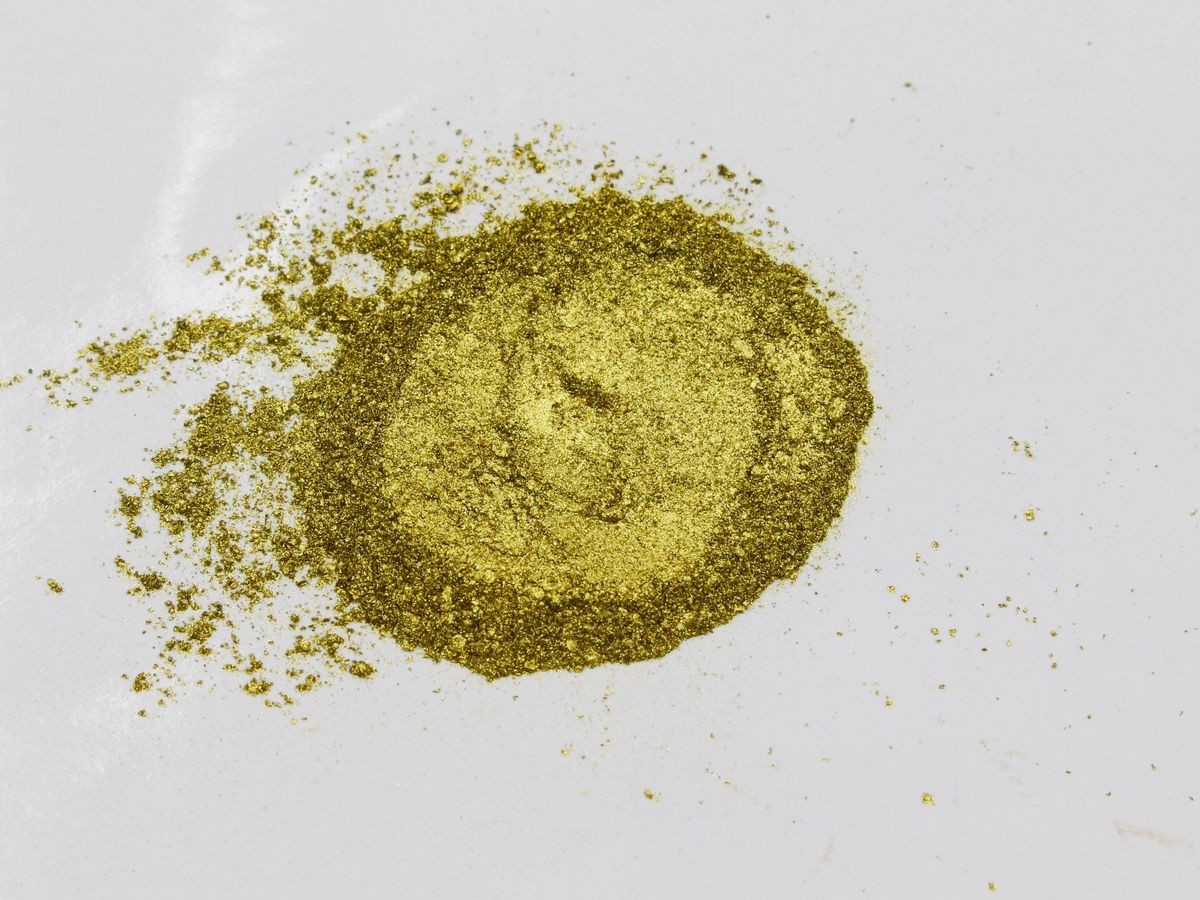
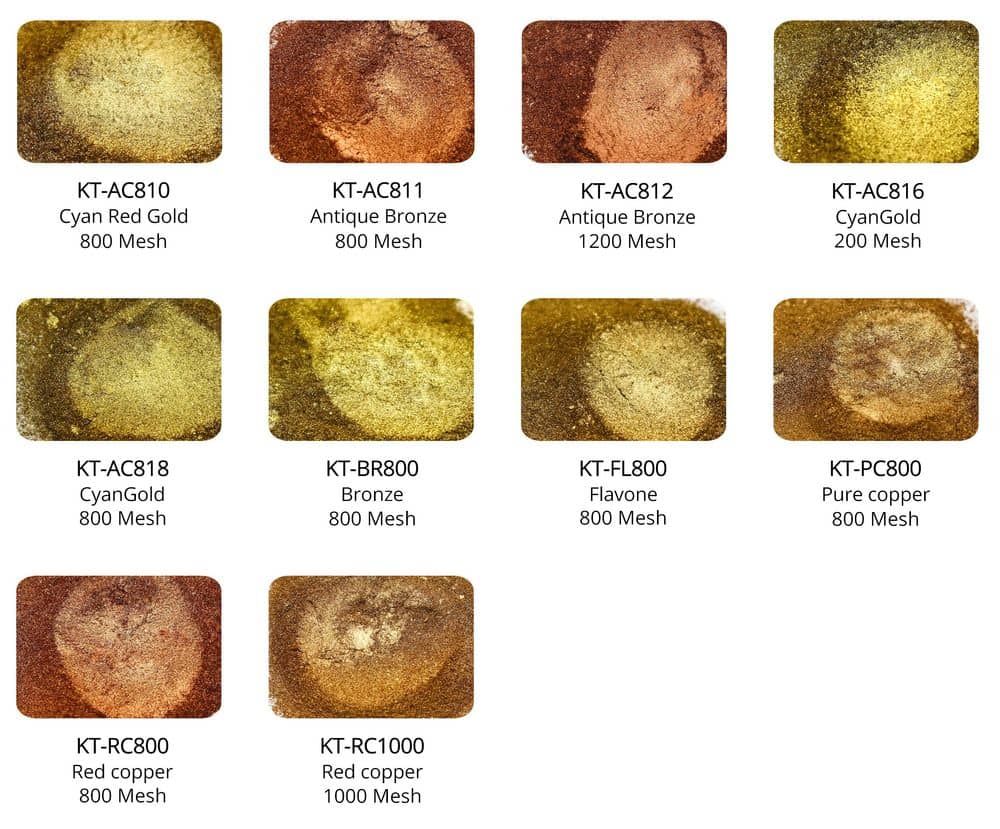
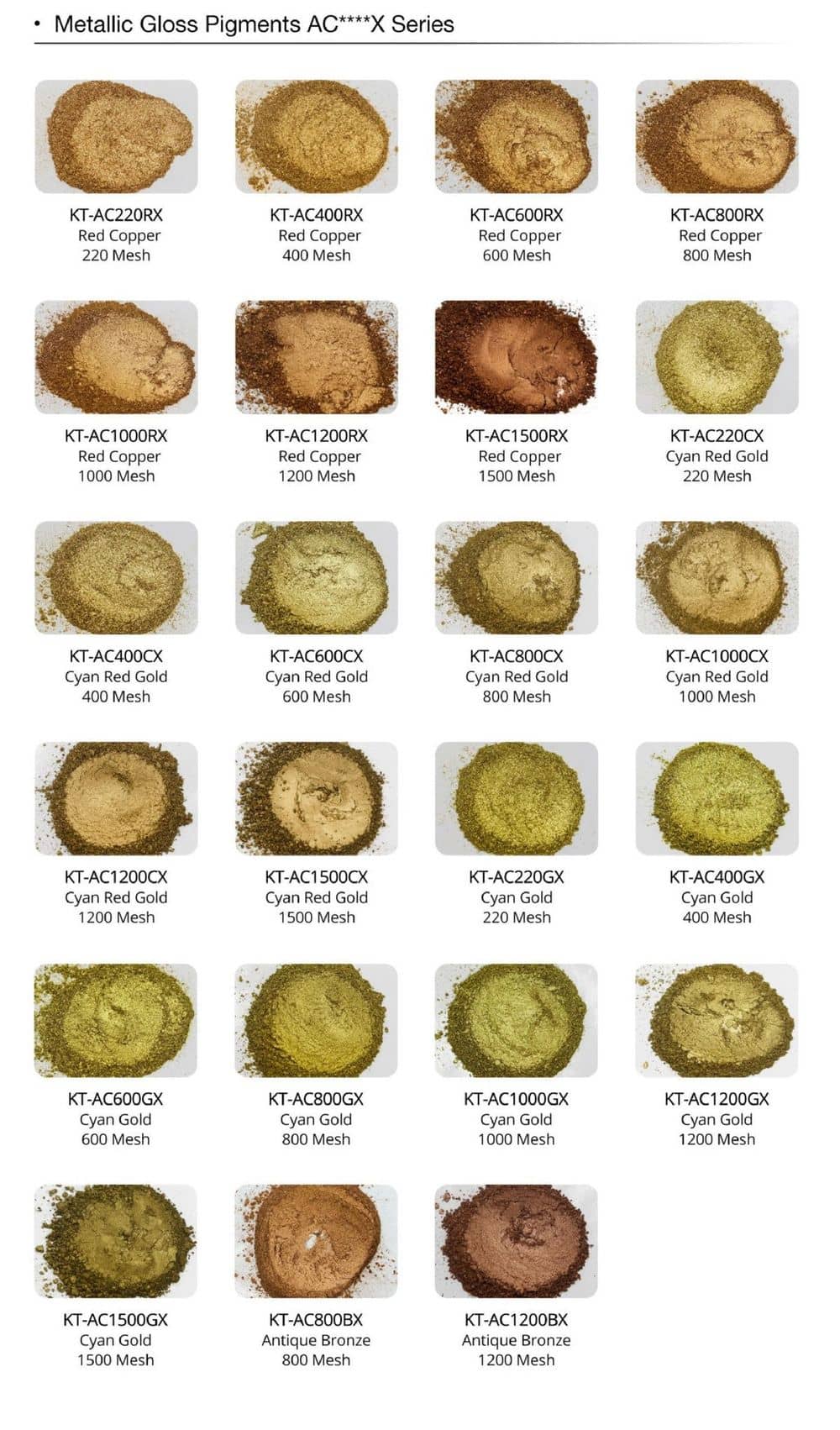
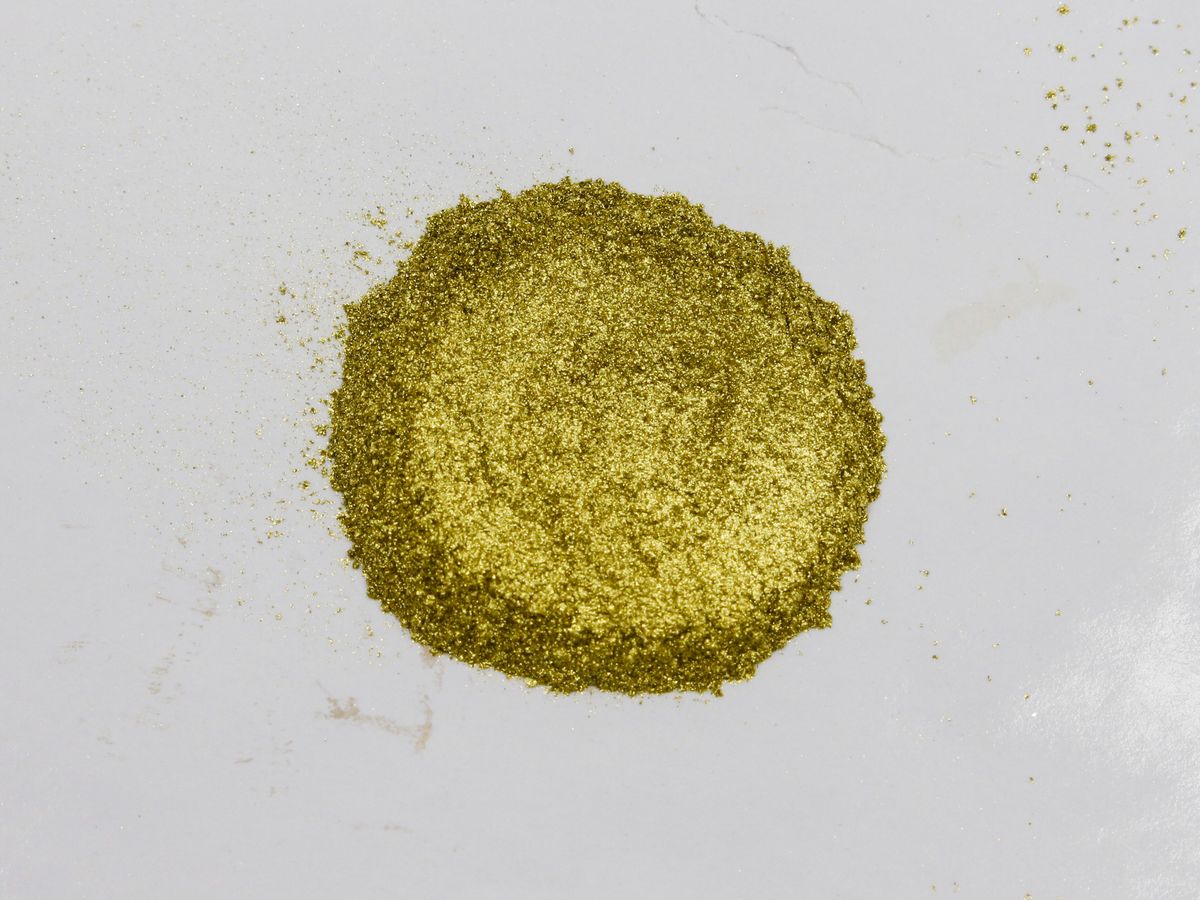
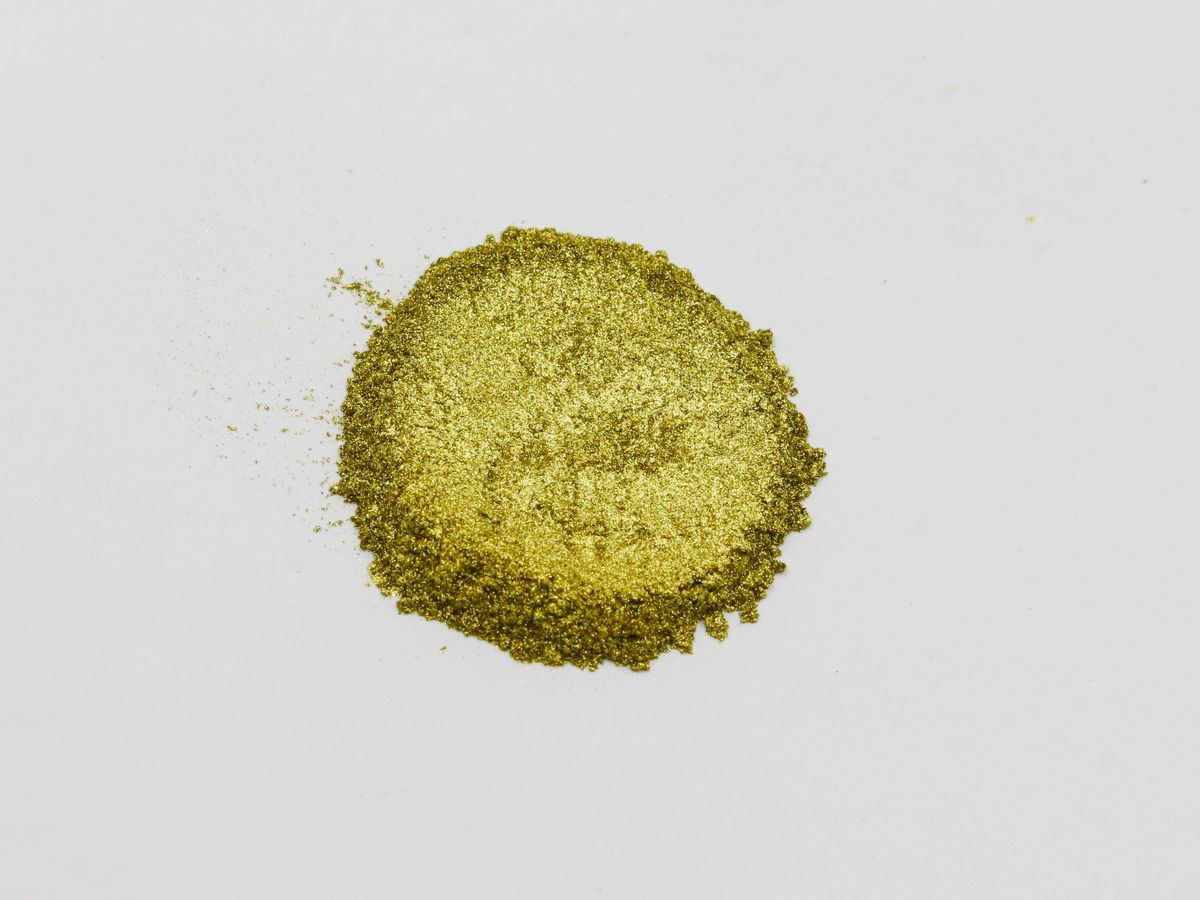
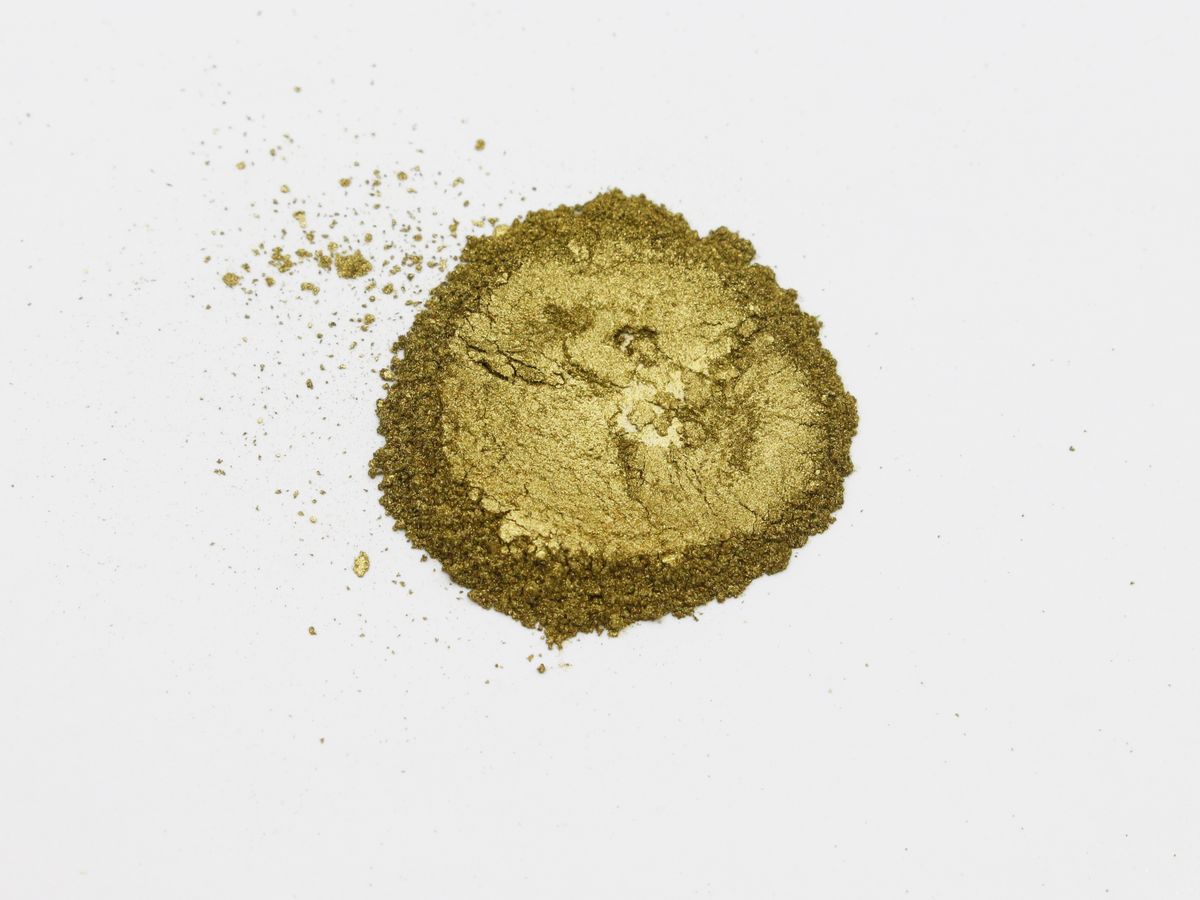
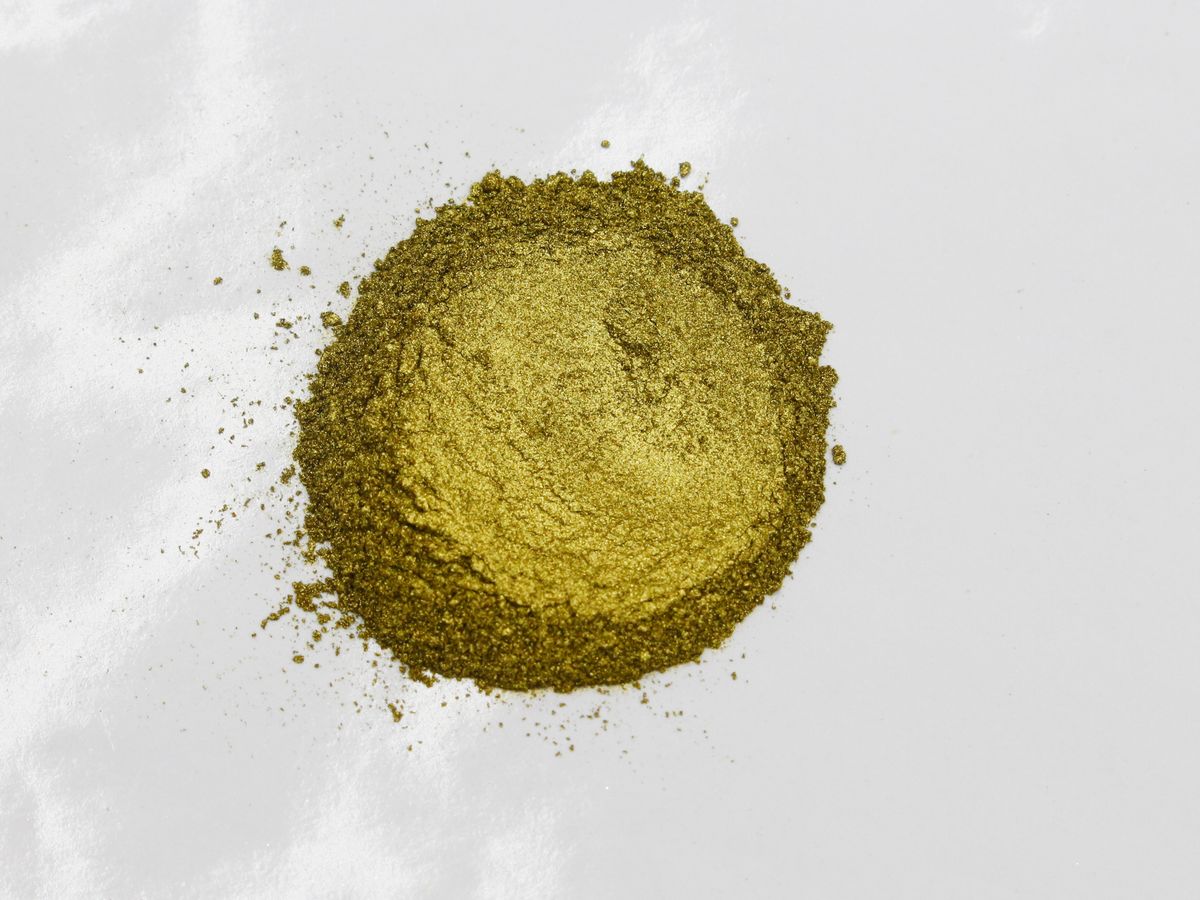
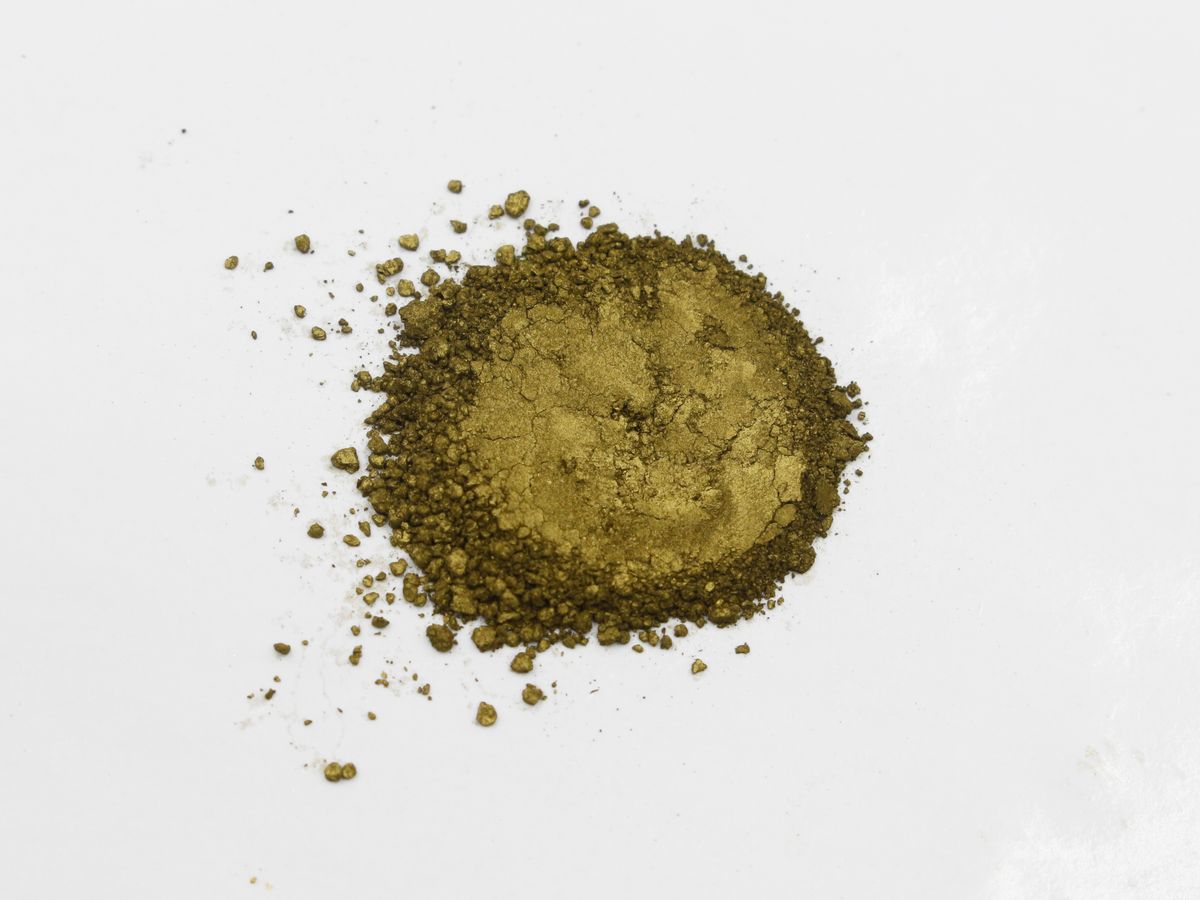
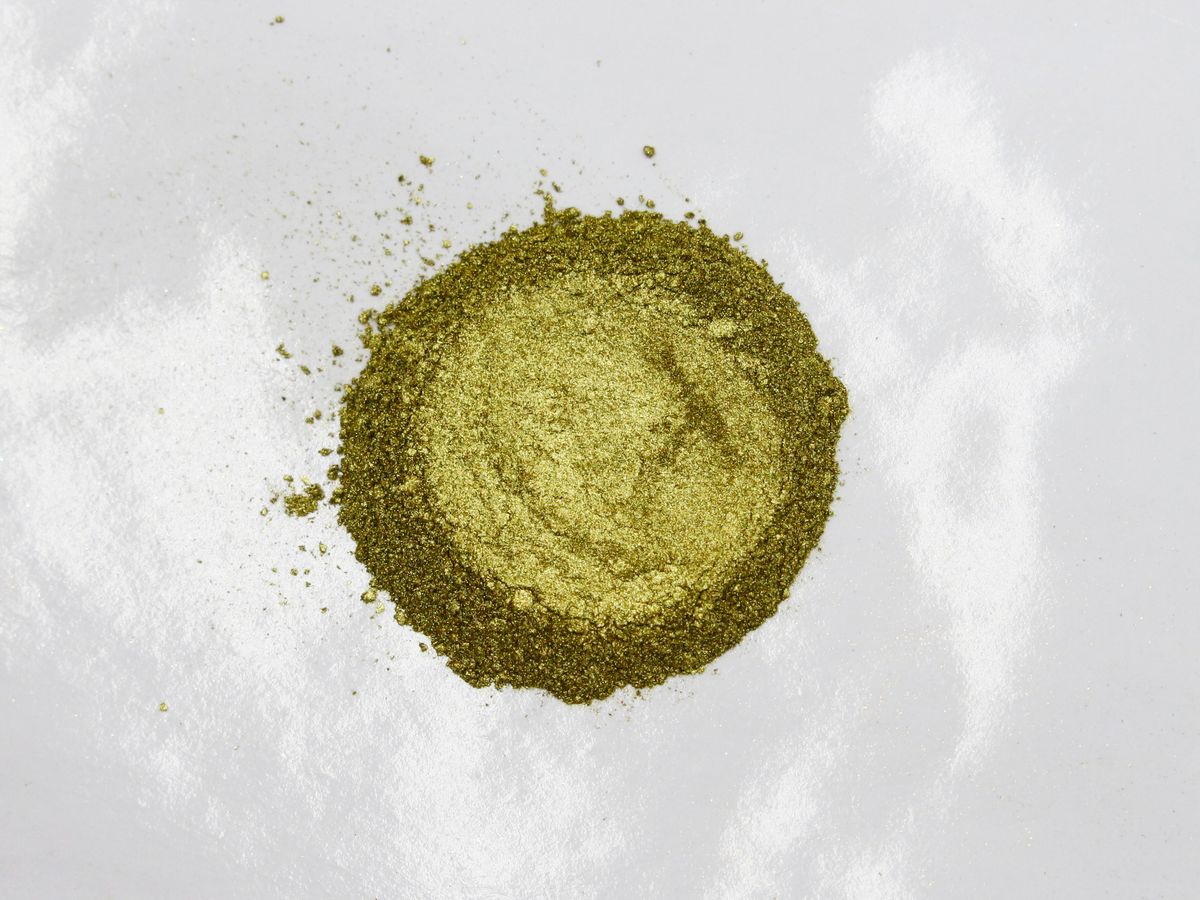
The AC220GX-AC1500GX series delivers true metallic cyan gold effects through copper-zinc alloy flakes across seven mesh sizes from 220 to 1500. These gold bronze powder products produce full-coverage metallic reflection—not interference or pearlescent shimmer—making them the practical choice for decorative coatings, printing inks, and plastics where you need opaque, high-impact metallic color at 3-8% loading.
The cyan gold GX series is a copper-zinc alloy system, not a coated mica product. That distinction matters in formulation: you get dense, opaque metallic color with excellent hiding power, but you also work with electrically conductive flakes that react with water and have limited chemical resistance compared to interference pigments. From our experience supporting coating and ink customers, this trade-off is acceptable—often preferred—in decorative applications where you prioritize visual impact and cost efficiency over extreme environmental durability.
The color itself sits in the warm metallic range: a greenish-gold tone distinct from pure copper (redder) or pale gold (more yellow). The exact visual shifts slightly with particle size—coarser flakes show more individual sparkle and texture, finer flakes produce a smoother, more uniform metallic finish.
Mesh size determines both visual effect and processing compatibility. Here's the full range:
| Model Code | Mesh Size | Primary Use Case |
|---|---|---|
| KT-AC220GX | 220 | Maximum sparkle, textured decorative finishes, craft applications |
| KT-AC400GX | 400 | Balanced sparkle and smoothness, general-purpose coatings |
| KT-AC600GX | 600 | Standard coating applications, furniture trim, hardware finishes |
| KT-AC800GX | 800 | Smooth metallic coatings, printing inks, plastics masterbatch |
| KT-AC1000GX | 1000 | Fine coatings, packaging inks, injection molding |
| KT-AC1200GX | 1200 | Gravure and offset printing, textile decoration, silky coating finish |
| KT-AC1500GX | 1500 | Ultra-fine printing (security, labels), exceptionally smooth appearance |
In our application lab, we see most coating formulators start with 600 or 800 mesh for a good balance of effect and processability. If you need visible sparkle—picture frames, decorative hardware, religious statuary—200 or 400 mesh delivers that textured metallic look. For inks and plastics where smoothness matters, 1000-1500 mesh avoids nozzle clogging and produces a uniform, professional finish.
These are genuine metal flakes—copper-zinc alloy—which brings specific handling requirements:
Typical loading range: 3-8% by weight. At 3%, you'll see good metallic coverage in most systems; at 8%, you get maximum color intensity and hiding. Going beyond 8% rarely improves the visual result and can create processing issues (increased viscosity, flake orientation problems).
Use low-shear mixing. High-speed dispersers with cowles blades work well. Avoid ball mills, high-intensity mixers, or anything that mechanically deforms the flakes—you'll flatten them, lose reflectivity, and turn your metallic effect into a dull gray. Add the powder slowly during the letdown phase, after you've established base viscosity. This prevents clumping and ensures even distribution.
Primary use case. Picture frames, furniture trim, architectural accents, hardware finishes, religious items (temple decorations, statues), craft supplies. The cyan gold tone works particularly well in applications where you want a warm, antique-metal look without the red intensity of pure copper or the brightness of pale gold. Use 200-600 mesh for visible sparkle, 800-1200 mesh for smooth, professional coating finishes.
Packaging, labels, gift wrap, greeting cards, security printing. Use 800-1500 mesh to avoid nozzle clogging and ensure smooth ink flow. The GX series functions as a cost-effective alternative to metallic foil stamping—you get similar visual impact in a single print pass. Keep viscosity within your press specifications and monitor pH if you're working in water-based ink systems.
Injection molding and extrusion applications where you need metallic color in the finished part. Use 800-1200 mesh for good dispersion and uniform color. The high heat stability of metal flakes means you can process at typical thermoplastic temperatures without color degradation. One thing to note: flake orientation during molding affects the final appearance—flow direction will create subtle color shifts.
Fabric decoration, especially for specialty garments and decorative textiles. Use finer mesh sizes (1000-1500) to maintain print definition and avoid a gritty hand feel. The metallic effect on fabric is less intense than on solid substrates, so expect a softer, more subtle cyan gold tone compared to coatings.
Kolortek's manufacturing operations are ISO 9001:2015 certified, covering production and sales processes for effect pigments. The AC220GX-AC1500GX series falls under industrial/decorative positioning—these are not cosmetic-grade pigments and must not be used in personal care products. REACH registration in our system covers fluorphlogopite (synthetic mica) but requires product-specific confirmation for metal alloy powders; consult our technical team if you need REACH documentation for this series.
We offer bronze powder free sample service for qualified formulation projects. Request a technical data sheet (TDS) and safety data sheet (SDS) with your sample to confirm batch-specific parameters.
What's the difference between the GX series and mica-based gold pigments?
The GX series uses copper-zinc alloy flakes that produce true metallic reflection—opaque, high-coverage color. Mica-based golds (like interference or pearlescent pigments) create color through light interference on coated mica platelets, giving a translucent, iridescent effect. If you need full hiding power and a dense metallic look, use the GX series. If you want layered transparency and angle-dependent color shifts, use mica-based alternatives.
Can I use AC220GX-AC1500GX in water-based coatings?
Yes, the AC series is engineered for water-based systems, but the flakes require surface protection to prevent oxidation and discoloration. Most batches carry a factory-applied protective coating (silica, stearate, or polymer). Maintain formulation pH between 6 and 9, and avoid prolonged water exposure during storage. If you're working with a particularly aggressive water-based system, request a sample trial before scaling up.
Which mesh size should I choose for offset printing?
Use 1200 or 1500 mesh. Offset and gravure printing require ultra-fine particles to avoid nozzle clogging and ensure smooth ink transfer. The 1500 mesh grade gives the smoothest result with a silky appearance, while 1200 mesh offers slightly more visible metallic sparkle. Both work in typical printing ink viscosity ranges.
What loading rate gives the best cost-performance balance?
Start at 4-5% by weight. That loading gives strong metallic coverage without excessive material cost or processing complications. If you need maximum intensity—say, for a premium decorative coating—go to 6-8%. Below 3%, the effect becomes too subtle for most applications. Above 8%, you're adding cost without meaningful visual improvement.
Contact our technical team to discuss formulation requirements for your specific application.
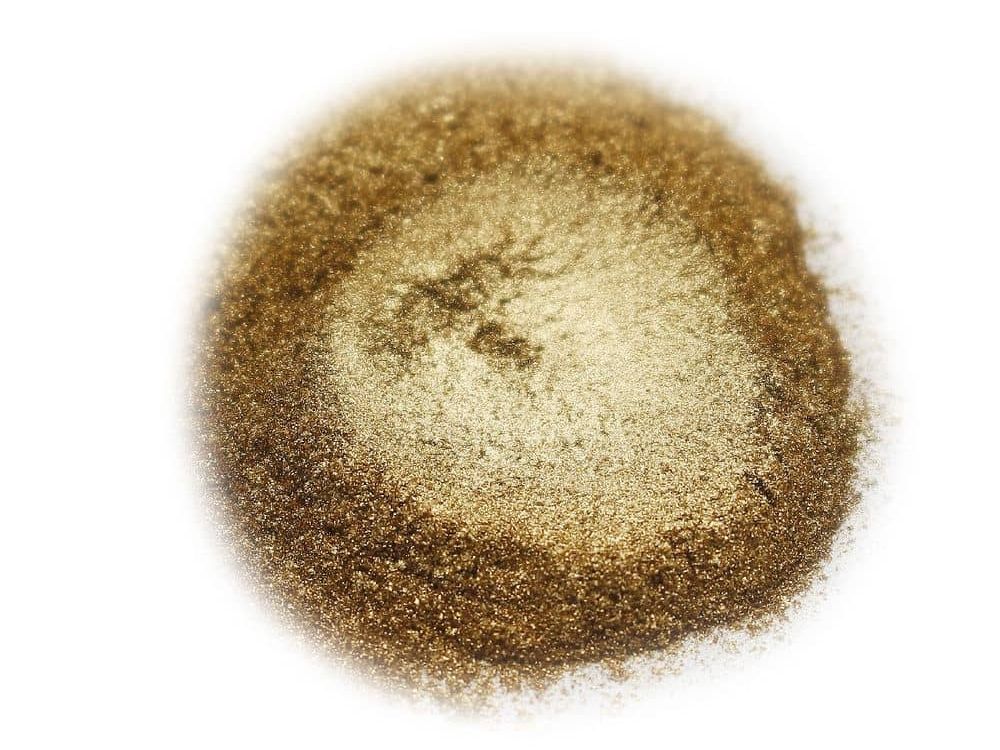
KT-AC810 is an 800-mesh cyan red gold bronze powder delivering smooth, uniform metallic coverage at 3–8% loading. From our experience in decorative coatings and printing inks, this fine-particle copper-zinc alloy provides opaque, true-metal reflection — ideal for packaging, gift wrap, and high-end craft applications where you need consistent gold bronze powder bulk performance without visible flake texture.
Read More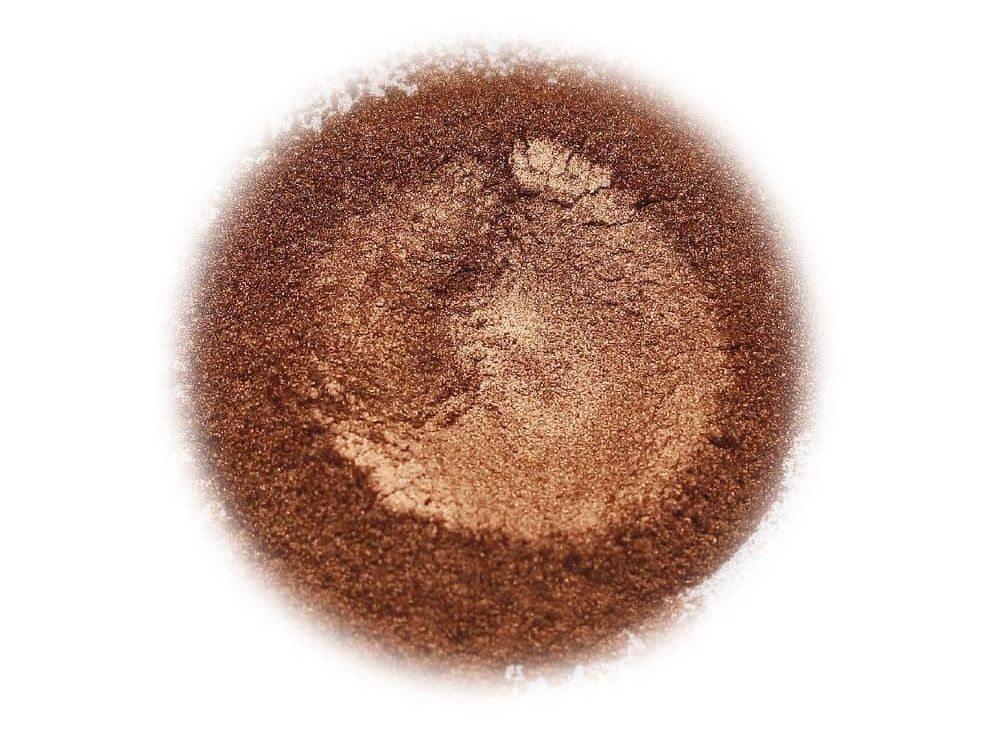
AC811 antique bronze metallic powder delivers genuine copper-zinc alloy metallic reflection at 800 mesh fineness — a smooth, uniform bronze finish you can't replicate with interference pigments. At Kolortek, we position this grade for printing inks, decorative coatings, and plastics where a true metallic surface is required. Typical loading is 3–8%, fully opaque, with excellent hiding power and thermal stability for high-temperature processing.
Read More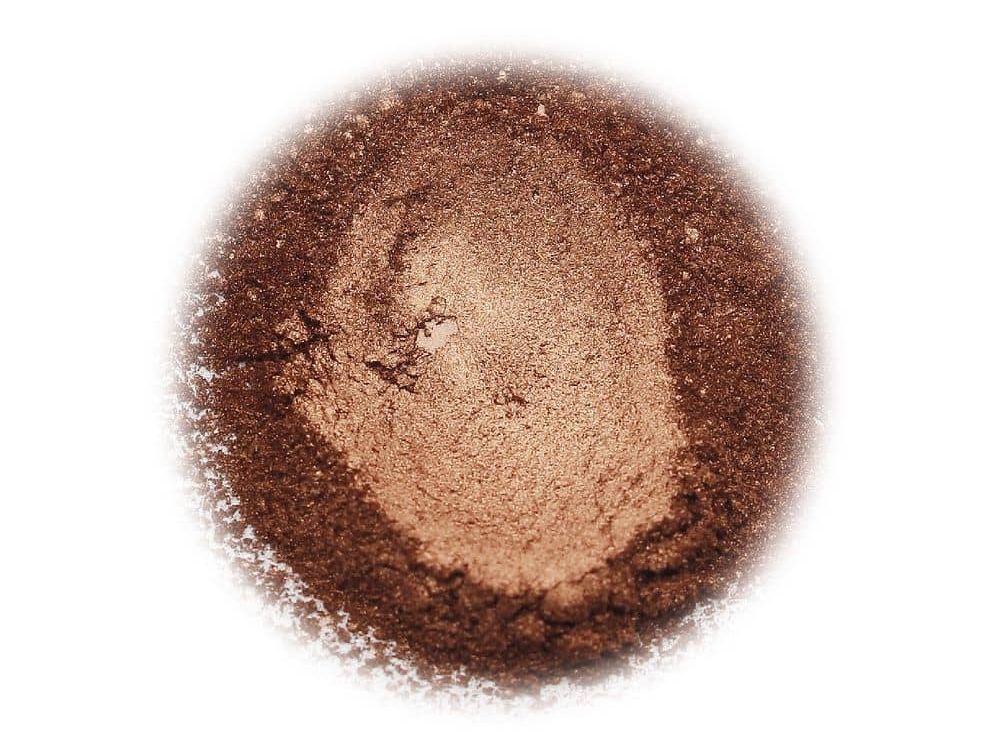
AC812 Antique Bronze is a 1200-mesh extra-fine metallic pigment from Kolortek's Gold Bronze Powder Series, delivering a silky-smooth antique bronze finish with exceptional opacity at 3–8% loading. We designed this copper-zinc alloy powder for high-quality printing applications and fine decorative coatings where a genuine metallic effect—not a pearlescent imitation—is required.
Read More
KT-AC816 is a cyan gold bronze powder manufactured by Kolortek from copper-zinc alloy, available at 200 mesh — a coarser grade that delivers maximum metallic sparkle and strong visual presence on the substrate. As a gold bronze powder manufacturer with over two decades of production experience, we supply this grade into decorative coatings, printing inks, plastics masterbatch, and craft applications where a bold, fully opaque gold-bronze effect is the primary requirement. Typical loading runs 3–8% for complete opacity.
Read More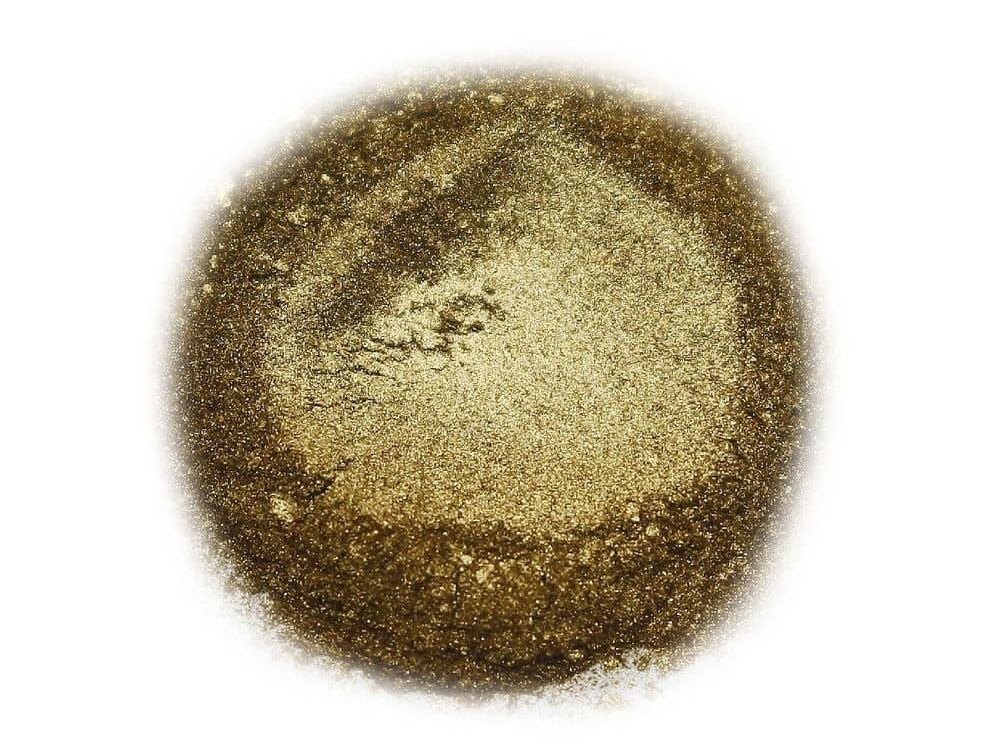
KT-AC818 Cyan Gold bronze powder is a fine-mesh metallic pigment designed for decorative coatings and plastics applications where a smooth, opaque gold finish with a cyan undertone is required. At 800 mesh particle size, this copper-zinc alloy powder delivers full hiding power at 3–8% loading and integrates into water-based systems when properly formulated, making it a practical choice for wholesale buyers sourcing plastics bronze powder or coating bronze powder in bulk.
Read More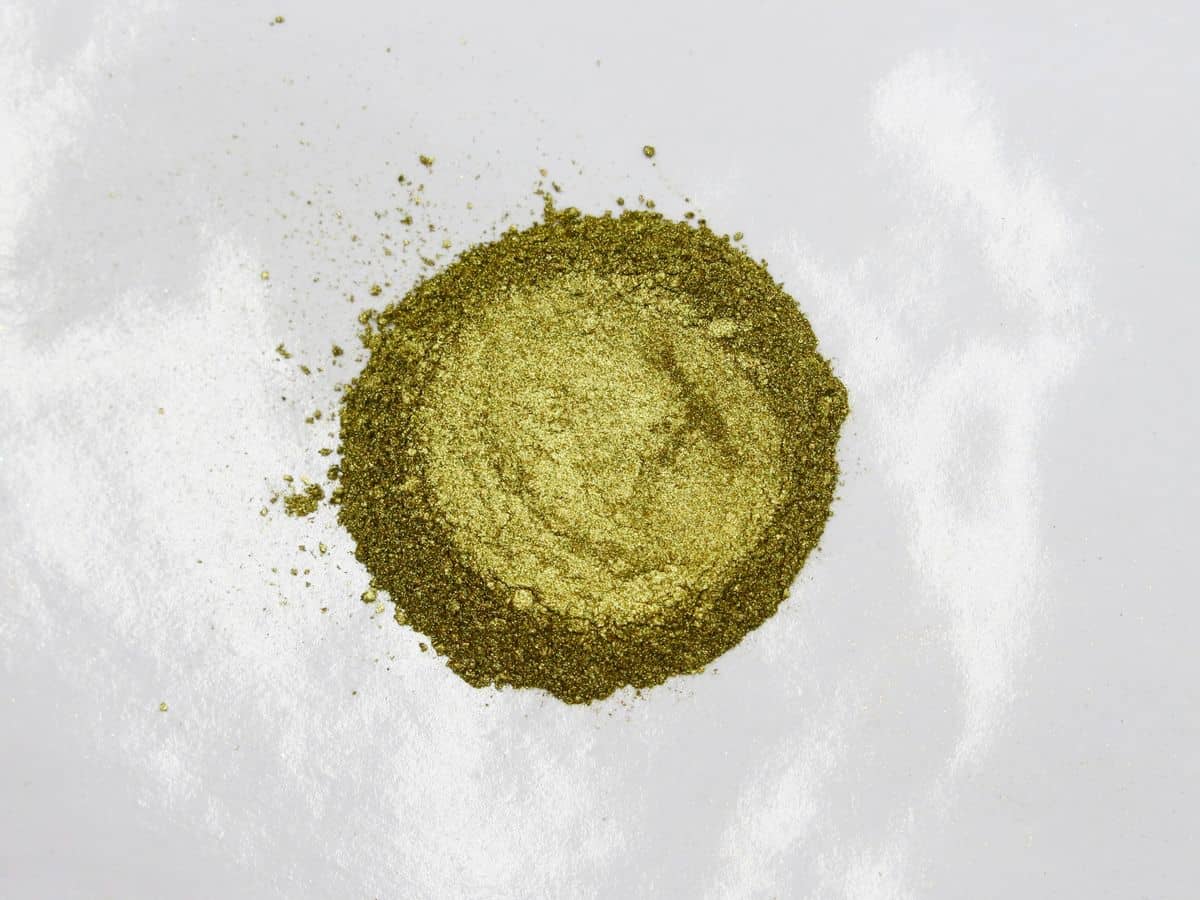
For printing ink formulators who need a consistent, high-coverage metallic finish, our AC1000GX at 1000 mesh delivers a smooth cyan-gold metallic effect with excellent hiding power at loadings of 3–8%. As wholesale gold bronze powder sourced direct from our manufacturing facility, it is classified in our fine-grade range (800–1000 mesh), where individual flakes are no longer visible and the resulting print surface reads as a uniform, continuous metal tone — the grade we see specified most often for packaging, labels, and decorative print applications.
Read More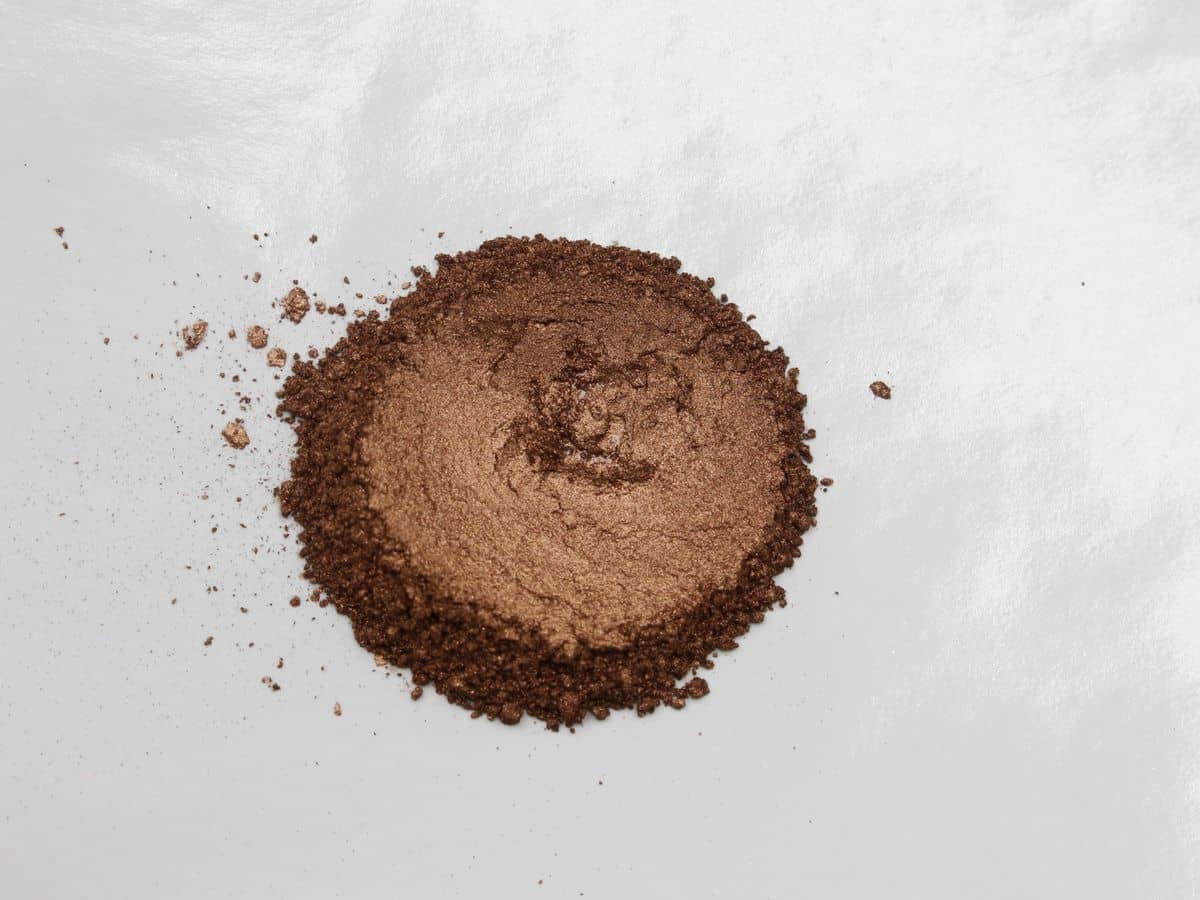
For printing ink formulators sourcing bulk antique bronze powder in extra-fine grades, the KT-AC1200BX delivers a genuine copper-zinc alloy metallic effect at 1200 mesh — classifying it as extra fine within our BX Series. At typical loadings of 3–8%, it achieves full opacity with a silky, smooth metallic finish well-suited to high-quality offset and gravure printing. The flake-based construction produces true metallic reflection, not a pearl or interference effect.
Read More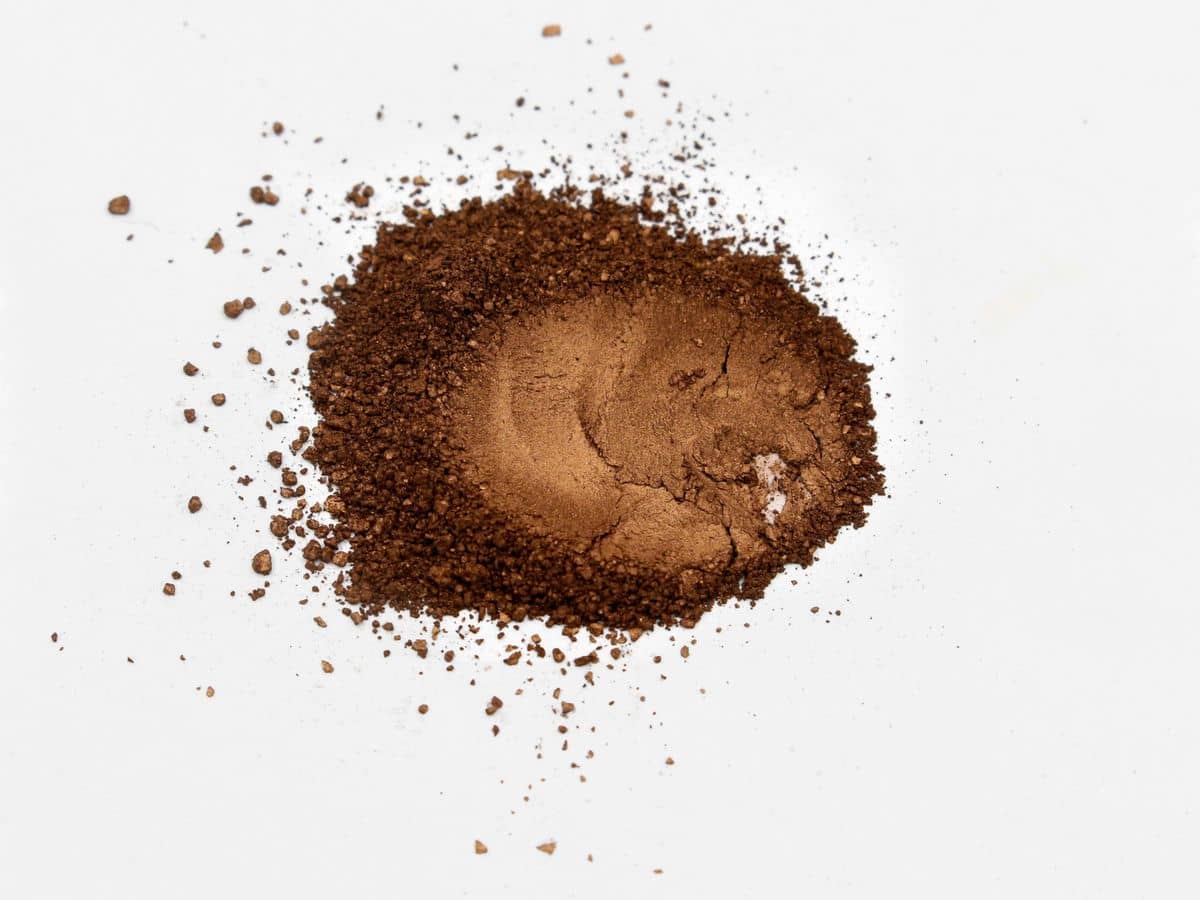
AC1500RX (KT-AC1500RX) is Kolortek's 1500-mesh extra-fine red copper gold bronze powder — a copper-zinc alloy metallic pigment delivering a true, opaque metallic finish in decorative coatings, printing inks, and plastics. As a dedicated red copper powder supplier, we produce this grade specifically for applications where a warm, rich copper tone and smooth, fine-particle surface are required. At 3–8% loading, it achieves full opacity with genuine metallic luster, not the soft sheen of mica-based interference pigments.
Read More
 English
 Français
 Deutsch
 Русский
 Español
 Português