
Leave A Message
If you are interested in our products and want to know more details,please leave a message here,we will reply you as soon as we can.
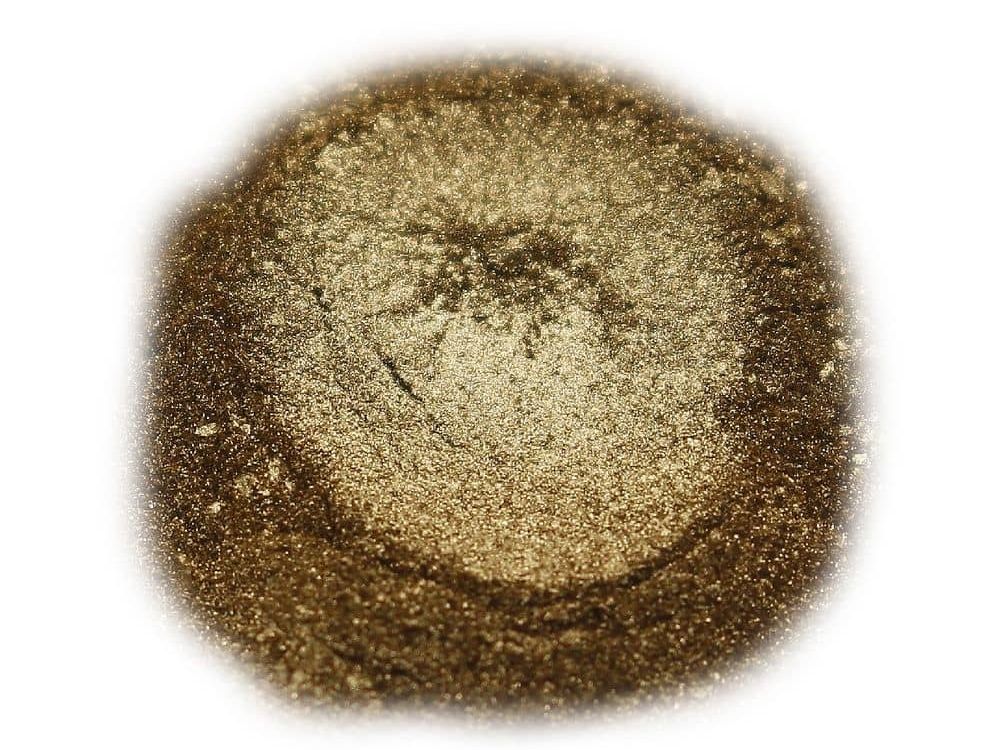
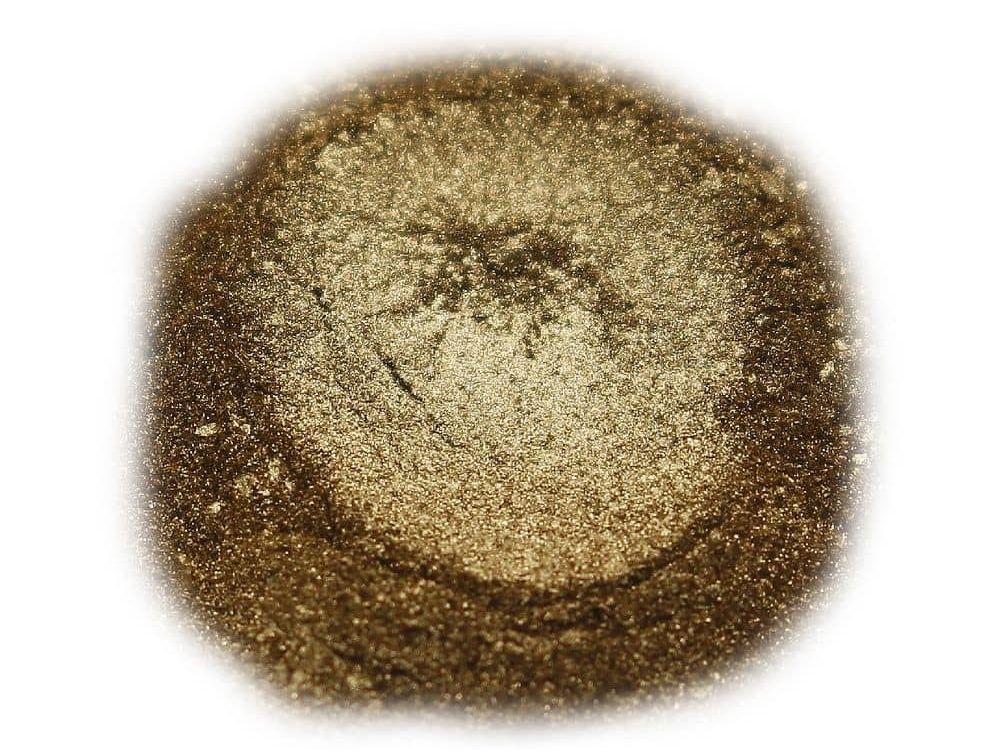
KT-FL800 is Kolortek's 800-mesh flavone bronze powder — a fine-grade copper-zinc alloy metallic pigment that delivers a warm, yellow-gold metallic finish with uniform surface coverage. At 800 mesh, individual flakes are not visible to the naked eye, making it well-suited for printing inks, decorative coatings, and plastics where a smooth, consistent metallic appearance is required. We offer this grade with a low bronze powder minimum order, making it accessible for R&D trials, short-run production, and niche applications without committing to bulk volumes.
Within the Kolortek Gold Bronze Powder Series, color names describe the hue of the metallic surface as observed in direct light. Flavone sits between a rich gold and a pale yellow-gold — warmer than a neutral brass tone, cooler than red copper. The effect comes entirely from the copper-zinc alloy composition and the physical geometry of the flakes, not from dyes or interference layers. That distinction matters to formulators: flavone bronze powder gives you a stable, opaque metallic tone whose appearance does not shift with viewing angle the way pearlescent or chameleon pigments do.
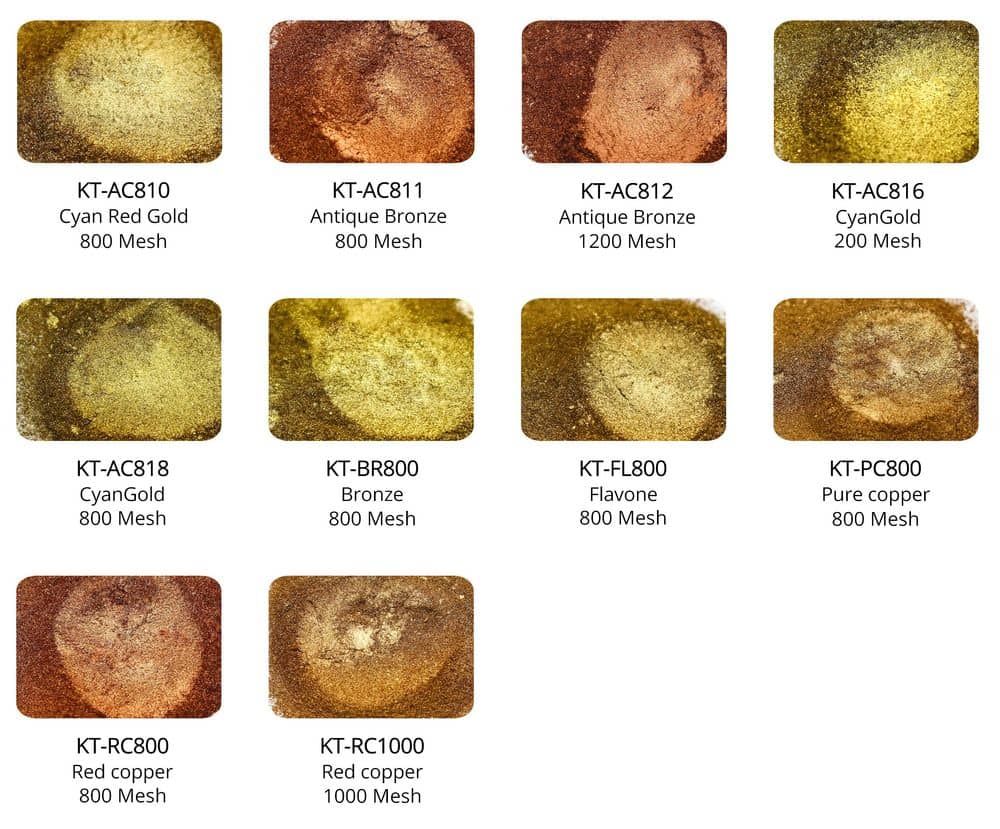
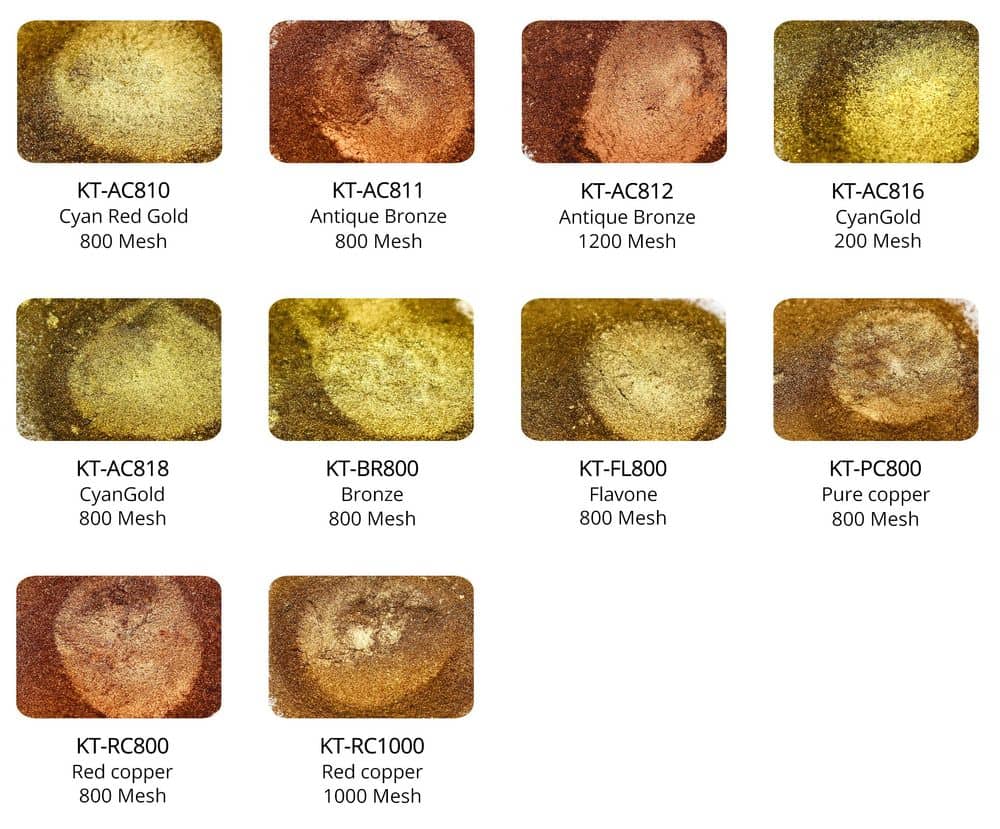
The KT-FL800 sits within the Standard Gold Bronze Colors group alongside six other 800-mesh grades, each covering a distinct position in the warm-metal spectrum.
All seven codes below are in the same Standard Gold Bronze Colors group at 800 mesh. Choosing among them is a color decision, not a performance decision — processing behavior, loading rates, and compatibility are consistent across the group.
| Product Code | Color | Mesh |
|---|---|---|
| KT-FL800 | Flavone | 800 |
| KT-BR800 | Bronze | 800 |
| KT-PC800 | Pure Copper | 800 |
| KT-RC800 | Red Copper | 800 |
| KT-AC810 | Cyan Red Gold | 800 |
| KT-AC811 | Antique Bronze | 800 |
| KT-AC818 | Cyan Gold | 800 |
The broader series spans 200–1500 mesh, with additional sub-series covering Red Copper (RX), Cyan Red Gold (CX), Cyan Gold (GX), and Antique Bronze (BX) families. If 800 mesh is right for your process but you need a different color family, we can map your requirement to the appropriate code.
The 800–1000 mesh band is classified as "fine" within our grading system. At this particle size, individual flakes are not resolvable by the eye in a cured film, which translates to a smooth, continuous metallic surface — no sparkle texture, no visible grain. This is the most widely used grade for printing inks and general decorative coatings precisely because it balances metallic intensity with surface uniformity. Coarser grades (200–500 mesh) produce a more textured, glittery effect; finer grades (1200–1500 mesh) move toward a near-matte metallic satin. For most packaging ink and furniture coating applications, 800 mesh is the practical optimum.
KT-FL800 is manufactured from a copper-zinc alloy. The metal base gives it high specific gravity relative to organic pigments — a factor that affects settling rate and dictates dispersion equipment selection. On the positive side, the alloy base is thermally stable; no thermal degradation is observed under normal processing conditions. That stability makes it viable in plastics masterbatch applications where melt temperatures are involved, though any new formulation should be validated at the target processing temperature.
This is the area where bronze powder requires the most care. The copper-zinc alloy is reactive in strongly acidic or alkaline environments — tarnishing and color shift are the typical failure modes. Keep formulation pH between 6 and 9. Anything outside that window accelerates surface oxidation and degrades the metallic finish over time.
Water-based systems present a separate concern: metal flakes react with water, producing hydrogen gas and causing discoloration. Standard KT-FL800 is not formulated for direct use in aqueous systems. For water-based applications, Kolortek's AC series includes surface-treated grades engineered specifically to resist gassing and oxidation. One thing to note: even with surface-treated grades, proper formulation practice — including biocide selection and pH management — remains necessary.
KT-FL800 is also electrically conductive, which is characteristic of metal-based pigments. This makes it unsuitable for any application where electrical insulation is a requirement.
The 800-mesh particle size and flavone color position KT-FL800 across a wide range of decorative applications. Below are the primary use cases supported by our application data.
KT-FL800 is not suitable for cosmetic or personal care applications. Metal pigments are not cosmetic-grade and must not be incorporated into products intended for skin contact.
In our application lab, the most common processing error we see is over-shearing. High-intensity dispersers and ball mills deform or flatten the metal flakes, which reduces reflectivity and introduces a dull, streaky appearance in the final film. Use low-shear mixing — a Cowles blade disperser at controlled speed is generally appropriate. The goal is wet-out and uniform distribution, not mechanical size reduction.
Recommended loading is 3–8% by weight for full opacity. The specific gravity of the copper-zinc alloy is higher than most organic pigments, so settling should be anticipated in low-viscosity systems. Factor in anti-settling additives or agitation protocols accordingly.
Storage: keep containers sealed in dry conditions. Metal flakes oxidize when exposed to moisture and air over time, which shifts the color toward a duller, brownish tone. Once opened, reseal the container promptly.
We built a flexible ordering structure specifically to serve formulators who need to validate a grade before committing to production volumes. For KT-FL800 and the broader bronze powder series, small-batch orders are welcome — this applies to startups developing new products, established brands running limited-edition SKUs, and R&D teams running compatibility trials. No specific numerical MOQ is published; order requirements are discussed based on the application context.
Free evaluation samples are available for qualified inquiries. If you are evaluating KT-FL800 against an existing supplier grade or benchmarking it for a specific substrate and binder system, request a sample with your formulation brief and we will match the appropriate quantity and format.
Kolortek holds ISO 9001:2015 certification covering the production and sales of pigments and fillers. For REACH compliance, product-specific confirmation is required — our REACH certificate currently covers fluorphlogopite (synthetic mica); if REACH documentation is required for KT-FL800 in your supply chain, contact us directly for the applicable substance data.
Food-contact, Halal, and Kosher certifications are not indicated for this product. Cosmetic use is explicitly excluded.
What is the minimum order quantity for KT-FL800 flavone bronze powder?
Kolortek does not publish a fixed numerical MOQ for KT-FL800. The flavone bronze powder MOQ is handled flexibly to accommodate R&D projects, small-batch production, and niche brand requirements. Free evaluation samples are available for qualified inquiries. Contact the technical team with your application details to confirm the appropriate order format.
Is 800-mesh bronze powder suitable for printing ink formulations?
Yes. The 800-mesh grade is classified as fine and is among the most widely used particle sizes for printing ink bronze powder applications, including packaging, labels, gift wrap, and security printing. At this mesh size, individual flakes are not visible in the printed film, producing a smooth, uniform metallic finish. Use low-shear dispersion; avoid high-intensity mixing that could deform the flakes.
Can KT-FL800 be used in water-based ink or coating systems?
Standard KT-FL800 is not designed for direct use in water-based systems. Copper-zinc alloy flakes react with water, generating hydrogen gas and causing discoloration. For water-based formulations, Kolortek's AC series offers surface-treated bronze powder grades engineered to resist gassing and oxidation. Formulation pH must be maintained between 6 and 9 regardless of the system type.
How does the flavone color differ from the standard bronze or gold colors in the 800-mesh range?
Flavone is a warm yellow-gold tone — positioned between a neutral gold and a pale brass. In the 800-mesh Standard Gold Bronze Colors group, it sits distinct from KT-BR800 (bronze, a deeper amber-brown), KT-PC800 (pure copper, a bright copper-red), and KT-RC800 (red copper, a deeper warm red). All four share the same copper-zinc alloy base, processing behavior, and loading range (3–8%); the difference is purely in alloy composition and the resulting surface color.
Contact our technical team to discuss formulation requirements or to request an evaluation sample of KT-FL800 for your specific application.
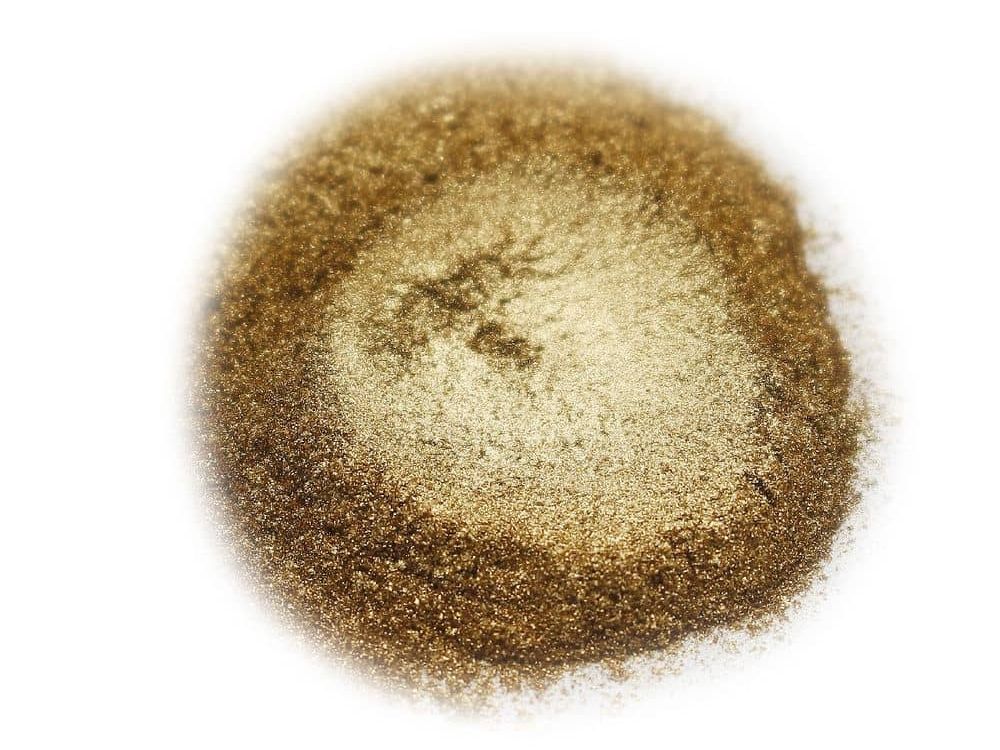
KT-AC810 is an 800-mesh cyan red gold bronze powder delivering smooth, uniform metallic coverage at 3–8% loading. From our experience in decorative coatings and printing inks, this fine-particle copper-zinc alloy provides opaque, true-metal reflection — ideal for packaging, gift wrap, and high-end craft applications where you need consistent gold bronze powder bulk performance without visible flake texture.
Read More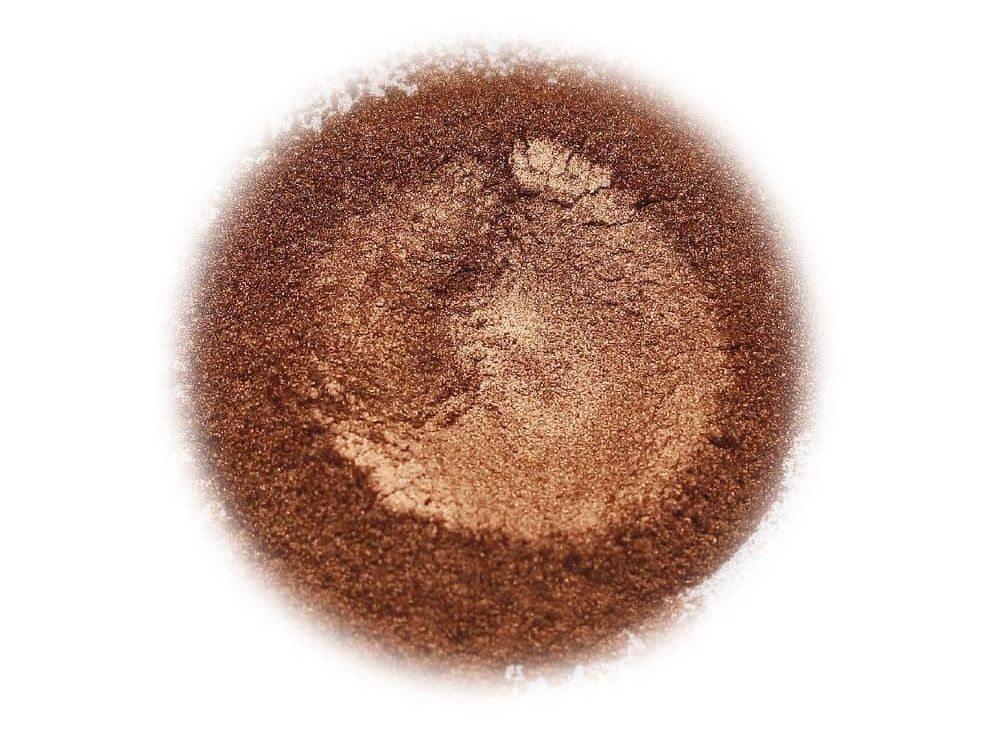
AC811 antique bronze metallic powder delivers genuine copper-zinc alloy metallic reflection at 800 mesh fineness — a smooth, uniform bronze finish you can't replicate with interference pigments. At Kolortek, we position this grade for printing inks, decorative coatings, and plastics where a true metallic surface is required. Typical loading is 3–8%, fully opaque, with excellent hiding power and thermal stability for high-temperature processing.
Read More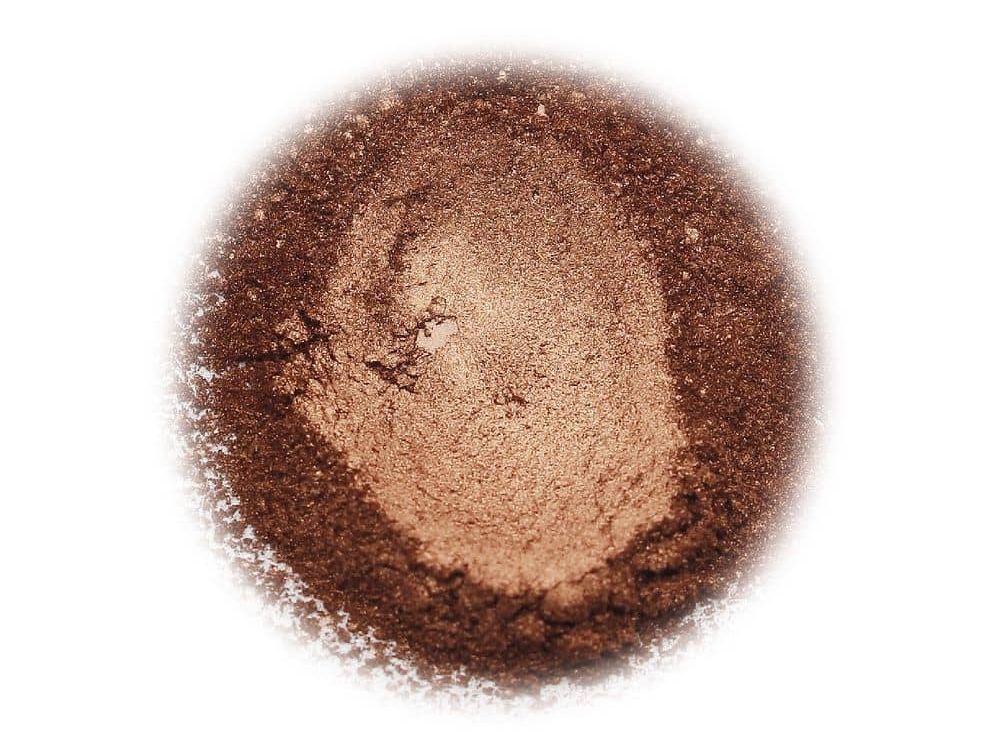
AC812 Antique Bronze is a 1200-mesh extra-fine metallic pigment from Kolortek's Gold Bronze Powder Series, delivering a silky-smooth antique bronze finish with exceptional opacity at 3–8% loading. We designed this copper-zinc alloy powder for high-quality printing applications and fine decorative coatings where a genuine metallic effect—not a pearlescent imitation—is required.
Read More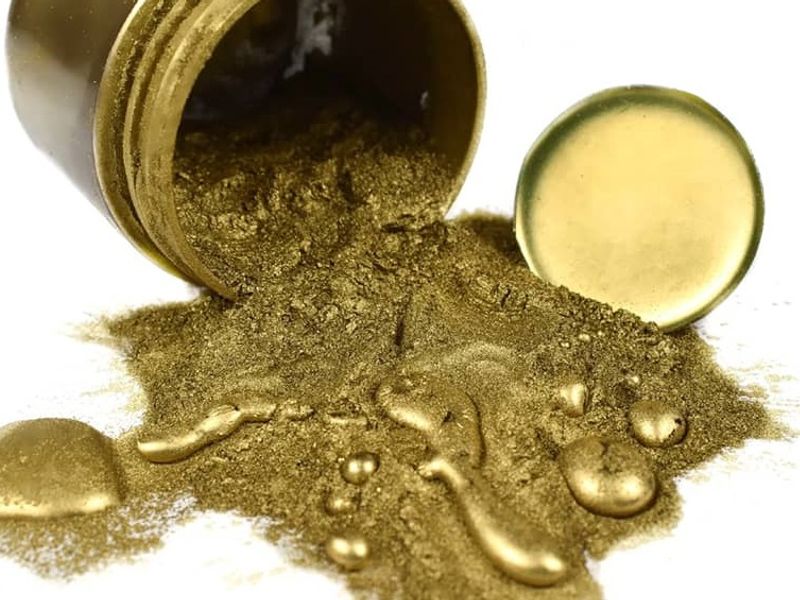
KT-AC816 is a cyan gold bronze powder manufactured by Kolortek from copper-zinc alloy, available at 200 mesh — a coarser grade that delivers maximum metallic sparkle and strong visual presence on the substrate. As a gold bronze powder manufacturer with over two decades of production experience, we supply this grade into decorative coatings, printing inks, plastics masterbatch, and craft applications where a bold, fully opaque gold-bronze effect is the primary requirement. Typical loading runs 3–8% for complete opacity.
Read More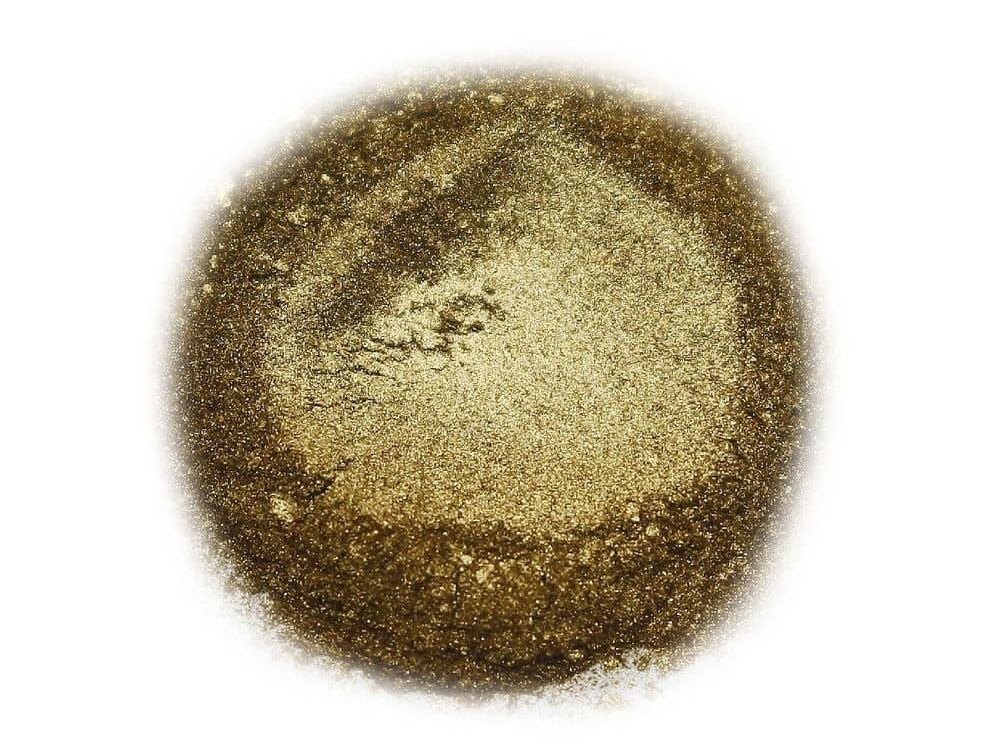
KT-AC818 Cyan Gold bronze powder is a fine-mesh metallic pigment designed for decorative coatings and plastics applications where a smooth, opaque gold finish with a cyan undertone is required. At 800 mesh particle size, this copper-zinc alloy powder delivers full hiding power at 3–8% loading and integrates into water-based systems when properly formulated, making it a practical choice for wholesale buyers sourcing plastics bronze powder or coating bronze powder in bulk.
Read More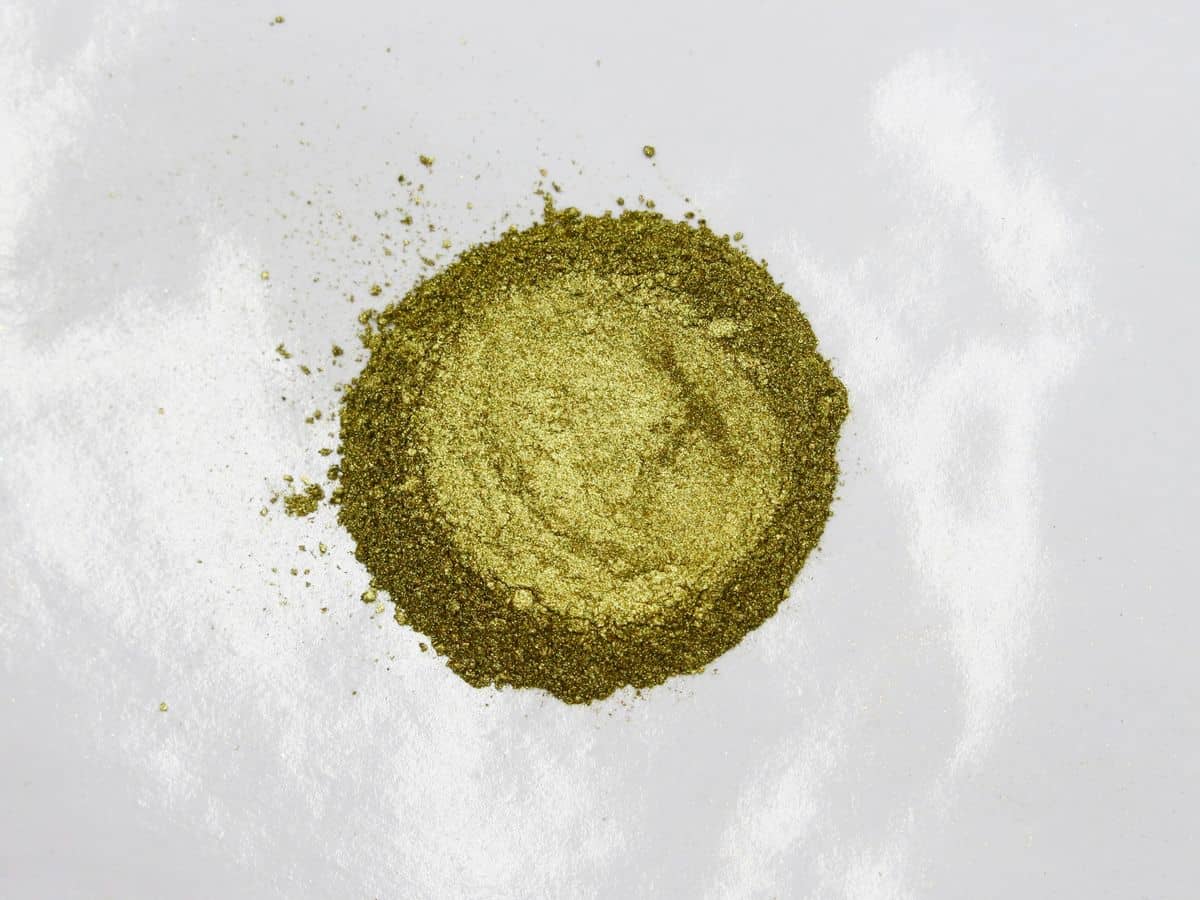
For printing ink formulators who need a consistent, high-coverage metallic finish, our AC1000GX at 1000 mesh delivers a smooth cyan-gold metallic effect with excellent hiding power at loadings of 3–8%. As wholesale gold bronze powder sourced direct from our manufacturing facility, it is classified in our fine-grade range (800–1000 mesh), where individual flakes are no longer visible and the resulting print surface reads as a uniform, continuous metal tone — the grade we see specified most often for packaging, labels, and decorative print applications.
Read More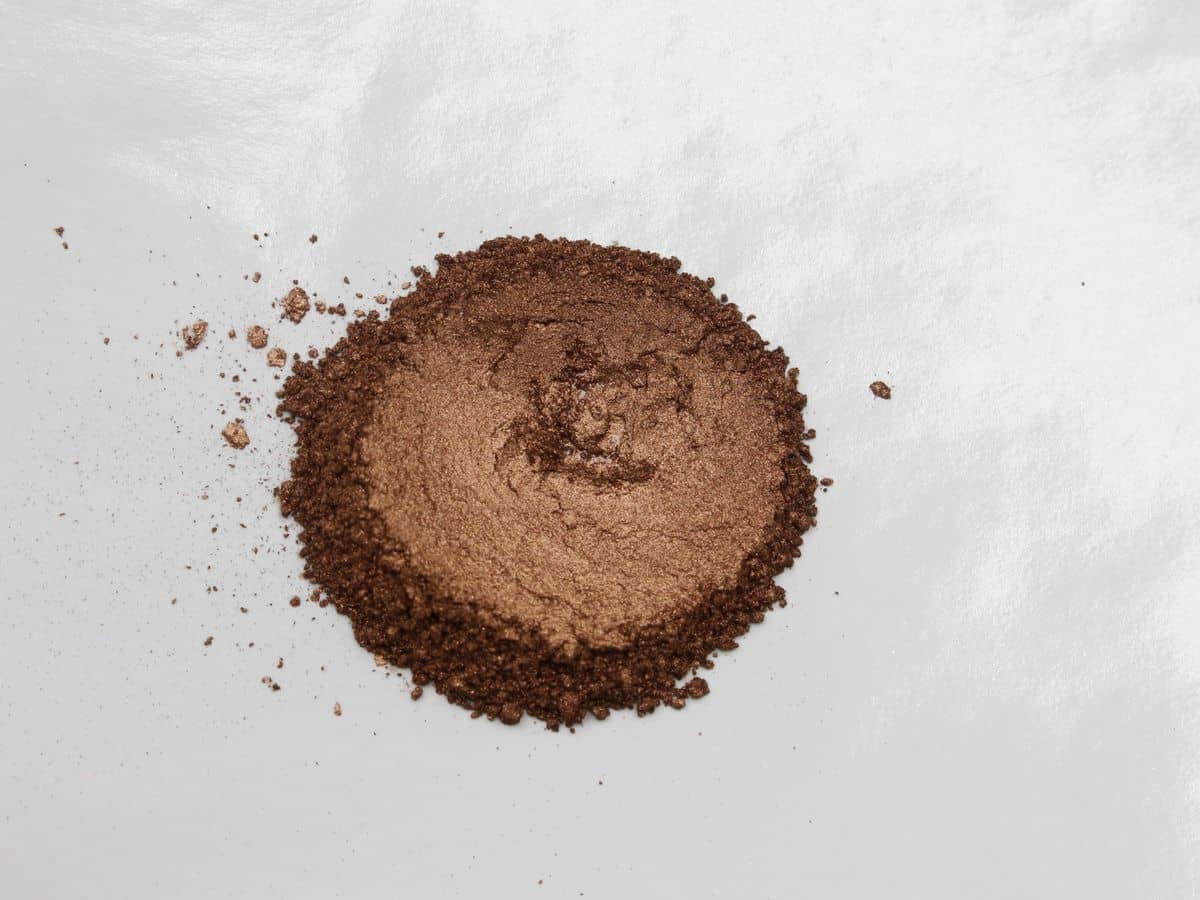
For printing ink formulators sourcing bulk antique bronze powder in extra-fine grades, the KT-AC1200BX delivers a genuine copper-zinc alloy metallic effect at 1200 mesh — classifying it as extra fine within our BX Series. At typical loadings of 3–8%, it achieves full opacity with a silky, smooth metallic finish well-suited to high-quality offset and gravure printing. The flake-based construction produces true metallic reflection, not a pearl or interference effect.
Read More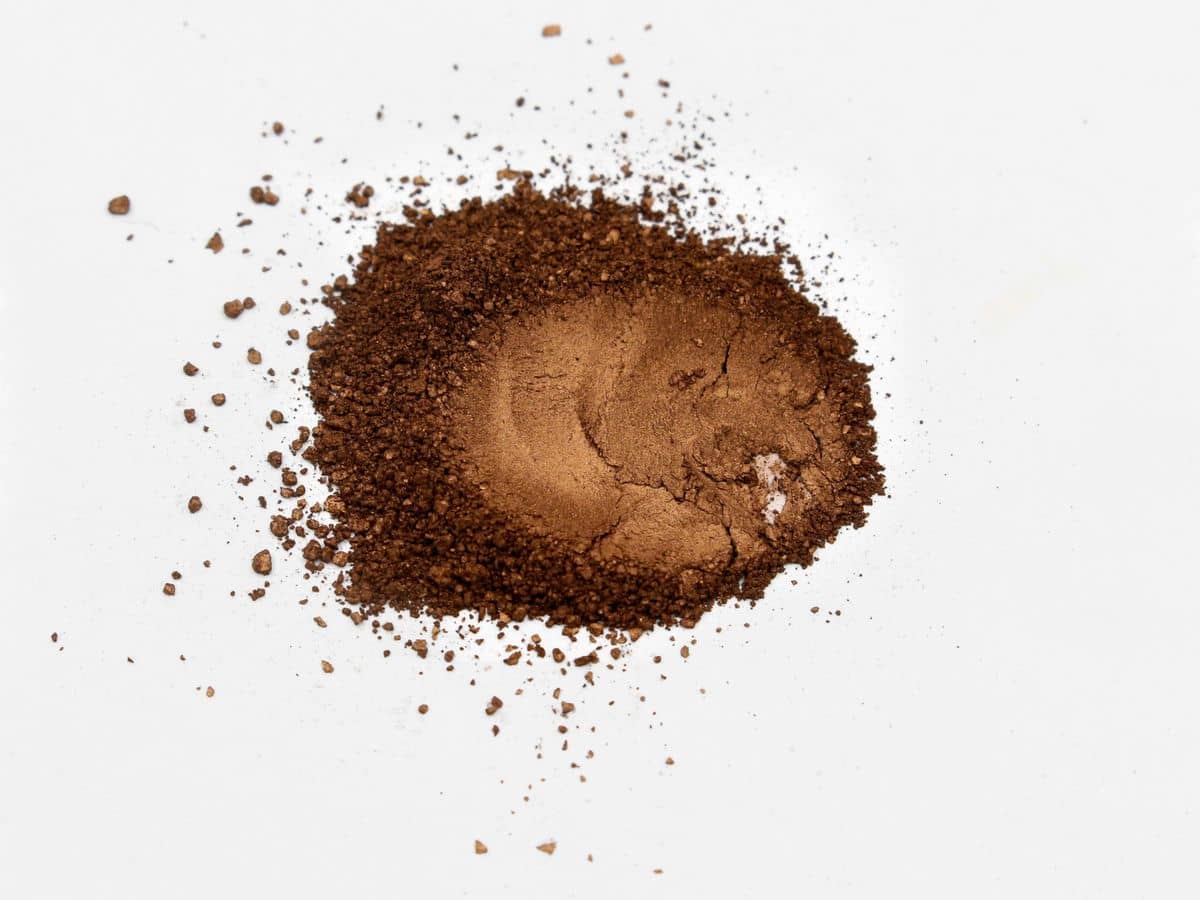
AC1500RX (KT-AC1500RX) is Kolortek's 1500-mesh extra-fine red copper gold bronze powder — a copper-zinc alloy metallic pigment delivering a true, opaque metallic finish in decorative coatings, printing inks, and plastics. As a dedicated red copper powder supplier, we produce this grade specifically for applications where a warm, rich copper tone and smooth, fine-particle surface are required. At 3–8% loading, it achieves full opacity with genuine metallic luster, not the soft sheen of mica-based interference pigments.
Read More
 English
 Français
 Deutsch
 Русский
 Español
 Português