
Leave A Message
If you are interested in our products and want to know more details,please leave a message here,we will reply you as soon as we can.
Wholesale AC818 cyan gold bronze powder for plastics and coatings
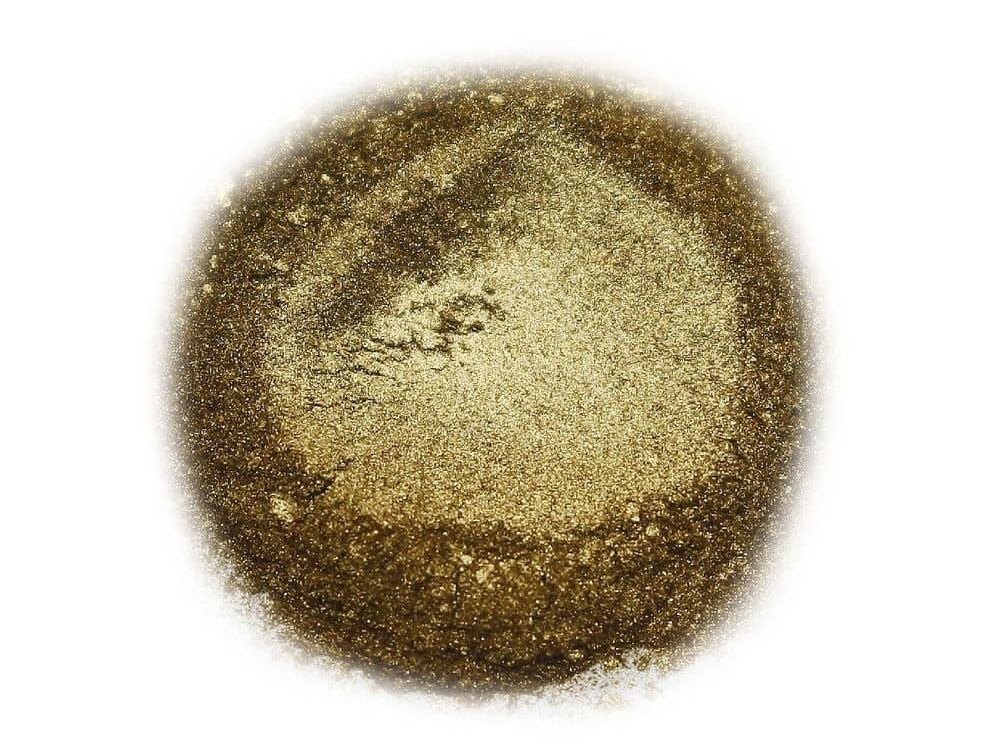
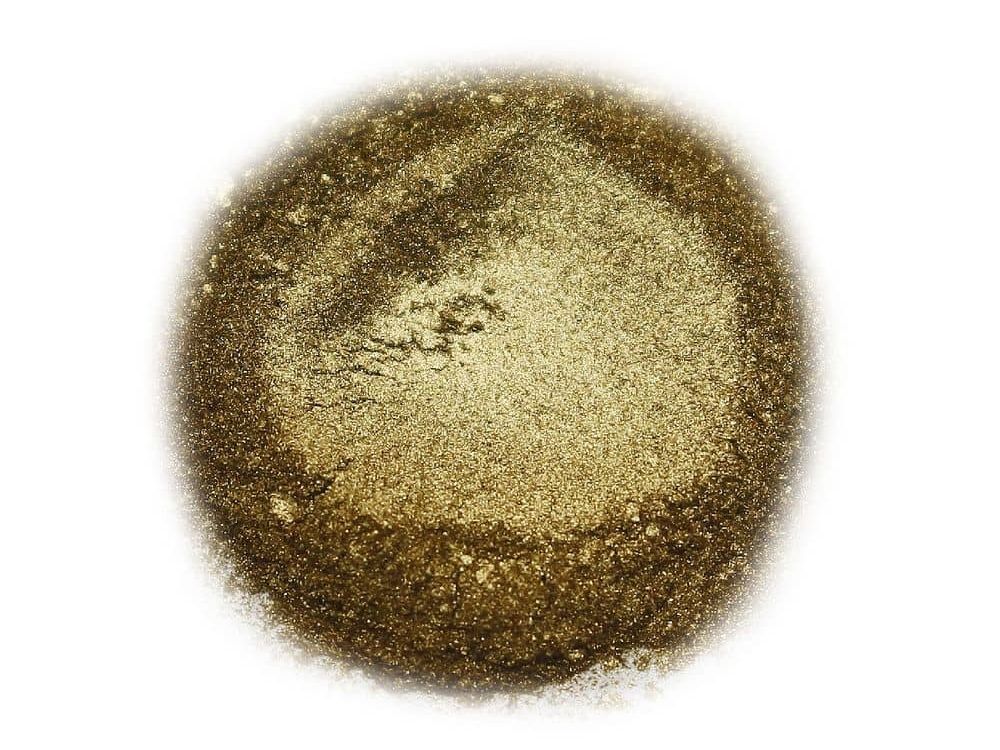
KT-AC818 Cyan Gold bronze powder is a fine-mesh metallic pigment designed for decorative coatings and plastics applications where a smooth, opaque gold finish with a cyan undertone is required. At 800 mesh particle size, this copper-zinc alloy powder delivers full hiding power at 3–8% loading and integrates into water-based systems when properly formulated, making it a practical choice for wholesale buyers sourcing plastics bronze powder or coating bronze powder in bulk.
KT-AC818 belongs to Kolortek's Gold Bronze Powder Series, a family of genuine metallic pigments built on copper-zinc alloy chemistry. Unlike mica-based pearl pigments that create color through light interference, this is a metal-flake powder that delivers true metallic reflection. The cyan gold color sits in the cooler end of the gold spectrum — useful when formulators want to avoid the warm, brassy tone of standard gold bronze and need a finish that reads more neutral or slightly greenish under certain lighting.
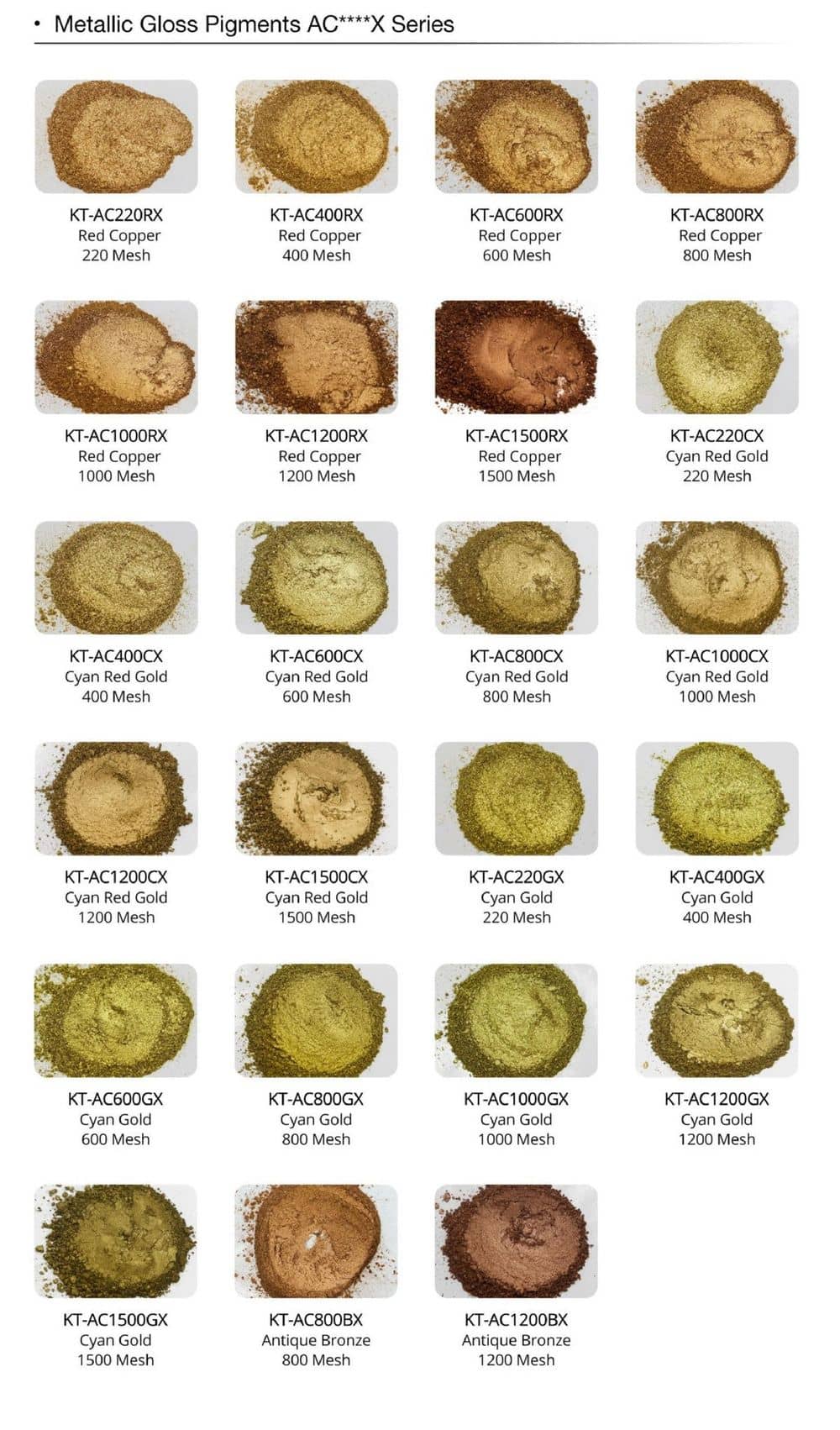
We classify 800 mesh as fine within our bronze powder range (which spans 200 to 1500 mesh). At this particle size, individual metal flakes are small enough that the finished coating or plastic part shows a uniform metallic sheen rather than a glittery or flake-patterned surface. This makes KT-AC818 suitable for applications where a refined, furniture-grade or automotive-trim appearance is the goal.
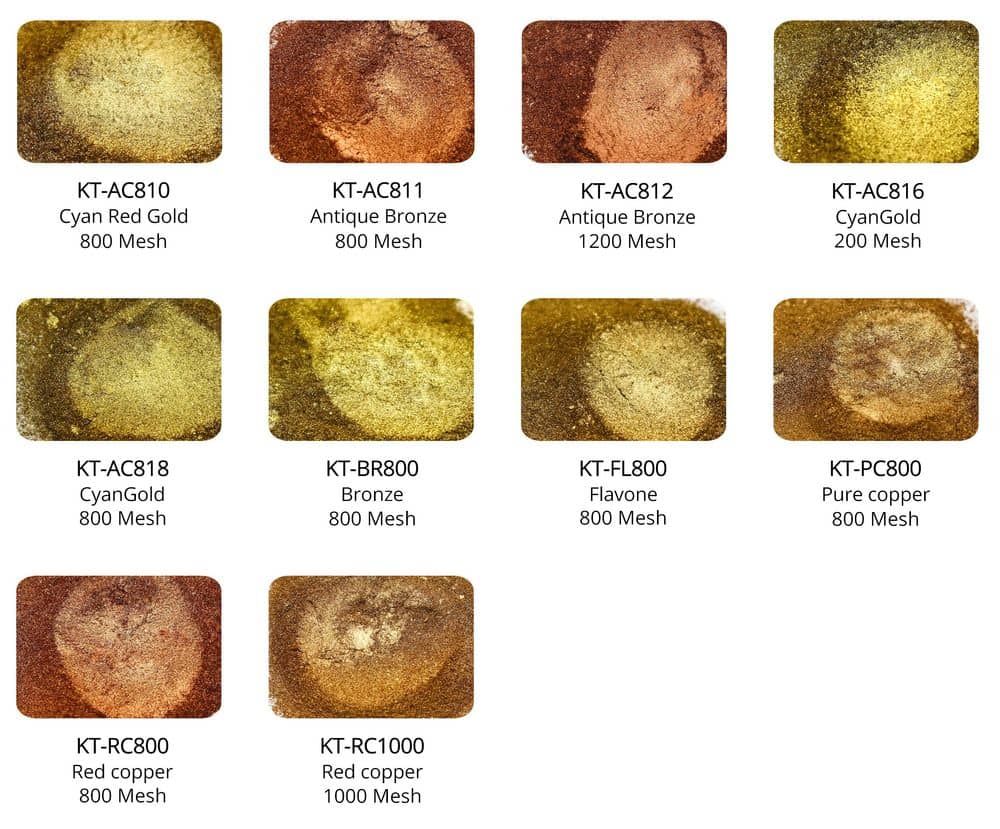
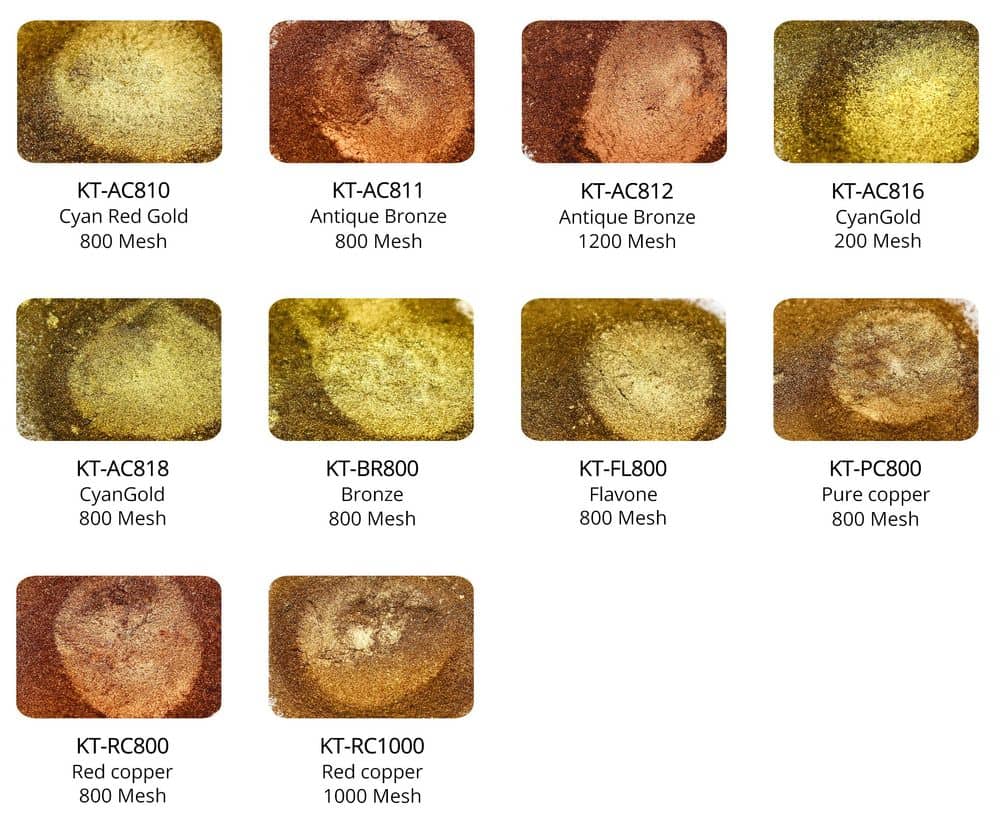
KT-AC818 is one configuration within the broader Gold Bronze Colors table. If you need a coarser flake for more pronounced metal texture or a finer powder for printing inks, related models include:
| Model Code | Color Name | Mesh Size | Typical Use |
|---|---|---|---|
| KT-AC816 | Cyan Gold | 200 mesh | Coarser flake for textured coatings |
| KT-AC818 | Cyan Gold | 800 mesh | Smooth coatings, plastics |
| KT-AC810 | Cyan Red Gold | 800 mesh | Warmer gold with red undertone |
| KT-AC811 / KT-AC812 | Antique Bronze | 800 / 1200 mesh | Aged bronze effect |
For buyers sourcing bronze powder bulk across multiple color tones, the AC series offers a standard palette. Pure copper (KT-PC800), red copper (KT-RC800 / KT-RC1000), and bronze (KT-BR800) are also available in similar fine mesh grades.
KT-AC818 delivers excellent opacity. At typical loadings of 3–8%, the pigment fully covers the substrate with no show-through. This is one of the key advantages of metal-based pigments over pearl or interference pigments, which often require higher loadings or dark base coats to achieve full color development.
As a metal-based powder, KT-AC818 is heat-stable and does not undergo thermal degradation in the way that some organic pigments or coated pearl pigments might. For plastics applications, it is suitable in PVC and PE compounds where processing temperatures are moderate. One thing to note: very high extrusion temperatures or prolonged heat exposure in reactive resin systems can lead to surface oxidation of the copper-zinc alloy, which may dull the metallic appearance. In practice, we see good results in typical injection molding and PVC calendaring operations.
Bronze powders have limited chemical resistance compared to inert pigments like titanium dioxide or iron oxide. KT-AC818 may tarnish in acidic or alkaline environments. Avoid formulations with pH below 6 or above 9. In coatings, this means careful selection of resins, solvents, and additives — particularly in water-based systems where pH control and protective surface treatment are critical. The AC series is engineered for compatibility with water-based formulations when proper dispersion and stabilization protocols are followed.
As a genuine metallic powder, KT-AC818 is electrically conductive. This makes it unsuitable for applications where electrical insulation is required, but it can be useful in specialized coatings where some degree of conductivity is acceptable or even desirable (e.g., static-dissipative flooring, grounding coatings).
KT-AC818 is widely used in decorative coatings for picture frames, furniture trim, hardware finishes, and architectural accents. The cyan gold tone works well in applications where a cooler, less brassy metallic is preferred — for example, in contemporary furniture or fixtures where the design calls for a silvery-gold rather than a warm antique gold.
In water-based coating systems, dispersion and stabilization are key. We recommend low-shear mixing to avoid deforming the metal flakes. High-speed dispersers with Cowles blades are acceptable, but avoid ball mills and high-intensity mixers that can flatten or damage the particles. A protective resin or surfactant package that encapsulates the bronze flakes will help prevent oxidation and tarnishing during storage and application.
For plastics, KT-AC818 is compounded into masterbatch for injection molding or extrusion of decorative items. Typical substrates include PVC and PE, where processing temperatures are moderate and the risk of thermal degradation of the bronze flakes is low. Common products include cosmetic packaging components, decorative housings, toys, and promotional items.
One consideration: because bronze powder is electrically conductive, it should not be used in plastic parts that come into contact with electronic components unless electrical isolation is ensured by design.
At 800 mesh, KT-AC818 sits at the boundary between coating-grade and ink-grade fineness. For smooth, fine coatings and some printing ink applications (packaging, labels, gift wrap, greeting cards), this particle size works well. For very fine security printing or offset inks, formulators may prefer 1200 or 1500 mesh grades. That said, 800 mesh is a practical choice for flexographic and gravure inks where a balance between cost and finish quality is required.
Metal pigments like KT-AC818 are not cosmetic-grade and must not be used in personal care products. For cosmetic applications requiring gold or bronze effects, refer to our cosmetic-grade pearl pigment lines (KT-500 series), which are formulated and tested for skin contact.
From our experience supporting coating and plastic customers, successful use of bronze powders depends on three things: gentle dispersion, pH control, and moisture protection.
What is the difference between 800 mesh and 200 mesh bronze powder?
800 mesh bronze powder has finer particles that produce a smooth, uniform metallic finish with no visible flake texture. 200 mesh has larger flakes that create a coarser, more textured appearance. For furniture-grade coatings or smooth plastics, 800 mesh is the better choice. For rustic or industrial finishes where a flake pattern is desirable, 200 mesh is more appropriate.
Can KT-AC818 be used in water-based coatings?
Yes. KT-AC818 is part of the AC series, which is formulated for compatibility with water-based systems. However, bronze powder reacts with water, so a protective resin or surfactant package that encapsulates the metal flakes is required. Maintain pH between 6 and 9, and use low-shear dispersion to avoid damaging the flakes. With proper formulation, KT-AC818 performs well in water-based decorative coatings.
What is the typical loading rate for KT-AC818 in plastic compounds?
Typical loading is 3–8% by weight in PVC or PE compounds. At 3%, you get good color and metallic reflection; at 8%, you achieve maximum hiding and color intensity. Higher loadings may affect melt flow and processing behavior, so testing is recommended when optimizing for a specific part design or molding process.
Is KT-AC818 suitable for outdoor applications?
Bronze powders have limited weatherability. In outdoor coatings, UV exposure and moisture can cause tarnishing and color shift over time. For long-term outdoor durability, consider topcoating with a clear UV-resistant layer or using a more stable pigment system. KT-AC818 is best suited for indoor decorative applications or outdoor products with protective overcoats.
Contact our technical team to discuss formulation requirements for your specific application.
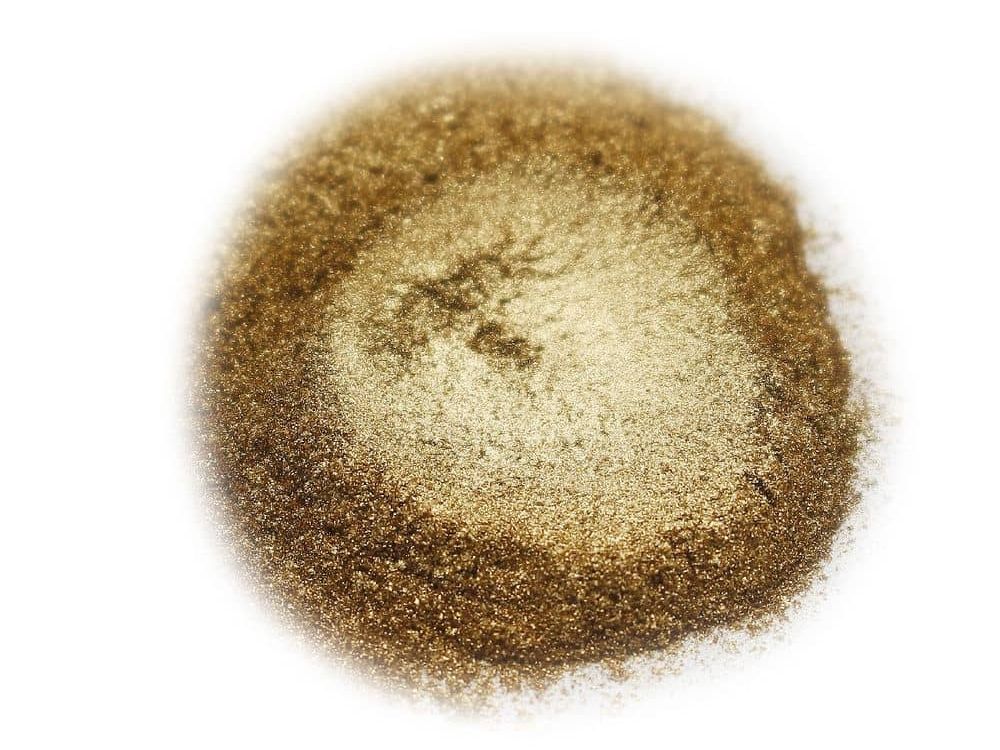
KT-AC810 is an 800-mesh cyan red gold bronze powder delivering smooth, uniform metallic coverage at 3–8% loading. From our experience in decorative coatings and printing inks, this fine-particle copper-zinc alloy provides opaque, true-metal reflection — ideal for packaging, gift wrap, and high-end craft applications where you need consistent gold bronze powder bulk performance without visible flake texture.
Read More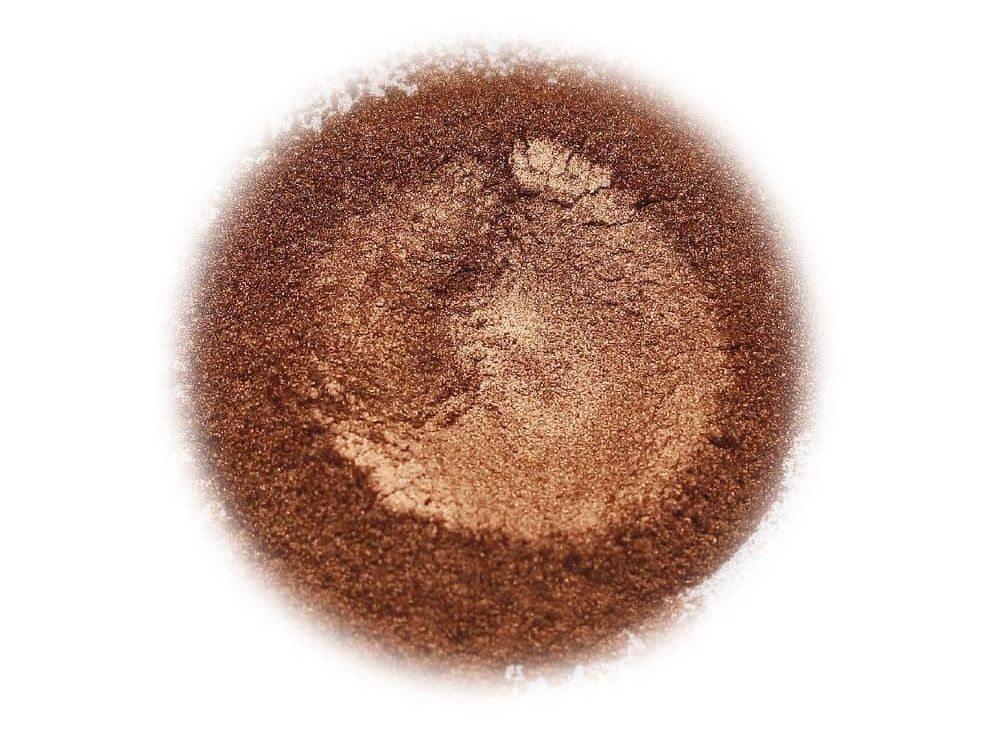
AC811 antique bronze metallic powder delivers genuine copper-zinc alloy metallic reflection at 800 mesh fineness — a smooth, uniform bronze finish you can't replicate with interference pigments. At Kolortek, we position this grade for printing inks, decorative coatings, and plastics where a true metallic surface is required. Typical loading is 3–8%, fully opaque, with excellent hiding power and thermal stability for high-temperature processing.
Read More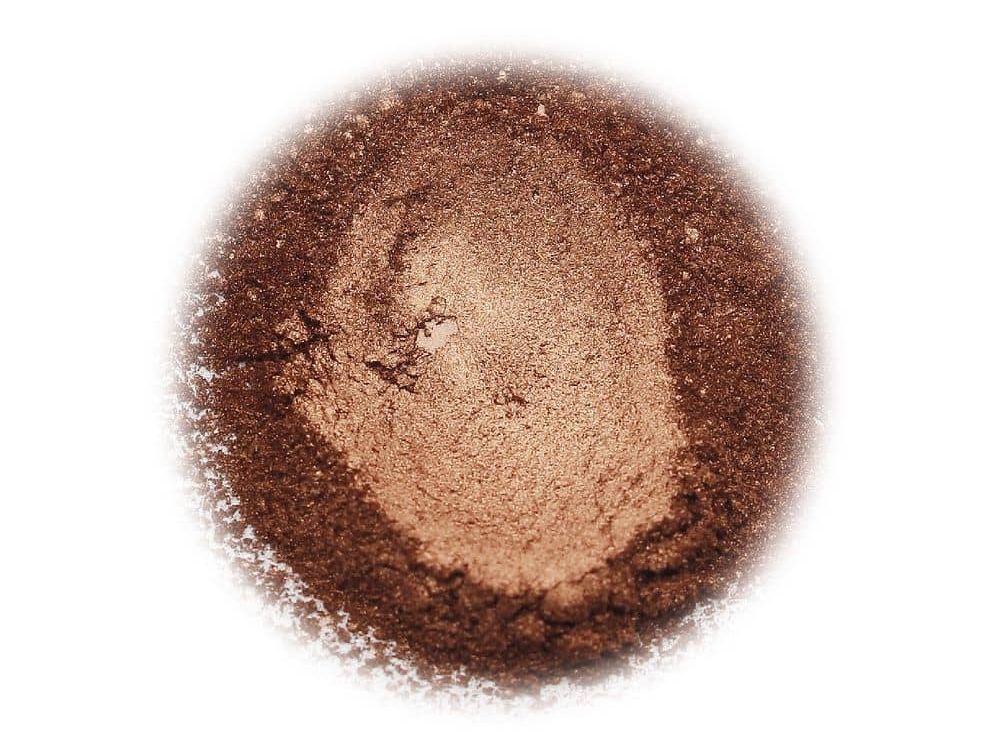
AC812 Antique Bronze is a 1200-mesh extra-fine metallic pigment from Kolortek's Gold Bronze Powder Series, delivering a silky-smooth antique bronze finish with exceptional opacity at 3–8% loading. We designed this copper-zinc alloy powder for high-quality printing applications and fine decorative coatings where a genuine metallic effect—not a pearlescent imitation—is required.
Read More
KT-AC816 is a cyan gold bronze powder manufactured by Kolortek from copper-zinc alloy, available at 200 mesh — a coarser grade that delivers maximum metallic sparkle and strong visual presence on the substrate. As a gold bronze powder manufacturer with over two decades of production experience, we supply this grade into decorative coatings, printing inks, plastics masterbatch, and craft applications where a bold, fully opaque gold-bronze effect is the primary requirement. Typical loading runs 3–8% for complete opacity.
Read More
KT-AC818 Cyan Gold bronze powder is a fine-mesh metallic pigment designed for decorative coatings and plastics applications where a smooth, opaque gold finish with a cyan undertone is required. At 800 mesh particle size, this copper-zinc alloy powder delivers full hiding power at 3–8% loading and integrates into water-based systems when properly formulated, making it a practical choice for wholesale buyers sourcing plastics bronze powder or coating bronze powder in bulk.
Read More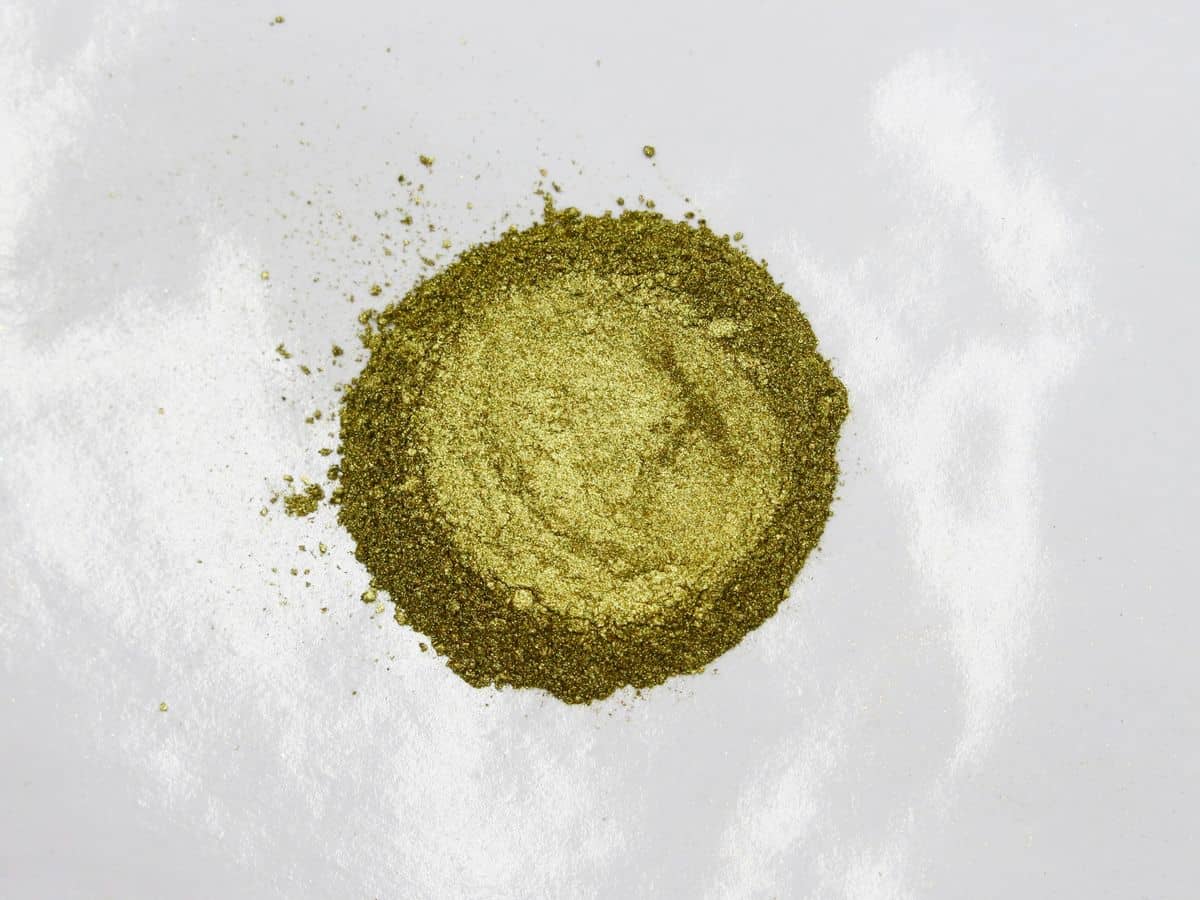
For printing ink formulators who need a consistent, high-coverage metallic finish, our AC1000GX at 1000 mesh delivers a smooth cyan-gold metallic effect with excellent hiding power at loadings of 3–8%. As wholesale gold bronze powder sourced direct from our manufacturing facility, it is classified in our fine-grade range (800–1000 mesh), where individual flakes are no longer visible and the resulting print surface reads as a uniform, continuous metal tone — the grade we see specified most often for packaging, labels, and decorative print applications.
Read More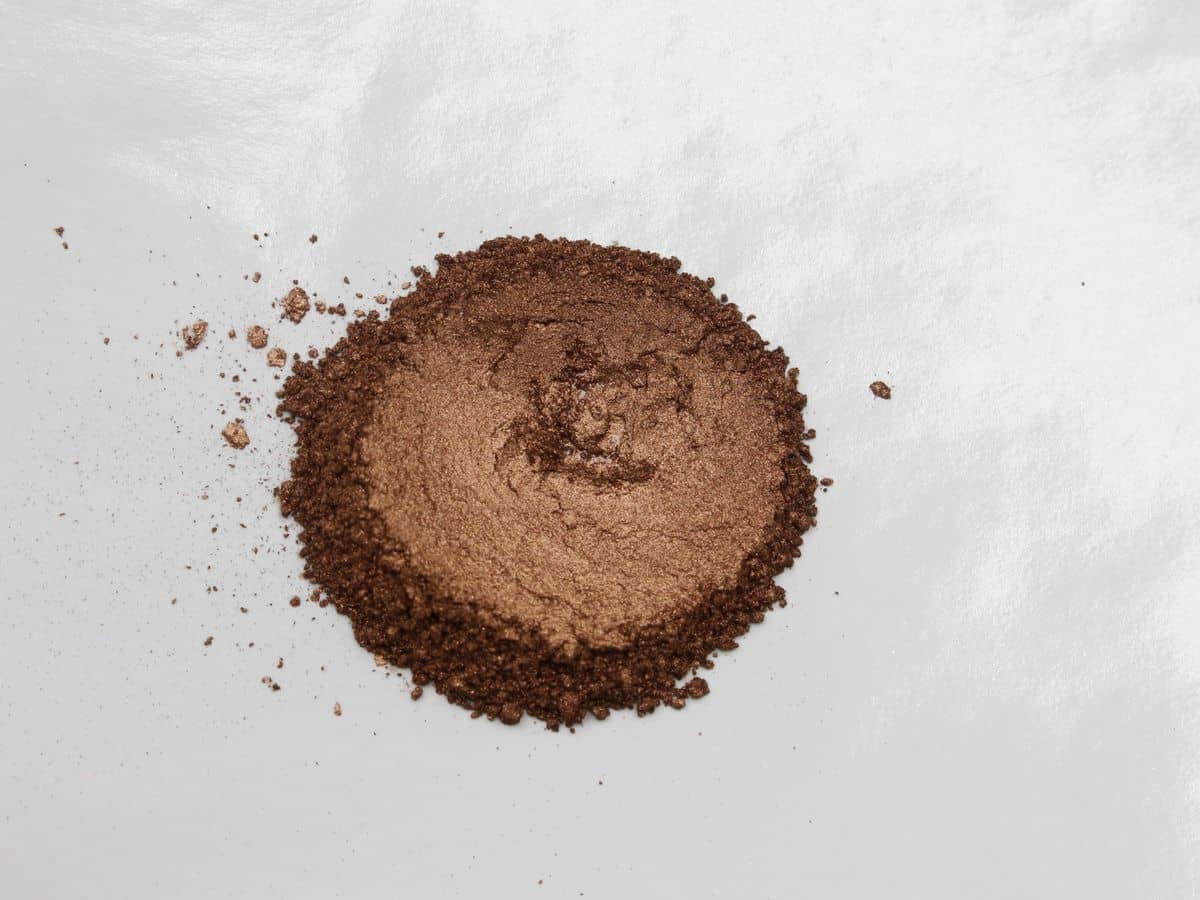
For printing ink formulators sourcing bulk antique bronze powder in extra-fine grades, the KT-AC1200BX delivers a genuine copper-zinc alloy metallic effect at 1200 mesh — classifying it as extra fine within our BX Series. At typical loadings of 3–8%, it achieves full opacity with a silky, smooth metallic finish well-suited to high-quality offset and gravure printing. The flake-based construction produces true metallic reflection, not a pearl or interference effect.
Read More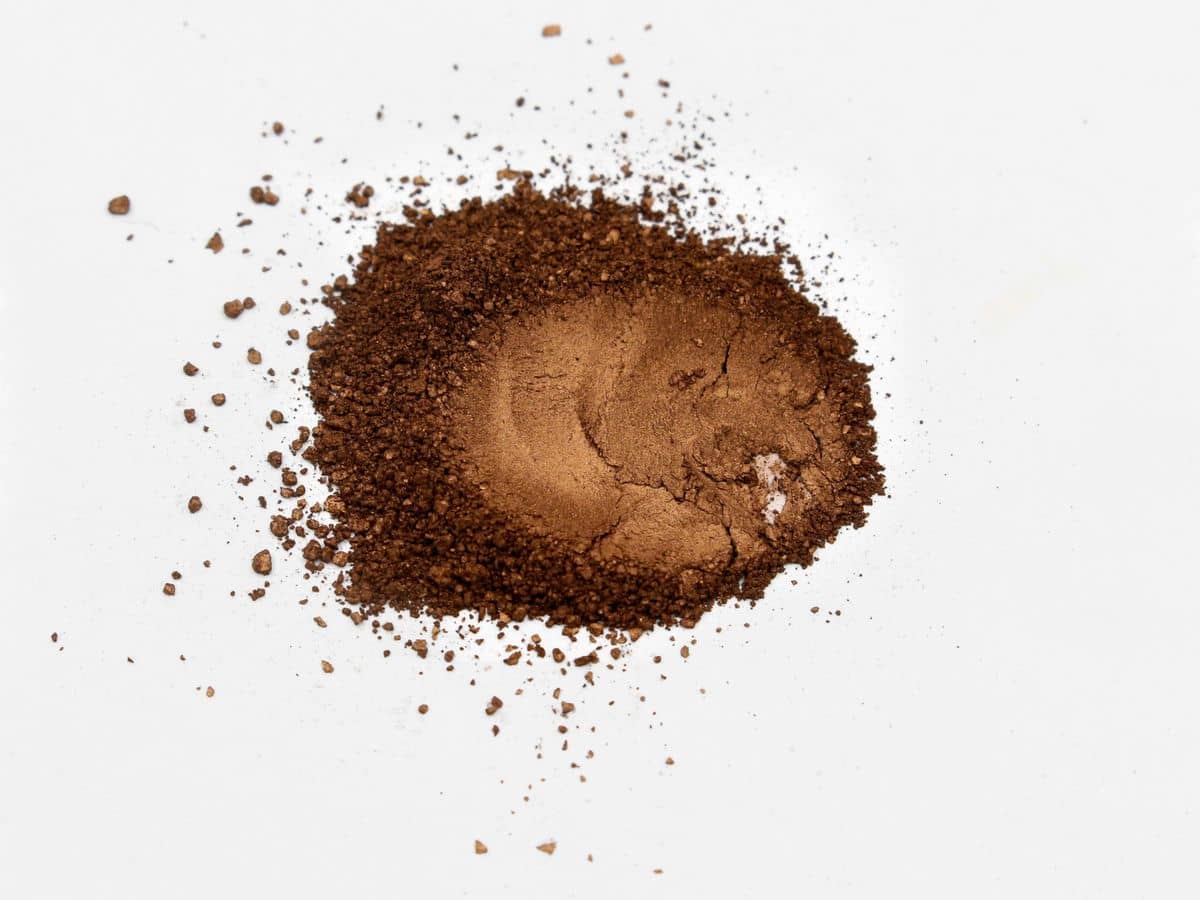
AC1500RX (KT-AC1500RX) is Kolortek's 1500-mesh extra-fine red copper gold bronze powder — a copper-zinc alloy metallic pigment delivering a true, opaque metallic finish in decorative coatings, printing inks, and plastics. As a dedicated red copper powder supplier, we produce this grade specifically for applications where a warm, rich copper tone and smooth, fine-particle surface are required. At 3–8% loading, it achieves full opacity with genuine metallic luster, not the soft sheen of mica-based interference pigments.
Read More
 English
 Français
 Deutsch
 Русский
 Español
 Português