
Leave A Message
If you are interested in our products and want to know more details,please leave a message here,we will reply you as soon as we can.
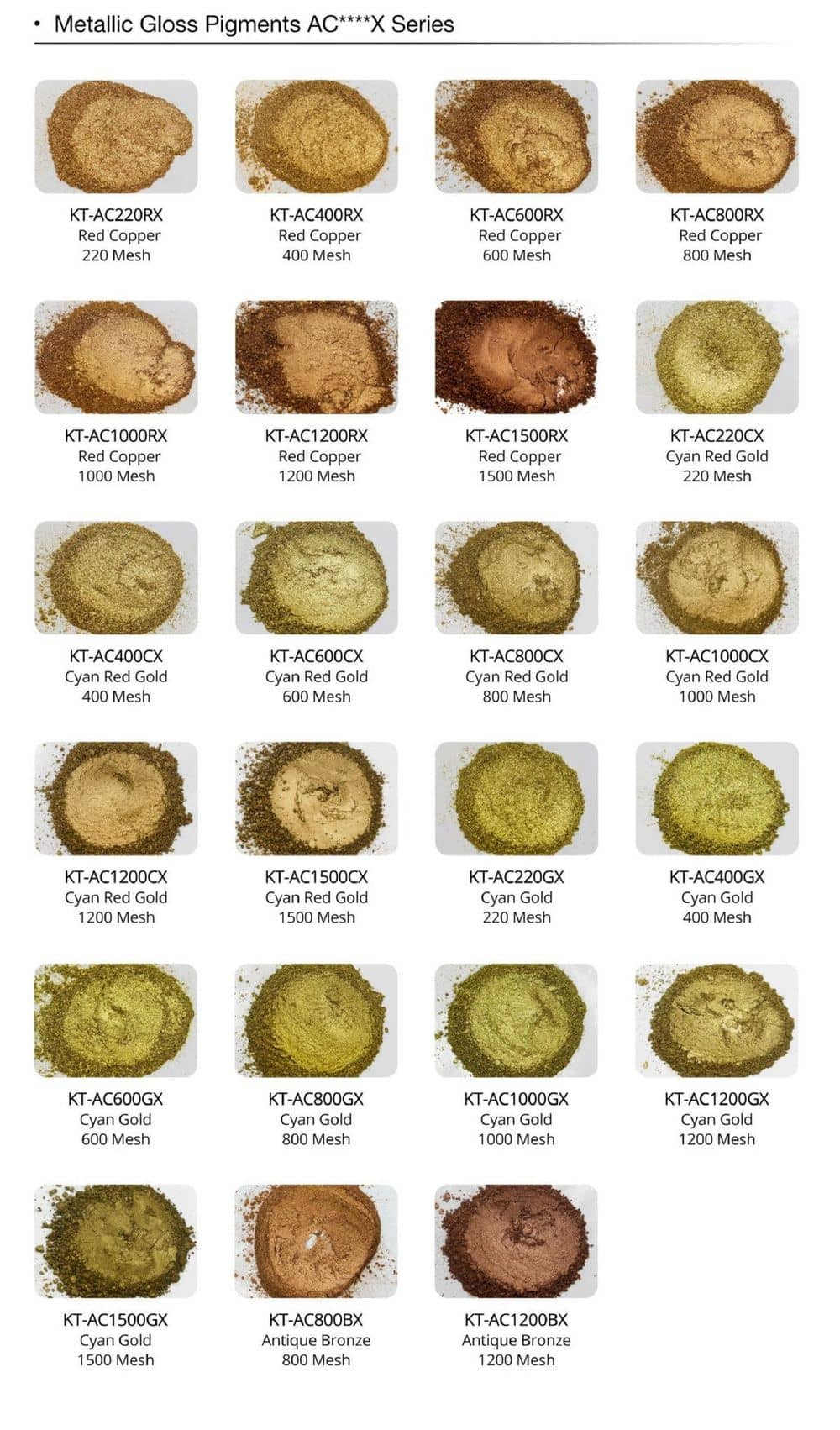
AC220CX-AC1500CX Cyan Red Gold metallic gloss pigments multiple mesh sizes
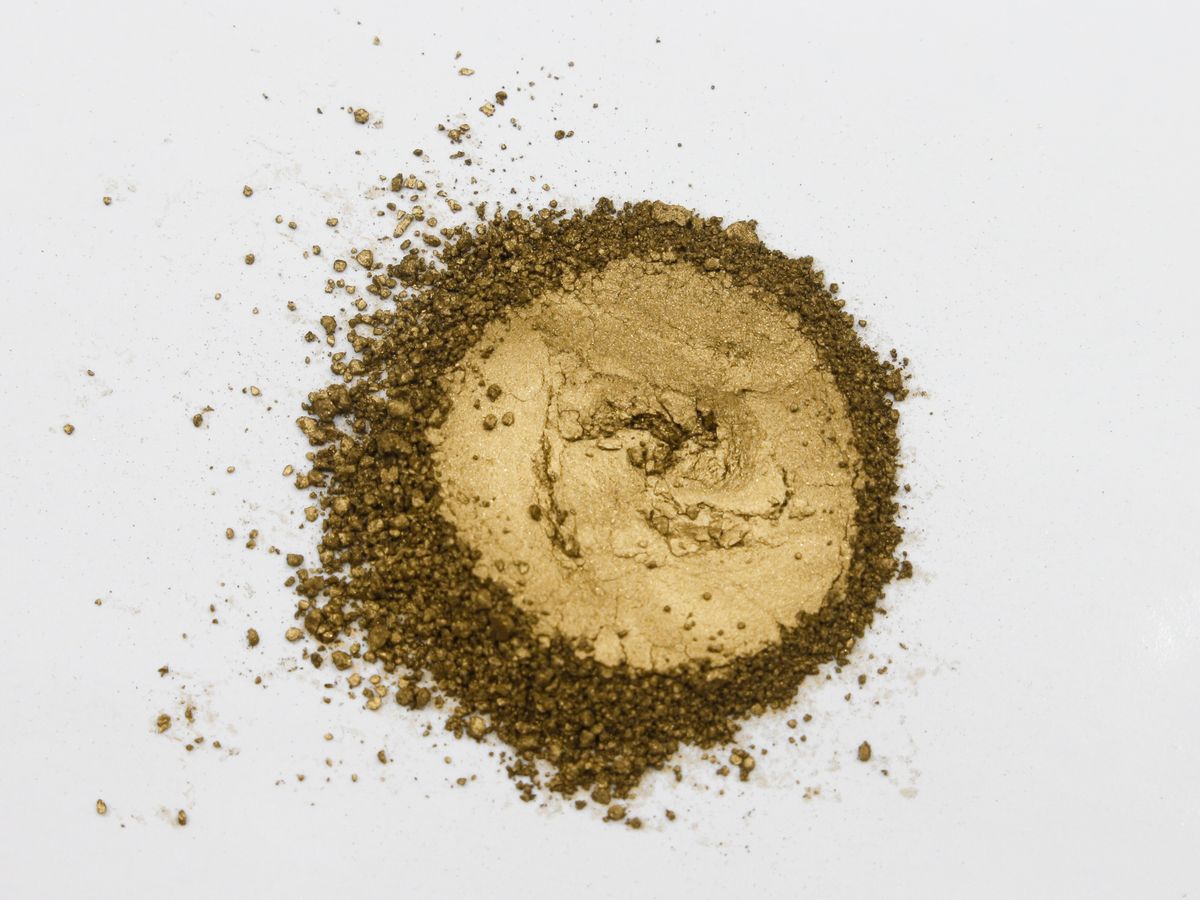
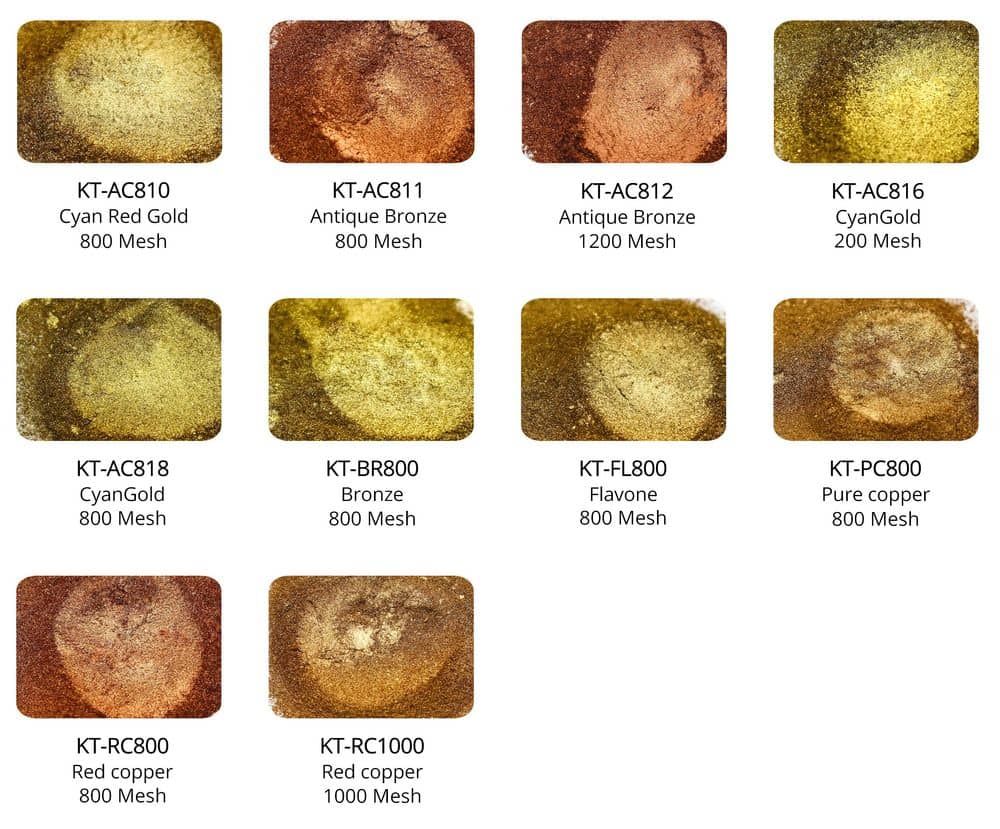
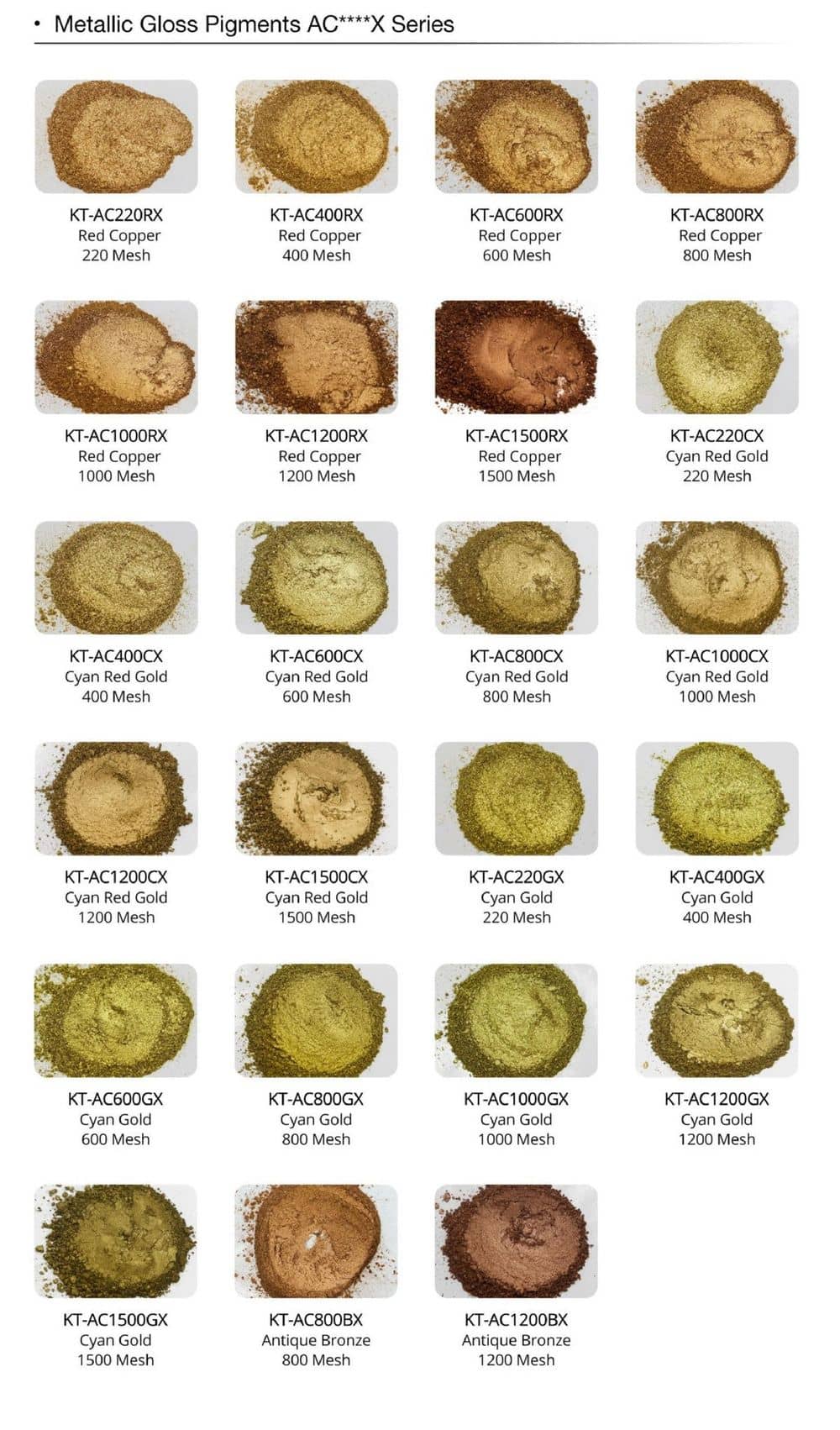
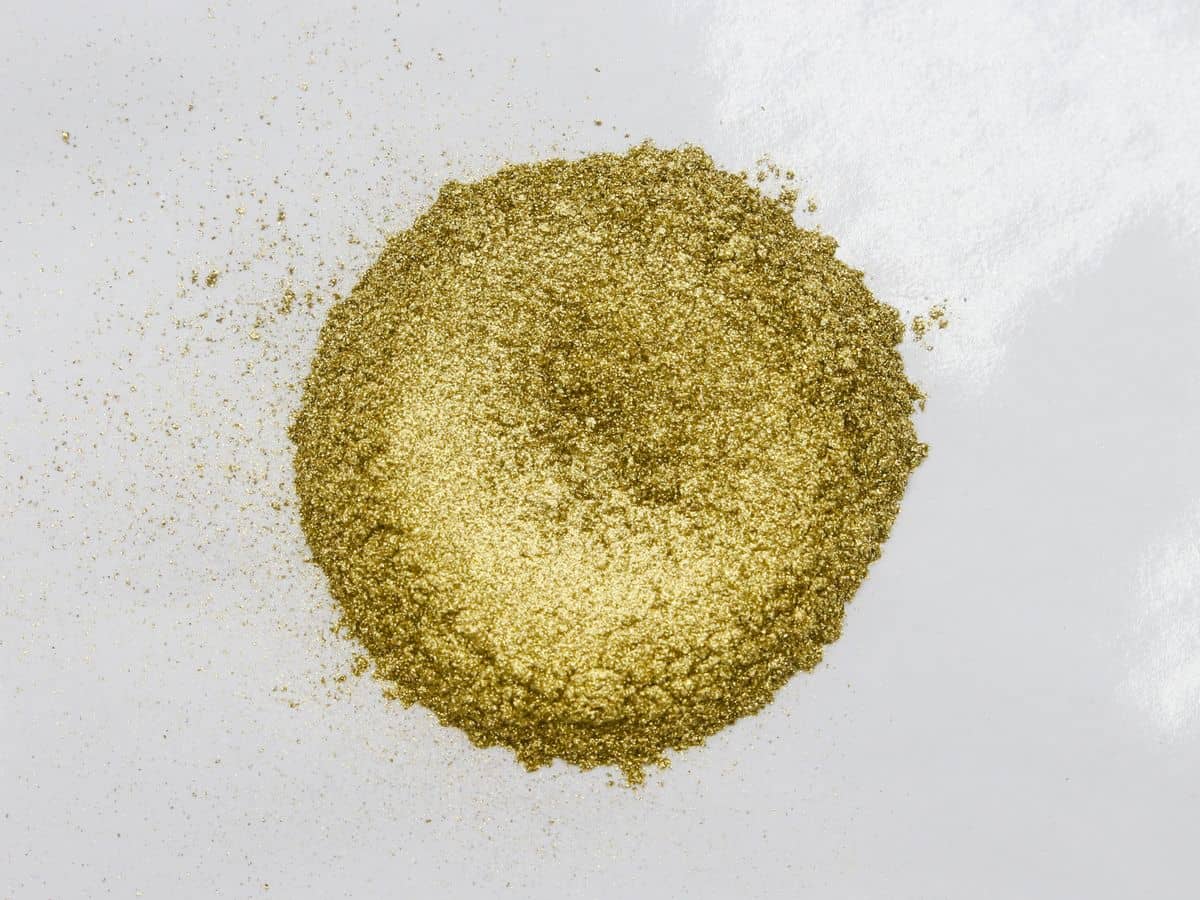
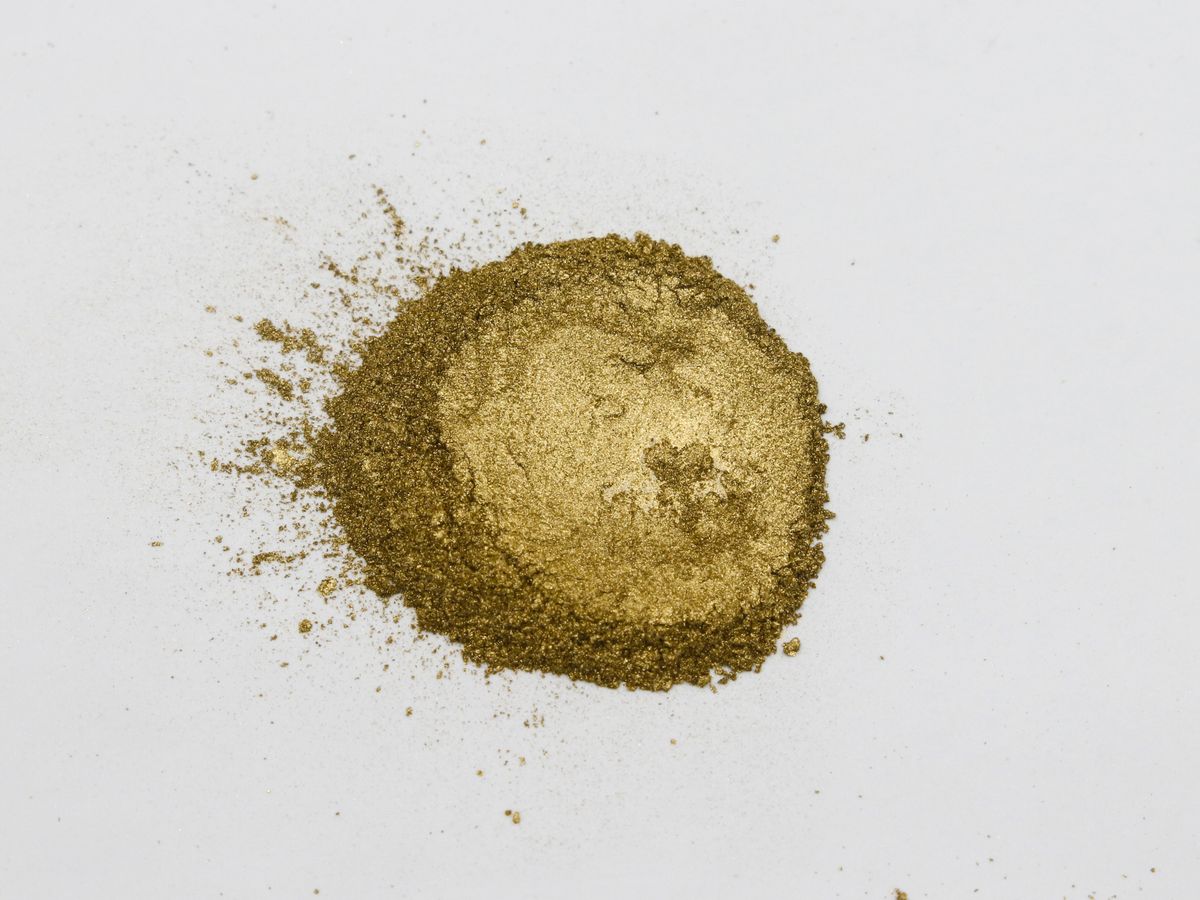
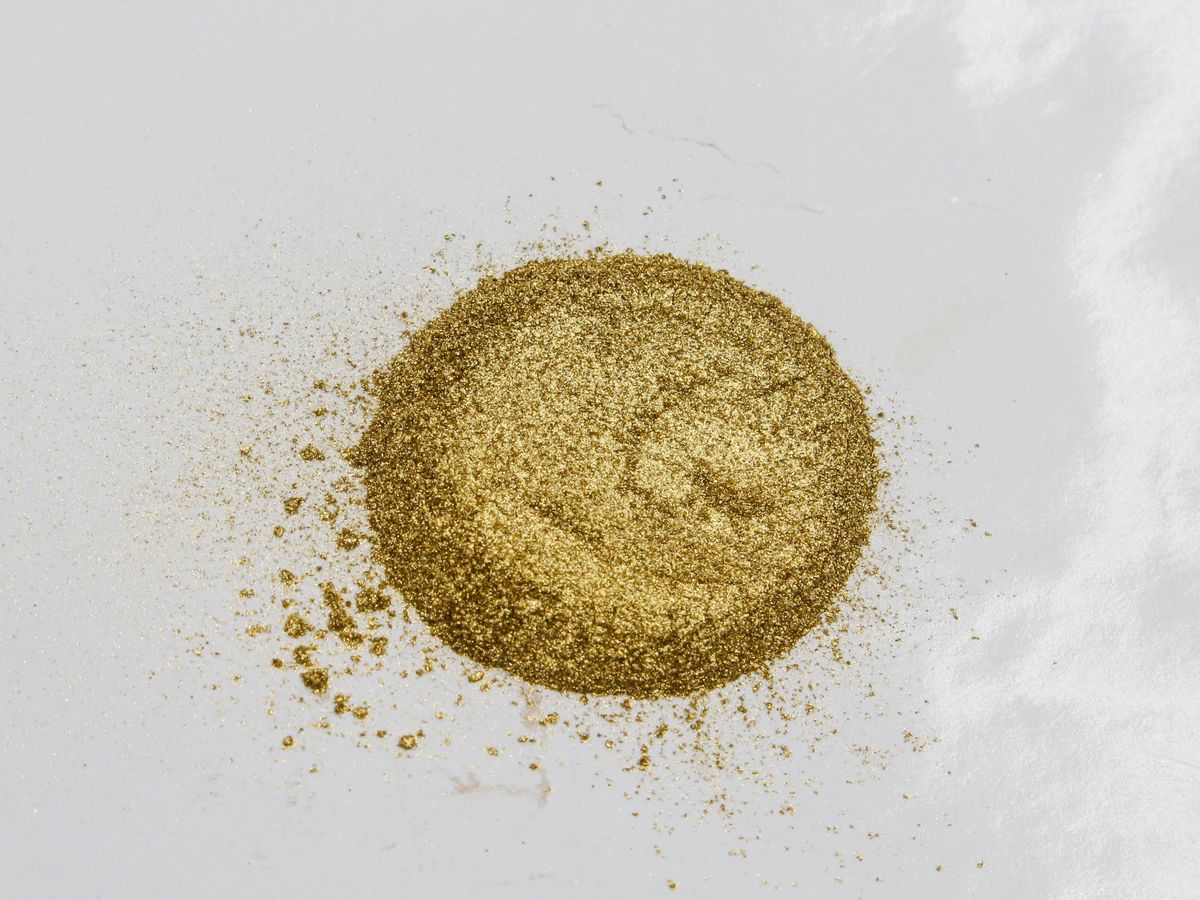
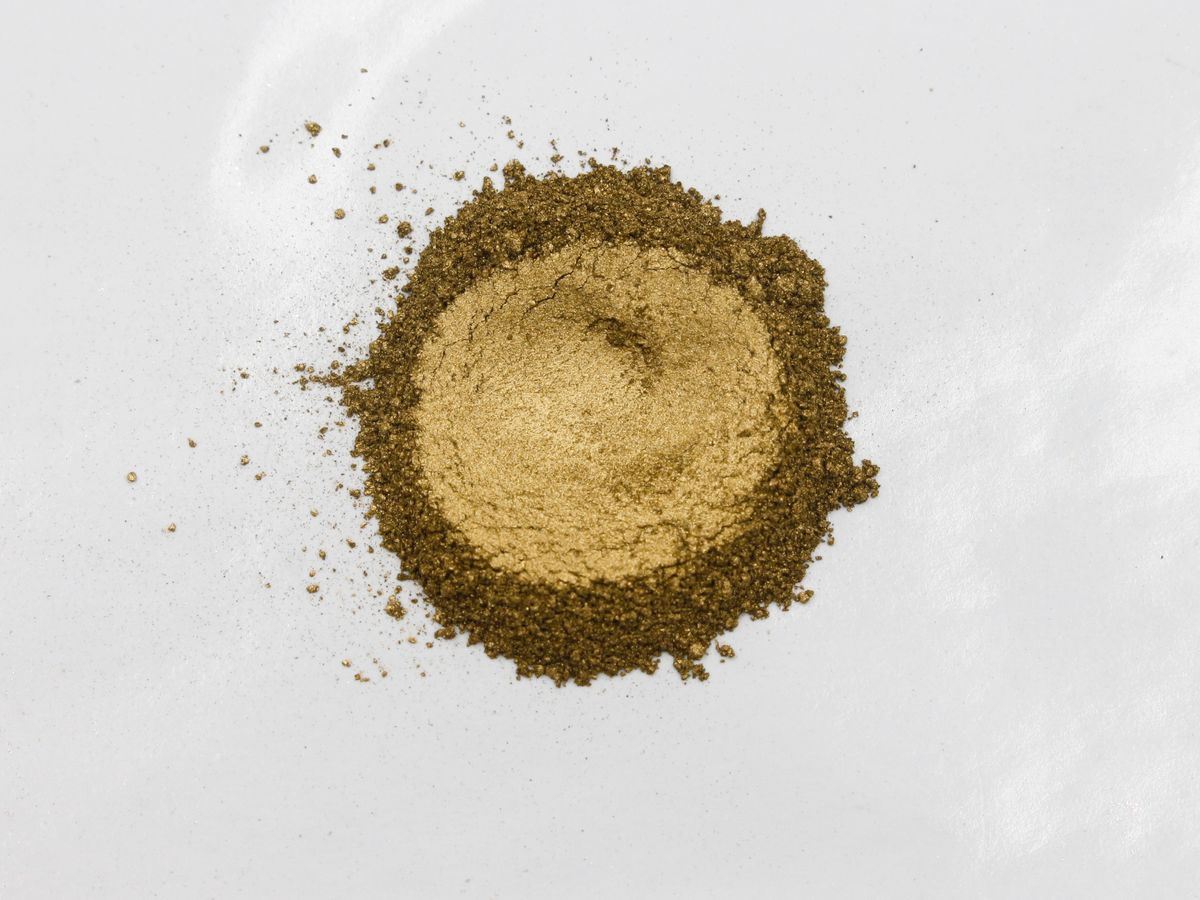
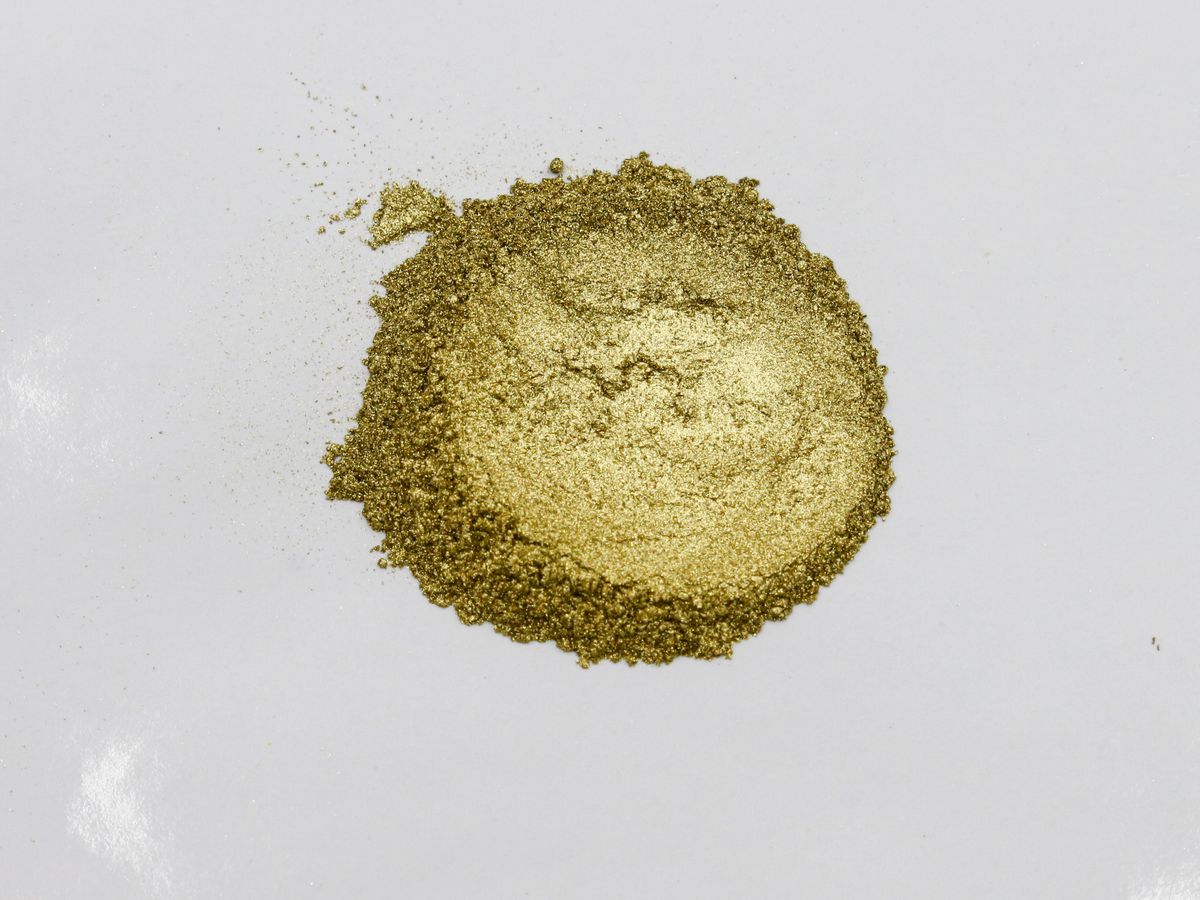
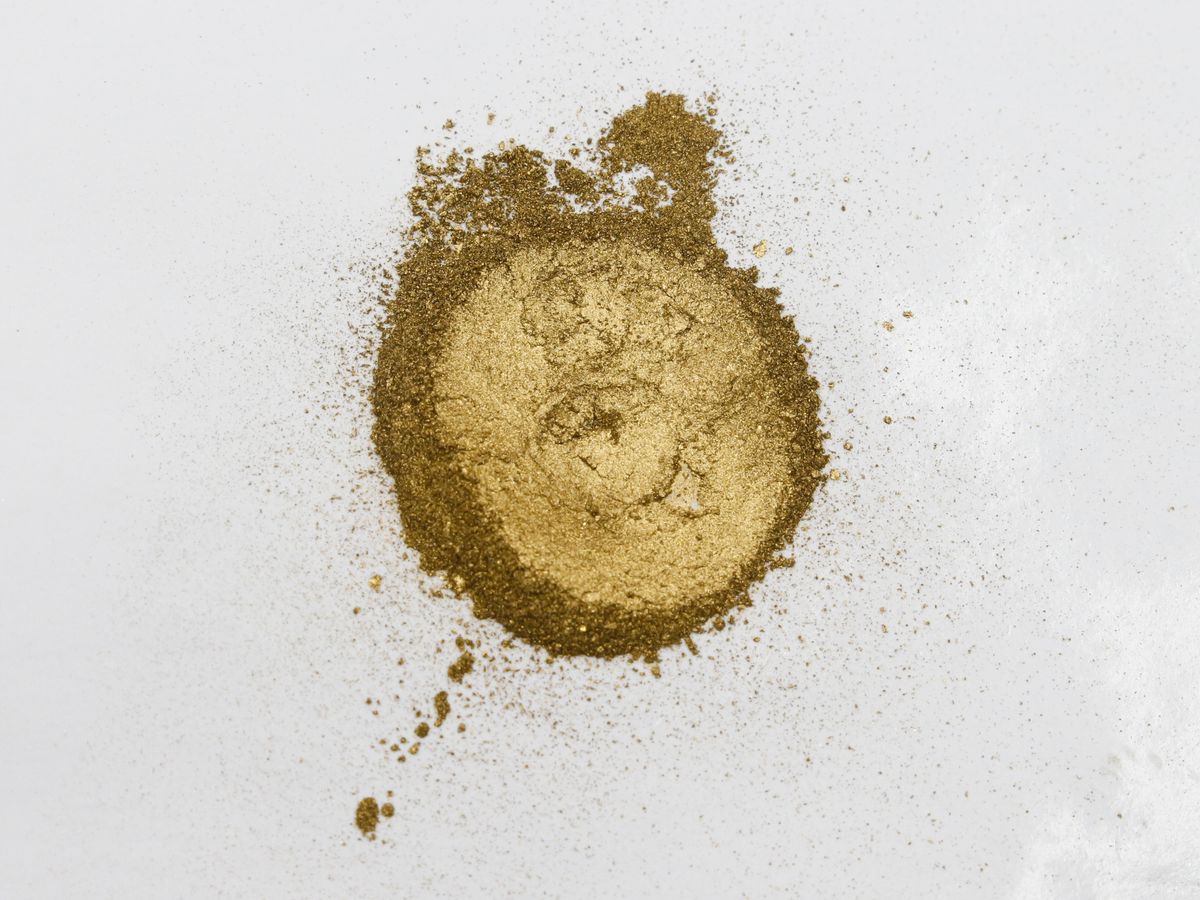
The AC220CX-AC1500CX series delivers true metallic gold, copper, and bronze luster through copper-zinc alloy particles — not interference effects. We offer seven mesh sizes from 220 to 1500, allowing formulators to tune sparkle intensity and surface texture across decorative coatings, printing inks, and plastics. At typical loadings of 3-8%, these metallic gloss pigments provide full opacity with genuine metal-like reflectance.
The AC****CX series belongs to Kolortek's Metallic Gloss Pigments portfolio — a copper gold powder family built on copper-zinc alloy particles. Unlike mica-based pearl pigments that create color through light interference, these are actual metal flakes that reflect light like a polished metal surface. The cyan red gold color combines warm copper tones with a golden sheen, making it a versatile choice for decorative finishes that need rich, warm metallic character.
In our application lab, we see formulators choose this series when they need a cost-effective alternative to metallic foil or when pearl pigments don't provide enough metallic punch. The alloy composition gives the flakes durability during processing, and the particle size range lets you dial in the exact visual texture your application requires.
The AC220CX-AC1500CX lineup provides seven mesh sizes under a single color designation. Each mesh size serves a distinct use case, from bold decorative sparkle to smooth printing finishes.
| Model Code | Color | Mesh Size | Typical Use |
|---|---|---|---|
| KT-AC220CX | Cyan Red Gold | 220 | Maximum sparkle, textured decorative coatings |
| KT-AC400CX | Cyan Red Gold | 400 | General purpose, visible flake character |
| KT-AC600CX | Cyan Red Gold | 600 | Balanced metallic effect and smoothness |
| KT-AC800CX | Cyan Red Gold | 800 | Most widely used for inks and smooth coatings |
| KT-AC1000CX | Cyan Red Gold | 1000 | Fine metallic finish, uniform surface |
| KT-AC1200CX | Cyan Red Gold | 1200 | Silky texture, high-quality printing |
| KT-AC1500CX | Cyan Red Gold | 1500 | Extra fine, offset and gravure printing |
The AC****X family also includes Red Copper (RX series), Cyan Gold (GX series), and Antique Bronze (BX series) — all sharing the same mesh size structure. This makes it easy to mix colors within the same particle size range for custom metallic blends.
The pigment is a copper-zinc alloy (gold bronze type) processed into thin flakes. When dispersed in a binder and applied to a surface, these flakes align parallel to the substrate, creating a continuous metallic reflective layer. The cyan red gold color is inherent to the alloy composition — it does not rely on optical interference or coating layers, so the effect remains stable under varying lighting conditions.
Metal flake pigments are opaque by nature. At 3-8% loading by weight, the AC****CX series provides full coverage over dark substrates. Lower loadings (1-3%) create translucent metallic veiling effects, useful for topcoats over colored bases. Higher loadings above 8% do not significantly improve opacity but may affect rheology and cost.
Copper-zinc alloy is heat stable through typical coating baking cycles and thermoplastic processing temperatures. The metal itself does not decompose or discolor from heat. However, the alloy is chemically reactive. Avoid formulations with pH below 6 or above 9 — acidic or alkaline environments will oxidize the metal surface, causing discoloration and loss of luster. In water-based systems, a protective surface coating (silica, stearate, or polymer encapsulation) is required to prevent reaction with water, which generates hydrogen gas and causes tarnishing.
The pigment is electrically conductive. This makes it unsuitable for applications requiring electrical insulation, such as electronic component coatings or conductive pathway isolation.
This is the primary application for the AC****CX series. Picture frames, furniture trim, architectural moldings, and decorative hardware all benefit from the warm, reflective cyan red gold finish. For these applications, 400-800 mesh provides good balance between metallic impact and smooth application. The pigment disperses easily in alkyd, polyurethane, and acrylic solvent systems with low-shear mixing.
Packaging, labels, greeting cards, and security printing use 800-1500 mesh grades. The finer particle sizes allow the ink to pass through printing screens and rollers without clogging, while still delivering a metallic appearance. Offset and gravure printing typically require 1200 or 1500 mesh for consistent ink flow and uniform metallic coverage.
Injection molding and extrusion of decorative plastic items (toys, consumer goods packaging, automotive interior trim) use 800-1200 mesh. The pigment must be pre-dispersed into a masterbatch carrier resin to ensure uniform distribution in the final molded part. The high specific gravity of metal flakes means they settle during storage, so thorough mixing before use is critical.
Screen printing on fabric for decorative garments and home textiles uses 400-800 mesh. The pigment is mixed into a textile binder system and printed onto the fabric surface. The metallic effect sits on top of the textile rather than penetrating the fibers, so abrasion resistance depends on the binder formulation.
Statue decoration, temple ornaments, and ceremonial objects often use metallic finishes for visual richness. The cyan red gold color suits traditional and decorative applications where warm metallic tones are preferred over silver or aluminum.
| Application | Recommended Mesh | Key Consideration |
|---|---|---|
| Decorative coatings (coarse) | 220-400 | Maximum sparkle, textured finish |
| Standard coating | 600-800 | Balanced metallic effect and smoothness |
| Fine coating | 1000-1200 | Silky, uniform metallic surface |
| Printing ink | 800-1500 | Fine particle size prevents clogging |
| Plastics masterbatch | 800-1200 | Pre-disperse in carrier resin |
| Craft supplies | 200-800 | Flexible mesh choice based on desired effect |
Use low-shear mixing to avoid deforming the metal flakes. High-speed dispersers with cowles blades work well — the goal is to wet out the flakes and distribute them evenly without breaking them down. Avoid ball mills and high-intensity mixers that flatten or fracture the particles. In practice, we add the pigment slowly to the binder under moderate agitation, allowing each addition to fully incorporate before adding more.
Maintain formulation pH between 6 and 9. Below pH 6, acids attack the copper-zinc alloy, causing rapid discoloration and hydrogen gas evolution. Above pH 9, alkaline conditions also corrode the metal surface. Most solvent-based systems naturally fall within this range, but water-based formulations require pH monitoring and adjustment.
Bronze powders react with water, producing hydrogen gas and discoloration. To use the AC****CX series in water-based coatings or inks, the pigment must be protected with a surface coating — typically silica, stearate, or polymer encapsulation. This barrier prevents direct contact between water and the metal surface. If you are formulating a water-based system, confirm with us that the specific grade you are using has the required surface treatment.
Store in sealed containers in a dry environment. Exposure to moisture and air over time can lead to surface oxidation. The pigment is a non-flammable solid and is not classified as hazardous for transport. MSDS/SDS is provided with all shipments.
Kolortek's manufacturing facility operates under ISO 9001:2015 certification, covering production and sales of glitters, pigments, and fillers. This ensures batch-to-batch consistency and traceability. The AC****CX series is not for cosmetic use — metal pigments are not cosmetic-grade and must not be used in personal care products. For food-contact applications, specific compliance must be confirmed on a case-by-case basis.
Can I use AC****CX cyan red gold pigments in water-based coatings?
Traditional bronze powders react with water, producing hydrogen gas and discoloration. The AC****CX series requires a protective surface coating (silica, stearate, or polymer encapsulation) for use in water-based systems. Confirm with us that the specific grade has this treatment before formulating a water-based product.
What mesh size should I choose for printing inks?
For screen printing, use 800-1000 mesh. For offset and gravure printing, use 1200-1500 mesh. Finer particle sizes prevent clogging in printing equipment while still delivering a metallic appearance. The 1500 mesh grade provides the smoothest ink flow and is the standard choice for high-speed commercial printing.
How does cyan red gold differ from standard copper or bronze pigments?
Cyan red gold is a specific copper-zinc alloy composition that produces a warm golden tone with copper and bronze undertones. Standard copper pigments are redder, and standard bronze pigments are more yellow-gold. The cyan red gold color sits between these, offering a richer, more complex metallic appearance that works well in decorative applications.
What is the typical loading rate for full opacity in a coating?
3-8% by weight provides full coverage over dark substrates. Lower loadings (1-3%) create translucent metallic veiling effects. Higher loadings above 8% do not significantly improve opacity but may affect rheology and increase cost. Start at 5% and adjust based on your substrate color and desired metallic intensity.
Contact our technical team to discuss formulation requirements for your specific application.
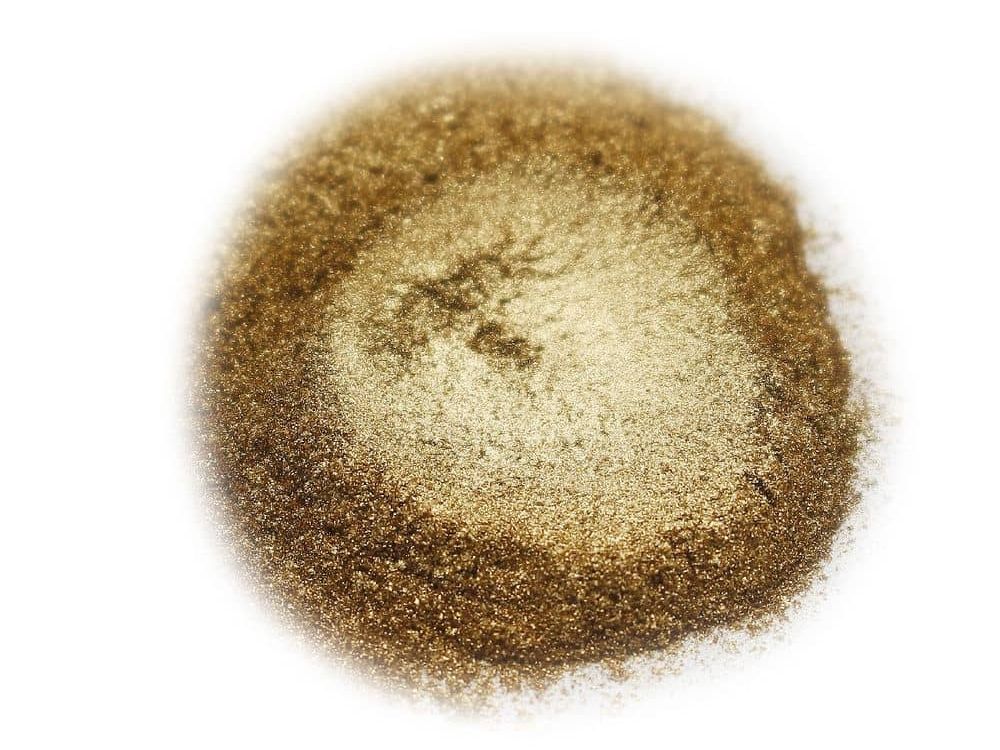
KT-AC810 is an 800-mesh cyan red gold bronze powder delivering smooth, uniform metallic coverage at 3–8% loading. From our experience in decorative coatings and printing inks, this fine-particle copper-zinc alloy provides opaque, true-metal reflection — ideal for packaging, gift wrap, and high-end craft applications where you need consistent gold bronze powder bulk performance without visible flake texture.
Read More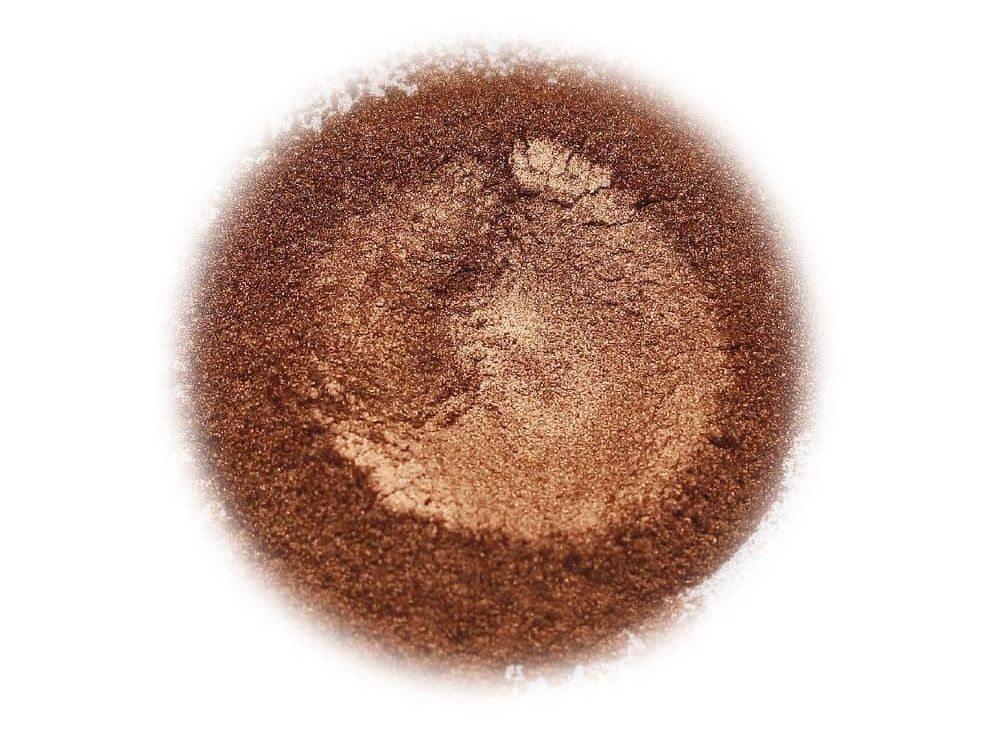
AC811 antique bronze metallic powder delivers genuine copper-zinc alloy metallic reflection at 800 mesh fineness — a smooth, uniform bronze finish you can't replicate with interference pigments. At Kolortek, we position this grade for printing inks, decorative coatings, and plastics where a true metallic surface is required. Typical loading is 3–8%, fully opaque, with excellent hiding power and thermal stability for high-temperature processing.
Read More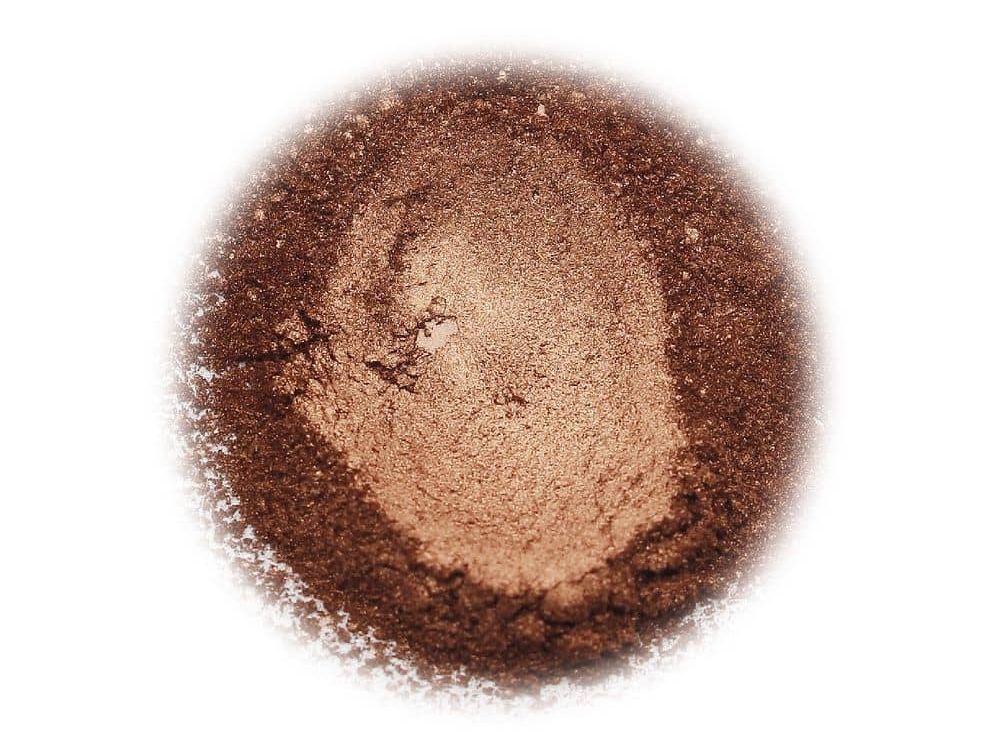
AC812 Antique Bronze is a 1200-mesh extra-fine metallic pigment from Kolortek's Gold Bronze Powder Series, delivering a silky-smooth antique bronze finish with exceptional opacity at 3–8% loading. We designed this copper-zinc alloy powder for high-quality printing applications and fine decorative coatings where a genuine metallic effect—not a pearlescent imitation—is required.
Read More
KT-AC816 is a cyan gold bronze powder manufactured by Kolortek from copper-zinc alloy, available at 200 mesh — a coarser grade that delivers maximum metallic sparkle and strong visual presence on the substrate. As a gold bronze powder manufacturer with over two decades of production experience, we supply this grade into decorative coatings, printing inks, plastics masterbatch, and craft applications where a bold, fully opaque gold-bronze effect is the primary requirement. Typical loading runs 3–8% for complete opacity.
Read More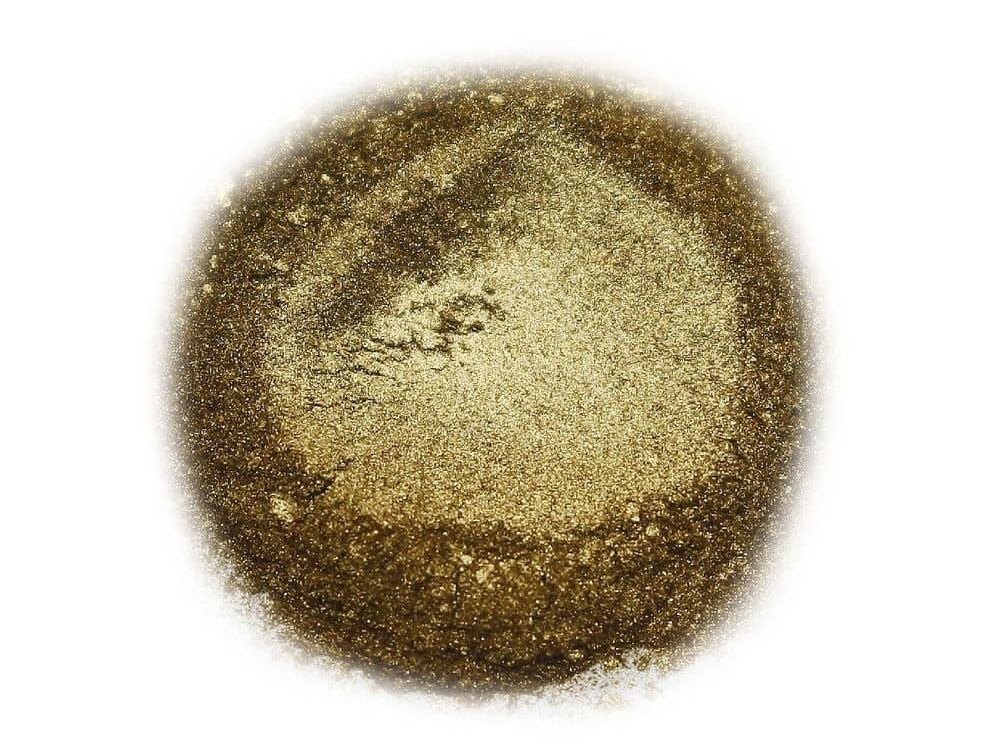
KT-AC818 Cyan Gold bronze powder is a fine-mesh metallic pigment designed for decorative coatings and plastics applications where a smooth, opaque gold finish with a cyan undertone is required. At 800 mesh particle size, this copper-zinc alloy powder delivers full hiding power at 3–8% loading and integrates into water-based systems when properly formulated, making it a practical choice for wholesale buyers sourcing plastics bronze powder or coating bronze powder in bulk.
Read More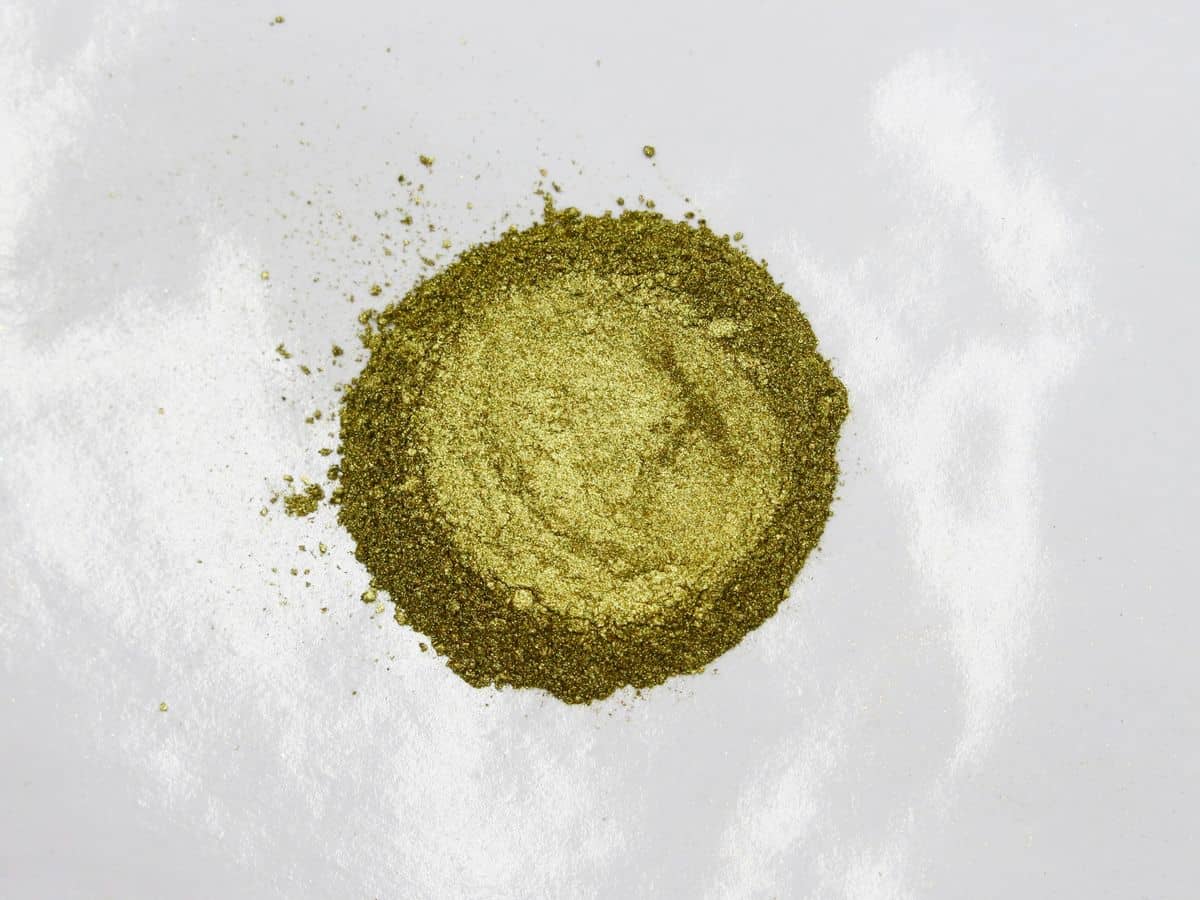
For printing ink formulators who need a consistent, high-coverage metallic finish, our AC1000GX at 1000 mesh delivers a smooth cyan-gold metallic effect with excellent hiding power at loadings of 3–8%. As wholesale gold bronze powder sourced direct from our manufacturing facility, it is classified in our fine-grade range (800–1000 mesh), where individual flakes are no longer visible and the resulting print surface reads as a uniform, continuous metal tone — the grade we see specified most often for packaging, labels, and decorative print applications.
Read More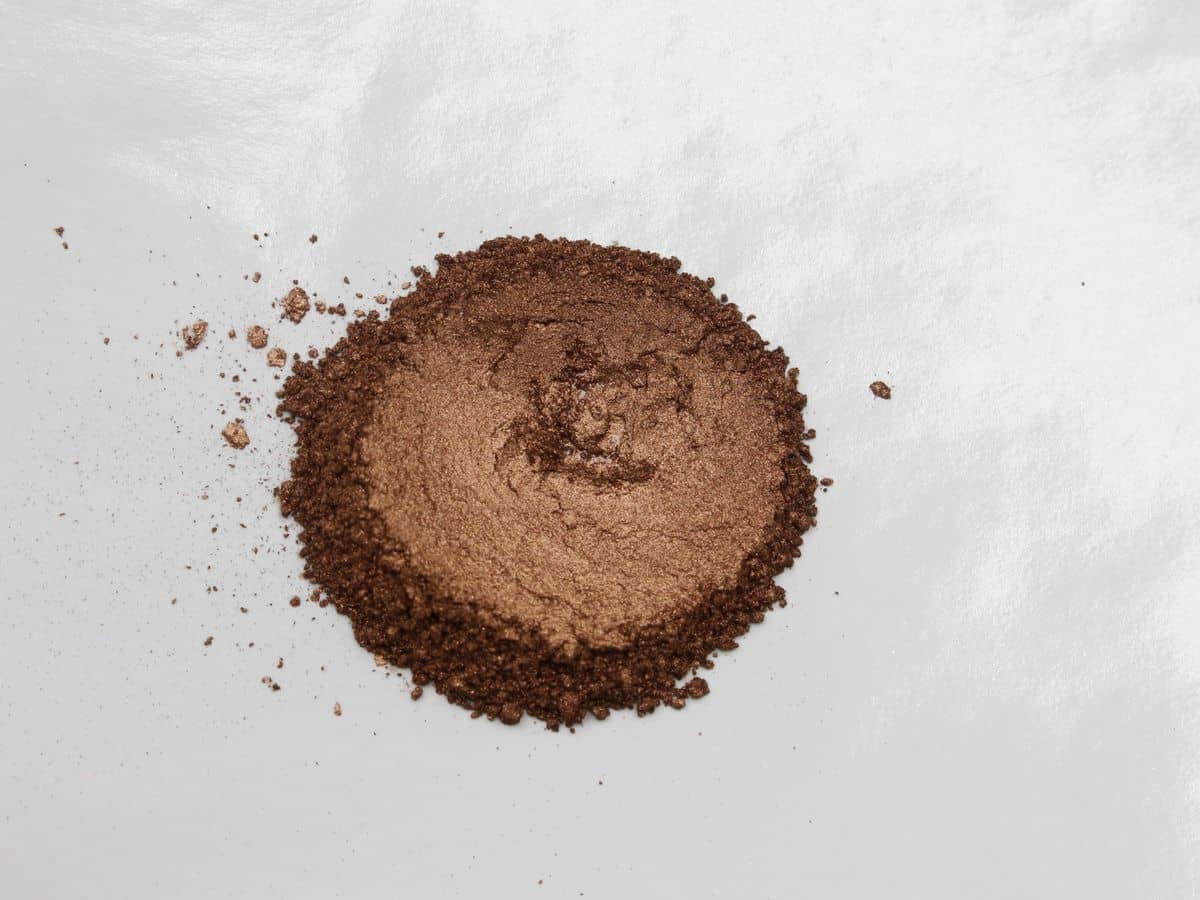
For printing ink formulators sourcing bulk antique bronze powder in extra-fine grades, the KT-AC1200BX delivers a genuine copper-zinc alloy metallic effect at 1200 mesh — classifying it as extra fine within our BX Series. At typical loadings of 3–8%, it achieves full opacity with a silky, smooth metallic finish well-suited to high-quality offset and gravure printing. The flake-based construction produces true metallic reflection, not a pearl or interference effect.
Read More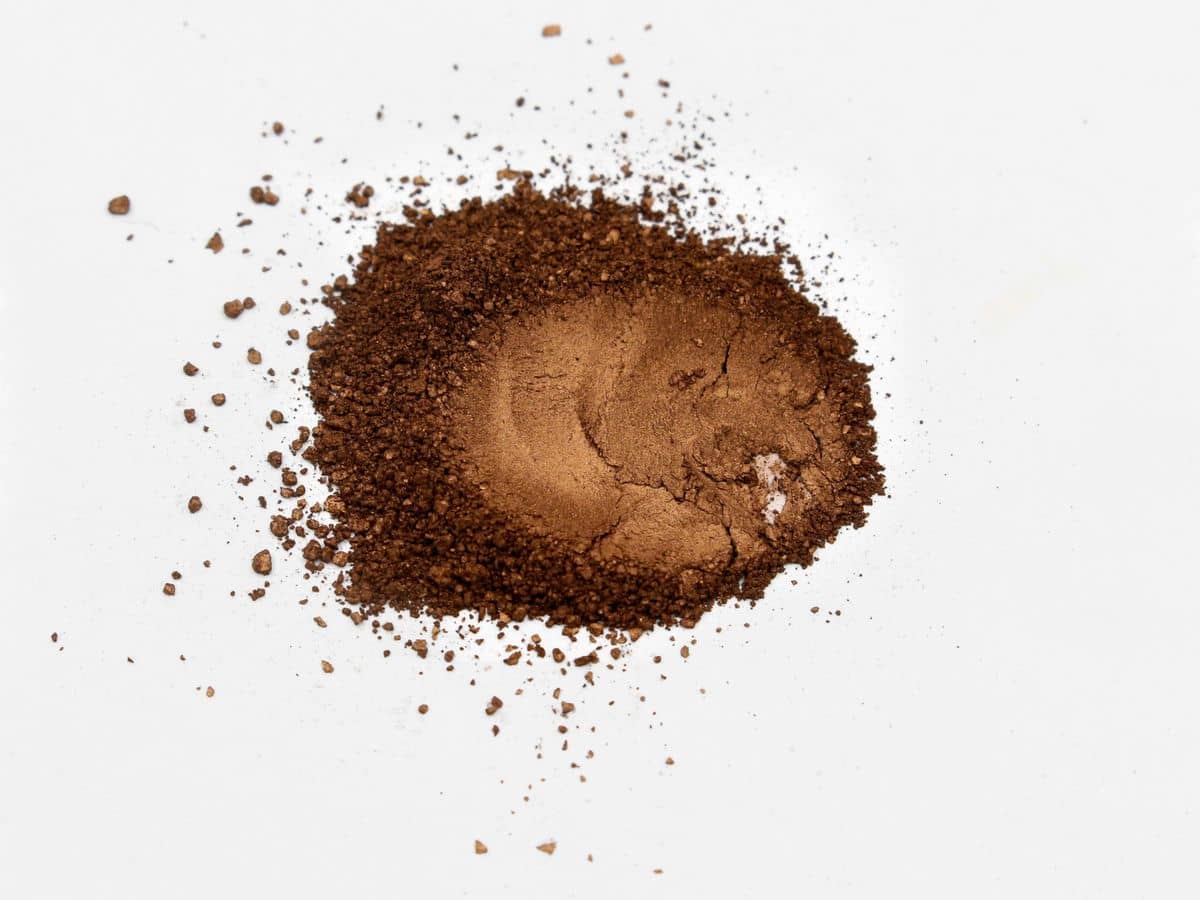
AC1500RX (KT-AC1500RX) is Kolortek's 1500-mesh extra-fine red copper gold bronze powder — a copper-zinc alloy metallic pigment delivering a true, opaque metallic finish in decorative coatings, printing inks, and plastics. As a dedicated red copper powder supplier, we produce this grade specifically for applications where a warm, rich copper tone and smooth, fine-particle surface are required. At 3–8% loading, it achieves full opacity with genuine metallic luster, not the soft sheen of mica-based interference pigments.
Read More
 English
 Français
 Deutsch
 Русский
 Español
 Português