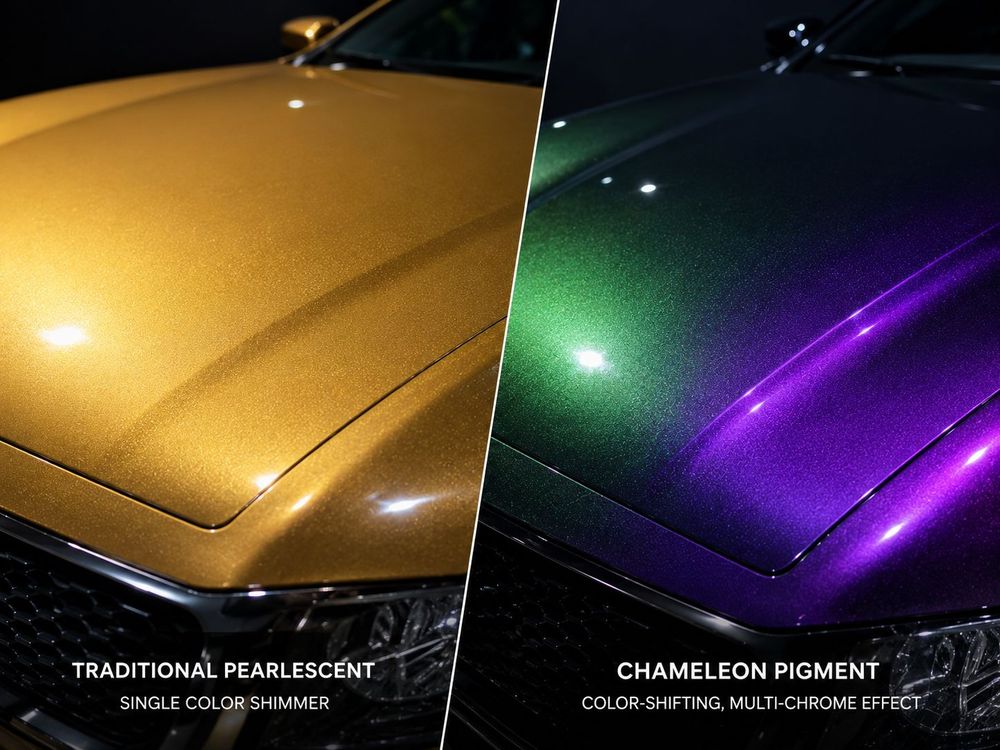
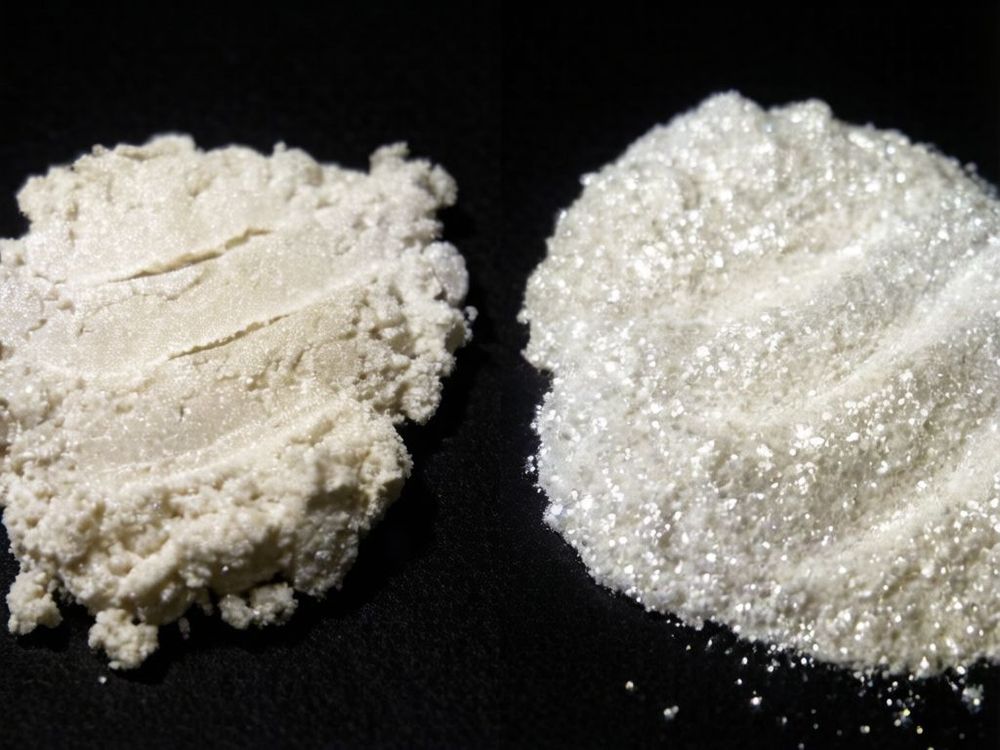
When it comes to the chameleon vs pearlescent debate, the fundamental difference is motion versus stillness. Traditional pearlescent pigments produce a luminous, static shimmer through a single interference coating — beautiful, reliable, and cost-effective. Chameleon pigments,...
Quick Answer
There is no single "best" pearl pigment for nail polish — the right choice depends entirely on the effect you're chasing, the system you're formulating into, and the regulatory markets you're selling in. This cosmetic pigment selection guide breaks down which Kolortek se...
Quick Answer
For cosmetic brands building a private label product line, this pearlescent pigment guide covers everything from substrate selection and regulatory compliance to supplier evaluation — because the wrong pigment partner doesn't just cost you money, it can derail a product launch ent...
Quick Answer
When it comes to the fine vs coarse pearl pigment debate, particle size is the single most important parameter governing visual effect — and choosing incorrectly costs you far more than a reformulation. Fine pearl pigments (1–25 μm) deliver satin coverage and silky textur...
Quick Answer
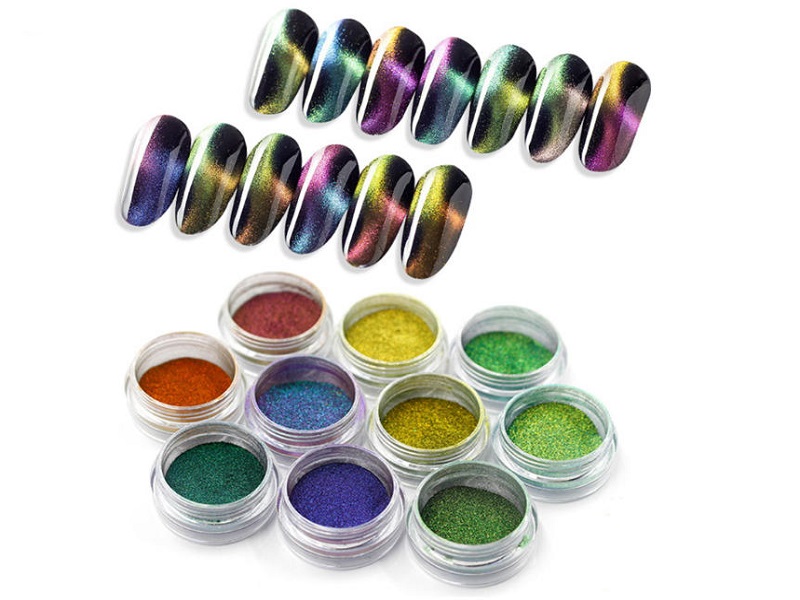
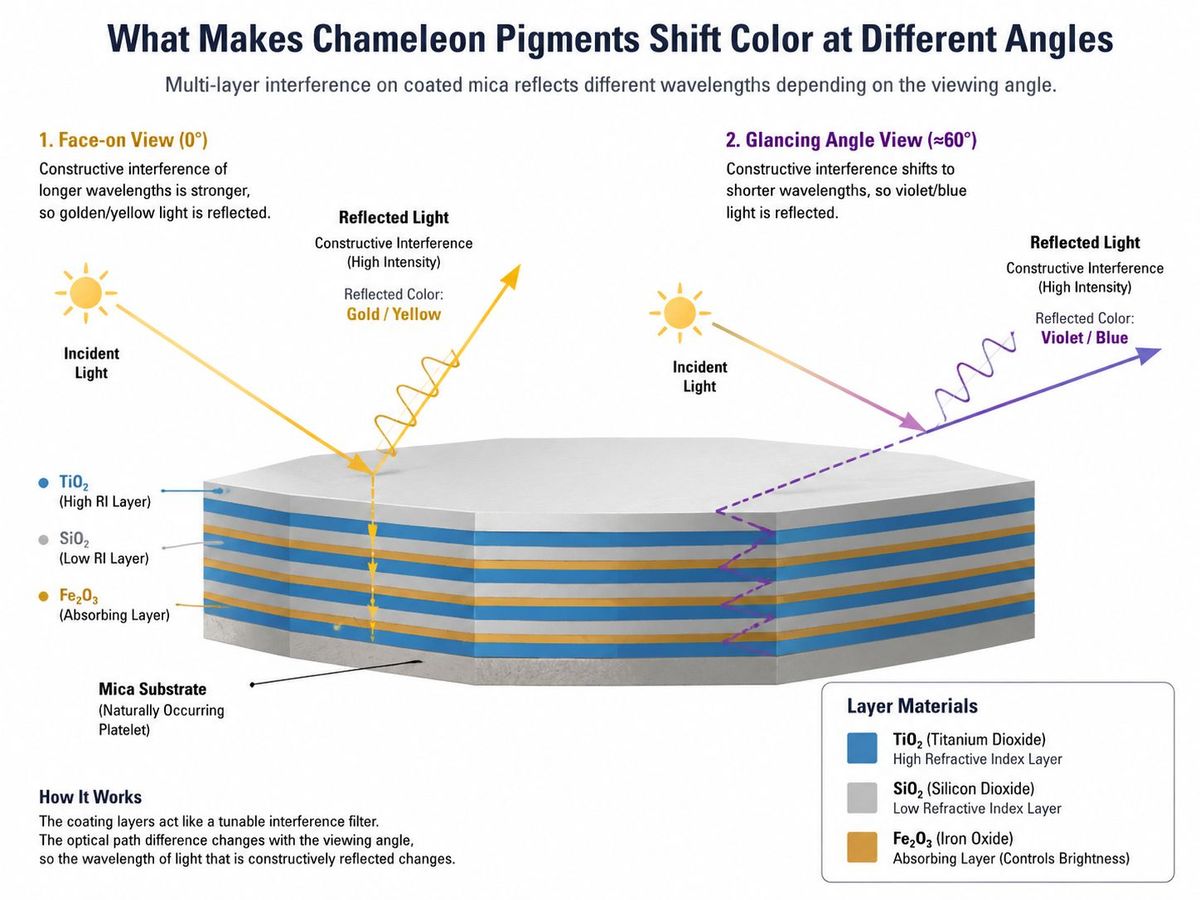
Chameleon pigments shift color at different viewing angles because of a phenomenon called multi-layer thin-film interference — the same optical principle behind a soap bubble's rainbow sheen, but precisely engineered at the nanoscale. Understanding how chameleon pigment works...

 English
 Français
 Deutsch
 Русский
 Español
 Português