
Leave A Message
If you are interested in our products and want to know more details,please leave a message here,we will reply you as soon as we can.
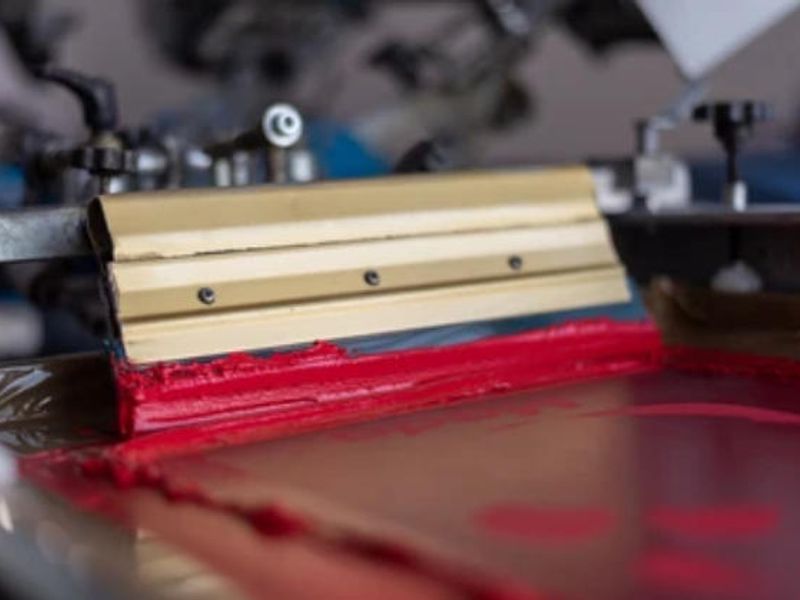
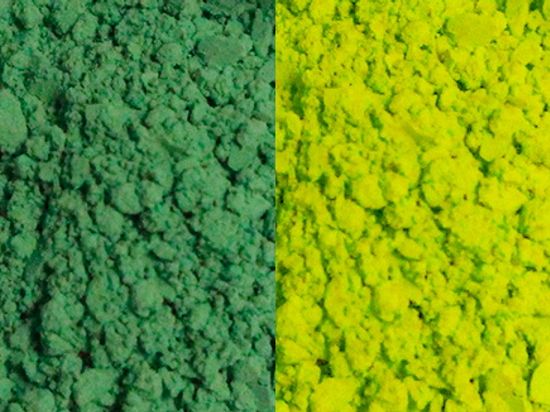
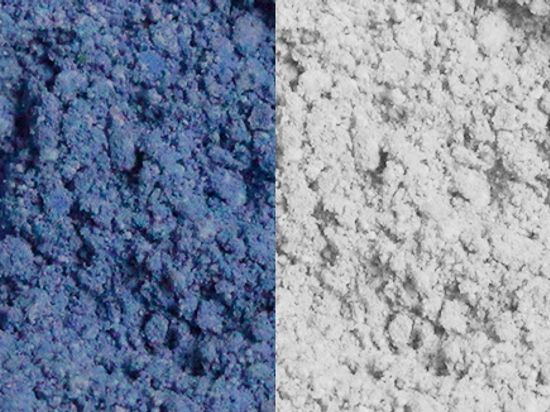
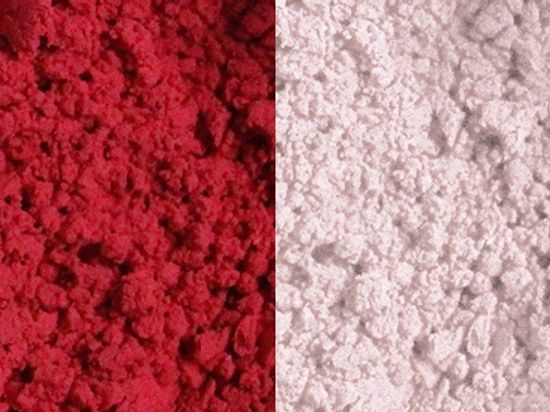
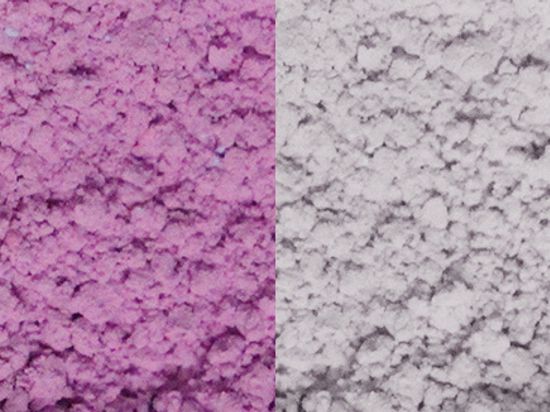
Screen printing with thermochromic ink is one of the more demanding pigment applications — you're asking a material to perform a reversible color transition reliably, across thousands of print cycles, under real-world handling conditions. The pigment has to disperse cleanly into the ink vehicle, survive the shear of the squeegee, and still respond predictably to temperature after it's cured onto the substrate.
Item No. :
Kolortek Thermochromic PigmentColor Effect :
Multi colorsParticle Size :
1-10μm, 3-10μmBrand :
Kolortek / OEMMOQ :
1KGApplication :
Packaging, Printing Inks, Cosmetics, Textiles, Toys, Paints & Coatings, Food Contact (BPA-free series), Safety IndicatorsThese are microencapsulated leuco-dye systems. The capsule integrity determines everything: activation temperature accuracy, color density, chemical resistance, and lifespan. Cheap material shows its problems quickly — inconsistent activation, color bleed, or early fatigue after repeated thermal cycling.
Two functional modes are available, and choosing the right one matters for the application design:
Colored to Colorless — The pigment carries a visible color at ambient temperature. As temperature rises past the activation point, it fades to transparent, exposing whatever is underneath — a base coat, a printed graphic, or the substrate itself. This is the most common mode for reveal-effect printing.
Colored to Another Colored — The pigment shifts between two distinct colors across the activation threshold. Useful when both the "cold" and "hot" states need to carry visual information — temperature-indicating labels, interactive textiles, or dual-state graphic designs.
In practice, the Colored to Colorless mode offers more design flexibility because the designer controls what's revealed. The two-color mode requires more careful planning of both states.
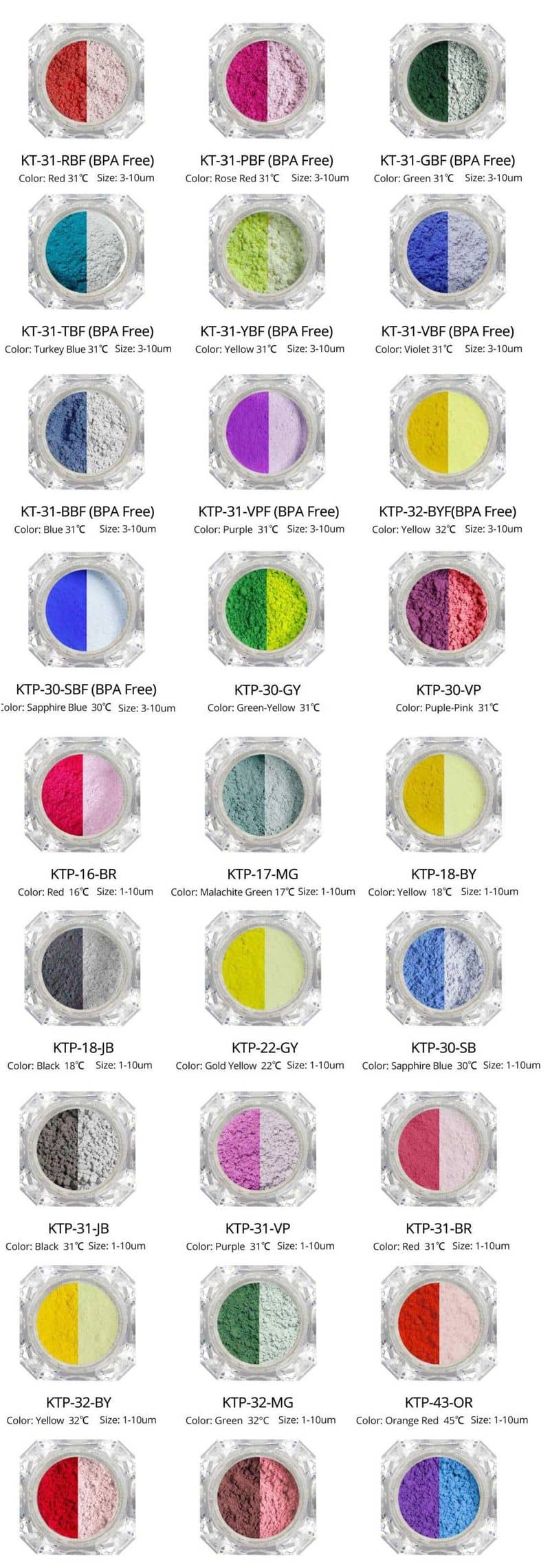
The KTP series covers a broad range of activation temperatures and color combinations. The suffix in the model code indicates the color transition. BPA Free variants are available across the core activation temperatures — relevant for food-contact adjacent applications and markets with stricter regulatory requirements.
| Model | Notes |
|---|---|
| KTP-16-BR | 16°C activation |
| KTP-17-MG | 17°C activation |
| KTP-18-BY / KTP-18B-JB | 18°C activation, two color options |
| KTP-22-GY | 22°C activation |
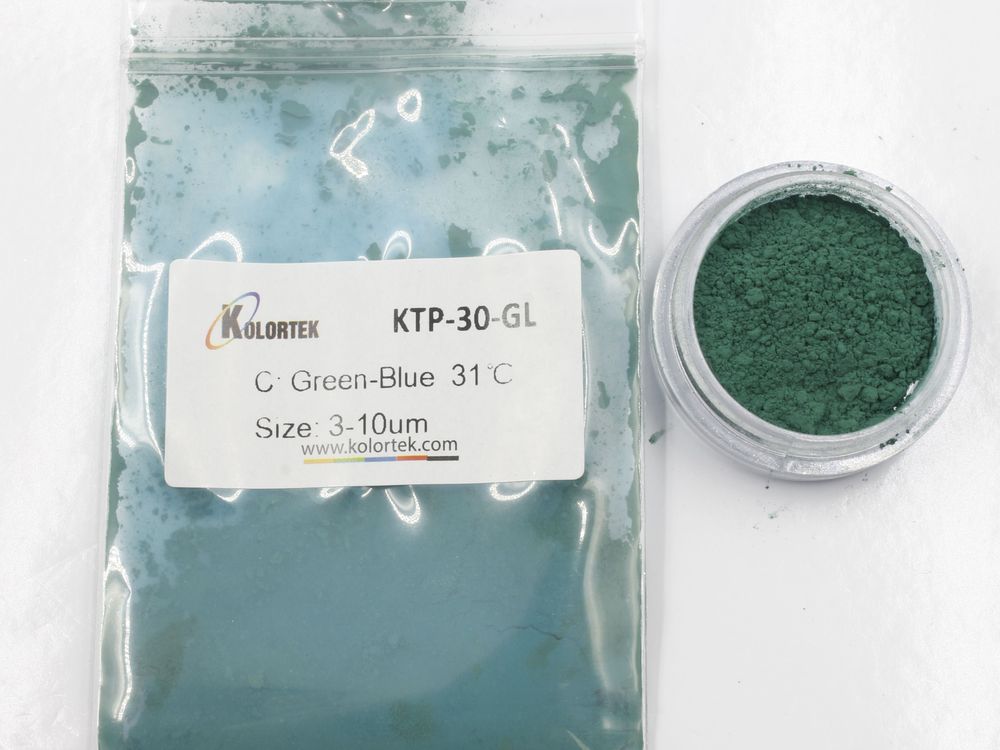
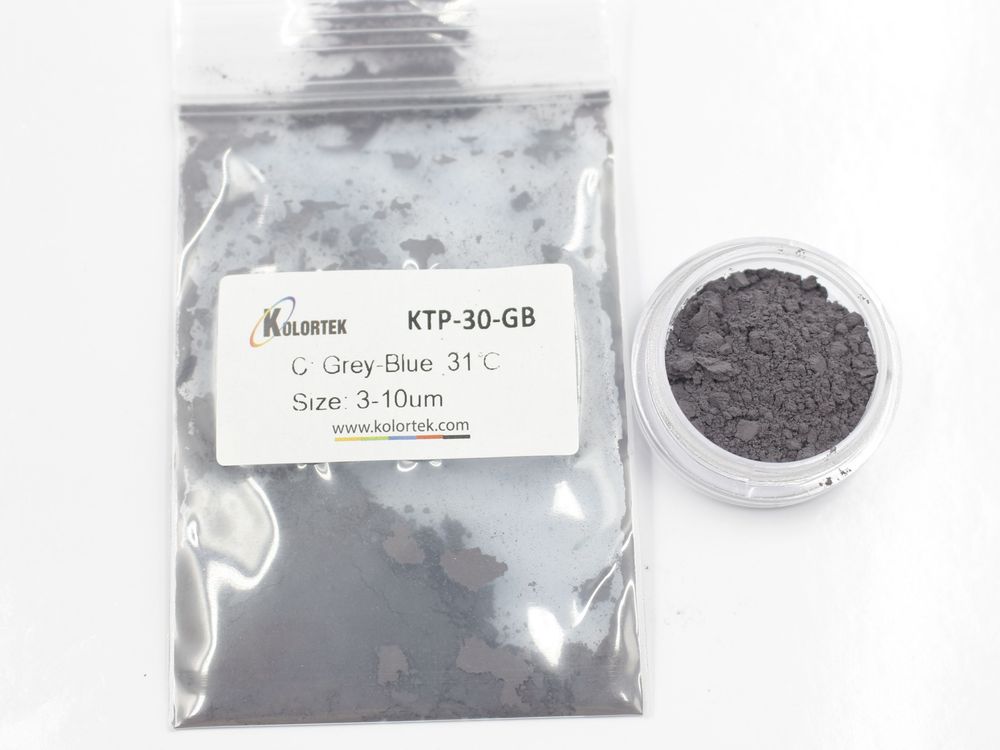
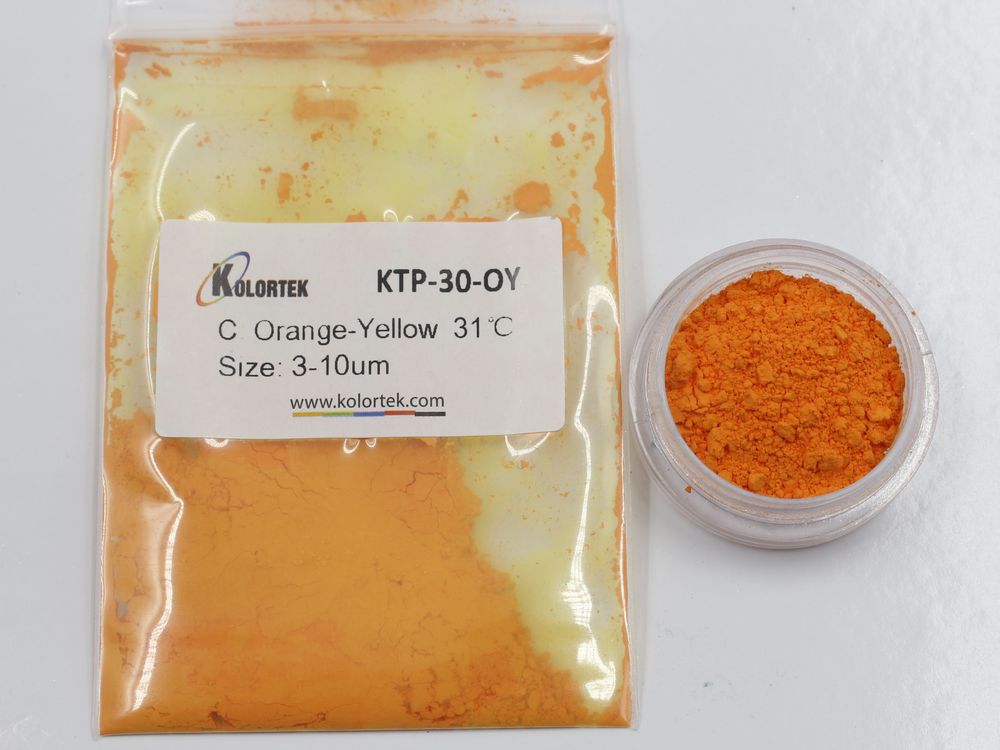
| KTP-30-SB / KTP-30-BR / KTP-30-VB / KTP-30-GY / KTP-30-VP / KTP-30-OY / KTP-30-GB / KTP-30-GL | 30°C activation, broad color range |
| KTP-31-JB / KTP-31-VP / KTP-31-BR | 31°C activation |
| KTP-32-BY / KTP-32-MG | 32°C activation |
| KTP-43-OR | 43°C activation |
| KTP-45-BR | 45°C activation |
| BPA Free Series (KTP-31-RBF / PBF / GBF / TBF / YBF / VBF / BBF / VPF, KTP-32-BY F, KTP-30-SBF) | |
Worth noting: the 30–32°C range is the most frequently specified for textile and garment printing — it activates at or near body temperature, which is intentional for interactive apparel applications. Lower activation temperatures (16–22°C) are better suited for cold-drink indicators or ambient-responsive packaging.
Screen printing is the dominant process here, covering both textile and flat-substrate applications:
The thermochromic pigment functions as a temperature-responsive colorant that becomes colorless when heated above its activation point, making it suitable for heat-reveal graphic effects in both textile and paper-based screen printing.
A few things that matter in practice and don't always appear in datasheets:
Particle size and dispersion. The microencapsulated structure means high-shear mixing — ball mills, bead mills — can fracture the capsules. Use low-shear dispersing equipment. Pre-disperse in a small quantity of the vehicle before adding to the bulk ink.
Loading rate. Typical starting point is 5–15% by weight in the ink system, depending on the opacity target and the base color intensity. Higher loading improves color density in the "cold" state but increases viscosity. Dial it in for your specific mesh count and substrate.
Cure temperature vs. activation temperature. This is the most common mistake. If your cure temperature exceeds the safe processing limit of the capsules — generally below 200°C for standard grades, lower for some — you'll see permanent color loss. Always confirm the thermal processing window before committing to a curing protocol.
UV and solvent exposure. These pigments are not UV-stable by default. For outdoor applications, a UV-blocking overprint or topcoat is standard practice. Check compatibility with the specific ink vehicle — some solvent systems will interact with the capsule wall.
Wash fastness (textile). For garment printing, wash fastness is directly tied to the binder system and the overprint, not just the pigment. The encapsulated pigment itself is not wash-resistant without proper enclosure in the binder matrix.
For applications where regulatory compliance matters — food packaging, drinkware, children's products — the BPA Free series and food grade thermochromic pigment are the relevant options. These use alternative developer chemistry that avoids bisphenol A while maintaining comparable activation performance. The color range is slightly narrower than the standard series, which is a trade-off to be aware of when specifying.
That said, if the end use doesn't require BPA Free compliance, the standard KTP series offers broader color selection and in most cases better color intensity.
Q: What mesh count is recommended for screen printing with thermochromic pigments?
A: The microencapsulated particles typically range from 3–10 microns. A mesh count in the 80–120 T/cm range (200–305 threads/inch) is generally compatible, but finer meshes will reduce ink throughput significantly. Coarser meshes are better suited if you need a heavier ink deposit for stronger color intensity.
Q: Can thermochromic ink be mixed with standard pigments to adjust the base color?
A: Yes, but with caution. Mixing with conventional pigments will affect the apparent color at both the cold and hot states. In the colorless (hot) state, the underlying conventional pigment will remain visible — which may or may not be the intended effect. Test the color balance at both states before committing to a formulation.
Q: How many thermal cycles can these pigments handle before performance degrades?
A: Under normal use conditions — ambient to moderate heat, no aggressive chemical exposure — quality encapsulated systems will maintain performance through thousands of cycles. Degradation accelerates with UV exposure, harsh solvents, or mechanical abrasion of the print surface. There is no single number that applies universally; it depends heavily on the end-use environment.
Q: Is the food grade series suitable for direct food contact printing?
A: The food grade thermochromic pigment is formulated to meet stricter safety standards, but "food grade" does not automatically mean direct food contact is approved in all jurisdictions. Compliance depends on the specific regulatory framework of your market and how the pigment is incorporated into the final printed article. Verify with your regulatory team for the specific end use.
If you're developing a screen printing formulation and need to match a specific activation temperature, color transition, or regulatory requirement, send your technical parameters to contact@kolortek.com. Sample quantities are available for most series, and the technical team can advise on compatible binder systems and processing parameters based on your specific substrate and process.
Screen printing with thermochromic ink is one of the more demanding pigment applications — you're asking a material to perform a reversible color transition reliably, across thousands of print cycles, under real-world handling conditions. The pigment has to disperse cleanly into the ink vehicle, survive the shear of the squeegee, and still respond predictably to temperature after it's cured onto the substrate.
Read More
Fabric is one of the more demanding substrates for thermochromic chemistry. The dye has to survive wash cycles, flex without cracking, bond to fiber structures that weren't designed to hold encapsulated colorants, and still deliver a clean, repeatable color transition. That's a tighter brief than most people expect when they first start sourcing.
Read More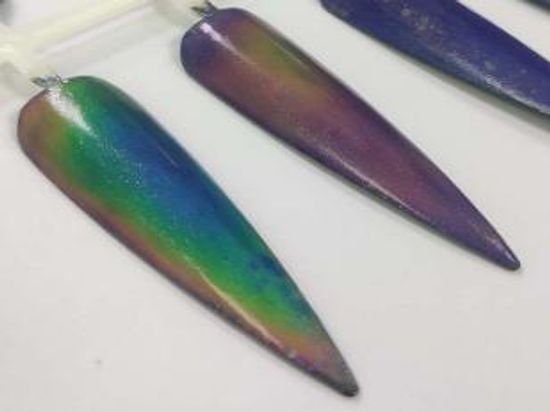
KT-MLC01 is a water-based thermochromic liquid crystal that cycles through twelve distinct colors — from black through copper, yellow, green, blue, and violet — across a 14℃ to 36℃ temperature window, making it one of the more visually dynamic options in the thermochromic category. Unlike single-transition thermochromic pigments, these mood liquid colors deliver a continuous chromatic shift in a single liquid formulation, suited for custom decorative paints, textile printing, and novelty cosmetic applications. Formulators looking to introduce live color-shift behavior into coatings or printed substrates will find the liquid format straightforward to incorporate.
Read More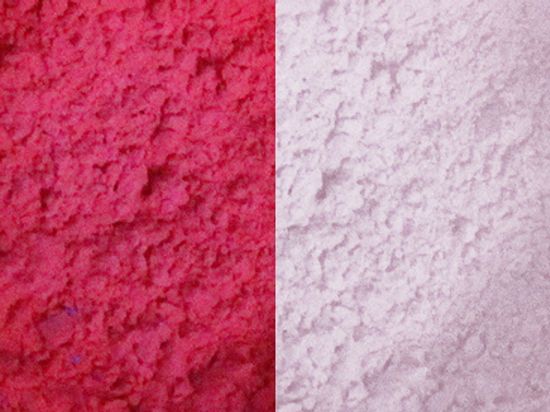
KTP-16-BR is a red thermochromic pigment that transitions from vivid red to fully colorless when temperature rises above 16°C — making it one of the lowest activation-point options in Kolortek's standard range. As a heat sensitive pigment, it's well-suited for applications where near-ambient temperature triggers are required, including temperature-indicating textiles, novelty printing, and decorative coatings. Formulators working with color change with temperature effects will find the fine 1–10μm particle size integrates cleanly into most ink and coating systems.
Read More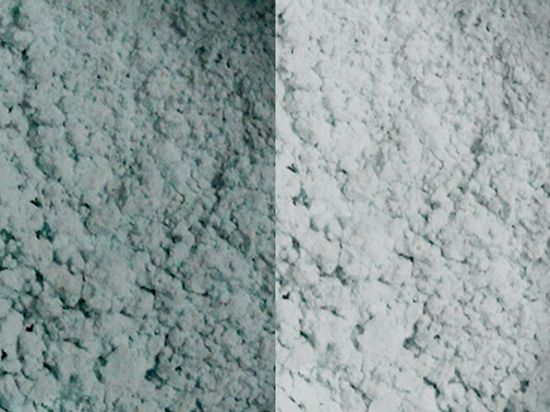
KTP-17-MG is a thermochromic powder that transitions from malachite green to fully colorless at 17°C — a low activation threshold that makes it effective for skin-contact, ambient-response, and cool-environment applications. As a heat reactive pigment, it integrates cleanly into printing, coating, and cosmetic systems where a sharp, reversible color reveal is the intended effect. Typical end-uses include nail formulations, textile printing, and craft coatings.
Read More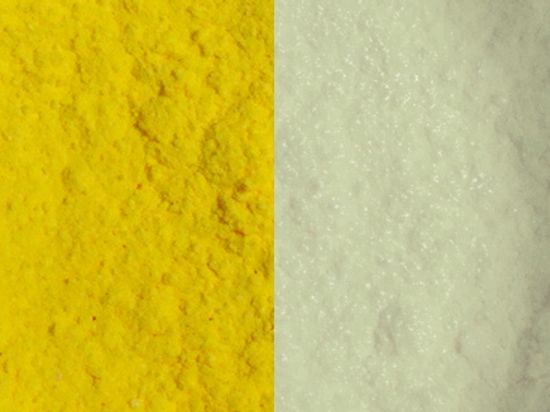
KTP-32-BY is a thermochromic powder that transitions from vivid yellow to colorless at 32°C — a body-temperature-adjacent activation point that makes it well-suited for skin-contact applications like cosmetics and nail products. This heat sensitive pigment powder disperses cleanly in most coating and printing systems, and is also available in a BPA Free food grade version for product contact use cases such as cups and utensils. Formulators working in textiles printing, craft art, or specialty inks will find the 1–10μm particle range compatible with a broad range of application methods.
Read More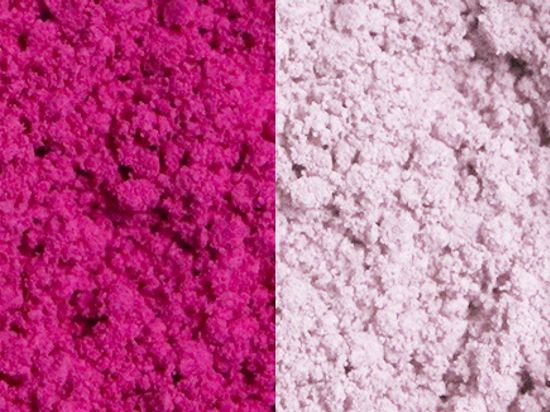
KTP-31-PBF is a rose red thermochromic pigment powder that transitions to colorless at 31°C — a body-temperature-proximate activation point well-suited for skin-contact and food-contact applications. Certified BPA Free, this heat reactive pigment is formulated for cosmetics, nail systems, and food-contact printing where safety compliance is non-negotiable. It performs equally well in textile printing and craft applications where a clean, reversible color-fade effect is the design intent.
Read More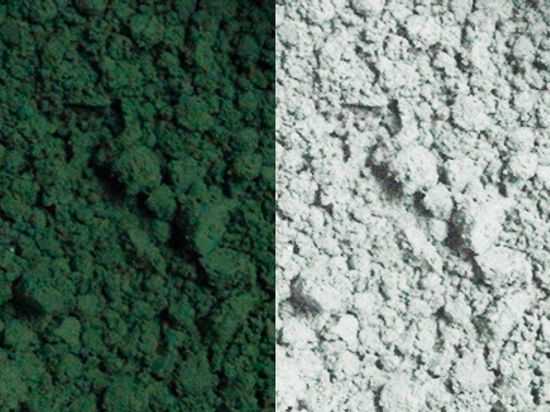
KTP-31-GBF is a food grade thermochromic pigment that shifts from vivid green to fully colorless at 31°C — clean, reversible, and BPA Free. Engineered for direct skin and food contact surface applications, this heat sensitive pigment powder is well suited for cosmetic formulations, nail products, and food contact items like cups and spoons. Its fine 3–10μm particle size ensures smooth dispersion across both water- and solvent-based systems.
Read More
 English
 Français
 Deutsch
 Русский
 Español
 Português