Leave A Message
If you are interested in our products and want to know more details,please leave a message here,we will reply you as soon as we can.
Heat Activated Color Changing Pigment for Cosmetics
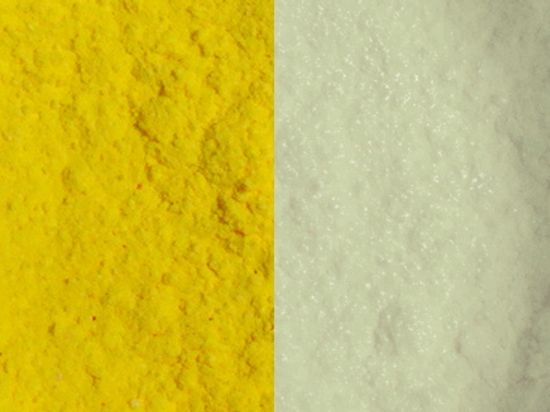
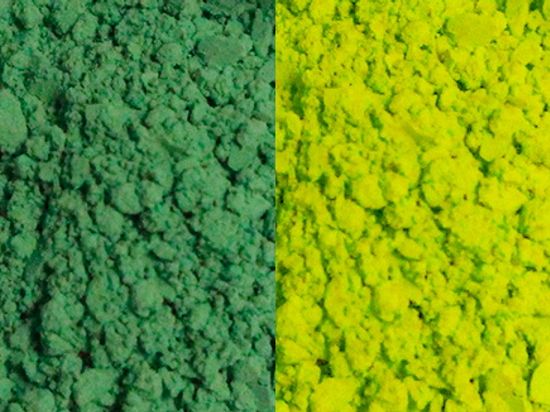
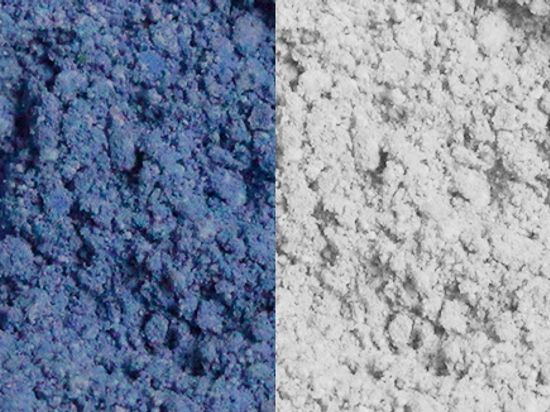
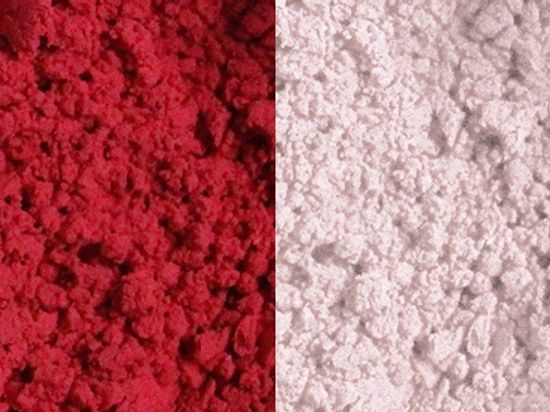
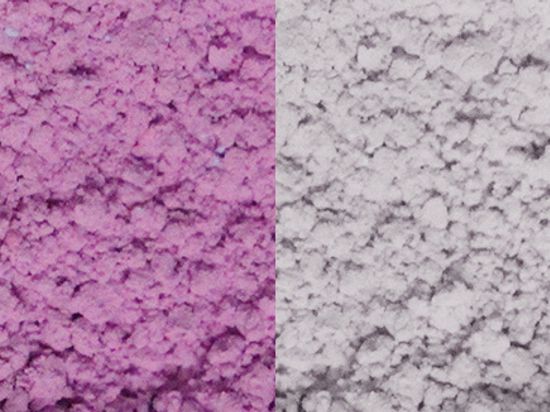
Thermochromic pigments respond to temperature shifts by altering their visual appearance — either transitioning to colorless or shifting between distinct color states. In cosmetic formulations, this creates interactive products that react to skin temperature, ambient heat, or touch. For formulators working with lip products, nail lacquers, eyeshadows, or novelty cosmetics, these pigments offer a functional alternative to static color.
Item No. :
Kolortek Thermochromic PigmentColor Effect :
Multi colorsParticle Size :
1-10μm, 3-10μmBrand :
Kolortek / OEMMOQ :
1KGApplication :
Packaging, Printing Inks, Cosmetics, Textiles, Toys, Paints & Coatings, Food Contact (BPA-free series), Safety IndicatorsThermochromic pigments respond to temperature shifts by altering their visual appearance — either transitioning to colorless or shifting between distinct color states. In cosmetic formulations, this creates interactive products that react to skin temperature, ambient heat, or touch.
For formulators working with lip products, nail lacquers, eyeshadows, or novelty cosmetics, these pigments offer a functional alternative to static color.
The color change mechanism depends on the pigment structure. Most heat activated color changing pigments use microencapsulated leuco dyes that shift state at predetermined activation temperatures — typically ranging from 16°C to 45°C, depending on the grade.
Two primary behaviors:
The transition isn't instantaneous. Expect a gradient effect during temperature change, which can be a design feature or a consideration depending on your product concept.
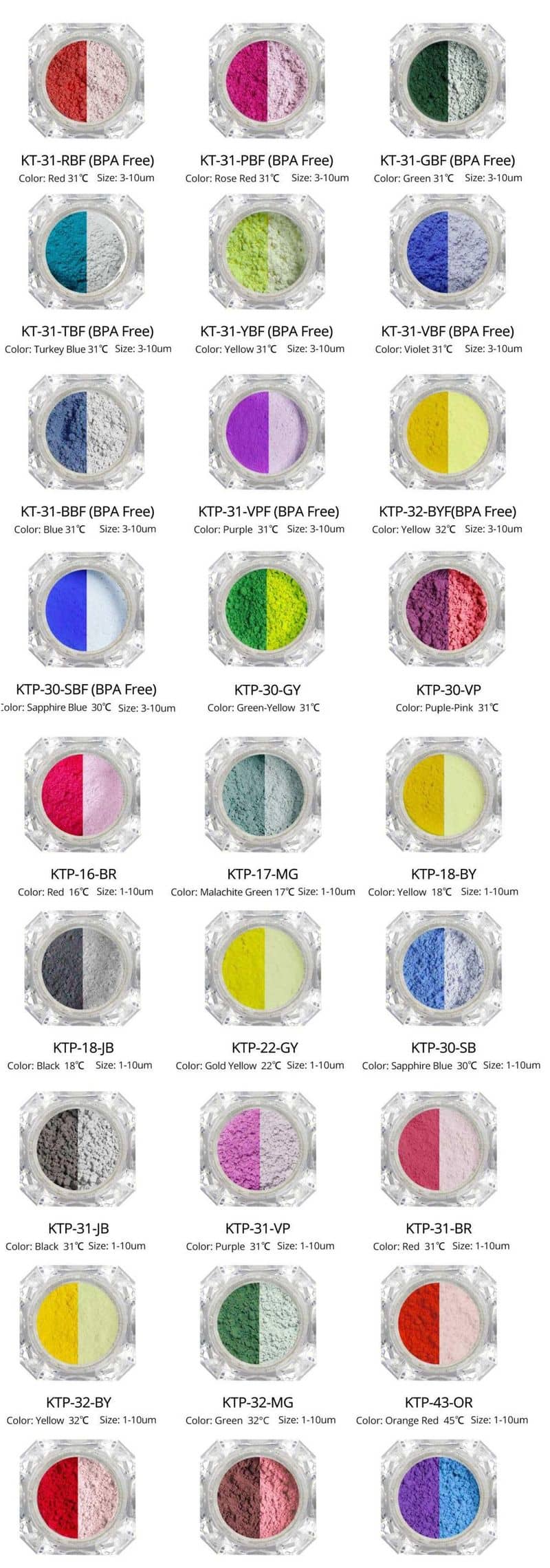
Kolortek maintains an extensive catalog of thermochromic grades. The KTP series includes both standard and BPA-free variants, the latter being critical for lip products and other mucosal-contact applications.
| Model | Type | Notes |
|---|---|---|
| KTP-16-BR, KTP-17-MG, KTP-18-BY, KTP-18B-JB | 16–18°C activation | Low-temp transition, suited for cooler climates or refrigerated effects |
| KTP-22-GY | 22°C activation | Near room temperature |
| KTP-30 series (SB, VB, GY, VP, OY, GB, GL, BR) | 31°C activation | Standard body-temperature responsive; broadest color range |
| KTP-31 series (JB, VP, BR) | 31°C activation | Optimized for skin-contact applications |
| KTP-32-BY, KTP-32-MG | 32°C activation | Slight offset for nuanced response |
| KTP-43-OR, KTP-45-BR | 43–45°C activation | High-temp transition for hot water or heat-styling applications |
| KTP-31-RBF, PBF, GBF, TBF, YBF, VBF, BBF, VPF KTP-32-BYF, KTP-30-SBF |
BPA-Free grades | Food-grade series for lip, oral care, and sensitive applications |
Suffix codes (BR, MG, BY, etc.) indicate base color. Always request the full technical data sheet for exact colorimetric values and activation curves.
Cosmetics: Lip gloss, lipstick, nail polish, eyeshadow, pressed powders. The pigment works best in systems where the user's body heat or environmental temperature can drive the transition. Nail applications are particularly popular given the visual surface area and durability requirements.
Hair products: Temporary color gels or sprays where heat styling (blow dryer, flat iron) triggers the shift. Not suitable for permanent dyes due to oxidative bleach incompatibility.
Craft and textile: Screen printing inks for novelty apparel or promotional items.
Worth noting: The pigment itself doesn't provide coverage or opacity in the traditional sense. You're incorporating an effect layer, not replacing your base pigment system.
Dispersion method matters. High-shear mixing can damage microcapsules. Use gentle blending — a cowles disc or planetary mixer at moderate speed. Pre-disperse in a small amount of your carrier (oil phase for anhydrous, resin for lacquer) before full let-down.
Loading rates typically run 3–8% by weight, depending on desired intensity. Higher concentrations don't always improve the effect and can compromise texture.
Solvent compatibility is variable. Avoid aggressive solvents like acetone or MEK in concentrations above 15%. Esters, alcohols, and hydrocarbons are generally safe. Always trial in your actual base formulation.
Shelf stability is good in properly formulated systems. UV exposure over time can degrade performance — recommend opaque or UV-resistant packaging for retail products.
That said, these pigments are not lightfast in the traditional sense. Don't position them as long-wear outdoor cosmetics without adequate testing.
Regulatory landscape varies by region, but BPA-free grades are increasingly the default for anything near mucous membranes or intended for children's products. The performance difference is minimal in most cosmetic applications.
If you're formulating for EU, FDA, or other strictly regulated markets, start with the BPA-free series and avoid reformulation headaches later.
Can I blend multiple activation temperatures in one formula?
Yes, but you'll get overlapping transitions rather than discrete steps. This can create interesting gradient effects in nail polish or eyeshadow, but it complicates quality control and consumer communication. Test extensively before scaling.
How reversible is the color change?
Fully reversible across thousands of cycles under normal use. The transition is driven by physical phase change, not chemical degradation. Performance drops if the product is exposed to prolonged high heat (>60°C for extended periods) or UV radiation.
What's the particle size range?
Microencapsulated particles typically range from 3–10 microns depending on grade. This is larger than most effect pigments, which impacts texture in pressed powders or high-gloss applications. Expect a slight textural contribution — not always a drawback, but worth formulating around.
Do these pigments work in water-based systems?
They can, but require careful emulsification and stabilization. The microcapsules are hydrophobic, so you'll need appropriate surfactants and possibly a rheology modifier. Anhydrous or solvent-based systems are more forgiving.
Sample kits are available with representative grades across activation temperatures and color ranges. If you're developing a specific product, specify your base formulation type, target activation temperature, and regulatory market — that narrows the options quickly.
Technical data sheets include activation curves, recommended loading rates, and solvent compatibility charts for each model.
Request samples or technical discussion: Contact our formulation support team with your application details. We'll match you to the appropriate grade and provide dispersion protocols specific to your system.
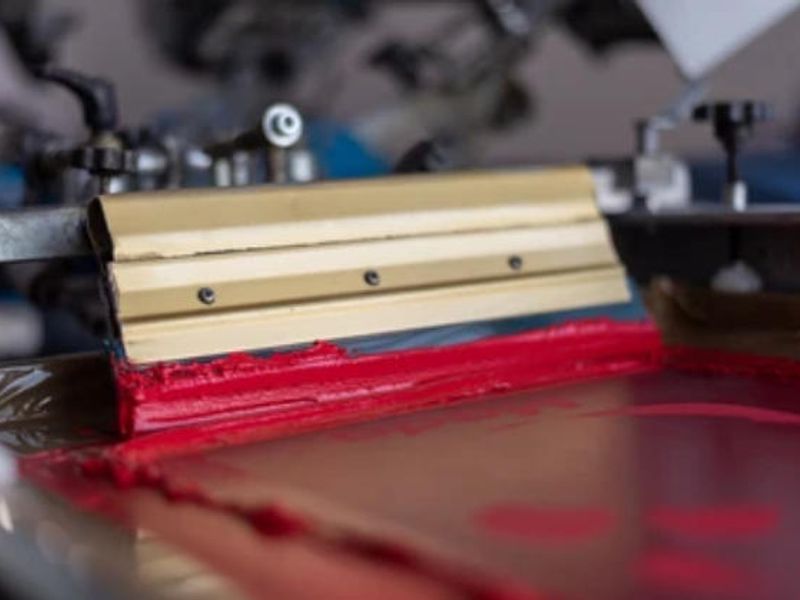
Screen printing with thermochromic ink is one of the more demanding pigment applications — you're asking a material to perform a reversible color transition reliably, across thousands of print cycles, under real-world handling conditions. The pigment has to disperse cleanly into the ink vehicle, survive the shear of the squeegee, and still respond predictably to temperature after it's cured onto the substrate.
Read More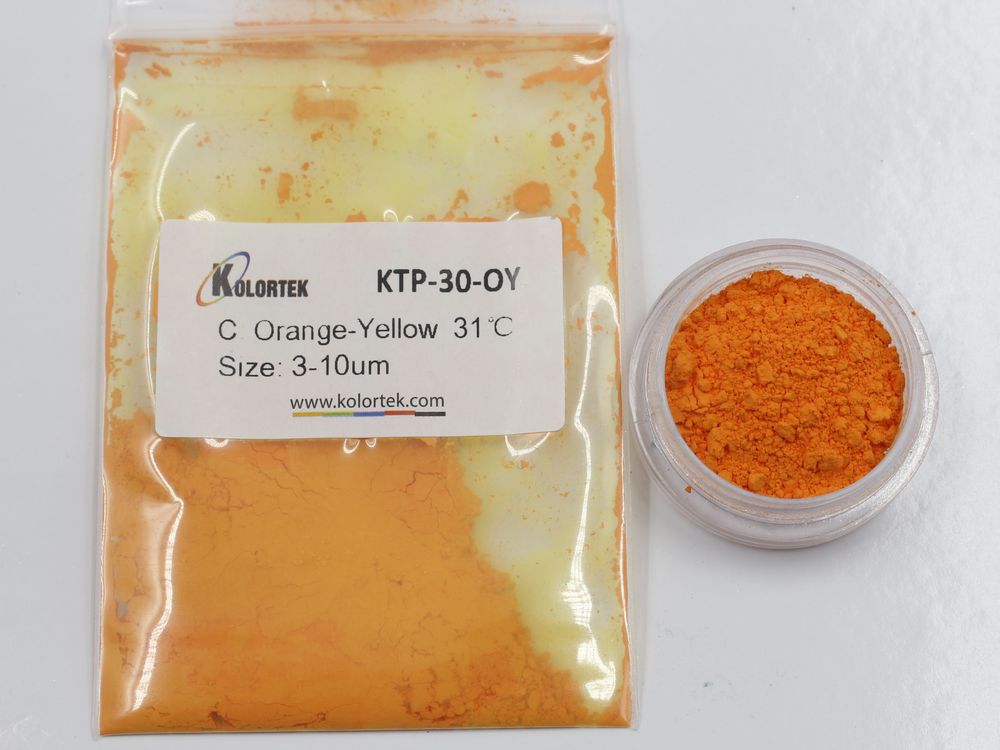
Fabric is one of the more demanding substrates for thermochromic chemistry. The dye has to survive wash cycles, flex without cracking, bond to fiber structures that weren't designed to hold encapsulated colorants, and still deliver a clean, repeatable color transition. That's a tighter brief than most people expect when they first start sourcing.
Read More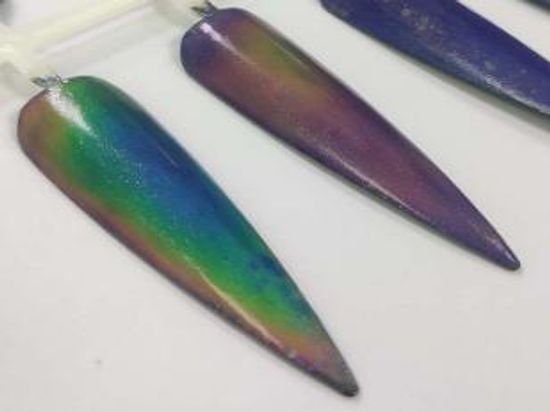
KT-MLC01 is a water-based thermochromic liquid crystal that cycles through twelve distinct colors — from black through copper, yellow, green, blue, and violet — across a 14℃ to 36℃ temperature window, making it one of the more visually dynamic options in the thermochromic category. Unlike single-transition thermochromic pigments, these mood liquid colors deliver a continuous chromatic shift in a single liquid formulation, suited for custom decorative paints, textile printing, and novelty cosmetic applications. Formulators looking to introduce live color-shift behavior into coatings or printed substrates will find the liquid format straightforward to incorporate.
Read More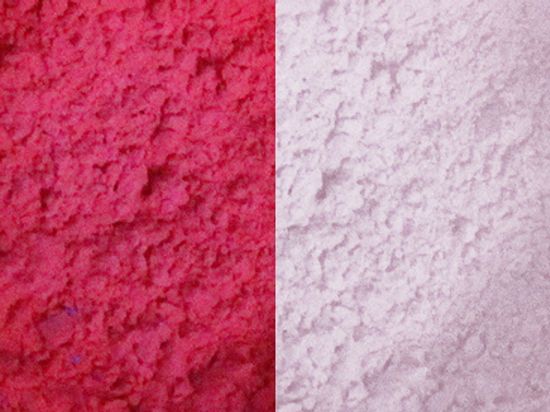
KTP-16-BR is a red thermochromic pigment that transitions from vivid red to fully colorless when temperature rises above 16°C — making it one of the lowest activation-point options in Kolortek's standard range. As a heat sensitive pigment, it's well-suited for applications where near-ambient temperature triggers are required, including temperature-indicating textiles, novelty printing, and decorative coatings. Formulators working with color change with temperature effects will find the fine 1–10μm particle size integrates cleanly into most ink and coating systems.
Read More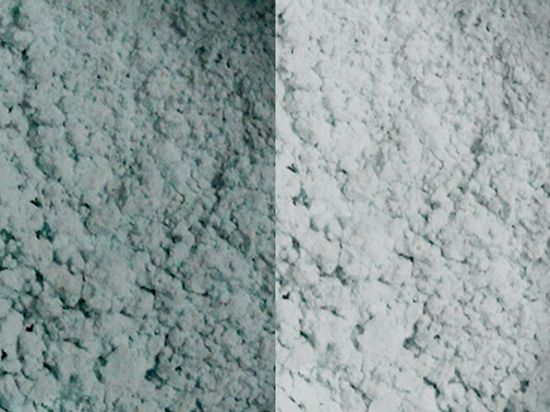
KTP-17-MG is a thermochromic powder that transitions from malachite green to fully colorless at 17°C — a low activation threshold that makes it effective for skin-contact, ambient-response, and cool-environment applications. As a heat reactive pigment, it integrates cleanly into printing, coating, and cosmetic systems where a sharp, reversible color reveal is the intended effect. Typical end-uses include nail formulations, textile printing, and craft coatings.
Read More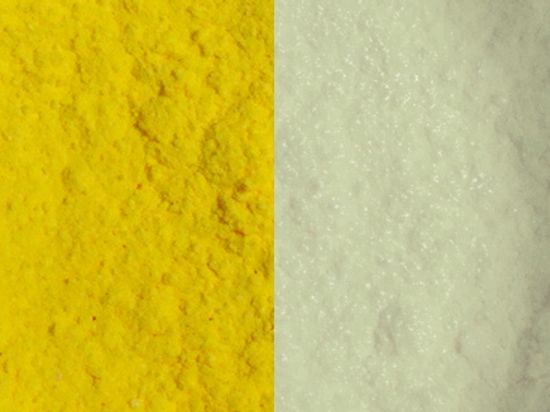
KTP-32-BY is a thermochromic powder that transitions from vivid yellow to colorless at 32°C — a body-temperature-adjacent activation point that makes it well-suited for skin-contact applications like cosmetics and nail products. This heat sensitive pigment powder disperses cleanly in most coating and printing systems, and is also available in a BPA Free food grade version for product contact use cases such as cups and utensils. Formulators working in textiles printing, craft art, or specialty inks will find the 1–10μm particle range compatible with a broad range of application methods.
Read More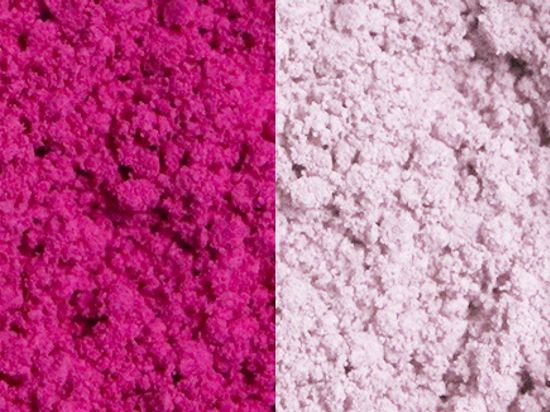
KTP-31-PBF is a rose red thermochromic pigment powder that transitions to colorless at 31°C — a body-temperature-proximate activation point well-suited for skin-contact and food-contact applications. Certified BPA Free, this heat reactive pigment is formulated for cosmetics, nail systems, and food-contact printing where safety compliance is non-negotiable. It performs equally well in textile printing and craft applications where a clean, reversible color-fade effect is the design intent.
Read More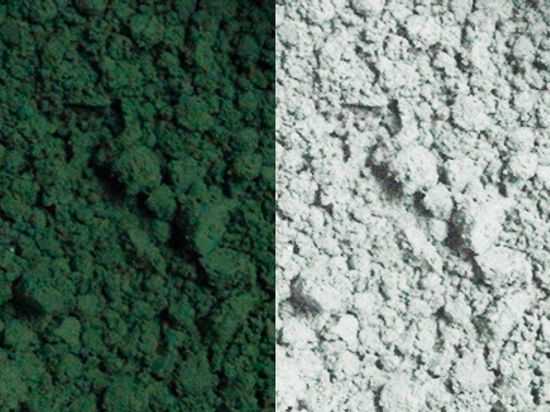
KTP-31-GBF is a food grade thermochromic pigment that shifts from vivid green to fully colorless at 31°C — clean, reversible, and BPA Free. Engineered for direct skin and food contact surface applications, this heat sensitive pigment powder is well suited for cosmetic formulations, nail products, and food contact items like cups and spoons. Its fine 3–10μm particle size ensures smooth dispersion across both water- and solvent-based systems.
Read More
 English
 Français
 Deutsch
 Русский
 Español
 Português