
Leave A Message
If you are interested in our products and want to know more details,please leave a message here,we will reply you as soon as we can.
Thermochromic Pigment Powder for Industrial Coatings
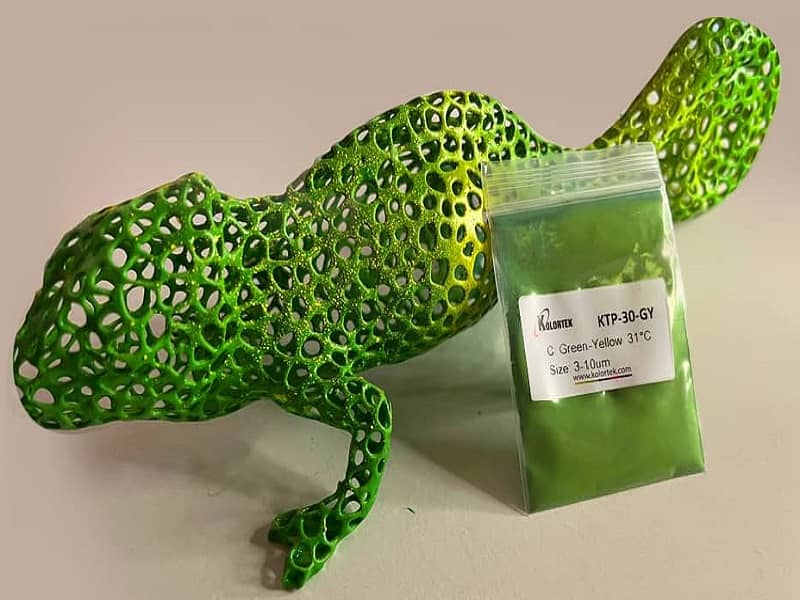
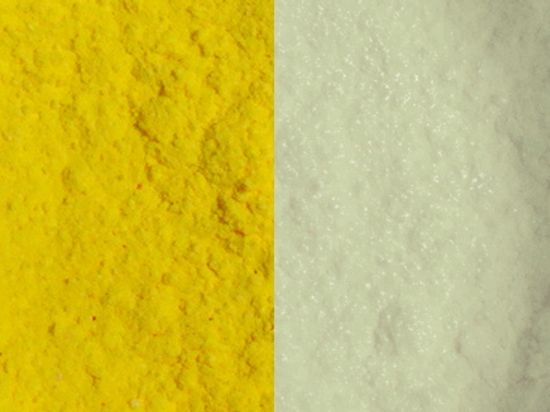
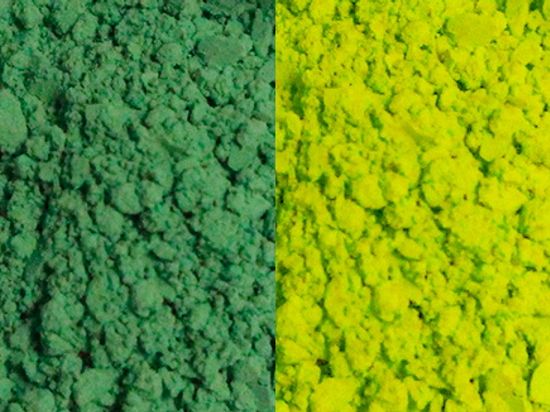
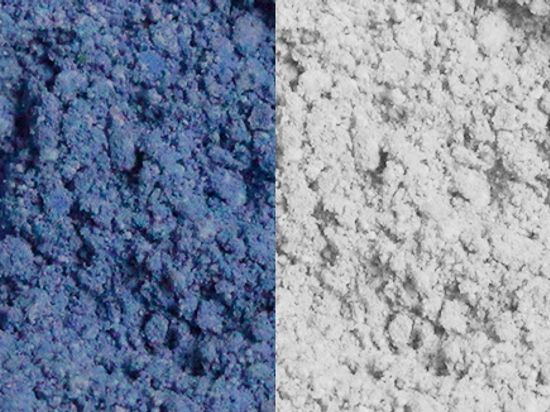
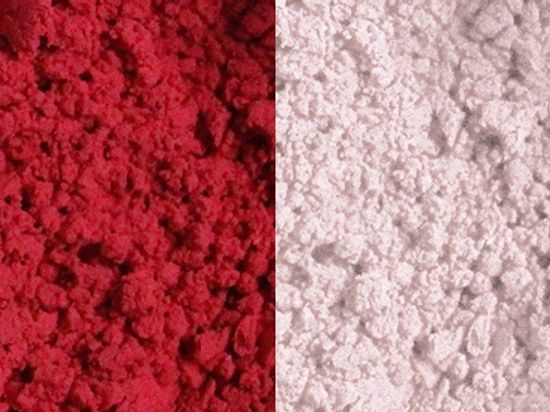
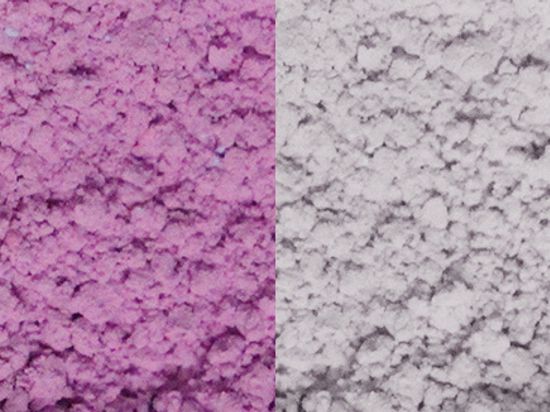
Thermochromic pigment delivers that response through a simple thermal trigger. Touch it, warm it, cool it—the color shifts. The effect is immediate, repeatable, and requires no power source.
Item No. :
Kolortek Thermochromic PigmentColor Effect :
Multi colorsParticle Size :
1-10μm, 3-10μmBrand :
Kolortek / OEMMOQ :
1KGApplication :
Packaging, Printing Inks, Cosmetics, Textiles, Toys, Paints & Coatings, Food Contact (BPA-free series), Safety IndicatorsIf you've specified coatings for retail packaging, brand activation materials, or product authentication features, you know the challenge: creating visual impact that responds to user interaction without relying on electronics or complex mechanisms.
Thermochromic pigment delivers that response through a simple thermal trigger. Touch it, warm it, cool it—the color shifts. The effect is immediate, repeatable, and requires no power source.
Thermochromic powder consists of microencapsulated leuco dye systems that undergo reversible color transitions at predetermined activation temperatures. The capsule protects the chemistry from solvent interaction and oxidation—critical for dispersion stability in industrial systems.
Two primary formats exist:
Both revert when cooled, though cycle durability depends heavily on UV exposure, solvent choice, and substrate flexibility.
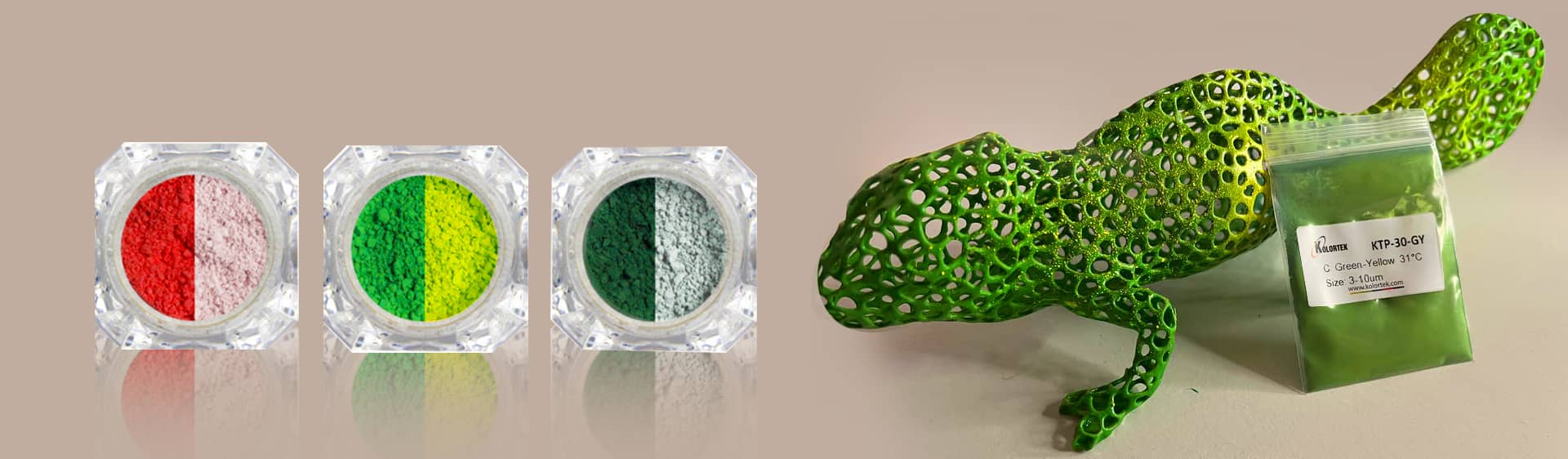
Heat sensitive pigment powder works in applications where temperature variance is inherent or user-initiated:
Not recommended for automotive coatings. The pigment capsules degrade under prolonged UV and thermal cycling typical of exterior automotive exposure. If you're formulating for that segment, consider conventional effect systems.
Activation temperatures typically range from 16°C to 45°C depending on the grade. Choose based on ambient conditions and intended interaction method—body heat activation requires lower thresholds than hot beverage contact.
Particle size matters during dispersion. Most industrial thermochromic powder grades fall between 3–10 microns. Smaller particles improve color strength but can complicate filtering. Larger particles ease processing but may sacrifice opacity.
In practice, loading levels between 5–15% by weight provide adequate color saturation without compromising coating mechanics. Higher concentrations intensify the effect but increase cost and can affect cure rates in UV systems.
Solvent compatibility: The microcapsules tolerate water-based and low-polarity solvent systems. Aggressive solvents (ketones, esters above certain concentrations) can compromise capsule integrity. Test before scaling.
Dispersion method: Gentle agitation works. High-shear mixing risks capsule rupture. Avoid bead mills or three-roll mills unless you've confirmed the grade can handle it.
Topcoat selection: If durability matters, use a UV-blocking clear topcoat. Unprotected thermochromic coatings fade within months under direct sunlight. Indoor applications are far more forgiving.
That said, don't expect the same weathering performance as conventional pigments. This is a functional effect material, not a corrosion barrier.
Standard thermochromic formulations often include bisphenol A as a sensitizer component. For food-contact applications—drinkware, utensils, cosmetic formulations—BPA-free grades are available. These use alternative developers that meet regulatory requirements without sacrificing thermal response.
Expect slightly narrower activation windows and potentially higher cost, but the tradeoff is regulatory compliance in markets where BPA restrictions apply.
Kolortek supplies thermochromic pigment in both standard and BPA-free configurations, with activation temperatures spanning low (16°C), medium (31°C), and higher thresholds (up to 45°C). Color options include primary hues and custom blends designed for specific basecoat combinations.
All grades are supplied as dry powder for ease of integration into solvent, water-based, or plastisol systems. If you're adapting an existing formulation, start with small batches to verify compatibility with your resin platform and cure schedule.
Can I mix thermochromic pigment with metallic or pearlescent pigments?
Yes. Thermochromic powder blends well with pearlescent pigments and metallics. The thermal effect will reveal or obscure the underlying metallic layer depending on your basecoat design. Test for color shift predictability—complex layering can produce unexpected intermediates.
What's the shelf life once dispersed?
Depends on the vehicle. Water-based systems show 6–12 months if stored cool and sealed. Solvent systems can extend beyond that, but oxidation and contamination still apply. Dry powder has a multi-year shelf life if kept moisture-free.
How many activation cycles can I expect?
Thousands under controlled conditions—limited UV, moderate flex, stable substrate. Outdoor exposure accelerates degradation. If you need extended outdoor life, consider encapsulation within a protective matrix or limit use to shaded applications.
Is opacity an issue with lighter activation temperatures?
Sometimes. Lower activation grades can appear less saturated in the colored state. Compensate with increased loading or a contrasting basecoat to enhance visibility during transition.
If your application involves variable thermal exposure and you want reproducible, solvent-stable color response, request samples specific to your activation temperature and basecoat system. Small-scale trials clarify dispersion behavior, color strength, and cycle stability faster than specification sheets alone.
Technical data sheets, compatibility matrices, and formulation guidance are available on request. For food-contact or cosmetic applications, confirm BPA-free certification and regional compliance during initial inquiry.
Ready to test thermochromic powder in your system? Contact our technical team with your substrate, binder type, and target activation temperature. We'll recommend the appropriate grade and provide sample quantities for lab trials.
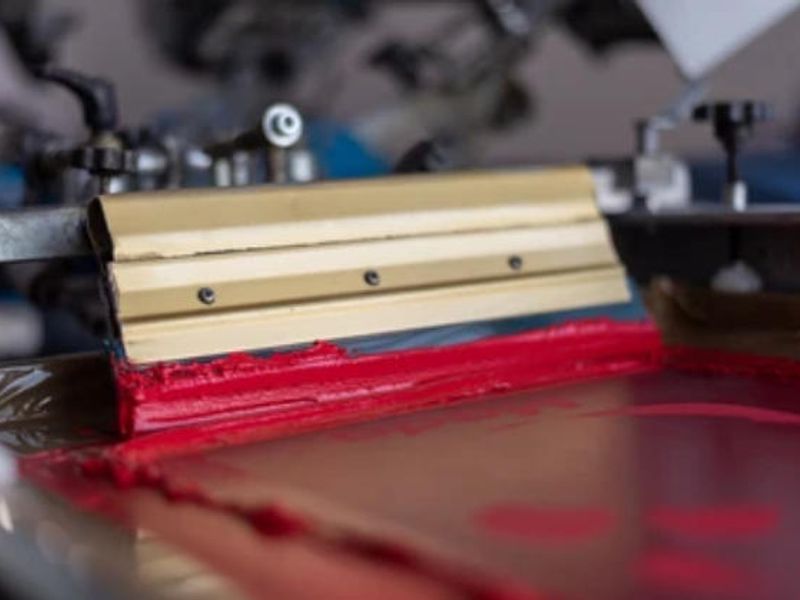
Screen printing with thermochromic ink is one of the more demanding pigment applications — you're asking a material to perform a reversible color transition reliably, across thousands of print cycles, under real-world handling conditions. The pigment has to disperse cleanly into the ink vehicle, survive the shear of the squeegee, and still respond predictably to temperature after it's cured onto the substrate.
Read More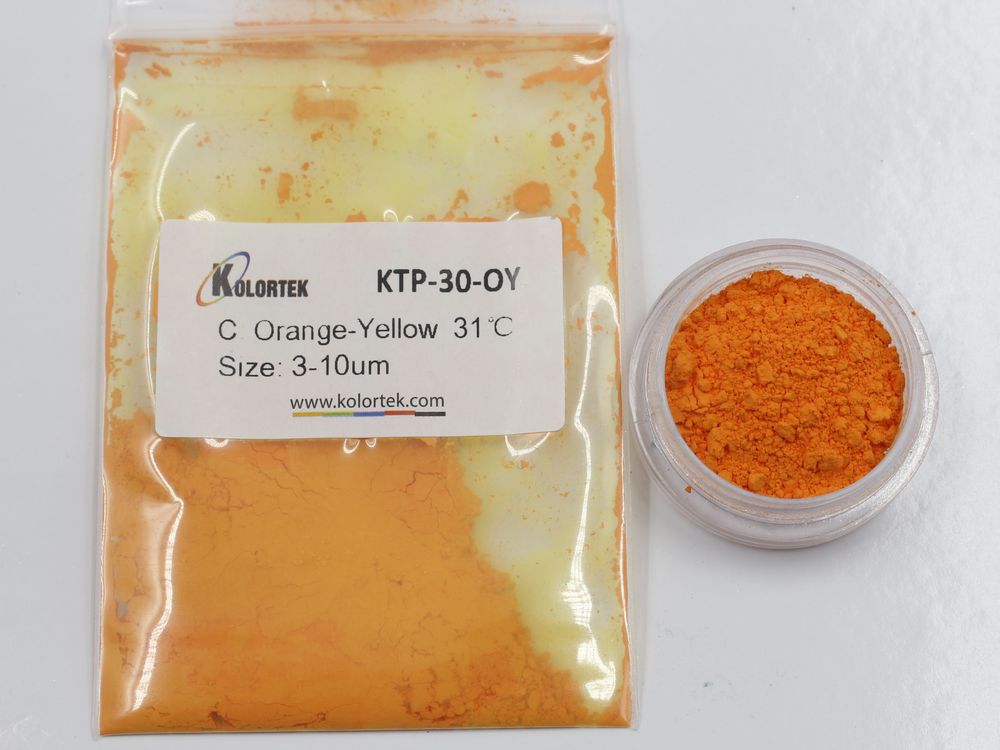
Fabric is one of the more demanding substrates for thermochromic chemistry. The dye has to survive wash cycles, flex without cracking, bond to fiber structures that weren't designed to hold encapsulated colorants, and still deliver a clean, repeatable color transition. That's a tighter brief than most people expect when they first start sourcing.
Read More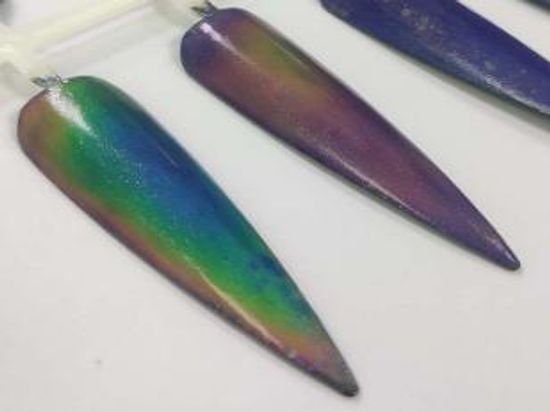
KT-MLC01 is a water-based thermochromic liquid crystal that cycles through twelve distinct colors — from black through copper, yellow, green, blue, and violet — across a 14℃ to 36℃ temperature window, making it one of the more visually dynamic options in the thermochromic category. Unlike single-transition thermochromic pigments, these mood liquid colors deliver a continuous chromatic shift in a single liquid formulation, suited for custom decorative paints, textile printing, and novelty cosmetic applications. Formulators looking to introduce live color-shift behavior into coatings or printed substrates will find the liquid format straightforward to incorporate.
Read More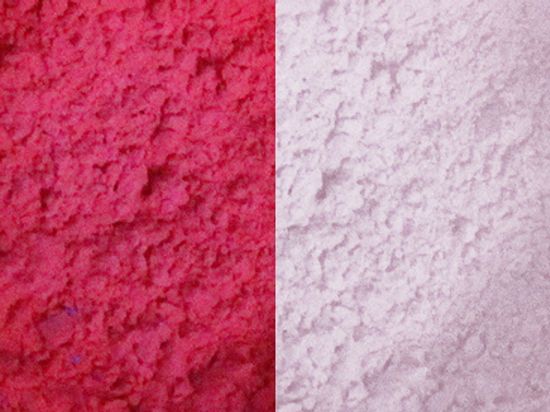
KTP-16-BR is a red thermochromic pigment that transitions from vivid red to fully colorless when temperature rises above 16°C — making it one of the lowest activation-point options in Kolortek's standard range. As a heat sensitive pigment, it's well-suited for applications where near-ambient temperature triggers are required, including temperature-indicating textiles, novelty printing, and decorative coatings. Formulators working with color change with temperature effects will find the fine 1–10μm particle size integrates cleanly into most ink and coating systems.
Read More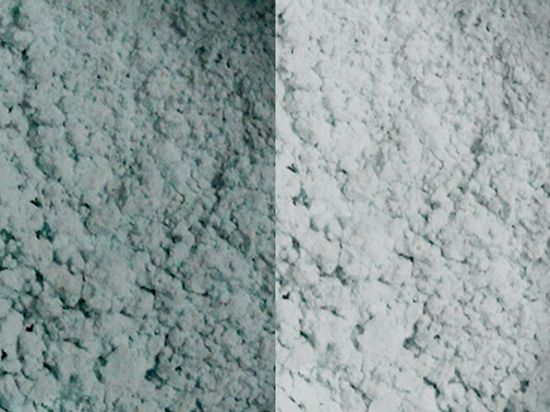
KTP-17-MG is a thermochromic powder that transitions from malachite green to fully colorless at 17°C — a low activation threshold that makes it effective for skin-contact, ambient-response, and cool-environment applications. As a heat reactive pigment, it integrates cleanly into printing, coating, and cosmetic systems where a sharp, reversible color reveal is the intended effect. Typical end-uses include nail formulations, textile printing, and craft coatings.
Read More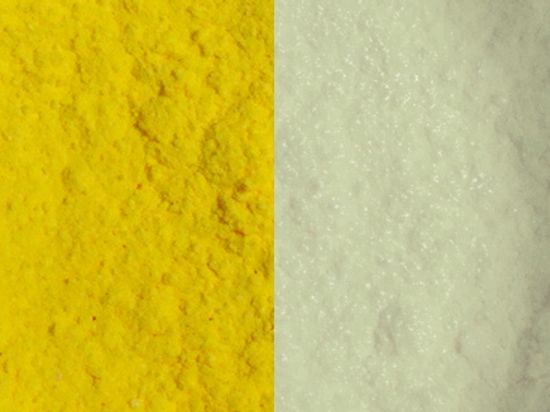
KTP-32-BY is a thermochromic powder that transitions from vivid yellow to colorless at 32°C — a body-temperature-adjacent activation point that makes it well-suited for skin-contact applications like cosmetics and nail products. This heat sensitive pigment powder disperses cleanly in most coating and printing systems, and is also available in a BPA Free food grade version for product contact use cases such as cups and utensils. Formulators working in textiles printing, craft art, or specialty inks will find the 1–10μm particle range compatible with a broad range of application methods.
Read More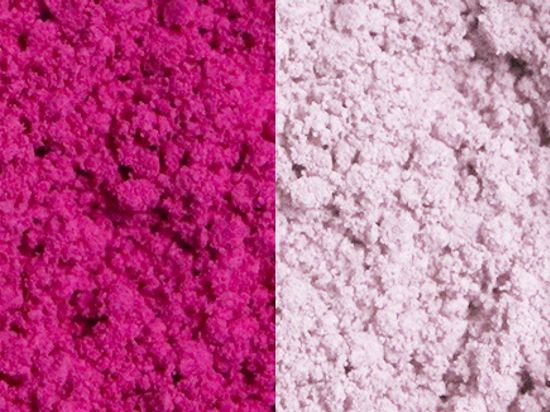
KTP-31-PBF is a rose red thermochromic pigment powder that transitions to colorless at 31°C — a body-temperature-proximate activation point well-suited for skin-contact and food-contact applications. Certified BPA Free, this heat reactive pigment is formulated for cosmetics, nail systems, and food-contact printing where safety compliance is non-negotiable. It performs equally well in textile printing and craft applications where a clean, reversible color-fade effect is the design intent.
Read More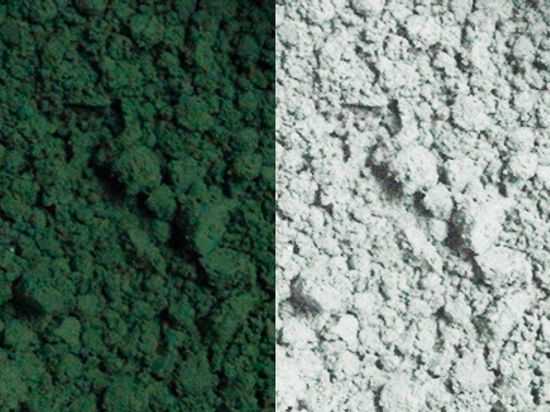
KTP-31-GBF is a food grade thermochromic pigment that shifts from vivid green to fully colorless at 31°C — clean, reversible, and BPA Free. Engineered for direct skin and food contact surface applications, this heat sensitive pigment powder is well suited for cosmetic formulations, nail products, and food contact items like cups and spoons. Its fine 3–10μm particle size ensures smooth dispersion across both water- and solvent-based systems.
Read More
 English
 Français
 Deutsch
 Русский
 Español
 Português