
Leave A Message
If you are interested in our products and want to know more details,please leave a message here,we will reply you as soon as we can.
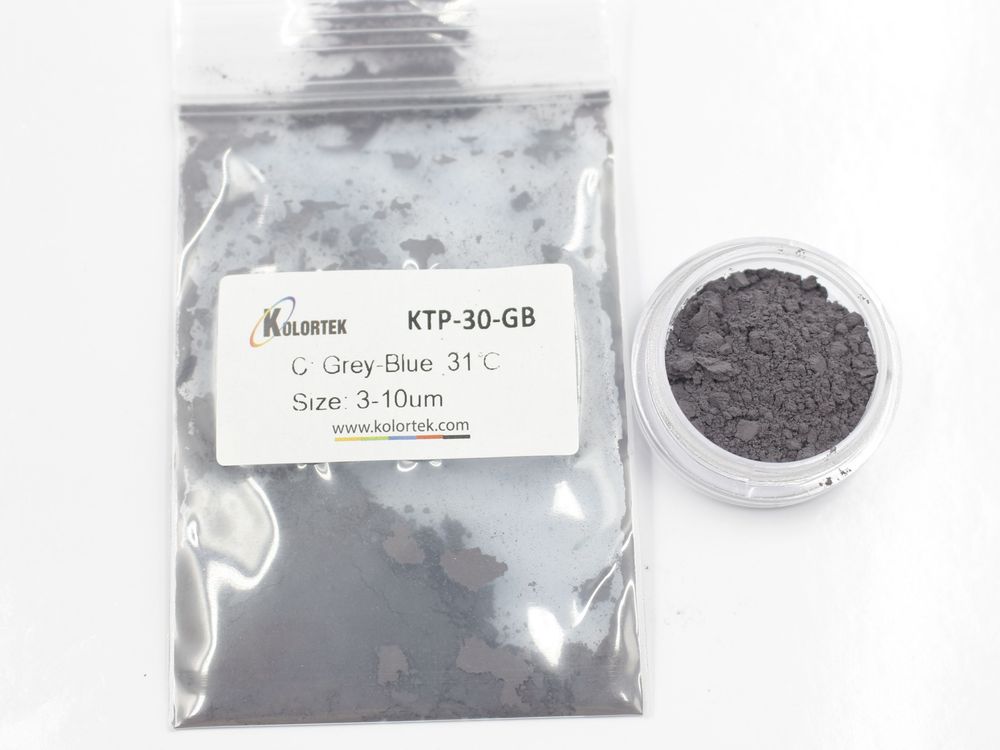
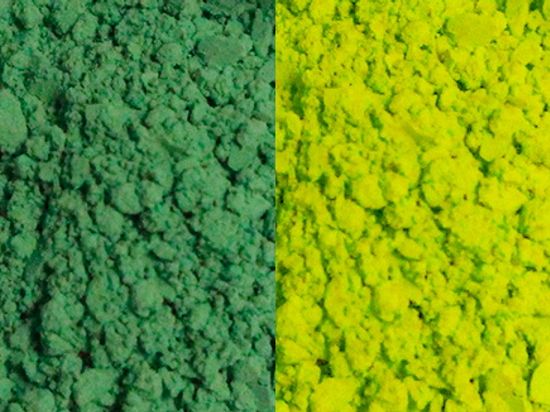
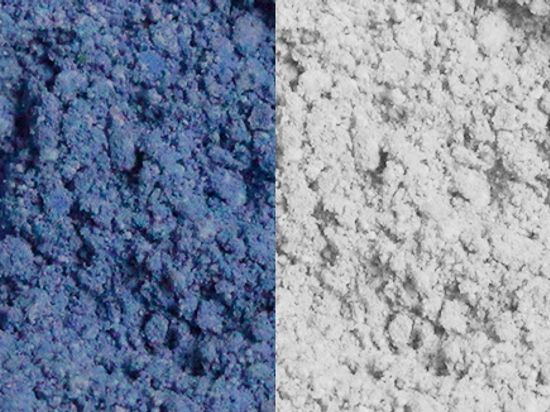
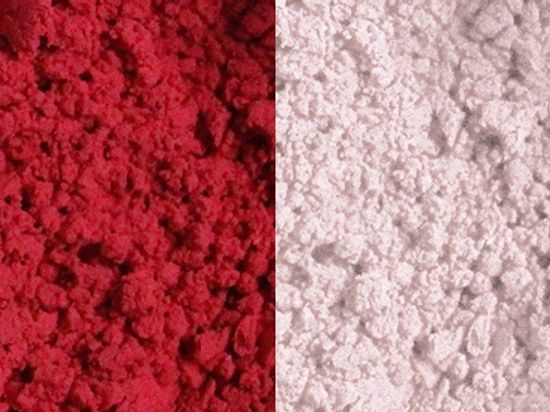
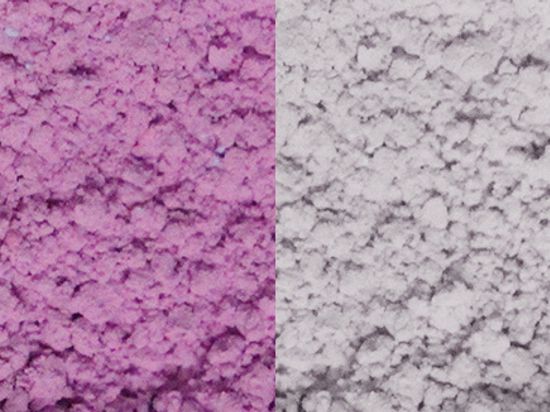
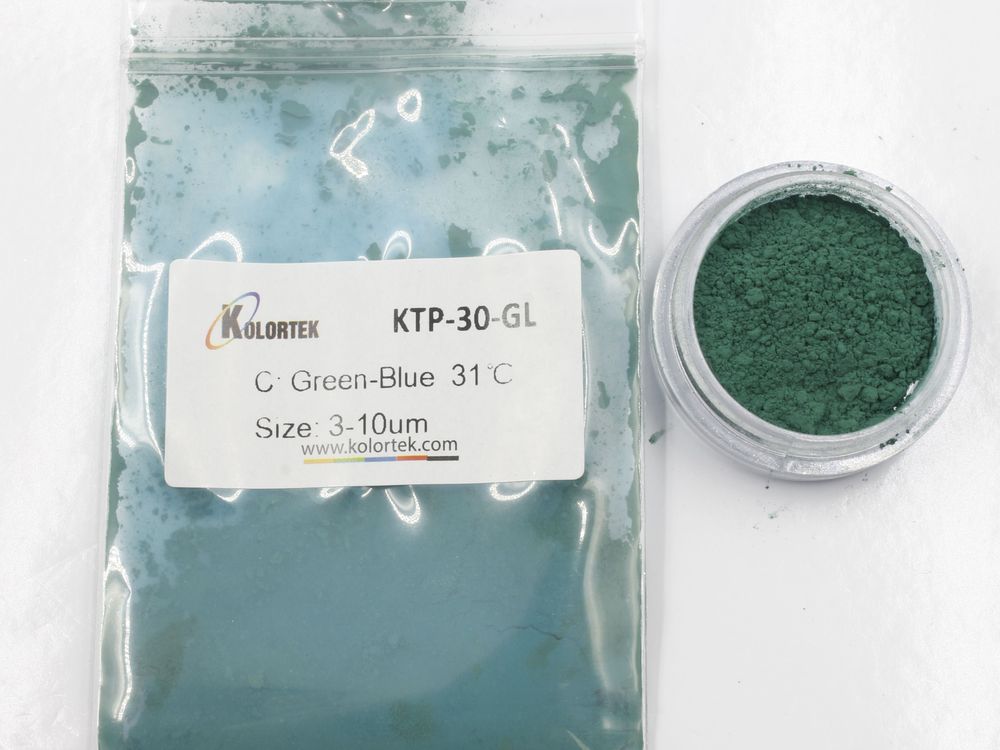
Textile printing puts unique demands on color-change systems. The ink or paste has to survive washing, stretching, heat-press cycles, and direct skin contact — and the thermochromic response still needs to be crisp and repeatable after all of that. These pigments are microencapsulated leuco-dye systems: a color former, a developer, and a solvent coencapsulated in a polymer shell that protects the active chemistry from the binder matrix. The shell integrity is what separates a pigment that lasts through 50 wash cycles from one that fades after five.
Item No. :
Kolortek Thermochromic PigmentColor Effect :
Multi colorsParticle Size :
1-10μm, 3-10μmBrand :
Kolortek / OEMMOQ :
1KGApplication :
Packaging, Printing Inks, Cosmetics, Textiles, Toys, Paints & Coatings, Food Contact (BPA-free series), Safety IndicatorsKolortek's thermochromic pigment for fabric covers two distinct response modes — colored-to-colorless and colored-to-another-colored — and spans activation temperatures from roughly 16°C to 45°C. That range covers everything from ambient body-heat response to hand-wash temperature triggers, which is where most apparel and sportswear applications actually live.
Colored to Colorless — The pigment holds a visible color below its activation temperature and becomes transparent above it, revealing whatever base coat, print layer, or substrate sits underneath. This is the more common configuration for reveal-effect graphics, hidden messaging, and temperature-indicator prints.
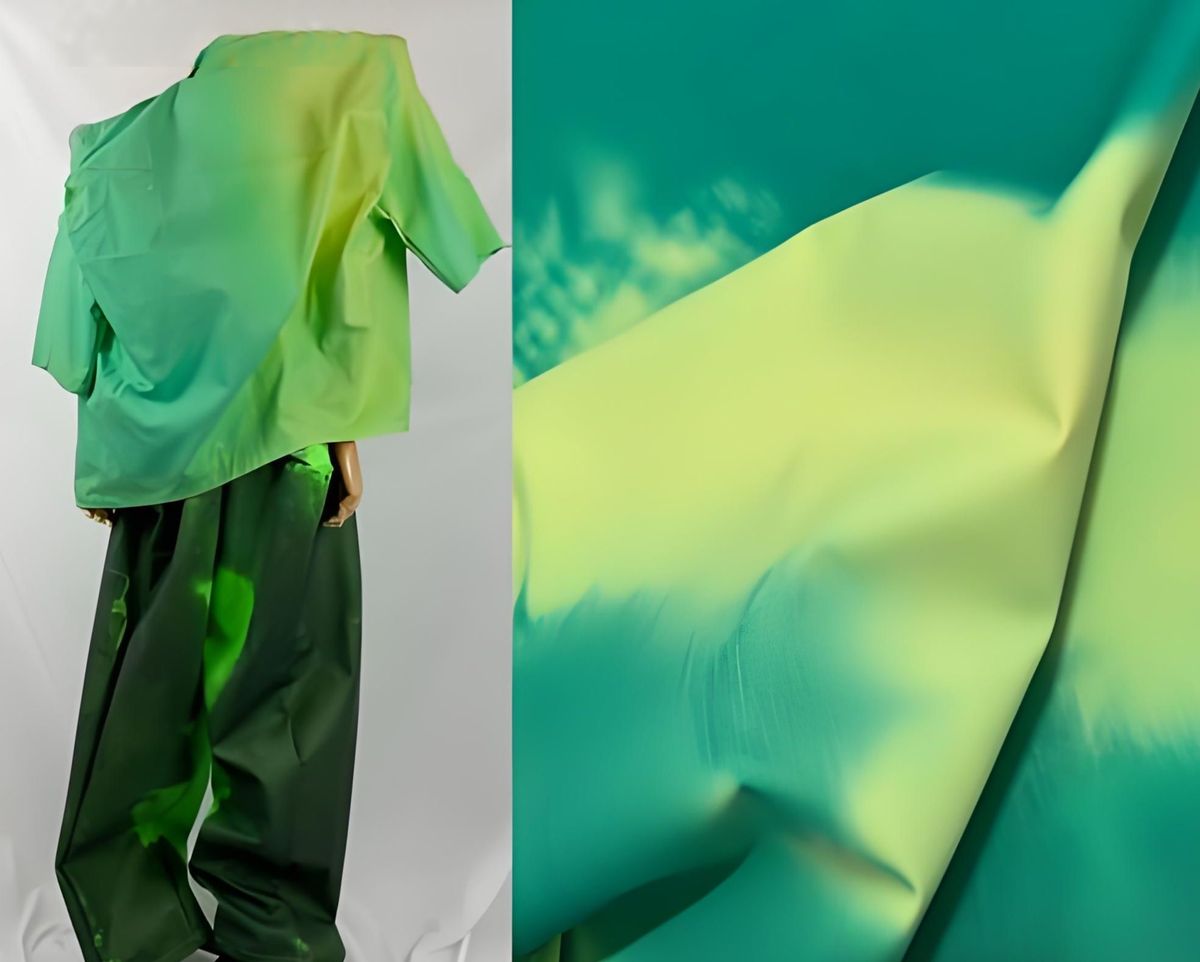
Colored to Another Colored — Two color states, both chromatic. Typically achieved by combining a thermochromic layer with a static pigment underneath. The visual shift is more dramatic in certain lighting conditions and tends to read better on dark or dyed base fabrics where a transparent reveal state would simply disappear.
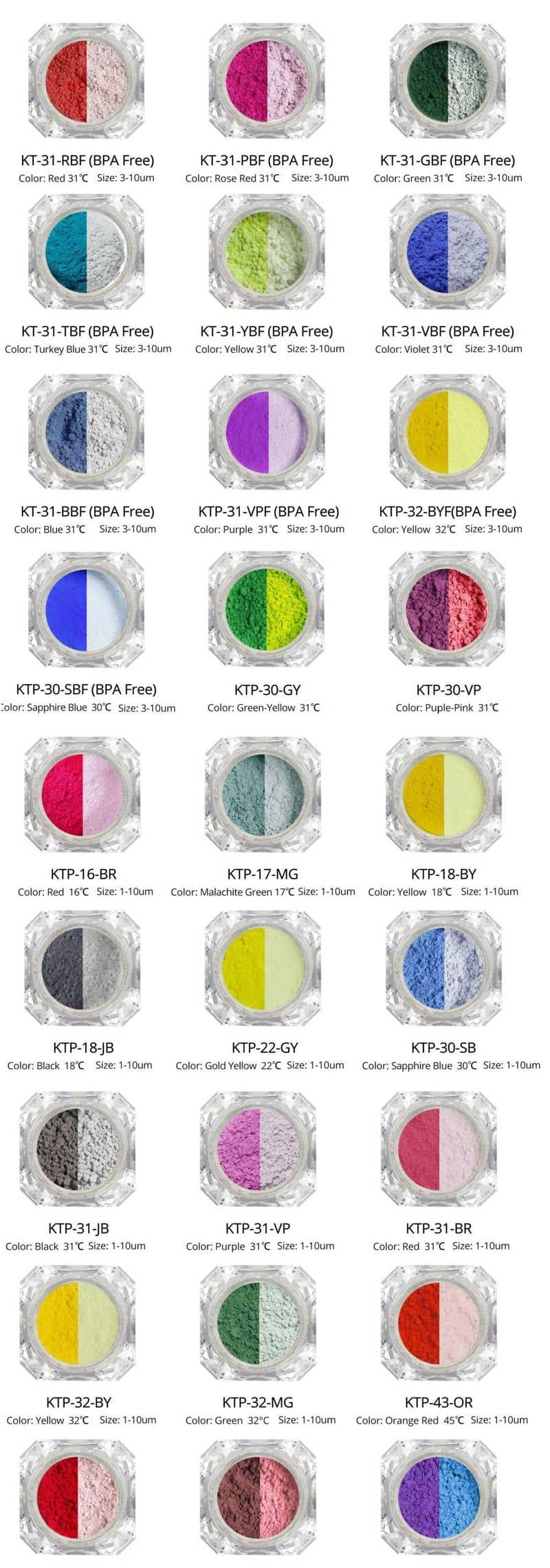
The series designation encodes activation temperature and color. KTP-16, KTP-17, KTP-18 activate at the lower end of the range — useful when body heat or a warm ambient environment is the intended trigger. KTP-30, KTP-31, KTP-32, KTP-43, and KTP-45 cover mid-to-upper ranges, appropriate for wash-temperature effects or hot-drink contact applications on accessories and promotional textiles.
BPA-free variants are available across the KTP-31 and KTP-30/32 series for applications where material compliance is a requirement — children's apparel, skin-contact textiles, and export markets with specific substance restrictions.
| Model | Activation Temp (°C) | BPA Free | Notes |
|---|---|---|---|
| KTP-16-BR | 16°C | No | Low-temp trigger, body-heat response range |
| KTP-17-MG | 17°C | No | — |
| KTP-18-BY | 18°C | No | — |
| KTP-18B-JB | 18°C | No | — |
| KTP-22-GY | 22°C | No | — |
| KTP-30-SB / BR / VB / GY / VP / OY / GB / GL | 30°C | No | Wide color range at 30°C activation |
| KTP-30-SBF | 30°C | Yes | BPA-free variant |
| KTP-31-JB / VP / BR | 31°C | No | — |
| KTP-31-RBF / PBF / GBF / TBF / YBF / VBF / BBF / VPF | 31°C | Yes | Full BPA-free range at 31°C; broadest color selection |
| KTP-32-BY / MG | 32°C | No | — |
| KTP-32-BY F | 32°C | Yes | BPA-free variant |
| KTP-43-OR | 43°C | No | Hot-water / heat-press trigger range |
| KTP-45-BR | 45°C | No | Upper range; wash-indicator potential |
Screen printing and rotary printing on cotton, polyester, and cotton-poly blends are the primary end uses. The pigment is dispersed into a water-based binder — typically a soft-hand acrylic or polyurethane system — at loadings that vary by desired opacity and color depth. Discharge printing is not compatible; the reductive chemistry will destroy the microcapsule.
Sportswear, promotional apparel, children's clothing, novelty accessories, and branded workwear are consistent application areas. The 30°C–32°C activation range is particularly practical for body-heat-triggered effects on garments worn close to the skin.
Heat transfer printing is viable but requires careful process control. The transfer press temperature must be managed so it doesn't exceed the activation threshold during application in a way that compromises the capsule. Most standard transfer processes run well above 45°C — so the pigment activates and returns to colored state after cooling, which is normal behavior, but capsule stress from prolonged high-temperature exposure is a real concern if dwell time isn't controlled.
Microcapsule particle size typically runs 3–8 µm. This affects both dispersion behavior and print resolution — finer mesh screens (above 120 mesh) will cause shear-induced capsule damage if the paste viscosity is too low. A medium-viscosity binder and controlled squeegee pressure are standard practice.
Avoid high-shear mixing. Cowles-type dispersers at elevated RPM will rupture capsules. Low-shear paddle mixing or gentle roll-mill dispersion is appropriate. Pre-wet the pigment in a small amount of binder before adding to the bulk.
Typical loading in textile paste: 5–15% by weight on total paste, depending on the color depth required. Going above 15% rarely improves opacity significantly and adds cost without proportional benefit.
Wash fastness is inherently limited compared to conventional reactive or disperse dyes. For textile applications demanding ISO wash ratings above 3, a topcoat binder layer over the thermochromic print is worth testing. The capsule shell does provide some chemical isolation, but it's not a substitute for proper encapsulation within the binder film.
UV exposure is the most common durability concern in practice. These pigments are not recommended for outdoor apparel that will see prolonged direct sunlight without UV-stabilized overprint varnish. Indoor and limited-exposure end uses are more reliable territory.
The BPA-free variants (designated with the "F" or "BF" suffix) are formulated for applications where BPA content is a compliance or regulatory issue. Children's apparel and skin-contact textiles are the obvious use cases. Performance characteristics — activation temperature, color shift, dispersion behavior — are equivalent to the standard series for the corresponding grades.
Worth noting: the BPA-free designation refers to the capsule chemistry, not to the binder or carrier system. The final printed article's compliance still depends on the complete formulation, including binder, thickener, and any additives used in the paste.
Q: Can thermochromic pigment for fabric be used in digital inkjet printing?
Not directly in its pigment powder form. The particle size and capsule structure are incompatible with standard inkjet heads. Some formulators have developed specialized inkjet dispersions, but this requires significant formulation development. Screen printing, rotary, and coating processes are the practical routes for most users.
Q: What's the typical activation temperature hysteresis, and does it matter for apparel?
These systems have a hysteresis window — the temperature at which the color returns on cooling is typically several degrees below the activation temperature on heating. For most apparel applications this is acceptable behavior, but if you need a very sharp, symmetrical trigger point, it needs to be evaluated per grade. The 30°C–31°C series tends to show moderate hysteresis, which is acceptable for most body-heat effects.
Q: How does thermochromic dye for fabric compare to conventional printing inks in terms of wash fastness?
Lower, in most cases. Encapsulated thermochromic systems don't bond to fiber the way reactive dyes do. Wash fastness is primarily a function of binder selection and cure conditions. With the right binder system and a topcoat, acceptable fastness for most commercial apparel is achievable — but it won't match a reactive dye print under ISO 105-C standard conditions.
Q: Is it possible to mix different activation-temperature grades in the same paste?
Technically yes, but the result is a gradual color shift across a temperature range rather than a sharp transition at a defined point. This can be used intentionally for multi-stage effects, but it complicates quality control. Most production applications use a single grade per print layer for predictable results.
If you're evaluating grades for a specific activation temperature, color transition, or compliance requirement, sample sets are available on request. Technical data sheets covering particle size distribution, activation temperature, and recommended processing conditions are available for each series.
Contact the technical team at contact@kolortek.com to discuss grade selection, formulation support, or custom activation temperatures.
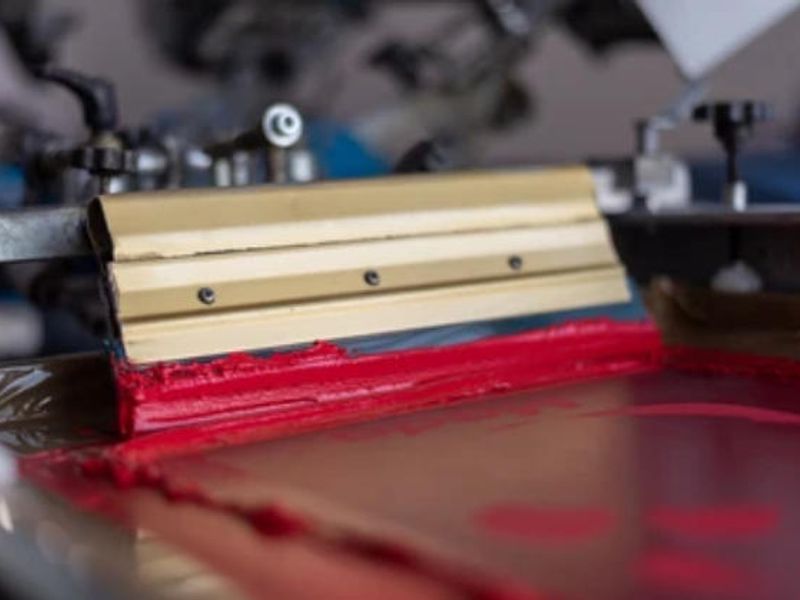
Screen printing with thermochromic ink is one of the more demanding pigment applications — you're asking a material to perform a reversible color transition reliably, across thousands of print cycles, under real-world handling conditions. The pigment has to disperse cleanly into the ink vehicle, survive the shear of the squeegee, and still respond predictably to temperature after it's cured onto the substrate.
Read More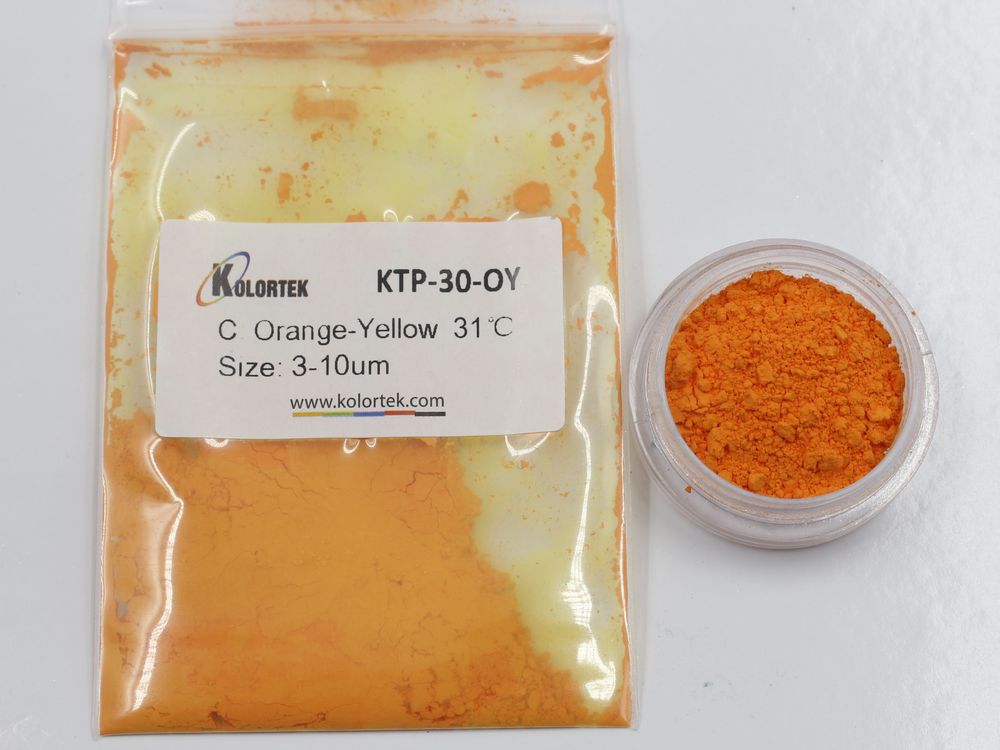
Fabric is one of the more demanding substrates for thermochromic chemistry. The dye has to survive wash cycles, flex without cracking, bond to fiber structures that weren't designed to hold encapsulated colorants, and still deliver a clean, repeatable color transition. That's a tighter brief than most people expect when they first start sourcing.
Read More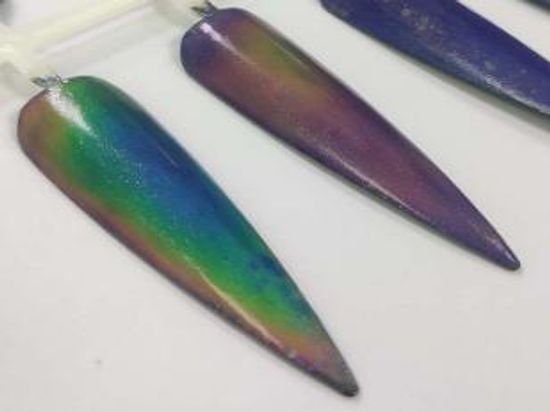
KT-MLC01 is a water-based thermochromic liquid crystal that cycles through twelve distinct colors — from black through copper, yellow, green, blue, and violet — across a 14℃ to 36℃ temperature window, making it one of the more visually dynamic options in the thermochromic category. Unlike single-transition thermochromic pigments, these mood liquid colors deliver a continuous chromatic shift in a single liquid formulation, suited for custom decorative paints, textile printing, and novelty cosmetic applications. Formulators looking to introduce live color-shift behavior into coatings or printed substrates will find the liquid format straightforward to incorporate.
Read More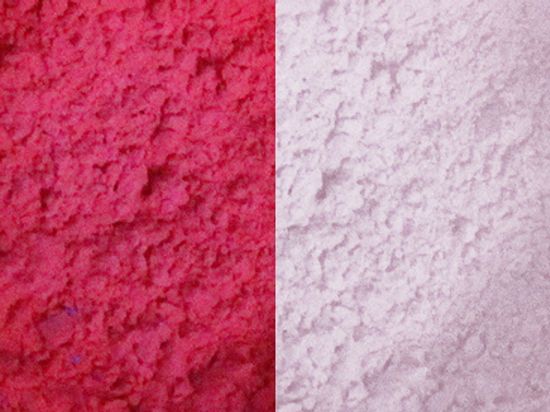
KTP-16-BR is a red thermochromic pigment that transitions from vivid red to fully colorless when temperature rises above 16°C — making it one of the lowest activation-point options in Kolortek's standard range. As a heat sensitive pigment, it's well-suited for applications where near-ambient temperature triggers are required, including temperature-indicating textiles, novelty printing, and decorative coatings. Formulators working with color change with temperature effects will find the fine 1–10μm particle size integrates cleanly into most ink and coating systems.
Read More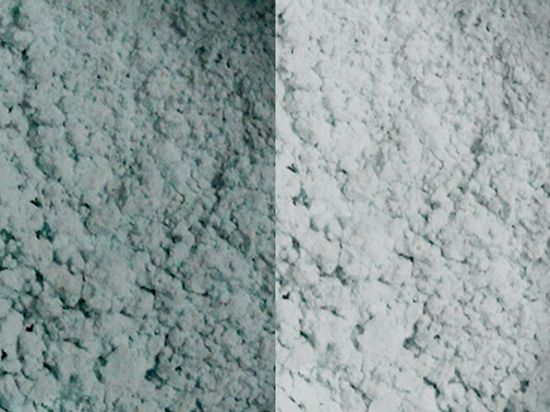
KTP-17-MG is a thermochromic powder that transitions from malachite green to fully colorless at 17°C — a low activation threshold that makes it effective for skin-contact, ambient-response, and cool-environment applications. As a heat reactive pigment, it integrates cleanly into printing, coating, and cosmetic systems where a sharp, reversible color reveal is the intended effect. Typical end-uses include nail formulations, textile printing, and craft coatings.
Read More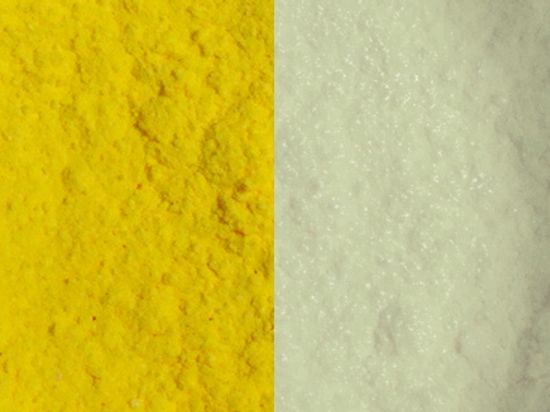
KTP-32-BY is a thermochromic powder that transitions from vivid yellow to colorless at 32°C — a body-temperature-adjacent activation point that makes it well-suited for skin-contact applications like cosmetics and nail products. This heat sensitive pigment powder disperses cleanly in most coating and printing systems, and is also available in a BPA Free food grade version for product contact use cases such as cups and utensils. Formulators working in textiles printing, craft art, or specialty inks will find the 1–10μm particle range compatible with a broad range of application methods.
Read More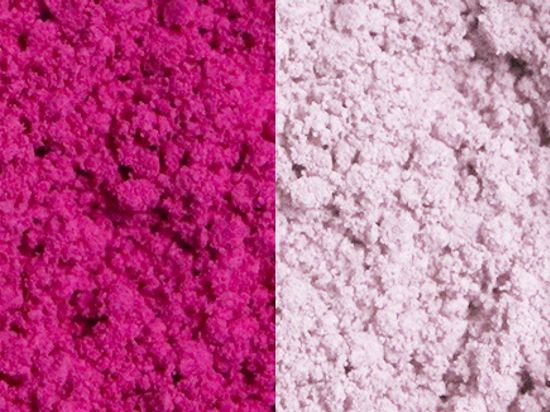
KTP-31-PBF is a rose red thermochromic pigment powder that transitions to colorless at 31°C — a body-temperature-proximate activation point well-suited for skin-contact and food-contact applications. Certified BPA Free, this heat reactive pigment is formulated for cosmetics, nail systems, and food-contact printing where safety compliance is non-negotiable. It performs equally well in textile printing and craft applications where a clean, reversible color-fade effect is the design intent.
Read More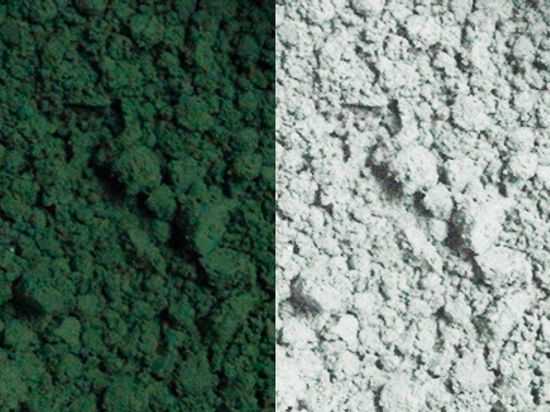
KTP-31-GBF is a food grade thermochromic pigment that shifts from vivid green to fully colorless at 31°C — clean, reversible, and BPA Free. Engineered for direct skin and food contact surface applications, this heat sensitive pigment powder is well suited for cosmetic formulations, nail products, and food contact items like cups and spoons. Its fine 3–10μm particle size ensures smooth dispersion across both water- and solvent-based systems.
Read More
 English
 Français
 Deutsch
 Русский
 Español
 Português