
Leave A Message
If you are interested in our products and want to know more details,please leave a message here,we will reply you as soon as we can.
AC220RX-AC1500RX Red copper metallic powder for decorative coating
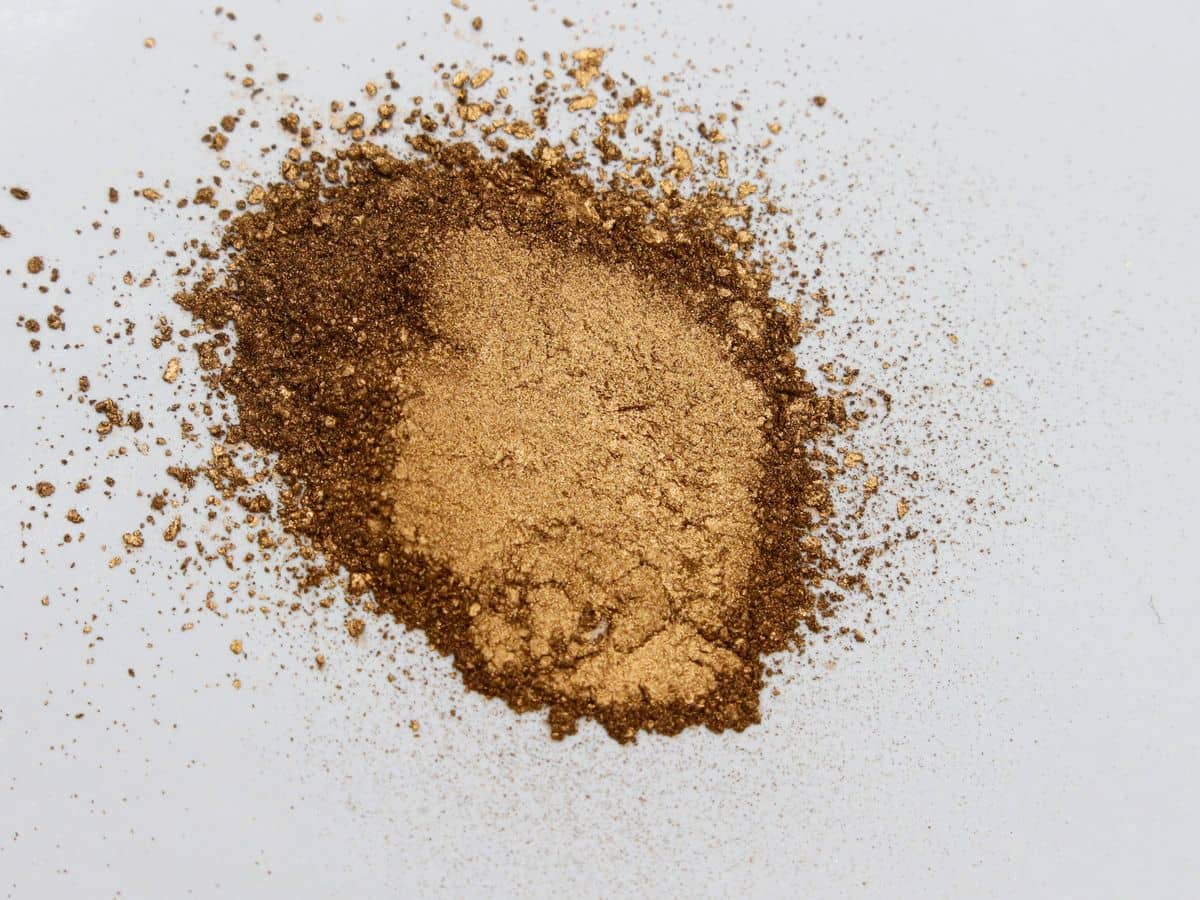
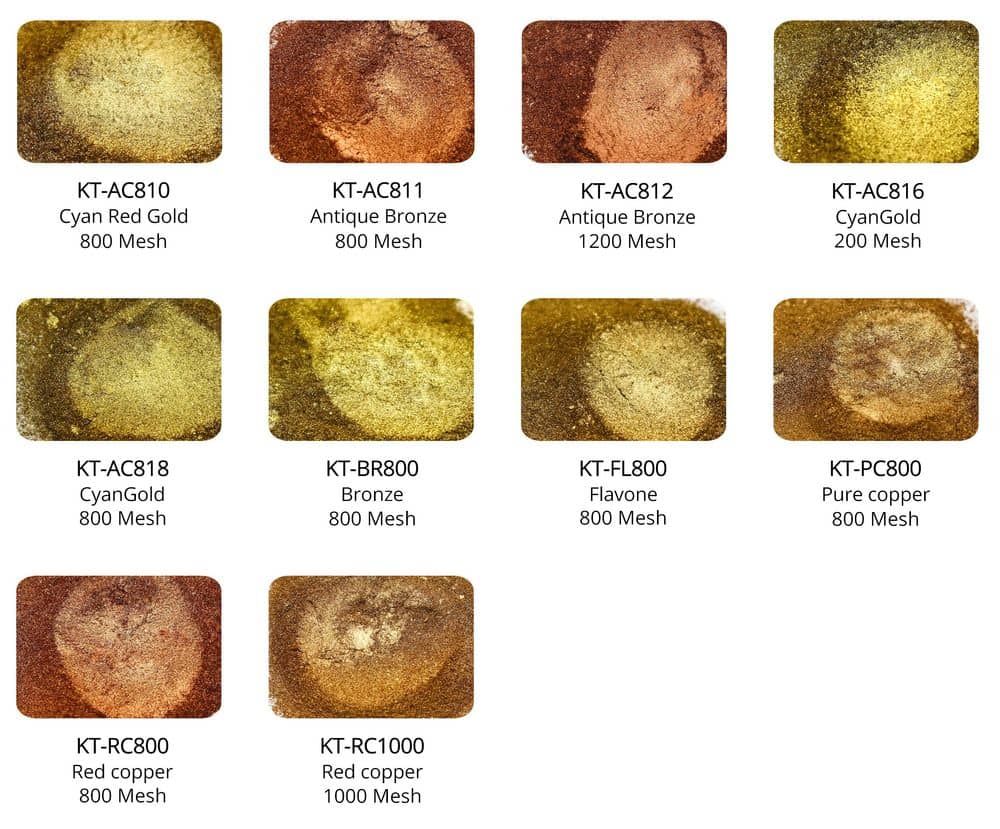
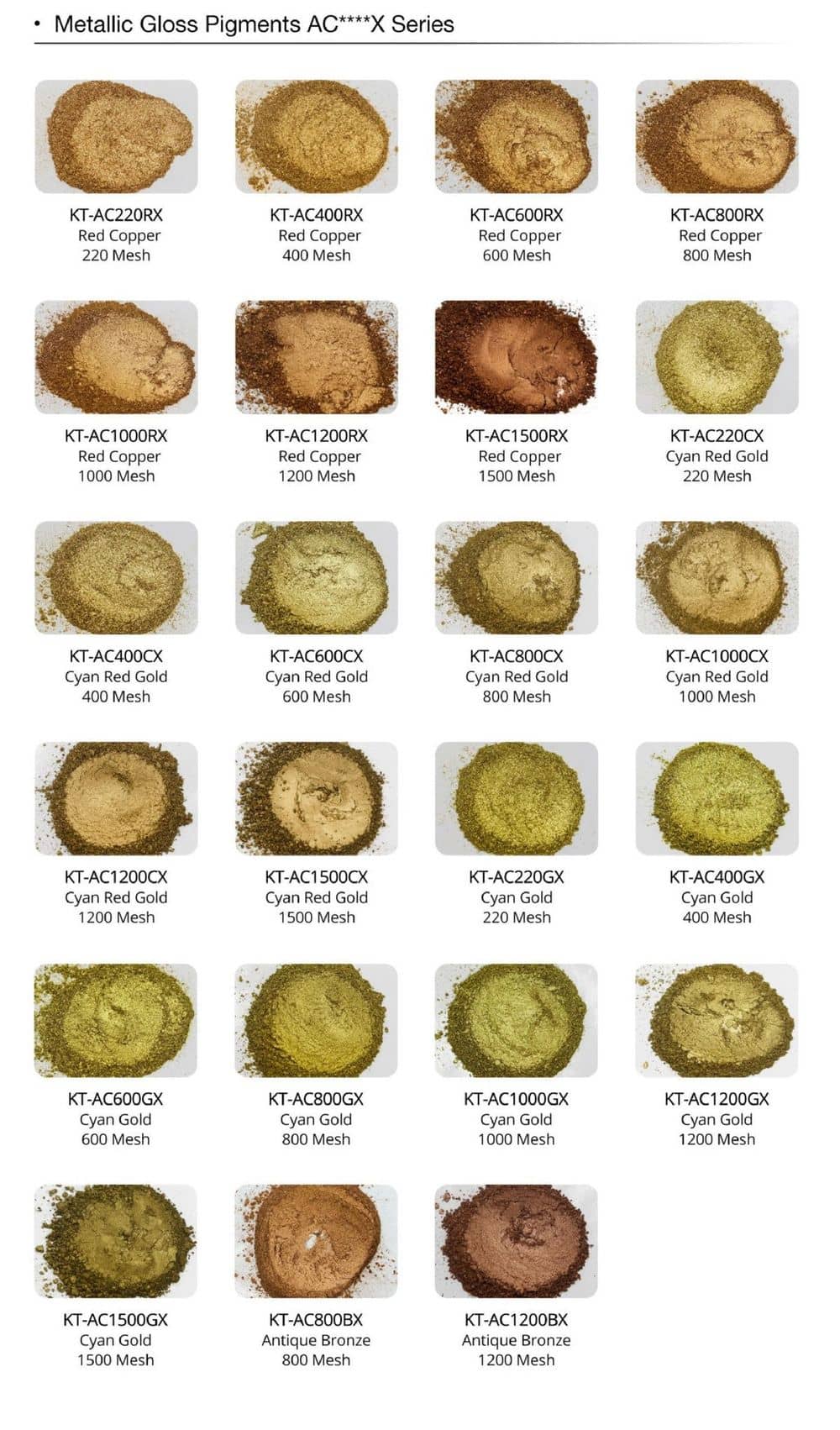
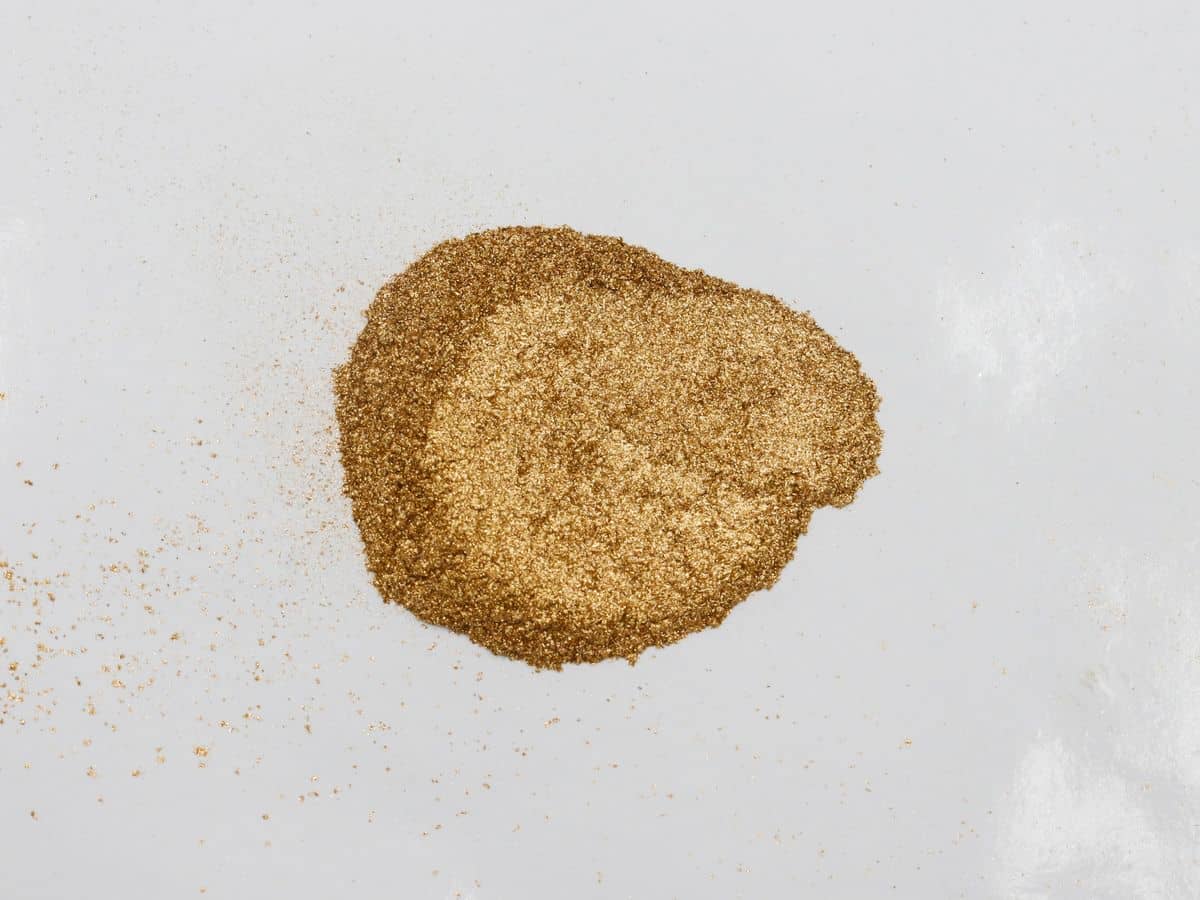
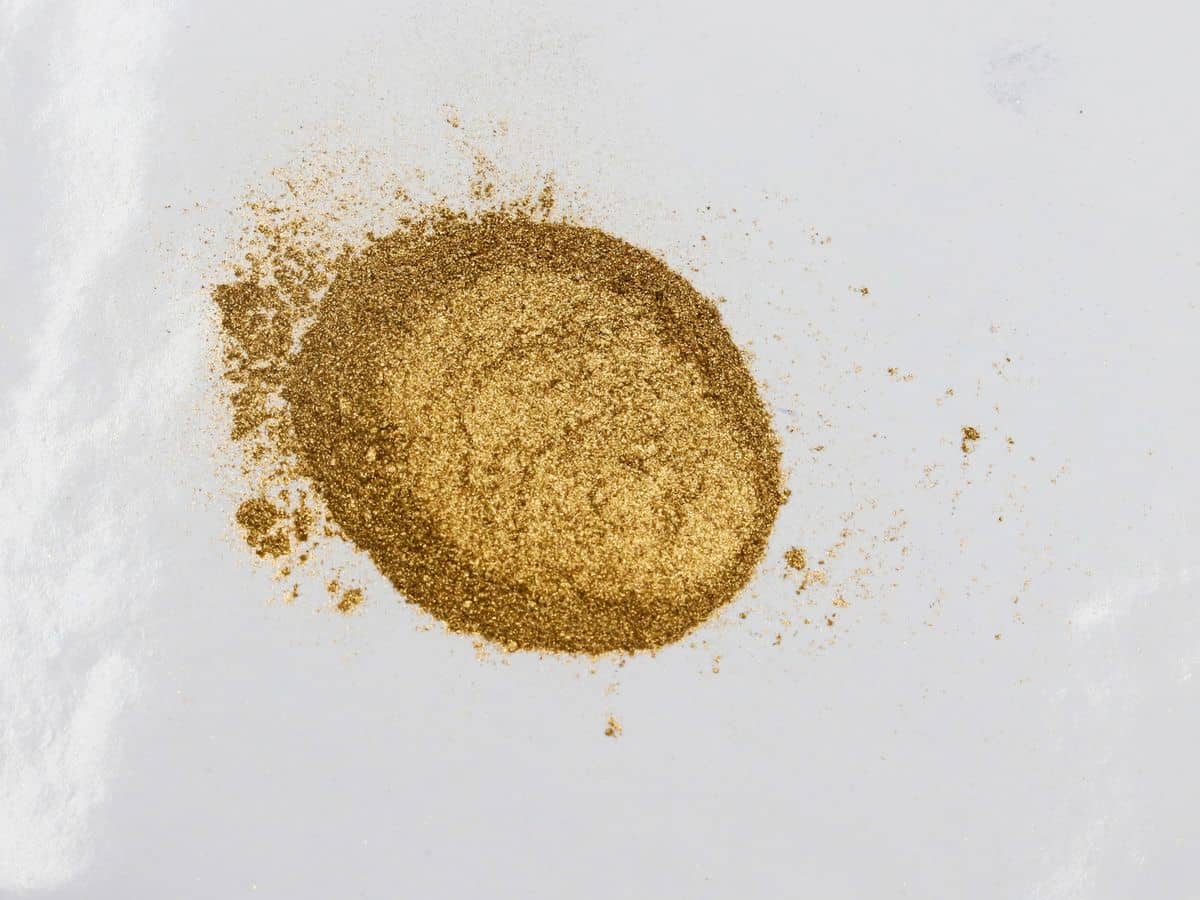
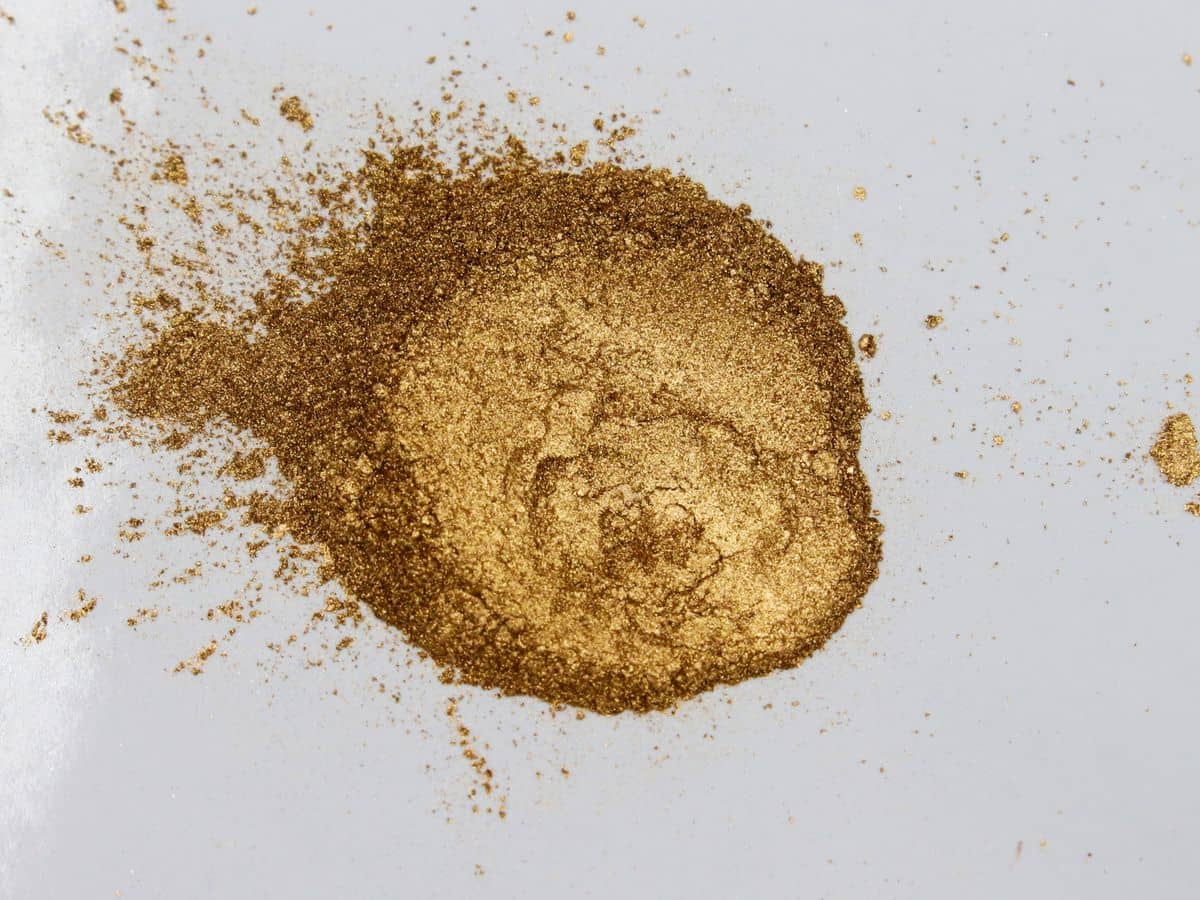
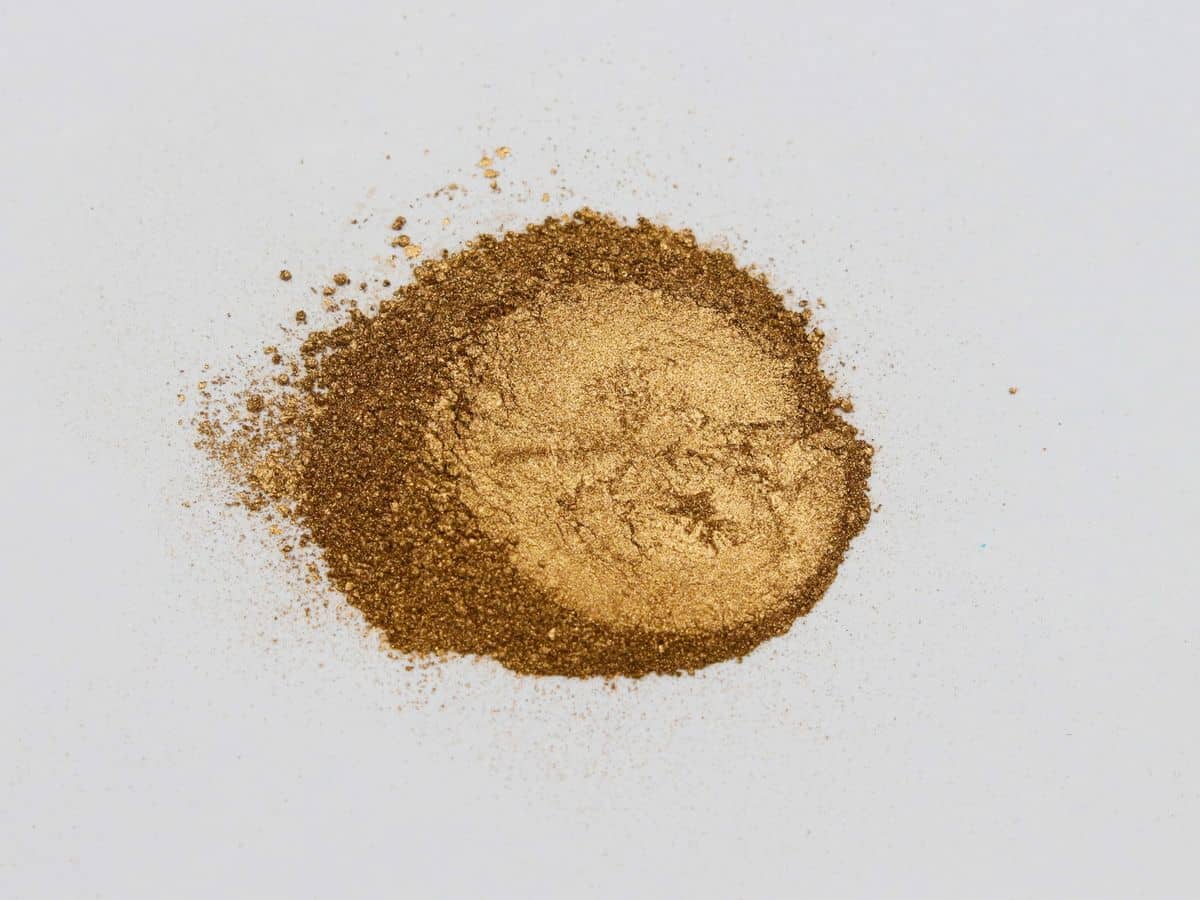
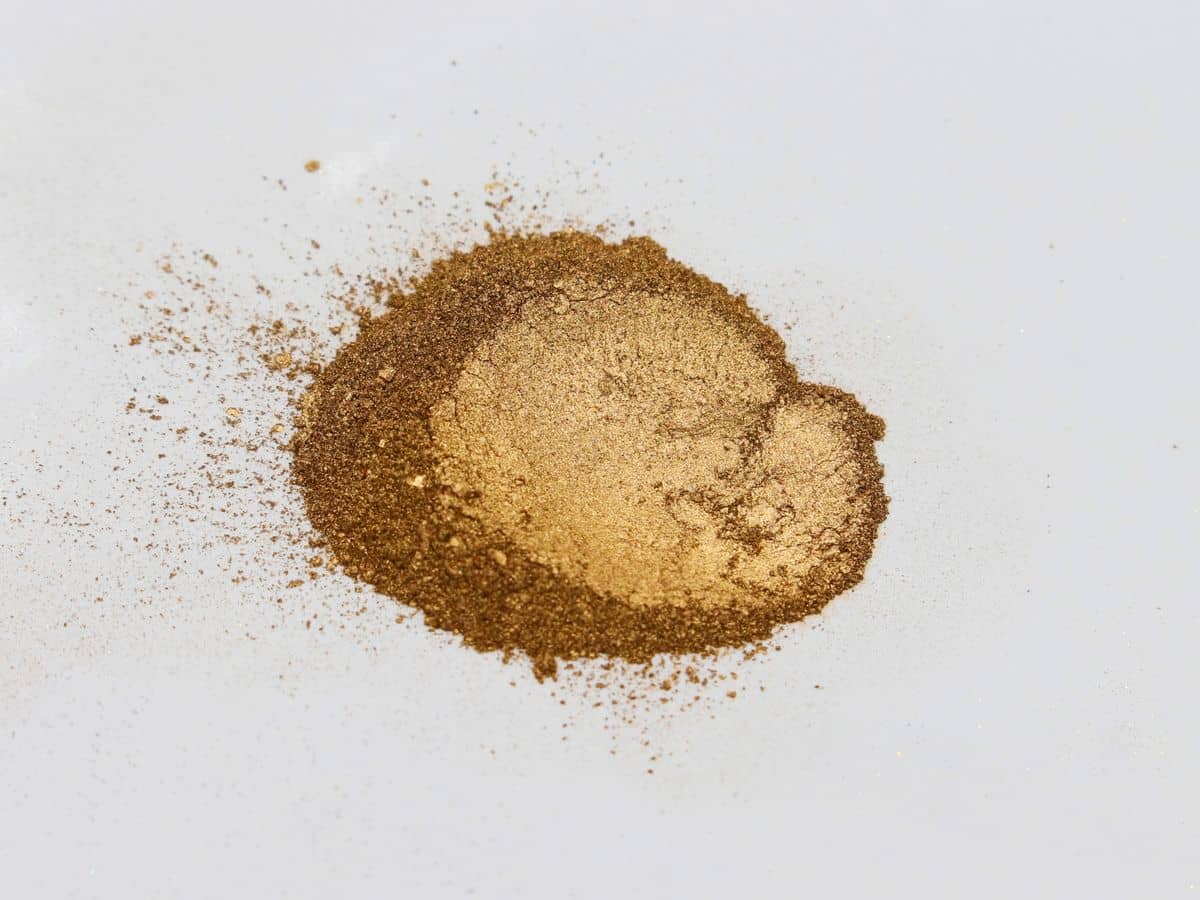
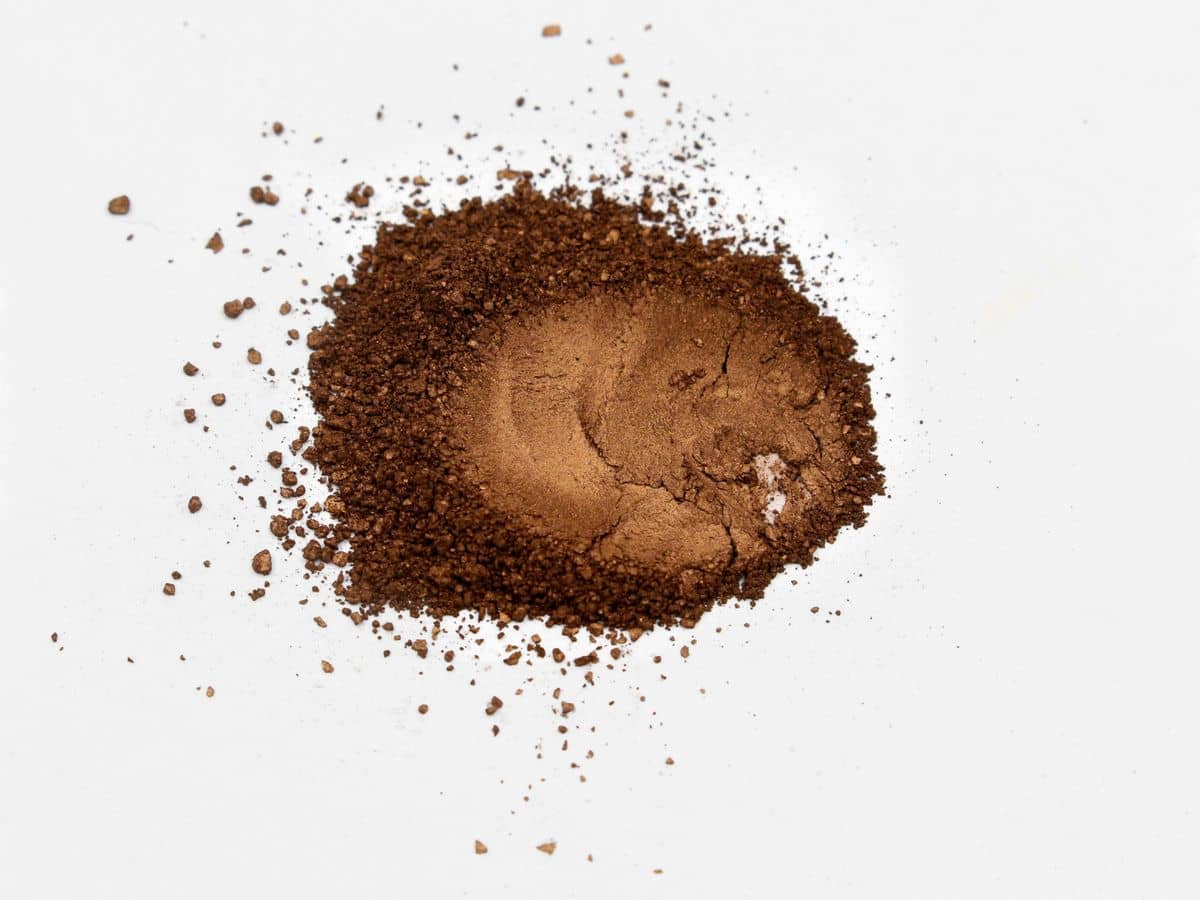
The KT-AC220RX through KT-AC1500RX series covers seven red copper metallic grades from 220 to 1500 mesh, formulated for solvent-based and oil-based coating systems. When evaluating a red copper powder sample for a decorative coating application, this particle size range maps from coarse, high-texture metallic finishes down to smooth, high-gloss copper sheens — all sharing the same warm copper/bronze metallic tone. These grades are not compatible with water-based systems due to oxidation sensitivity of the metallic flake substrate.
The AC****X series is Kolortek's metallic gloss pigment line built around traditional metallic flake pigments. Within that family, the RX grades carry a distinct red copper character — a warm, high-chroma tone that sits between classic gold and deep bronze, with a strong specular metallic sheen. This is a different visual mechanism from pearlescent pigments: the effect is direct metallic reflectance, not an interference-based luster, so the copper tone reads consistently across viewing angles.
In our application work, we find the RX grades well-suited for formulations where a strong copper aesthetic drives the design brief — furniture lacquers, architectural metallic finishes, and industrial decorative paints. Particle size directly shapes the finished result: coarser grades (220–400 mesh) produce a sparkly, textured metallic surface with visible flake character, while finer grades (1000–1500 mesh) yield a smoother, more uniform copper sheen.
One constraint to address upfront: these are traditional metallic flake pigments that oxidize in aqueous environments. The AC****X series is formulated for solvent-based and oil-based systems only. If your formulation is water-based, a surface-treated grade from a separate product family is the correct path — reach out to our technical team for that conversation.
The RX sub-series runs from 220 to 1500 mesh across seven grades. Selecting the right mesh for your process matters: finer grades pass through spray equipment without clogging, while coarser grades are better suited to roller, trowel, or cast methods — where the larger flake size contributes to a deliberate high-texture metallic surface character.
| Model Code | Color | Particle Size |
|---|---|---|
| KT-AC220RX | Red copper | 220 mesh |
| KT-AC400RX | Red copper | 400 mesh |
| KT-AC600RX | Red copper | 600 mesh |
| KT-AC800RX | Red copper | 800 mesh |
| KT-AC1000RX | Red copper | 1000 mesh |
| KT-AC1200RX | Red copper | 1200 mesh |
| KT-AC1500RX | Red copper | 1500 mesh |
The broader AC****X series also includes related color variants for formulators who need color family flexibility: KT-AC220CX–AC1500CX in Cyan Red Gold, KT-AC220GX–AC1500GX in Cyan Gold, and KT-AC800BX/KT-AC1200BX in Antique Bronze — all structured across the same mesh range and sharing the same solvent-only formulation approach. Standard non-AC equivalents in the red copper shade (KT-RC800 and KT-RC1000) are available for applications where 800 or 1000 mesh is the target and a non-AC formulation is preferred.
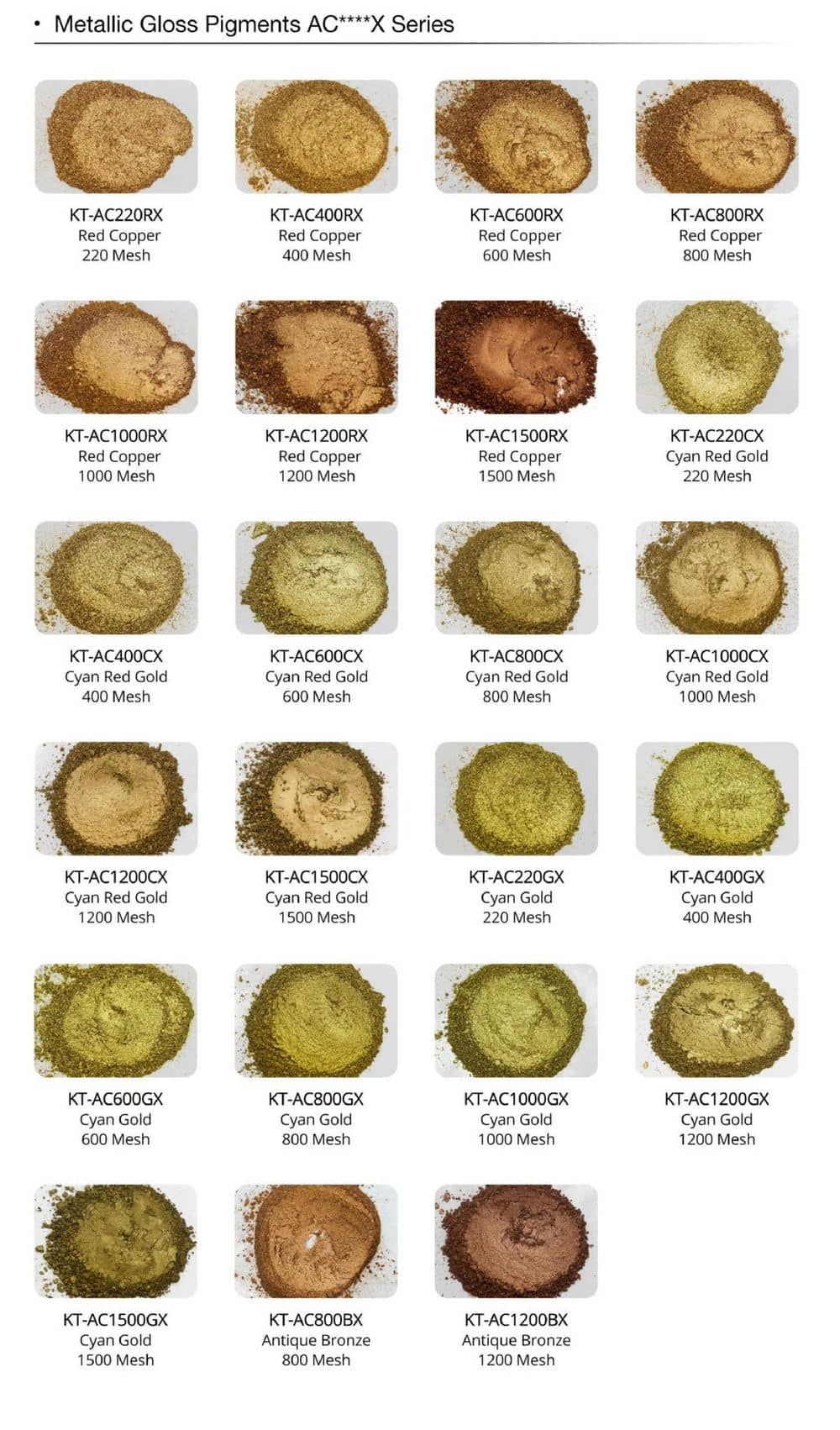
The RX grades fit a well-defined set of application categories. From our experience supporting coating customers, we see the most consistent results across these end uses:
For spray application, select grades in the 800–1500 mesh range to reduce nozzle blockage risk. Coarser grades (220–400 mesh) are suited to roller, trowel, or cast methods, where the visible flake size is part of the intended surface character rather than a processing liability.
Applying over a light base coat strengthens both visual depth and metallic intensity. Like other effect pigments, metallic flake pigments are semi-transparent — the base coat color contributes to the final appearance, so base coat selection is worth accounting for at the formulation stage.
Metallic flake pigments are more sensitive to mechanical shear than standard pigments. High-speed dispersers will damage the platelet structure and reduce metallic luster — slow paddle mixing is the correct approach throughout. Pre-disperse the pigment in a portion of solvent or resin before incorporating into the full batch; this prevents agglomeration and keeps the dispersion process controllable.
Settlement is a practical handling issue. Metallic flakes are relatively dense and will settle in low-viscosity systems if no counter-measures are in place. Fumed silica and bentone are the standard anti-settling additive options. For production environments where batch handling consistency matters, pre-dispersed paste forms of the pigment offer a workable alternative to dry powder addition.
Target loading range is 1–20% by weight. Start at the low end and increase incrementally toward the target visual result; the metallic effect builds quickly, and over-addition makes final film properties harder to control.
Standard packaging is 25 kg per drum or carton, with pallet quantities at 300 kg. SDS is supplied with all shipments; TDS is available on request prior to ordering.
Production and sales operations at Kolortek are certified under ISO 9001:2015, covering glitters, pigments, and fillers. Batch-to-batch color consistency is a core objective in our quality system — directly relevant for decorative coating formulators who depend on predictable metallic tone across repeat production orders.
REACH documentation is available; the current company-level certificate covers fluorphlogopite (synthetic mica) grades. For the AC****X metallic series, REACH compliance status for your specific application should be confirmed directly with our team. Heavy metal content is controlled across all product lines to levels well within international regulatory thresholds. TDS and SDS are standard documents provided with every order.
Are the KT-AC220RX–AC1500RX grades compatible with water-based coating systems?
No. The AC****X red copper series uses traditional metallic flake pigments that oxidize in aqueous environments. These grades are formulated for solvent-based and oil-based systems only. Using them in water-based formulations leads to oxidation and color degradation. If your system is water-based, contact our technical team — a surface-treated grade from a separate product family would be the correct direction for that application.
How do I choose the right mesh grade for my coating application?
Particle size determines both the surface texture and the viable application method. Coarser grades (220–400 mesh) produce a sparkly, high-texture metallic surface suited to roller, trowel, or cast application. Finer grades (1000–1500 mesh) deliver a smoother, more uniform copper sheen and pass through spray equipment reliably. Mid-range grades (600–800 mesh) offer a balance between visible metallic sparkle and spray compatibility.
Can we request a copper powder free sample before placing a bulk order?
Yes. Kolortek offers a copper powder free sample service for qualified inquiries — this covers the AC****X red copper grades as well as other metallic and effect pigment series. Provide your application type and target formulation details, and we'll send a representative sample of the appropriate mesh grade. Small batch orders are also available for lab-scale evaluation before committing to full production volumes.
What anti-settling measures are recommended for red copper metallic powder in solvent-based coatings?
Settlement is a consistent challenge with metallic flake pigments due to their relatively high density. Incorporating anti-settling additives — fumed silica and bentone are the most commonly used — into the formulation is standard practice. For production environments where handling ease and batch consistency are priorities, pre-dispersed paste forms of the pigment reduce the risk of settlement-related variation between batches.
Contact our technical team to discuss grade selection and formulation requirements for your specific coating application.
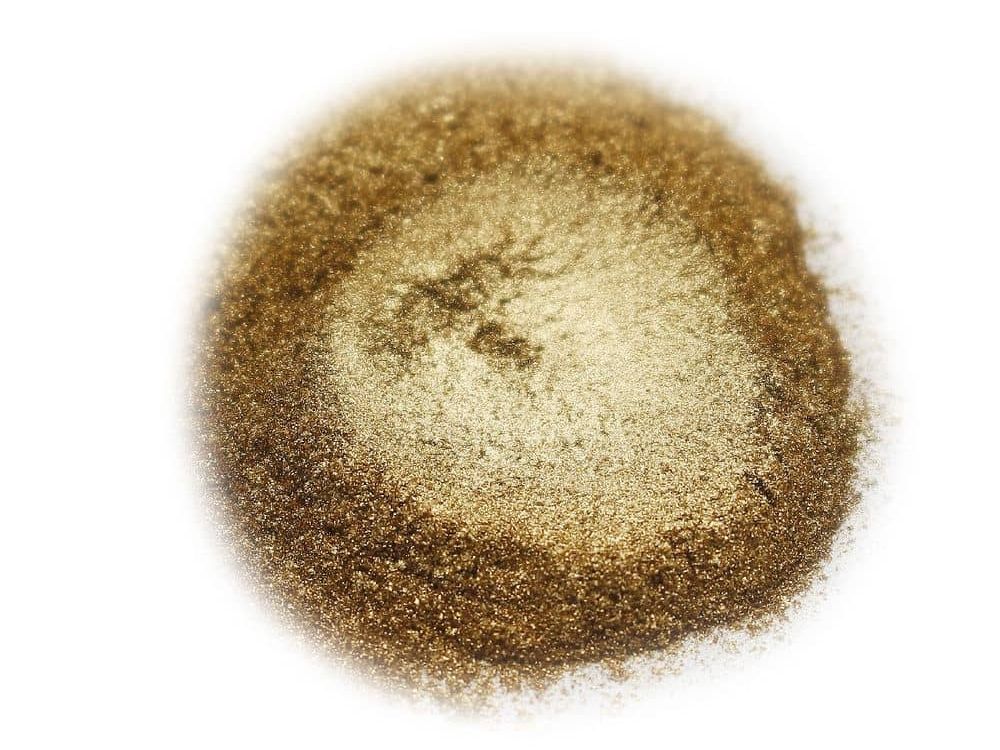
KT-AC810 is an 800-mesh cyan red gold bronze powder delivering smooth, uniform metallic coverage at 3–8% loading. From our experience in decorative coatings and printing inks, this fine-particle copper-zinc alloy provides opaque, true-metal reflection — ideal for packaging, gift wrap, and high-end craft applications where you need consistent gold bronze powder bulk performance without visible flake texture.
Read More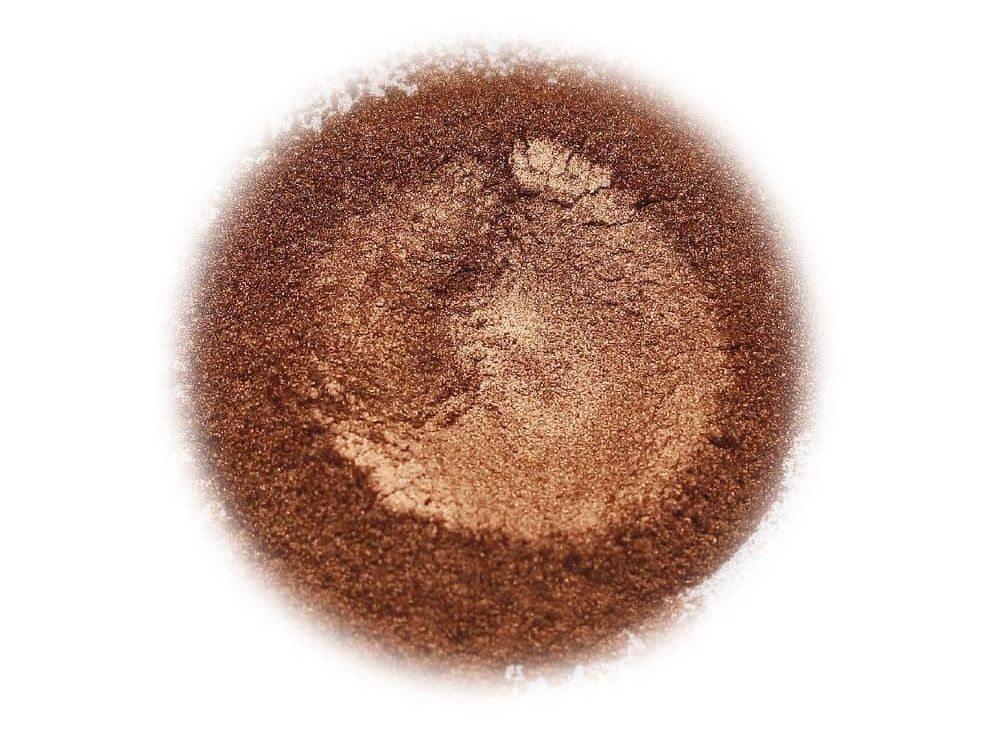
AC811 antique bronze metallic powder delivers genuine copper-zinc alloy metallic reflection at 800 mesh fineness — a smooth, uniform bronze finish you can't replicate with interference pigments. At Kolortek, we position this grade for printing inks, decorative coatings, and plastics where a true metallic surface is required. Typical loading is 3–8%, fully opaque, with excellent hiding power and thermal stability for high-temperature processing.
Read More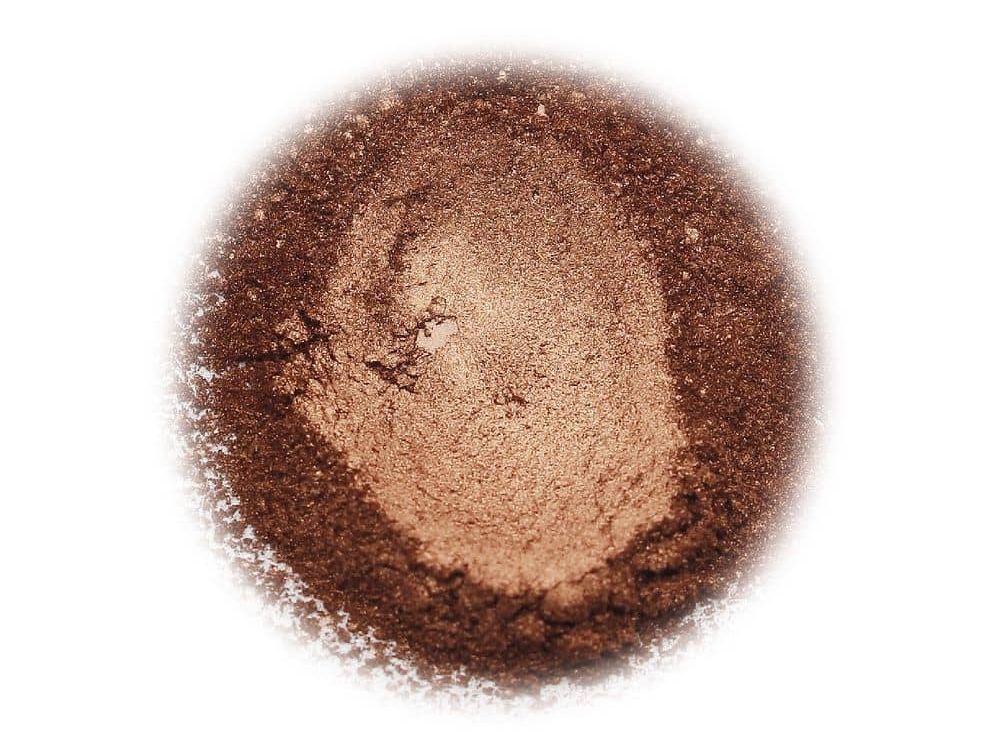
AC812 Antique Bronze is a 1200-mesh extra-fine metallic pigment from Kolortek's Gold Bronze Powder Series, delivering a silky-smooth antique bronze finish with exceptional opacity at 3–8% loading. We designed this copper-zinc alloy powder for high-quality printing applications and fine decorative coatings where a genuine metallic effect—not a pearlescent imitation—is required.
Read More
KT-AC816 is a cyan gold bronze powder manufactured by Kolortek from copper-zinc alloy, available at 200 mesh — a coarser grade that delivers maximum metallic sparkle and strong visual presence on the substrate. As a gold bronze powder manufacturer with over two decades of production experience, we supply this grade into decorative coatings, printing inks, plastics masterbatch, and craft applications where a bold, fully opaque gold-bronze effect is the primary requirement. Typical loading runs 3–8% for complete opacity.
Read More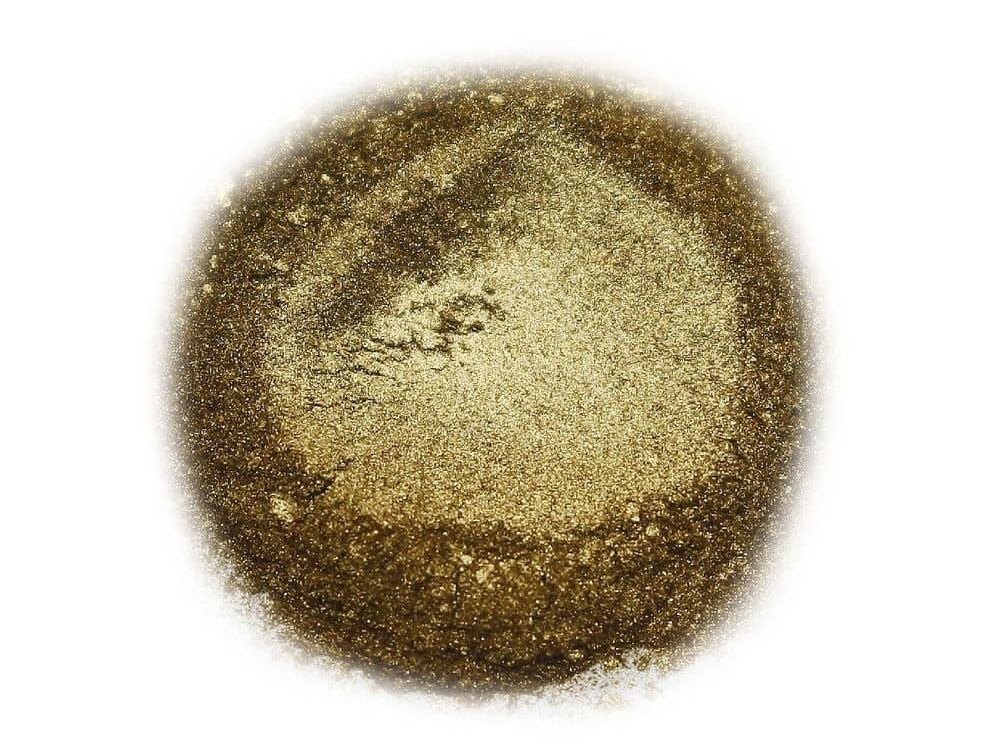
KT-AC818 Cyan Gold bronze powder is a fine-mesh metallic pigment designed for decorative coatings and plastics applications where a smooth, opaque gold finish with a cyan undertone is required. At 800 mesh particle size, this copper-zinc alloy powder delivers full hiding power at 3–8% loading and integrates into water-based systems when properly formulated, making it a practical choice for wholesale buyers sourcing plastics bronze powder or coating bronze powder in bulk.
Read More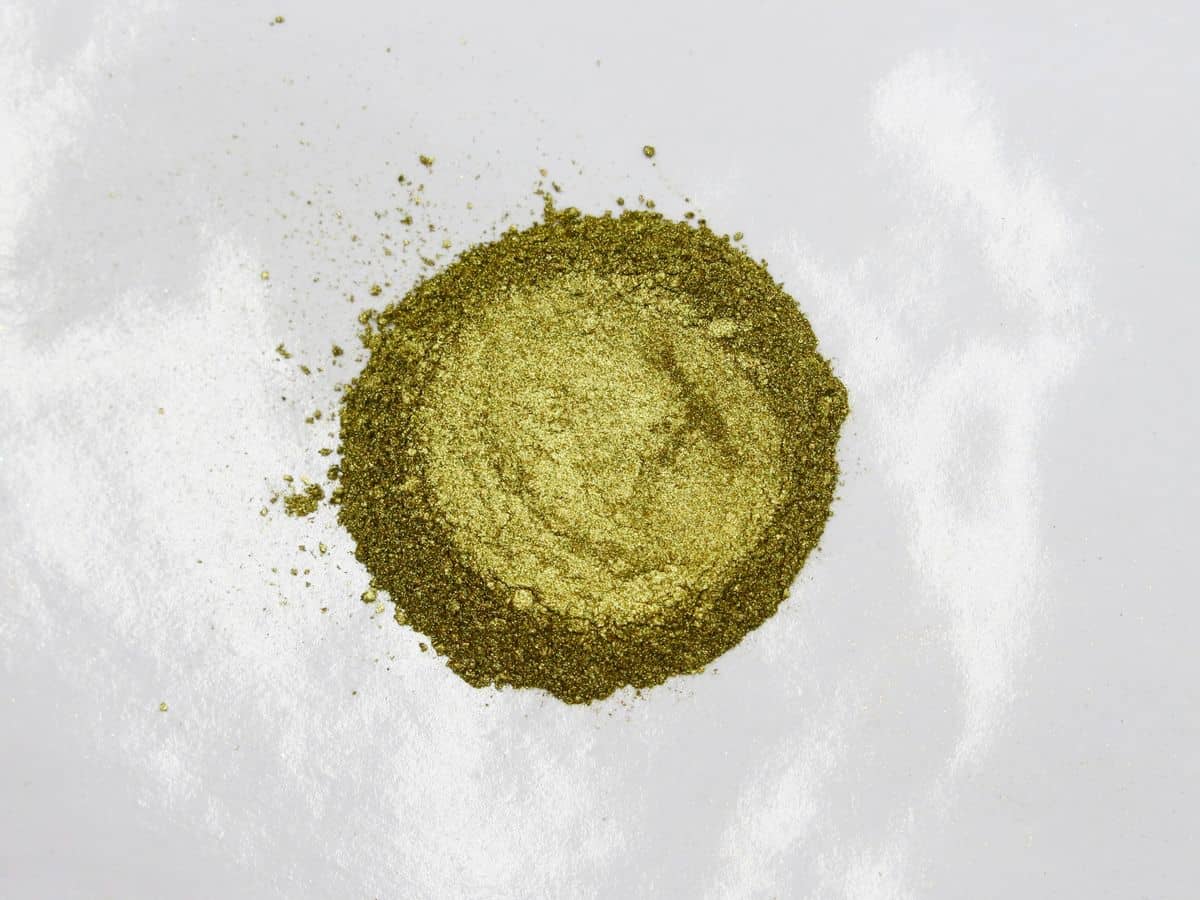
For printing ink formulators who need a consistent, high-coverage metallic finish, our AC1000GX at 1000 mesh delivers a smooth cyan-gold metallic effect with excellent hiding power at loadings of 3–8%. As wholesale gold bronze powder sourced direct from our manufacturing facility, it is classified in our fine-grade range (800–1000 mesh), where individual flakes are no longer visible and the resulting print surface reads as a uniform, continuous metal tone — the grade we see specified most often for packaging, labels, and decorative print applications.
Read More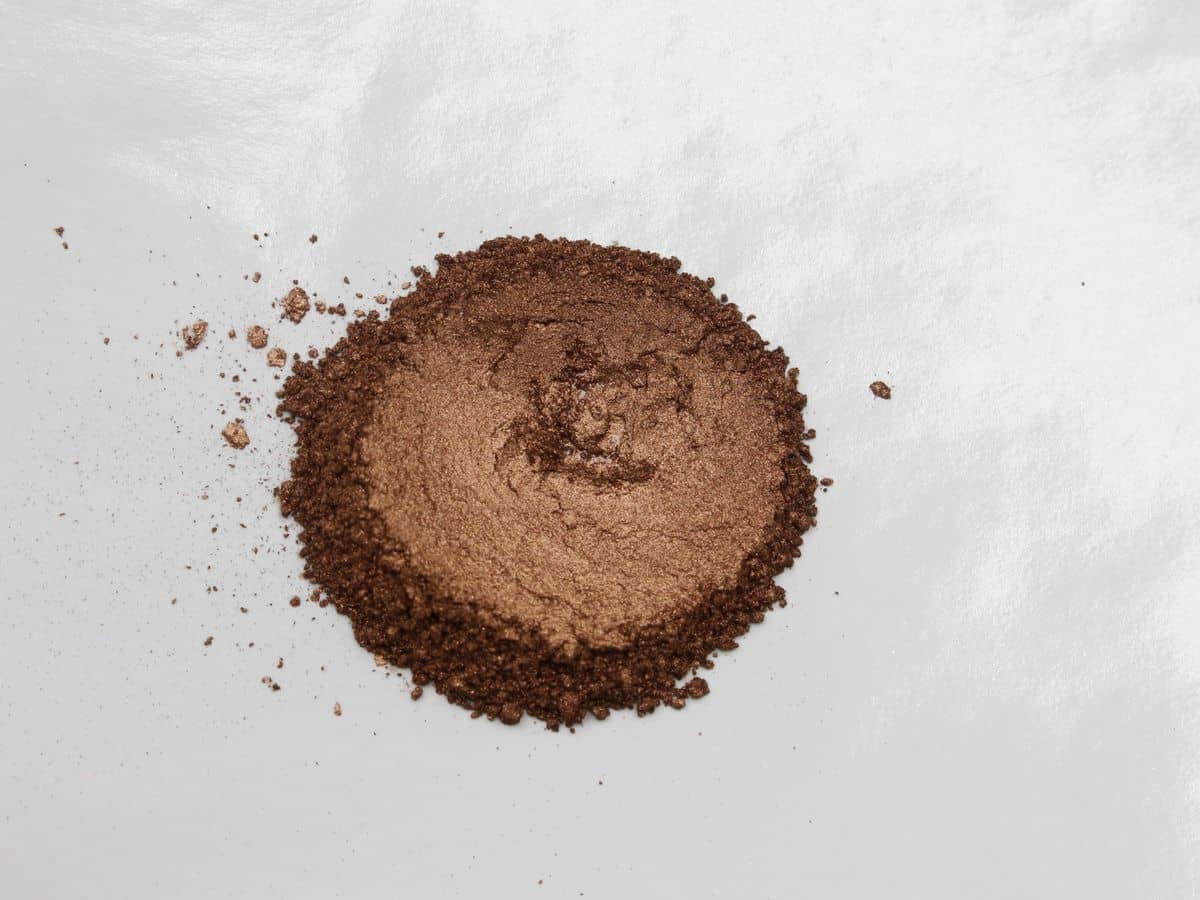
For printing ink formulators sourcing bulk antique bronze powder in extra-fine grades, the KT-AC1200BX delivers a genuine copper-zinc alloy metallic effect at 1200 mesh — classifying it as extra fine within our BX Series. At typical loadings of 3–8%, it achieves full opacity with a silky, smooth metallic finish well-suited to high-quality offset and gravure printing. The flake-based construction produces true metallic reflection, not a pearl or interference effect.
Read More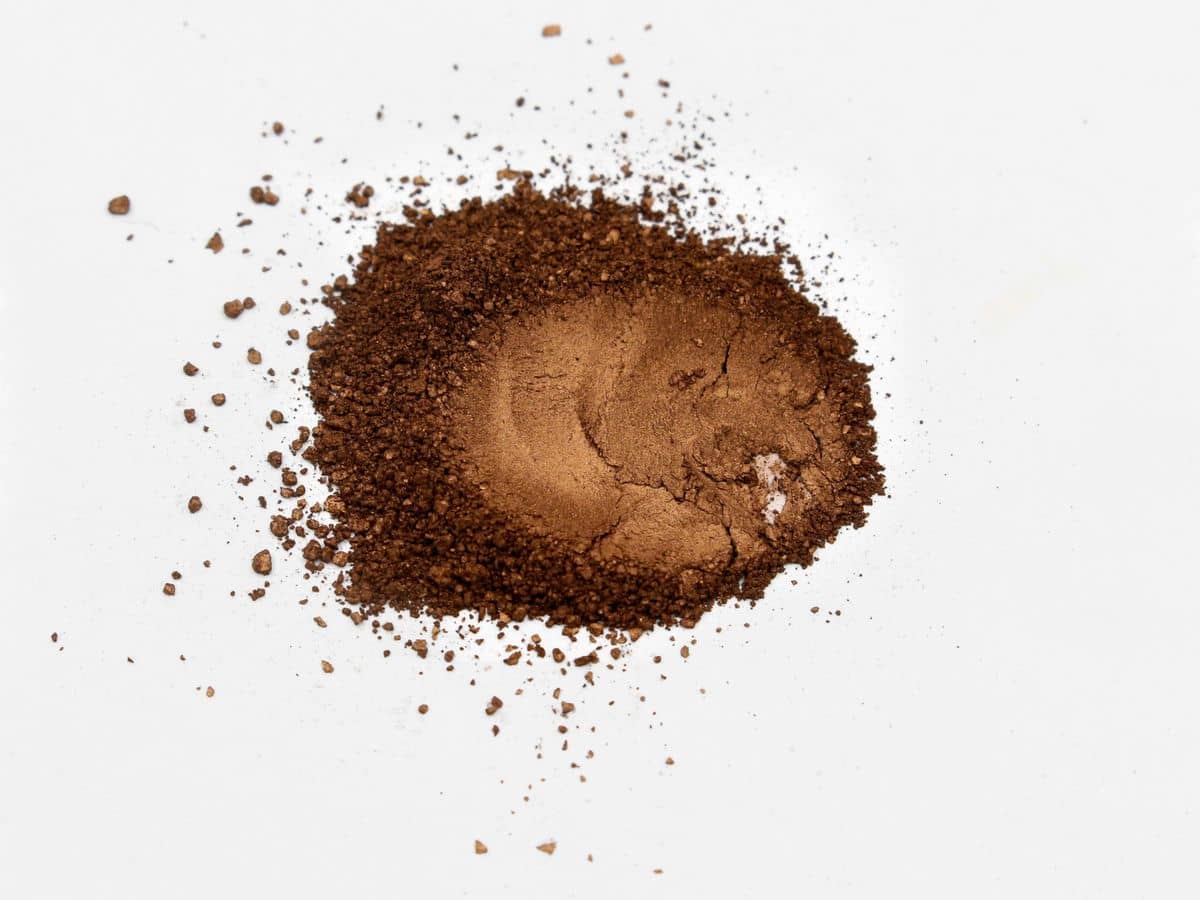
AC1500RX (KT-AC1500RX) is Kolortek's 1500-mesh extra-fine red copper gold bronze powder — a copper-zinc alloy metallic pigment delivering a true, opaque metallic finish in decorative coatings, printing inks, and plastics. As a dedicated red copper powder supplier, we produce this grade specifically for applications where a warm, rich copper tone and smooth, fine-particle surface are required. At 3–8% loading, it achieves full opacity with genuine metallic luster, not the soft sheen of mica-based interference pigments.
Read More
 English
 Français
 Deutsch
 Русский
 Español
 Português