
Leave A Message
If you are interested in our products and want to know more details,please leave a message here,we will reply you as soon as we can.
Pearl Pigment for Textile Printing: The Cure Decides What Survives a Wash
A pearl patch washes out while the flat colour beside it holds. Flakes reflect radiant heat, so that patch cured late. Fix the dwell, not the pigment.
A pearl print that fails a wash test usually gets the pigment blamed. The pigment is rarely the reason. On printed fabric the colour does not live in the fibre; it sits inside a cured binder film, and that film is the whole bond. A mica platelet has no chemistry that bonds it to cotton or polyester. When one patch washes out and the flat colour holds, compare how the two reached cure before you compare powders.
A pearlescent flake is a thin platelet coated with titanium dioxide or iron oxide, and that coating throws back a large share of the radiant heat coming off a dryer. An ordinary pigment particle takes heat in and passes it along to the film around it. A film packed with flakes returns part of that energy instead, so the binder directly under and beside the platelets runs behind the rest of the print. The temperature gap is small. What follows from it is not. A partly crosslinked binder still looks dry, and it still survives a thumbnail scratch.
Ink makers who supply metallic and pearl screen inks put this near the head of the list of reasons shimmer prints fade in the wash, and their advice does not vary: slow the belt, leave the print longer in the oven, hold the temperature where it is. Adding enough heat to make up for reflected energy scorches or shrinks the fabric first. Time is the variable that works.
One cheap test separates the two failures. Print a sample, put it through a single domestic wash cycle, and read the pattern of what is missing. A panel that dulls evenly across its whole width points upstream: pre-treatment, the paste, or a binder that never suited the fibre. Loss that follows the pearl areas and leaves the flat colour intact says those areas reached cure late. The correction is dwell time and film weight, not another grade.
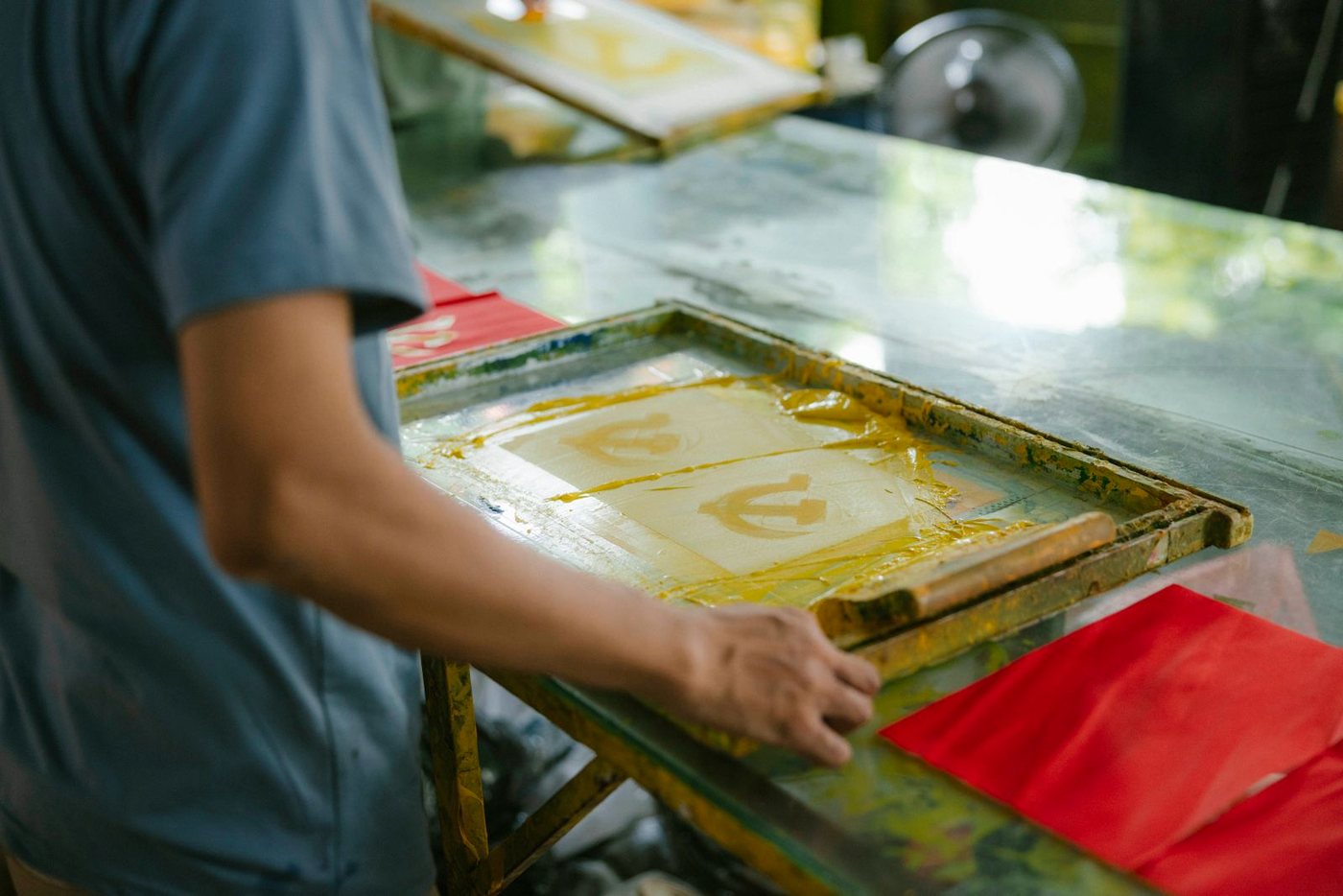
Fig. 1 — Paste on the screen before the stroke. What passes through the openings is decided by the largest flake in the paste, not by the average.
Every constraint in a pearl paste lands in the same wet film, and the constraints pull against each other. Coarse flakes sparkle more and block the screen. A thicker film holds flakes better and stiffens the hand. Faster drying moves the line along and takes away the time the platelets need to lie down. Trouble in this application usually starts when one of the three is adjusted on its own, and that one is usually the loading.
The working rule from textile printing practice: the screen opening should be 1.5 to 2.5 times the largest flake in the paste. A 5 to 25 µm grade pairs with roughly 140 threads per cm; pearl pastes in general run at 30 to 50 threads per cm. Go below that ratio and the screen stops being an opening and starts being a filter. Fine flakes reach the fabric, coarse ones stay on the mesh, and the pattern prints weak and uneven while the paste still holds plenty of pigment.
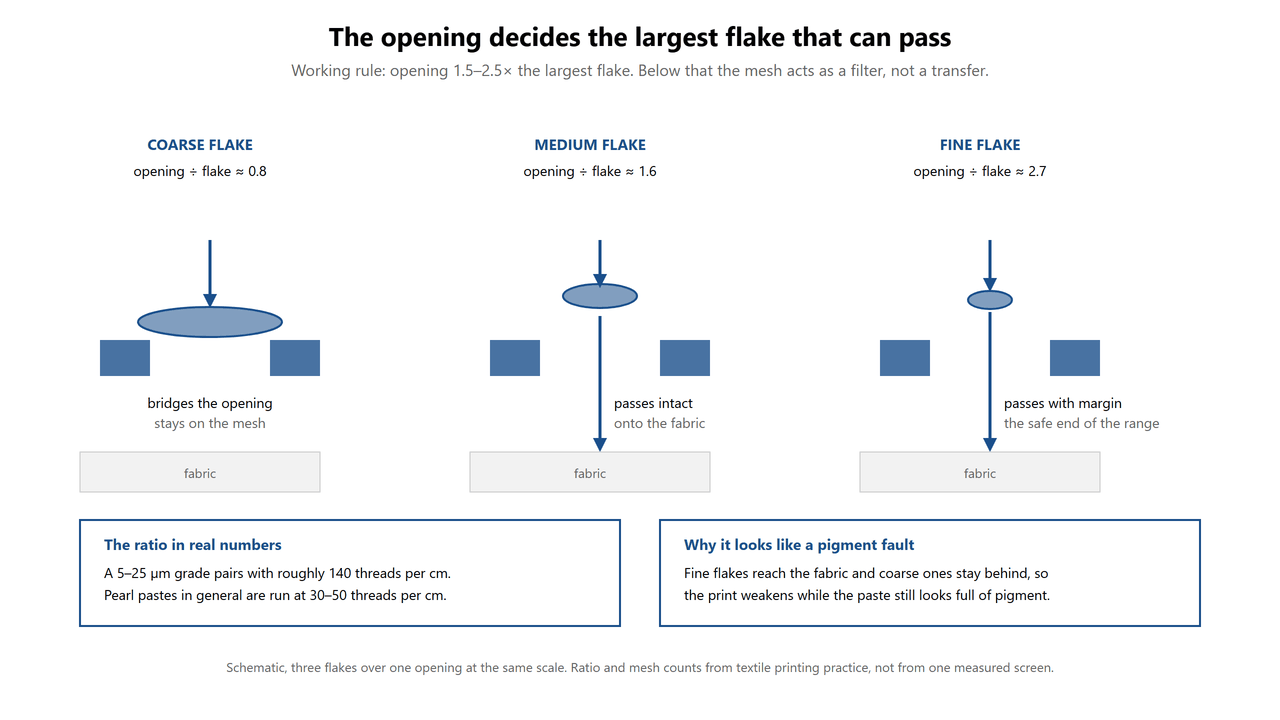
Fig. 2 — One opening, three flake sizes. Only the flake at or below the opening ratio passes intact; the coarse one bridges the mesh and stays behind.
The trade runs the other way as well. One printer ran four fineness levels of the same paste and wrote up the result: coarse particles gave the brightest reflection, the worst abrasion resistance, the weakest colour fastness, the most separation in the bucket and the lowest transfer through the screen. Finer material fixed all four and lost brightness. Past a certain fineness the brightness stopped changing while fastness kept improving. Choose the point where the curve flattens, not the coarse end of it.
Pearl is not a property of the powder. It is a property of platelets lying parallel to the surface and reflecting as one plane. A paste can carry enough pigment to hide the fabric and still show no pearl at all. The standard explanation in textile printing literature is drying speed: the film set before the flakes finished orienting, so the reflective plane never formed. More pigment makes that worse, because it crowds the flakes before they have settled.
What buys the flakes their time is rheology, not dose. A paste that holds viscosity on the screen and dries from the surface down lets the platelets rotate into plane as the film shrinks. A paste that flashes off its solvent in the first metre of the dryer locks them where they landed. This is the one place in the process where a slower line gives a better-looking print at the same coverage.
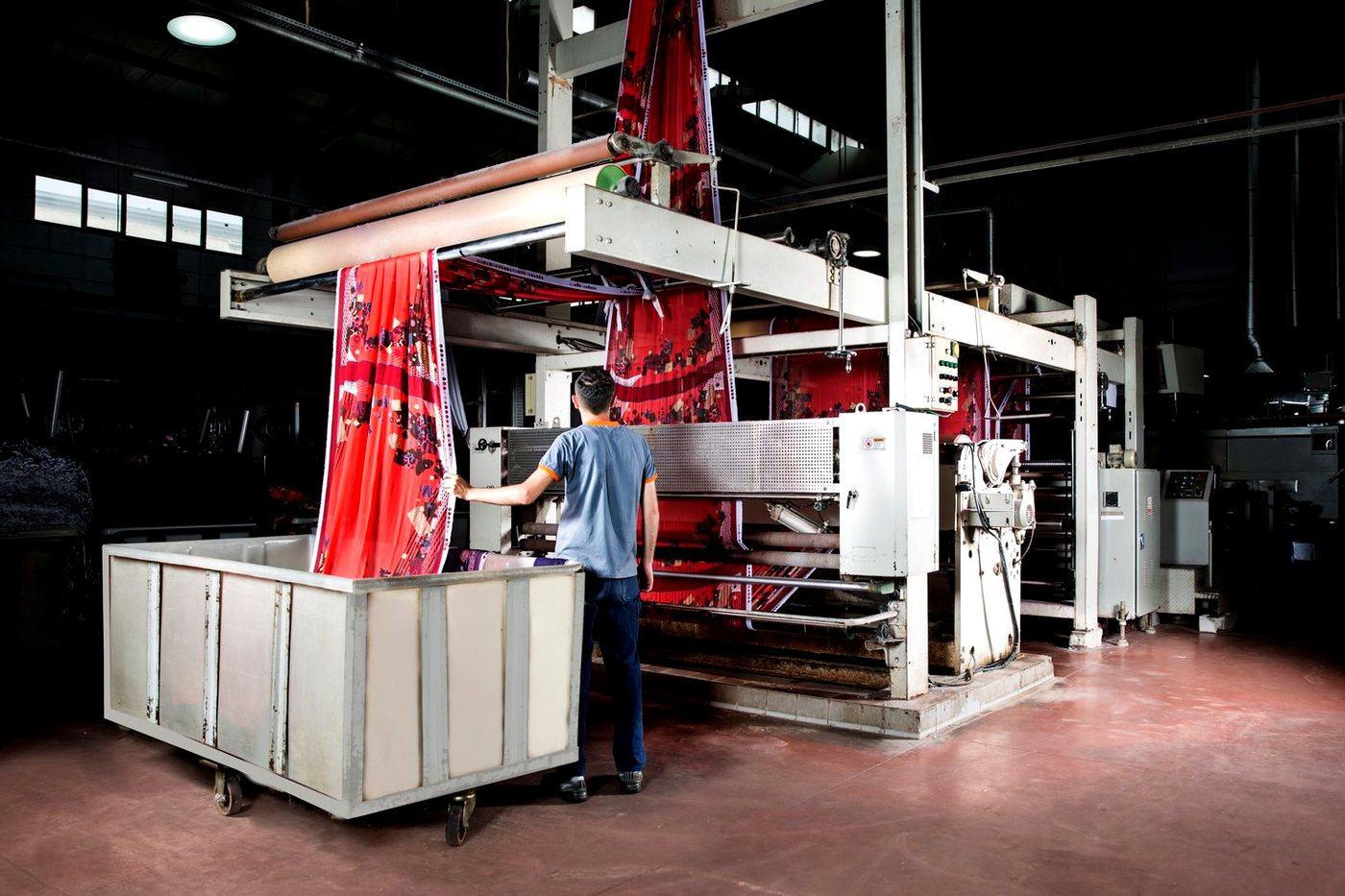
Fig. 3 — Fabric leaving the print section. The film is still wet here, and the next few metres decide whether the flakes settle flat.
An effect pigment has no affinity for textile fibre, so the binder carries the entire bond. That leaves a narrow corridor. More binder improves fastness and costs hand feel, and printers report that an excess does more than stiffen the print: it starts blocking the mesh mid-run. Less binder brings the hand back and moves the failure to abrasion and washing. The pigment sits between those two limits, and no choice of grade removes the trade.
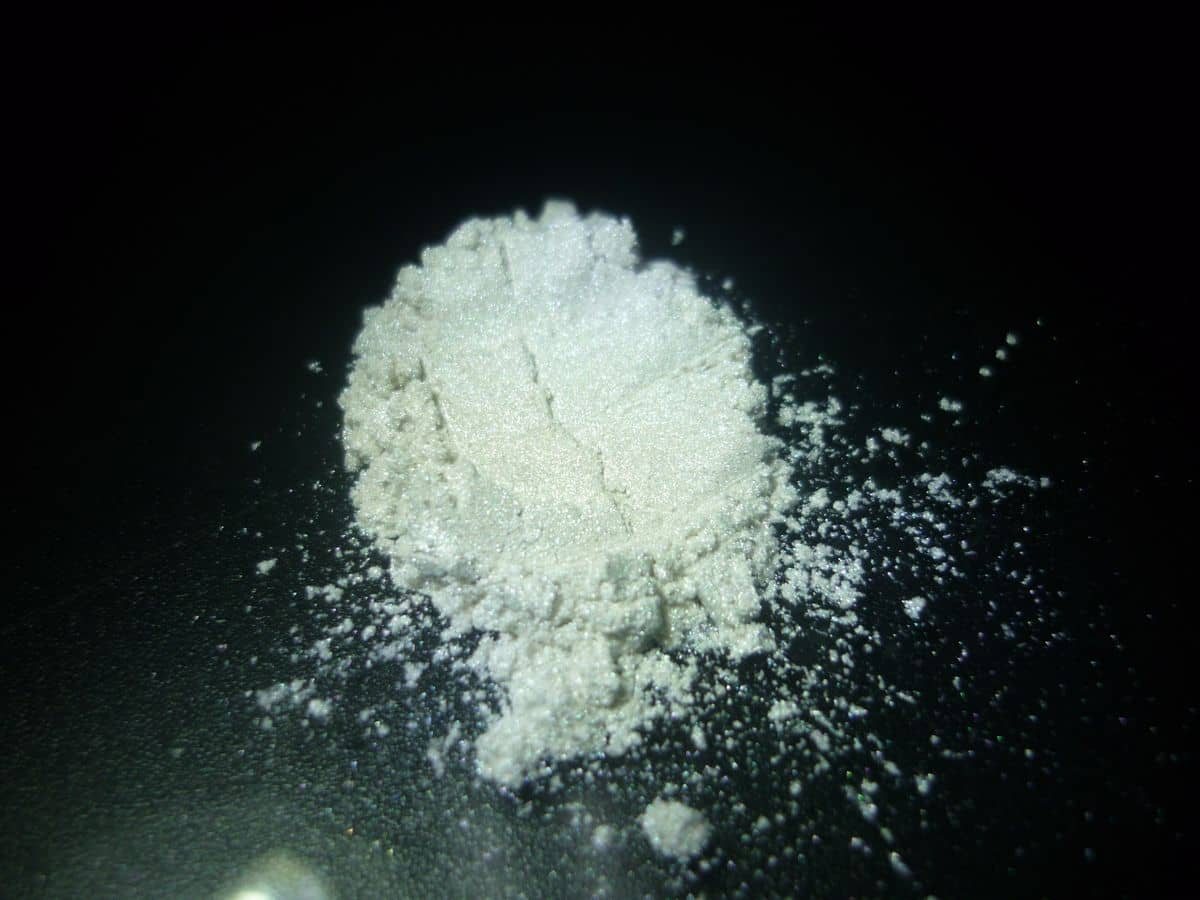
Fig. 4 — A fine pearl grade in powder form. The band that fits a 140-thread screen is also the band that survives a wash cycle most reliably.
Pigment printing dries in two stages. Pre-drying takes the water out at roughly 80 to 100 °C for one to three minutes. Thermofixation then crosslinks the binder at 150 to 165 °C for 90 to 180 seconds. Published printing-paste formulations sit in the same band; one runs 140 to 160 °C for one to one and a half minutes. Those figures are typical for acrylic and styrene-acrylic binders, and the binder data sheet overrides them for any specific system.
The window has two failure ends, and they are not symmetrical. Under-cure leaves a film that survives handling and fails laundering. Over-cure destroys the film itself: too much temperature or too long a dwell breaks down the binder that was meant to hold the pigment. A pearl patch already enters the window behind the flat colour around it, so the safe correction is always to extend time. Never chase the deficit with temperature.
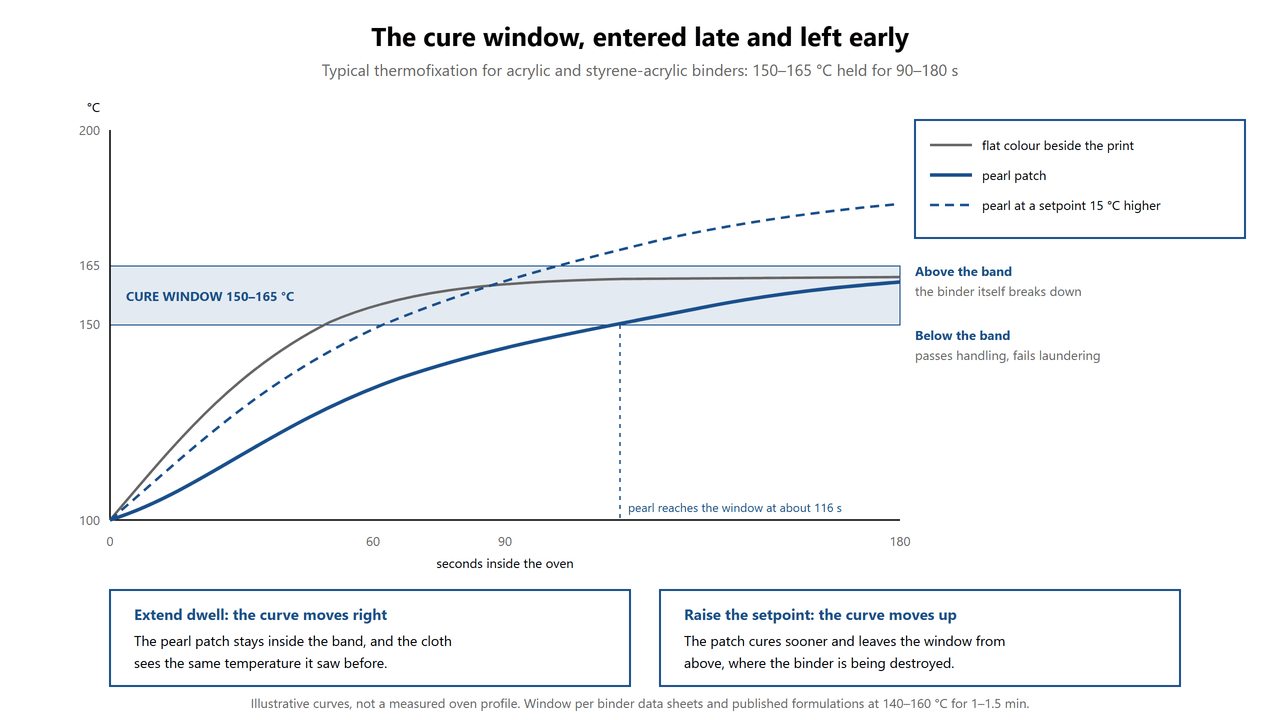
Fig. 5 — The same window seen from both sides. A pearl film enters it later than the flat colours around it, and can leave it earlier if the dryer is turned up.
Textile printing carries no mandatory colouring requirement, unlike some regulated applications, so nothing here can be sold as a compliance obligation. What exists is a set of restrictions. REACH Annex XVII entry 43 limits reducible azo colourants that could release a listed aromatic amine above 30 mg/kg in textile and leather goods held against the skin. Mica-based and glass-based effect pigments take their colour from inorganic coatings and contain no azo group, so there is no structure in them that could cleave into one. That is a statement about a missing structural feature, not a test result on your fabric.
Formaldehyde is the restriction that actually bites in this process, and it does not come from the pigment. It comes from the crosslinker in the binder system. A heavily printed article can test higher than an unprinted one for that reason alone, and production measurements of release formaldehyde in pigment printing have been reported far above the OEKO-TEX limits of 20 mg/kg for baby articles, 75 mg/kg for direct skin contact and 300 mg/kg for outer layers. GB 18401 uses the same three-tier shape for the Chinese market. A pigment supplier can help you with the aromatic amine question. It cannot help you with the formaldehyde one.
Heavy metal data for our own materials is available on request, and production runs under an ISO 9001:2015 certified quality management system. What we will not write is that a pigment makes a fabric compliant. The dyes, the binder, the crosslinker, the pre-treatment and the cure all sit in the same declaration, and no single component can carry it.
Three boundaries are worth stating plainly, because each one arrives as a customer question. This is not dyeing: a dye enters the fibre and bonds to it, while a pigment is an insoluble particle held on the surface by a film, which is why wash fastness belongs to the binder. It does not extend to melt-spun fibre: spinning runs at 260 to 290 °C and needs the colour dispersed inside the polymer, so an effect pigment cannot go into the filament, only onto the fabric afterwards. And printing is not full-surface coating, where the compound goes across the whole width by knife or roller instead of being transferred through a pattern.
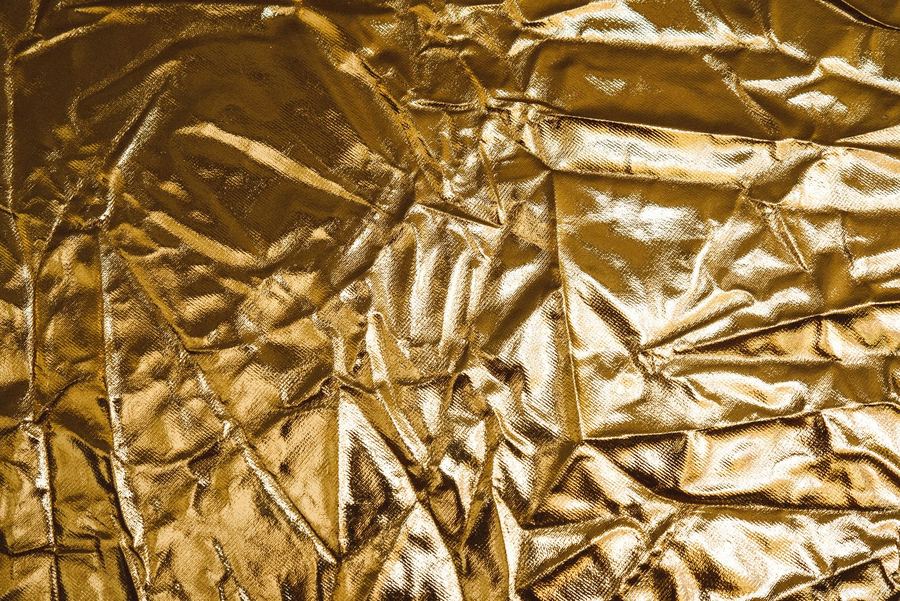
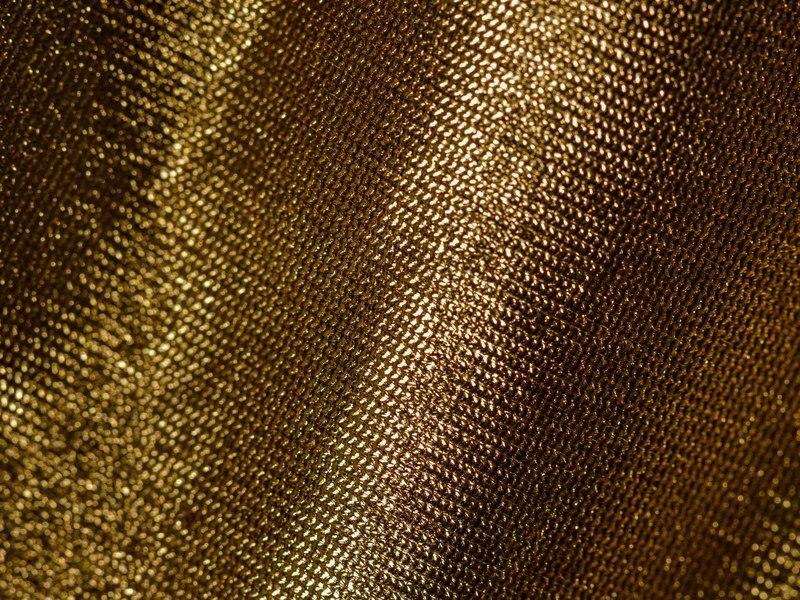
Fig. 6 — A metallic surface on woven cloth. The weave still reads through the film, and the film has to bend with every crease in it.
Figures for pearl loading in textile work disagree by a factor of several, and most of the disagreement is about what the percentage is measured against. Each number below is correct inside its own frame.
| Where the figure comes from | Loading | Percentage of what | What it answers |
|---|---|---|---|
| Our own material guide for printing paste | 5–20 % | The finished printing paste, before thickening | How much pigment to weigh into a paste for a given depth of effect |
| A published pearl printing-adhesive formulation | 15–25 % + 15–25 % | Each band measured against the same adhesive base, so the paste carries 30–50 % pigment in total | What a full metallic coverage looks like when two size bands are combined on purpose |
| Screen-ink guidance for tinting a pearl ink | 5–20 % | The colour added into an existing pearl base | How far a pearl can be tinted before the added colour covers the effect instead of modifying it |
| Supplier specification pages | Not stated | — | Particle sizes are given; loadings are not. Most formulators work in that gap |
Read as a group, the table makes one point: a pearl percentage means nothing without its denominator, and the denominators sit an order of magnitude apart between a ready-to-print paste and a tint added to an existing ink. Ask which one is being quoted before you compare two suppliers.
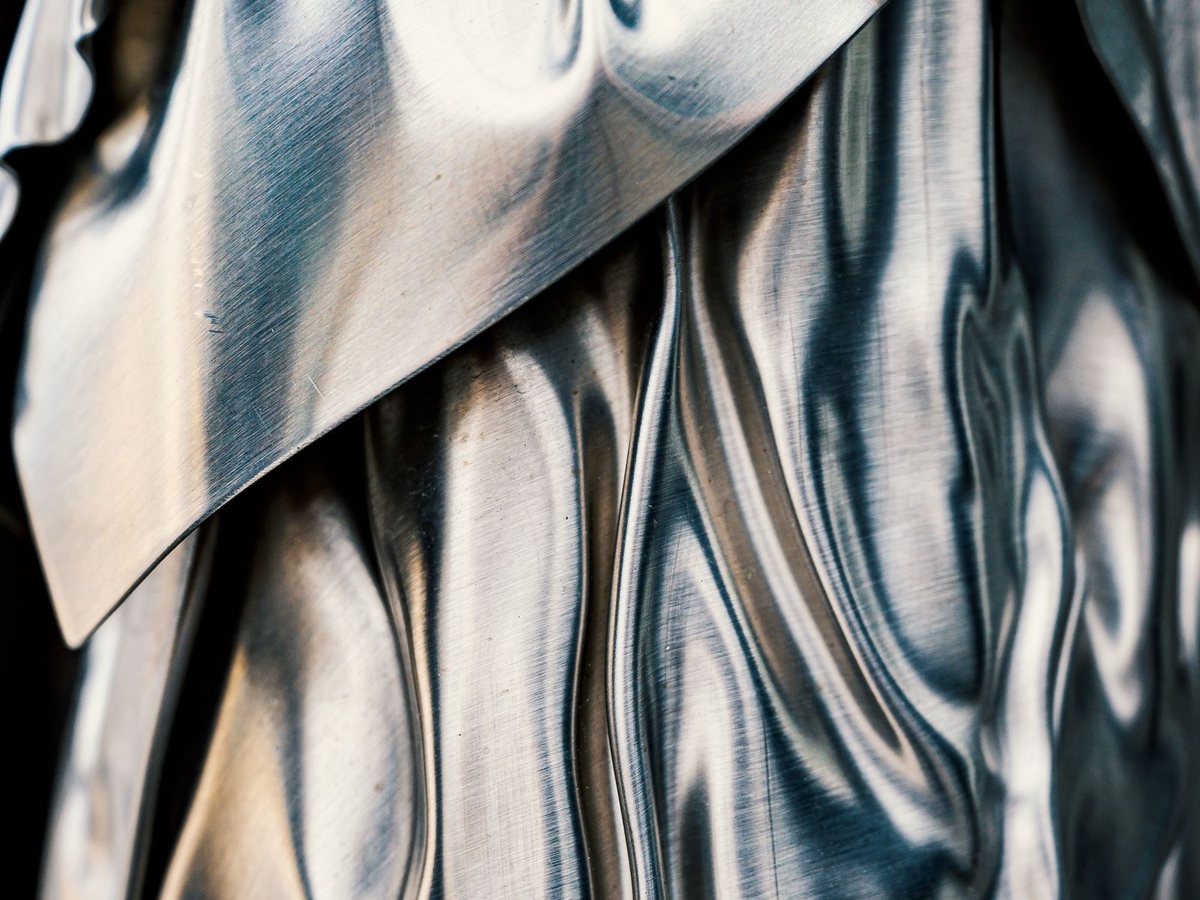
Fig. 7 — The same effect in silver. Coverage like this is a film-thickness decision as much as a loading decision.
Standard pearlescent material ships from 25 kg, with fine, medium and coarse bands available inside the same colour. Silver white is the usual starting point for a satin or metallic print on apparel and home textiles. Interference colours come second, and they read strongest over a dark ground. A custom colour match runs from the same 25 kg. For a first trial, a custom sample pack built around your paste system and your intended mesh tells you more than a catalogue of shades.
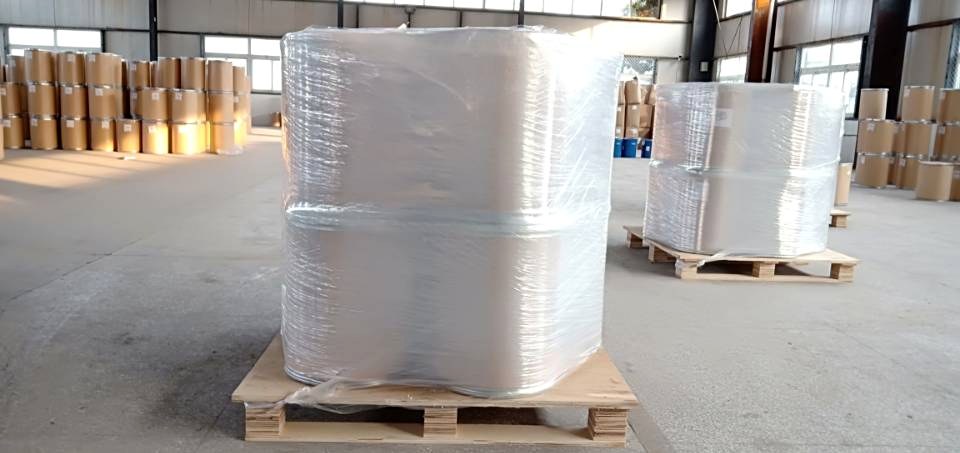
Fig. 8 — Fibre drums, film-wrapped and palletised before dispatch. The 25 kg drum is the format most textile customers receive.
Grade windows, treated surfaces and the full colour range sit in one file: the pearl pigment colour cards cover the standard series. Three pages worth opening next: silver white pearl for the base effect across apparel prints, interference and iridescent mica powders for the angle-dependent colours, and other applications for the processes that do not have a category of their own.
Can a pearl pigment be used to dye fabric?
No. Dyeing means the colour enters the fibre. A mica-based effect pigment is an insoluble platelet roughly 5 to 100 µm across, far too large to enter a fibre and with no chemistry that would bond to one. It can be printed or coated onto the surface, which is a different process with a different fastness mechanism.
Can it go into a pearl fibre or a pearl filament?
Not with these materials. Melt spinning runs at 260 to 290 °C and needs sub-micron dispersion inside the polymer; a platelet effect pigment would lose both its structure and its size. Surface printing and surface coating after the fabric is made are the routes that work.
Only the pearl areas washed out. Is the pigment at fault?
Usually not. Flakes reflect radiant heat, so that patch reached cure later than the flat colour beside it and its binder is less crosslinked. Run the same paste with a longer dwell time before you change the pigment. That one change resolves the majority of these cases.
How much should go into the paste?
Fix the mesh and the dry film weight first. Then dose upward until the fabric stops showing through, and stop there. Past that point the print gets denser, the hand gets stiffer and the screen blocks more often, while the metallic look barely changes.
If the wash failure is still open, send us four things: the mesh count, your cure schedule as it runs today, the binder family, and the wash test your customer applies. Those four place your case in one of the patterns above, and we will reply with the size band and the loading that fit it, plus a straight answer on which documents we can supply for your market. A custom sample pack built around your paste and your intended mesh then lets you check the answer on fabric rather than on paper, so tell us which mesh you run and we will build the pack around it.
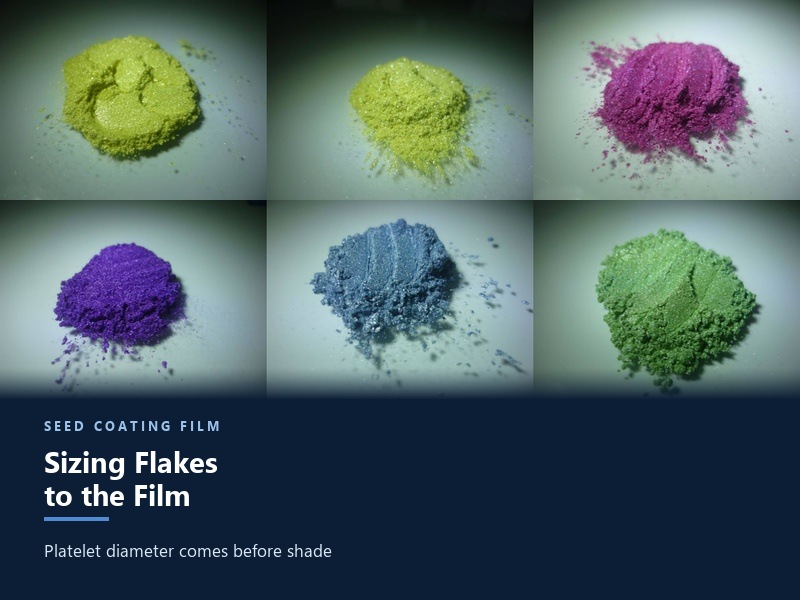
A seed coating film dries at 20 to 50 μm while a pearl platelet measures 10 to 100 μm. Sizing the flake to the film decides whether colour stays on the seed.
Read More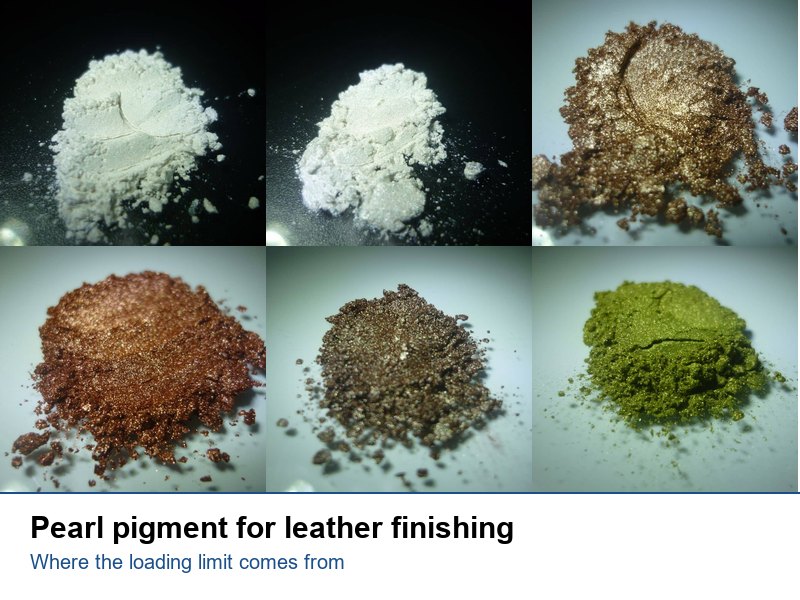
Pearl loading in leather finishing is capped by the resin left between flakes, not by brightness. Two lines, four to eight percent, and one 50,000-cycle test.
Read More
A pearl patch washes out while the flat colour beside it holds. Flakes reflect radiant heat, so that patch cured late. Fix the dwell, not the pigment.
Read More
Mica sinks in melted wax, so the colour settles where the flame cannot reach it. Position, not loading, is what decides whether that colour survives a burn.
Read More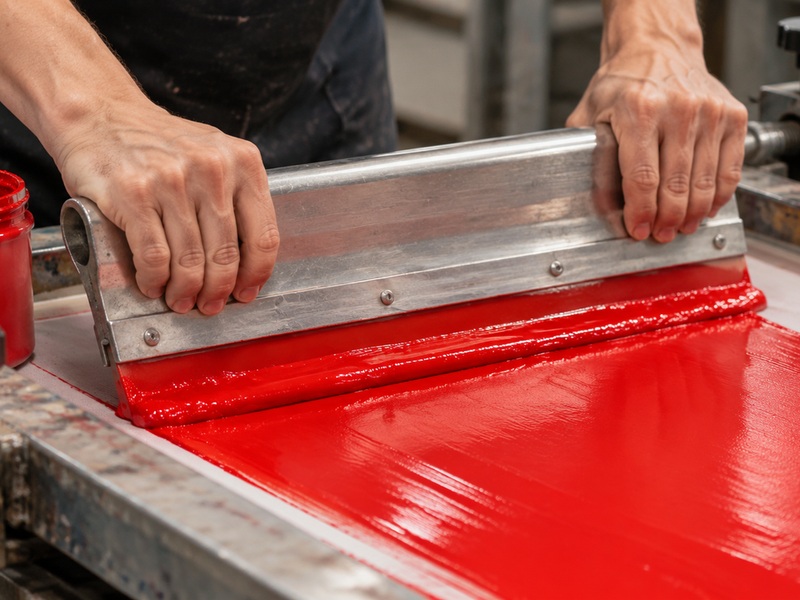
Printing ink pigment is chosen by your press, not by color. Offset tops out at 5–25 µm, gravure runs deeper cells, screen gates on mesh. Send three figures.
Read More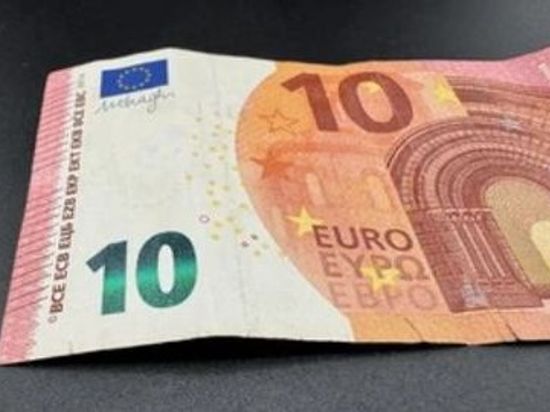
OVI (Optically Variable Ink) pigments are the primary authentication pigment wholesale solution for brand protection and security printing — producing dramatic color-shift effects that cannot be reproduced by scanning, photocopying, or standard printing. At Kolortek, our Chromashift series delivers verified color travel across 17+ shift combinations, meeting the rigorous optical and durability standards required by security printers and brand owners worldwide. For teams managing a bulk order of OVI pigment, we supply in flexible volumes from R&D samples through full commercial production runs.
Read More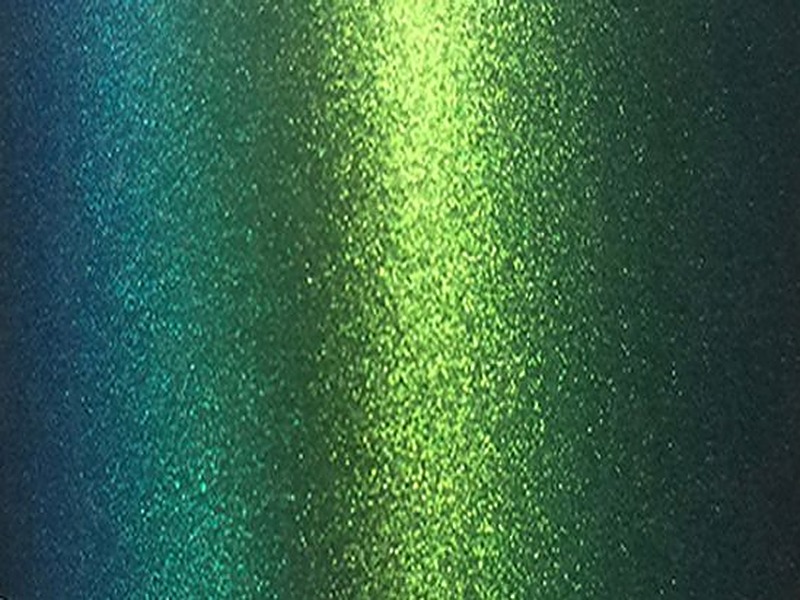
Reverse-printed color shift ink sits inside the laminate, not on its surface. Loading, cell depth and a 1.5 N/15mm bond target decide whether the pack survives.
Read More
 English
 Français
 Deutsch
 Русский
 Español
 Português