
Leave A Message
If you are interested in our products and want to know more details,please leave a message here,we will reply you as soon as we can.
Orange Red Glow in the Dark Pigment, Water-Based, 30–50μm – KT-GOR-03
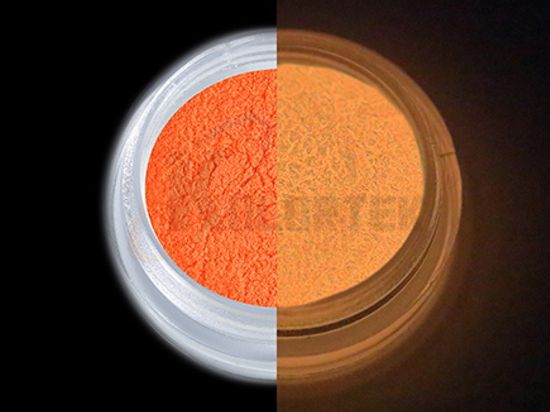
KT-GOR-03 is an Orange Red phosphorescent glow-in-the-dark pigment in the 30–50μm particle size range, formulated for direct use in water-based systems — a surface-treated strontium aluminate grade that resists the moisture-induced degradation that limits standard glow pigments in waterborne coatings, water-based adhesives, and aqueous craft formulations.
Item No. :
KT-GOR-03Color Effect :
Orange RedParticle Size :
30-50 μmBrand :
Kolortek / OEMMOQ :
25KG
Orange Red Glow in the Dark Pigment, Water-Based, 30–50μm – KT-GOR-03
Special Effect Pigments › Glow in Dark Pigment Series › Water-Based Compatible
KT-GOR-03 is an Orange Red phosphorescent glow-in-the-dark pigment in the 30–50μm particle size range, formulated for direct use in water-based systems — a surface-treated strontium aluminate grade that resists the moisture-induced degradation that limits standard glow pigments in waterborne coatings, water-based adhesives, and aqueous craft formulations. The orange-red glow color is among the less common in the Kolortek phosphorescent range, making it useful for applications that require a warm-toned afterglow distinct from the more widely available yellow-green and blue-green options.
Standard strontium aluminate phosphorescent pigments are moisture-sensitive. Direct contact with water causes hydrolytic attack on the crystal lattice — the mechanism responsible for energy storage and afterglow emission — resulting in reduced glow brightness, shorter afterglow duration, and eventual color degradation. For solvent-based coatings and epoxy resin, this is not a practical concern. For water-based formulations, it is the primary formulation barrier.
KT-GOR-03 uses a protective surface treatment on the strontium aluminate particles that significantly reduces moisture ingress during mixing, processing, and in-service conditions within water-based systems. The treatment allows the pigment to be incorporated into waterborne coatings, latex, and water-based adhesive systems without the rapid performance degradation seen with untreated grades. Long-term stability in a specific water-based system should still be confirmed through bench testing before production specification.
| Item No. | Glow Color | Particle Size | System |
|---|---|---|---|
| KT-GYG-05 | Yellow Green | 30–50μm | Water-based |
| KT-GFG-05 | Green | 30–50μm | Water-based |
| KT-GBB-04 | Blue | 30–50μm | Water-based |
| KT-GVP-03 | Violet | 30–50μm | Water-based |
| KT-GPO-07 | Pink Orange | 30–50μm | Water-based |
| KT-GOY-01 | Orange Yellow | 30–50μm | Water-based |
| KT-GOR-03 | Orange Red | 30–50μm | Water-based |
| KT-GBR-02 | Red | 30–50μm | Water-based |
Note: Rare earth activated strontium aluminate glow pigments in the warm color range (orange, red, pink) typically have shorter afterglow duration and lower initial brightness compared to yellow-green and blue-green grades, which represent the peak efficiency of the strontium aluminate phosphor system. This is a characteristic of the phosphor chemistry across all manufacturers — not a product-specific limitation. Confirm afterglow performance expectations against the TDS before specifying for safety-critical applications.
| Parameter | Value / Notes |
|---|---|
| Item No. | KT-GOR-03 |
| Glow Color | Orange Red |
| Effect Type | Phosphorescent (glow-in-the-dark) — stores light energy; emits orange-red glow in darkness |
| Host Material | Strontium Aluminate — surface treated for water-based system compatibility |
| Particle Size | 30–50μm |
| Water-Based Compatibility | Yes — surface treatment reduces moisture degradation in waterborne formulations |
| Appearance (daylight) | Off-white to pale pink-orange powder |
| Appearance (dark) | Orange-red phosphorescent glow after light exposure |
| Recommended Systems | Water-based coatings, latex, water-based adhesives, waterborne craft formulations, solvent-based systems |
| Afterglow Note | Orange-red phosphors have shorter afterglow vs. yellow-green/blue-green — see TDS for performance data |
| Documentation | TDS, SDS on request |
| Brand | Kolortek |
Orange-red glow — a distinct color position in the phosphorescent range: Most strontium aluminate glow pigments produce yellow-green or blue-green afterglow — these correspond to the peak efficiency wavelengths of the europium/dysprosium activated aluminate phosphor. Orange-red glow requires different dopant chemistry, which results in lower quantum efficiency compared to the green-family grades. The practical implication is that orange-red glow pigments produce less bright and shorter-duration afterglow per unit weight compared to yellow-green equivalents. For decorative applications where orange-red color is the design requirement, this trade-off is acceptable. For safety or functional applications requiring maximum glow brightness, the yellow-green or blue-green grades deliver better performance.
30–50μm — medium-coarse grade for coating and craft applications: At this particle size, individual glow particles are not typically resolved by the naked eye in standard coating film thicknesses, producing a more uniform distributed glow than the coarser 65–75μm grades. The 30–50μm range balances adequate loading density per unit area with reasonable settling behavior in low-viscosity waterborne systems. In epoxy and craft resin applications, some settling during cure should be anticipated — pour and allow to partially gel before applying surface glow pigment layers if surface concentration is preferred.
Water-based system stability — practical limits: The surface treatment on KT-GOR-03 provides meaningful protection against the moisture sensitivity of the strontium aluminate core, but it does not make the pigment fully impervious to water over extended periods. For aqueous systems with prolonged contact time or elevated temperature, stability testing in your specific formulation is recommended before committing to production. Encapsulation within a cured film significantly improves long-term stability compared to the uncured dispersion state.
| Application | How KT-GOR-03 Contributes | Notes |
|---|---|---|
| Water-based decorative coatings | Orange-red glow in latex wall paint, waterborne furniture coatings, decorative finishes | Add at final mixing stage; avoid extended high-shear dispersion in aqueous base |
| Craft & DIY products | Orange-red glow in water-based craft paint, fabric paint, paper crafts | Water-based compatibility opens this grade to water-based craft formulations that standard glow pigments cannot enter |
| Epoxy & solvent-based systems | Orange-red glow in epoxy resin, solvent-based coatings | Water-based treated grade is also compatible with anhydrous systems — no performance penalty vs. untreated grade in epoxy |
| Printing inks | Orange-red glow in specialty screen printing inks for decorative and promotional print | 30–50μm suits screen printing mesh; too coarse for most gravure/flexo — confirm against screen specification |
| Safety & decorative products | Warm orange-red glow in safety marking, novelty products, event items | For safety-critical applications, verify afterglow duration meets specification — orange-red grades are dimmer than green-family grades |
Q: Why is orange-red glow less bright than yellow-green glow?
A: This is a fundamental characteristic of phosphor chemistry, not a product quality issue. Strontium aluminate activated with europium and dysprosium operates at peak efficiency in the green wavelength range (~520nm for yellow-green, ~490nm for blue-green). These wavelengths also align closely with peak human eye sensitivity in photopic vision conditions. Orange-red emission (~620nm+) requires different dopant configurations that store and release energy less efficiently. Across all phosphorescent pigment manufacturers, orange and red glow grades are inherently less bright and have shorter afterglow duration than the green-family grades. If maximum glow brightness is the priority, specify a yellow-green grade; if orange-red glow color is the design requirement and reduced brightness is acceptable, KT-GOR-03 is the appropriate specification.
Q: Can KT-GOR-03 be mixed with KT-GOY-01 Orange Yellow to adjust the glow tone?
A: Yes — the water-based glow series grades are blend-compatible with each other. Blending KT-GOR-03 Orange Red with KT-GOY-01 Orange Yellow will shift the overall afterglow toward a warmer or cooler orange tone depending on blend ratio. The blend will also shift overall afterglow intensity — the orange yellow grade may have higher efficiency than the orange red, so the blended result will read brighter than pure orange-red alone. Evaluate blend ratios with bench samples before production specification.
Q: Does the surface treatment affect the glow performance of KT-GOR-03 compared to untreated grades?
A: The surface treatment provides moisture protection at a minor cost to initial glow brightness compared to untreated strontium aluminate — the protective coating layer absorbs a small amount of excitation light and slightly reduces emission intensity. In practice, this difference is not significant for decorative applications. For any application where maximum glow performance is critical, request the TDS to review the specific afterglow data for KT-GOR-03 before specifying.
Orange-red glow performance is best evaluated directly in your specific formulation system and under your actual dark-room conditions. Contact Kolortek to request a sample of KT-GOR-03 alongside comparable grades in the water-based glow series, download the TDS with afterglow data, or discuss formulation guidance for water-based coating and craft applications.
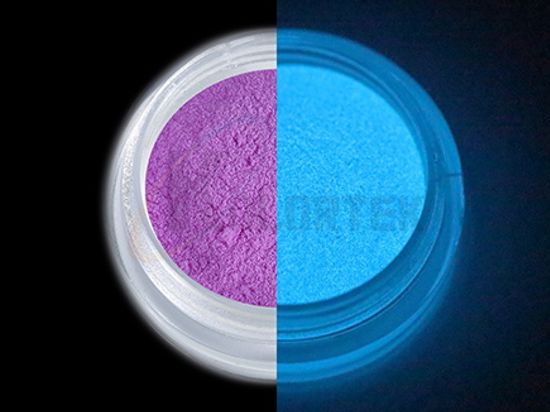
Glow in the Dark Pigments are phosphorescent powders that absorb light energy from natural or artificial sources and re-emit it as a visible glow in darkness. Unlike fluorescent pigments, which require a continuous light source to produce their effect, phosphorescent pigments store energy and release it gradually after the light source is removed. They are used across safety, decorative, cosmetic, and industrial applications where passive light emission in dark conditions is required.
Read More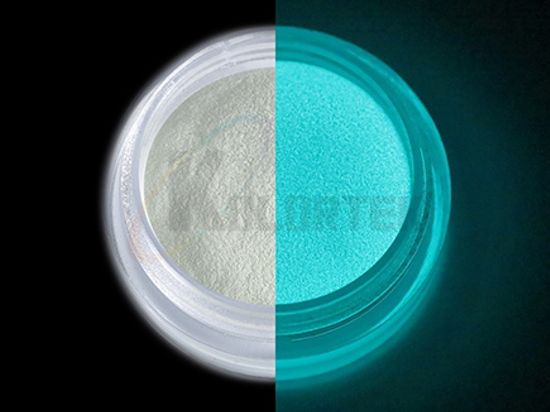
KT-GBG02 is a Blue Green strontium aluminate phosphorescent pigment in the coarse 65–75μm particle size range — a glow-in-the-dark pigment that absorbs ambient light (sunlight, fluorescent, LED) during exposure and releases it as a sustained blue-green glow after the light source is removed.
Read More
KT-GOR-03 is an Orange Red phosphorescent glow-in-the-dark pigment in the 30–50μm particle size range, formulated for direct use in water-based systems — a surface-treated strontium aluminate grade that resists the moisture-induced degradation that limits standard glow pigments in waterborne coatings, water-based adhesives, and aqueous craft formulations.
Read More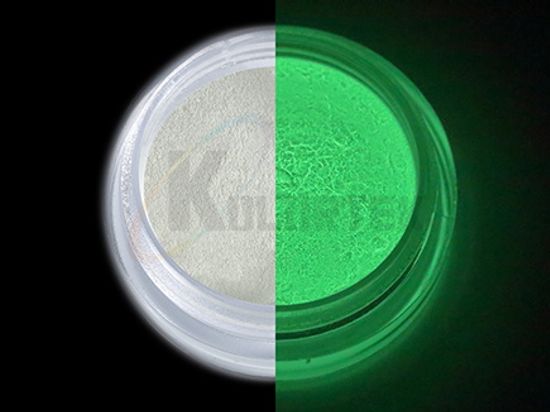
KT-GYG03 SC is a Yellow Green strontium aluminate phosphorescent pigment in the fine 12–25μm particle size range — the standard fine grade in Kolortek's glow-in-the-dark series, designed for coatings, printing inks, plastics compounding, and applications where particle size must remain within tight tolerances for smooth film formation.
Read More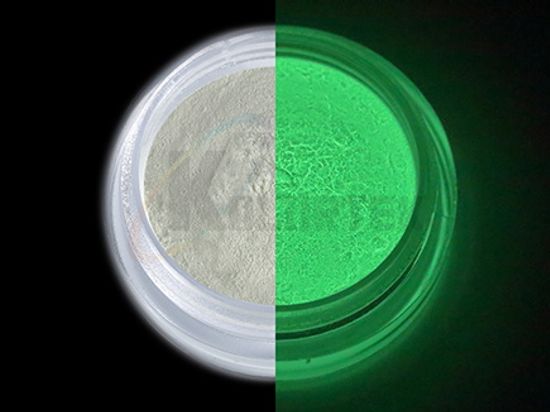
KT-GYG03DSA is a Yellow Green zinc sulfide (ZnS) phosphorescent pigment in the 20–40μm particle size range — the cost-effective glow-in-the-dark option in the Kolortek range for applications where a short-duration afterglow is functionally sufficient and the price premium of strontium aluminate is not warranted.
Read More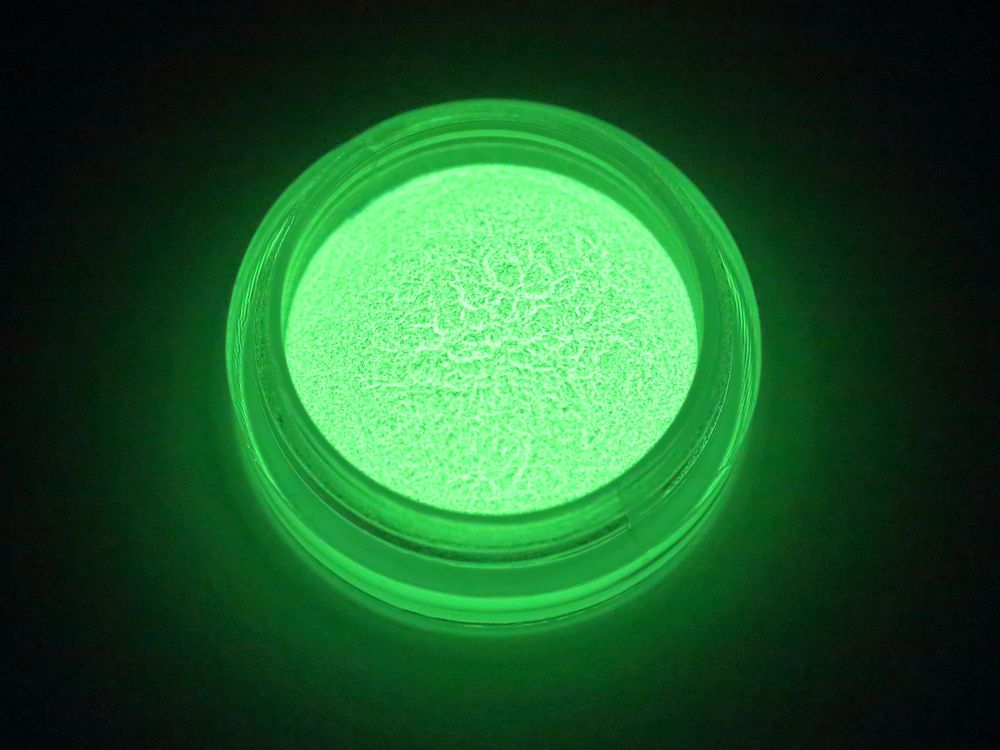
Kolortek's glow in the dark pigment series delivers reliable afterglow across a broad color range — from yellow-green and blue-green to orange-red and violet — making it a practical base material for coatings, printing inks, nail products, and safety-marking applications. Available in both strontium aluminate and zinc sulfide formulations, with water-based compatible grades included, these powders integrate cleanly into a wide range of carrier systems. Whether you're sourcing luminous pigment powder for decorative cosmetics or functional safety applications, the lineup covers the particle size and chemistry options most formulations actually need.
Read More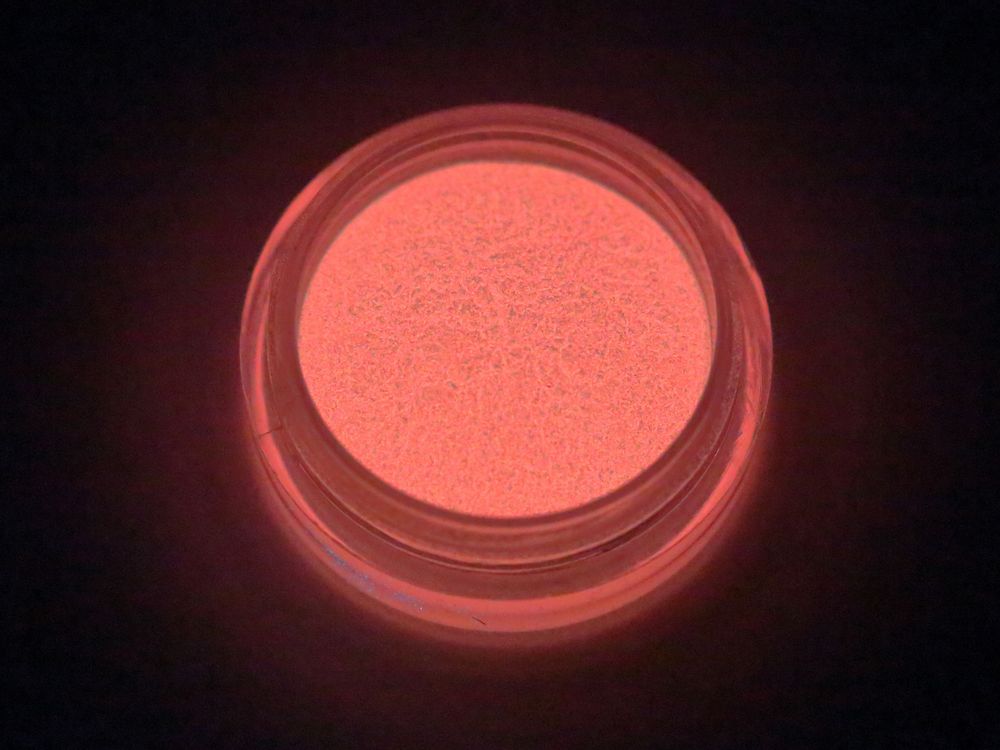
Kolortek's strontium aluminate-based glow in the dark powder delivers long-duration afterglow in a range of emission colors — from yellow-green and blue-green to violet, orange, and red — making it a reliable base material for paints, coatings, inks, and decorative applications. Available in both standard and water-based formulations, the photoluminescent powder charges rapidly under ambient or UV light and releases stored energy as a sustained, visible glow in darkness.
Read More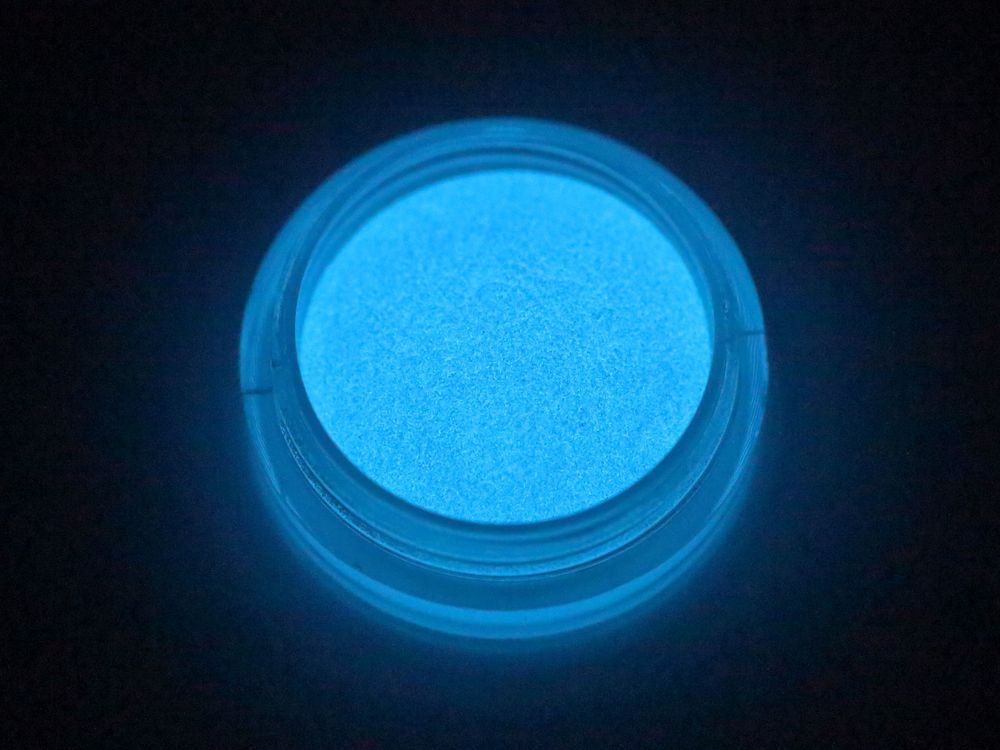
A long-afterglow phosphorescent pigment that charges under sunlight or interior light and releases a steady glow for hours in the dark. Available in sky blue, yellow-green, violet, orange, and red tones, this glow in dark powder works in both solvent and water-based systems, making it a practical luminescent pigment for paints, inks, craft art, nails, and safety-marking applications.
Read More
 English
 Français
 Deutsch
 Русский
 Español
 Português