
Leave A Message
If you are interested in our products and want to know more details,please leave a message here,we will reply you as soon as we can.
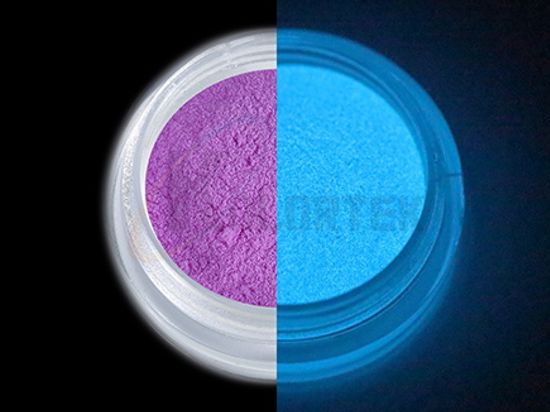
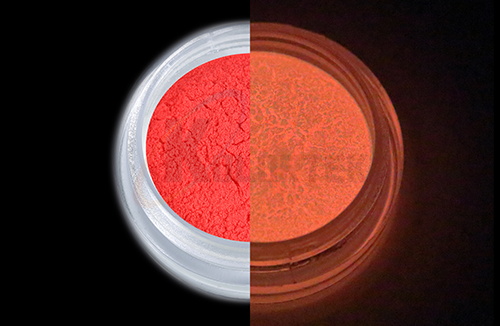
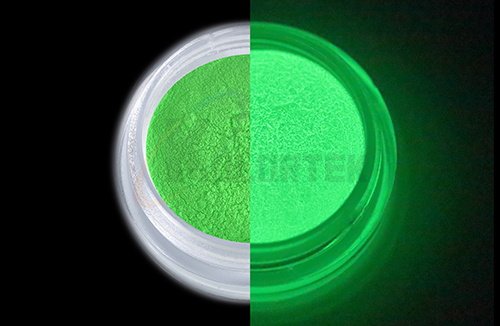
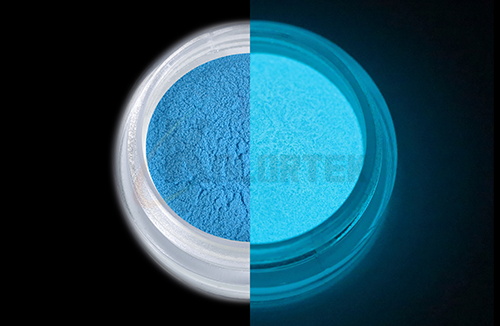
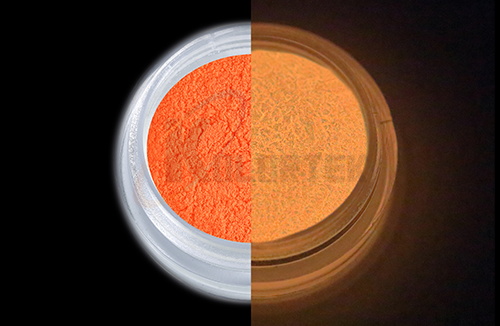
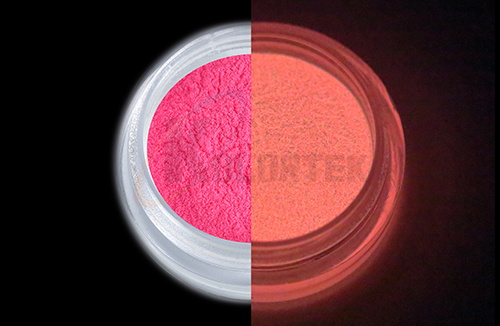
Glow in the Dark Pigments are phosphorescent powders that absorb light energy from natural or artificial sources and re-emit it as a visible glow in darkness. Unlike fluorescent pigments, which require a continuous light source to produce their effect, phosphorescent pigments store energy and release it gradually after the light source is removed. They are used across safety, decorative, cosmetic, and industrial applications where passive light emission in dark conditions is required.
Item No. :
Kolortek Glow in the Dark SeriesColor Effect :
Green (standard), Blue, Aqua, Violet, Orange, Red, etc.Brand :
Kolortek / OEMMOQ :
25KGPhosphorescent pigments work through a process called phosphorescence: the pigment absorbs photons from a light source (sunlight, indoor lighting, UV), elevates electrons to a higher energy state, and then releases that energy slowly as visible light emission after the excitation source is removed. The slow release — governed by the energy trap structure of the phosphor material — produces the sustained afterglow characteristic of glow-in-the-dark products.
Modern high-performance phosphorescent pigments are based on strontium aluminate (SrAl₂O₄) activated with europium and dysprosium dopants, which replaced earlier zinc sulfide-based systems due to significantly longer afterglow duration, higher initial brightness, and the absence of radioactive components. Strontium aluminate phosphors typically emit green or blue-green light, with other colors (blue, aqua, violet, orange, red) available through different host lattice and dopant combinations, though non-green colors generally have shorter afterglow durations and lower brightness than the standard green emission grade — a known characteristic of the phosphor chemistry, not a manufacturing defect.
A key practical limitation of strontium aluminate phosphors is water sensitivity: the host lattice can degrade in direct contact with water or high-humidity environments, which reduces afterglow performance over time. For water-based formulations or outdoor applications with moisture exposure, coated grades (with a protective surface treatment) are available and should be specified. This is a formulation consideration that should be discussed with the technical team before grade selection for aqueous systems.
Particle size in phosphorescent pigments directly affects both glow performance and processing behavior. Coarser particles contain more phosphor material per grain and typically produce higher initial brightness and longer afterglow. Fine grades allow smoother film formation in inks and thin coatings but may show reduced glow intensity. The trade-off between glow performance and surface finish should be evaluated during formulation trials.
Key Features & Benefits
| Feature | Practical Benefit for Buyers |
|---|---|
| Strontium aluminate phosphor base (modern chemistry) | Significantly longer afterglow duration and higher brightness compared to older zinc sulfide-based glow pigments — relevant for safety and functional applications where glow persistence matters |
| No radioactive components | Suitable for consumer products, cosmetics, and children's products — subject to regulatory confirmation for specific grades and markets |
| Multiple glow colors available | Green (standard, highest brightness and longest afterglow), blue, aqua, violet, orange, red — color selection based on application aesthetic and required afterglow duration |
| Coated grades available for aqueous systems | Protective surface treatment reduces water sensitivity in water-based inks, coatings, and cosmetic formulations |
| Passive operation — no power source required | Glow is produced from stored light energy; no batteries, wiring, or UV source needed in the final product |
| Industry / End Use | Specific Applications | Notes |
|---|---|---|
| Safety & Emergency Signage | Emergency exit signs, evacuation route markings, stairwell and corridor safety markings, marine safety equipment | This is the largest established industrial application; many safety applications have regulatory standards — confirm compliance requirements with your local authority |
| Paints & Coatings | Glow-in-the-dark wall paint, exterior safety coatings, feature wall decorative coatings | Outdoor and aqueous applications: specify coated/water-resistant grades |
| Plastics & Masterbatch | Injection-molded safety components, consumer goods, novelty items, switches and handles | Processing temperature must be within the phosphor's thermal stability range; confirm with TDS |
| Printing Inks | Screen printing on promotional merchandise, safety labels, stationery, packaging | Coarser grades preferred for screen printing; fine grades for specialty gravure |
| Cosmetics & Body Art | Decorative cosmetics, nail polish, body paint, festival and event makeup | Confirm regulatory grade status for each target market; not all phosphorescent pigment grades are approved for cosmetic use |
| Textiles | Glow-in-the-dark fabric printing, safety apparel, promotional clothing, children's clothing | Applied via textile ink or pigment print system; wash fastness depends on binder selection |
| Toys & Novelty | Glow-in-the-dark toys, children's stationery, novelty accessories | Confirm regulatory requirements for child-contact products in each target market |
| Fishing & Outdoor Sports | Fishing lures, rod tip indicators, camping equipment, night sports gear | Functional application; glow duration and brightness grade selection depends on required visibility duration |
| Craft & DIY | Resin casting, epoxy art, craft paint, home decoration projects | No processing constraints at craft scale; most grades suitable |
| Interior Design | Glow ceiling paint for bedroom/feature installations, decorative tile effects, stair tread markings | Aesthetic and functional combined; coarser grades for maximum glow intensity in decorative applications |
Afterglow duration, initial brightness, and glow color vary by grade and excitation light source. Water-sensitive grades are not suitable for aqueous formulations without protective coating. Contact us for grade-specific performance data.
Two recurring problems arise when sourcing phosphorescent pigments for functional applications. The first is performance consistency: afterglow duration and initial brightness are highly sensitive to phosphor purity and dopant concentration, and off-spec batches produce glow performance that is visibly below expectation — a problem that only becomes apparent after the product has been formulated and tested in darkness. The second is water compatibility: strontium aluminate phosphors are intrinsically sensitive to moisture, and buyers using water-based ink or coating systems, or targeting outdoor applications with humidity exposure, frequently encounter performance degradation if the wrong grade is specified. This is a known chemistry characteristic that some suppliers do not clearly communicate upfront.
Kolortek Glow in the dark pigment is available in both standard (uncoated) and surface-treated (coated) grades, specifically to address the water sensitivity issue in aqueous and outdoor formulation systems. Providing both options — with clear guidance on which is appropriate for which system — reduces the risk of grade misspecification and the associated reformulation cost. The series covers the standard green emission grade (highest brightness and longest afterglow in the strontium aluminate phosphor family) as well as blue, aqua, violet, orange, and red emission colors, with grade-specific TDS available to show the actual afterglow decay curve and initial brightness data for each color. With 20 years of effect pigment manufacturing experience, Kolortek maintains consistent phosphor chemistry and particle size distribution across production batches — the variables that directly determine afterglow performance reproducibility.
Samples by glow color and particle size, grade-specific TDS including afterglow performance data, coated vs. uncoated grade options, and pricing are available upon inquiry. Contact Kolortek's technical team with your formulation system type, application environment, and required afterglow duration for grade-specific recommendations.
Glow in the Dark Pigments are phosphorescent powders that absorb light energy from natural or artificial sources and re-emit it as a visible glow in darkness. Unlike fluorescent pigments, which require a continuous light source to produce their effect, phosphorescent pigments store energy and release it gradually after the light source is removed. They are used across safety, decorative, cosmetic, and industrial applications where passive light emission in dark conditions is required.
Read More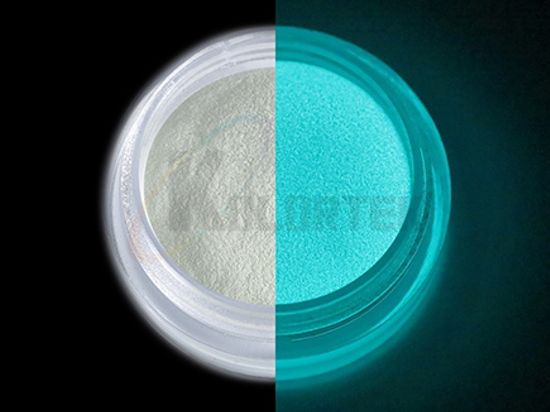
KT-GBG02 is a Blue Green strontium aluminate phosphorescent pigment in the coarse 65–75μm particle size range — a glow-in-the-dark pigment that absorbs ambient light (sunlight, fluorescent, LED) during exposure and releases it as a sustained blue-green glow after the light source is removed.
Read More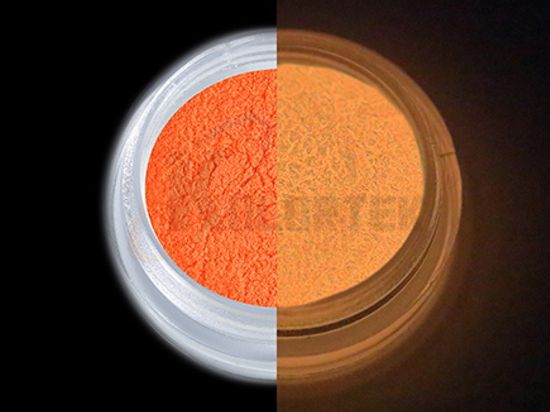
KT-GOR-03 is an Orange Red phosphorescent glow-in-the-dark pigment in the 30–50μm particle size range, formulated for direct use in water-based systems — a surface-treated strontium aluminate grade that resists the moisture-induced degradation that limits standard glow pigments in waterborne coatings, water-based adhesives, and aqueous craft formulations.
Read More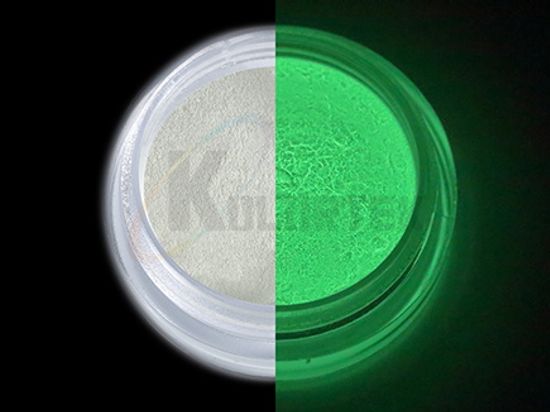
KT-GYG03 SC is a Yellow Green strontium aluminate phosphorescent pigment in the fine 12–25μm particle size range — the standard fine grade in Kolortek's glow-in-the-dark series, designed for coatings, printing inks, plastics compounding, and applications where particle size must remain within tight tolerances for smooth film formation.
Read More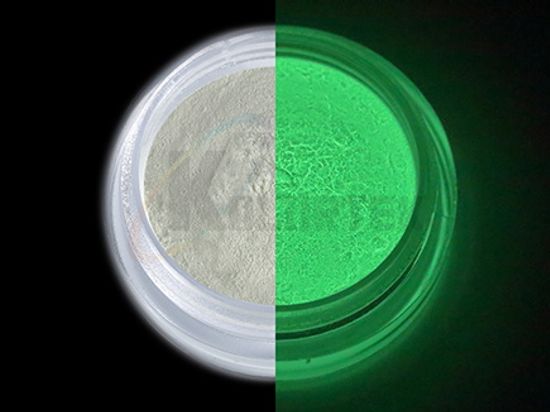
KT-GYG03DSA is a Yellow Green zinc sulfide (ZnS) phosphorescent pigment in the 20–40μm particle size range — the cost-effective glow-in-the-dark option in the Kolortek range for applications where a short-duration afterglow is functionally sufficient and the price premium of strontium aluminate is not warranted.
Read More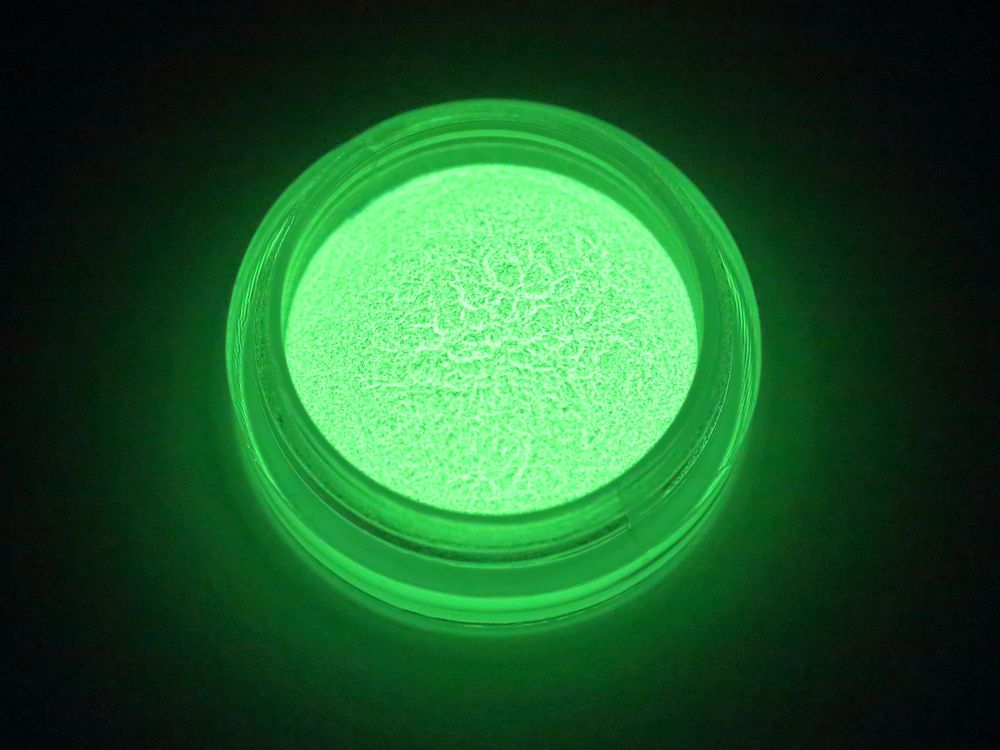
Kolortek's glow in the dark pigment series delivers reliable afterglow across a broad color range — from yellow-green and blue-green to orange-red and violet — making it a practical base material for coatings, printing inks, nail products, and safety-marking applications. Available in both strontium aluminate and zinc sulfide formulations, with water-based compatible grades included, these powders integrate cleanly into a wide range of carrier systems. Whether you're sourcing luminous pigment powder for decorative cosmetics or functional safety applications, the lineup covers the particle size and chemistry options most formulations actually need.
Read More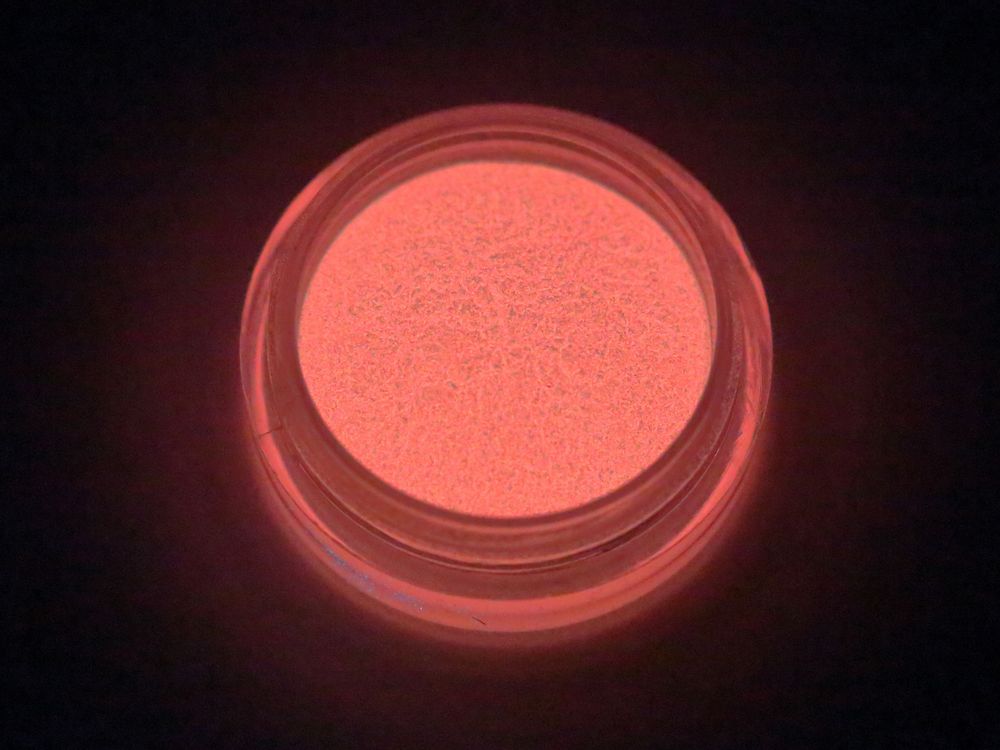
Kolortek's strontium aluminate-based glow in the dark powder delivers long-duration afterglow in a range of emission colors — from yellow-green and blue-green to violet, orange, and red — making it a reliable base material for paints, coatings, inks, and decorative applications. Available in both standard and water-based formulations, the photoluminescent powder charges rapidly under ambient or UV light and releases stored energy as a sustained, visible glow in darkness.
Read More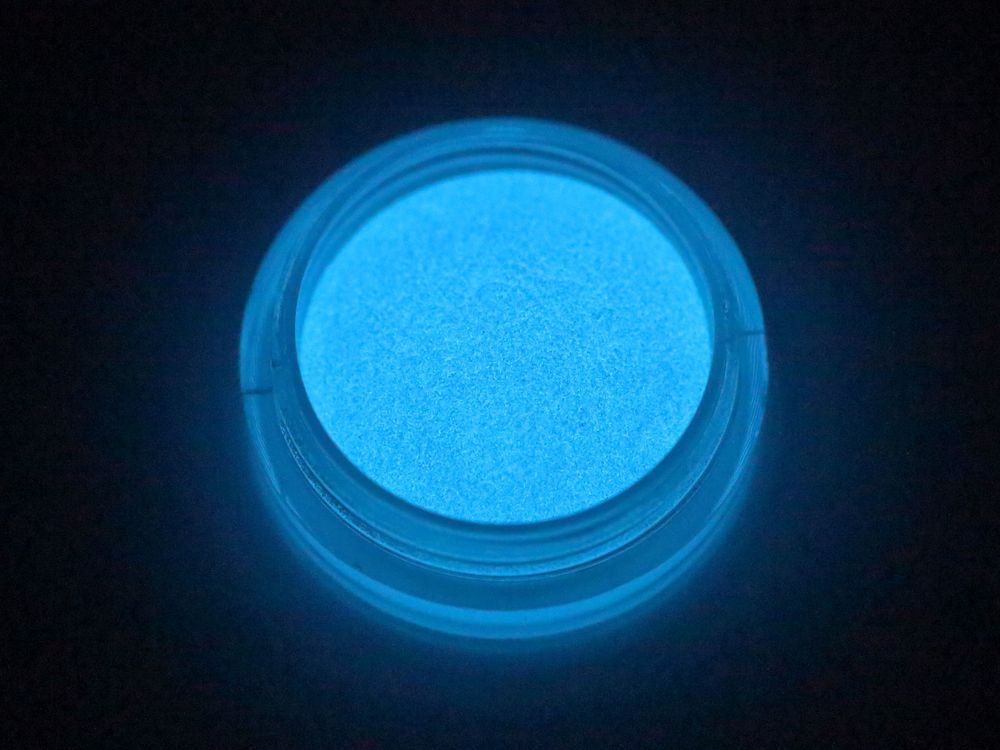
A long-afterglow phosphorescent pigment that charges under sunlight or interior light and releases a steady glow for hours in the dark. Available in sky blue, yellow-green, violet, orange, and red tones, this glow in dark powder works in both solvent and water-based systems, making it a practical luminescent pigment for paints, inks, craft art, nails, and safety-marking applications.
Read More
 English
 Français
 Deutsch
 Русский
 Español
 Português