
Leave A Message
If you are interested in our products and want to know more details,please leave a message here,we will reply you as soon as we can.
Blue Green Phosphorescent Pigment, Strontium Aluminate, 65–75μm – KT-GBG02
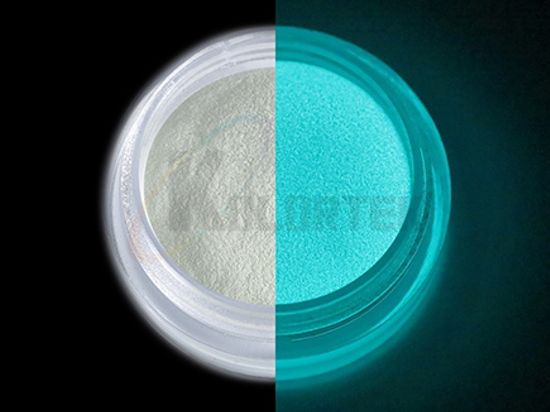
KT-GBG02 is a Blue Green strontium aluminate phosphorescent pigment in the coarse 65–75μm particle size range — a glow-in-the-dark pigment that absorbs ambient light (sunlight, fluorescent, LED) during exposure and releases it as a sustained blue-green glow after the light source is removed.
Item No. :
KT-GBG02Color Effect :
Blue GreenParticle Size :
65-75 μmBrand :
Kolortek / OEMMOQ :
25KG
Blue Green Phosphorescent Pigment, Strontium Aluminate, 65–75μm – KT-GBG02
Special Effect Pigments › Glow in Dark Pigment Series
KT-GBG02 is a Blue Green strontium aluminate phosphorescent pigment in the coarse 65–75μm particle size range — a glow-in-the-dark pigment that absorbs ambient light (sunlight, fluorescent, LED) during exposure and releases it as a sustained blue-green glow after the light source is removed. The 65–75μm particle size places it at the coarser end of the Kolortek glow-in-the-dark range, making it appropriate for applications where individual luminescent particles contribute to visible sparkle-glow in thick films, resin castings, and decorative surfaces. Strontium aluminate chemistry delivers significantly longer afterglow duration and higher initial glow brightness than older zinc sulfide formulations — the current industry standard for performance glow-in-the-dark applications.
Phosphorescent pigments store light energy in the crystal lattice of the host material during exposure and release it gradually as visible light emission after the light source is removed. The duration and brightness of the afterglow depends on the host crystal chemistry and the rare earth dopant used — strontium aluminate activated with europium and dysprosium is the current benchmark for long-duration afterglow in glow-in-the-dark pigments, producing significantly longer and brighter afterglow than older zinc sulfide (ZnS) based materials.
Key distinction from fluorescent pigments: Phosphorescent (glow-in-the-dark) pigments like KT-GBG02 store energy and emit light in darkness — they continue to glow after the light source is removed. Fluorescent (neon) pigments require continuous incident light and stop immediately when it is removed. These are fundamentally different materials serving different application needs. Kolortek's fluorescent neon pigment range is a separate product family.
| Item No. | Glow Color | Particle Size | Notes |
|---|---|---|---|
| KT-GTG01 SC | Tender Green | 5–25μm | Fine grade — printing inks, coatings |
| KT-GBG02-2 SC | Blue Green | 15–25μm | Water-based compatible grade |
| KT-GYG03 SC | Yellow Green | 12–25μm | Standard fine grade |
| KT-GYG03-2 SC | Yellow Green | 10–25μm | Water-based compatible |
| KT-GP04 SC | Purple | 15–25μm | Standard grade |
| KT-GSB01 SC | Sky Blue | 35–45μm | Medium-coarse grade |
| KT-GBG02 SC | Blue Green | 65–75μm | Coarse grade — resin, epoxy, decorative |
| KT-GYG-10 | Yellow Green | 20–38μm | Water-resistant treated — waterborne system compatible |
| KT-GYG03DSA | Yellow Green | 20–40μm | Zinc Sulfide — lower cost, shorter afterglow |
Water-based compatible series (KT-GYG-05, KT-GPO-07, KT-GVP-03, KT-GOY-01, KT-GOR-03, KT-GFG-05, KT-GBR-02, KT-GBB-04) available at 30–50μm in multiple glow colors. Zinc Sulfide series available for cost-sensitive applications. Contact Kolortek for the complete glow-in-the-dark range.
| Parameter | Value / Notes |
|---|---|
| Item No. | KT-GBG02 SC |
| Glow Color | Blue Green |
| Effect Type | Phosphorescent (glow-in-the-dark) — stores light energy; emits in darkness after light source removed |
| Host Material | Strontium Aluminate — long-duration afterglow; superior to zinc sulfide in brightness and persistence |
| Particle Size | 65–75μm — coarse grade; individual particles visible in resin and thick film applications |
| Appearance (daylight) | Off-white to pale green-grey powder |
| Appearance (dark) | Blue-green luminescent glow — sustained emission after light exposure |
| Water Sensitivity | Sensitive to moisture — strontium aluminate degrades in direct water contact; use in anhydrous systems or specify water-resistant grade |
| Recommended Systems | Solvent-based coatings, epoxy resin, UV-curable systems, wax, oil-based applications |
| Water-Based Alternative | KT-GBG02-2 SC (Blue Green, 15–25μm, water-based compatible) or KT-GYG-10 (water-resistant treated grade) |
| Fine Grade Alternative | KT-GBG02-2 SC (Blue Green, 15–25μm) for printing inks and thin film coatings |
| Documentation | TDS, SDS on request |
| Brand | Kolortek |
Strontium aluminate vs. zinc sulfide — why chemistry matters: Zinc sulfide (ZnS) phosphorescent pigments were the industry standard for decades but have two significant limitations: relatively short afterglow duration (typically 1–2 hours at useful brightness) and lower initial glow intensity. Strontium aluminate activated with rare earth dopants (europium, dysprosium) stores energy more efficiently and releases it over a substantially longer period — typically 8–12+ hours of measurable glow following adequate light exposure, with much higher initial brightness immediately after the light source is removed. For applications where sustained overnight glow is a functional requirement, strontium aluminate is the appropriate specification. For cost-sensitive applications where a shorter, dimmer glow is acceptable, Kolortek's zinc sulfide grades (KT-GYG03DSA series) are available.
65–75μm — coarse grade rationale: At this particle size, individual luminescent particles are clearly visible to the naked eye. In epoxy resin castings, thick decorative coatings, and craft applications, the coarse particles contribute both a visible sparkle texture in daylight (the particles have a slight translucent appearance) and distinctly visible individual glow points in the dark. This gives finished surfaces a more dynamic, multi-point luminescent appearance compared to fine-grade glow pigments, which produce a more diffuse, uniform glow across the surface.
Critical formulation constraint — moisture sensitivity: Strontium aluminate is sensitive to water — direct contact with liquid water or high-humidity waterborne binder systems causes hydrolytic degradation of the crystal lattice, reducing afterglow performance and potentially causing color shifts or particle breakdown. KT-GBG02 at 65–75μm is intended for use in anhydrous systems: solvent-based coatings, epoxy resin, UV-curable formulations, wax, and oil-based applications. For water-based systems, specify the dedicated water-based compatible grades (KT-GBG02-2, KT-GYG-10, or the 30–50μm water-based series) which use a protective surface treatment to manage moisture exposure.
Charging time and light source: Strontium aluminate charges efficiently under both UV and visible light — sunlight, fluorescent, and LED sources all provide adequate charging. Shorter exposure to higher-intensity UV light charges the pigment faster; longer exposure to ambient indoor light produces similar results over a longer period. UV black light (365nm range) provides the fastest charging in controlled conditions. The blue-green glow color of KT-GBG02 is characteristic of the specific europium/dysprosium dopant configuration in this grade.
| Application | How KT-GBG02 Contributes | Notes |
|---|---|---|
| Epoxy resin & craft resin | Visible blue-green glow through the depth of clear resin castings, panels, and objects | Anhydrous epoxy system — compatible; coarse particles produce individual sparkle-glow points in casting |
| Epoxy flooring | Blue-green glow in self-leveling epoxy floor coatings — safety marking and decorative | Emergency exit path marking; decorative feature flooring; anhydrous epoxy system required |
| Solvent-based coatings | Glow-in-the-dark decorative and safety coatings on walls, signage, equipment | Solvent-based binder required — not for waterborne systems at this particle size |
| Plastics (dry compounding) | Blue-green glow in injection-molded or extruded plastic parts | Confirm processing temperature compatibility; avoid moisture in compounding process |
| Fishing products | Glow-in-the-dark lures, floats, and tackle components | Encapsulate or coat with waterproof clear lacquer — direct water immersion requires protective barrier |
| Craft & decorative products | Blue-green glow in candles (surface application), wax objects, UV-curable craft products | Compatible with wax and anhydrous craft systems; coarse particles produce visible sparkle texture |
Moisture exclusion is the primary processing concern: Keep KT-GBG02 sealed and dry during storage and processing. In epoxy systems, add the pigment to the resin component and mix before adding the hardener — this minimizes moisture exposure time during the open pot life. Ensure mixing equipment and containers are dry. Even brief exposure to significant moisture during processing can initiate hydrolytic degradation, which reduces afterglow performance in the cured product.
Loading levels in epoxy resin: For epoxy flooring and resin art, typical loading levels run 10–30% by weight of the total resin system depending on the desired glow intensity. Higher loading produces more intense and longer-lasting glow due to higher photon storage capacity. At 65–75μm, the coarse particles settle in low-viscosity uncured resin — incorporate into the mixed system shortly before application or use a thixotropic epoxy formulation to maintain particle suspension.
Film thickness for coatings: Glow intensity in coatings is proportional to pigment loading and film thickness. For functional safety marking applications requiring adequate dark-visibility, a minimum dry film thickness should be established during application trials — contact Kolortek for guidance on loading levels and film thickness targets for specific use cases.
Kolortek has produced strontium aluminate glow-in-the-dark pigments alongside its broader effect pigment range for over 20 years, with consistent phosphor crystal quality and particle size distribution across production batches — both parameters that directly affect afterglow brightness reproducibility in production-scale manufacturing. TDS and SDS are available on request for KT-GBG02.
Q: How long does KT-GBG02 glow after charging?
A: Strontium aluminate phosphorescent pigments like KT-GBG02 provide measurable glow for 8–12+ hours following adequate light exposure under standard conditions. Initial brightness immediately after the light source is removed is highest, then decreases gradually over the afterglow period. The exact duration and brightness visible to the eye depends on the darkness of the environment, the film thickness and loading level in the application, and the intensity and duration of the prior light exposure. For specific afterglow performance data, contact Kolortek for the TDS.
Q: Can KT-GBG02 be used in water-based coatings or waterborne epoxy systems?
A: Standard strontium aluminate at 65–75μm (KT-GBG02) is moisture-sensitive and is not recommended for direct incorporation into waterborne systems. For water-based compatible applications, specify KT-GBG02-2 SC (Blue Green, 15–25μm, water-based grade) or KT-GYG-10 (water-resistant surface-treated yellow green, 20–38μm). The water-based series (30–50μm grades, multiple colors) is also available for waterborne formulations.
Q: What is the difference between KT-GBG02 (65–75μm) and KT-GBG02-2 SC (15–25μm)?
A: Both are blue-green strontium aluminate grades. KT-GBG02 at 65–75μm is the coarse-format grade — individual particles are visible in the finished application, contributing both a sparkle texture in daylight and visible individual glow points in the dark. It suits epoxy resin art, thick film coatings, and applications where particle texture is acceptable or desirable. KT-GBG02-2 at 15–25μm produces a smoother, more diffuse glow suitable for thinner films and waterborne-compatible applications. Fine-grade grades also suit printing inks and applications with strict surface finish requirements.
Q: Is strontium aluminate safe for cosmetic or skin-contact applications?
A: Strontium aluminate glow pigments are not currently listed as approved cosmetic colorants under FDA or EU Cosmetics Regulation frameworks for direct skin application. For cosmetic glow-in-the-dark applications (nail art, body products), verify regulatory compliance in your target market before specifying. Contact Kolortek to discuss which grades, if any, may be appropriate for cosmetic-adjacent use cases.
Glow performance is best evaluated in your specific application system — epoxy type, film thickness, and ambient light conditions all affect how KT-GBG02 performs in practice. Contact Kolortek to request a sample of KT-GBG02 alongside fine-grade blue-green alternatives, download the TDS with afterglow performance data, or discuss grade selection across the full glow-in-the-dark range.
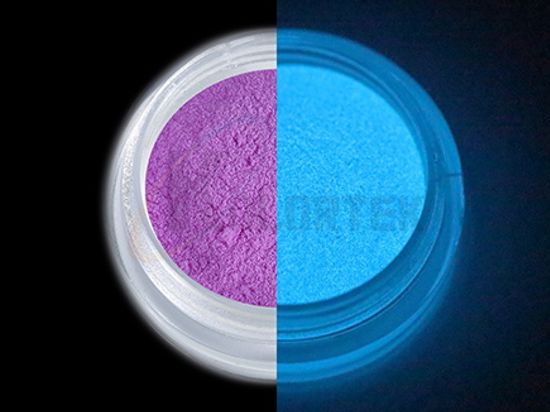
Glow in the Dark Pigments are phosphorescent powders that absorb light energy from natural or artificial sources and re-emit it as a visible glow in darkness. Unlike fluorescent pigments, which require a continuous light source to produce their effect, phosphorescent pigments store energy and release it gradually after the light source is removed. They are used across safety, decorative, cosmetic, and industrial applications where passive light emission in dark conditions is required.
Read More
KT-GBG02 is a Blue Green strontium aluminate phosphorescent pigment in the coarse 65–75μm particle size range — a glow-in-the-dark pigment that absorbs ambient light (sunlight, fluorescent, LED) during exposure and releases it as a sustained blue-green glow after the light source is removed.
Read More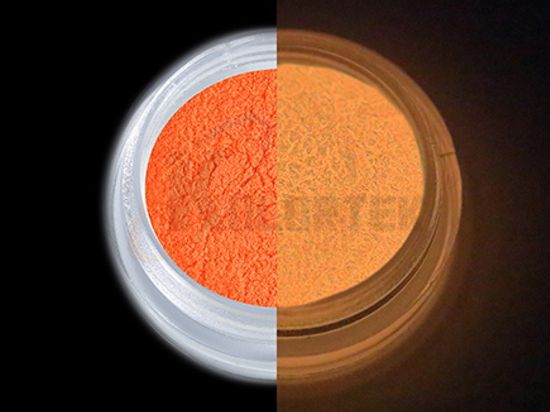
KT-GOR-03 is an Orange Red phosphorescent glow-in-the-dark pigment in the 30–50μm particle size range, formulated for direct use in water-based systems — a surface-treated strontium aluminate grade that resists the moisture-induced degradation that limits standard glow pigments in waterborne coatings, water-based adhesives, and aqueous craft formulations.
Read More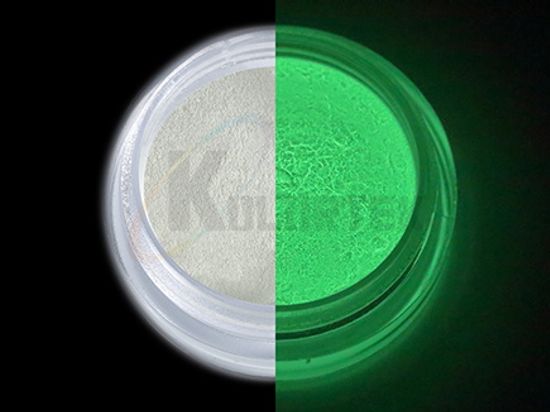
KT-GYG03 SC is a Yellow Green strontium aluminate phosphorescent pigment in the fine 12–25μm particle size range — the standard fine grade in Kolortek's glow-in-the-dark series, designed for coatings, printing inks, plastics compounding, and applications where particle size must remain within tight tolerances for smooth film formation.
Read More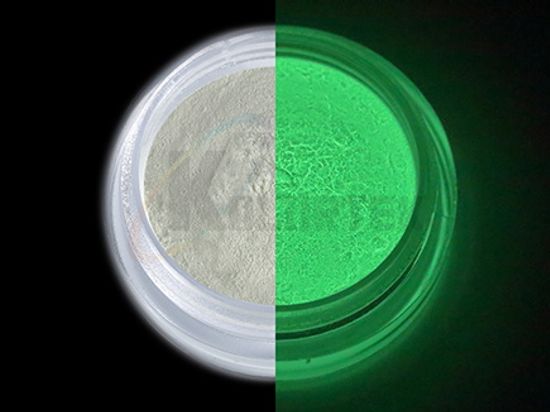
KT-GYG03DSA is a Yellow Green zinc sulfide (ZnS) phosphorescent pigment in the 20–40μm particle size range — the cost-effective glow-in-the-dark option in the Kolortek range for applications where a short-duration afterglow is functionally sufficient and the price premium of strontium aluminate is not warranted.
Read More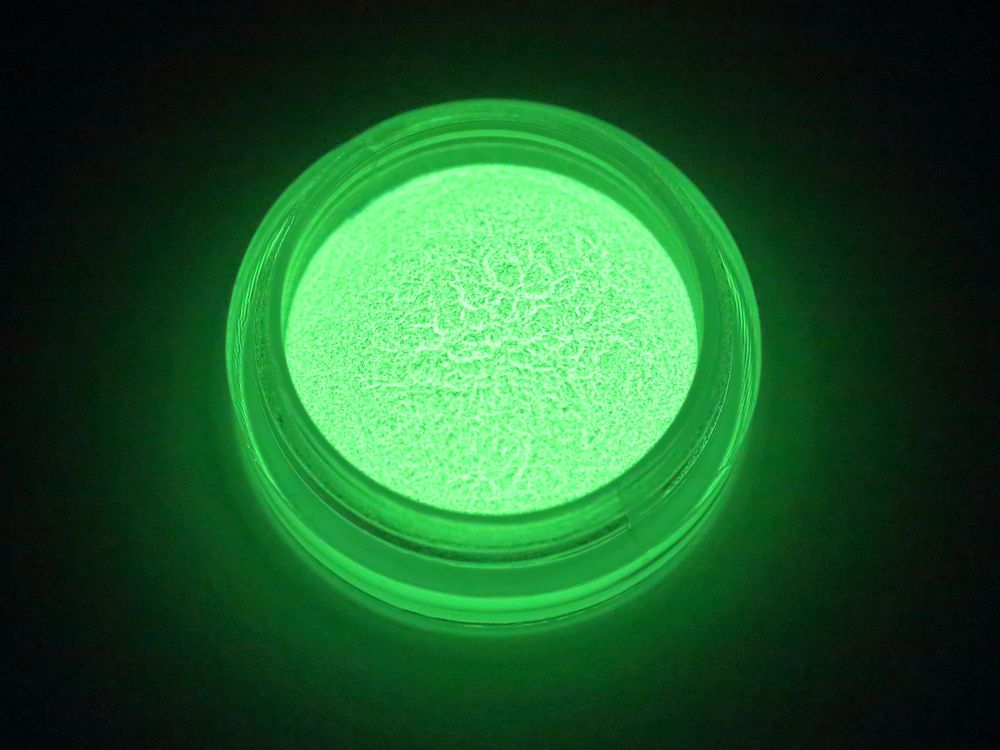
Kolortek's glow in the dark pigment series delivers reliable afterglow across a broad color range — from yellow-green and blue-green to orange-red and violet — making it a practical base material for coatings, printing inks, nail products, and safety-marking applications. Available in both strontium aluminate and zinc sulfide formulations, with water-based compatible grades included, these powders integrate cleanly into a wide range of carrier systems. Whether you're sourcing luminous pigment powder for decorative cosmetics or functional safety applications, the lineup covers the particle size and chemistry options most formulations actually need.
Read More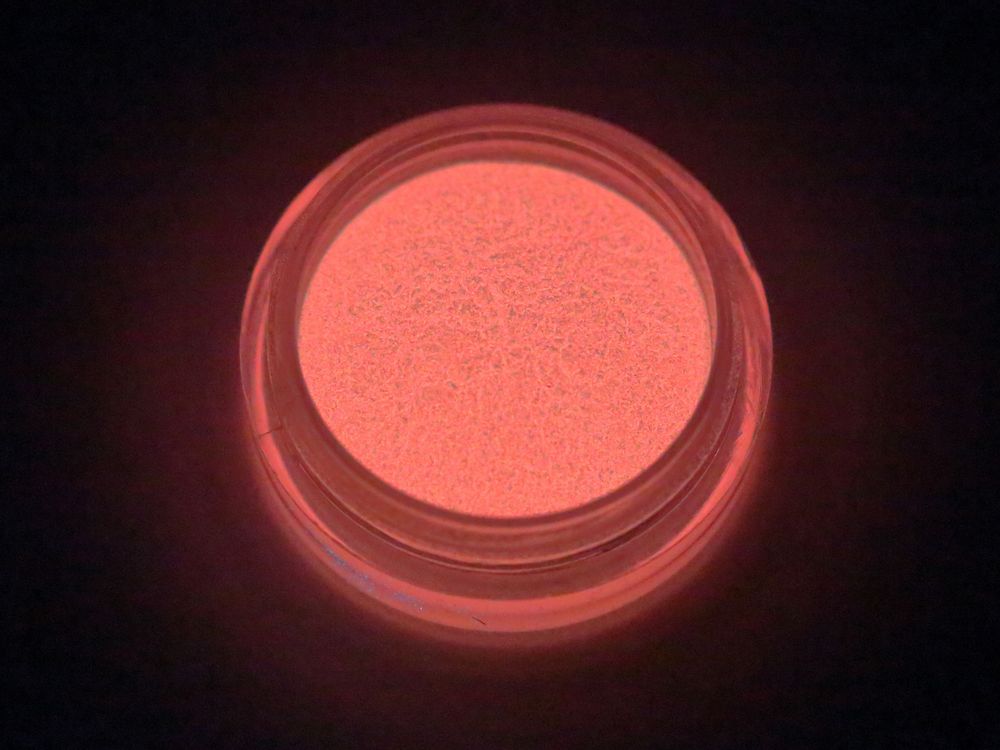
Kolortek's strontium aluminate-based glow in the dark powder delivers long-duration afterglow in a range of emission colors — from yellow-green and blue-green to violet, orange, and red — making it a reliable base material for paints, coatings, inks, and decorative applications. Available in both standard and water-based formulations, the photoluminescent powder charges rapidly under ambient or UV light and releases stored energy as a sustained, visible glow in darkness.
Read More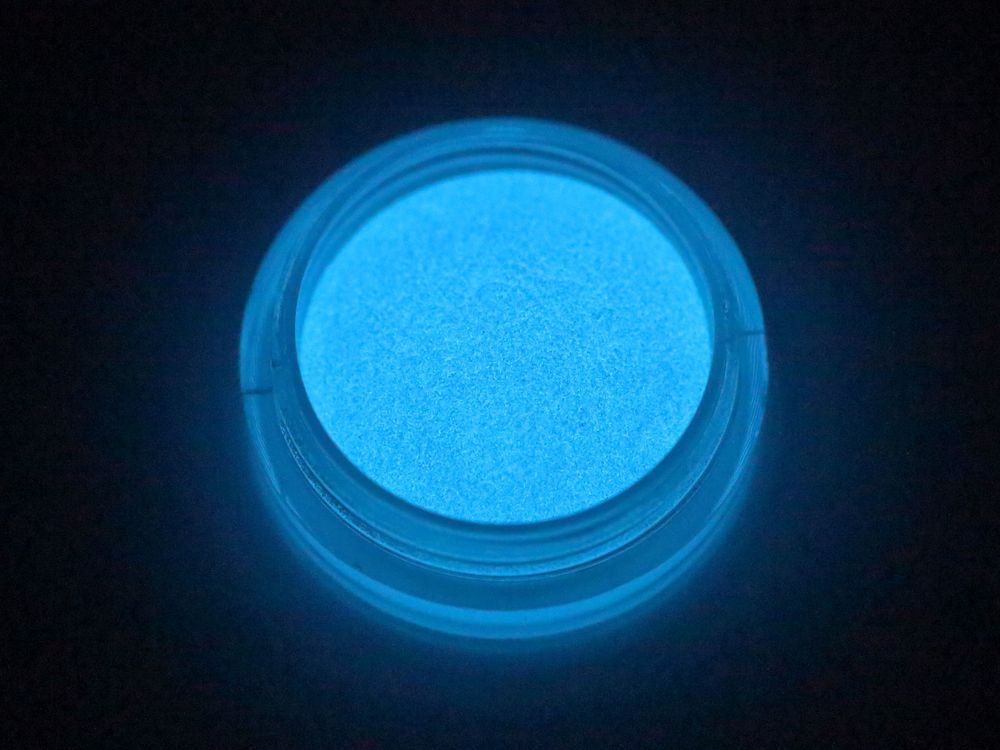
A long-afterglow phosphorescent pigment that charges under sunlight or interior light and releases a steady glow for hours in the dark. Available in sky blue, yellow-green, violet, orange, and red tones, this glow in dark powder works in both solvent and water-based systems, making it a practical luminescent pigment for paints, inks, craft art, nails, and safety-marking applications.
Read More
 English
 Français
 Deutsch
 Русский
 Español
 Português