
Leave A Message
If you are interested in our products and want to know more details,please leave a message here,we will reply you as soon as we can.
KT-RC1000 Red Copper Gold Bronze Pigment Fine Grade 1000 Mesh
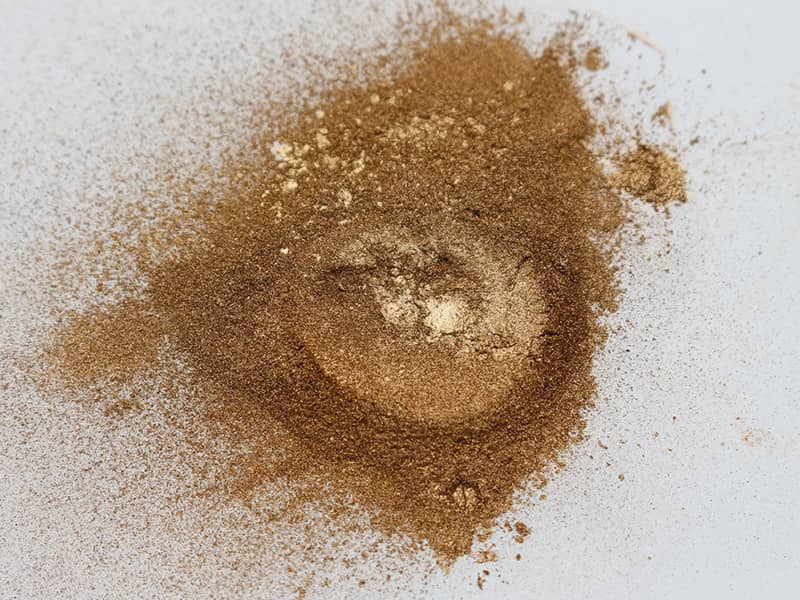
KT-RC1000 is a red copper fine grade metallic pigment powder engineered for applications that demand rich warm-toned luster and tight particle uniformity at 1000 mesh. Formulated from a copper-zinc alloy base, it delivers strong reflective coverage with reliable oxidation resistance. Typical end uses include decorative coatings, metallic inks, and specialty plastic compounds where consistent color depth and surface finish are non-negotiable.
Item No. :
KT-RC1000Color Effect :
Red copperParticle Size :
1000 meshBrand :
Kolortek / OEMMOQ :
25KGApplication :
Decorative Paints, Printing Inks, Plastics, Powder Coatings, Leather, Craft, Stationery & PackagingThe alloy composition — copper (CAS No.: 7440-50-8), zinc (CAS No.: 7440-66-6), and tin (CAS No.: 7440-31-5) — gives it the characteristic warm reddish-gold tone that distinguishes red copper grades from rich pale gold or bronze variants. The tin content contributes to oxidation resistance and structural integrity at the particle level.
Worth noting: at 1000 mesh, this grade offers excellent substrate wettability and relatively easy dispersion in both solvent-borne and UV-curable systems, though as with all metallic powders, milling conditions and binder compatibility should be tested for each specific formulation.
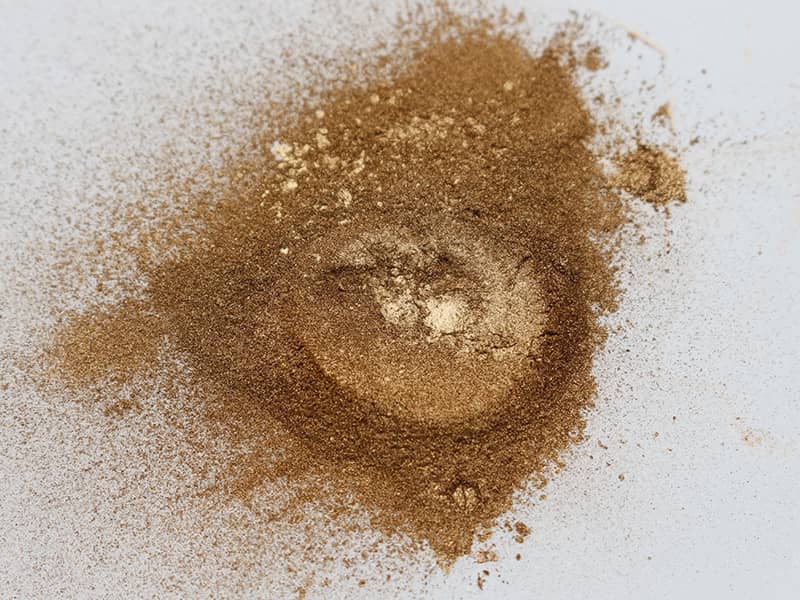
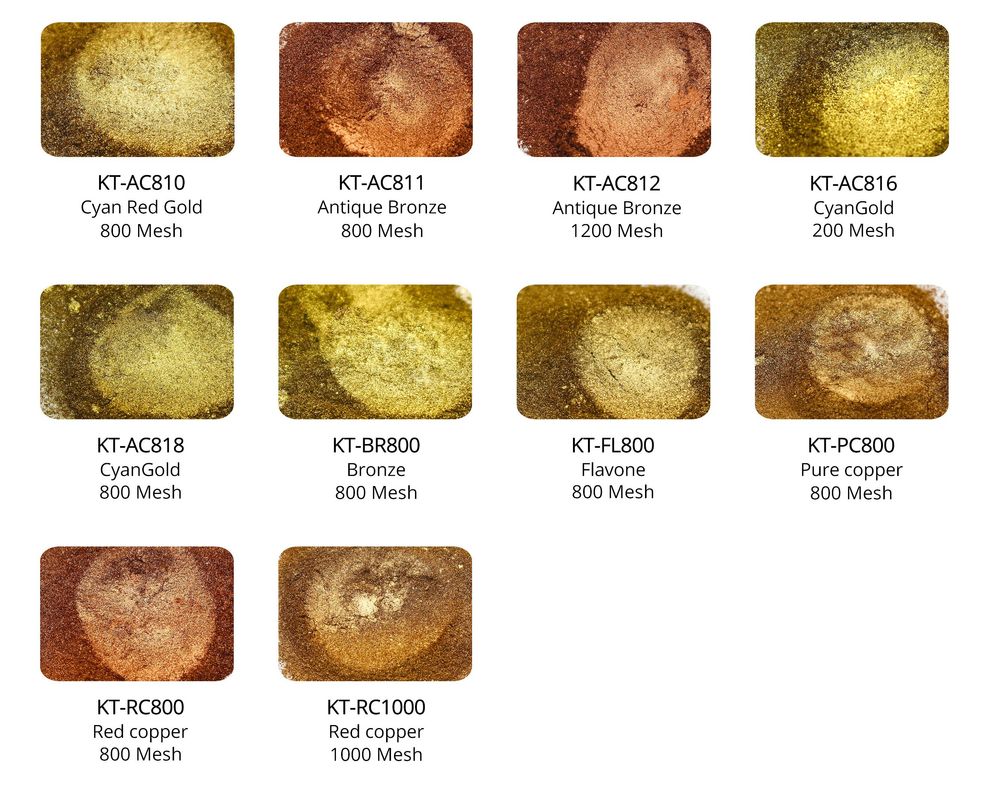
KT-RC1000 sits within a broader range of copper-type metallic pigments. The table below covers the full series to assist with grade selection across different mesh requirements and color variants.
| Model | Color Variant | Mesh |
|---|---|---|
| KT-RC1000 | Red Copper | 1000 |
| KT-RC800 | Red Copper | 800 |
| KT-AC220RX | Red Copper | 220 |
| KT-AC400RX | Red Copper | 400 |
| KT-AC600RX | Red Copper | 600 |
| KT-AC800RX | Red Copper | 800 |
| KT-AC1200RX | Red Copper | 1200 |
| KT-AC1500RX | Red Copper | 1500 |
| KT-BR800 | Bronze | 800 |
| KT-FL800 | Flavone | 800 |
| KT-PC800 | Pure Copper | 800 |
| KT-AC810 | Cyan Red Gold | 800 |
| KT-AC811 | Antique Bronze | 800 |
| KT-AC812 | Antique Bronze | 1200 |
| KT-AC816 | Cyan Gold | 200 |
| KT-AC818 | Cyan Gold | 800 |
| KT-AC220CX / 400CX / 600CX / 800CX / 1000CX / 1200CX / 1500CX | Cyan Red Gold | 220–1500 |
| KT-AC220GX / 400GX / 600GX / 800GX / 1000GX / 1200GX / 1500GX | Cyan Gold | 220–1500 |
| KT-AC800BX / KT-AC1200BX | Antique Bronze | 800 / 1200 |
For applications requiring a cooler-toned metallic, the Cyan Gold or Cyan Red Gold grades are worth evaluating. For thick-film or textured decorative coatings where visible sparkle is preferred, the 220–400 mesh range performs differently and may be more appropriate.
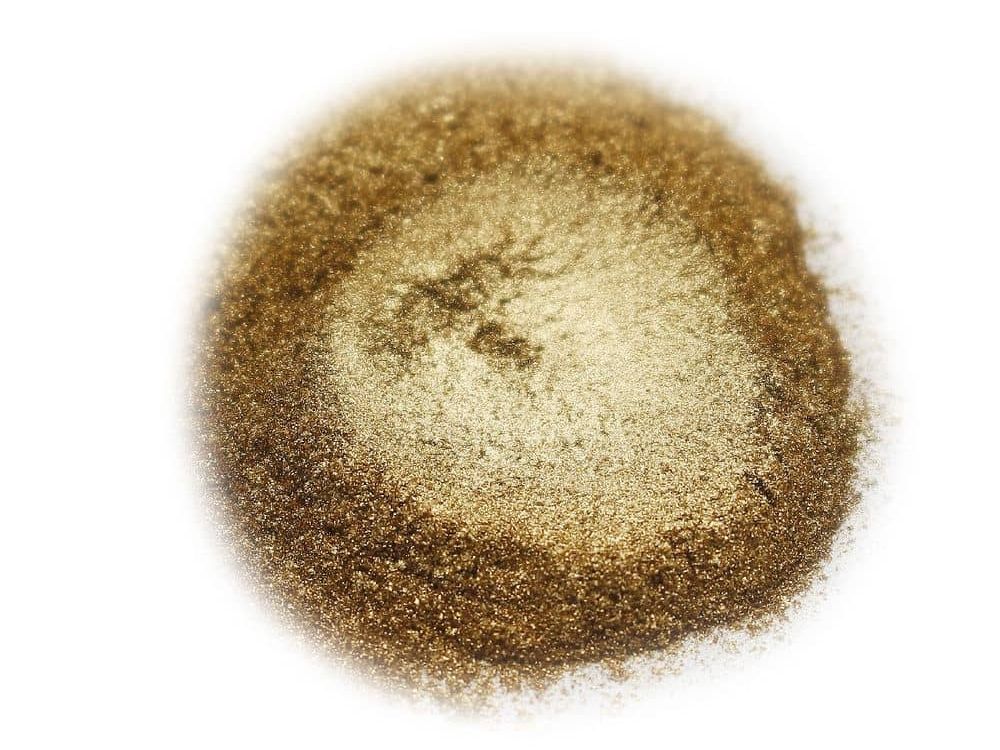
KT-RC1000 is used across a range of industrial and decorative applications. The fine particle size makes it particularly relevant where surface smoothness and print resolution matter.
The properties listed below are directly supported by the alloy composition and manufacturing process:
| Property | Notes |
|---|---|
| Oxidation resistance | Tin in the alloy improves surface stability over time; important for long shelf life and outdoor applications |
| Wear resistance | Relevant in coatings subject to abrasion or frequent handling |
| Weather resistance | Suitable for exterior decorative coatings when used with appropriate binder systems |
| Acid and alkali resistance | Broadens compatibility across different coating chemistries; test recommended at pH extremes |
| Coverage | Good opacity and metallic coverage at standard loading levels |
| Particle size | 1000 mesh — fine grade, supports smooth surface finish and high-resolution print applications |
In practice, copper-zinc alloy powders at this mesh level disperse well in most medium-viscosity solvent-borne systems. For waterborne formulations, surface treatment or a compatible dispersant is worth evaluating early — untreated metallic powders can react with water over extended storage, leading to gassing or color shift.
Loading levels typically run between 5–20% depending on the application and desired opacity. Higher loadings in thin-film inks can improve opacity but may affect rheology. A pre-dispersion step in a portion of the carrier before letdown into the full batch generally gives cleaner results and reduces agglomeration risk.
That said, for powder coating applications, thermal stability through the cure cycle should be confirmed. Copper-based alloy pigments generally perform well at standard cure temperatures, but extended dwell times at elevated temperatures can cause tonal shift toward darker or more oxidized tones.
When comparing this against aluminum-based metallics: copper-zinc alloys give warmer, denser tonal character. They are heavier and may require adjusted suspension strategies in low-viscosity systems. For applications where a cool silver metallic is acceptable, aluminum grades may offer easier handling — but they cannot replicate the warm red-gold hue that this material delivers.
Q: What is the difference between KT-RC1000 and KT-AC800RX?
Both are red copper variants, but KT-RC1000 is 1000 mesh (finer) while KT-AC800RX is 800 mesh. The finer grade offers smoother film appearance and better print definition, while the 800 mesh may give slightly more visible metallic sparkle. Selection depends on the specific visual target and substrate requirements of your application.
Q: Is KT-RC1000 suitable for waterborne ink systems?
Copper-zinc alloy powders can be used in waterborne systems, but compatibility testing is essential. Direct dispersion in water without surface treatment may lead to oxidation or hydrogen evolution over time. A stabilized dispersion approach or consultation with Kolortek on appropriate surface-treated variants is recommended for waterborne formulations.
Q: Can this pigment be used in plastics via direct compounding?
Yes. At 1000 mesh, KT-RC1000 is well-suited for masterbatch compounding and direct let-down in thermoplastics. Processing temperature and shear conditions should be controlled — excessive shear can alter particle morphology and affect the final metallic appearance. A carrier resin pre-blend before twin-screw compounding is standard practice.
Q: What documentation is available for compliance and quality verification?
MSDS, TDS, and COA are available upon request. The alloy ingredients — copper, zinc, and tin — are identified by CAS number. For specific regulatory requirements (REACH, RoHS, food contact, etc.), contact contact@kolortek.com with the relevant compliance framework.
If you are evaluating KT-RC1000 for a specific coating, ink, or plastic system, sample quantities are available for lab trials. Reach out with your application details, substrate type, and any specific performance criteria — technical documentation including TDS and MSDS can be provided alongside the sample. Contact contact@kolortek.com to initiate a request.
KT-AC810 is an 800-mesh cyan red gold bronze powder delivering smooth, uniform metallic coverage at 3–8% loading. From our experience in decorative coatings and printing inks, this fine-particle copper-zinc alloy provides opaque, true-metal reflection — ideal for packaging, gift wrap, and high-end craft applications where you need consistent gold bronze powder bulk performance without visible flake texture.
Read More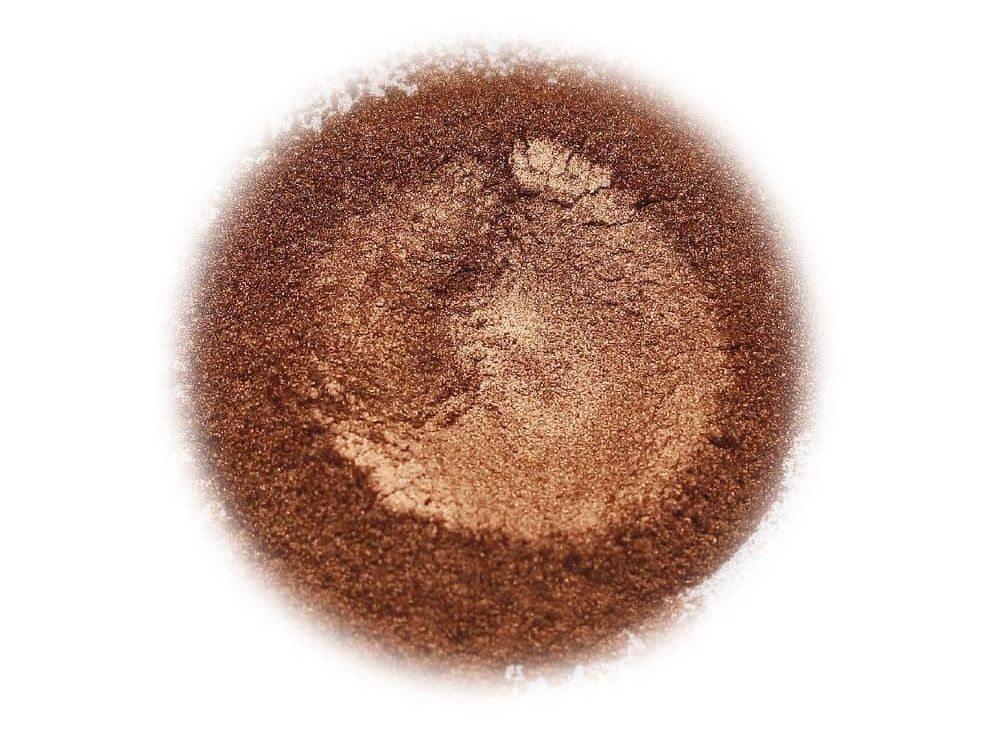
AC811 antique bronze metallic powder delivers genuine copper-zinc alloy metallic reflection at 800 mesh fineness — a smooth, uniform bronze finish you can't replicate with interference pigments. At Kolortek, we position this grade for printing inks, decorative coatings, and plastics where a true metallic surface is required. Typical loading is 3–8%, fully opaque, with excellent hiding power and thermal stability for high-temperature processing.
Read More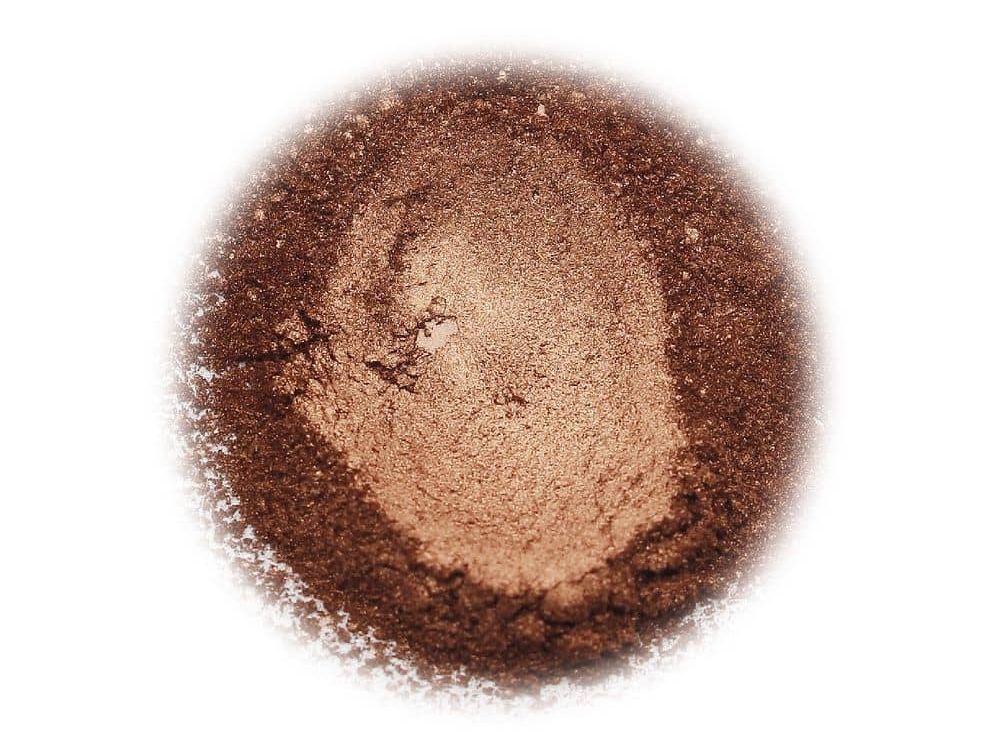
AC812 Antique Bronze is a 1200-mesh extra-fine metallic pigment from Kolortek's Gold Bronze Powder Series, delivering a silky-smooth antique bronze finish with exceptional opacity at 3–8% loading. We designed this copper-zinc alloy powder for high-quality printing applications and fine decorative coatings where a genuine metallic effect—not a pearlescent imitation—is required.
Read More
KT-AC816 is a cyan gold bronze powder manufactured by Kolortek from copper-zinc alloy, available at 200 mesh — a coarser grade that delivers maximum metallic sparkle and strong visual presence on the substrate. As a gold bronze powder manufacturer with over two decades of production experience, we supply this grade into decorative coatings, printing inks, plastics masterbatch, and craft applications where a bold, fully opaque gold-bronze effect is the primary requirement. Typical loading runs 3–8% for complete opacity.
Read More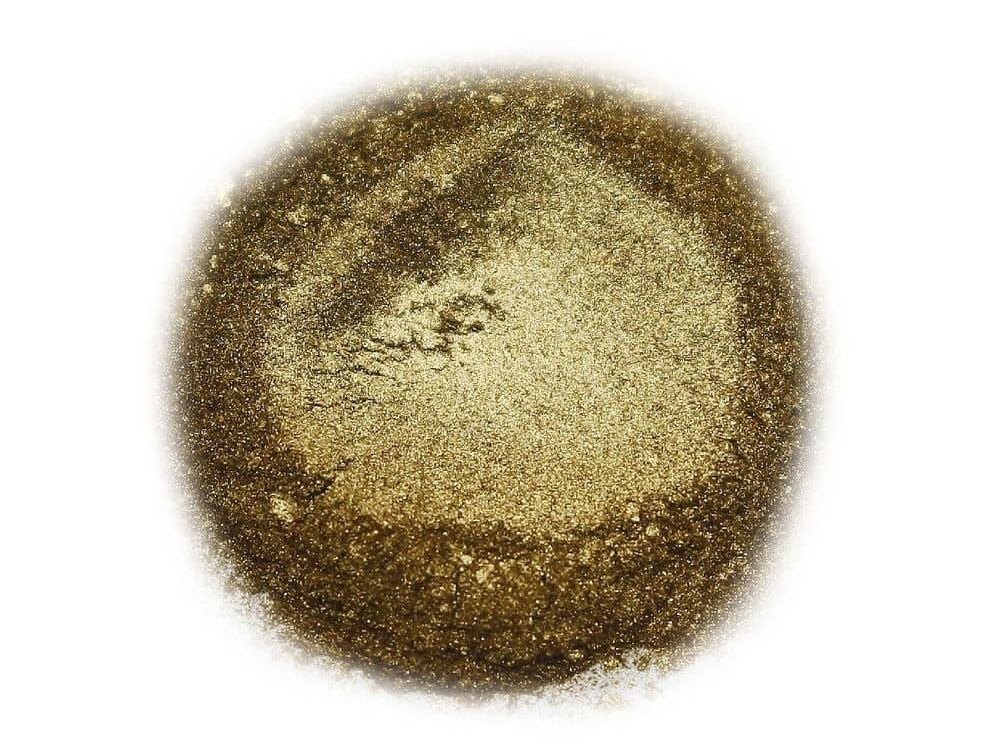
KT-AC818 Cyan Gold bronze powder is a fine-mesh metallic pigment designed for decorative coatings and plastics applications where a smooth, opaque gold finish with a cyan undertone is required. At 800 mesh particle size, this copper-zinc alloy powder delivers full hiding power at 3–8% loading and integrates into water-based systems when properly formulated, making it a practical choice for wholesale buyers sourcing plastics bronze powder or coating bronze powder in bulk.
Read More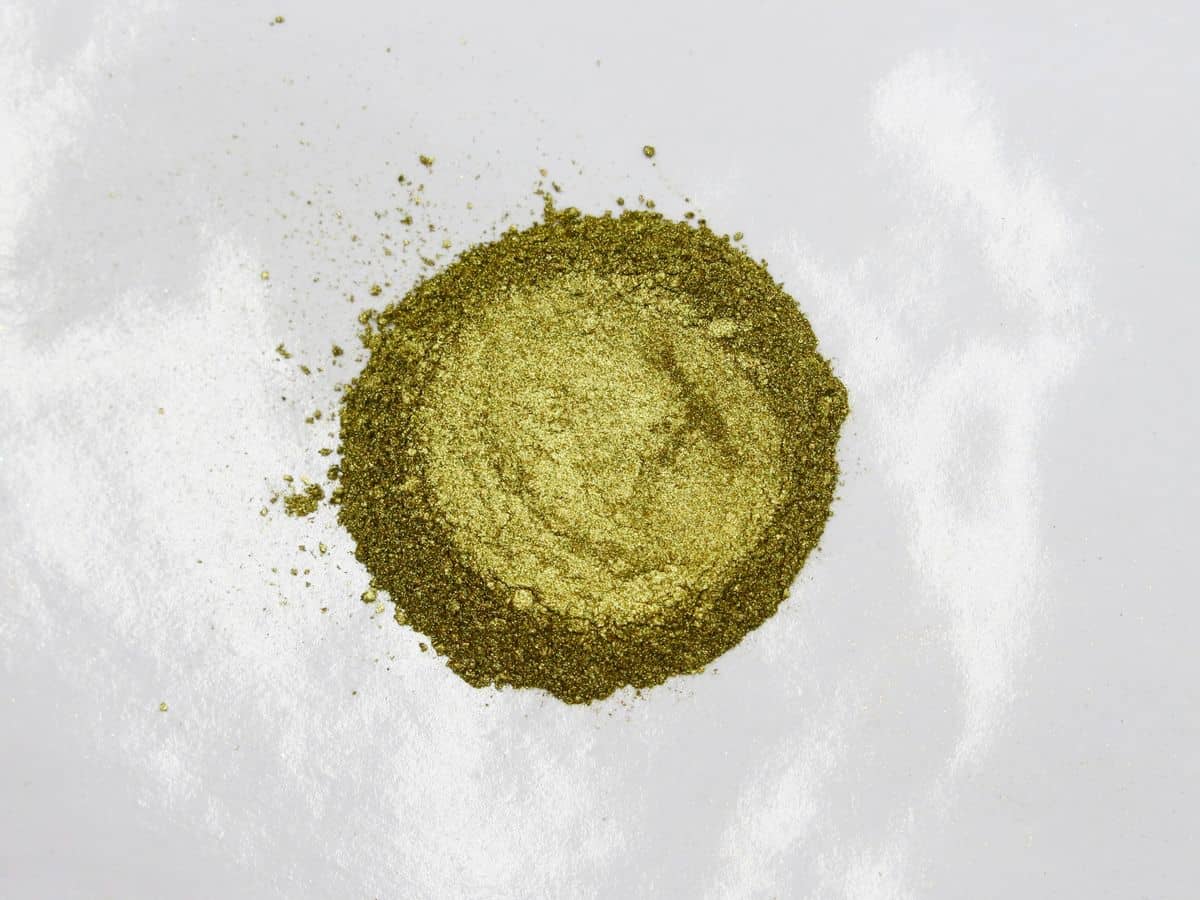
For printing ink formulators who need a consistent, high-coverage metallic finish, our AC1000GX at 1000 mesh delivers a smooth cyan-gold metallic effect with excellent hiding power at loadings of 3–8%. As wholesale gold bronze powder sourced direct from our manufacturing facility, it is classified in our fine-grade range (800–1000 mesh), where individual flakes are no longer visible and the resulting print surface reads as a uniform, continuous metal tone — the grade we see specified most often for packaging, labels, and decorative print applications.
Read More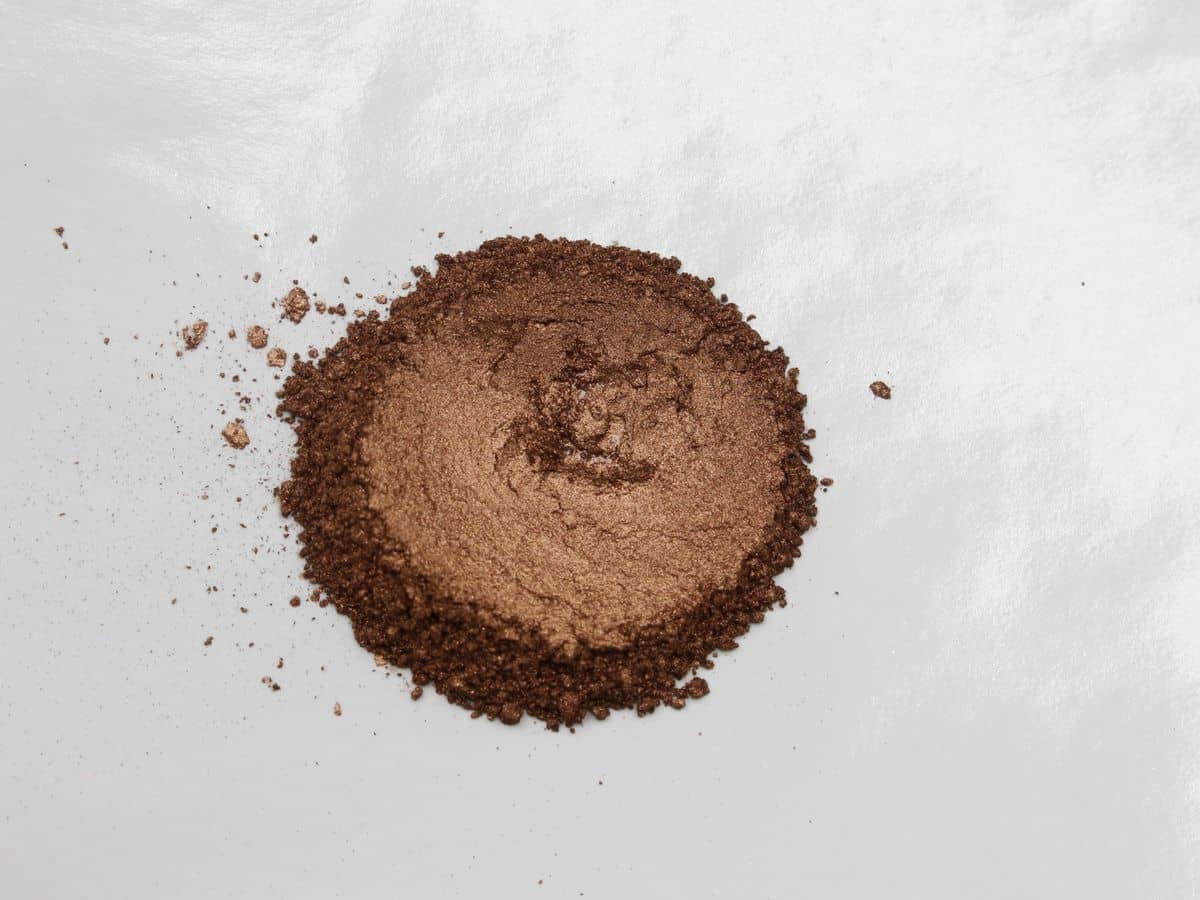
For printing ink formulators sourcing bulk antique bronze powder in extra-fine grades, the KT-AC1200BX delivers a genuine copper-zinc alloy metallic effect at 1200 mesh — classifying it as extra fine within our BX Series. At typical loadings of 3–8%, it achieves full opacity with a silky, smooth metallic finish well-suited to high-quality offset and gravure printing. The flake-based construction produces true metallic reflection, not a pearl or interference effect.
Read More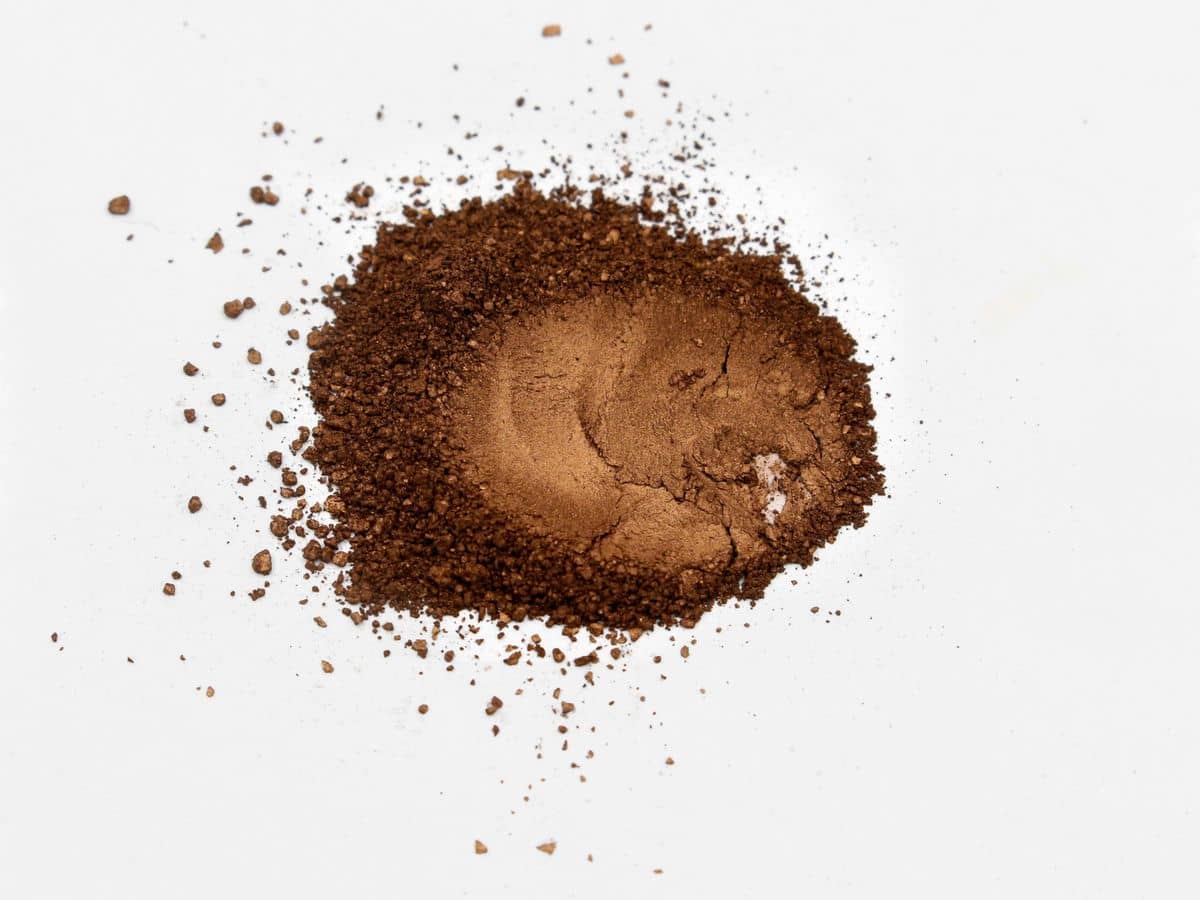
AC1500RX (KT-AC1500RX) is Kolortek's 1500-mesh extra-fine red copper gold bronze powder — a copper-zinc alloy metallic pigment delivering a true, opaque metallic finish in decorative coatings, printing inks, and plastics. As a dedicated red copper powder supplier, we produce this grade specifically for applications where a warm, rich copper tone and smooth, fine-particle surface are required. At 3–8% loading, it achieves full opacity with genuine metallic luster, not the soft sheen of mica-based interference pigments.
Read More
 English
 Français
 Deutsch
 Русский
 Español
 Português