
Leave A Message
If you are interested in our products and want to know more details,please leave a message here,we will reply you as soon as we can.
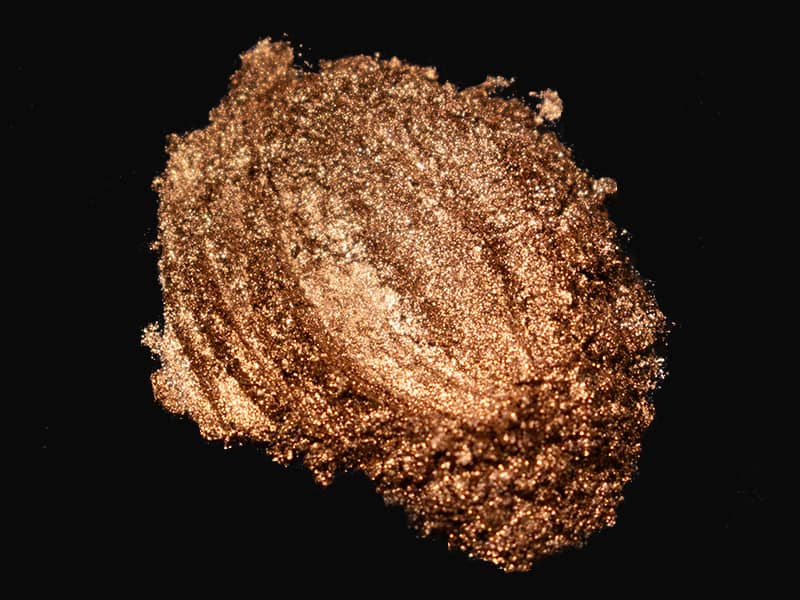
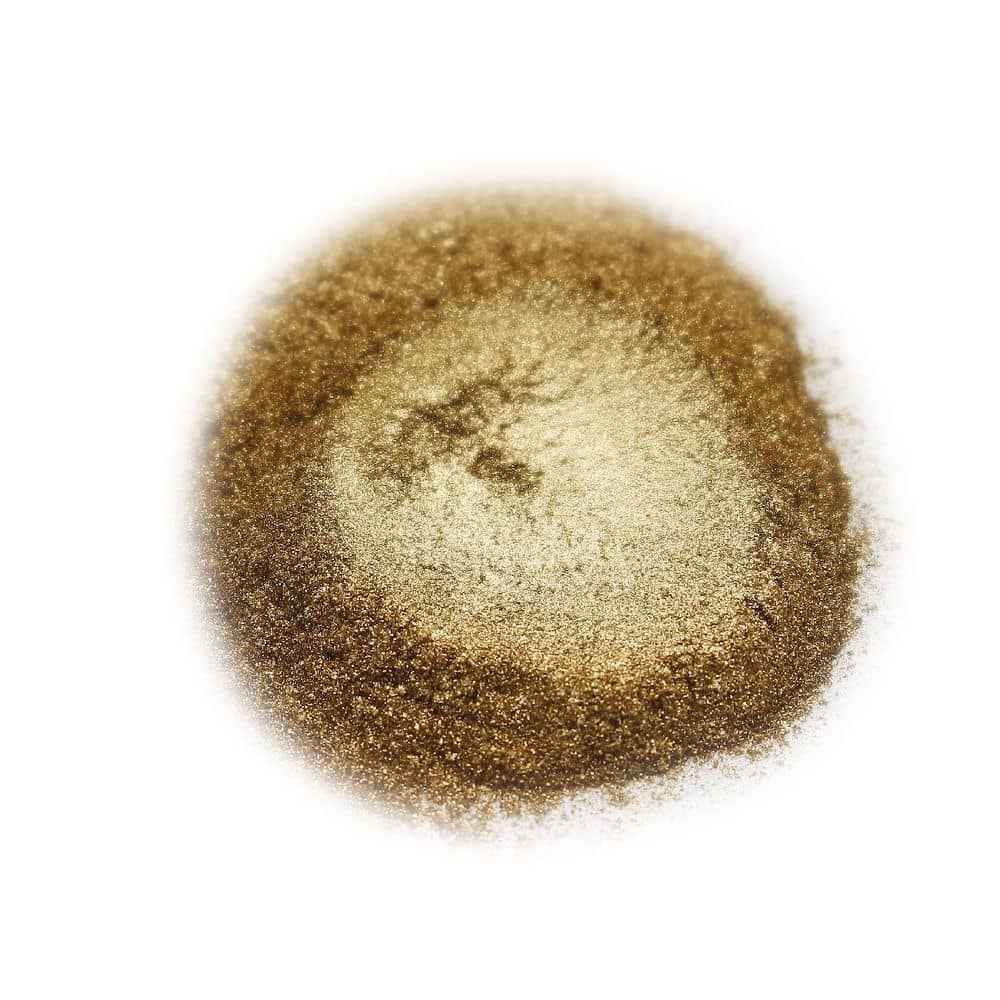
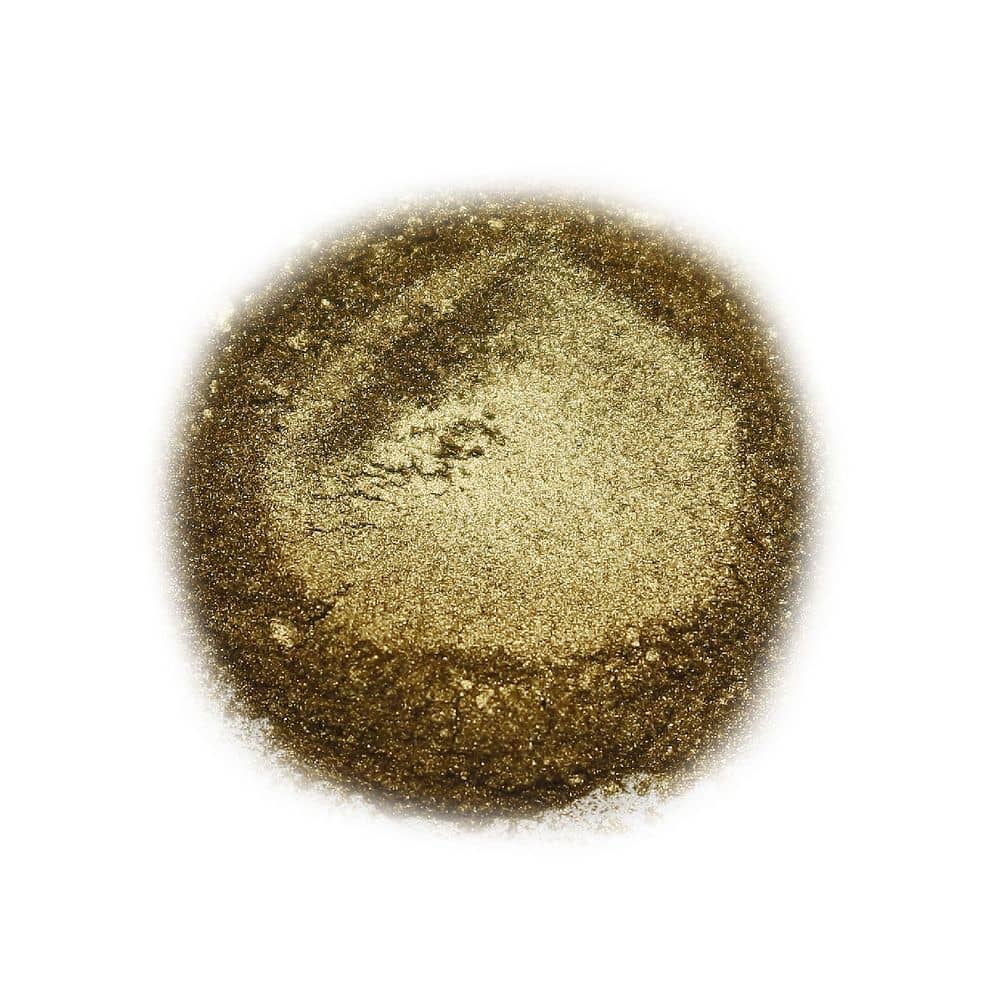
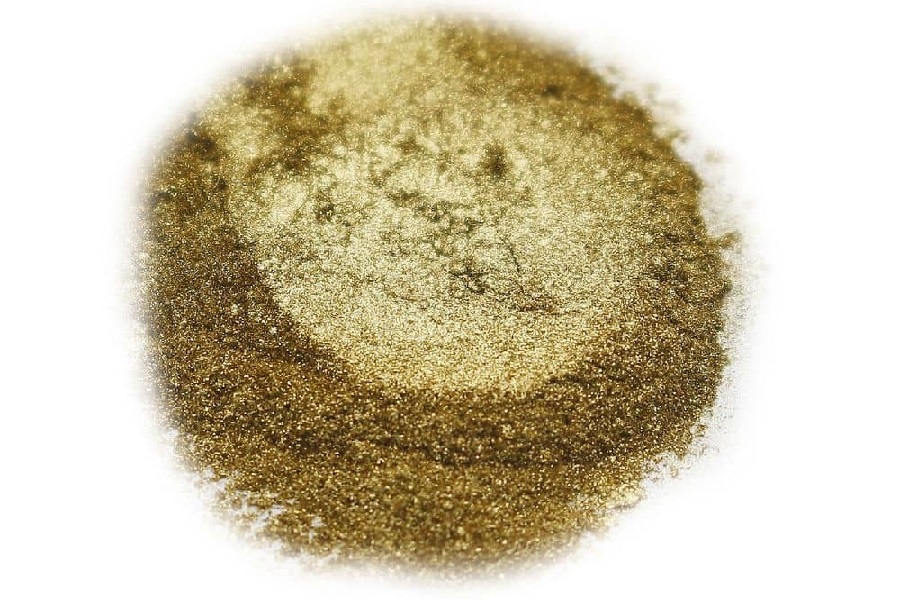
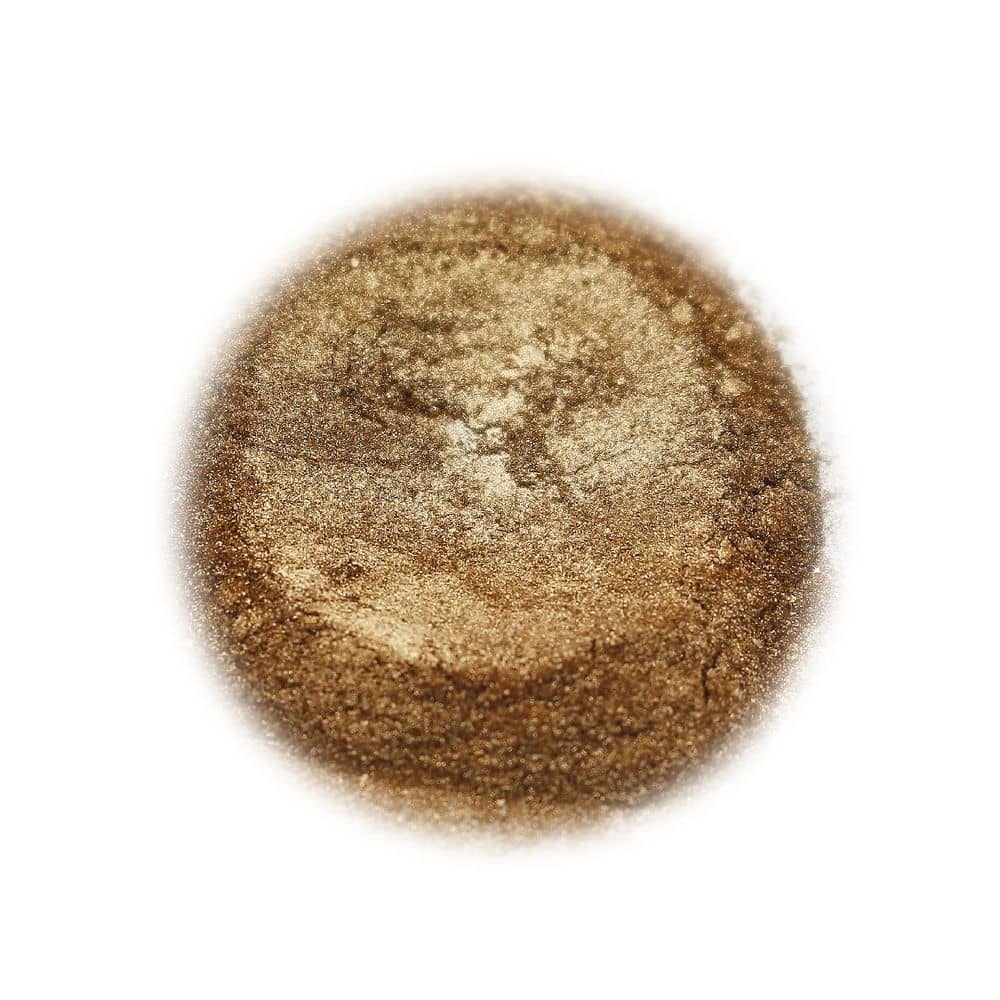
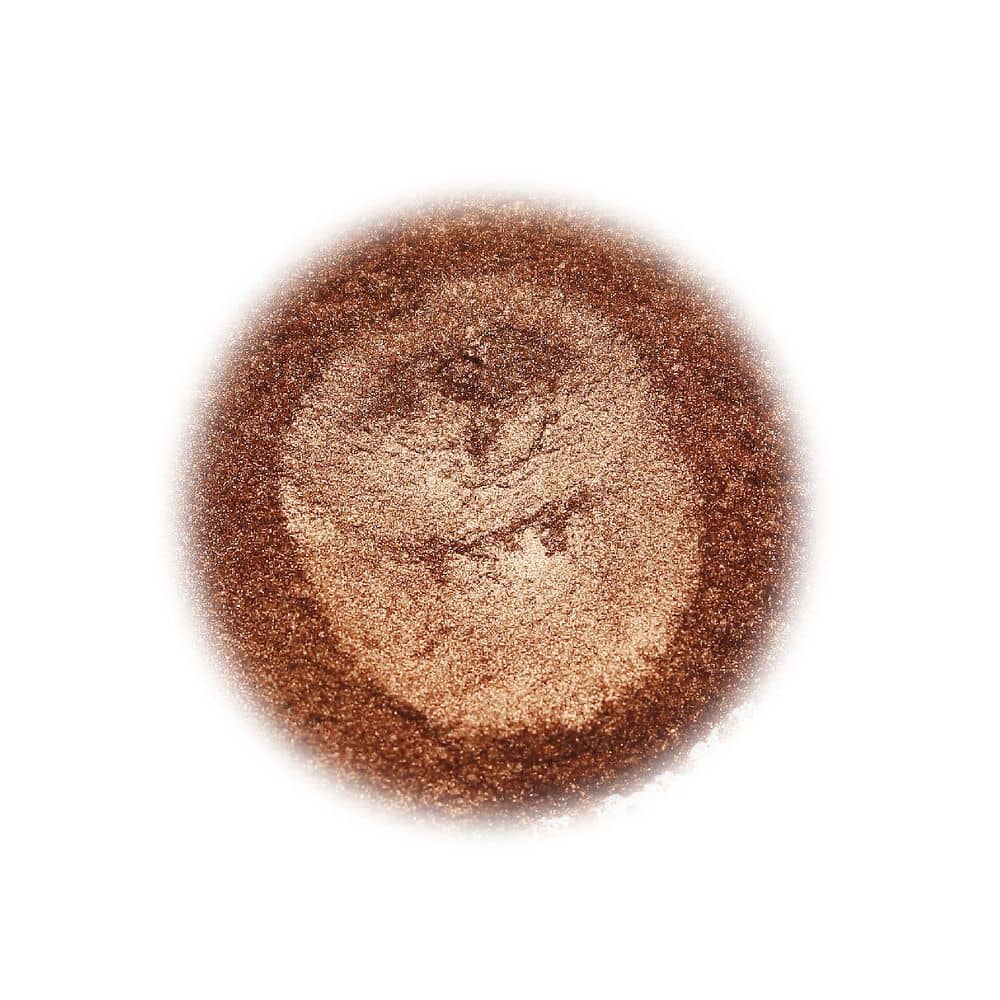
Gold Bronze Pigments are metallic pigments produced from copper-zinc alloy (brass) through mechanical milling and surface chemical treatment. The alloy composition and milling process determine the final color tone — from pale gold through rich bronze to reddish copper — and the surface treatment improves oxidation resistance compared to untreated brass powder. Available from 200 mesh to 1500 mesh, they are used in decorative paints, printing inks, plastics, and specialty coatings where a warm metallic gold appearance is required.
Item No. :
Gold Bronze Pigment SeriesColor Effect :
Bronze, Flavone, Pure copper, Red copper, Cyan Red Gold, Cyan Gold, Antique BronzeParticle Size :
200 mesh to 1500 mesh, multiple gradesComposition :
Copper / Zinc / Tin (alloy; composition varies by color grade)Brand :
Kolortek / OEMMOQ :
25KGApplication :
Decorative Paints, Printing Inks, Plastics, Powder Coatings, Leather, Craft, Stationery & PackagingGold bronze pigments belong to the metallic pigment category alongside aluminum paste and copper powder. The base material is a copper-zinc alloy — brass — with the zinc content adjusted to shift the color from reddish-copper (high copper, low zinc) toward pale gold (higher zinc). Tin is included as a minor alloying element in some grades, providing additional hardness and contributing to color stability. The alloy is mechanically milled into flat, leafing or non-leafing flakes, with the milling conditions controlling particle size, flake thickness, and the resulting color and luster characteristics.
The surface chemical treatment applied during or after milling serves two functions: it passivates the reactive copper surface to slow oxidation, and it controls whether the pigment is leafing (flakes float to the surface of the coating film, forming a continuous metallic layer) or non-leafing (flakes distribute throughout the film depth). Leafing grades produce a more mirror-like, high-opacity metallic surface; non-leafing grades produce a metallic effect with more depth and transparency. The choice between leafing and non-leafing is a formulation decision that affects both appearance and performance.
Unlike mica-based pearlescent pigments, gold bronze pigments are opaque and electrically conductive. They provide strong hiding power and a warm, saturated gold metallic appearance that mica-gold pearlescents — which achieve their gold color through iron oxide interference — do not replicate. However, the copper content means they are subject to oxidation in aggressive environments and should not be used in alkaline systems without confirming compatibility, as copper alloys are susceptible to alkaline corrosion.
Particle size in mesh refers to the sieve opening through which the powder passes: 200 mesh (approximately 75 µm opening) is a coarser grade suitable for screen printing and decorative coatings; 1500 mesh (approximately 10 µm opening) is a fine grade suitable for gravure inks, flexo, and applications requiring smooth film formation. Finer grades generally produce a smoother, more satin metallic finish; coarser grades produce more visible individual flake reflections and higher luster intensity.
Key Features & Benefits
| Feature | Practical Benefit for Buyers |
|---|---|
| Copper-zinc alloy base with surface treatment | Provides warm gold metallic luster that mica-based gold pearlescents do not replicate — opaque, high-coverage metallic appearance |
| Surface-treated for oxidation resistance | Improved shelf life and in-use stability compared to untreated brass powder; relevant for solvent-based and water-based formulation compatibility |
| Wide mesh range: 200–1500 mesh | Single supplier covers coarse decorative coating grades through fine gravure ink grades without source switching |
| Good hiding power (opacity) | Suitable for applications requiring full metallic coverage — single-coat opacity achievable at appropriate loading levels |
| Wear and abrasion resistance | Relevant for printed surfaces and coatings subject to handling, packaging, or mild mechanical contact |
Note: Copper-zinc alloys are electrically conductive. Not suitable for applications requiring electrical insulation. Confirm compatibility with alkaline formulation systems before use, as copper alloys can react with strongly alkaline media.
| Industry / End Use | Specific Applications | Recommended Grade |
|---|---|---|
| Decorative Paints & Coatings | Interior gold effect wall paint, furniture lacquer, decorative architectural coatings, picture frame finishes | 325–800 mesh for smooth coatings; 200–325 mesh for higher luster |
| Printing Inks | Gold gravure and flexo inks for packaging, labels, greeting cards, luxury print | 800–1500 mesh for gravure/flexo; 325–500 mesh for screen printing |
| Plastics & Masterbatch | Gold metallic injection-molded consumer goods, decorative packaging, toys | 800–1200 mesh; confirm thermal stability at processing temperature |
| Powder Coatings | Gold metallic powder coating for metal furniture, fixtures, decorative hardware | Specialized grades for powder coating systems; confirm compatibility |
| Leather & Textiles | Gold metallic leather finishing, fabric printing, embroidery and textile effects | 500–1000 mesh depending on application method |
| Cosmetics | Some grades used in nail products and cosmetics — confirm regulatory grade suitability for each target market before specifying | Fine grades only; cosmetic-grade certification required |
| Craft & DIY | Craft paint, gilding, model making, resin art, decorative finishes | 200–600 mesh depending on desired finish |
| Industrial Coatings | Anti-corrosion primers incorporating bronze (limited use — confirm compatibility with substrate and environment) | — |
| Stationery & Packaging | Gold hot stamping foil pigment, specialty paper coating, gift wrapping | Fine grades 800–1500 mesh |
Mesh-to-micron conversion is approximate and varies by measurement standard. Contact us for particle size distribution data by grade.
Gold metallic effects in coatings and inks can be achieved through two fundamentally different material types: mica-based gold pearlescents (iron oxide coated mica) and copper-zinc alloy bronze powders. Each serves a different visual and performance requirement, and specifying the wrong type for the application is a common and costly formulation mistake. Mica-gold pearlescents produce a semi-transparent, pearl-depth gold with angle-dependent shimmer. Bronze powders produce an opaque, high-coverage warm metallic gold with a continuous surface appearance. For applications where the design intent is a solid, opaque gold — high-end packaging print, decorative furniture lacquer, traditional gilding effects — bronze powder is the technically correct choice, and mica-based alternatives will not achieve the same coverage or color saturation regardless of loading level.
A secondary challenge is oxidation stability: untreated copper-zinc powder darkens and loses luster on exposure to air and moisture, which limits shelf life and in-use stability in water-based formulations. Surface treatment quality is therefore a meaningful differentiator between suppliers, but it is rarely quantified by manufacturers without buyer inquiry.
Kolortek's Gold Bronze Pigment series uses copper-zinc alloy with surface chemical treatment specifically to address the oxidation stability issue — the treatment passivates the reactive copper surface to slow tarnishing and extend usable formulation life. The series covers the full mesh range from 200 to 1500 mesh, allowing buyers to source coarse decorative grades and fine ink grades from a single supplier with consistent alloy chemistry. Both leafing and non-leafing grades are available, so formulators can select the film-formation behavior appropriate for their coating system without sourcing from a secondary supplier. With 20 years of effect pigment manufacturing experience, Kolortek maintains consistent alloy composition and surface treatment quality across production batches — the two variables that most directly affect color tone consistency and oxidation resistance in bronze pigment applications.
Samples by color tone and mesh grade, leafing/non-leafing grade options, TDS and SDS, and pricing are available upon inquiry. Contact Kolortek's technical team with your formulation system type, target color, and mesh requirement for grade-specific recommendations.
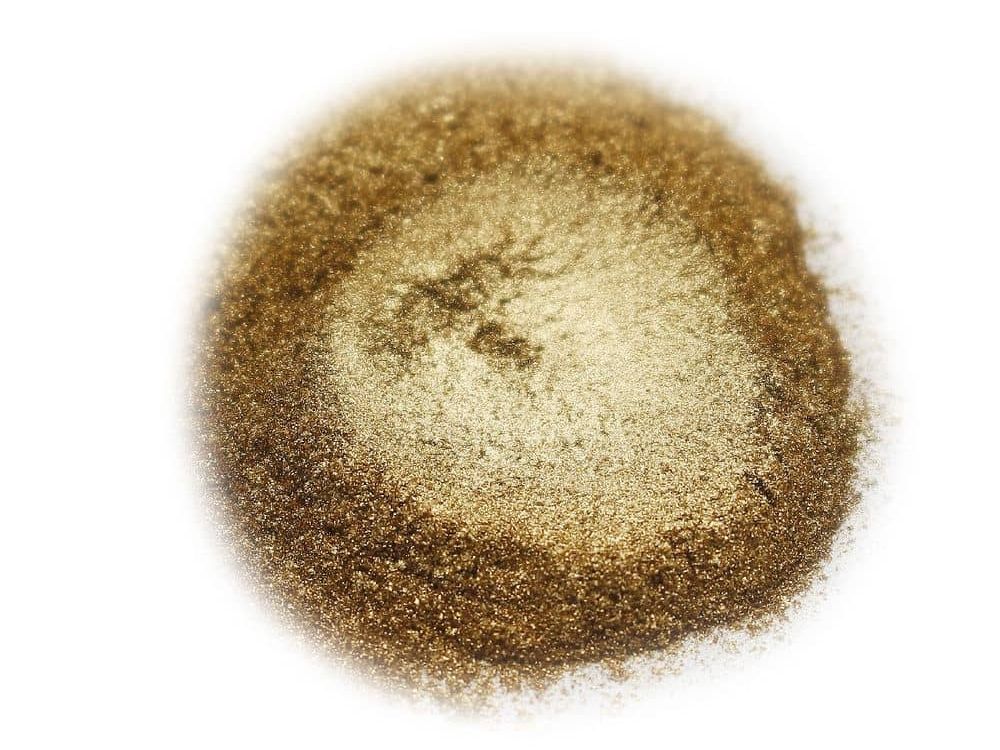
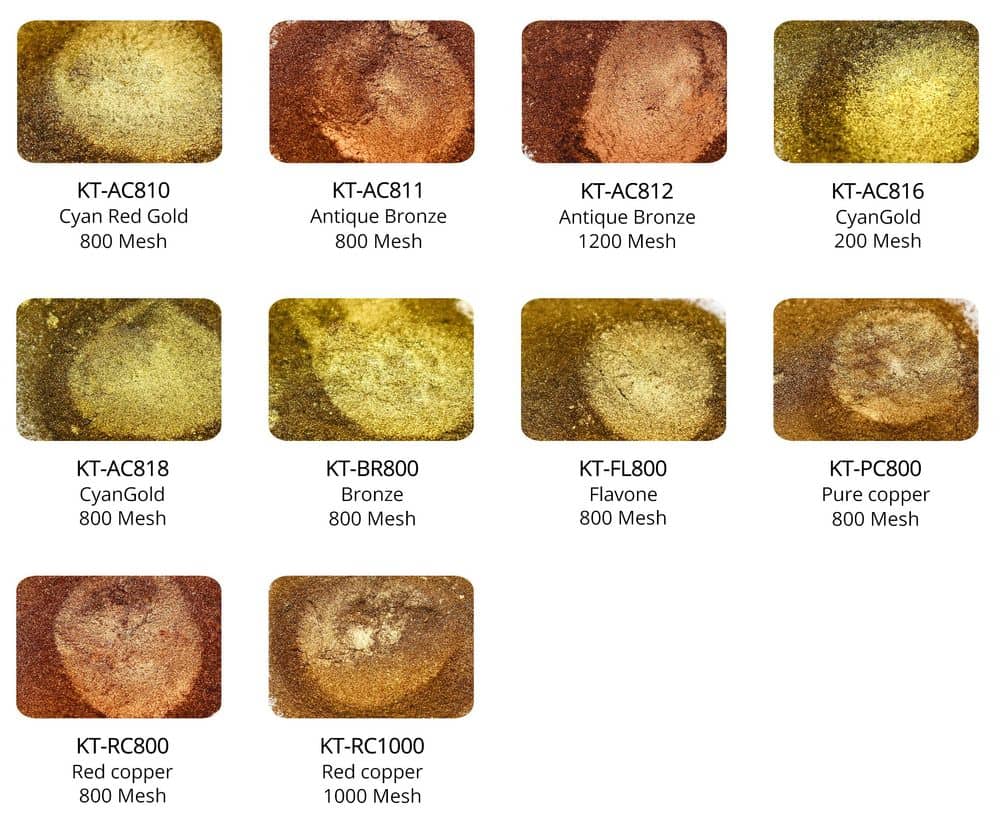
KT-AC810 is an 800-mesh cyan red gold bronze powder delivering smooth, uniform metallic coverage at 3–8% loading. From our experience in decorative coatings and printing inks, this fine-particle copper-zinc alloy provides opaque, true-metal reflection — ideal for packaging, gift wrap, and high-end craft applications where you need consistent gold bronze powder bulk performance without visible flake texture.
Read More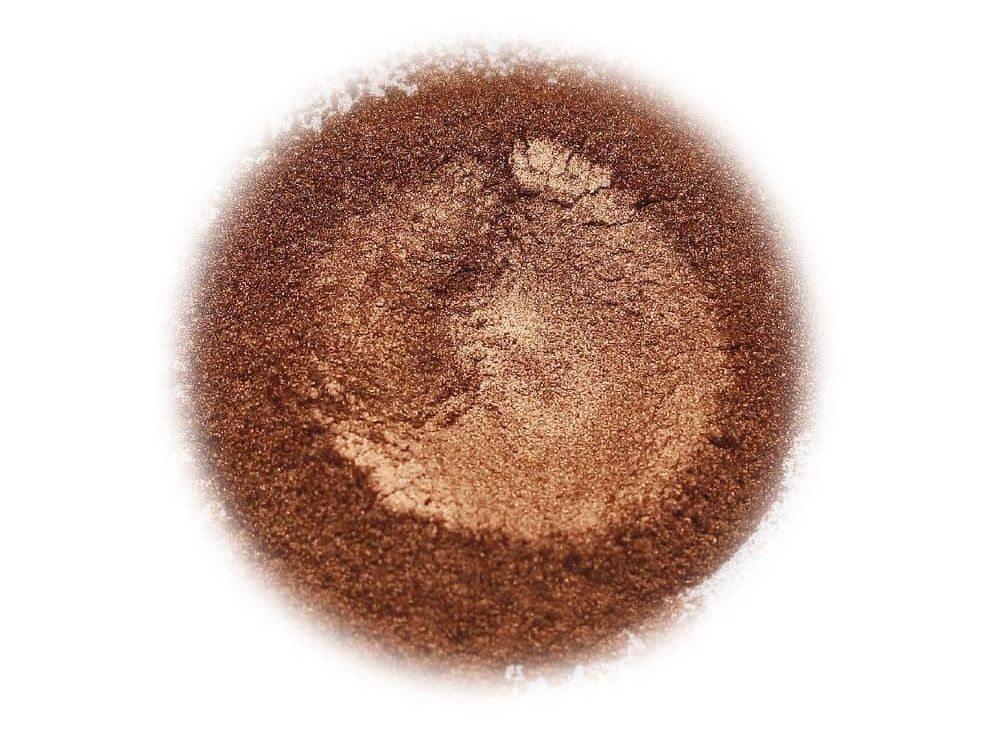
AC811 antique bronze metallic powder delivers genuine copper-zinc alloy metallic reflection at 800 mesh fineness — a smooth, uniform bronze finish you can't replicate with interference pigments. At Kolortek, we position this grade for printing inks, decorative coatings, and plastics where a true metallic surface is required. Typical loading is 3–8%, fully opaque, with excellent hiding power and thermal stability for high-temperature processing.
Read More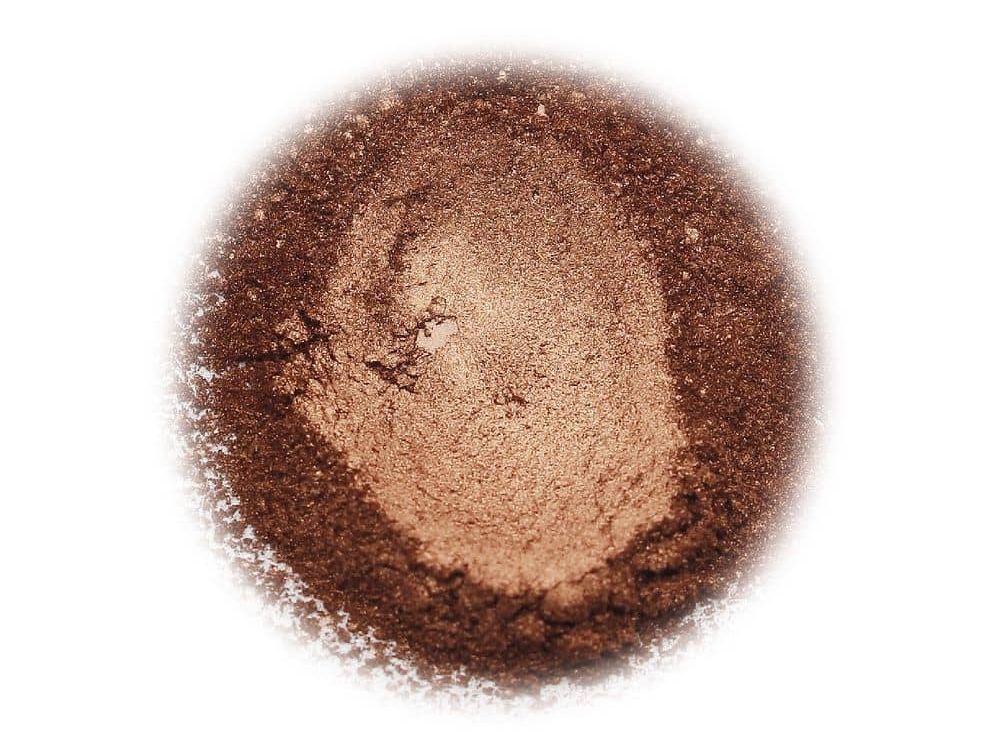
AC812 Antique Bronze is a 1200-mesh extra-fine metallic pigment from Kolortek's Gold Bronze Powder Series, delivering a silky-smooth antique bronze finish with exceptional opacity at 3–8% loading. We designed this copper-zinc alloy powder for high-quality printing applications and fine decorative coatings where a genuine metallic effect—not a pearlescent imitation—is required.
Read More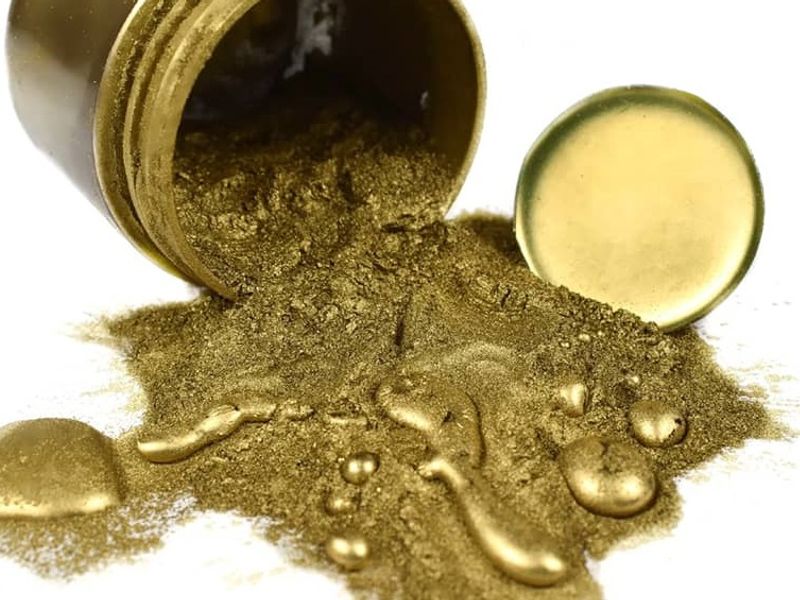
KT-AC816 is a cyan gold bronze powder manufactured by Kolortek from copper-zinc alloy, available at 200 mesh — a coarser grade that delivers maximum metallic sparkle and strong visual presence on the substrate. As a gold bronze powder manufacturer with over two decades of production experience, we supply this grade into decorative coatings, printing inks, plastics masterbatch, and craft applications where a bold, fully opaque gold-bronze effect is the primary requirement. Typical loading runs 3–8% for complete opacity.
Read More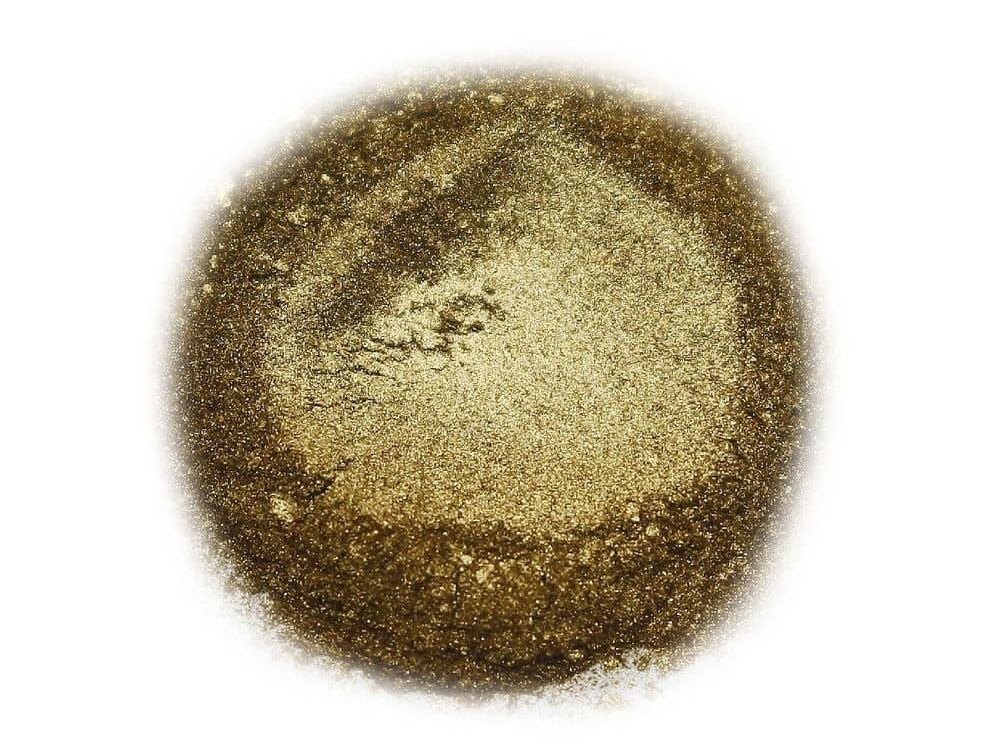
KT-AC818 Cyan Gold bronze powder is a fine-mesh metallic pigment designed for decorative coatings and plastics applications where a smooth, opaque gold finish with a cyan undertone is required. At 800 mesh particle size, this copper-zinc alloy powder delivers full hiding power at 3–8% loading and integrates into water-based systems when properly formulated, making it a practical choice for wholesale buyers sourcing plastics bronze powder or coating bronze powder in bulk.
Read More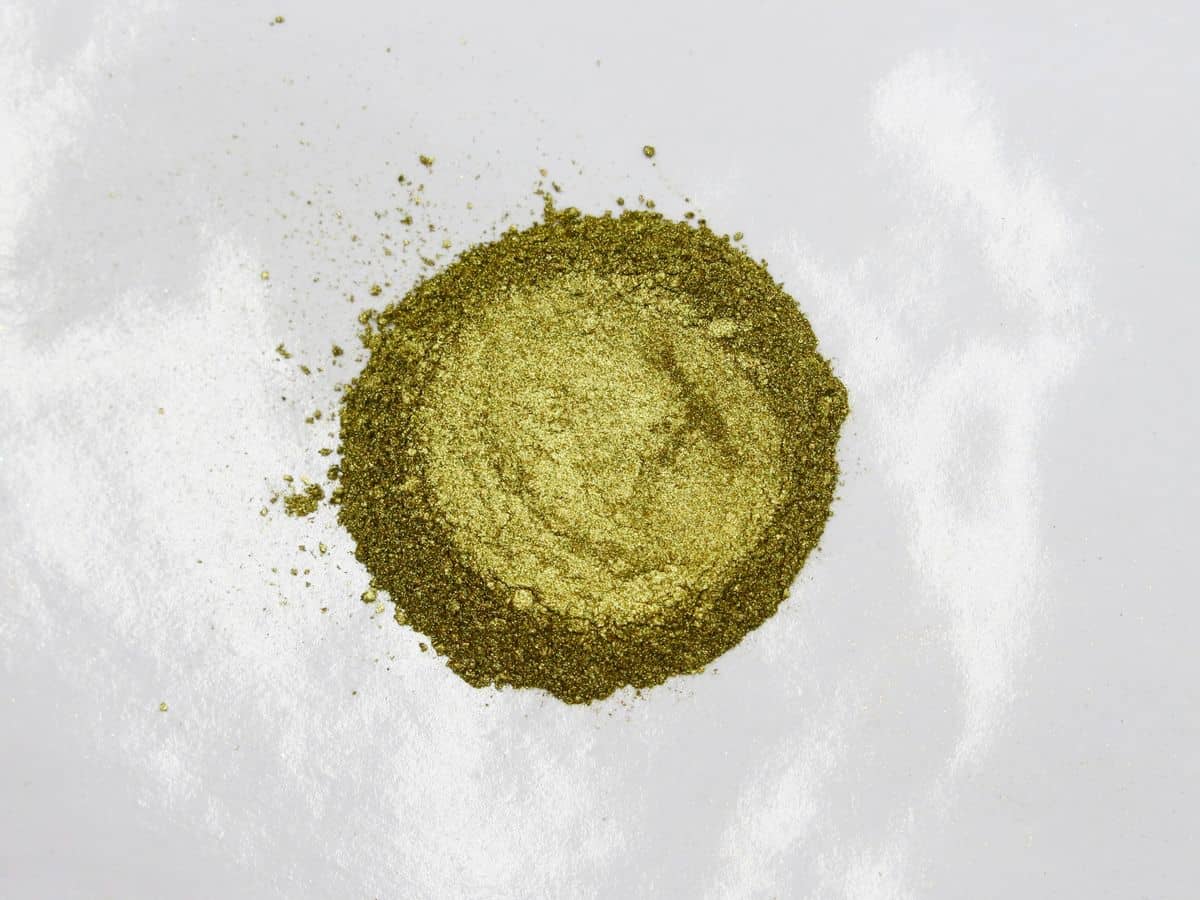
For printing ink formulators who need a consistent, high-coverage metallic finish, our AC1000GX at 1000 mesh delivers a smooth cyan-gold metallic effect with excellent hiding power at loadings of 3–8%. As wholesale gold bronze powder sourced direct from our manufacturing facility, it is classified in our fine-grade range (800–1000 mesh), where individual flakes are no longer visible and the resulting print surface reads as a uniform, continuous metal tone — the grade we see specified most often for packaging, labels, and decorative print applications.
Read More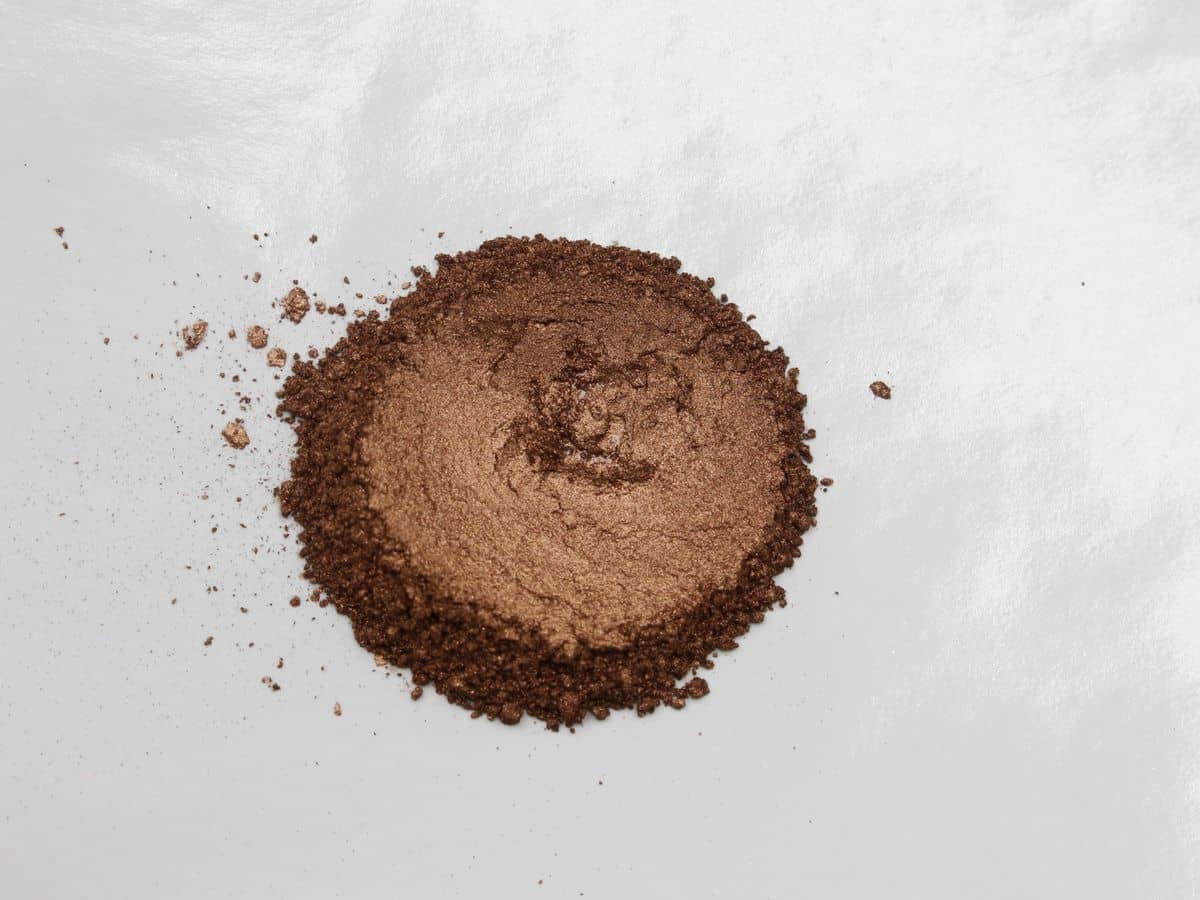
For printing ink formulators sourcing bulk antique bronze powder in extra-fine grades, the KT-AC1200BX delivers a genuine copper-zinc alloy metallic effect at 1200 mesh — classifying it as extra fine within our BX Series. At typical loadings of 3–8%, it achieves full opacity with a silky, smooth metallic finish well-suited to high-quality offset and gravure printing. The flake-based construction produces true metallic reflection, not a pearl or interference effect.
Read More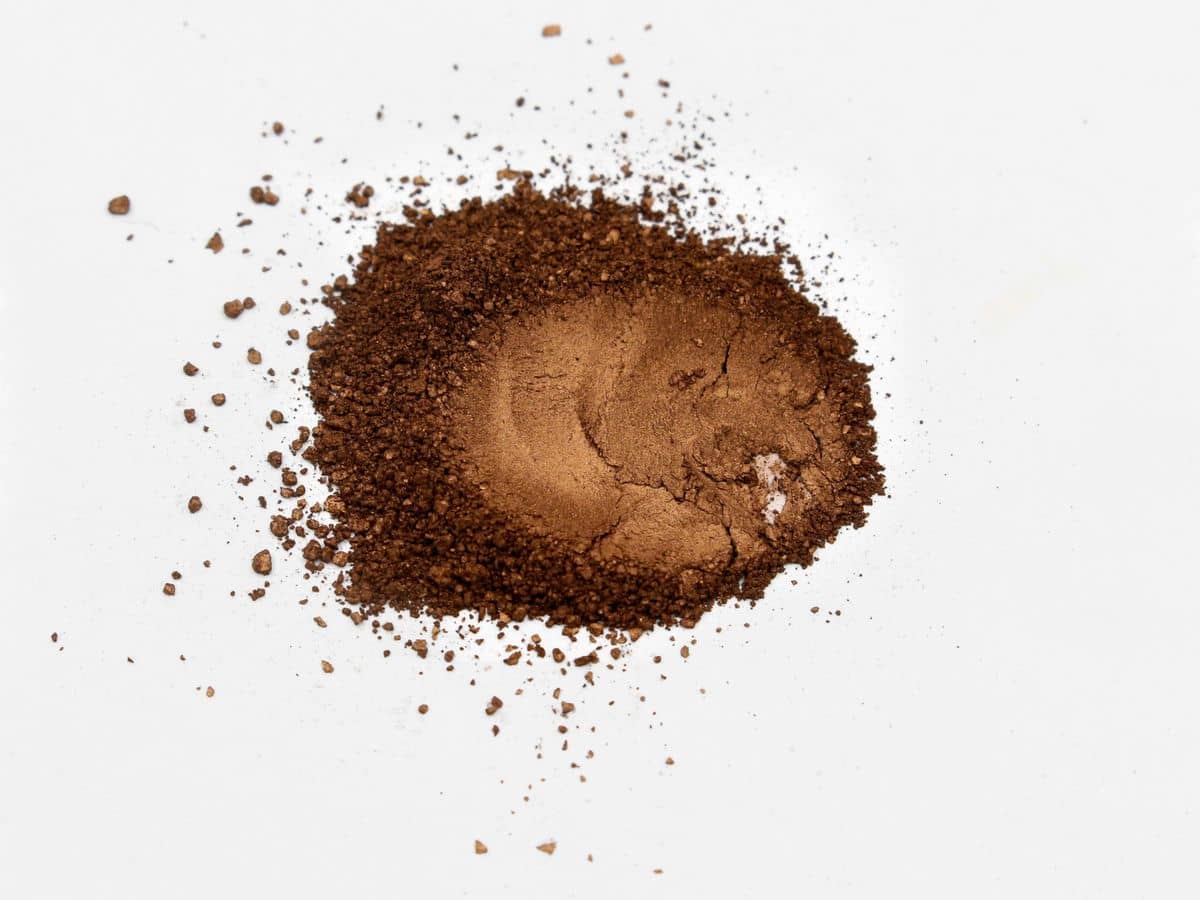
AC1500RX (KT-AC1500RX) is Kolortek's 1500-mesh extra-fine red copper gold bronze powder — a copper-zinc alloy metallic pigment delivering a true, opaque metallic finish in decorative coatings, printing inks, and plastics. As a dedicated red copper powder supplier, we produce this grade specifically for applications where a warm, rich copper tone and smooth, fine-particle surface are required. At 3–8% loading, it achieves full opacity with genuine metallic luster, not the soft sheen of mica-based interference pigments.
Read More
 English
 Français
 Deutsch
 Русский
 Español
 Português