
Leave A Message
If you are interested in our products and want to know more details,please leave a message here,we will reply you as soon as we can.
KT-BR800 Bronze Gold Bronze Pigment — Copper Zinc Alloy, 800 Mesh
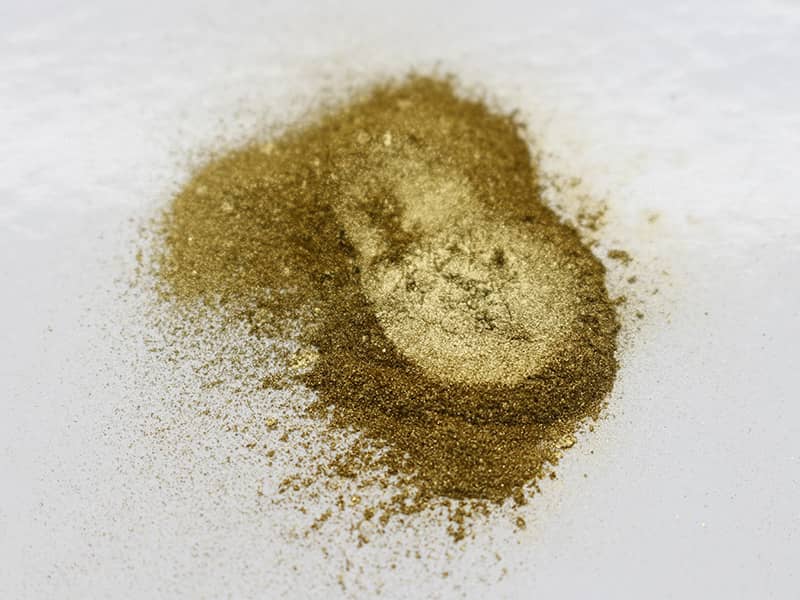
KT-BR800 is a fine bronze pigment derived from copper-zinc alloy, delivering a strong, warm golden metallic luster suited to demanding decorative and industrial coating applications. Processed to 800 mesh for smooth dispersion and good surface coverage, it performs reliably in paints, inks, and powder coatings where consistent finish quality is critical. Formulators working with gold bronze powder will find it well-matched to both solvent-based and UV systems.
Item No. :
KT-BR800Color Effect :
BronzeParticle Size :
800 meshBrand :
Kolortek / OEMMOQ :
25KGApplication :
Decorative Paints, Printing Inks, Plastics, Powder Coatings, Leather, Craft, Stationery & PackagingKT-BR800 is a mechanically processed copper-zinc alloy flake pigment, surface-treated to improve oxidation resistance and long-term stability. The 800 mesh particle size positions it in the mid-fine range — fine enough for smooth film formation in inks and spray coatings, but with sufficient particle surface area to produce a visible, reflective metallic effect.
Unlike pearlescent or mica-based alternatives, this is a true metallic pigment powder — opaque, highly reflective, and capable of producing a dense, gold-toned finish without requiring high loading levels. The copper-zinc alloy base gives it the characteristic warm bronze-gold hue, distinguishable from aluminum-based gold substitutes by its richer, more saturated color tone.
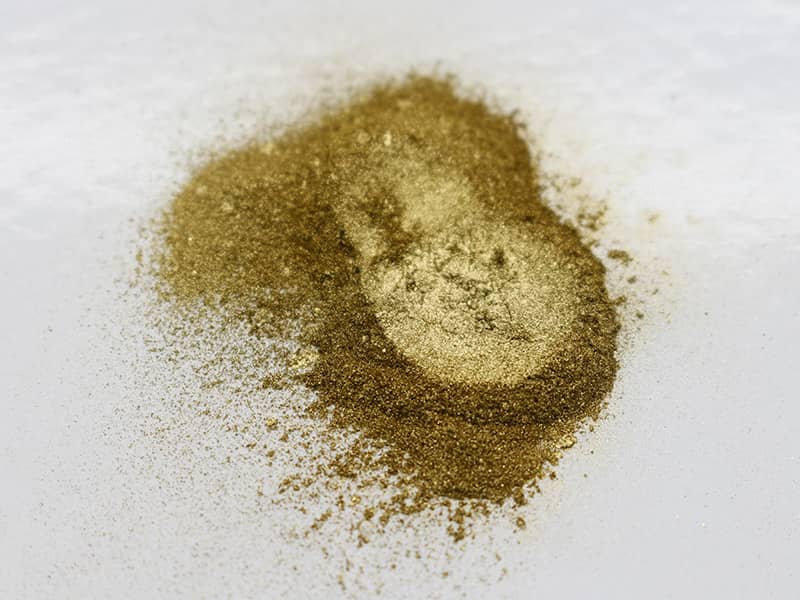
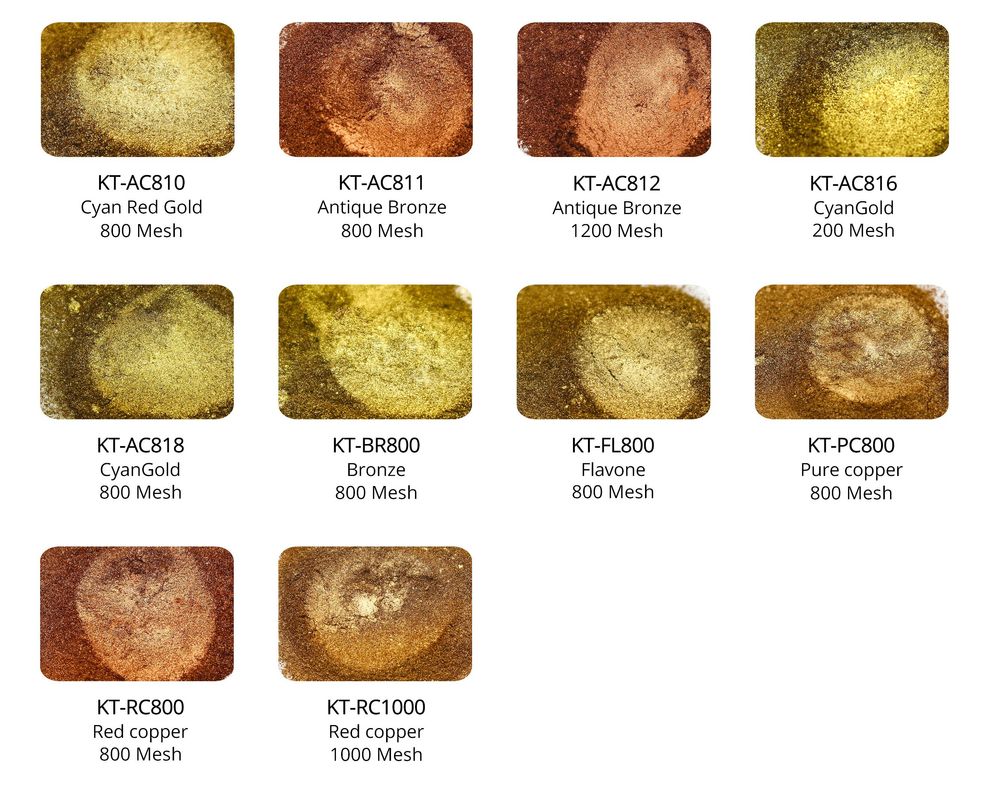
KT-BR800 is part of a broader bronze and gold-tone metallic pigment line. The full series covers multiple hue variants and mesh grades, giving formulators flexibility across applications that require different visual effects or surface finishes.
| Model | Color / Hue | Mesh |
|---|---|---|
| KT-BR800 | Bronze (warm gold) | 800 |
| KT-FL800 | Flavone (yellow-gold) | 800 |
| KT-PC800 | Pure Copper | 800 |
| KT-RC800 | Red Copper | 800 |
| KT-RC1000 | Red Copper | 1000 |
| KT-AC810 | Cyan Red Gold | 800 |
| KT-AC811 | Antique Bronze | 800 |
| KT-AC812 | Antique Bronze | 1200 |
| KT-AC816 | Cyan Gold | 200 |
| KT-AC818 | Cyan Gold | 800 |
| KT-AC220RX – KT-AC1500RX | Red Copper (RX series) | 220 – 1500 |
| KT-AC220CX – KT-AC1500CX | Cyan Red Gold (CX series) | 220 – 1500 |
| KT-AC220GX – KT-AC1500GX | Cyan Gold (GX series) | 220 – 1500 |
| KT-AC800BX / KT-AC1200BX | Antique Bronze (BX series) | 800 / 1200 |
Particle size range across the full line runs from 200 to 1500 mesh. Coarser grades (200–400 mesh) are typically used in applications where visible sparkle is acceptable; finer grades (800–1500 mesh) suit smooth film systems and fine-detail printing.
Worth noting: oxidation resistance is relative. Copper-zinc alloys are inherently more reactive than aluminum. The surface treatment on KT-BR800 improves stability, but exposure to highly acidic environments or prolonged humidity will still accelerate oxidation over time. System design — including binder selection and topcoat — plays a significant role in long-term appearance retention.
KT-BR800 is used across a range of decorative and industrial contexts where a warm, gold metallic finish is required:
In practice, copper-zinc alloy pigments require more care during formulation than aluminum-based metallics. The reactivity of the alloy means compatibility testing with binder systems is essential — particularly in waterborne formulations, where hydrogen gas generation is a known risk without appropriate passivation or binder selection.
For solvent-based systems, KT-BR800 disperses well in standard resins with gentle mixing. High-shear dispersion is generally not recommended — it can deform the flake geometry and reduce luster. A low-shear, post-add approach is preferred.
In powder coating applications, dry blending (bonding) rather than melt-mixing is the correct method. The metallic pigment powder should not go through the extruder, as heat and shear will damage the flake structure and cause significant luster loss.
Loading levels typically range from 5% to 20% depending on the target opacity and luster intensity. Coverage improves at higher loadings, but excessive levels can reduce film flexibility and adhesion — especially in thin-film ink systems.
Q: Is KT-BR800 suitable for waterborne coating systems?
Copper-zinc alloys can react with water to generate hydrogen gas, which creates safety and formulation stability concerns. KT-BR800 is primarily suited to solvent-based and UV-curable systems. If waterborne application is required, contact contact@kolortek.com to discuss passivated or stabilized variants appropriate for aqueous environments.
Q: How does 800 mesh compare to coarser grades in terms of appearance?
800 mesh produces a finer, smoother metallic finish with less visible sparkle than 200–400 mesh grades. It is better suited to applications where surface smoothness and print definition matter more than coarse metallic glint — such as gravure inks or fine decorative coatings.
Q: What is the difference between KT-BR800 and the KT-AC antique bronze grades?
KT-BR800 delivers a clean, bright bronze-gold tone. The KT-AC antique bronze grades (e.g., KT-AC811, KT-AC800BX) have a more muted, aged appearance with cooler or darker undertones — intended for applications where a weathered or vintage metallic aesthetic is specified.
Q: Can KT-BR800 be used in plastic compounding?
It can be introduced via masterbatch at low shear conditions. Direct extrusion compounding is not recommended due to heat and mechanical shear degrading flake geometry. A surface coating masterbatch approach or dry blending prior to molding is preferred to preserve luster performance.
For technical data sheets, MSDS, COA, or sample requests, contact contact@kolortek.com. Custom particle size grades and OEM packaging are available on request.
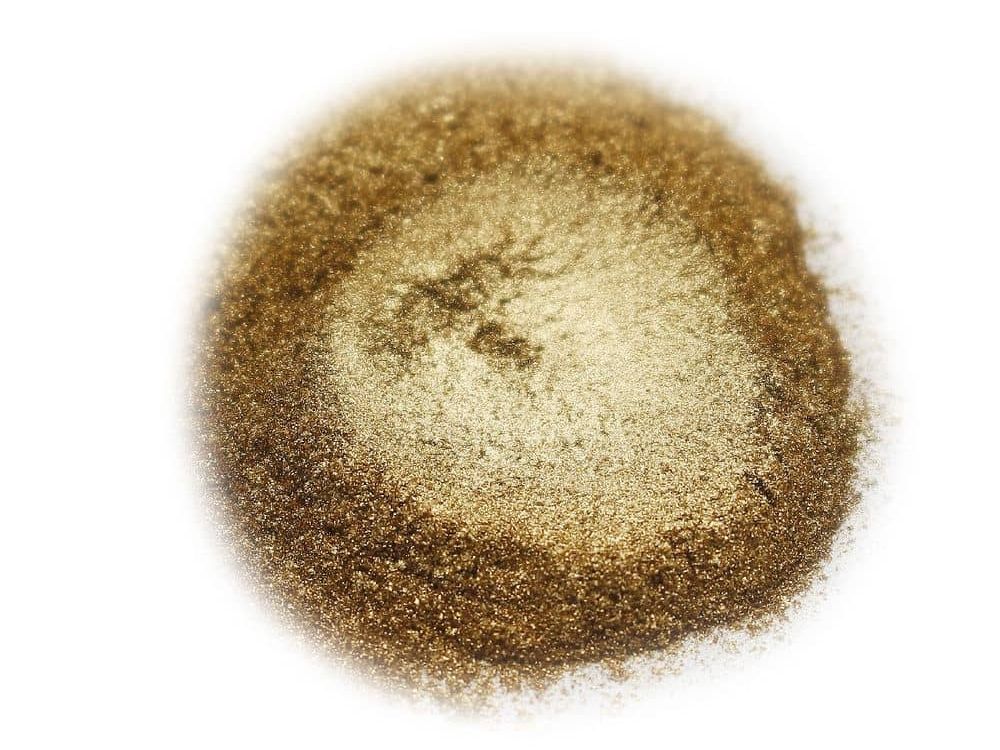
KT-AC810 is an 800-mesh cyan red gold bronze powder delivering smooth, uniform metallic coverage at 3–8% loading. From our experience in decorative coatings and printing inks, this fine-particle copper-zinc alloy provides opaque, true-metal reflection — ideal for packaging, gift wrap, and high-end craft applications where you need consistent gold bronze powder bulk performance without visible flake texture.
Read More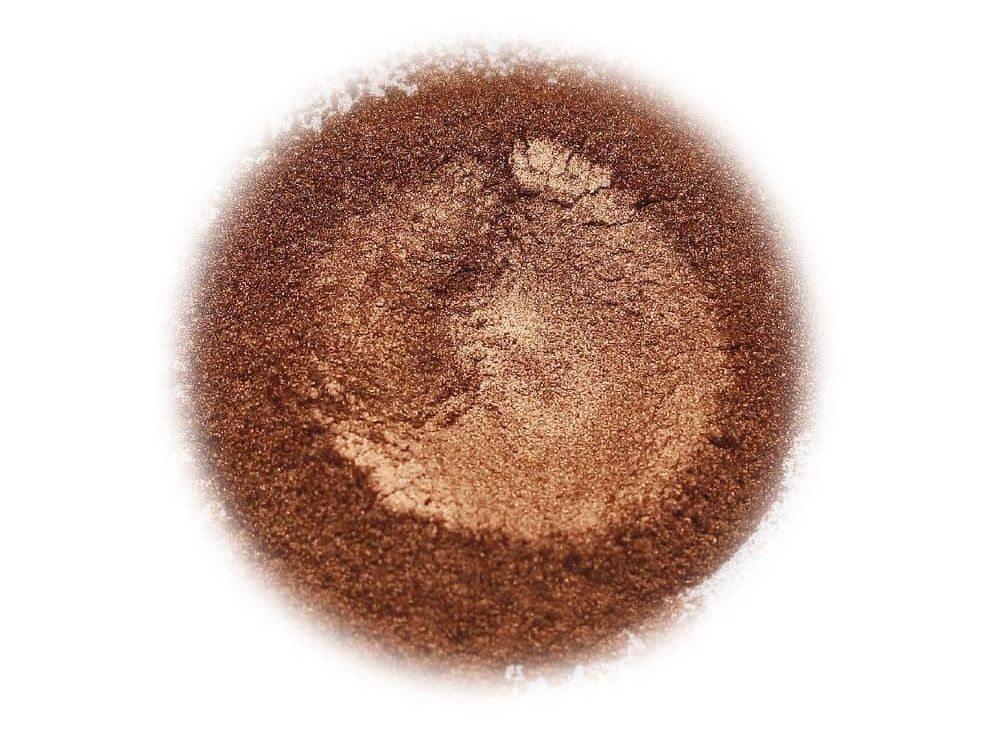
AC811 antique bronze metallic powder delivers genuine copper-zinc alloy metallic reflection at 800 mesh fineness — a smooth, uniform bronze finish you can't replicate with interference pigments. At Kolortek, we position this grade for printing inks, decorative coatings, and plastics where a true metallic surface is required. Typical loading is 3–8%, fully opaque, with excellent hiding power and thermal stability for high-temperature processing.
Read More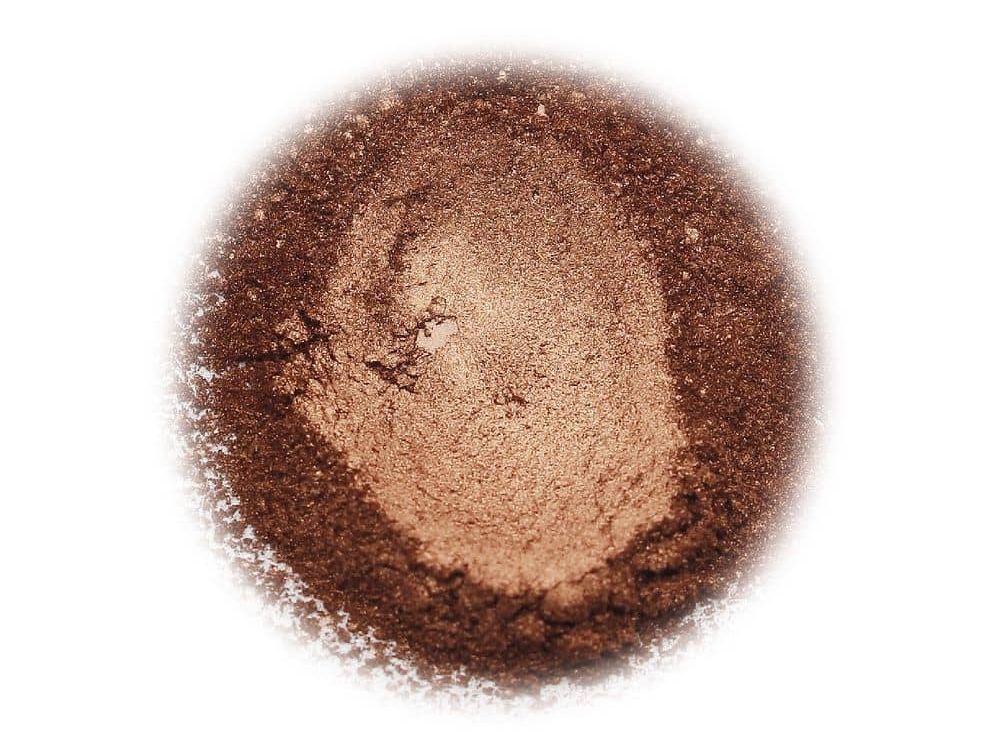
AC812 Antique Bronze is a 1200-mesh extra-fine metallic pigment from Kolortek's Gold Bronze Powder Series, delivering a silky-smooth antique bronze finish with exceptional opacity at 3–8% loading. We designed this copper-zinc alloy powder for high-quality printing applications and fine decorative coatings where a genuine metallic effect—not a pearlescent imitation—is required.
Read More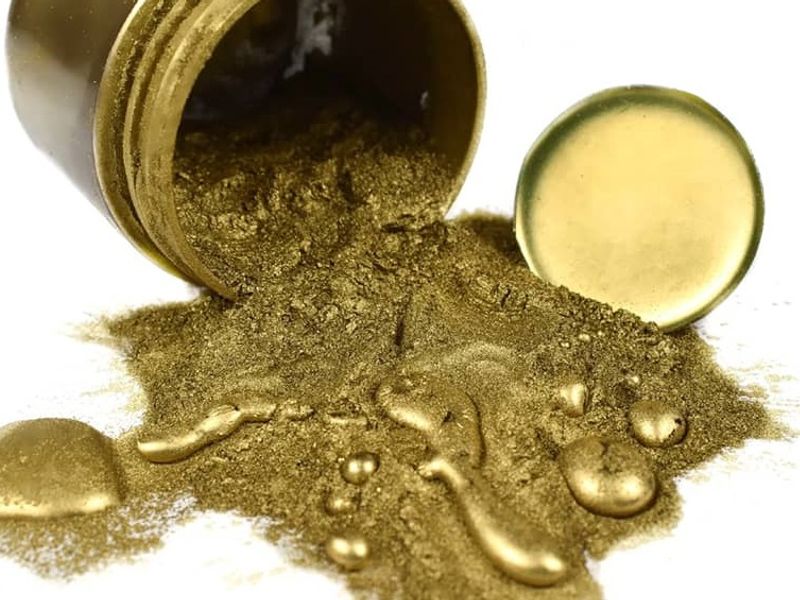
KT-AC816 is a cyan gold bronze powder manufactured by Kolortek from copper-zinc alloy, available at 200 mesh — a coarser grade that delivers maximum metallic sparkle and strong visual presence on the substrate. As a gold bronze powder manufacturer with over two decades of production experience, we supply this grade into decorative coatings, printing inks, plastics masterbatch, and craft applications where a bold, fully opaque gold-bronze effect is the primary requirement. Typical loading runs 3–8% for complete opacity.
Read More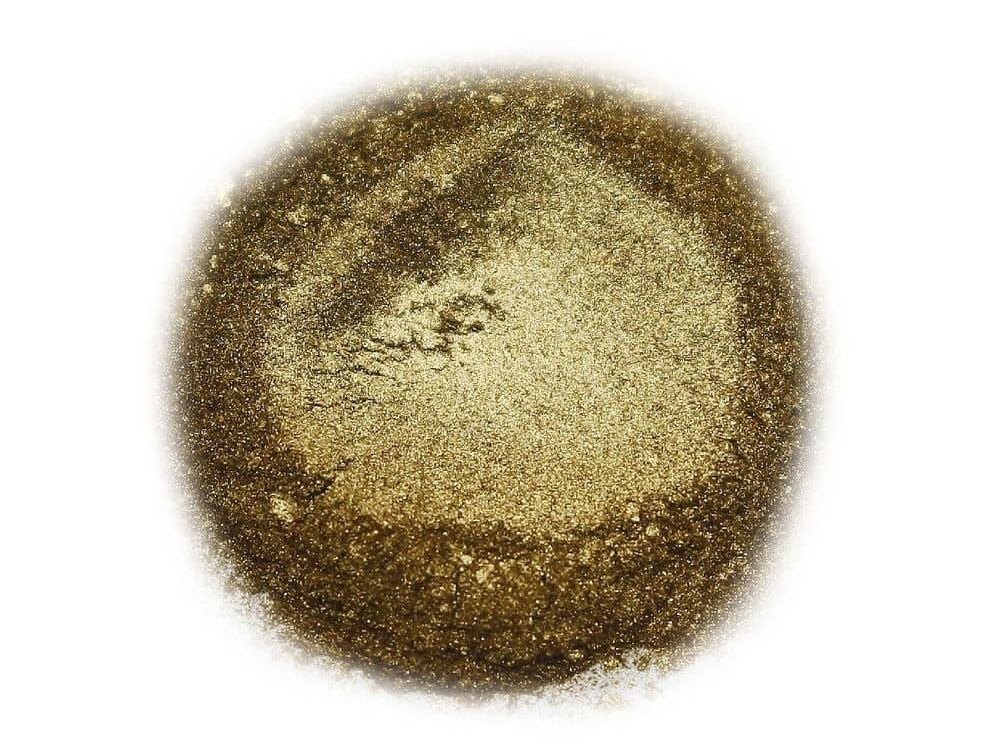
KT-AC818 Cyan Gold bronze powder is a fine-mesh metallic pigment designed for decorative coatings and plastics applications where a smooth, opaque gold finish with a cyan undertone is required. At 800 mesh particle size, this copper-zinc alloy powder delivers full hiding power at 3–8% loading and integrates into water-based systems when properly formulated, making it a practical choice for wholesale buyers sourcing plastics bronze powder or coating bronze powder in bulk.
Read More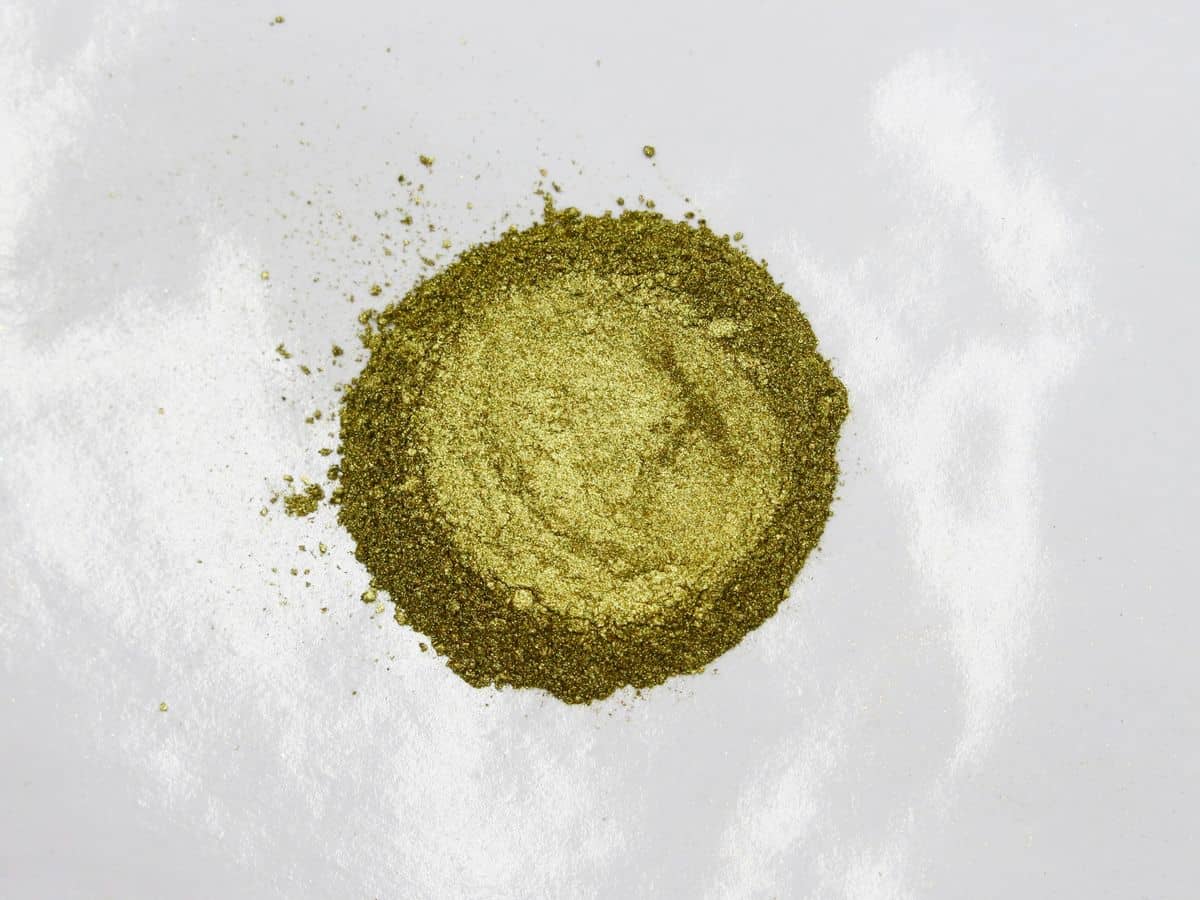
For printing ink formulators who need a consistent, high-coverage metallic finish, our AC1000GX at 1000 mesh delivers a smooth cyan-gold metallic effect with excellent hiding power at loadings of 3–8%. As wholesale gold bronze powder sourced direct from our manufacturing facility, it is classified in our fine-grade range (800–1000 mesh), where individual flakes are no longer visible and the resulting print surface reads as a uniform, continuous metal tone — the grade we see specified most often for packaging, labels, and decorative print applications.
Read More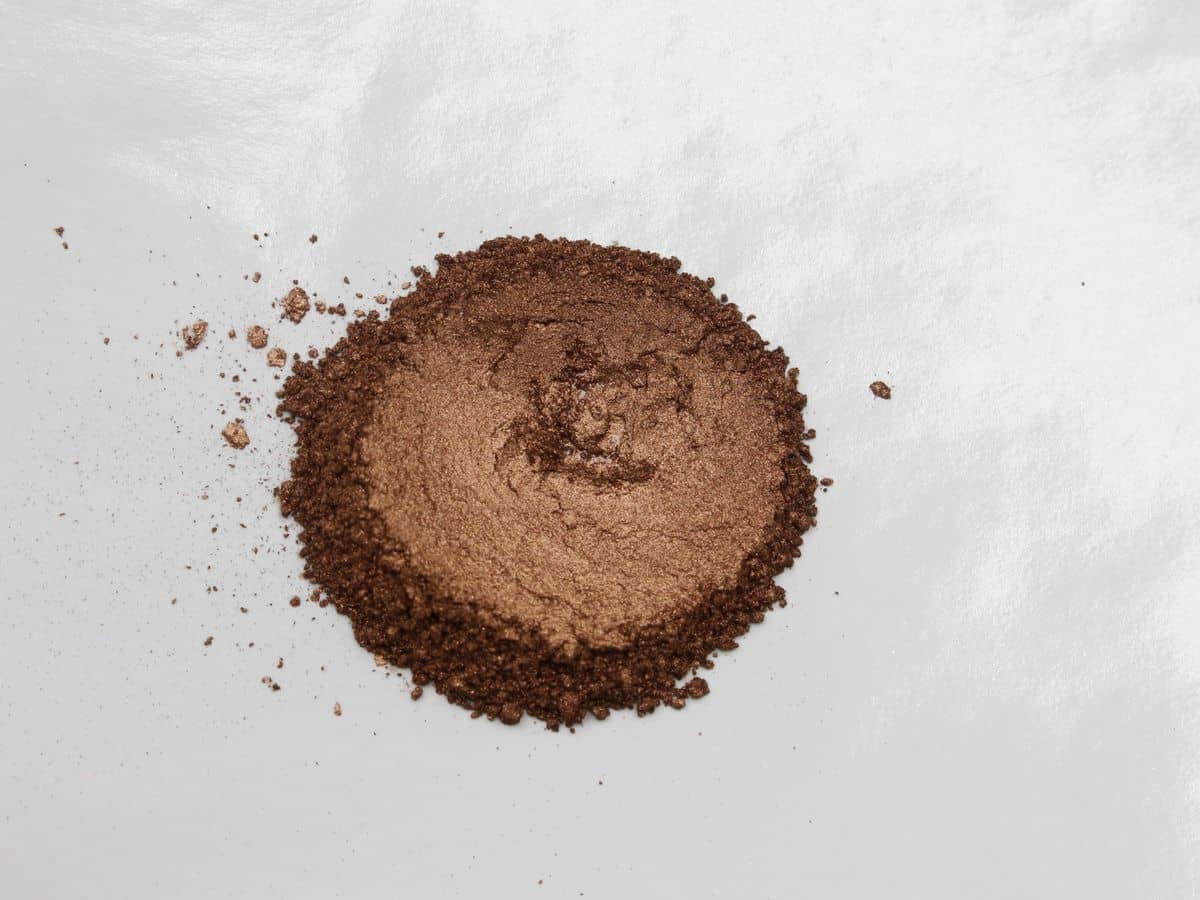
For printing ink formulators sourcing bulk antique bronze powder in extra-fine grades, the KT-AC1200BX delivers a genuine copper-zinc alloy metallic effect at 1200 mesh — classifying it as extra fine within our BX Series. At typical loadings of 3–8%, it achieves full opacity with a silky, smooth metallic finish well-suited to high-quality offset and gravure printing. The flake-based construction produces true metallic reflection, not a pearl or interference effect.
Read More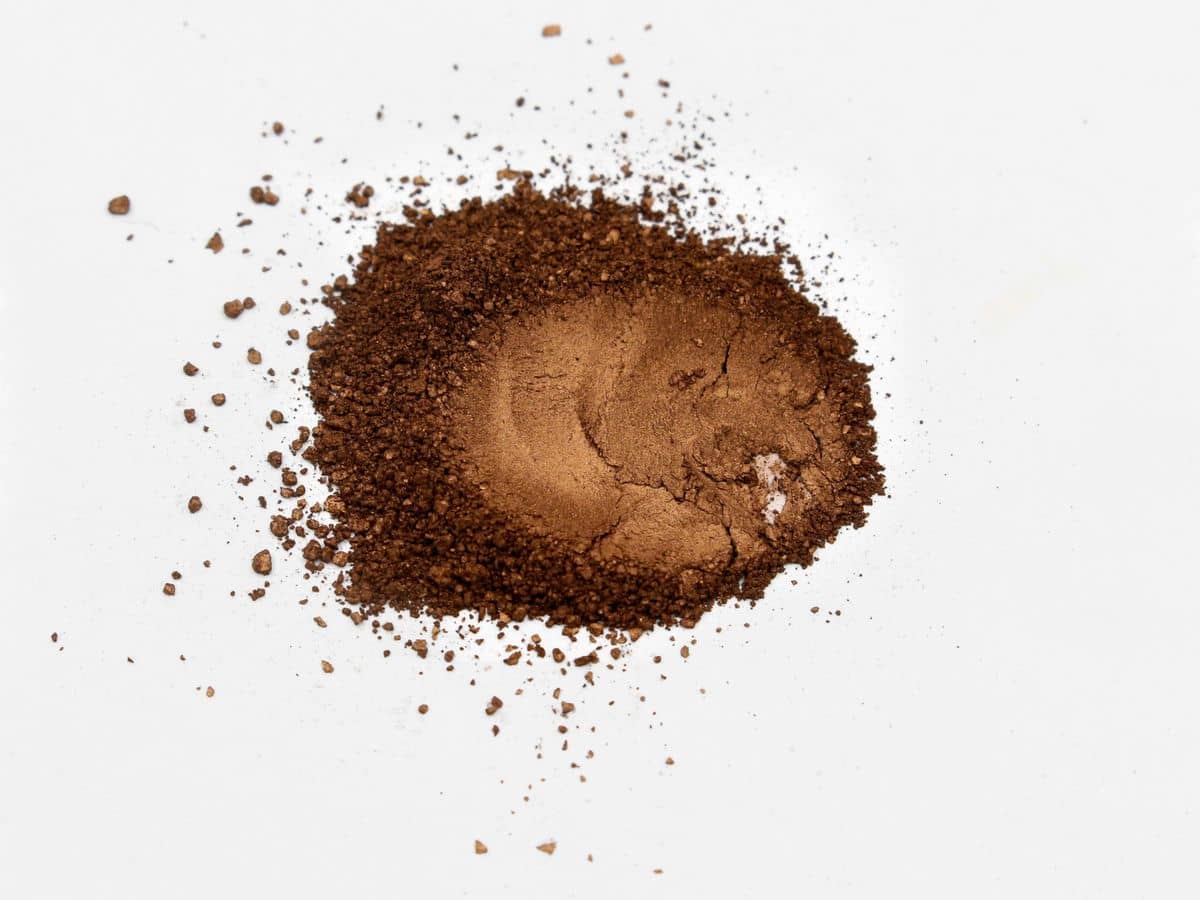
AC1500RX (KT-AC1500RX) is Kolortek's 1500-mesh extra-fine red copper gold bronze powder — a copper-zinc alloy metallic pigment delivering a true, opaque metallic finish in decorative coatings, printing inks, and plastics. As a dedicated red copper powder supplier, we produce this grade specifically for applications where a warm, rich copper tone and smooth, fine-particle surface are required. At 3–8% loading, it achieves full opacity with genuine metallic luster, not the soft sheen of mica-based interference pigments.
Read More
 English
 Français
 Deutsch
 Русский
 Español
 Português