
Leave A Message
If you are interested in our products and want to know more details,please leave a message here,we will reply you as soon as we can.
KT-88540 Sparkle Bright Bronze Borosilicate Iron Oxide Pearl Pigment
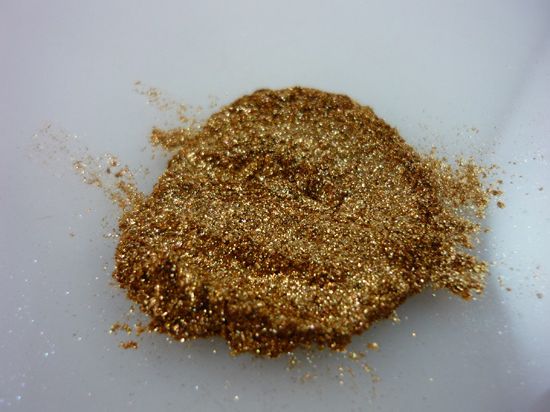
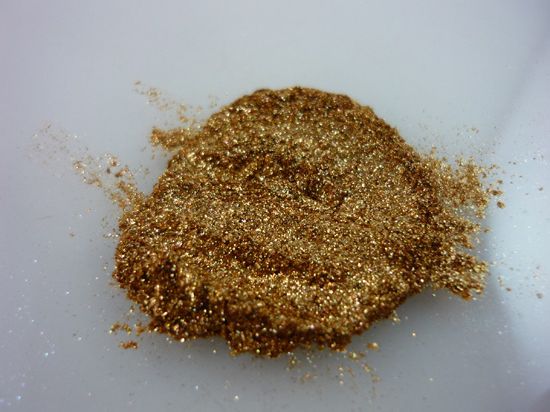
KT-88540 is a bronze pearl pigment built on a synthetic calcium aluminum borosilicate substrate, delivering a sparkling diamond-bright bronze effect with exceptional transparency and high reflectivity. The large, smooth flake geometry produces a dimensional metallic shimmer that stands apart from conventional mica-based bronzes. Suited for decorative cosmetics, coatings, and nail applications where intense sparkle and warm bronze tonality are required.
Item No. :
KT-88540Color Effect :
Sparkle Bright BronzeParticle Size :
40-200μmComposition :
Calcium Aluminum Borosilicate, Titanium Dioxide, Iron OxideBrand :
Kolortek / OEMMOQ :
25KGApplication :
Cosmetics, Nail Products, Coatings, Printing Inks, Plastics, Resin Art, Specialty Decorative, etc.Particle size runs 40–200μm, placing this grade firmly in the coarse sparkle range. That means visible, faceted flash — not a diffuse sheen. In practice, this is the right choice when the brief calls for a bold, light-catching bronze rather than a smooth satin finish.
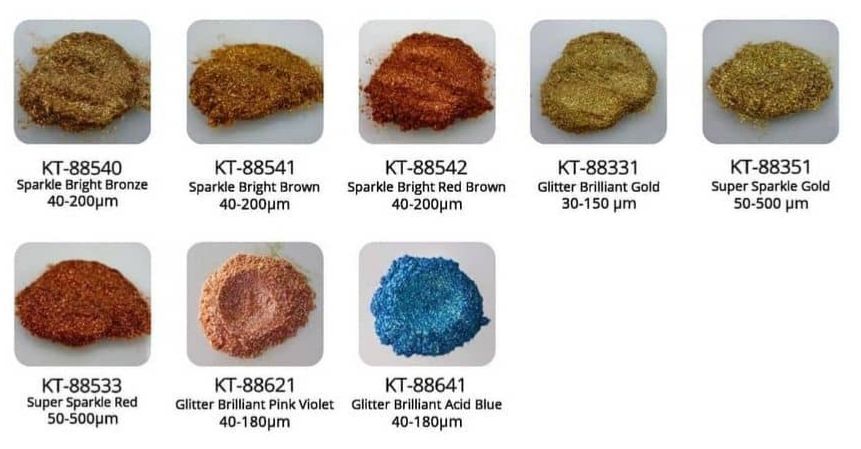
KT-88540 sits within the Sparkle Bright iron oxide borosilicate group. Three closely related models share the same substrate platform and particle size range, differing only in the iron oxide coating depth and resulting hue:
| Model | Color | Particle Size | Composition |
|---|---|---|---|
| KT-88540 | Sparkle Bright Bronze | 40–200μm | Calcium Aluminum Borosilicate, Iron Oxide |
| KT-88541 | Sparkle Bright Brown | 40–200μm | Calcium Aluminum Borosilicate, Iron Oxide |
| KT-88542 | Sparkle Bright Red Brown | 40–200μm | Calcium Aluminum Borosilicate, Iron Oxide |
Worth noting: if a formulation needs a warmer, more reddish bronze tonality, KT-88542 is the logical next step in the series. For a softer, more neutral earth tone with retained sparkle, KT-88541 bridges the gap.
The 40–200μm particle range defines where KT-88540 works well — and where it doesn't. Coarse sparkle grades like this are well-suited for applications where the pigment sits at or near the surface and individual flake flash is a design intent.
That said, this grade is not suited for fine printing inks or applications requiring a smooth, brushmark-free film. The coarse particle distribution will clog spray equipment at low tip sizes and will not pass through fine printing screens. For those end uses, finer borosilicate grades should be evaluated.
Dispersion of large-flake pearlescent pigments always carries a risk of mechanical damage. High-shear mixing — particularly prolonged ball milling or aggressive rotor-stator dispersion — will fracture the borosilicate flakes and reduce particle size, directly diminishing the sparkle effect. Low-shear stirring or gentle hand-blending is recommended for final incorporation.
In waterborne systems, check the pH tolerance of the binder matrix. Borosilicate substrates are generally more chemically stable than natural mica, but the iron oxide coating should be evaluated in highly alkaline systems before committing to production scale.
Typical loading rates for coarse sparkle effects in cosmetic or coating applications fall between 1–5% by weight, depending on the desired density of sparkle and the opacity of the base. Higher loadings are common in clear or translucent bases where the substrate allows maximum light penetration to reach each flake.
Compatibility with standard solvent-borne, waterborne, and UV-cure systems is generally straightforward. The borosilicate pigment platform does not introduce significant rheological complications at typical use levels, though viscosity should be monitored at the high end of the loading range in high-solids coatings.
Mica-iron oxide bronzes (such as Kolortek's KT-500 or KT-7511 Metal Luster series) deliver a warm metallic luster with strong hiding power and a smoother, more continuous sheen. They are the right choice for applications requiring a solid metallic appearance — countertops, floors, or full-coverage automotive finishes.
KT-88540 operates differently. The transparent borosilicate base means it does not conceal — it sparkles. The visual effect is more analogous to a glitter than a conventional metallic bronze coat. Both are legitimate tools; the choice depends entirely on whether the design intent is metallic coverage or diamond-flash sparkle over a visible base.
Q: Is KT-88540 suitable for leave-on cosmetic products?
The borosilicate series is used in decorative cosmetic applications. For confirmed compliance with specific regional cosmetic regulations (EU, US, etc.), request the full ingredient documentation and MSDS. Kolortek provides TDS and safety data to support regulatory review.
Q: Can this pigment be used in UV-cure gel nail systems?
Yes. The Dreamstar / Sparkle Bright borosilicate series is noted for nail applications. The pigment is chemically inert relative to standard photoinitiator systems. Standard compatibility testing in the specific gel formulation is still advisable before launch.
Q: What is the difference between KT-88540, KT-88541, and KT-88542?
All three share the same calcium aluminum borosilicate substrate, particle size, and iron oxide coating chemistry. The difference is in the iron oxide coating thickness, which shifts the reflected color from bronze (KT-88540) through brown (KT-88541) to red brown (KT-88542). They can be blended to achieve intermediate tones.
Q: Is the 40–200μm range a fixed specification or can finer cuts be supplied?
The standard grade for KT-88540 is 40–200μm. For applications requiring a narrower distribution or finer particle range, contact the technical team directly — custom sizing or alternative series grades may be available depending on volume and application requirements.
Samples, TDS, MSDS, and COA for KT-88540 are available on request. For formulation support or volume pricing, reach out directly to the technical team at contact@kolortek.com.
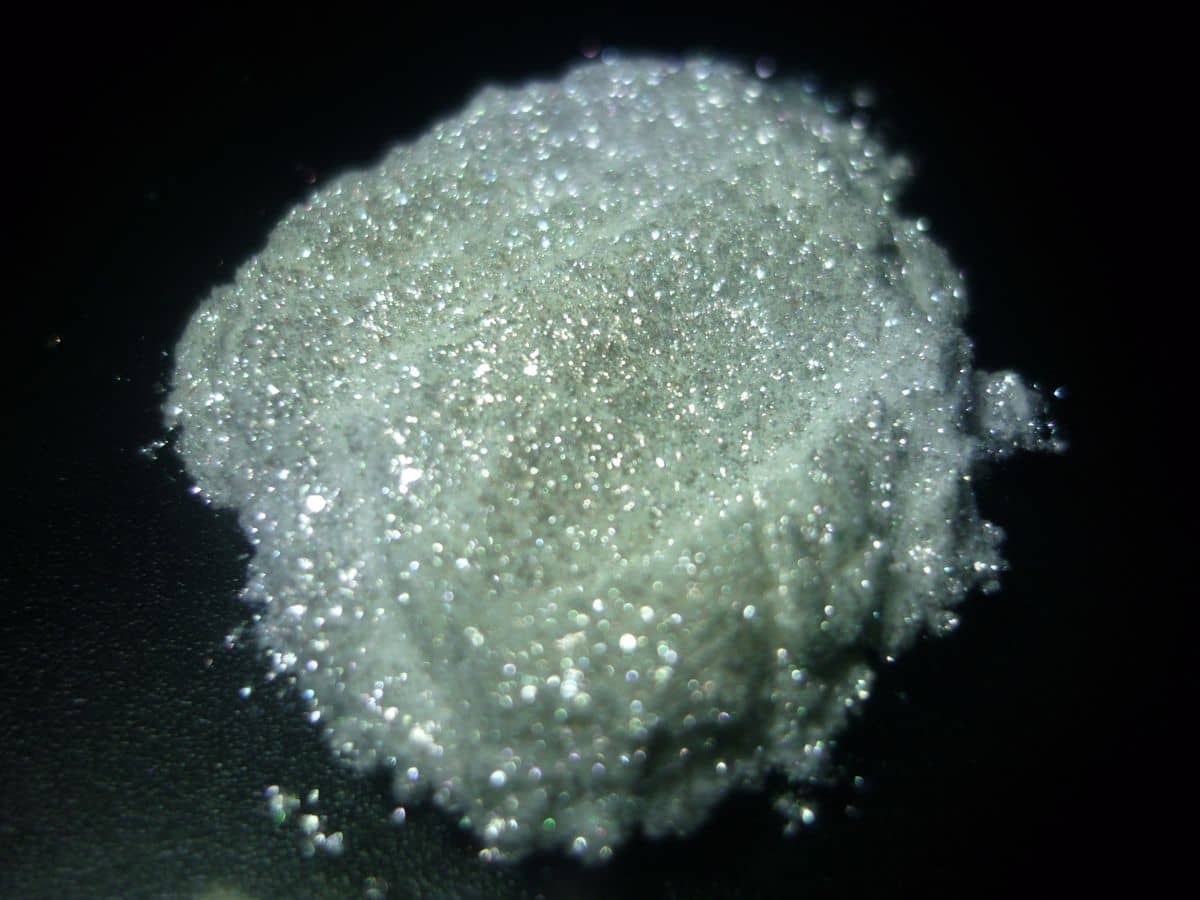
Kolortek Borosilicate Glass Pigments (Dreamstar Series) are effect pigments based on synthetic calcium aluminum borosilicate flakes coated with titanium dioxide and other metal oxides. The combination of high transparency, smooth platelet structure, and high refractive index produces a bright, diamond-like sparkle with exceptional brilliance compared to conventional mica-based pigments.These smooth, glass-flake structures offer superior brightness and chromatic purity, making them ideal for high-end automotive, cosmetic, and industrial applications.
Read More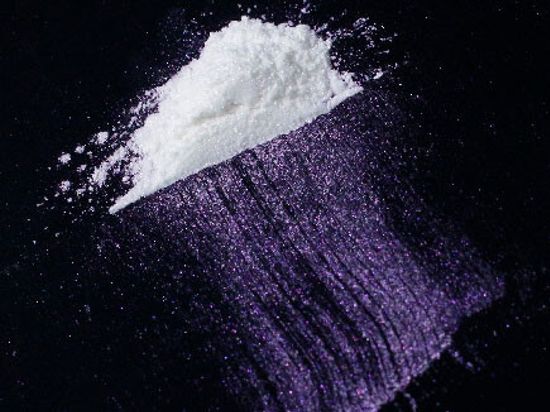
KT-8213 is a violet pearl pigment built on a synthetic calcium aluminum borosilicate substrate, delivering a bright interference violet over dark substrates with a noticeably higher brilliance and transparency than standard mica-based alternatives. Its fine flake geometry produces smooth, uniform coverage suited for cosmetic formulations and decorative coatings. As a pearlescent pigment in Kolortek's Dreamstar Borosilicate Series, it combines diamond-like reflectivity with reliable batch consistency.
Read More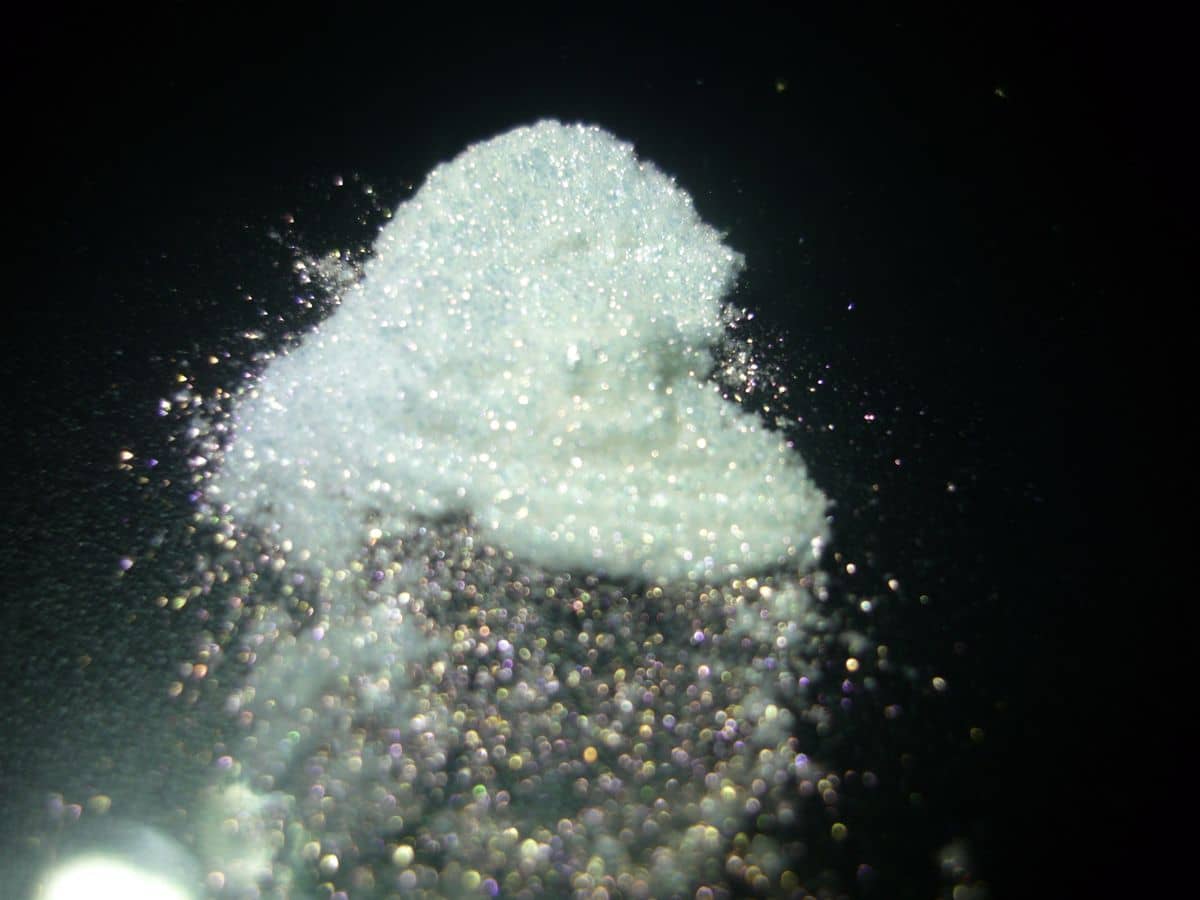
KT-8232 is a red glitter pigment built on a synthetic calcium aluminum borosilicate substrate, delivering an intense sparkling diamond effect with exceptional transparency and luminosity. As a high-performance borosilicate pigment, it combines a vivid bright red tone with large, smooth flake geometry that catches and reflects light at wide viewing angles. Well-suited for nail coatings, cosmetic formulations, craft art, and specialty printing applications.
Read More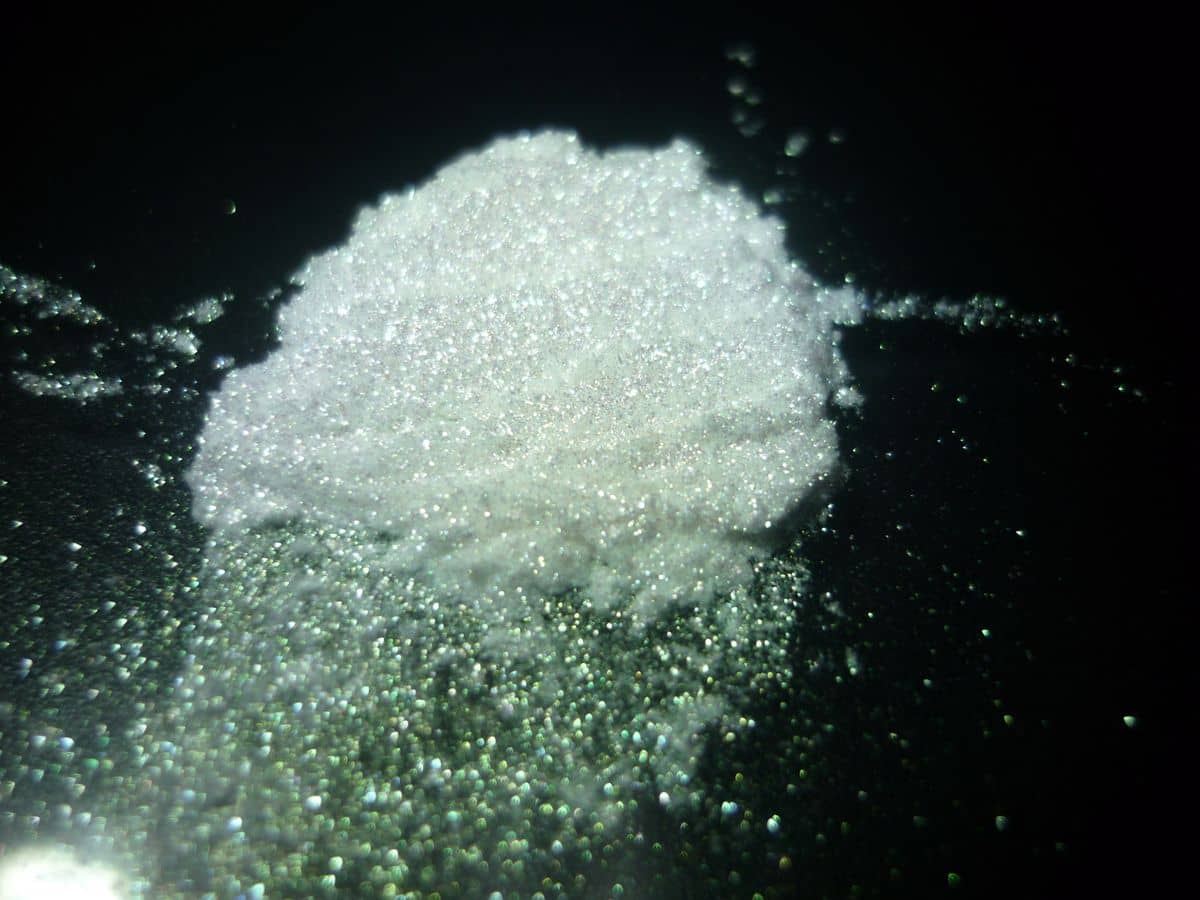
KT-8235 is a green glitter pigment built on a synthetic calcium aluminum borosilicate base, delivering a sparkling diamond-like brilliance with vivid, saturated green tone. As a high-performance borosilicate pearl, it produces noticeably higher brightness and transparency than standard mica-based pigments, making the flake structure visible and the color remarkably clean. Suited for cosmetic formulations, nail products, and decorative coatings where visual intensity is non-negotiable.
Read More
KT-88540 is a bronze pearl pigment built on a synthetic calcium aluminum borosilicate substrate, delivering a sparkling diamond-bright bronze effect with exceptional transparency and high reflectivity. The large, smooth flake geometry produces a dimensional metallic shimmer that stands apart from conventional mica-based bronzes. Suited for decorative cosmetics, coatings, and nail applications where intense sparkle and warm bronze tonality are required.
Read More
 English
 Français
 Deutsch
 Русский
 Español
 Português