
Leave A Message
If you are interested in our products and want to know more details,please leave a message here,we will reply you as soon as we can.
Dreamstar KT-8235 Glitter Bright Green Borosilicate Pearl Pigment
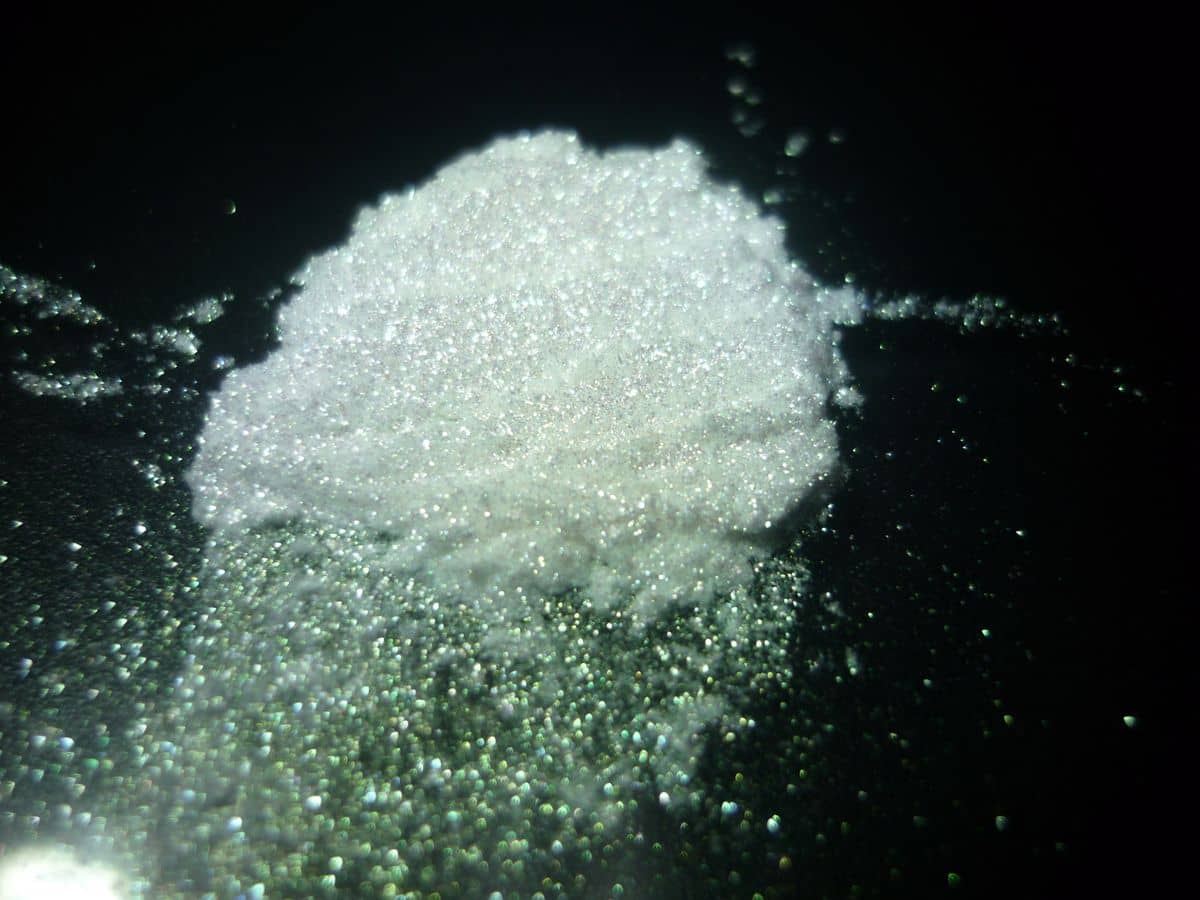
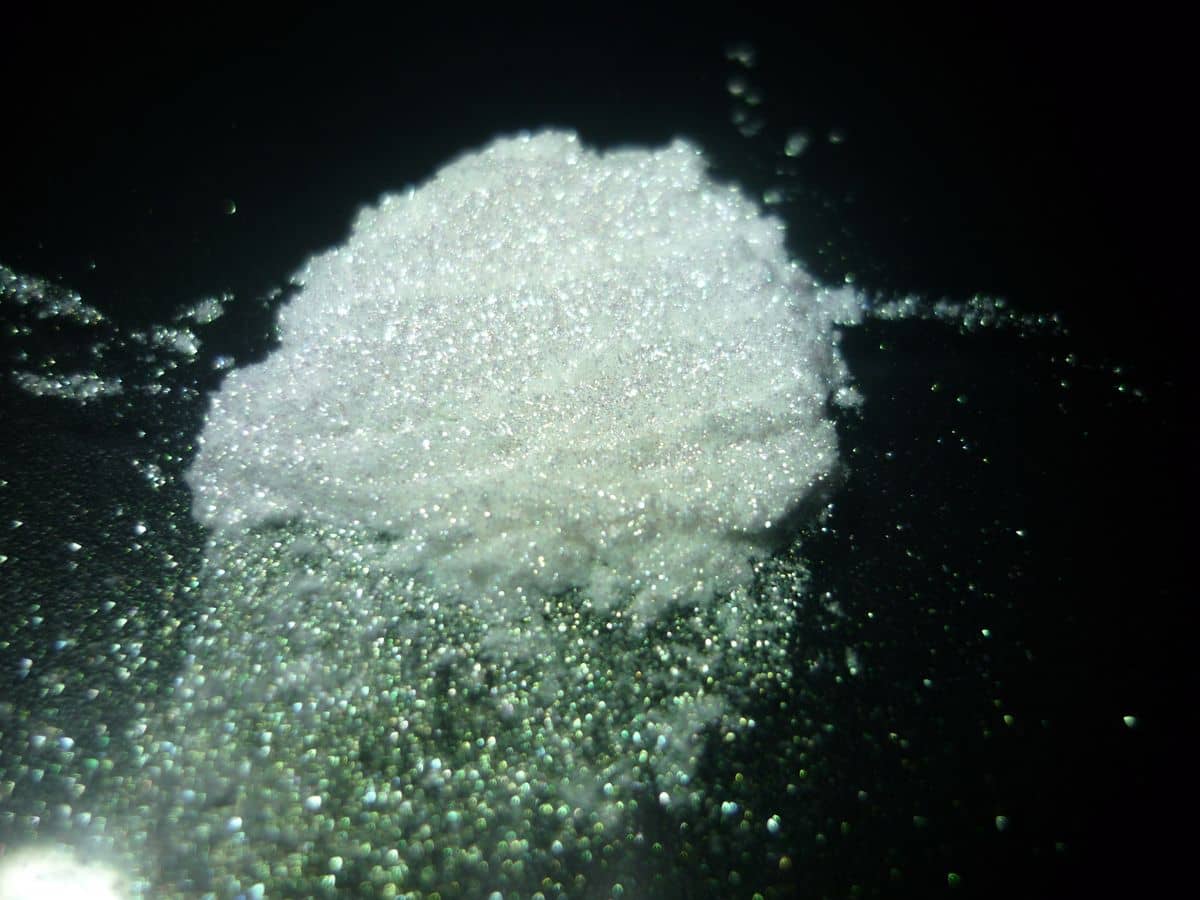
KT-8235 is a green glitter pigment built on a synthetic calcium aluminum borosilicate base, delivering a sparkling diamond-like brilliance with vivid, saturated green tone. As a high-performance borosilicate pearl, it produces noticeably higher brightness and transparency than standard mica-based pigments, making the flake structure visible and the color remarkably clean. Suited for cosmetic formulations, nail products, and decorative coatings where visual intensity is non-negotiable.
Item No. :
KT-8235Color Effect :
Glitter Bright GreenParticle Size :
30-150μmComposition :
Calcium Aluminum Borosilicate, Titanium Dioxide, Tin DioxideBrand :
Kolortek / OEMMOQ :
25KGApplication :
Cosmetics, Nail Products, Coatings, Printing Inks, Plastics, Resin Art, Specialty Decorative, etc.Optically, KT-8235 behaves as an interference effect pigment. On white or light substrates, it tends to read as near-white or pale. Place it over a dark or black base, and the glitter bright green snaps into full visibility — saturated, luminous, and directionally intense. This behavior is predictable and consistent, which matters when you're dialing in a formula across batches.
The green coloristic effect comes from a combination of the borosilicate base and the titanium dioxide/tin oxide coating system, not from organic dyes. That contributes to the pigment's stability profile and makes it appropriate for a wider range of processing conditions.
| Parameter | Detail |
|---|---|
| Product Code | KT-8235 |
| Series | Dreamstar Series (Borosilicate) |
| Color Effect | Glitter Bright Green |
| Particle Size | 30–150 μm |
| Composition | Calcium Aluminum Borosilicate, Titanium Dioxide, Tin Oxide |
| Primary Applications | Cosmetics, Nail, Coatings, Craft Art, Printing |
| Optical Behavior | Interference effect; full color expression over dark substrates |
KT-8235's 30–150 μm particle range means it sits in glitter territory — visually coarse enough to produce individual flake sparkle, not a uniform satiny sheen. That makes it a strong fit for:
A few things consistently come up when formulators work with this material:
Transparency is unusually high. The borosilicate substrate is inherently more transparent than mica. That means light passes through the flake, interacts with the coating layers, and reflects back with less scattering. The green effect is cleaner and more saturated — less muddy — than you'd typically get from a mica-based pearlescent pigment at similar loadings.
Flake geometry matters here. The large, smooth flake structure is what drives the diamond-sparkle aesthetic. Mechanical shear during processing can fragment flakes and degrade the effect. Mix gently, add late in the process, and avoid high-speed dispersion equipment if you're targeting maximum visual impact.
Substrate color controls color expression. In practice, KT-8235 over a white base will appear much lighter — almost silvery-green or near-white depending on viewing angle. Over black or dark bases, the bright green effect is fully realized. This is standard interference pigment behavior, but it catches formulators off guard when working with the borosilicate grades for the first time because the effect is especially pronounced here.
Loading levels: Typical working ranges for decorative coatings and cosmetics run 1–5% by weight, though nail and craft applications may go higher. Effect intensity scales with loading up to a point — over-loading with large-flake pigments tends to reduce sparkle by crowding flake orientation.
| Property | Borosilicate (KT-8235) | Standard Mica Pearl |
|---|---|---|
| Substrate | Synthetic calcium aluminum borosilicate | Natural or synthetic mica |
| Transparency | Higher — cleaner color | Moderate |
| Brightness | Diamond-like sparkle | Soft to moderate sheen |
| Flake Shape | Large, smooth, regular | Variable, can be irregular |
| Dark Base Required? | Yes, for full effect | Depends on grade |
| Shear Sensitivity | Higher — handle gently | Generally more robust |
Q: Is KT-8235 suitable for cosmetic use?
Yes. The Dreamstar Series is used in cosmetic applications including eyeshadow and nail products. That said, confirm regulatory compliance for your target market — ingredient approval varies between US (FDA), EU, and Japan. Documentation including MSDS, TDS, and COA is available on request.
Q: Why does the green color appear weak over white backgrounds?
KT-8235 functions as an interference pigment. The color arises from light interference through the coating layers, not from dye absorption. Over light substrates, the interference angle and transmitted/reflected wavelengths partially cancel the perceived color. A dark or black base absorbs transmitted light and allows the reflected green interference color to dominate. This is expected behavior — not a defect.
Q: Can KT-8235 be dispersed in water-based systems?
Yes. Borosilicate pigments are generally compatible with aqueous systems. Use low-shear mixing — a paddle or anchor-type mixer, not a high-speed disperser. Add the pigment after the base formula is prepared, and avoid extended high-shear blending, which degrades flake size and reduces sparkle intensity.
Q: What's the difference between KT-8235 and the 9235MK grade mentioned in automotive applications?
The 9235MK designation typically refers to a masstone or automotive-optimized variant calibrated for iridescent green automotive coating applications. KT-8235 is the standard Dreamstar grade. For automotive coat specifications, request technical data for both grades and evaluate against your film build and VOC system requirements. Contact contact@kolortek.com for direct comparison data.
If you're evaluating KT-8235 for a formulation, the most direct next step is running it in your actual system — substrate, binder, and processing conditions all affect the final result with a flake pigment at this particle size. Reach out to contact@kolortek.com to request a sample, TDS, or formulation guidance specific to your application.
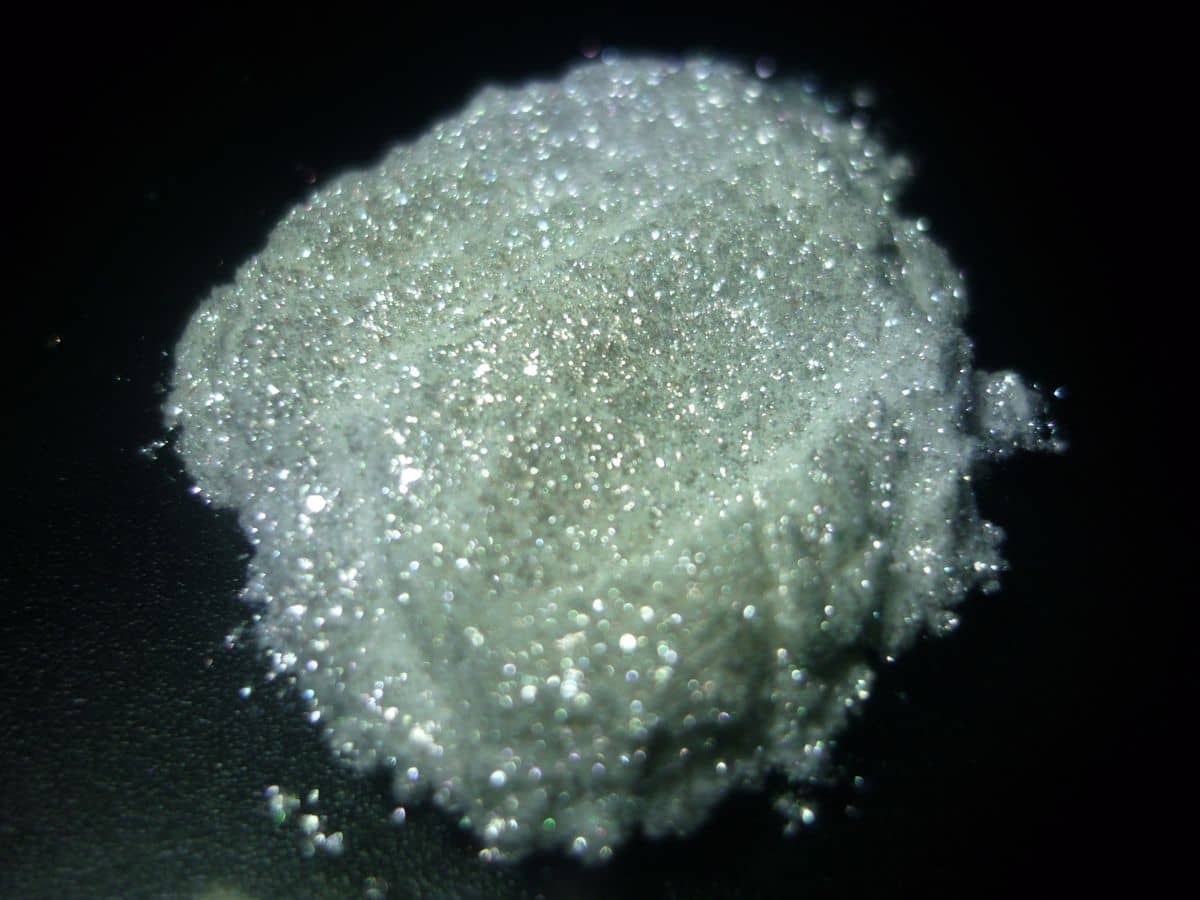
Kolortek Borosilicate Glass Pigments (Dreamstar Series) are effect pigments based on synthetic calcium aluminum borosilicate flakes coated with titanium dioxide and other metal oxides. The combination of high transparency, smooth platelet structure, and high refractive index produces a bright, diamond-like sparkle with exceptional brilliance compared to conventional mica-based pigments.These smooth, glass-flake structures offer superior brightness and chromatic purity, making them ideal for high-end automotive, cosmetic, and industrial applications.
Read More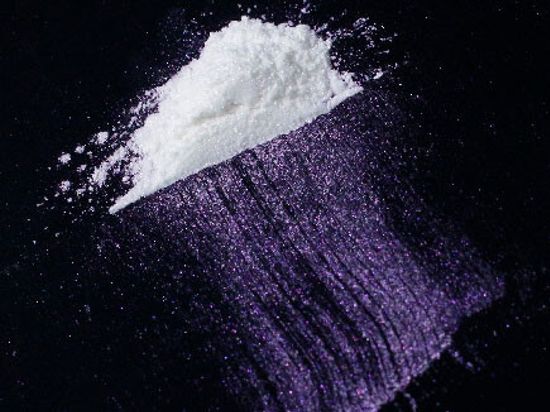
KT-8213 is a violet pearl pigment built on a synthetic calcium aluminum borosilicate substrate, delivering a bright interference violet over dark substrates with a noticeably higher brilliance and transparency than standard mica-based alternatives. Its fine flake geometry produces smooth, uniform coverage suited for cosmetic formulations and decorative coatings. As a pearlescent pigment in Kolortek's Dreamstar Borosilicate Series, it combines diamond-like reflectivity with reliable batch consistency.
Read More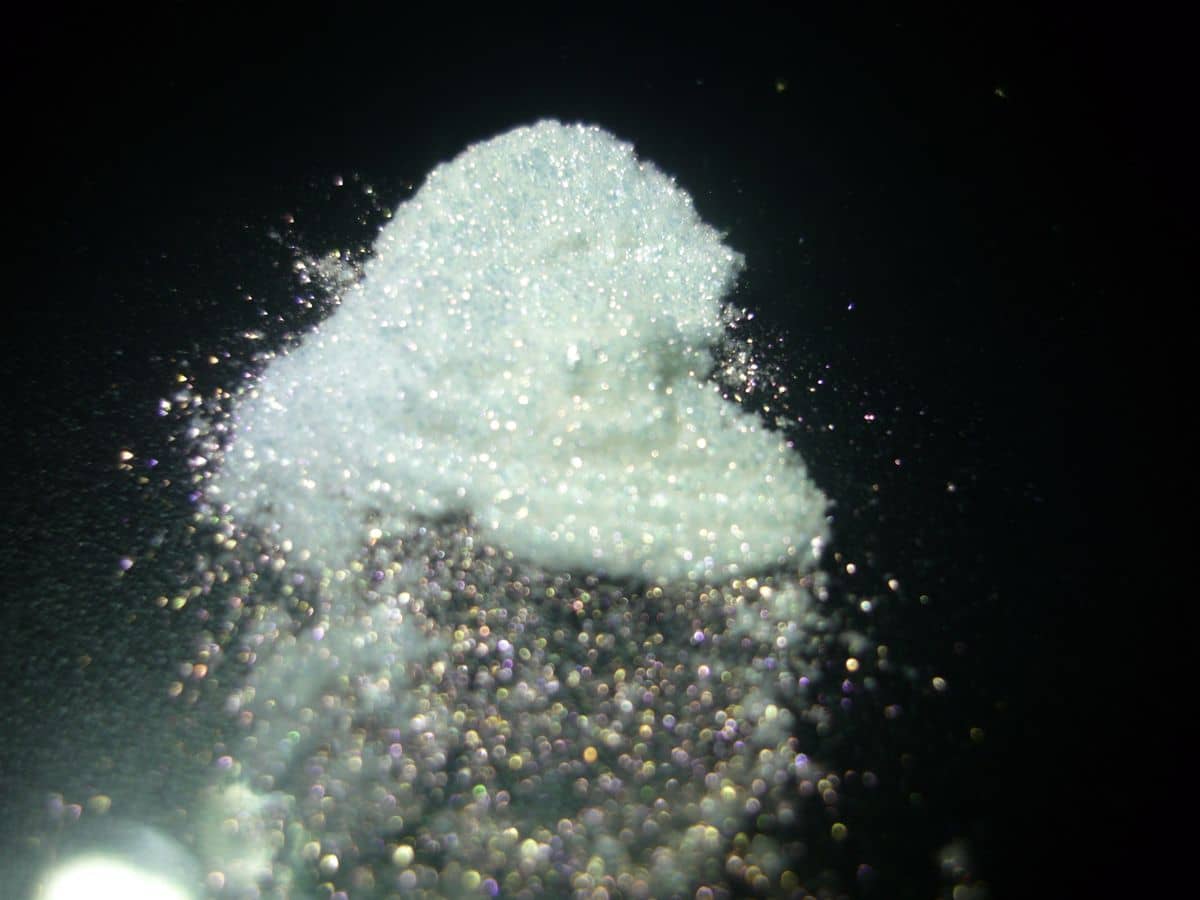
KT-8232 is a red glitter pigment built on a synthetic calcium aluminum borosilicate substrate, delivering an intense sparkling diamond effect with exceptional transparency and luminosity. As a high-performance borosilicate pigment, it combines a vivid bright red tone with large, smooth flake geometry that catches and reflects light at wide viewing angles. Well-suited for nail coatings, cosmetic formulations, craft art, and specialty printing applications.
Read More
KT-8235 is a green glitter pigment built on a synthetic calcium aluminum borosilicate base, delivering a sparkling diamond-like brilliance with vivid, saturated green tone. As a high-performance borosilicate pearl, it produces noticeably higher brightness and transparency than standard mica-based pigments, making the flake structure visible and the color remarkably clean. Suited for cosmetic formulations, nail products, and decorative coatings where visual intensity is non-negotiable.
Read More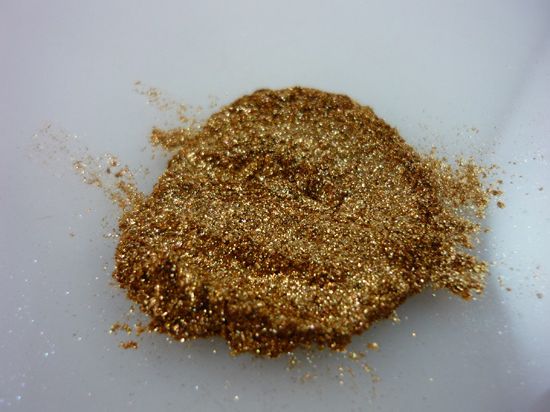
KT-88540 is a bronze pearl pigment built on a synthetic calcium aluminum borosilicate substrate, delivering a sparkling diamond-bright bronze effect with exceptional transparency and high reflectivity. The large, smooth flake geometry produces a dimensional metallic shimmer that stands apart from conventional mica-based bronzes. Suited for decorative cosmetics, coatings, and nail applications where intense sparkle and warm bronze tonality are required.
Read More
 English
 Français
 Deutsch
 Русский
 Español
 Português