
Leave A Message
If you are interested in our products and want to know more details,please leave a message here,we will reply you as soon as we can.
KT-68840221 Pink Diamond Effect Pigment Cosmetic Borosilicate
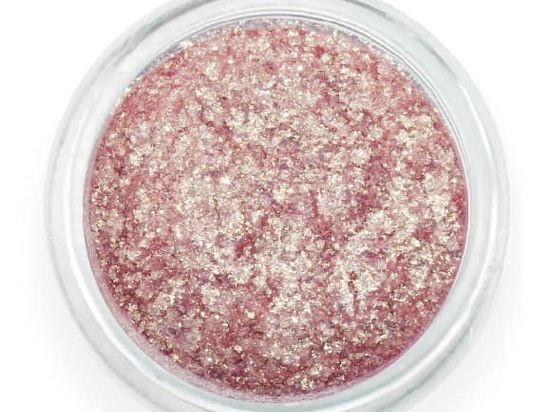
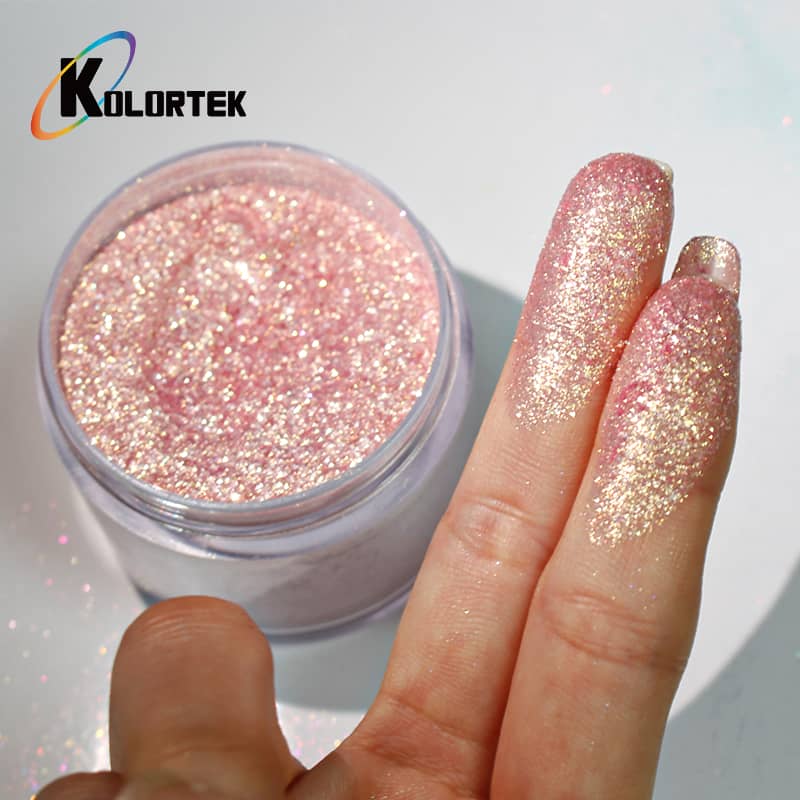
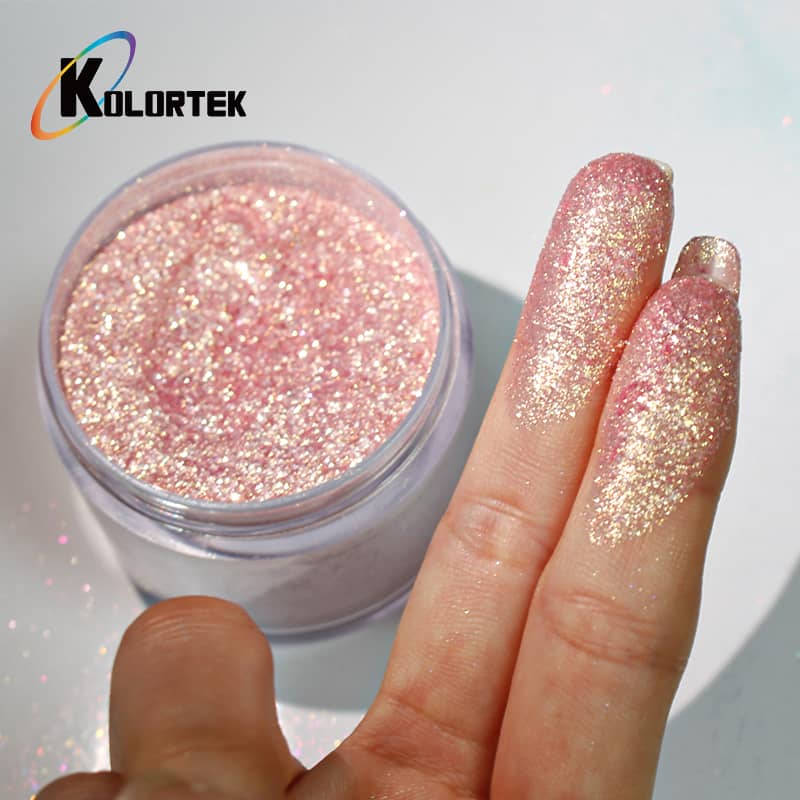
KT-68840221 is a pink borosilicate-based diamond effect pigment delivering intense sparkle and high transparency across cosmetic formulations. Its large, smooth flake geometry generates a multi-dimensional brilliance that conventional pearlescents cannot replicate — making it particularly suited for eyeshadow and decorative face products. Formulators working with eyeshadow pigment powder blends will find its color depth and reflection index immediately functional at low loading levels.
Item No. :
KT-68840221Color Effect :
PinkParticle Size :
40-200μmComposition :
Calcium-aluminum borosilicate, Titanium dioxide, Tin dioxide, CarmineBrand :
Kolortek / OEMMOQ :
25 KGApplication :
Eyeshadow, Highlighter, Blush, Lip Products, Foundation, Nail Polish, Body Shimmer, Soap, Hair Products, Personal CareThe pink hue on this grade comes from a coating stack that includes titanium dioxide, tin dioxide, and carmine (CI 75470). Carmine is a well-established organic colorant in cosmetics, and its use here contributes to the warm, saturated pink tone rather than a flat or washed-out tint. Transparency is retained through the coating — the substrate's inherent clarity works with the oxide layers, not against them.
| Parameter | Detail |
|---|---|
| Product Model | KT-68840221 |
| Series | Borosilicate Series — 68800000 Colorful Shimmering Diamond Effect |
| Category | Cosmetic Pearl Multicolor / Pearlescent Pigments |
| Color | Pink |
| Particle Size | 40–200 μm |
| Substrate | Synthetic Calcium Aluminum Borosilicate |
| Coating / Colorants | Titanium Dioxide, Tin Dioxide, Carmine (CI 75470) |
| Primary Effect | Sparkling diamond effect with shimmer and gloss |
KT-68840221 is designed specifically for cosmetic and personal care applications. Its safety profile and cosmetic-grade certification make it directly usable in formulations where skin or eye contact is expected.
In practice, the 40–200 μm particle range means this pigment reads visually as a macro-glitter effect rather than a fine satin finish. It's suited for applications where visible sparkle and depth are the design intent — not a subtle background shimmer. As a cosmetic shimmer pigment, it performs best when used as a statement effect rather than a base layer carrier.
The borosilicate substrate is the defining factor here. Unlike natural mica, synthetic borosilicate flakes are produced with controlled geometry — consistent thickness, flat surfaces, and a high degree of optical uniformity. This translates directly to a higher and more consistent reflection index across a batch.
Worth noting: the 40–200 μm range is wide. Expect some particle size distribution across that span rather than a tight single-peak distribution. In most cosmetic applications this is acceptable and contributes to the textured sparkle aesthetic, but if you're working with a process that requires tight PSD control, request a distribution curve from the technical team before scaling.
Because of the larger particle size, KT-68840221 should be incorporated at the end of the mixing cycle in powder formulations. Adding it early into a high-shear blending process risks breaking the flake geometry and reducing sparkle intensity. Post-addition or gentle tumble blending is the preferred approach.
In wet systems — lip gloss bases, body luminizers, liquid foundations — the pigment disperses reasonably well without dedicated dispersants, though compatibility testing with your specific carrier is recommended. Borosilicate flakes tend to be denser than mica, so sedimentation management in low-viscosity systems may require a rheology modifier.
That said, for pressed eyeshadow applications this is a straightforward incorporation. Typical loading levels in a pressed eyeshadow formulation range from 10–40% depending on the desired intensity. At the lower end, it reads as an accent; at higher loadings, the full diamond effect becomes the dominant visual.
Carmine (CI 75470) is an animal-derived colorant. For vegan-certified formulations, this grade would not be suitable. Confirm with your regulatory and claims team before use in products carrying vegan or cruelty-free positioning.
| Property | Borosilicate (KT-68840221) | Standard Mica-Based Pigment |
|---|---|---|
| Substrate origin | Synthetic (calcium aluminum borosilicate) | Natural or synthetic mica |
| Flake uniformity | High — controlled manufacturing | Moderate — mineral variability |
| Reflection index | Extremely high | Standard to high |
| Visual effect | Sparkling diamond / glass-like | Pearlescent / satin shimmer |
| Transparency | Unusual — very high | Standard |
| Typical use case | High-impact decorative cosmetics | Broad cosmetic and industrial use |
Q: Is KT-68840221 safe for use around the eye area?
A: Yes. This product is formulated as a cosmetic-grade pigment specifically designed for decorative cosmetic applications including eye products. That said, always verify current regulatory compliance for your specific market — requirements vary by region, and your regulatory team should confirm final product compliance independently.
Q: How does this differ from a standard glitter mica powder or conventional pearlescent pigment?
A: The substrate is fundamentally different. Standard pearlescents use mica as the carrier flake; this product uses synthetic borosilicate, which offers higher optical clarity and a stronger specular reflection. The visual result is closer to crushed glass or diamond facets than the softer, diffuse shimmer of typical pearlescents.
Q: What is the recommended loading level in a pressed eyeshadow?
A: Loading levels depend on the final effect target and the base formulation. A useful starting range is 10–40% in the pigment blend. Start at the lower end, evaluate the visual output, and scale accordingly. Technical data sheet and formulation guideline support are available on request.
Q: Is this product suitable for vegan-certified formulations?
A: No. KT-68840221 contains carmine (CI 75470), which is an animal-derived colorant sourced from cochineal insects. It is not compatible with vegan or cruelty-free claims. If vegan compliance is required, alternative pink grades without carmine should be evaluated.
For technical data sheets, COA, MSDS, or formulation guidance on KT-68840221, contact the Kolortek technical team directly at contact@kolortek.com. Sample requests and custom packaging inquiries are handled through the same channel.
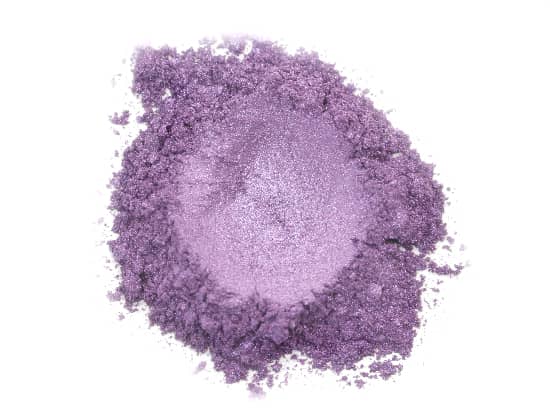
KT-68832B is a violet red pigment built on a natural mica substrate, delivering a dual-angle optical effect — silver reflection at face angle, deep violet-red absorption color at oblique viewing angles. Engineered within Kolortek's 688 series cosmetic multicolor line, it is suited for eyeshadows, lip products, and face powders where controlled shimmer and rich color saturation are required. As a pearl mica powder designed to meet cosmetic-grade regulatory standards across multiple regions, it integrates cleanly into standard decorative formulation workflows.
Read More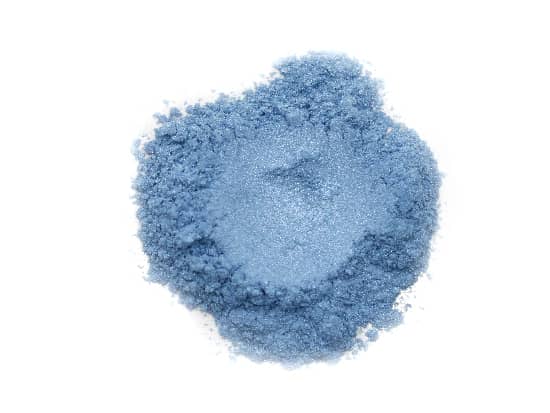
KT-699141 is a dark blue mica pigment built on a synthetic mica base, delivering a clean silver-to-blue dual-angle effect with strong pearl depth and consistent batch-to-batch color. Formulated specifically for cosmetic use, it performs well in eyeshadows, face powders, and pressed compacts where optical clarity and skin compatibility are non-negotiable. As a cosmetic mica pigment engineered for decorative applications, it offers the kind of visual richness that natural mica alternatives rarely match at this particle size range.
Read More
KT-699116 is an olive green mica pearlescent pigment built on a fluorphlogopite (synthetic mica) substrate, delivering a dual-angle optical effect — silver reflection at face angle, warm olive absorption color at oblique angles. Formulated with titanium dioxide and ferroferric oxide, it is suited for eyeshadows, face powders, and nail applications where stable, rich color and shimmer are required.
Read More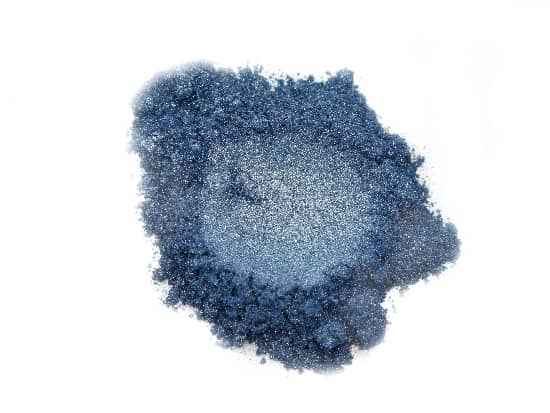
KT-699143 is a blue pearlescent synthetic mica pigment built on a fluorphlogopite base, delivering clean, saturated shimmer with strong reflectance — a reliable choice for decorative cosmetics and personal care formulations. As a cosmetic pigment powder, it produces a dual optical effect: silver pearl from the reflection angle and vivid blue from the side, making it particularly effective in eyeshadows, blushers, and nail applications. Formulators working with pearl pigment powder will find the high-purity synthetic mica base directly reduces black spot contamination and maintains color consistency across batches.
Read More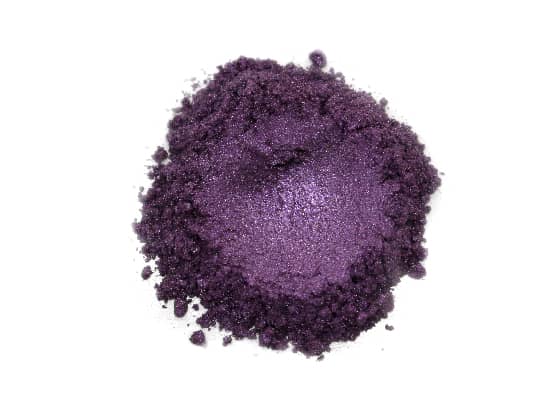
KT-699135 is a dark purple mica pearlescent pigment built on a synthetic mica base, delivering a dual-angle optical effect — silver reflection at face angle, deep violet-purple at the side — with clean, high-chroma results suited for demanding cosmetic formulations. As a refined synthetic mica powder, it outperforms natural mica in luster, temperature stability, and batch consistency, making it a reliable choice for color cosmetics and personal care product development. Formulators working with eyeshadows, highlighters, and lip products will find the particle size range and optical behavior particularly well-suited to pigment-rich applications.
Read More
KT-68840221 is a pink borosilicate-based diamond effect pigment delivering intense sparkle and high transparency across cosmetic formulations. Its large, smooth flake geometry generates a multi-dimensional brilliance that conventional pearlescents cannot replicate — making it particularly suited for eyeshadow and decorative face products. Formulators working with eyeshadow pigment powder blends will find its color depth and reflection index immediately functional at low loading levels.
Read More
KT-68860311 is a sparkle yellow pigment built on a calcium-aluminum borosilicate substrate, delivering an intense diamond effect pigment response with high brightness and exceptional light reflection across cosmetic formulations. Designed for eyeshadows, face powders, and blushers, it brings a vivid, faceted sparkle that reads distinctly on skin.
Read More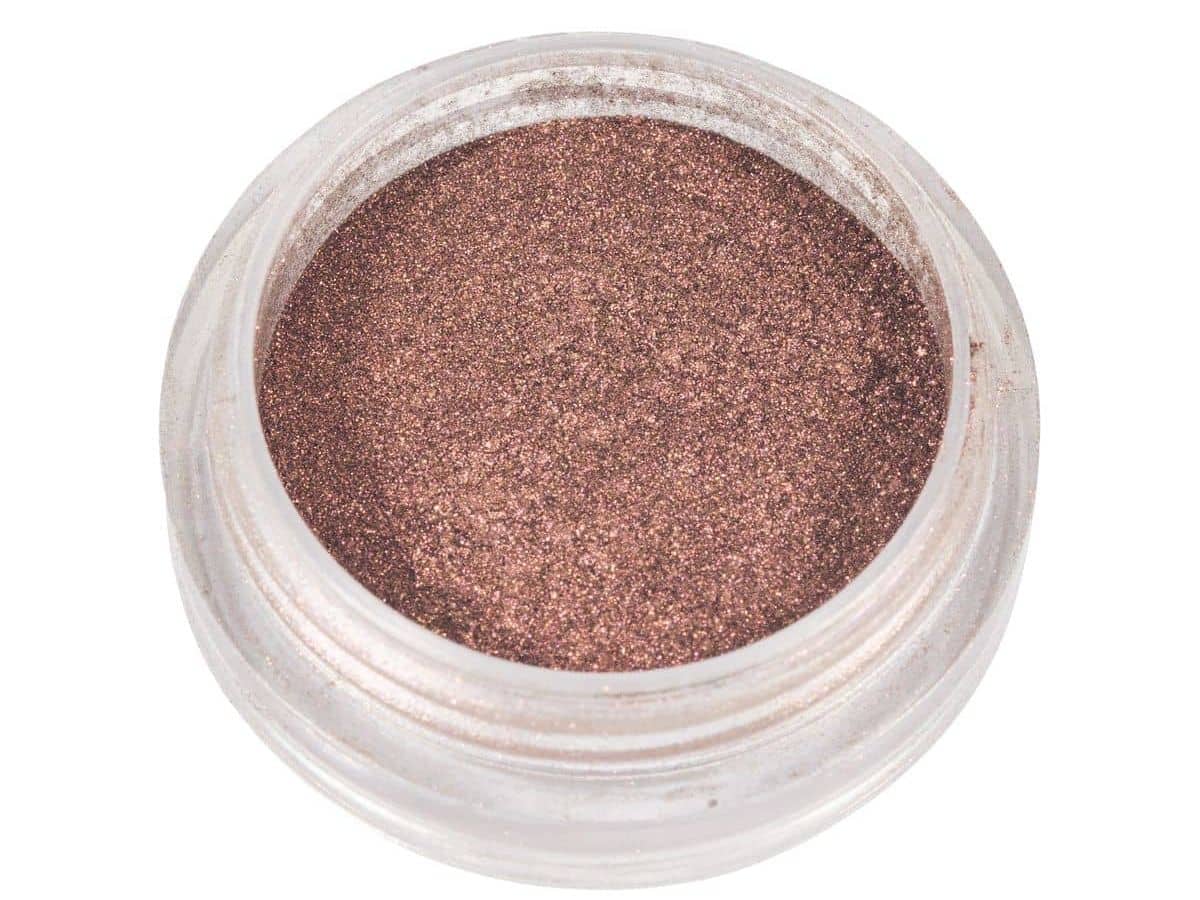
KT-655121 is a red mica pigment from Kolortek's 655000 Cosmetic Pearl Multicolor series, built on a natural mica substrate with a clean three-component ingredient declaration: Mica, Titanium Dioxide, Tin Dioxide. Designed specifically for leave-on and rinse-off cosmetic formulations, it delivers a warm red pearlescent shimmer well-suited for face color products, blushers, and eye area applications. Formulators working within tight regulatory frameworks will find the straightforward INCI list a practical advantage.
Read More
 English
 Français
 Deutsch
 Русский
 Español
 Português