
Leave A Message
If you are interested in our products and want to know more details,please leave a message here,we will reply you as soon as we can.
Cosmetic Mica Pigment KT-699141 Dark Blue Synthetic Mica Pearl
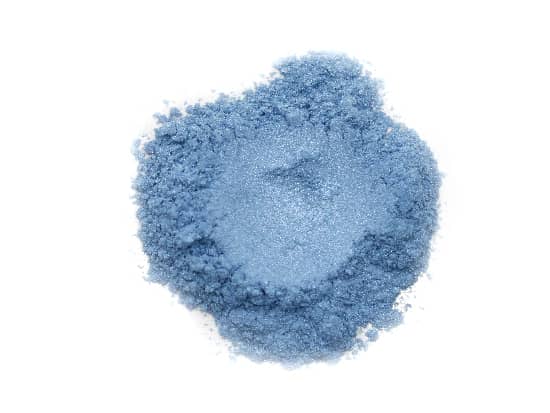
KT-699141 is a dark blue mica pigment built on a synthetic mica base, delivering a clean silver-to-blue dual-angle effect with strong pearl depth and consistent batch-to-batch color. Formulated specifically for cosmetic use, it performs well in eyeshadows, face powders, and pressed compacts where optical clarity and skin compatibility are non-negotiable. As a cosmetic mica pigment engineered for decorative applications, it offers the kind of visual richness that natural mica alternatives rarely match at this particle size range.
Item No. :
KT-699141Color Effect :
Dark BlueParticle Size :
10-60μmComposition :
Synthetic Mica, Titanium Oxide, Tin dioxide, Ferric ferrocyanideBrand :
Kolortek / OEMMOQ :
25 KGApplication :
Eyeshadow, Highlighter, Blush, Lip Products, Foundation, Nail Polish, Body Shimmer, Soap, Hair Products, Personal CareThe result is a pigment that reads differently depending on how light hits the surface — a quality that formulators find particularly useful in eye area products where dynamic color play matters. The TiO₂/SnO₂ barrier layer stabilizes the iron blue (Ferric ferrocyanide) colorant, maintaining hue integrity under typical cosmetic processing conditions.
| Parameter | Detail |
|---|---|
| Model | KT-699141 |
| Color | Dark Blue |
| Particle Size | 10–60 μm |
| Base Material | Synthetic Mica (Fluorphlogopite) |
| Coating Ingredients | Titanium Dioxide, Tin Oxide, Ferric Ferrocyanide |
| Series | 699000 Cosmetic Pearl Multicolor |
| Application Segment | Cosmetic & Personal Care |
The angular-dependent optical behavior of KT-699141 is worth understanding before formulation. At the specular reflection angle, the pigment returns a bright silver flash — characteristic of the TiO₂ interference layer on the synthetic mica platelet. As the viewing angle shifts, the Ferric ferrocyanide colorant takes over, rendering a saturated dark blue. This dual-channel effect is what distinguishes interference-coated synthetic mica from straightforward dyed substrates.
In practice, synthetic mica offers a cleaner, more colorless base than natural muscovite mica. This matters for dark hues — especially blue and violet — where any yellowish cast from the substrate can muddy the final color. The synthetic base also reduces variability in platelet morphology, which translates to more predictable optical output across production batches.
Worth noting: the 10–60 μm particle size distribution places KT-699141 in a versatile mid-range. Finer cuts give softer shimmer with more blendability; the coarser fraction within this range adds spark and perceptible glitter. Depending on your application, milling down or sieving up may be worth evaluating.
KT-699141 is specifically qualified for cosmetic end uses. Primary applications include:
The pigment is not intended for food, pharmaceutical, or industrial coating applications. If you're evaluating it for lip products, verify Ferric ferrocyanide regulatory status for lip-use in your target market — approval varies by region.
Dispersion is generally straightforward in both anhydrous and aqueous cosmetic systems. For pressed powder applications, geometric mean loading of 2–8% typically delivers adequate visual impact without compromising pressed cake integrity. In cream or liquid bases, pre-dispersing in a compatible emollient before adding to the batch reduces clumping.
Avoid prolonged high-shear mixing — it can mechanically fracture the platelets, reducing particle size and degrading the optical effect. Low-shear dispersion methods (paddle, anchor blade, or hand-mixing for small batches) are preferred for maintaining the platelet aspect ratio that drives pearl performance.
That said, Ferric ferrocyanide has known sensitivity to strong alkali. If your formulation system involves a high-pH environment, test color stability proactively. The SnO₂ barrier layer in KT-699141 provides some protection, but highly alkaline conditions should be validated against your specific formula.
| Property | KT-699141 (Synthetic Mica) | Natural Mica Base |
|---|---|---|
| Base purity | Colorless, consistent | Variable, slight yellow cast |
| Color fidelity (dark hues) | High — clean blue rendering | Moderate — substrate tones interfere |
| Batch consistency | Tighter | Higher natural variation |
| Brightness / Brilliance | Higher optical clarity | Softer, more muted |
| Regulatory profile | Heavy metal free substrate | Trace mineral impurities possible |
Q: Is KT-699141 approved for use in eye area cosmetics?
The pigment contains Ferric ferrocyanide (CI 77510), which is approved for eye area use in many markets including the EU and US. That said, regulatory status should always be verified against the specific market you're targeting. Technical documentation including TDS, COA, and MSDS is available on request to support your regulatory submissions.
Q: What distinguishes this from other blue pearlescent pigments in the 699000 series?
KT-699141 specifically uses Ferric ferrocyanide as the colorant, giving it a deep, saturated blue tone with a strong angular shift. Other blue entries in the series may use different colorant systems (e.g., ultramarine or interference-only approaches), which produce a different hue character and angular behavior. The KT-699141 is particularly suited where a dense, chromatic blue with visible pearl depth is the target.
Q: Can this pearl pigment powder be used in wet formulations like mascaras or liquid eyeliners?
Yes. In practice, KT-699141 performs in aqueous and film-former-based liquid systems. Dispersion stability depends on your film-former and surfactant system. Pre-wetting in a glycol or compatible humectant before dispersion into the aqueous phase typically gives cleaner results. High-shear homogenization should be kept brief to avoid platelet breakage.
Q: What loading levels are typically effective in pressed eyeshadow?
In pressed powder formats, 5–15% by weight is a typical starting range for this type of synthetic mica-based pearl. Lower loads deliver a subtle wash of color and pearl; higher loads increase opacity and visual saturation. Binder compatibility and press hardness targets will influence the practical upper limit for your specific formula.
Sample requests, technical data sheets, and formulation support are available for qualified cosmetic formulators and procurement contacts. Reach out directly at contact@kolortek.com with your application details and target market — this helps ensure the right documentation and, where relevant, alternative grades are flagged for your evaluation.
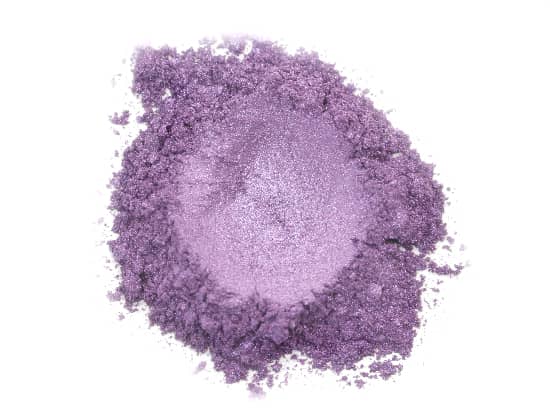
KT-68832B is a violet red pigment built on a natural mica substrate, delivering a dual-angle optical effect — silver reflection at face angle, deep violet-red absorption color at oblique viewing angles. Engineered within Kolortek's 688 series cosmetic multicolor line, it is suited for eyeshadows, lip products, and face powders where controlled shimmer and rich color saturation are required. As a pearl mica powder designed to meet cosmetic-grade regulatory standards across multiple regions, it integrates cleanly into standard decorative formulation workflows.
Read More
KT-699141 is a dark blue mica pigment built on a synthetic mica base, delivering a clean silver-to-blue dual-angle effect with strong pearl depth and consistent batch-to-batch color. Formulated specifically for cosmetic use, it performs well in eyeshadows, face powders, and pressed compacts where optical clarity and skin compatibility are non-negotiable. As a cosmetic mica pigment engineered for decorative applications, it offers the kind of visual richness that natural mica alternatives rarely match at this particle size range.
Read More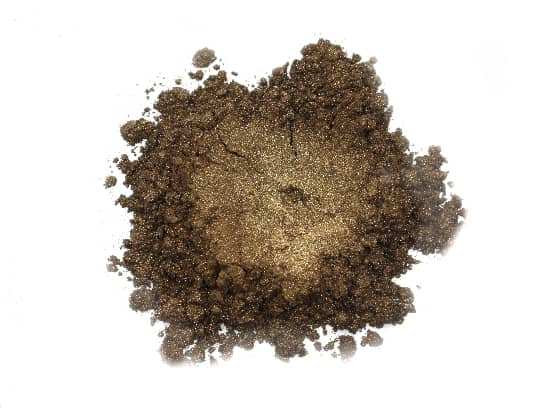
KT-699116 is an olive green mica pearlescent pigment built on a fluorphlogopite (synthetic mica) substrate, delivering a dual-angle optical effect — silver reflection at face angle, warm olive absorption color at oblique angles. Formulated with titanium dioxide and ferroferric oxide, it is suited for eyeshadows, face powders, and nail applications where stable, rich color and shimmer are required.
Read More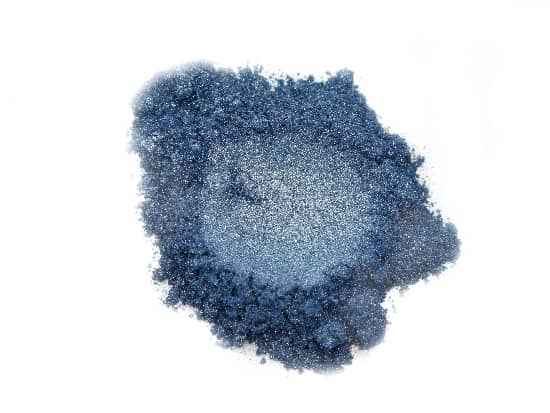
KT-699143 is a blue pearlescent synthetic mica pigment built on a fluorphlogopite base, delivering clean, saturated shimmer with strong reflectance — a reliable choice for decorative cosmetics and personal care formulations. As a cosmetic pigment powder, it produces a dual optical effect: silver pearl from the reflection angle and vivid blue from the side, making it particularly effective in eyeshadows, blushers, and nail applications. Formulators working with pearl pigment powder will find the high-purity synthetic mica base directly reduces black spot contamination and maintains color consistency across batches.
Read More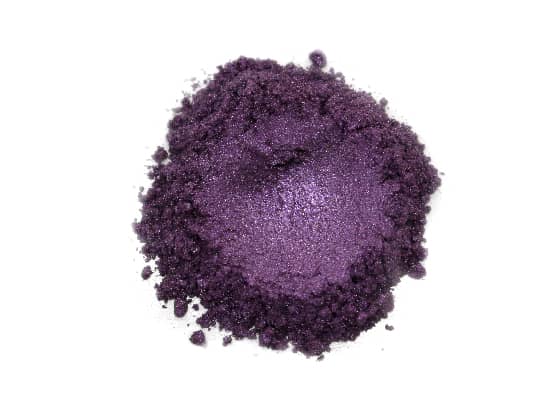
KT-699135 is a dark purple mica pearlescent pigment built on a synthetic mica base, delivering a dual-angle optical effect — silver reflection at face angle, deep violet-purple at the side — with clean, high-chroma results suited for demanding cosmetic formulations. As a refined synthetic mica powder, it outperforms natural mica in luster, temperature stability, and batch consistency, making it a reliable choice for color cosmetics and personal care product development. Formulators working with eyeshadows, highlighters, and lip products will find the particle size range and optical behavior particularly well-suited to pigment-rich applications.
Read More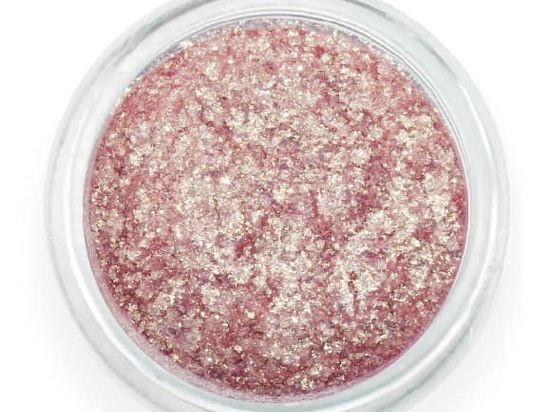
KT-68840221 is a pink borosilicate-based diamond effect pigment delivering intense sparkle and high transparency across cosmetic formulations. Its large, smooth flake geometry generates a multi-dimensional brilliance that conventional pearlescents cannot replicate — making it particularly suited for eyeshadow and decorative face products. Formulators working with eyeshadow pigment powder blends will find its color depth and reflection index immediately functional at low loading levels.
Read More
KT-68860311 is a sparkle yellow pigment built on a calcium-aluminum borosilicate substrate, delivering an intense diamond effect pigment response with high brightness and exceptional light reflection across cosmetic formulations. Designed for eyeshadows, face powders, and blushers, it brings a vivid, faceted sparkle that reads distinctly on skin.
Read More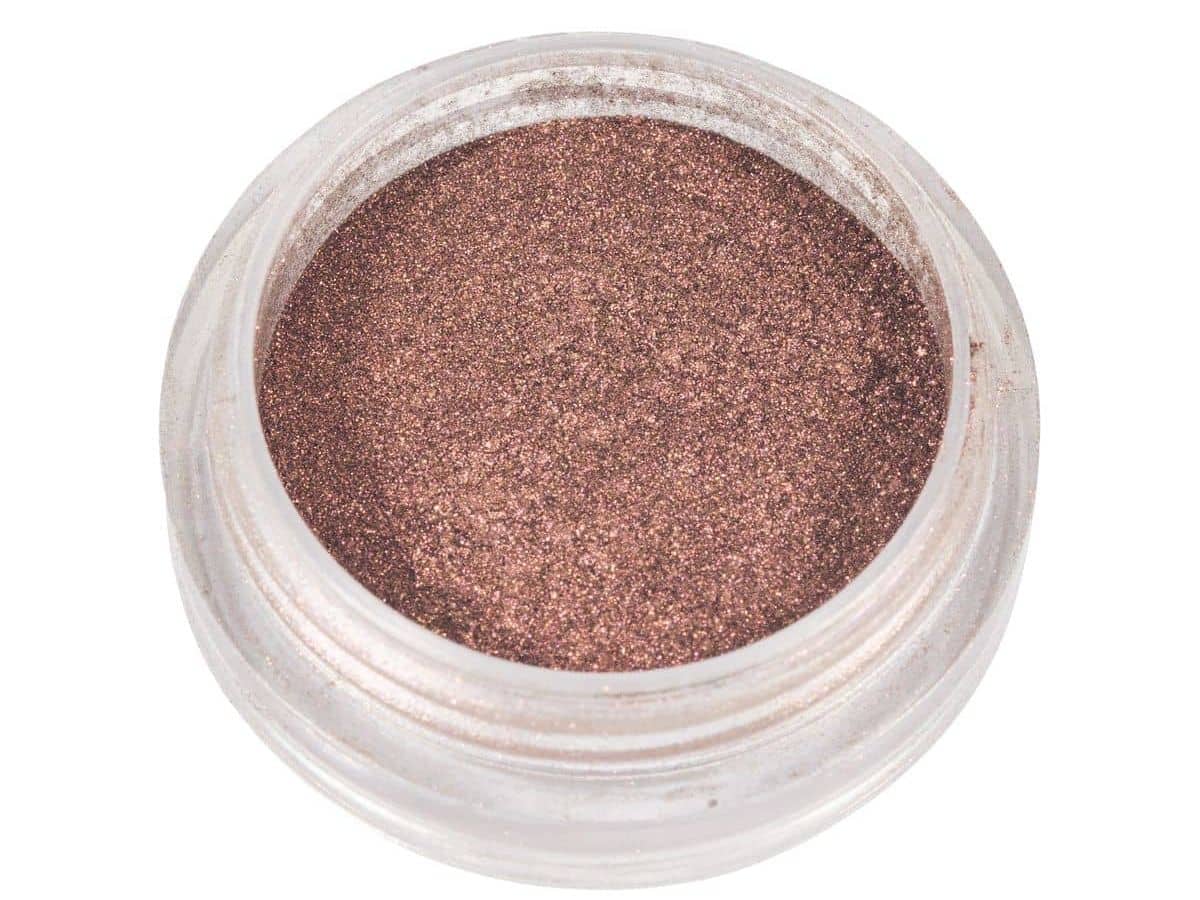
KT-655121 is a red mica pigment from Kolortek's 655000 Cosmetic Pearl Multicolor series, built on a natural mica substrate with a clean three-component ingredient declaration: Mica, Titanium Dioxide, Tin Dioxide. Designed specifically for leave-on and rinse-off cosmetic formulations, it delivers a warm red pearlescent shimmer well-suited for face color products, blushers, and eye area applications. Formulators working within tight regulatory frameworks will find the straightforward INCI list a practical advantage.
Read More
 English
 Français
 Deutsch
 Русский
 Español
 Português