
Leave A Message
If you are interested in our products and want to know more details,please leave a message here,we will reply you as soon as we can.
Aurora Pigment: One Colour, Two Forms, Two Different Finishes
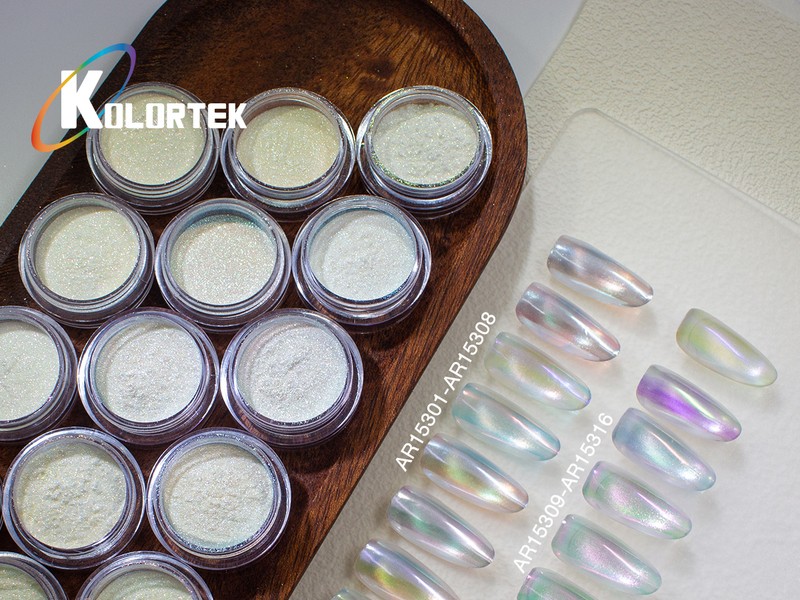
Aurora pigment comes as powder and flake under one colour name. Compare size windows, finishes and the processes each form can enter before you order.
Item No. :
AR15 / AR153 / AR953 series (multiple grades)Color Effect :
Aurora colour travelParticle Size :
5–150 µm powder; irregular large flakes in flake formBrand :
KolortekMOQ :
Per grade and pack size; confirmed on quotationApplication :
Nail systems, cosmetics, coatings, inks, casting and embeddingAurora Powder and Flake: One Colour Range, Two Particle Forms
Aurora is 34 families and 319 live grades, and the same colour name can sit on both sides of the range — once as a powder with a numeric size window, once as a flake whose size column has no number. The colour name tells you nothing about which. This page is about form only: what each kind of particle carries, where each one stops working in a process, and what to settle before an order is placed.
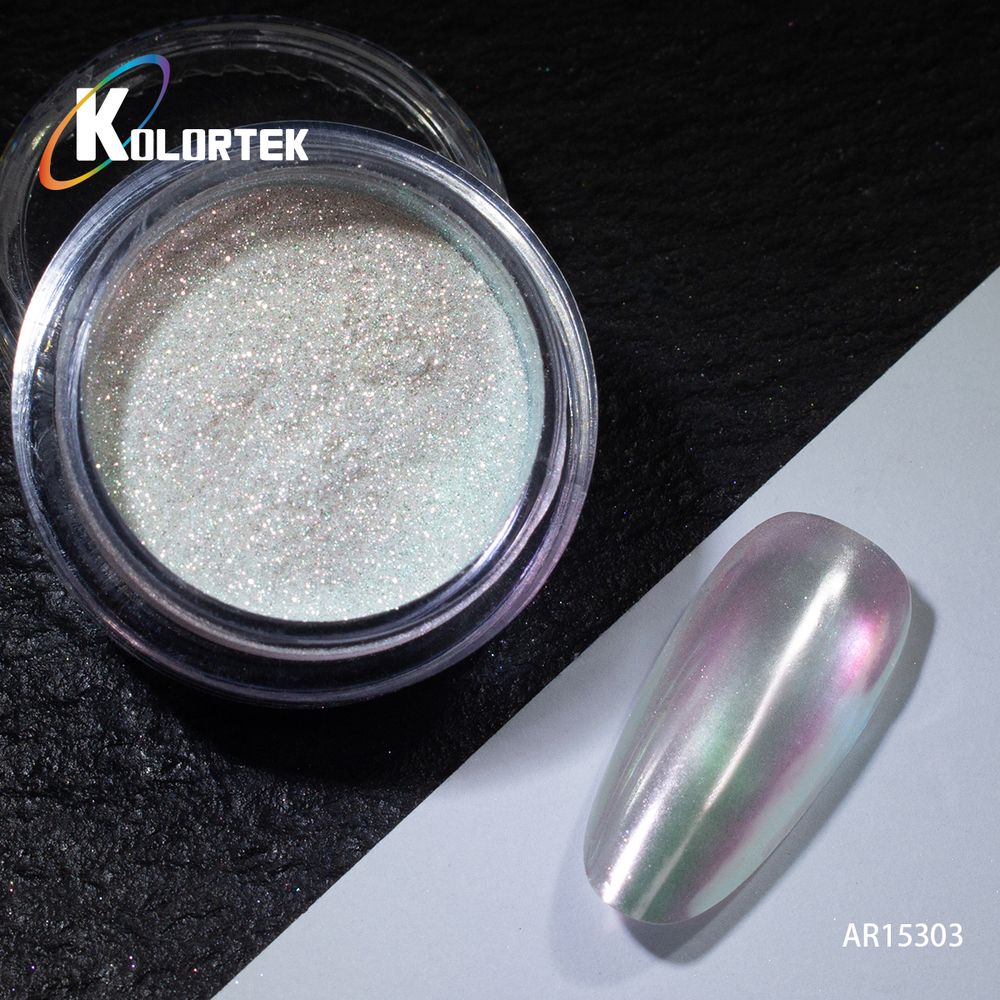
Figure 1. One Aurora colour name in powder form, with the same grade coated on a nail tip.
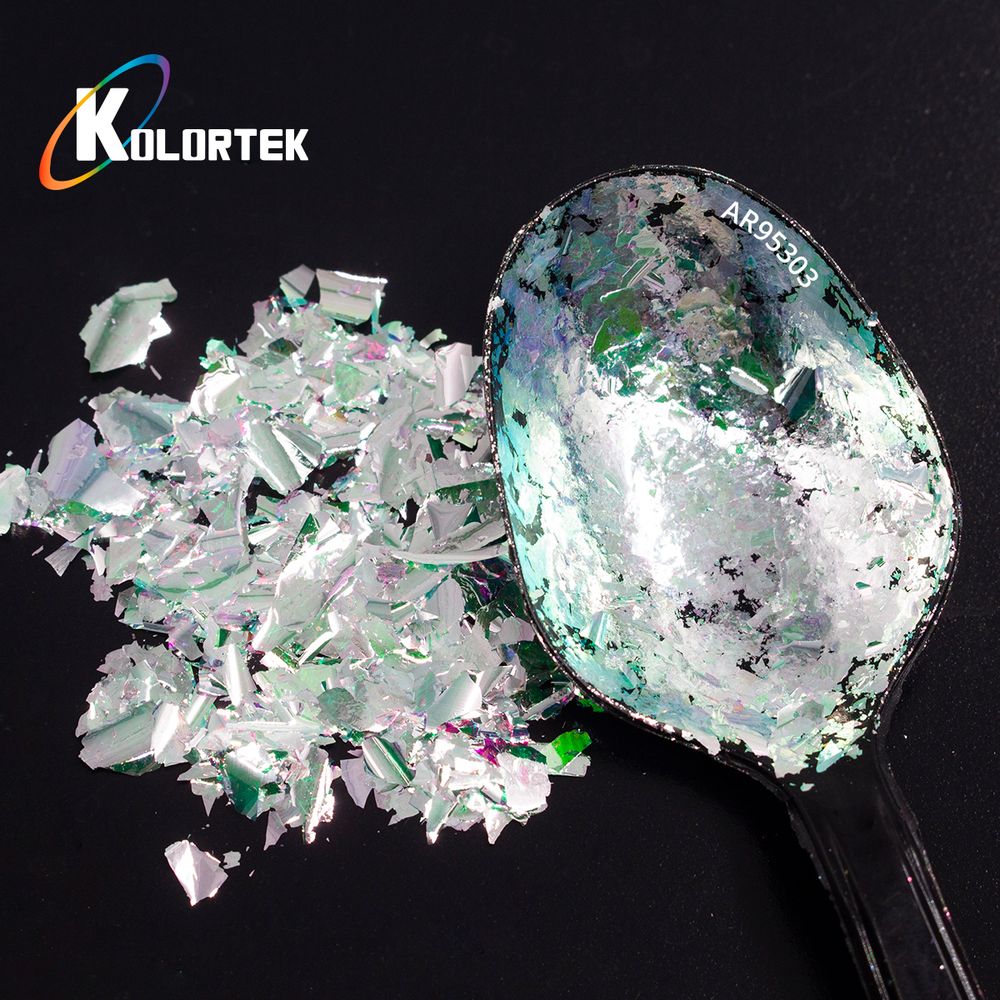
Figure 2. The same colour name in flake form — irregular large flakes, not a finer powder.
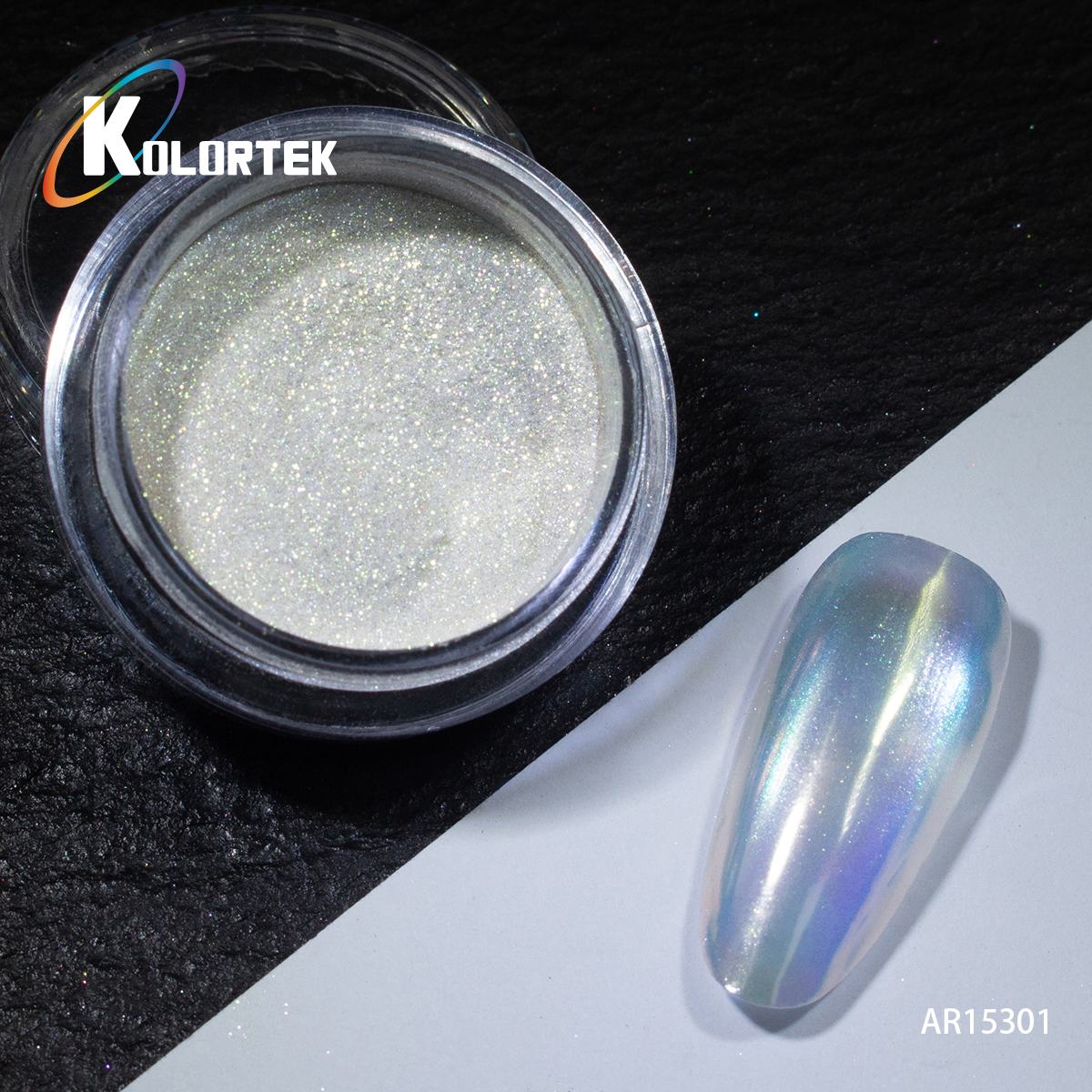
Figure 3. A second colour pair in powder form.

Figure 4. The matching flake grade of the same colour pair.
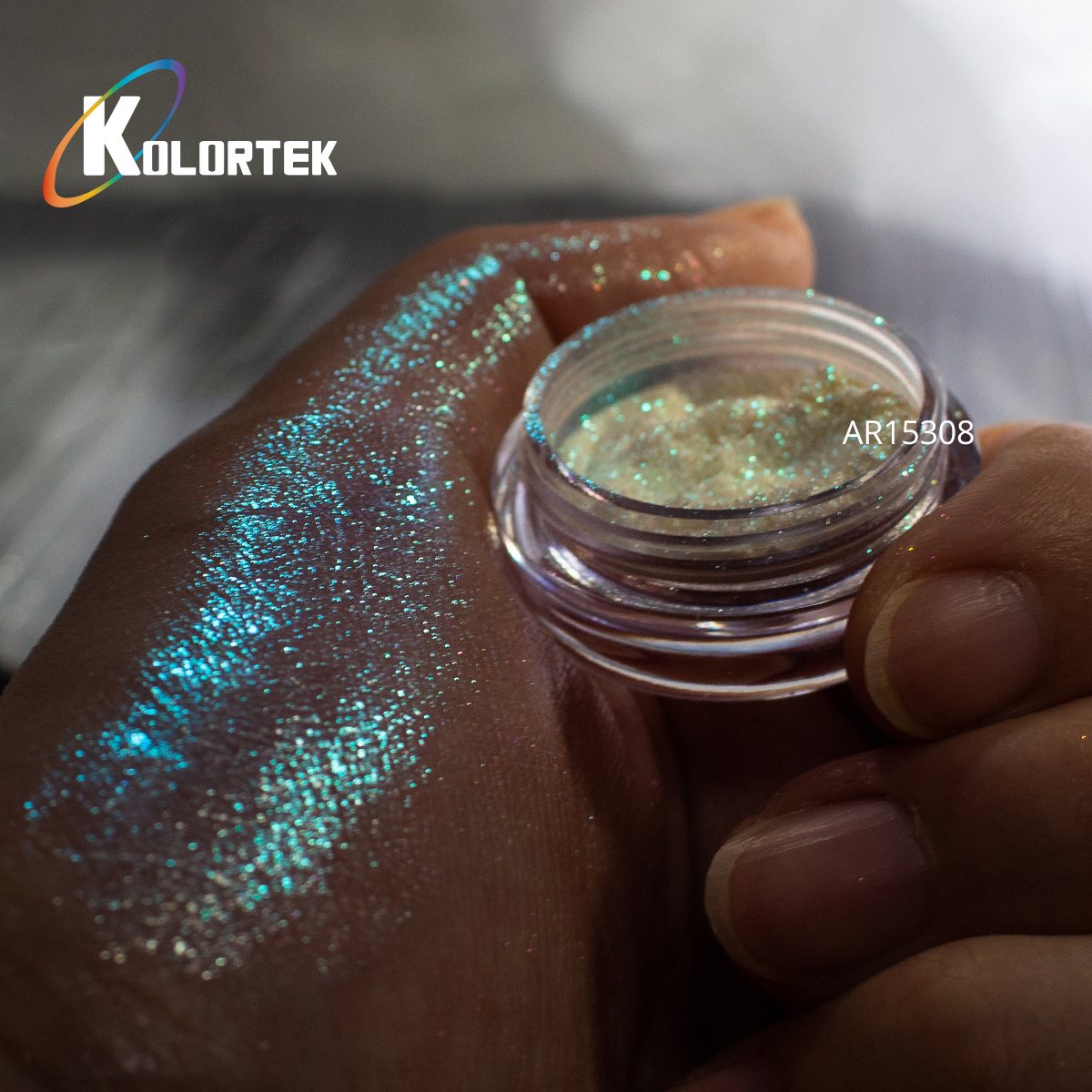
Figure 5. Powder form at working scale, after application.
The sheet lists 34 families and 319 live grades. The families form seven pairs: one powder line and one flake line that share colour names across both sides, so a single name resolves to two different materials.
The pairs are AR15*** (20–50 µm powder) with AR95***; AR151** (15–45 µm) with AR951**; AR153** (10–60 µm) with AR953**; AR156** (10–60 µm) with AR956**; APF11** (20–60 µm) with APF91**; APG21** (10–60 µm) with APGF92**; and AH1** (15–75 µm) with AH9**. Seven lines, fourteen family codes.
Take Pink-Green. AR15303 is the powder, written 10–60 µm in the size column. AR95303 is the flake, written irregular large flakes. The colour name is identical; the code, the material and the size entry are not. 44 colour names behave this way across the pair set.
Purchase orders often travel on the colour name alone, which is the one field that distinguishes nothing here. The nail-application side of Aurora — formulation, loading levels, solvent resistance, regulatory notes — is covered on the bulk aurora holographic pigment powder nail-art selection and formulation guide; this page stays on form.
Powder grades carry a real number in the size column. The sheet uses sixteen numeric windows across the range, and the individual windows below identify the size specification for each line.
At the fine end: <15 µm for Halley Comet, 5–20 µm for AR154**S, and 5–25 µm for AR15***1S, AR5, ARS6 and APF12**S. These are the cuts where the particle is small enough that the finish reads as a surface rather than as points of light.
The middle band is the widest: 10–50 µm for AR4 and AMD11, 10–60 µm for AR153**, AR156**, APG21** and APG31**, 10–100 µm for APG11**, 10–80, 10–100 and 10–125 µm for AM2, and 10–200 µm for ARD16 and ADR16.
At the coarse end: 15–45 µm for AR151**, 15–75 µm for AR3 and AH1, 20–50 µm for AR15***, 20–60 µm for APF11**, 20–80 µm for AR1552**P, 20–120 µm for ARS21, ARS31 and AR1551**P, and 20–150 µm for AM3.
Two details are worth pulling out of the sheet. AR15***1S holds eight grades, all of them 5–25 µm, and the catalogue notes the finer cut gives a better mirror effect. AM3 sits at 20–150 µm, and the catalogue marks it as usable for eyeshadow. Wider context on how size tiers are organised across the synthetic mica range is on the five size tier synthetic mica pigment breakdown.
Every flake grade in the sheet fills its size column with the same words: irregular large flakes. There is no micron value anywhere in that column — no range, no single figure, no upper and lower bound. All seven flake lines behave identically.
The catalogue describes the irregular large flakes without providing a numeric size window, which is why a request for flake sized "in microns" cannot be answered from the sheet. The powder equivalent of the same colour name will have a window; the flake will not.
The flake lines correspond colour-for-colour with their powder partners but never share a code, so the pairing is visible only when both sides are read together. AR95303 and AR15303 belong to separate lines that carry the same colour name; confirm the powder-to-flake pairing rather than treating the codes as interchangeable.
The two forms fail in opposite directions, and neither failure is a quality problem. It is a fit problem between particle scale and process.
Spraying, anilox roller application and fine screening all exclude the flake form. An irregular large flake will not pass the equipment those processes depend on, and no adjustment to the colour name changes that. When a job runs through spray or anilox roller equipment, the powder line is the one that enters the process.
The reverse holds at the other end. Where the target is large individual flashes — a scatter of distinct bright particles rather than an even sheen — a fine powder cut will not deliver it by itself. That look comes from the flake side, applied by hand scatter, casting or embedding.
So the deciding question is not which form performs better. It is which form your process will accept, and what the surface is supposed to do once it is there. Process constraints by coating route are set out on the pigments for paints and coatings page.
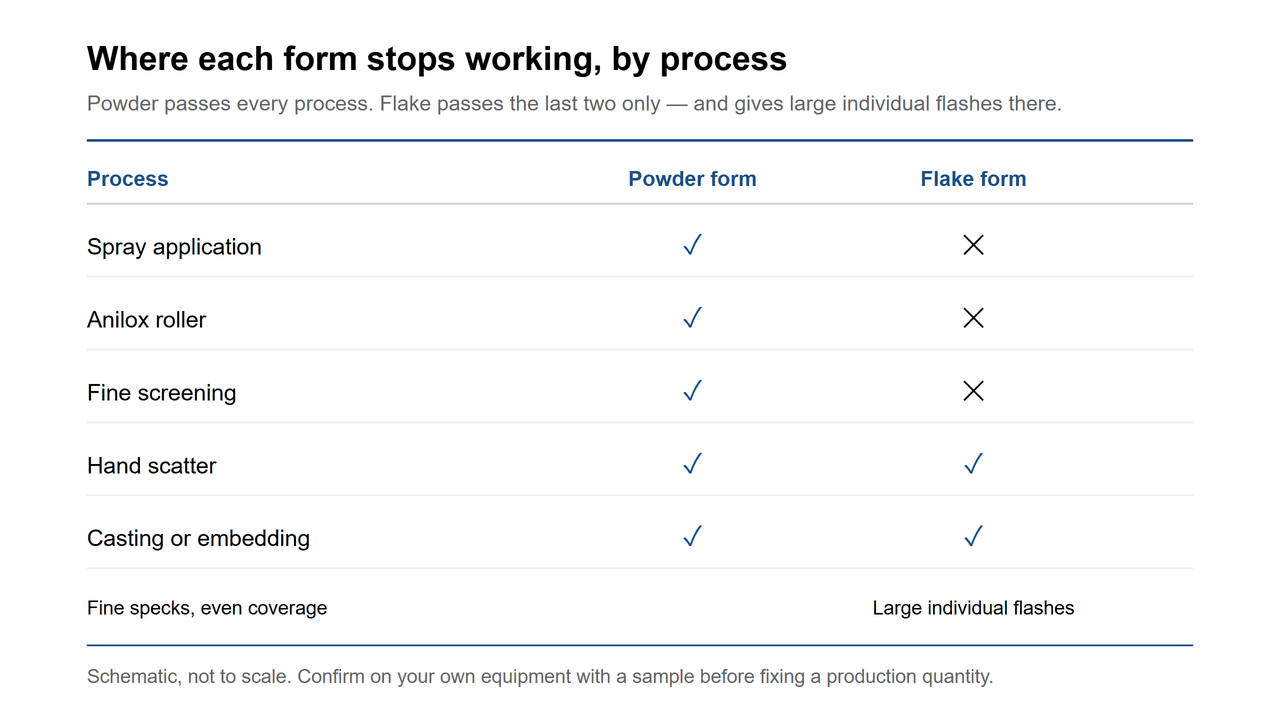
Figure 6. Where each form stops working, by process. (illustrative)
| Form | Size column, as written | Visual result | Processes it can enter | Representative lines |
|---|---|---|---|---|
| Powder | Numeric window, 5–150 µm | Fine to medium sparkle | Spray, roller, screen, dispersion | AR153**, AR15*** |
| Powder, fine cut | 5–25 µm | Mirror effect | Spray, roller, screen, dispersion | AR15***1S |
| Flake | irregular large flakes |
Large individual flashes | Hand scatter, casting, embedding | AR953**, APF91** |
Four things are worth fixing before a purchase order goes out. First, form: powder or flake. Second, the specification inside that form — a micron window for powder, a flake type for flake. Third, the process the material has to survive on your line. Fourth, whether the grade must come from a family the catalogue annotates for cosmetic use.
Settle those four and the colour name becomes the last field rather than the first. A wider set of multi-colour pigment options across powder and flake lines is listed on the multi-colour mica pigment powder range.
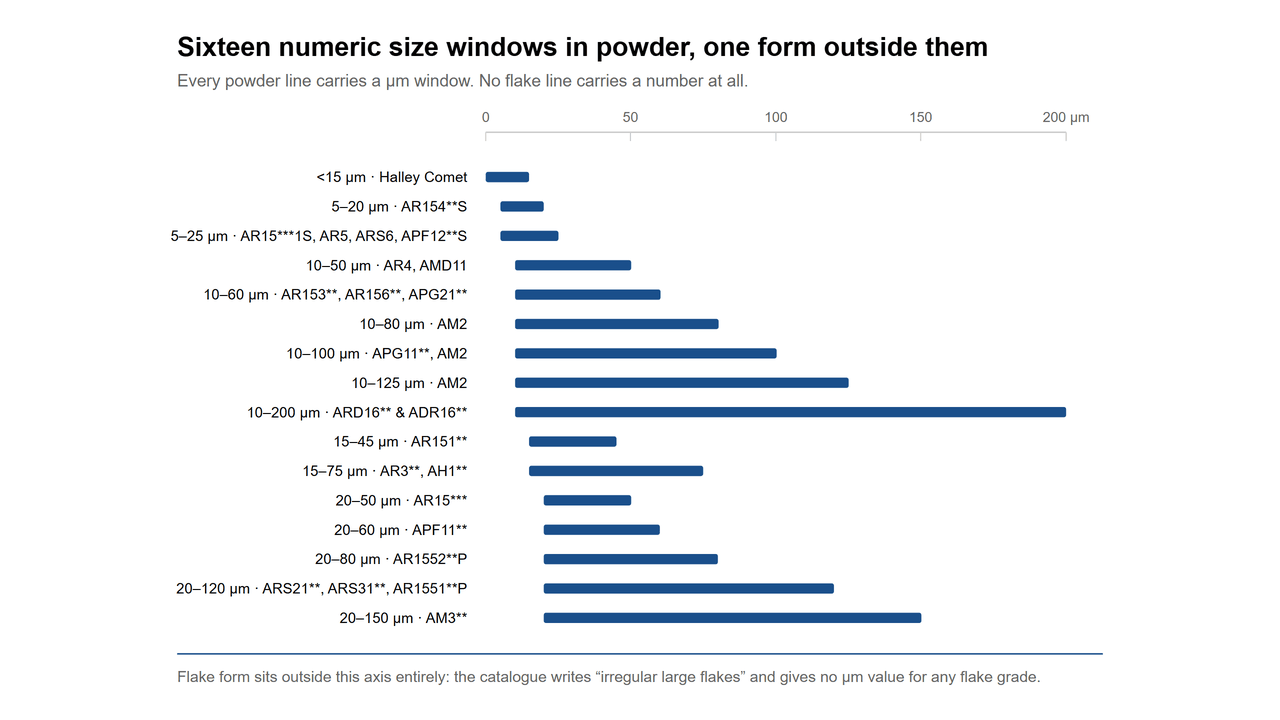
Figure 7. Sixteen numeric size windows in powder, and the flake form outside all of them. (illustrative)
Minimum order quantity is set by grade and by pack size rather than as a single figure across the range, and the exact MOQ for the codes you select is confirmed on the quotation. Kolortek is ISO 9001:2015 certified. Additional certificates are provided on request.
Line codes, size windows and the powder-to-flake pairing are all recorded in one place: download the Aurora Pigments catalogue.
Video 1. Powder and flake of one colour name, shown on finished surfaces.
For cosmetic and personal-care directions, the catalogue annotates some families as suitable for cosmetic use — not all 34. The annotation sits against individual families, so confirmation is per grade rather than per range.
REACH, RoHS, Halal, Kosher and US FDA registration are provided on request.
No. The same colour name can exist in both forms, but the codes differ and the size column is written differently — a numeric window on the powder side, irregular large flakes on the flake side.
The flake entries are written as irregular large flakes throughout the sheet. The catalogue describes their irregular form without providing a µm window, so there is no numeric size range to quote from it.
Flake grades do not pass spray or anilox roller equipment. Those processes run on the powder side of the paired lines. Confirm on your own equipment with a sample before committing to a production quantity.
AR15***1S, which holds eight grades all at 5–25 µm. The catalogue notes that the finer cut gives a better mirror effect.
Form is decided on your equipment, not on a spec sheet. A sample pack built around your application lets you run the powder window and the flake side of the same colour name through the process you actually use, and compare the two surfaces under your own conditions.
Send the colour name, the process, and the form you think you need. We will confirm which line codes match, what the size column says for each, and what the minimum order looks like for those codes.
Aurora pigment comes as powder and flake under one colour name. Compare size windows, finishes and the processes each form can enter before you order.
Read More
 English
 Français
 Deutsch
 Русский
 Español
 Português