
Leave A Message
If you are interested in our products and want to know more details,please leave a message here,we will reply you as soon as we can.
Titanium Dioxide Rutile, Cosmetic Grade Filler – KT-10009
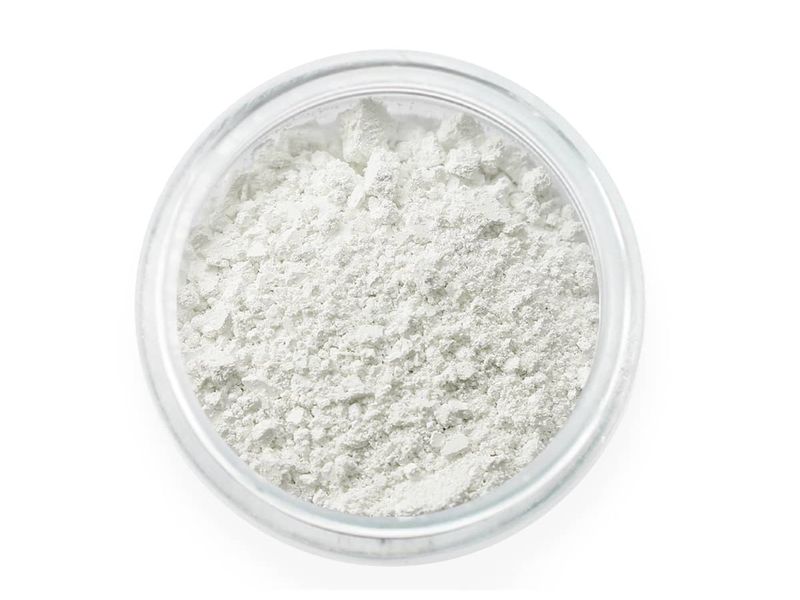
KT-10009 is a cosmetic grade rutile titanium dioxide — the untreated, hydrophilic form of TiO₂ used as the primary white pigment and opacity agent in face powders, foundations, sunscreens, and a broad range of color cosmetics. Rutile crystal phase offers a higher refractive index, better UV stability, and lower photocatalytic activity compared to anatase — making it the standard specification for most cosmetic TiO₂ applications. For formulators sourcing a reliable, low heavy metal content white pigment with broad regulatory acceptance and maximum coverage efficiency, KT-10009 covers the functional requirements of the majority of aqueous and emulsion-based cosmetic systems.
Item No. :
KT-10009Composition :
Titanium Dioxide (Rutile)Brand :
Kolortek / OEMMOQ :
25 KGApplication :
Face Powder, Foundation, Blush, Bronzer, Eyeshadow, Mascara, Liner, Primer, Sunscreen, BB Cream, Body Powder
Within Kolortek's Cosmetic Fillers & Treated Pigments range, KT-10009 is the untreated rutile TiO₂ baseline grade — positioned for aqueous and water-continuous formulations where a hydrophilic surface is an advantage, and for buyers who apply their own surface treatment at the formulation stage. It sits alongside the silicone-treated variant (KT-10008AS), which is optimized for oil-phase and silicone-continuous systems. The choice between treated and untreated grade is primarily a function of the formulation base and the desired oil absorption level.
As a functional filler rather than an effect pigment, KT-10009 does not produce pearlescence, metallic luster, or color travel. Its value is strictly functional: maximum opacity, UV attenuation, and white tone correction in any cosmetic system where these properties are required. It is one of the most widely used cosmetic ingredients globally, and consistent particle size distribution and low impurity levels are the primary procurement criteria.
| Parameter | Value / Notes |
|---|---|
| Item No. | KT-10009 |
| Material | Titanium Dioxide — Rutile crystal phase |
| INCI Name | Titanium Dioxide |
| CAS No. | 13463-67-7 |
| CI Number | CI 77891 |
| Refractive Index | ~2.70 (rutile) — highest among common white cosmetic pigments |
| Surface Treatment | None (untreated) — hydrophilic surface |
| Appearance | White fine powder |
| Key Function | Opacity, UV attenuation, white tone correction, coverage |
| Photocatalytic Activity | Low (rutile) — significantly lower than anatase grade |
| Grade | Cosmetic grade — low heavy metal content; filtered to remove regulated impurities |
| Particle Size | Contact us for D50 specification data |
| Dispersibility | Aqueous and water-continuous systems; dispersion in oil phase requires wetting agents or surface treatment |
| Regulatory Status | CI 77891 — approved cosmetic colorant in EU (Annex IV) and USA (FDA); also listed as UV filter in EU Annex VI for sunscreen use — verify current conditions per application |
| Documentation Available | TDS, SDS, Certificate of Analysis — on request |
| Brand | Kolortek |
| MOQ | Contact us for details |
Rutile vs. anatase — why it matters for cosmetic formulation: Both rutile and anatase are crystalline forms of TiO₂ with the same chemical composition but different physical properties. Rutile has a higher refractive index (~2.70 vs. ~2.55 for anatase), which translates to greater opacity and coverage per gram of pigment used. More significantly for cosmetic applications, rutile exhibits significantly lower photocatalytic activity than anatase under UV exposure. Anatase's photocatalytic reactivity can degrade organic ingredients — oils, dyes, fragrance compounds, preservatives — through free radical generation. For formulations exposed to light during use or storage, rutile is the technically correct specification in most cases.
Highest opacity of any common white cosmetic pigment: Titanium dioxide's refractive index of approximately 2.70 gives it a scattering efficiency that zinc oxide (~2.0), talc (~1.59), mica (~1.58), and silica (~1.46) cannot match at equivalent loading levels. Formulators use TiO₂ to achieve full coverage and white tone correction at lower inclusion rates than any alternative white filler — relevant for both cost management and formula texture, since higher filler loadings generally affect skin feel negatively.
UV attenuation in mineral sunscreen applications: Rutile TiO₂ is a physical UV filter that attenuates UVB and part of the UVA spectrum through scattering and absorption. In the EU, it is listed in Annex VI of the EU Cosmetics Regulation as an approved UV filter for sunscreen use. In the US, TiO₂ is recognized as a Category I sunscreen active ingredient under the OTC drug monograph framework. The specific maximum use concentration and the applicable regulatory pathway depend on the product type and target market — buyers developing SPF-rated products should verify the current regulatory requirements with their regulatory team before specifying.
Untreated surface — when it is the right choice: KT-10009 is the hydrophilic, untreated grade. For aqueous and oil-in-water emulsion systems (water-based foundations, gel-cream sunscreens, liquid blush, serum-foundation hybrids), the hydrophilic surface disperses naturally into the water phase without requiring additional wetting agents. For anhydrous and silicone-continuous systems, the treated grade (KT-10008AS) is the more appropriate specification — untreated TiO₂ requires significant additional dispersion energy and wetting agent use in those bases.
| Product Category | Role of KT-10009 | Notes |
|---|---|---|
| Liquid foundation (O/W) | Primary white pigment; coverage and skin tone correction | Disperses into water phase; typical loading 3–12% depending on coverage level required |
| Face powder (pressed & loose) | Opacity, white base, coverage in pressed and loose powder formulations | Blended with talc, sericite, and color pigments; loading affects coverage vs. translucency |
| Mineral sunscreen | Physical UV filter — primary SPF contributor | Regulated as UV filter in EU (Annex VI) and OTC drug active in USA; verify maximum use levels for target market |
| Concealer | Maximum coverage pigment for skin imperfection correction | Higher TiO₂ loading levels than standard foundation; formulation texture management important at high pigment concentrations |
| BB cream / CC cream | Combined coverage and UV protection in single multifunctional product | Common application for rutile TiO₂ where SPF and cosmetic functions are combined |
| Eye shadow & eye products | White base and opacity modifier in pale, pastel, and highlight shades | CI 77891 approved for eye area use in both FDA and EU frameworks — confirm current status |
| Blush & bronzer | Tone lightener and opacity modifier in pressed powder blush formulations | Used at lower levels than in foundation — typically 1–5% for shade adjustment |
| Mascara & eyeliner | White pigment in white or colored mascara formulations | Less common application — used in specialty and editorial color products |
Dispersion in aqueous systems: KT-10009 wets out readily in the water phase of O/W emulsions. A pre-dispersion step — mixing the TiO₂ into a small volume of water or humectant (glycerin, propylene glycol) before adding to the main batch — improves distribution uniformity and reduces the risk of agglomerate formation in the finished emulsion. High-speed dispersers or homogenizers are appropriate for this pre-dispersion step.
Oil phase use limitations: Without surface treatment, KT-10009 does not disperse well in oil-continuous or anhydrous bases. Adding untreated TiO₂ directly to a W/O emulsion oil phase or a silicone-continuous formula will typically produce visible agglomeration and uneven coverage. For those systems, the silicone-treated grade KT-10008AS is the appropriate alternative.
Typical use levels: Loading levels depend on coverage requirements and product category. General ranges as industry reference — loose and pressed powder: 5–20%; liquid foundation: 3–12%; concealer: 8–20%; mineral sunscreen: up to the regulatory maximum for the target market. These are starting reference ranges; actual use levels should be confirmed through bench trials in the specific formulation system.
Interaction with organic colorants: Although rutile TiO₂ has lower photocatalytic activity than anatase, high TiO₂ loading combined with light-sensitive organic dyes in long-term storage can still produce gradual color fade in some formulations. If color stability under light exposure is a critical requirement, evaluate with accelerated stability testing at your specific TiO₂ loading and colorant combination. Surface-treated grades or the inclusion of antioxidants may improve stability in sensitive formulations.
Kolortek has supplied cosmetic grade pigments and fillers for over 20 years, with the Cosmetic Fillers & Treated Pigments range covering untreated and surface-treated TiO₂, iron oxides, sericite mica, talc, boron nitride, zinc oxide, and specialty treated grades. Certificate of Analysis documentation covering heavy metal impurity data is issued per production lot for cosmetic ingredient supplier qualification. TDS, SDS, and INCI declarations are available on request for all grades in the range.
Q: What is the difference between rutile and anatase titanium dioxide for cosmetics?
A: Rutile and anatase are two crystalline polymorphs of TiO₂ with different physical properties. Rutile has a higher refractive index (~2.70 vs ~2.55), which gives it greater opacity per gram. More importantly for cosmetic applications, rutile has significantly lower photocatalytic activity than anatase. Anatase generates free radicals under UV exposure that can degrade organic cosmetic ingredients — oils, colorants, fragrance components — over time. Rutile is the standard specification for most cosmetic and sunscreen applications. Anatase use in cosmetics is generally limited to specific cases where its slightly different UV absorption profile is advantageous and photocatalytic effects are managed.
Q: When should I use untreated TiO₂ (KT-10009) versus silicone-treated TiO₂ (KT-10008AS)?
A: The choice depends on your formulation's continuous phase. Untreated KT-10009 disperses naturally in aqueous and water-continuous systems (O/W emulsions, gel-based formulations, water-phase pre-dispersions). Silicone-treated KT-10008AS is designed for oil-continuous and silicone-continuous systems (W/O emulsions, anhydrous formulations, silicone-based primers and foundations) where the hydrophobic surface reduces dispersion energy requirements and eliminates the need for additional wetting agents.
Q: Is KT-10009 approved for use around the eyes?
A: CI 77891 (Titanium Dioxide) is approved for use in the eye area under both FDA regulations and EU Annex IV of the Cosmetics Regulation. Formulators should verify the current approved use conditions for their specific product type and target market before specifying for production.
Q: Can KT-10009 be used as a UV filter in SPF-rated products?
A: Yes, with the appropriate regulatory qualification. In the EU, rutile TiO₂ is listed in Annex VI of the EU Cosmetics Regulation as an approved UV filter with a maximum concentration of 25% in face products and 10.4% (as TiO₂) in body products (verify current values). In the US, TiO₂ is a Category I sunscreen active ingredient under the OTC monograph framework, with a maximum concentration of 25%. Buyers developing SPF-rated products should confirm current maximum use levels and any additional requirements (particle size restrictions, nano-material declarations) with their regulatory team before production specification.
Q: What documentation does Kolortek provide for cosmetic ingredient qualification?
A: TDS, SDS, Certificate of Analysis (including heavy metal impurity data), and INCI declaration are available on request. The CoA is issued per production lot, providing the batch-level traceability required for EU CPNP notification and cosmetic ingredient supplier qualification files.
Whether you are qualifying a new TiO₂ supplier for an existing foundation line, developing a mineral sunscreen, or evaluating the rutile versus treated grade decision for a new formulation, contact Kolortek to request a sample of KT-10009, TDS, SDS, Certificate of Analysis, or INCI documentation for your supplier qualification file.
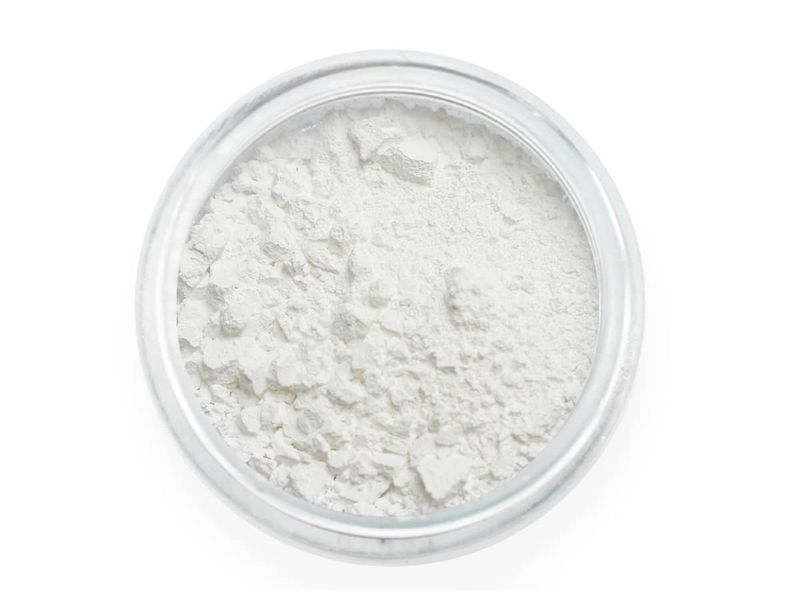
Kolortek's Cosmetic Fillers & Treated Pigments range covers functional powder ingredients used in decorative and personal care formulations — including untreated fillers, UV filters, and surface-treated variants designed to improve dispersibility, reduce oil absorption, and enhance skin feel. Products span standard cosmetic fillers through silicone-treated, silane-treated, and amino acid-coated grades, allowing formulators to select the surface chemistry that best fits their formulation system and performance requirements.
Read More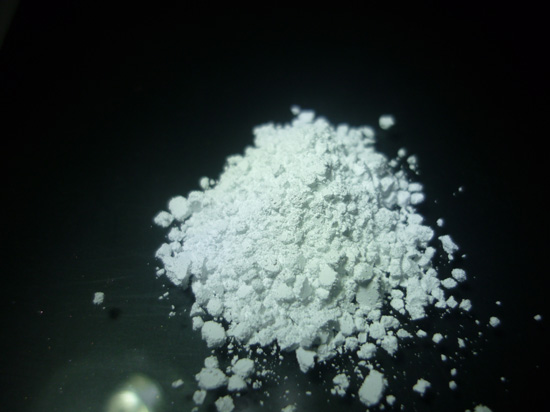
KT-10001A is a cosmetic-grade Titanium Dioxide (Anatase) pigment providing high opacity and whiteness in formulations. Designed for use in creams, powders, and other personal care products, it ensures **uniform coverage and consistent color intensity** while maintaining safe cosmetic performance.
Read More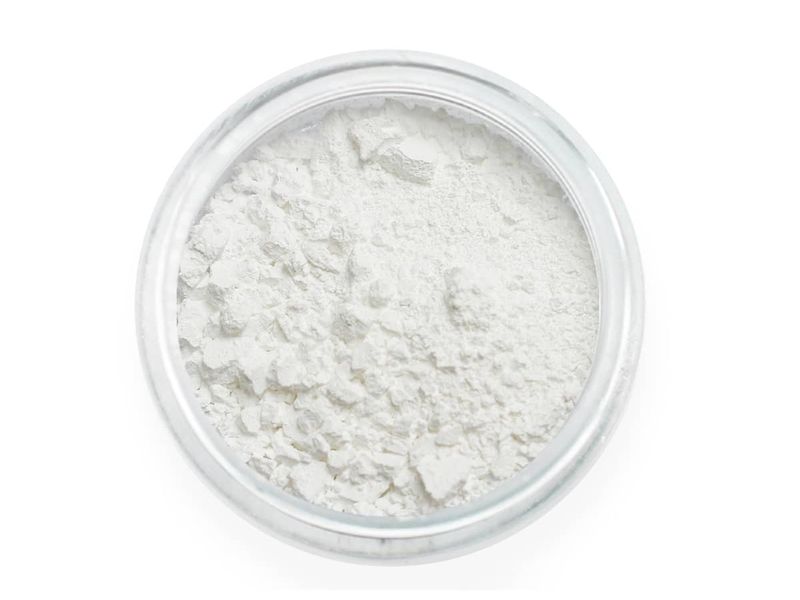
KT-10008AS provides a silicone-treated Titanium Dioxide optimized for cosmetic formulations requiring smooth skin feel and uniform opacity. Commonly used in face powders, foundations, mascaras, and eyeshadows, it reduces oil absorption and improves dispersion, helping formulators maintain consistent texture across products.
Read More
KT-10009 is a cosmetic grade rutile titanium dioxide — the untreated, hydrophilic form of TiO₂ used as the primary white pigment and opacity agent in face powders, foundations, sunscreens, and a broad range of color cosmetics. Rutile crystal phase offers a higher refractive index, better UV stability, and lower photocatalytic activity compared to anatase — making it the standard specification for most cosmetic TiO₂ applications. For formulators sourcing a reliable, low heavy metal content white pigment with broad regulatory acceptance and maximum coverage efficiency, KT-10009 covers the functional requirements of the majority of aqueous and emulsion-based cosmetic systems.
Read More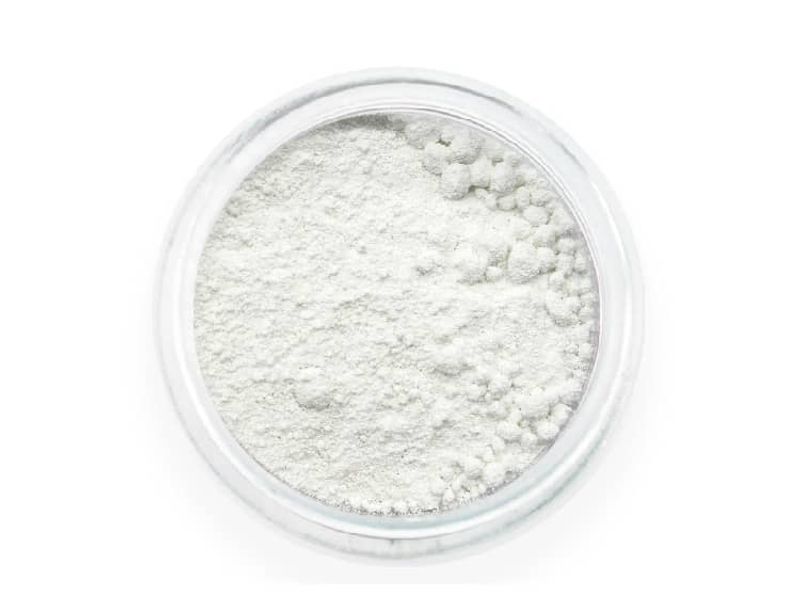
KT-10010 is a cosmetic grade anatase titanium dioxide — a white, high-opacity pigment used in face powders, foundations, and color cosmetics where maximum whiteness and a softer, more diffuse coverage character are the formulation priorities. Anatase TiO₂ produces a slightly brighter, cooler white tone than rutile and scatters light more diffusely, which can reduce the heavy or chalky appearance associated with high-opacity coverage at elevated pigment loadings. Supplied in 25kg packaging, it is suited for commercial production volumes where batch-to-batch consistency and low heavy metal content are standard procurement requirements.
Read More
 English
 Français
 Deutsch
 Русский
 Español
 Português