Leave A Message
If you are interested in our products and want to know more details,please leave a message here,we will reply you as soon as we can.
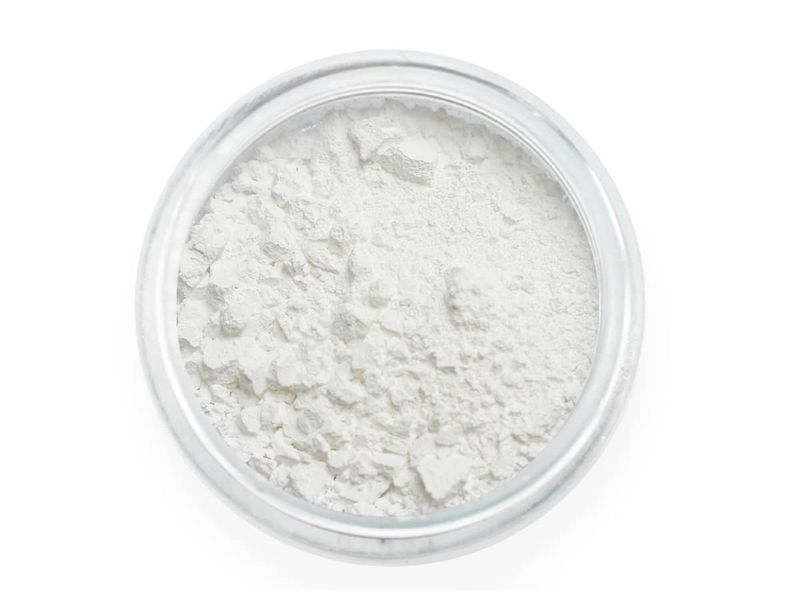
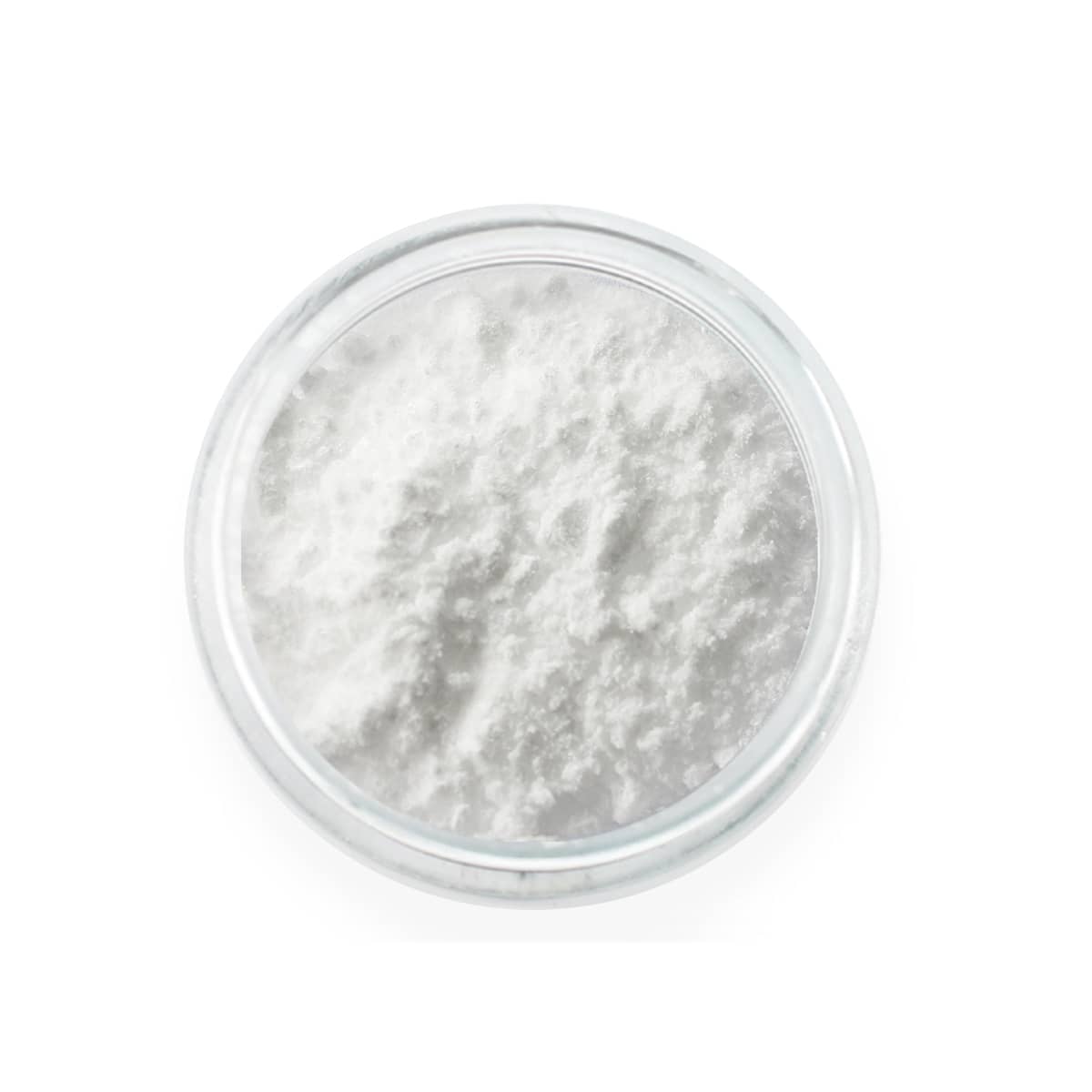
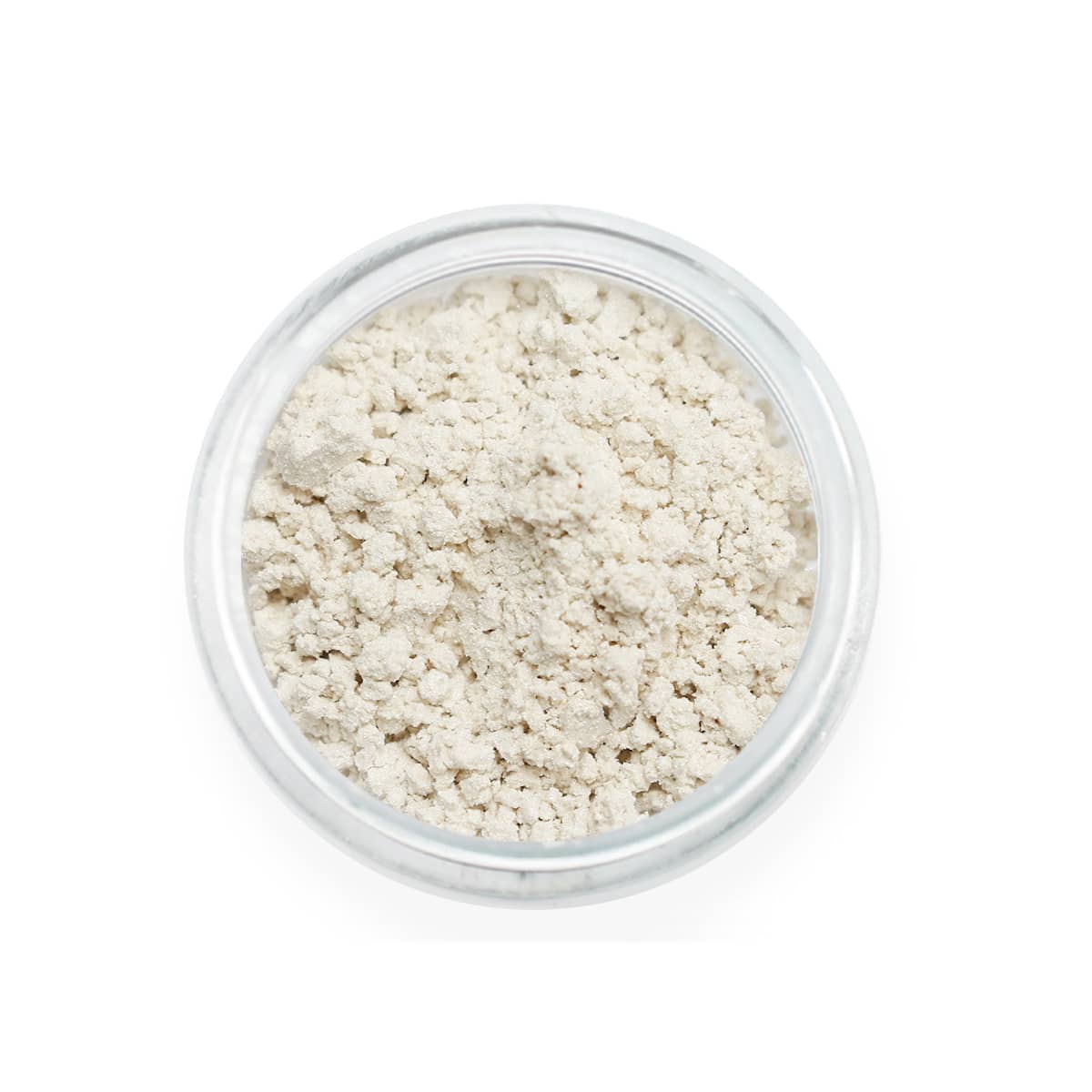
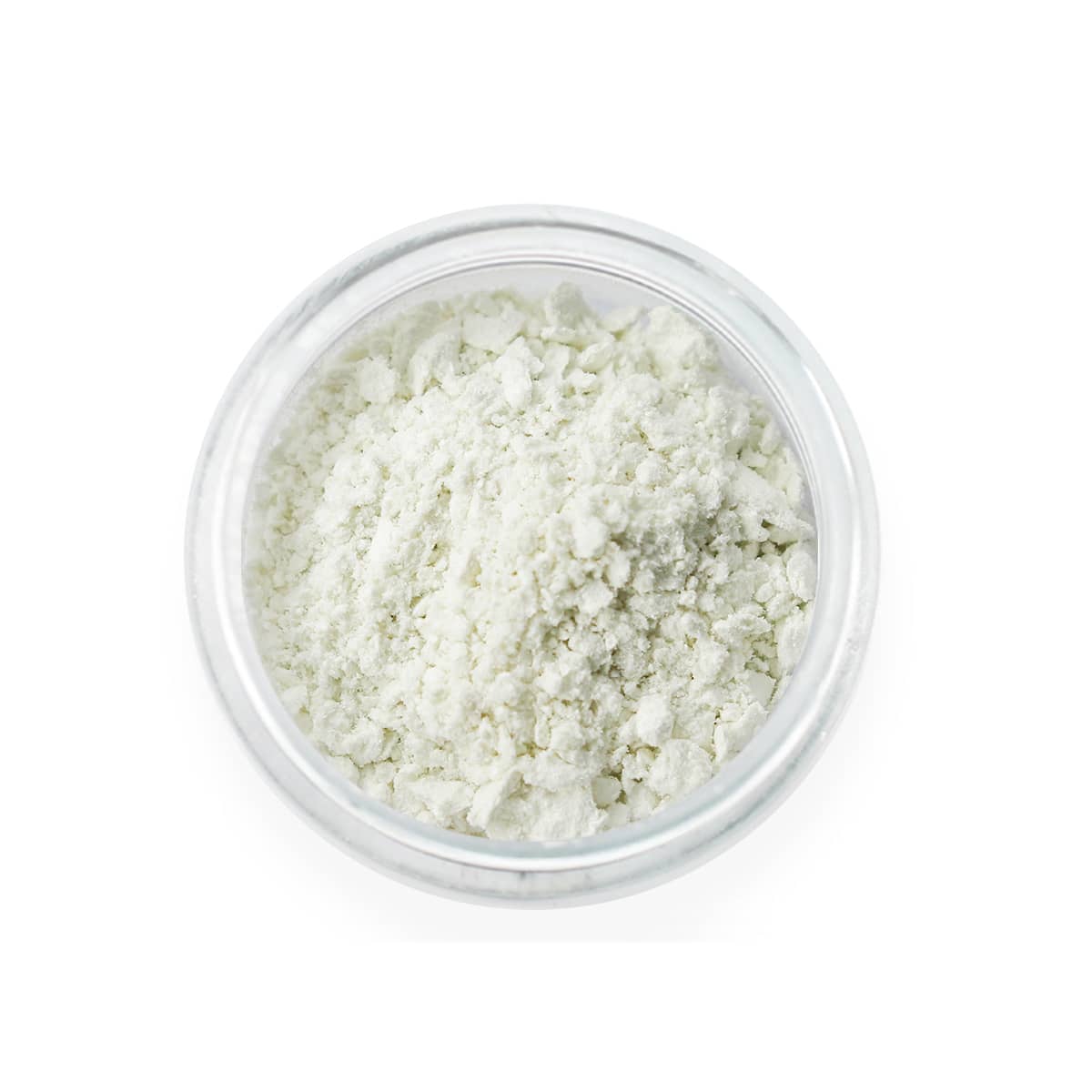
Kolortek's Cosmetic Fillers & Treated Pigments range covers functional powder ingredients used in decorative and personal care formulations — including untreated fillers, UV filters, and surface-treated variants designed to improve dispersibility, reduce oil absorption, and enhance skin feel. Products span standard cosmetic fillers through silicone-treated, silane-treated, and amino acid-coated grades, allowing formulators to select the surface chemistry that best fits their formulation system and performance requirements.
Item No. :
Cosmetic Fillers & Treated PigmentsComposition :
Sericite Mica, Synthetic Mica, Talc, TiO₂, Iron Oxides, Silica, Boron Nitride, Zinc Oxide, Mg Myristate, Mg Stearate, Zinc Stearate, etc.Brand :
Kolortek / OEMMOQ :
25 KGApplication :
Face Powder, Foundation, Blush, Bronzer, Eyeshadow, Mascara, Liner, Primer, Sunscreen, BB Cream, Body PowderCosmetic fillers and treated pigments serve two distinct but related functions in formulations. Fillers — such as sericite mica, talc, silica microspheres, boron nitride, and magnesium stearate — contribute to texture, slip, adhesion, oil absorption control, and opacity. Colorant powders — such as iron oxides and titanium dioxide — provide color and UV protection. In their untreated form, both categories perform their primary function but may have limitations: high oil absorption, poor dispersibility in silicone or anhydrous systems, tendency to agglomerate, or suboptimal skin feel.
Surface treatment addresses these limitations by modifying the outermost surface chemistry of the powder without changing its core functional properties. The three main treatment chemistries in Kolortek's range are:
Dimethicone treatment deposits a thin silicone layer on the particle surface. This reduces oil absorption (relevant for long-wear and sebum-control formulations), improves dispersibility in silicone-based systems, and contributes a softer, more silky skin feel in pressed and loose powder applications.
Triethoxycaprylylsilane (silane) treatment creates a covalent bond between the silane molecule and hydroxyl groups on the particle surface, forming a more durable, water-repellent surface. This treatment is particularly relevant for water-resistant and long-wear formulations, as the silane layer reduces particle wetting by water and improves the stability of pigments in both W/O and anhydrous systems.
Lauroyl Lysine treatment uses an amino acid derivative (N-lauroyl-L-lysine) to coat the particle surface, producing a soft-focus, skin-friendly feel and improved spreadability. This treatment is commonly used in high-end face powder and foundation formulations where skin feel is a primary performance criterion.
Carnauba wax treatment provides a natural wax surface coating that improves flow and reduces agglomeration, relevant for pressed powder applications.
Each treatment changes the surface energy of the substrate powder, which affects how the powder disperses in different formulation media — aqueous, anhydrous, silicone-based, or emulsion systems. Selecting the correct surface treatment for the intended formulation system is a formulation decision that should be supported by compatibility testing.
Key Features & Benefits
| Feature | Practical Benefit for Buyers |
|---|---|
| Multiple surface treatment options (dimethicone, silane, lauroyl lysine, carnauba wax) | Formulators can match the surface chemistry to their specific formulation system — silicone-based, anhydrous, water-resistant, or natural/clean beauty |
| Treated iron oxides (yellow, black, red) available | Silane-treated iron oxide powders disperse more readily in silicone and anhydrous systems, reducing milling time and improving pigment distribution consistency |
| Boron nitride included in the range | Provides soft-focus optical effect and very low friction coefficient — used in high-performance face powders and primers where silk-like skin feel is required |
| Untreated and treated variants available side by side | Formulators can benchmark performance difference between treated and untreated grades from the same supplier without introducing a substrate variable |
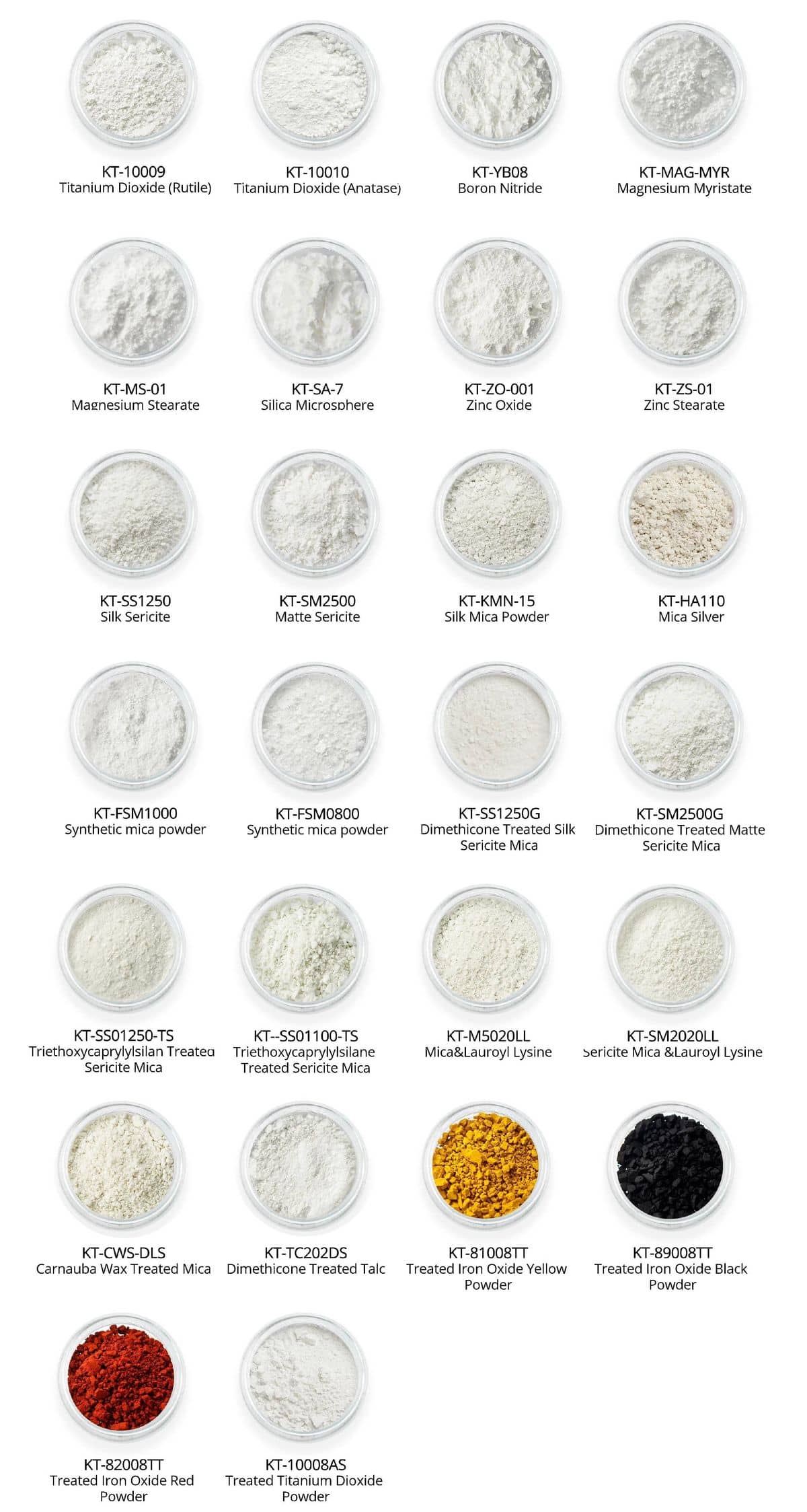
| Product | Primary Cosmetic Application | Key Function |
|---|---|---|
| Titanium Dioxide (Rutile) | Foundation, BB cream, sunscreen, face powder | Opacity, UV protection, white tinting |
| Titanium Dioxide (Anatase) | Specialty cosmetics, UV protection | UV protection; lower RI than rutile |
| Boron Nitride | Face powder, primer, setting powder, foundation | Soft-focus effect, extreme low friction, silk feel |
| Magnesium Myristate | Pressed powder, blush, eyeshadow | Slip, adhesion, powder binding |
| Magnesium Stearate | Pressed powder, foundation, blush | Binding, slip, adhesion improvement |
| Silica Microsphere | Foundation, face powder, primer | Soft-focus light diffusion, oil absorption control |
| Zinc Oxide | Sunscreen, BB cream, baby powder | UV protection (broad spectrum), mild skin-soothing |
| Zinc Stearate | Pressed powder, eyeshadow | Adhesion, slip, powder binding |
| Silk Sericite / Matte Sericite | Face powder, foundation, eyeshadow | Smooth texture, matte finish, light diffusion |
| Silk Mica Powder | Face powder, eyeshadow, blush | Fine pearl shimmer, smooth skin feel |
| Mica Silver | Face powder, eyeshadow, highlighter | Soft silver pearl effect |
| Synthetic Mica Powder | High-end face powder, eyeshadow, highlighter | Higher purity than natural mica, suitable for sensitive skin formulations |
| Dimethicone Treated Silk Sericite Mica | Long-wear foundation, powder, eyeshadow | Improved dispersibility in silicone systems, reduced oil absorption |
| Dimethicone Treated Matte Sericite Mica | Long-wear face powder, foundation | Matte finish with silicone-system compatibility |
| Triethoxycaprylylsilane Treated Sericite Mica | Water-resistant face powder, long-wear eyeshadow | Water and sebum resistance; improved longevity |
| Triethoxycaprylylsilane Treated Iron Oxide (Yellow / Black / Red) | Foundation, concealer, blush, bronzer | Improved dispersion in silicone/anhydrous systems; better color distribution |
| Mica & Lauroyl Lysine | High-end face powder, luxury foundation | Amino acid treatment for enhanced skin feel and spreadability |
| Sericite Mica & Lauroyl Lysine | Luxury face powder, setting powder | Ultra-soft skin feel, improved spreadability |
| Carnauba Wax Treated Mica | Pressed powder, blush, bronzer | Improved flow and pressing behavior in pressed format |
| Dimethicone Treated Talc | Body powder, face powder, setting powder | Silicone-system compatible talc; improved skin feel |
| Silicone Treated Titanium Dioxide | Long-wear foundation, water-resistant sunscreen, BB cream | Water-repellent TiO₂ for improved compatibility in silicone and W/O systems |
All products are intended for cosmetic use. Regulatory compliance, safety data, and INCI names are available upon request per grade. Confirm suitability for each specific application category and target market before use.
Cosmetic formulators sourcing functional powders and treated pigments face a sourcing fragmentation problem: untreated fillers, UV filters, surface-treated functional powders, and treated colorants are typically sourced from different suppliers, each with different quality systems, lead times, minimum order quantities, and documentation formats. When a formulation requires multiple treated and untreated grades — for example, dimethicone-treated sericite alongside silane-treated iron oxides and boron nitride — managing three or four supplier relationships for what is functionally one formulation category adds procurement overhead and increases the risk of batch-to-batch variation from different sources.
A secondary challenge specific to surface-treated powders is treatment consistency. The performance benefit of a treated powder — reduced oil absorption, improved water resistance, better dispersibility — is directly dependent on the uniformity and coverage of the surface treatment. Inconsistent treatment produces batches that behave differently in the formulation, leading to variation in oil absorption, dispersion time, and skin feel between production runs.
Kolortek's Cosmetic Fillers & Treated Pigments range consolidates untreated fillers, UV filters, and surface-treated functional powders under one supplier — covering dimethicone, silane, lauroyl lysine, and carnauba wax treatment chemistries across mica, sericite, talc, titanium dioxide, and iron oxide substrates. Formulators developing a complete face powder or foundation system can source the primary filler, the treated colorants, and the UV filter from the same manufacturer, with consistent documentation and quality control standards across all grades. With 20 years of cosmetic ingredient manufacturing experience, Kolortek maintains consistent treatment coverage and particle size distribution across production batches — the variables that directly determine the performance reproducibility of treated powder ingredients in formulation.
Sample sets by product type and treatment grade, INCI data, TDS, SDS, and pricing are available upon inquiry. Contact Kolortek's technical team with your formulation system type, target application, and treatment chemistry requirements for grade-specific recommendations.
Kolortek's Cosmetic Fillers & Treated Pigments range covers functional powder ingredients used in decorative and personal care formulations — including untreated fillers, UV filters, and surface-treated variants designed to improve dispersibility, reduce oil absorption, and enhance skin feel. Products span standard cosmetic fillers through silicone-treated, silane-treated, and amino acid-coated grades, allowing formulators to select the surface chemistry that best fits their formulation system and performance requirements.
Read More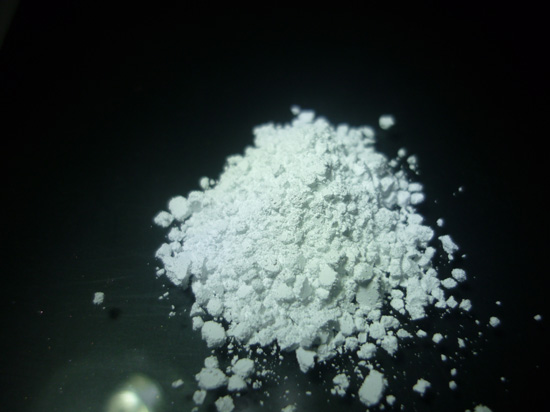
KT-10001A is a cosmetic-grade Titanium Dioxide (Anatase) pigment providing high opacity and whiteness in formulations. Designed for use in creams, powders, and other personal care products, it ensures **uniform coverage and consistent color intensity** while maintaining safe cosmetic performance.
Read More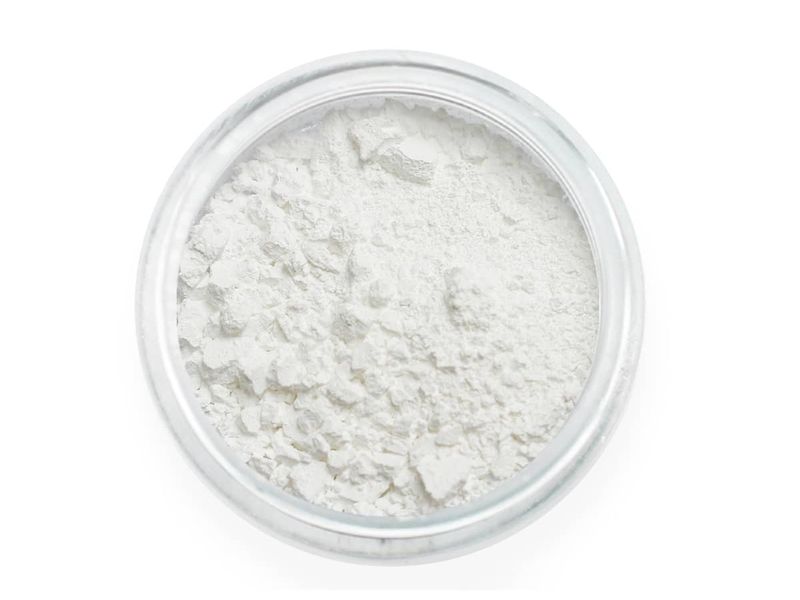
KT-10008AS provides a silicone-treated Titanium Dioxide optimized for cosmetic formulations requiring smooth skin feel and uniform opacity. Commonly used in face powders, foundations, mascaras, and eyeshadows, it reduces oil absorption and improves dispersion, helping formulators maintain consistent texture across products.
Read More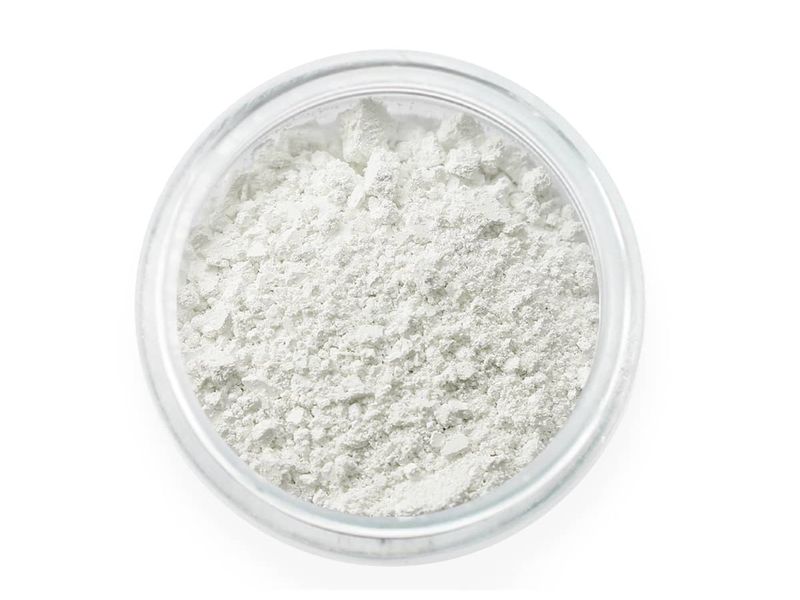
KT-10009 is a cosmetic grade rutile titanium dioxide — the untreated, hydrophilic form of TiO₂ used as the primary white pigment and opacity agent in face powders, foundations, sunscreens, and a broad range of color cosmetics. Rutile crystal phase offers a higher refractive index, better UV stability, and lower photocatalytic activity compared to anatase — making it the standard specification for most cosmetic TiO₂ applications. For formulators sourcing a reliable, low heavy metal content white pigment with broad regulatory acceptance and maximum coverage efficiency, KT-10009 covers the functional requirements of the majority of aqueous and emulsion-based cosmetic systems.
Read More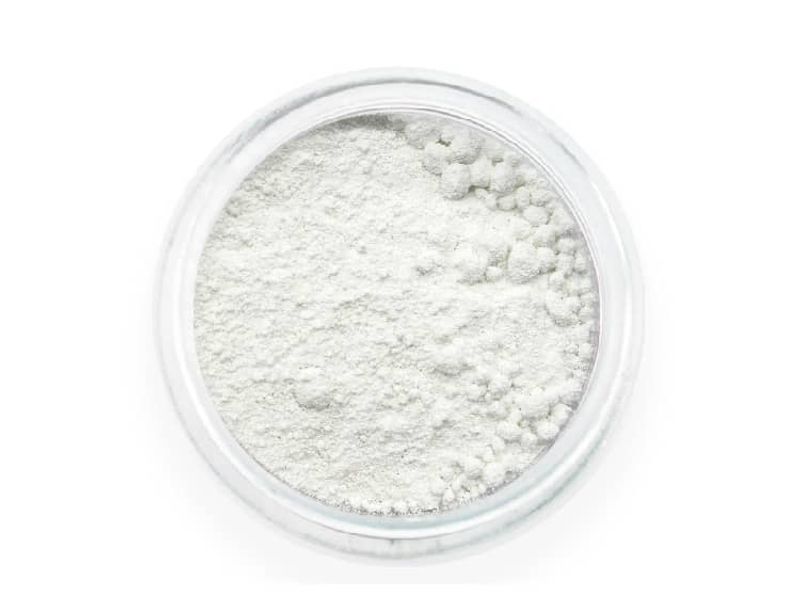
KT-10010 is a cosmetic grade anatase titanium dioxide — a white, high-opacity pigment used in face powders, foundations, and color cosmetics where maximum whiteness and a softer, more diffuse coverage character are the formulation priorities. Anatase TiO₂ produces a slightly brighter, cooler white tone than rutile and scatters light more diffusely, which can reduce the heavy or chalky appearance associated with high-opacity coverage at elevated pigment loadings. Supplied in 25kg packaging, it is suited for commercial production volumes where batch-to-batch consistency and low heavy metal content are standard procurement requirements.
Read More
 English
 Français
 Deutsch
 Русский
 Español
 Português