
Leave A Message
If you are interested in our products and want to know more details,please leave a message here,we will reply you as soon as we can.
Titanium Dioxide Anatase, Cosmetic Grade Filler 25kg – KT-10010
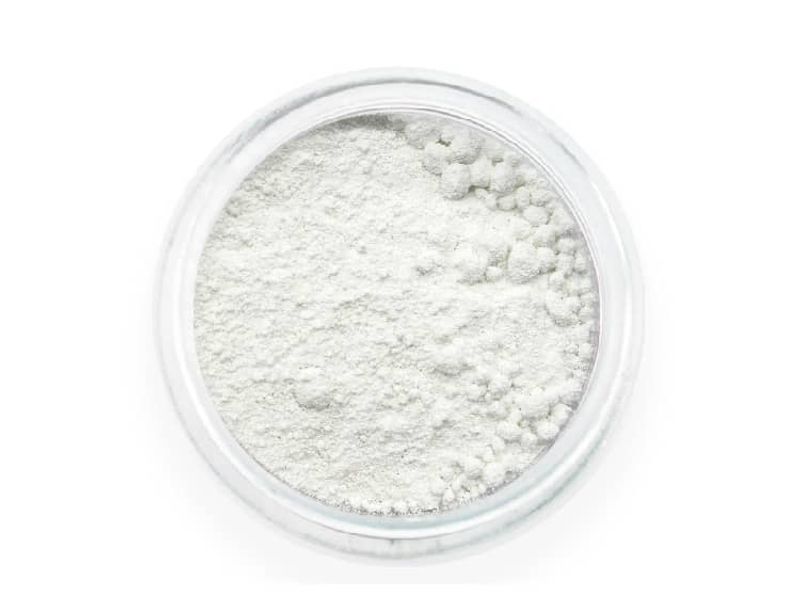
KT-10010 is a cosmetic grade anatase titanium dioxide — a white, high-opacity pigment used in face powders, foundations, and color cosmetics where maximum whiteness and a softer, more diffuse coverage character are the formulation priorities. Anatase TiO₂ produces a slightly brighter, cooler white tone than rutile and scatters light more diffusely, which can reduce the heavy or chalky appearance associated with high-opacity coverage at elevated pigment loadings. Supplied in 25kg packaging, it is suited for commercial production volumes where batch-to-batch consistency and low heavy metal content are standard procurement requirements.
Item No. :
KT-10010Composition :
Titanium Dioxide (Anatase)Brand :
Kolortek / OEMMOQ :
25 KGApplication :
Face Powder, Foundation, Blush, Bronzer, Eyeshadow, Mascara, Liner, Primer, Sunscreen, BB Cream, Body Powder
Both anatase (KT-10010) and rutile (KT-10009) are cosmetic grade TiO₂, but their physical properties create meaningful formulation differences. Understanding where each grade performs best prevents specification errors during product development.
| Property | KT-10010 Anatase | KT-10009 Rutile |
|---|---|---|
| Refractive index | ~2.55 | ~2.70 — higher opacity per gram |
| White tone | Brighter, cooler blue-white | Warm white — slightly more neutral |
| Opacity / coverage | Good — slightly lower than rutile at same loading | Higher — maximum opacity per gram |
| Photocatalytic activity | Higher — can degrade organic co-ingredients under UV; manage with antioxidants or surface treatment | Lower — more stable with organic ingredients |
| Light scattering character | More diffuse — softer visual coverage effect | Stronger opacity, denser coverage feel |
| UV filter use (sunscreen) | Limited — higher photocatalytic activity is a constraint | Standard choice — listed in EU Annex VI and US OTC monograph |
| Typical application fit | Face powder, loose powder, pressed powder, blush, certain foundations | Foundation, sunscreen, concealer, BB/CC cream, long-wear products |
Common specification error: using anatase TiO₂ in mineral sunscreen formulations. Anatase has higher photocatalytic activity, which can degrade organic sunscreen co-ingredients and other organic components in the formulation under UV exposure. For SPF-rated products, rutile is the established industry standard. Anatase is most appropriate where UV filter function is not required and the brighter white tone or softer coverage character is a formulation advantage.
| Parameter | Value / Notes |
|---|---|
| Item No. | KT-10010 |
| Material | Titanium Dioxide — Anatase crystal phase |
| INCI Name | Titanium Dioxide |
| CAS No. | 13463-67-7 |
| CI Number | CI 77891 |
| Refractive Index | ~2.55 (anatase) |
| Color / Tone | Bright cool white — slightly bluer tone than rutile grade |
| Surface Treatment | None (untreated) — hydrophilic surface |
| Appearance | White fine powder |
| Photocatalytic Activity | Higher than rutile — manage with antioxidants or avoid with light-sensitive organic co-ingredients |
| Grade | Cosmetic grade — low heavy metal content |
| Particle Size | Contact us for D50 data |
| Pack Size | 25kg |
| Regulatory Status | CI 77891 — approved cosmetic colorant in EU (Annex IV) and USA (FDA); not the standard specification for UV filter use in sunscreen — use rutile grade for SPF applications |
| Documentation Available | TDS, SDS, Certificate of Analysis — on request |
| Brand | Kolortek |
Brighter, cooler white tone: Anatase TiO₂ has a slightly higher blue-white reflectance compared to rutile. In face powder and loose powder formulations, this can produce a brighter, fresher finish — an effect that some formulators deliberately choose over the warmer neutral white of rutile when the target aesthetic is a cool, luminous complexion rather than full matte coverage. The difference is subtle but perceptible in side-by-side comparison at equivalent loading levels.
Softer, more diffuse coverage character: The lower refractive index of anatase (~2.55 vs. ~2.70 for rutile) produces a less intense opacity per gram. At equivalent use levels, anatase gives a slightly softer, more skin-like coverage compared to the denser opacity of rutile. For translucent-to-medium coverage pressed powders and finishing powders where the goal is to even skin tone rather than fully cover it, this property can be an advantage. Full-coverage concealer and foundation applications are better served by rutile.
Photocatalytic activity — the key formulation constraint: Anatase TiO₂ generates reactive oxygen species under UV exposure more readily than rutile. In cosmetic formulations containing organic oils, synthetic esters, dyes, or fragrance compounds, this can contribute to ingredient degradation during the product's shelf life — particularly in transparent or translucent packaging where UV reaches the formulation. Managing this requires either the inclusion of antioxidants (e.g., tocopherol, BHT), UV-protective packaging, or switching to the rutile grade. For any formulation with significant organic ingredient content and light exposure, stability testing is advisable before specifying anatase at commercial scale.
Dispersion in aqueous systems: Like the rutile grade, KT-10010 is untreated and hydrophilic — it disperses readily in the water phase of O/W emulsions and in aqueous powder bases. For oil-continuous systems, the silicone-treated TiO₂ (KT-10008AS) is the more appropriate choice.
| Product Category | Role of KT-10010 | Suitability Notes |
|---|---|---|
| Loose face powder | White base pigment; soft coverage; brightening effect | Good fit — cool white tone suits finishing and setting powder aesthetics |
| Pressed powder / compact | Opacity and tone correction in blended powder base | Good fit — diffuse coverage character suits translucent-to-medium coverage pressed powder |
| Blush (pressed powder) | Tone lightener and opacity modifier in powder blush | Good fit — used at low levels (1–5%) to adjust shade depth |
| Eye shadow | White base in pale and pastel pressed powder shades | Good fit — CI 77891 approved for eye area; cool white useful in highlight and pastel shade development |
| Liquid foundation (O/W) | White pigment in water-continuous bases | Conditional — suitable where full-coverage opacity is not required; manage photocatalytic effects with antioxidant inclusion and stability testing |
| Sunscreen / SPF products | — | Not recommended — use rutile grade (KT-10009) for UV filter applications; anatase photocatalytic activity is a formulation stability risk in UV-exposed products |
Antioxidant inclusion for stability: In formulations containing organic oils, esters, or other light-sensitive ingredients, adding a lipid-soluble antioxidant (e.g., tocopherol at 0.1–0.5%) can reduce oxidative degradation risk associated with anatase's photocatalytic activity. UV-protective packaging (opaque or UV-blocking containers) provides additional mitigation for products with extended shelf-life requirements.
Dispersion protocol: Pre-disperse KT-10010 into a small volume of water or humectant (glycerin, propylene glycol) before incorporating into the main batch. For pressed powder applications, blend using a plough share or ribbon mixer at low shear — the hydrophilic surface of the untreated grade distributes evenly in powder bases without requiring wetting agents.
Shade development with cool-white base: The blue-white tone of anatase TiO₂ can shift the overall shade of a formulation slightly cooler compared to rutile at equivalent loading. When developing shades that require a warm or neutral white base, this effect should be accounted for in initial color matching trials — or compensated with a small addition of a warm-toned pigment.
Kolortek has supplied cosmetic grade TiO₂ and functional fillers for over 20 years, with Certificate of Analysis documentation covering heavy metal impurity levels issued per production lot. TDS, SDS, and INCI declarations are available on request for supplier qualification and regulatory submission purposes.
Q: Why would a formulator choose anatase over rutile TiO₂?
A: Two reasons are common in practice. First, anatase produces a slightly brighter, cooler blue-white tone — useful in finishing powders, highlight shades, and pastel eye shadows where a cool, luminous white is the target aesthetic. Second, anatase has a lower refractive index, which creates a more diffuse, softer coverage character — better suited to translucent finishing powders than to full-coverage concealers. For applications where maximum opacity, UV filter function, or formulation stability with organic co-ingredients are priorities, rutile (KT-10009) is the more appropriate grade.
Q: Can KT-10010 be used in sunscreen formulations?
A: Anatase TiO₂ is generally not the recommended grade for sunscreen applications. Its higher photocatalytic activity under UV exposure can degrade organic ingredients in the formulation, including other UV filters, oils, and preservatives. The established industry practice for mineral sunscreen formulations is to use rutile TiO₂, which has significantly lower photocatalytic activity. Kolortek's rutile grade KT-10009, or the silicone-treated rutile KT-10008AS for anhydrous systems, are the appropriate specifications for SPF-rated products.
Q: Is KT-10010 approved for use in eye-area cosmetics?
A: CI 77891 (Titanium Dioxide) is approved for eye-area use under both EU Annex IV of the EU Cosmetics Regulation and FDA cosmetic colorant regulations. The anatase crystal phase does not affect the regulatory approval status — both rutile and anatase are listed under the same CI number. Formulators should verify current approved use conditions for their specific product type and target market.
Q: How do I manage the photocatalytic activity risk in my formulation?
A: Three approaches are used in practice: (1) include a lipid-soluble antioxidant such as tocopherol (vitamin E) at 0.1–0.5% to scavenge free radicals generated at the TiO₂ surface; (2) use UV-protective or opaque packaging to limit UV exposure to the formulation during storage; (3) if the photocatalytic risk is significant given your specific ingredients, switch to the rutile grade (KT-10009 or KT-10008AS). Accelerated stability testing under light exposure is the most reliable way to confirm whether the anatase grade is appropriate for your specific formulation.
Whether you are developing a new finishing powder range, evaluating the anatase versus rutile grade decision for an existing foundation, or sourcing a consistent cosmetic grade TiO₂ for commercial production, contact Kolortek to request a sample of KT-10010, TDS, SDS, or Certificate of Analysis for supplier qualification documentation. Formulation guidance on dispersion and photocatalytic activity management is available from the technical team.
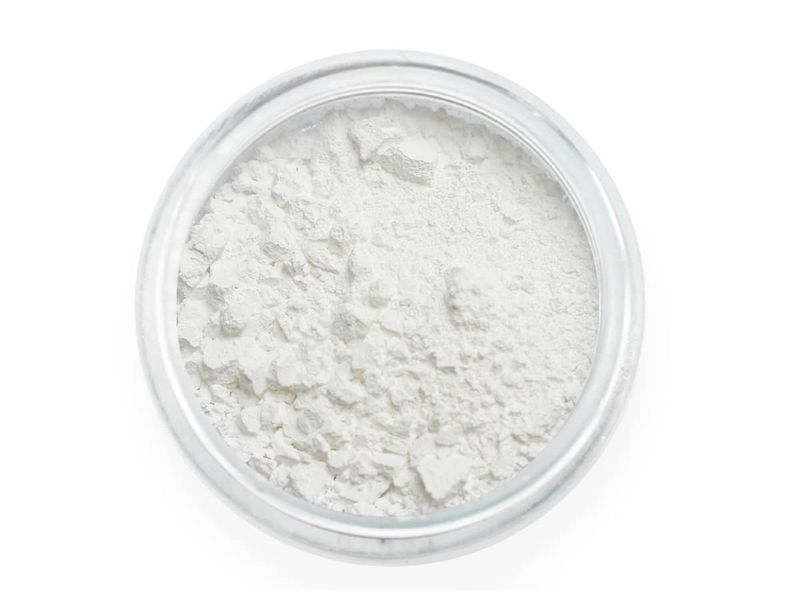
Kolortek's Cosmetic Fillers & Treated Pigments range covers functional powder ingredients used in decorative and personal care formulations — including untreated fillers, UV filters, and surface-treated variants designed to improve dispersibility, reduce oil absorption, and enhance skin feel. Products span standard cosmetic fillers through silicone-treated, silane-treated, and amino acid-coated grades, allowing formulators to select the surface chemistry that best fits their formulation system and performance requirements.
Read More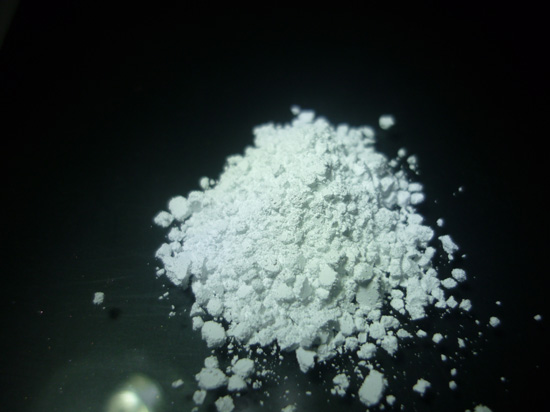
KT-10001A is a cosmetic-grade Titanium Dioxide (Anatase) pigment providing high opacity and whiteness in formulations. Designed for use in creams, powders, and other personal care products, it ensures **uniform coverage and consistent color intensity** while maintaining safe cosmetic performance.
Read More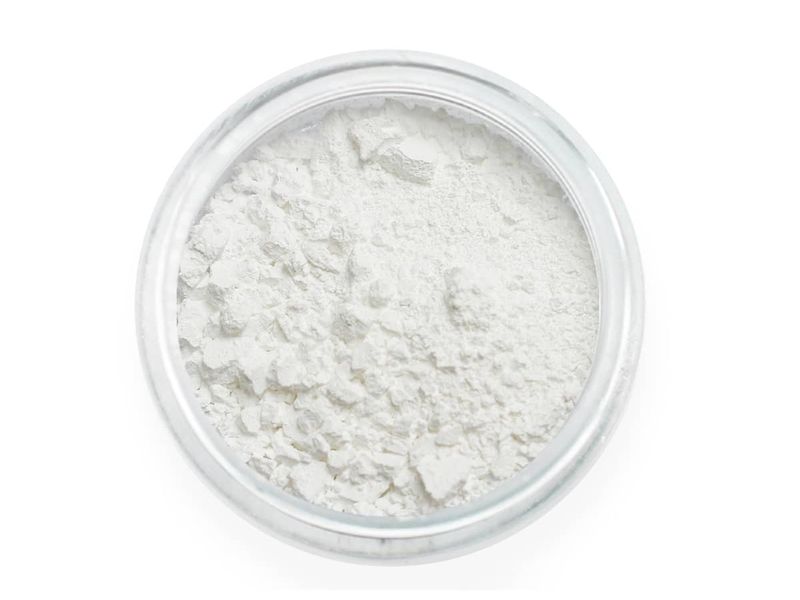
KT-10008AS provides a silicone-treated Titanium Dioxide optimized for cosmetic formulations requiring smooth skin feel and uniform opacity. Commonly used in face powders, foundations, mascaras, and eyeshadows, it reduces oil absorption and improves dispersion, helping formulators maintain consistent texture across products.
Read More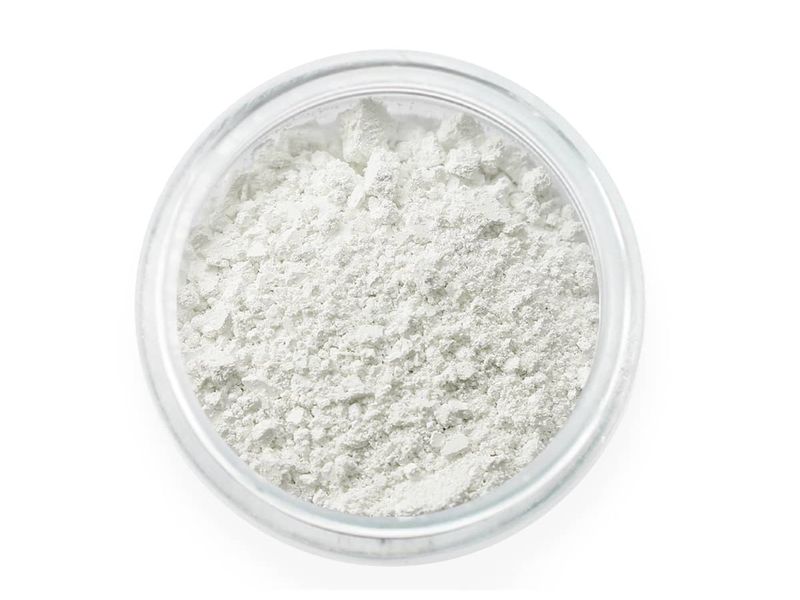
KT-10009 is a cosmetic grade rutile titanium dioxide — the untreated, hydrophilic form of TiO₂ used as the primary white pigment and opacity agent in face powders, foundations, sunscreens, and a broad range of color cosmetics. Rutile crystal phase offers a higher refractive index, better UV stability, and lower photocatalytic activity compared to anatase — making it the standard specification for most cosmetic TiO₂ applications. For formulators sourcing a reliable, low heavy metal content white pigment with broad regulatory acceptance and maximum coverage efficiency, KT-10009 covers the functional requirements of the majority of aqueous and emulsion-based cosmetic systems.
Read More
KT-10010 is a cosmetic grade anatase titanium dioxide — a white, high-opacity pigment used in face powders, foundations, and color cosmetics where maximum whiteness and a softer, more diffuse coverage character are the formulation priorities. Anatase TiO₂ produces a slightly brighter, cooler white tone than rutile and scatters light more diffusely, which can reduce the heavy or chalky appearance associated with high-opacity coverage at elevated pigment loadings. Supplied in 25kg packaging, it is suited for commercial production volumes where batch-to-batch consistency and low heavy metal content are standard procurement requirements.
Read More
 English
 Français
 Deutsch
 Русский
 Español
 Português