
Leave A Message
If you are interested in our products and want to know more details,please leave a message here,we will reply you as soon as we can.
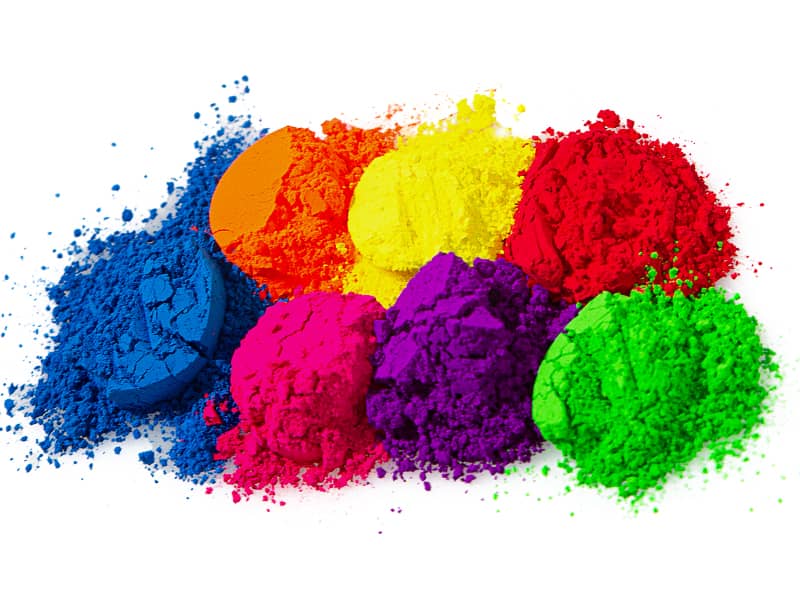
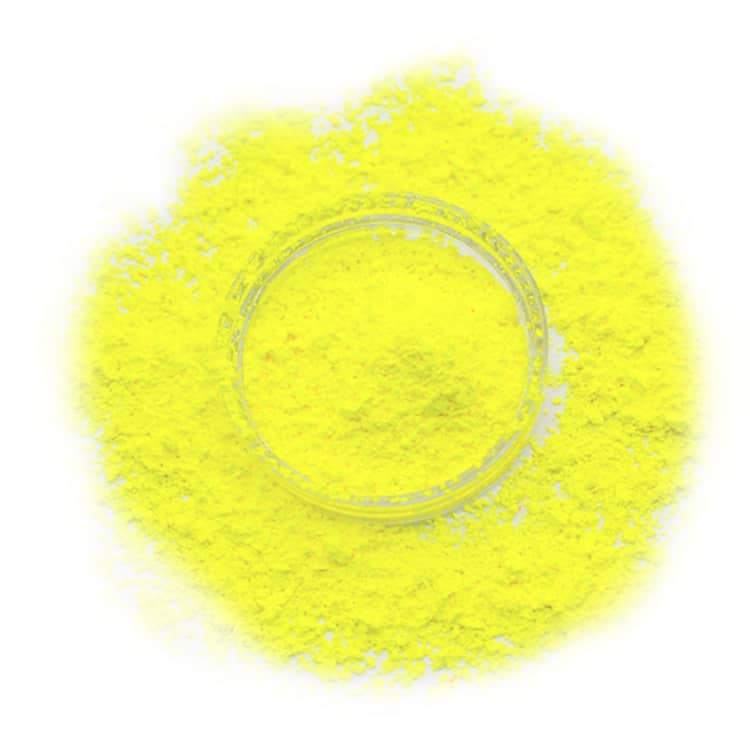
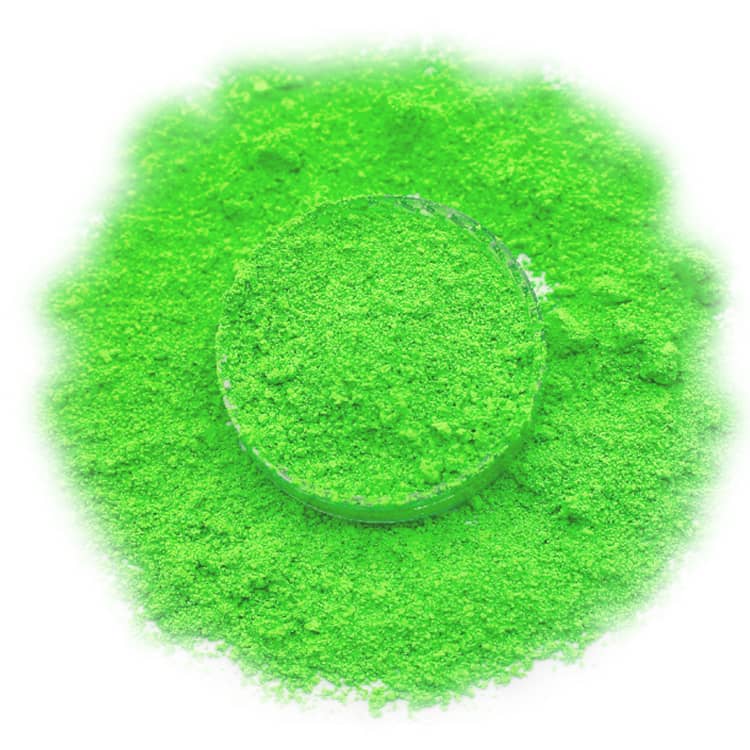
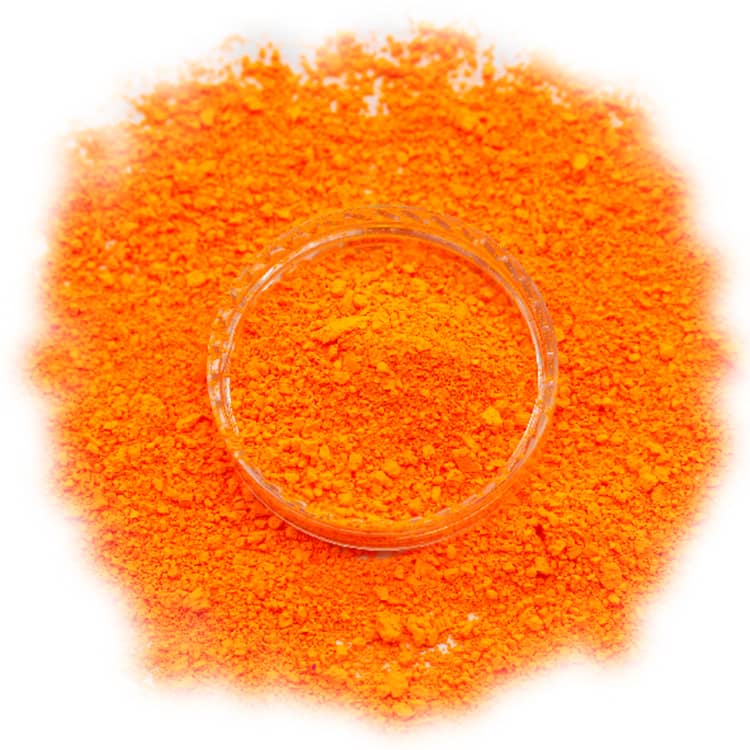
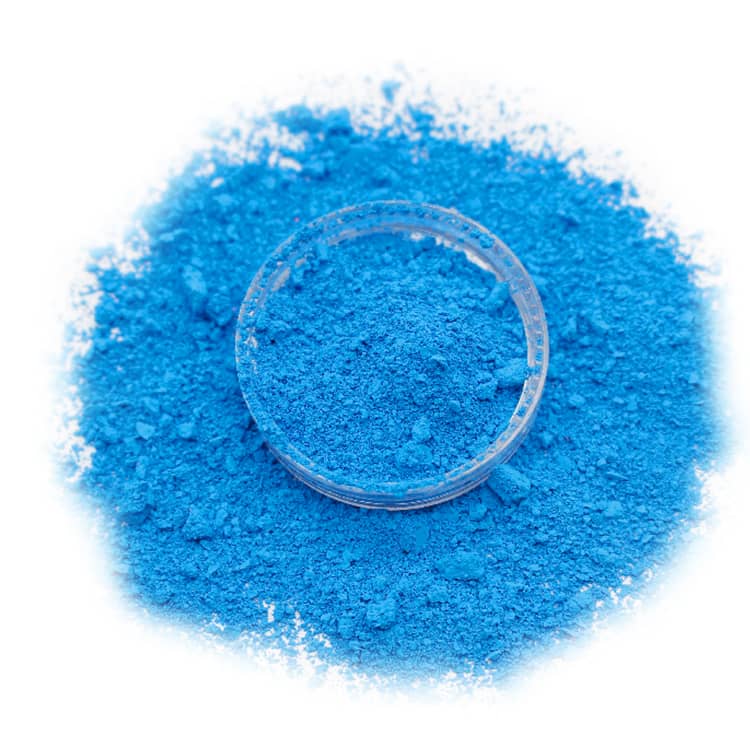
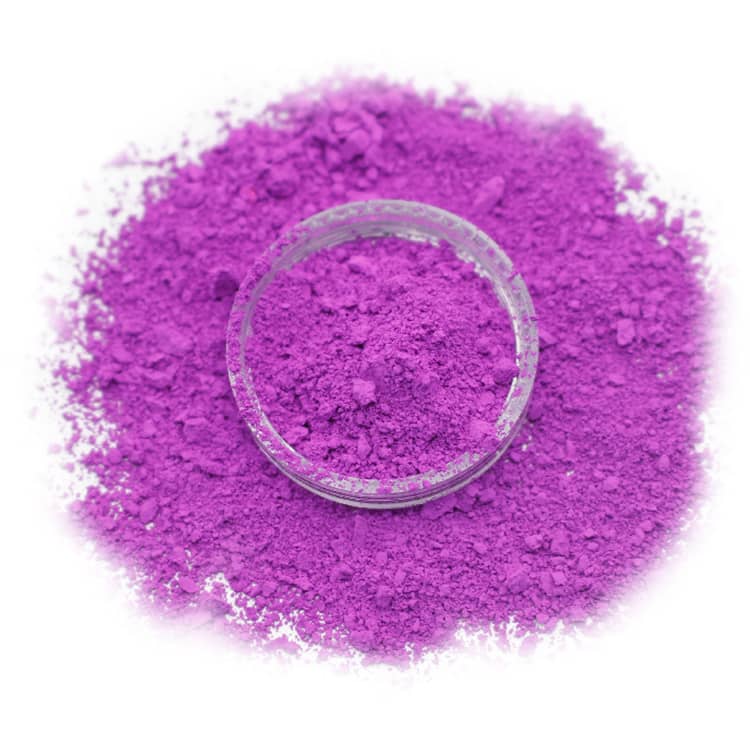
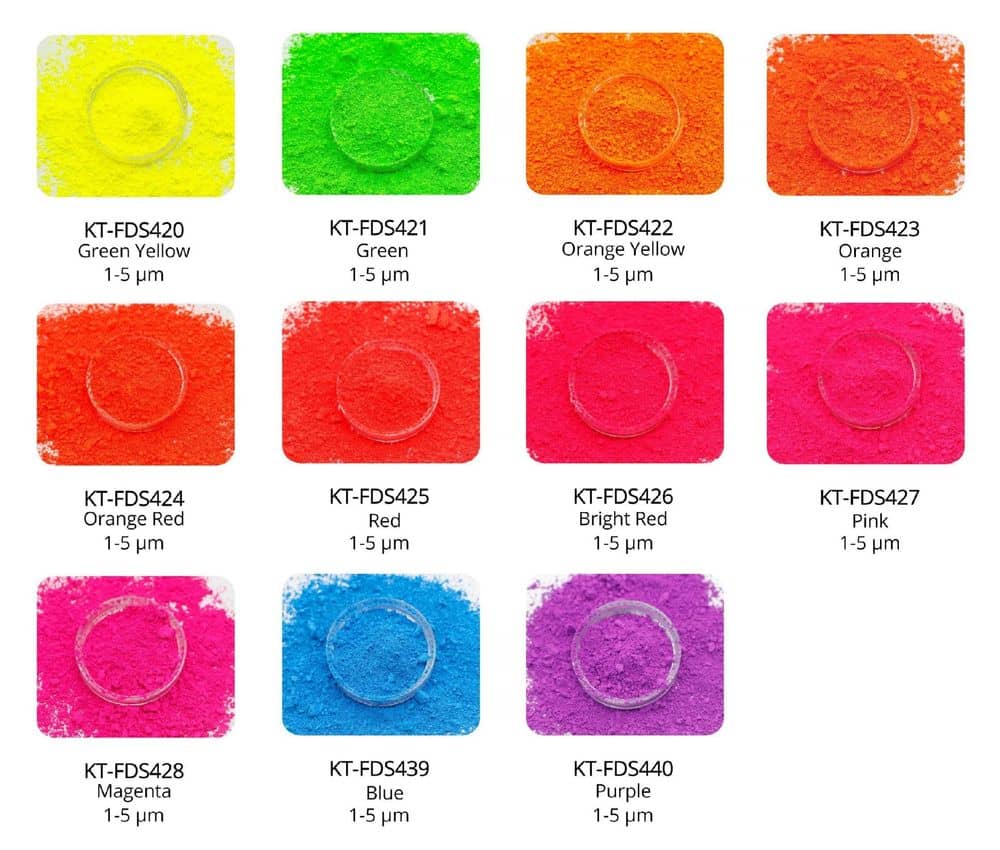
Fluorescent pigments — also referred to as neon pigments — produce colors that appear significantly brighter than conventional pigments under the same lighting conditions. This is because they absorb UV and short-wavelength visible light and re-emit it as visible fluorescence, adding emitted light to reflected light. The result is a color intensity that standard pigments cannot achieve through reflection alone. Kolortek's fluorescent pigment series covers a range of neon colors for use in printing inks, coatings, plastics, cosmetics, and specialty applications.
Item No. :
Kolortek Fluorescent Pigment SeriesColor Effect :
Neon Pink, Neon Orange, Neon Yellow, Neon Green, Neon Red, and additional colorsBrand :
Kolortek / OEMMOQ :
25KGApplication :
Printing Inks, Paints & Coatings, Plastics, Cosmetics, Textiles, Safety Markings, Entertainment, Craft
Conventional pigments produce color solely through selective absorption and reflection of incoming light — the visible color is a fraction of the total incident light. Fluorescent pigments add a second mechanism: they absorb energy from UV and short-wavelength visible light and re-emit it as fluorescence at a slightly longer wavelength within the visible spectrum. The combined output of reflected light plus emitted fluorescence produces a total luminance that can exceed 100% of the incident visible light at a given wavelength — which is why fluorescent colors appear to glow under daylight, and become dramatically more vivid under UV or blacklight conditions.
Most commercial fluorescent pigments are based on fluorescent dyes dispersed in a resin matrix, typically melamine-formaldehyde, sulfonamide-formaldehyde, or polyamide resin systems. The dye-in-resin structure gives the pigment its powder form and controls particle size, which is typically in the range of a few microns to around 10–20 µm for standard grades. The resin matrix also provides a degree of protection to the fluorescent dye, though lightfastness remains a known limitation of organic fluorescent systems — fluorescent pigments are generally less UV-stable than conventional inorganic pigments, and formulations intended for prolonged outdoor exposure should be designed with this in mind.
Fluorescent pigments are compatible with most solvent-based and water-based ink and coating systems, though compatibility with specific resins and solvents should be confirmed through formulation trials, as aggressive solvents can interact with the resin matrix. Heat stability varies by grade and should be confirmed from the TDS before use in high-temperature processing such as injection molding or powder coating cure cycles.
Key Features & Benefits
| Feature | Practical Benefit for Buyers |
|---|---|
| Dual light output (reflection + fluorescence) | Produces color brightness levels not achievable with conventional pigments at any loading level |
| Available in a range of neon colors | Single supplier covers the full neon palette — pink, orange, yellow, green, red, and others — without sourcing from multiple suppliers |
| Fine particle size range | Integrates into printing inks, thin-film coatings, and cosmetic bases without visible texture |
| UV/blacklight response | Enables dual-mode design: vivid neon appearance in daylight, dramatically intensified effect under UV/blacklight — useful for promotional, entertainment, and security applications |
| Known Limitation — Lightfastness | Fluorescent pigments have lower outdoor UV stability than conventional inorganic pigments. For outdoor applications, assess lightfastness requirements carefully and request grade-specific data |
| Industry / End Use | Specific Applications | Notes |
|---|---|---|
| Printing Inks | Screen printing on promotional merchandise and apparel; offset and flexo packaging inks; UV-fluorescent security print elements | Fine particle grades required for flexo and gravure; screen printing tolerates slightly coarser grades |
| Paints & Coatings | Safety and warning markings, road marking paints, high-visibility coatings, interior decorative feature walls | Outdoor applications: assess lightfastness grade before specifying; fluorescent pigments fade faster than conventional pigments in direct UV exposure |
| Plastics & Masterbatch | Injection-molded consumer goods, promotional items, toys, packaging film | Confirm heat stability of selected grade against processing temperature before compounding |
| Cosmetics & Personal Care | Nail polish, UV-reactive makeup, body paint, festival cosmetics, eyeshadow | Confirm regulatory status of selected grade for intended market and application type before use |
| Textiles | Fabric screen printing, UV-reactive garment prints, sportswear, fashion apparel | Applied via textile ink or pigment binder system |
| Safety & High-Visibility | Personal protective equipment markings, safety vests, hard hat coatings, emergency signage | High-visibility applications rely on fluorescence for daylight brightness; confirm lightfastness for outdoor service life |
| Entertainment & Events | Face paint and body art (confirm cosmetic grade), stage set coatings, UV blacklight reactive props and decorations | Blacklight/UV response is a primary feature for this segment |
| Stationery & Craft | Highlighter inks, fluorescent marker dyes, craft paints, DIY resin art | Consumer and craft segment; lower regulatory complexity than cosmetics or food contact |
Lightfastness, heat stability, and regulatory suitability vary by grade and application. Contact us with your specific requirements for grade-specific data.
Achieving high color intensity in printing and coating applications is straightforward with conventional pigments up to a point — beyond a certain loading level, adding more pigment produces diminishing returns and can negatively affect film properties. For applications where the design intent specifically requires a neon, high-energy color — safety markings, promotional print, event graphics, high-visibility apparel — conventional pigments simply cannot reach the brightness level required, regardless of loading. A second challenge specific to fluorescent pigments is consistency: the brightness and hue of fluorescent colors are more sensitive to batch variation in the dye-to-resin ratio than conventional pigments, and off-specification batches are immediately visible to the eye.
Kolortek Fluorescent pigments solve the brightness limitation by adding emitted fluorescence to reflected light, producing color output that conventional pigments cannot match. The practical implication for formulators is that the target color intensity is achievable at reasonable loading levels without overloading the formulation. Kolortek's fluorescent series covers the full neon color palette, allowing buyers to source all colors from a single supplier rather than managing multiple sources with potentially different resin matrix chemistries — which simplifies formulation consistency across a color range. With 20 years of effect pigment manufacturing experience, Kolortek maintains consistent dye loading and particle size distribution across production batches, which are the two variables that most directly affect color strength and brightness consistency in fluorescent pigment applications.
Color samples, grade-specific TDS including lightfastness and heat stability data, and pricing are available upon inquiry. Contact Kolortek's technical team with your target color, formulation system, and application environment for grade-specific recommendations.
Fluorescent pigments — also referred to as neon pigments — produce colors that appear significantly brighter than conventional pigments under the same lighting conditions. This is because they absorb UV and short-wavelength visible light and re-emit it as visible fluorescence, adding emitted light to reflected light. The result is a color intensity that standard pigments cannot achieve through reflection alone. Kolortek's fluorescent pigment series covers a range of neon colors for use in printing inks, coatings, plastics, cosmetics, and specialty applications.
Read More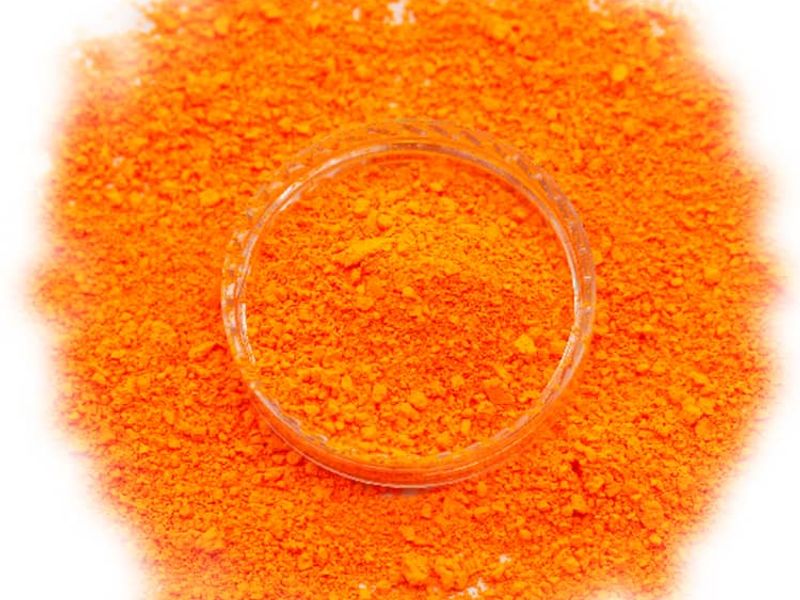
KT-FDS422 is an orange-yellow fluorescent powder in the fine 1–5μm particle size range — a neon-grade daylight fluorescent pigment that produces a high-chroma orange-yellow color significantly brighter than conventional pigments by converting absorbed light (including UV) into visible fluorescent emission.
Read More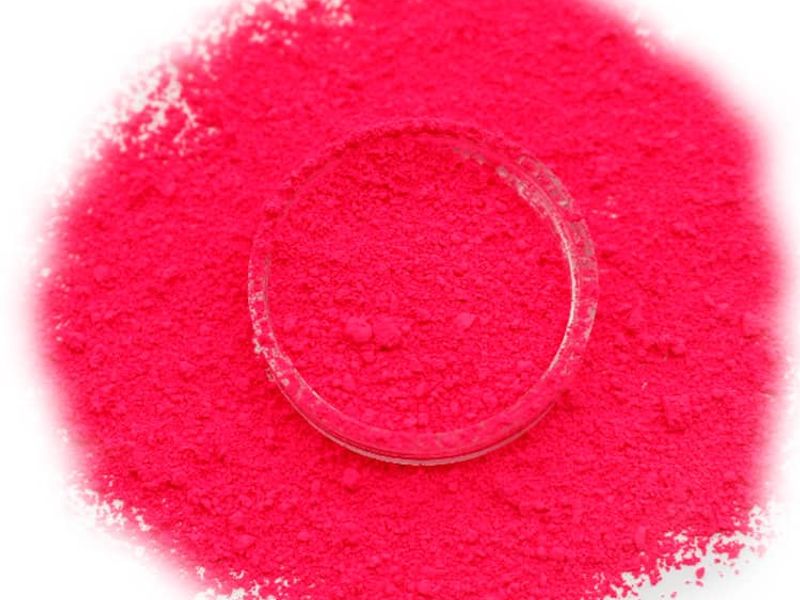
KT-FDS426 is a Bright Red daylight fluorescent pigment in the fine 1–5μm particle size range — a neon-grade organic pigment that converts absorbed light (including UV) into visible fluorescent emission, producing a red color with a luminance level that significantly exceeds conventional red pigments under daylight and UV-rich lighting conditions.
Read More
 English
 Français
 Deutsch
 Русский
 Español
 Português