
Leave A Message
If you are interested in our products and want to know more details,please leave a message here,we will reply you as soon as we can.
KT-7324 Flash Yellow Gold Synthetic Mica Pearlescent Pigment 20-100μm
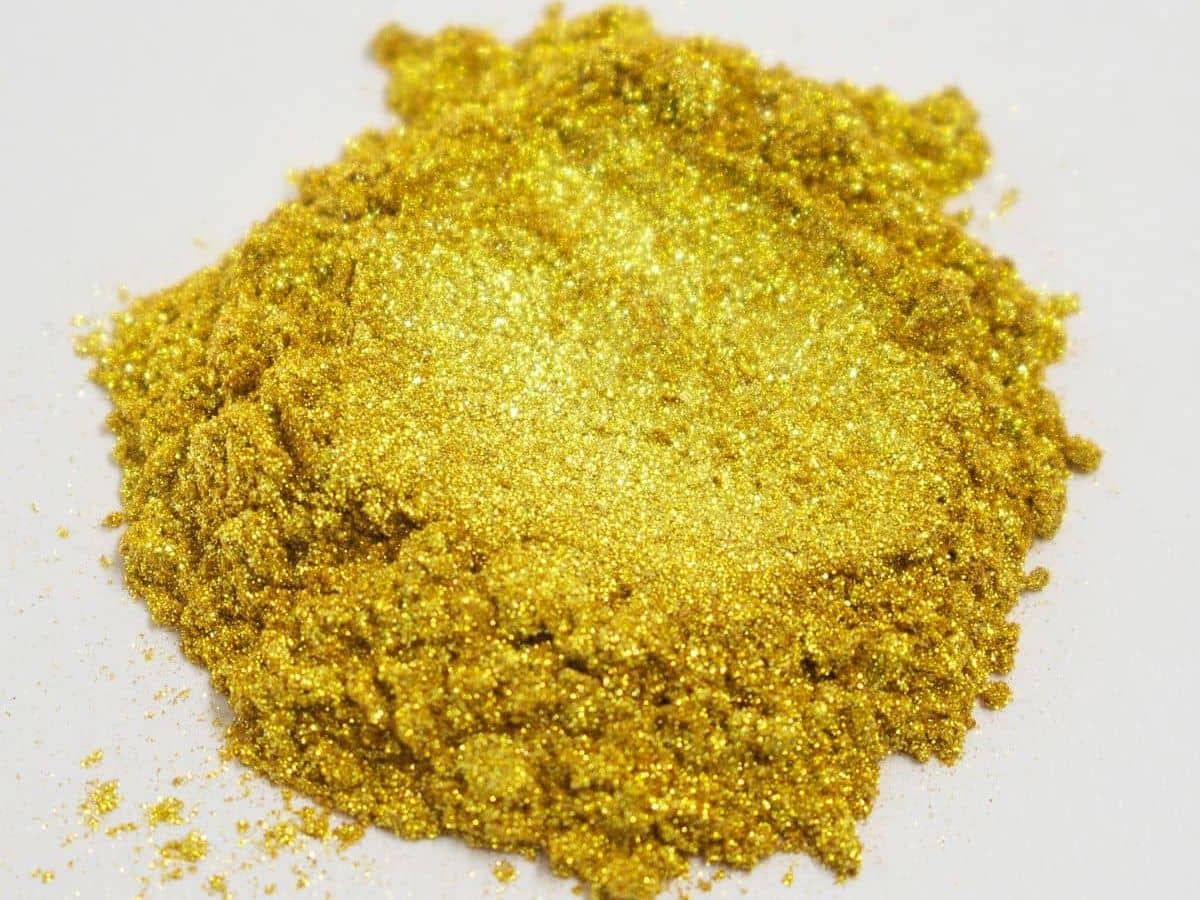
KT-7324 is a flash yellow gold mica powder built on a synthetic fluorphlogopite substrate, delivering a high-intensity flash with a clean, transparent gold tone — well-suited for decorative coatings, epoxy floors, and cosmetic formulations. As a fluorphlogopite pigment, it offers noticeably better color depth and weather resistance than natural mica-based alternatives, making it a reliable choice where long-term appearance retention matters. The coarser 20-100μm particle range pushes the flash effect to its visual maximum, and the pearlescent powder disperses readily across solvent-borne, water-borne, and UV-cure systems.
Item No. :
KT-7324Color Effect :
Flash Yellow GoldParticle Size :
20-100μmComposition :
FluorphlogopiteBrand :
Kolortek / OEMMOQ :
25 KGApplication :
Coatings, Plastics, Printing Inks, Cosmetics, Epoxy Floors, Crafts, etc.The "Flash" designation is specific: it reflects a 20-100μm particle distribution optimized for strong, wide-angle light reflection — not the fine satin finish you'd get from a 5-25μm grade. At this size range, individual platelets are large enough to catch and redirect light at high intensity, which is exactly what high-impact decorative applications need.
Compared to copper gold powder, the synthetic mica gold series reads as more transparent and three-dimensional. There's no metal substrate — the gold tone comes from interference optics, not metallic reflection — so the color behaves differently under directional light. Worth noting: this also means the pigment is significantly more stable under UV exposure and elevated temperatures than copper-based alternatives.
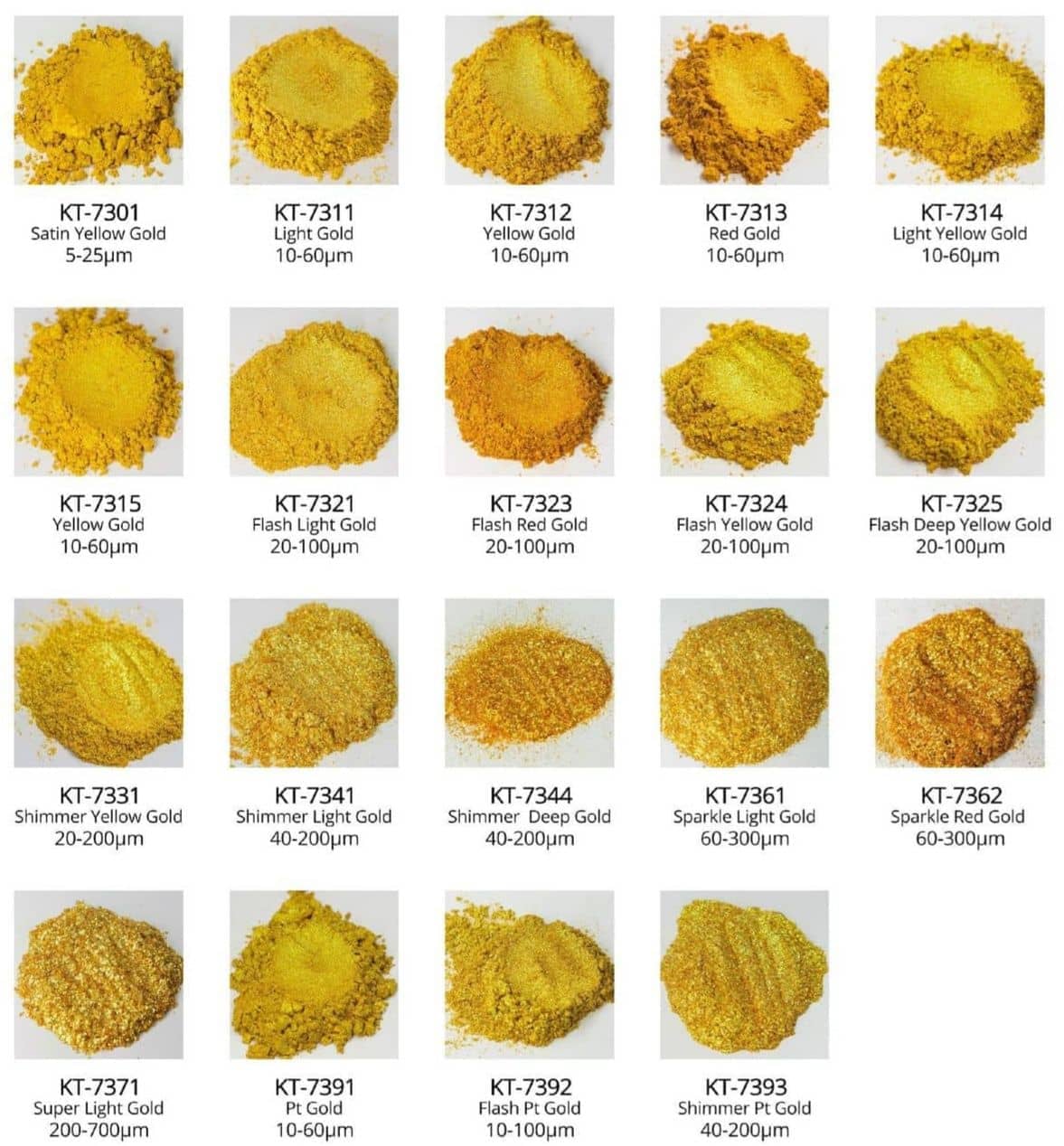
KT-7324 is one model within a broader synthetic mica gold series. The table below shows how it fits relative to adjacent grades by particle size and effect type.
| Model | Color / Effect | Particle Size |
|---|---|---|
| KT-7301 | Satin Yellow Gold | 5–25μm |
| KT-7311 | Light Gold | 10–60μm |
| KT-7312 | Yellow Gold | 10–60μm |
| KT-7314 | Light Yellow Gold | 10–60μm |
| KT-7315 | Yellow Gold | 10–60μm |
| KT-7321 | Flash Light Gold | 20–100μm |
| KT-7323 | Flash Red Gold | 20–100μm |
| KT-7324 | Flash Yellow Gold | 20–100μm |
| KT-7325 | Flash Deep Yellow Gold | 20–100μm |
| KT-7331 | Shimmer Yellow Gold | 20–200μm |
| KT-7341 | Shimmer Light Gold | 40–200μm |
| KT-7344 | Shimmer Deep Gold | 40–200μm |
| KT-7361 | Sparkle Light Gold | 60–300μm |
| KT-7362 | Sparkle Red Gold | 60–300μm |
| KT-7371 | Super Light Gold | 200–700μm |
| KT-7391 | Pt Gold | 10–60μm |
| KT-7392 | Flash Pt Gold | 10–100μm |
| KT-7393 | Shimmer Pt Gold | 40–200μm |
If you need a warmer or deeper gold hue, KT-7325 (Flash Deep Yellow Gold) is the logical next step. For a cooler or lighter tone at the same particle range, KT-7321 (Flash Light Gold) fits. The platinum-effect variants (KT-7391–7393) are a separate direction — worth specifying if the end-use calls for a more neutral, near-silver gold.
The 20-100μm particle size makes KT-7324 appropriate for applications where visual impact is the priority and fine-particle smoothness is secondary.
In practice, this grade is generally not the first pick for gravure or flexo printing — those processes favor sub-25μm grades to avoid plate wear and maintain ink film uniformity. For screen printing with a coarser mesh, KT-7324 can work depending on mesh count.
| Base Material | Synthetic Fluorphlogopite (synthetic mica) |
| Coating Composition | Titanium Dioxide, Iron Oxide, Tin Oxide |
| Color Effect | Flash Yellow Gold — warm, transparent interference gold with high-intensity flash |
| Particle Size | 20–100μm |
| Luster Quality | Superior gloss and chroma vs. natural mica; fewer black spots |
| Weather Resistance | Improved vs. natural mica-based equivalents |
| Thermal Stability | High-temperature stable — suitable for powder coating and engineering plastic compounding |
| Blendability | Can be combined with other gold grades for custom hue development |
Dispersion with KT-7324 is generally low-effort — the platelet morphology doesn't require high-shear mixing, and in most cases, gentle stirring or paddle mixing is sufficient. High-speed dispersers can fracture the larger platelets and reduce the flash intensity, which defeats the purpose of choosing this grade over a finer one.
Loading levels typically run between 1–5% in coatings and 2–10% in resin casting, depending on the desired opacity and effect intensity. In highly transparent systems, lower loadings can produce a more open, sparkling look; higher loadings will read as a more solid gold. Test at application-specific viscosity — the pigment's orientation is strongly affected by film thickness and application method.
That said, compatibility across binder systems is broad. Solvent-borne alkyds, water-borne acrylics, UV-cure oligomers, epoxy resins — KT-7324 handles well across all of these without surface treatment or wetting agent additions in most cases. Cosmetic applications should confirm against relevant regulatory requirements for the target market.
The synthetic mica substrate is stable at temperatures well above what natural mica grades tolerate, which matters if you're compounding into polypropylene, nylon, or powder coating systems where processing temperatures exceed 200°C.
These descriptors aren't arbitrary — they reflect real differences in how the effect reads at different viewing angles and distances.
Q: Is KT-7324 suitable for cosmetic use?
Yes. The synthetic fluorphlogopite base is used in cosmetic-grade pigments, and the KT-7300 series is applied in eye shadow, highlighter, and nail formulations. That said, confirm compliance with the regulatory requirements of your target market (EU, US FDA, etc.) before finalizing a cosmetic formulation. Documentation including MSDS, TDS, and COA is available on request.
Q: How does KT-7324 compare to natural mica gold pigments at the same particle size?
The synthetic mica substrate delivers higher purity, fewer dark inclusions (black spots), better luster and chroma, and improved stability at elevated temperatures. In applications where appearance consistency across batches matters — or where processing temperatures are high — the synthetic base is the more reliable choice.
Q: Can KT-7324 be blended with other gold grades to adjust the hue?
Yes. Blending within the KT-7300 series is a practical approach for dialing in a specific gold tone. For example, mixing KT-7324 with KT-7323 (Flash Red Gold) shifts the overall hue warmer. Blending with KT-7321 (Flash Light Gold) cools and lightens the tone. Test ratios in your specific binder system, as interference effects can shift slightly depending on the refractive index of the medium.
Q: What is the recommended mixing method to preserve the flash effect during production?
Low-shear mixing is recommended. Add KT-7324 to the base after grinding stages are complete — the pigment should never pass through a bead mill or roller mill. Gentle paddle or anchor stirring at the let-down stage maintains platelet integrity and preserves the flash intensity that makes this grade distinctive from finer satin alternatives.
For samples of KT-7324 or any grade in the KT-7300 Gold Series, technical data sheets, or formulation support, contact the Kolortek technical team directly at contact@kolortek.com. Batch-to-batch consistency data and COA documentation are available on request
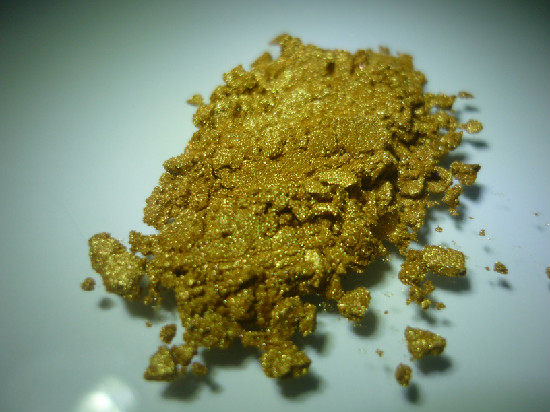
KT-303 is a Royal Gold natural mica pearlescent pigment in the 10–60μm particle size range — a deeper, more saturated gold tone than the standard KT-300 Gold Pearl grade, achieved through a higher iron oxide (Fe₂O₃) loading on the TiO₂-coated mica platelet. The warm, orange-toned gold body color is visible on any substrate without requiring a dark base — a key practical advantage over interference-only gold grades. At 10–60μm, KT-303 covers cosmetics, nail lacquer, decorative coatings, soap, and epoxy resin applications from a single grade specification.
Read More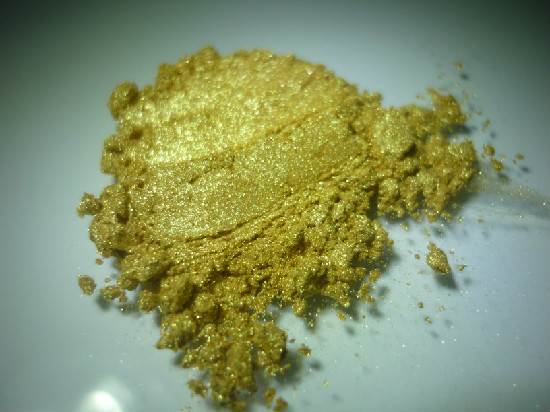
KT-351 is a Flash Gold natural mica pearlescent pigment in the 10–100μm particle size range — the coarser-format gold grade in the KT-300 series, designed for applications where visible individual-platelet gold sparkle is the target effect rather than smooth pearl coverage. The iron oxide and TiO₂ coating on each mica platelet produces a warm gold body color visible on any substrate, while the 10–100μm distribution delivers a flash-sparkle character that distinguishes it from the standard 10–60μm gold pearl grades. For epoxy flooring, decorative resin, craft applications, and nail lacquer where bold gold shimmer intensity matters, KT-351 is the appropriate specification within the KT-300 series.
Read More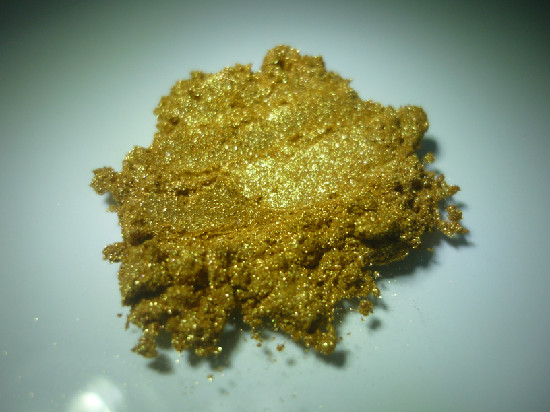
KT-355 is a Glitter Gold natural mica pearlescent pigment in the 20–120μm particle size range — the glitter-dominant gold grade in the KT-300 series, optimized for epoxy flooring, resin art, decorative coatings, craft applications, and nail lacquer where visible individual-platelet gold sparkle is the primary visual requirement. By starting at 20μm rather than 10μm, KT-355 removes the fine background pearl fraction present in KT-351 Flash Gold, concentrating the visual energy toward bold, individual gold flash reflections. The iron oxide and TiO₂ coating produces a warm gold body color visible on any substrate without requiring a dark base — practical for the broad range of base colors encountered in epoxy and decorative applications.
Read More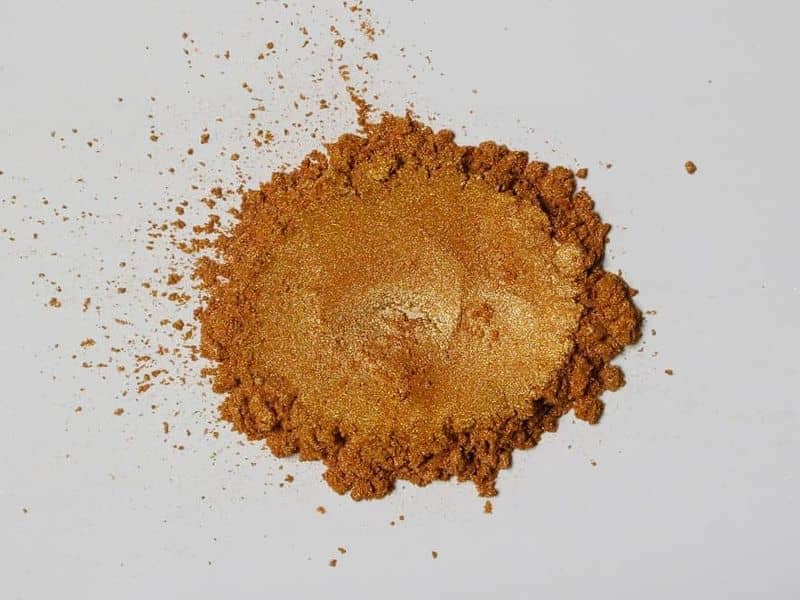
KT-303 is a royal gold pigment built on natural mica flakes, delivering a warm, metallic luster with genuine depth — the kind of three-dimensional gold effect that synthetic alternatives consistently fail to replicate. Coated with titanium dioxide and iron oxide, it offers strong opacity alongside a smooth, fine finish suited for cosmetics, epoxy flooring, and decorative printing. It disperses cleanly, stays stable across most formulation environments, and blends readily with other shades in the KT-300 Gold Series.
Read More
KT-7324 is a flash yellow gold mica powder built on a synthetic fluorphlogopite substrate, delivering a high-intensity flash with a clean, transparent gold tone — well-suited for decorative coatings, epoxy floors, and cosmetic formulations. As a fluorphlogopite pigment, it offers noticeably better color depth and weather resistance than natural mica-based alternatives, making it a reliable choice where long-term appearance retention matters. The coarser 20-100μm particle range pushes the flash effect to its visual maximum, and the pearlescent powder disperses readily across solvent-borne, water-borne, and UV-cure systems.
Read More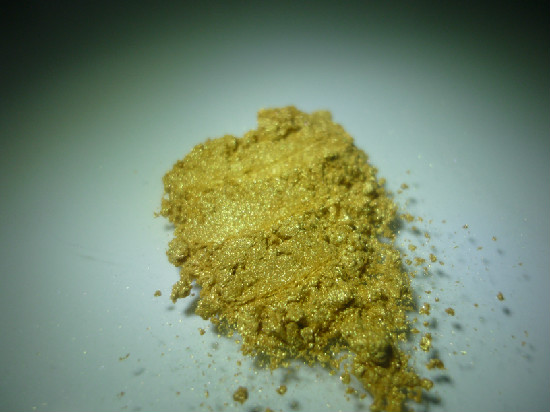
KT-300 is a gold pearl pigment built on natural mica coated with titanium dioxide, iron oxide, and tin oxide — producing a warm, semi-transparent metallic luster that closely matches the visual output of Merck's Iriodin 300 Gold Pearl. Designed as a cost-effective iriodin 300 equivalent, it performs consistently across coatings, printing inks, and cosmetic formulations where a rich, dimensional gold effect is required.
Read More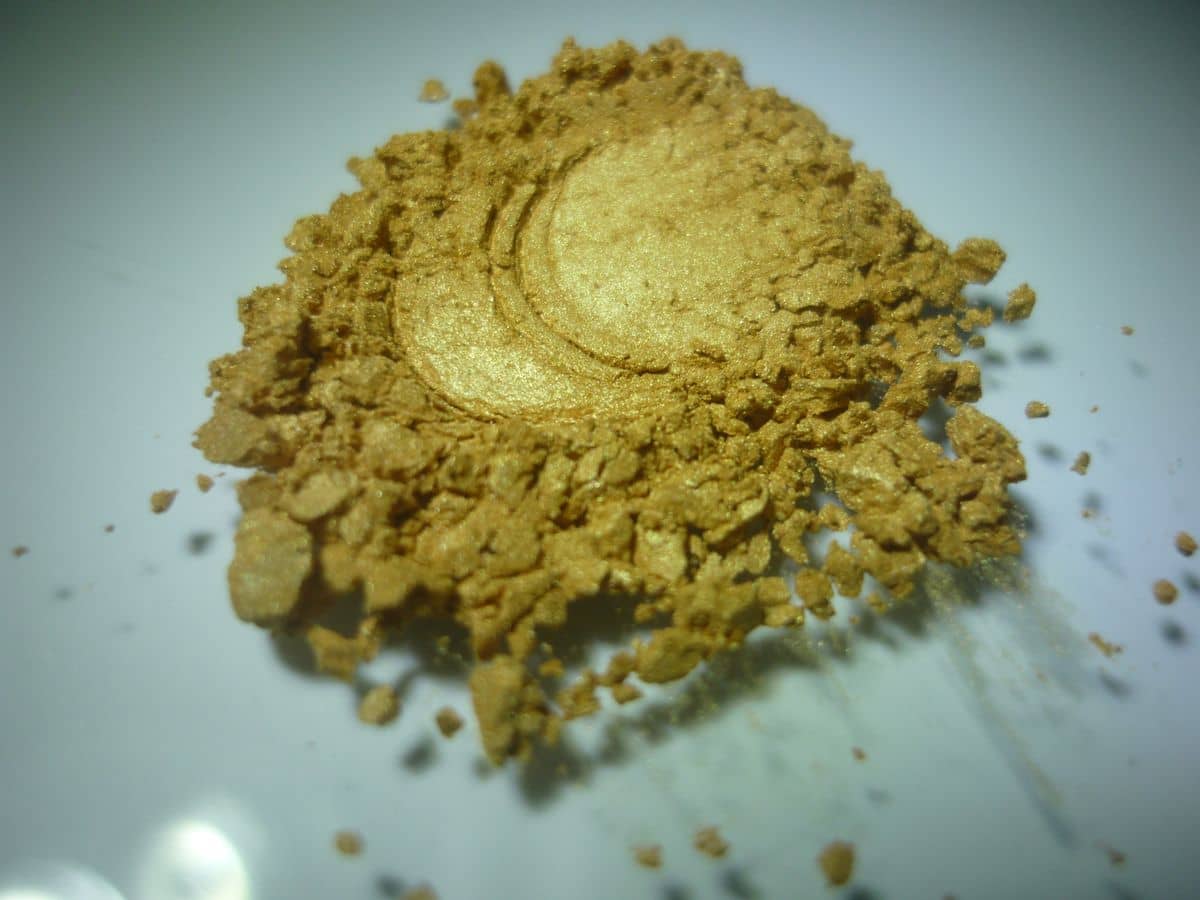
KT-309 is a fine satin gold pigment built on natural mica coated with rutile titanium dioxide, iron oxide, and tin oxide — delivering a warm, silky gold luster with genuine depth and transparency. The sub-15μm particle distribution makes it well-suited for fine printing applications and cosmetic formulations where smooth finish and consistent color response matter. For formulators sourcing an iriodin 309 equivalent, KT-309 is a direct performance match produced under ISO 9001-certified manufacturing conditions.
Read More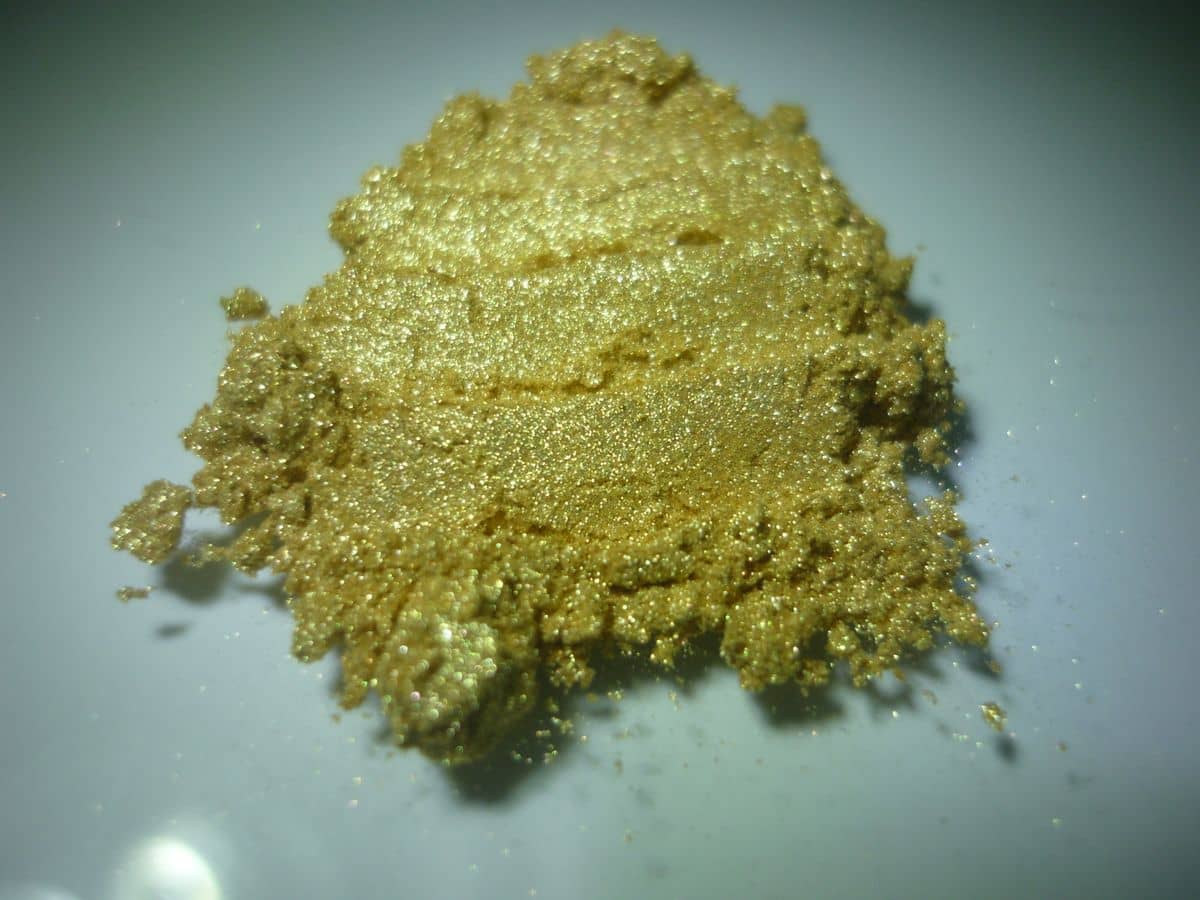
KT-353 is a natural mica-based flash red gold pigment delivering a warm, saturated gold tone with a high-brightness flash effect — a direct iriodin 353 alternative for formulators seeking consistent pearlescent performance without supplier dependency. Its transparent, multi-dimensional luster makes it well-suited for decorative coatings, cosmetic applications, and specialty printing where depth and brilliance matter.
Read More
 English
 Français
 Deutsch
 Русский
 Español
 Português