Leave A Message
If you are interested in our products and want to know more details,please leave a message here,we will reply you as soon as we can.
D&C Red 6 Barium Lake, Cosmetic Grade Red Pigment for Matte Effects
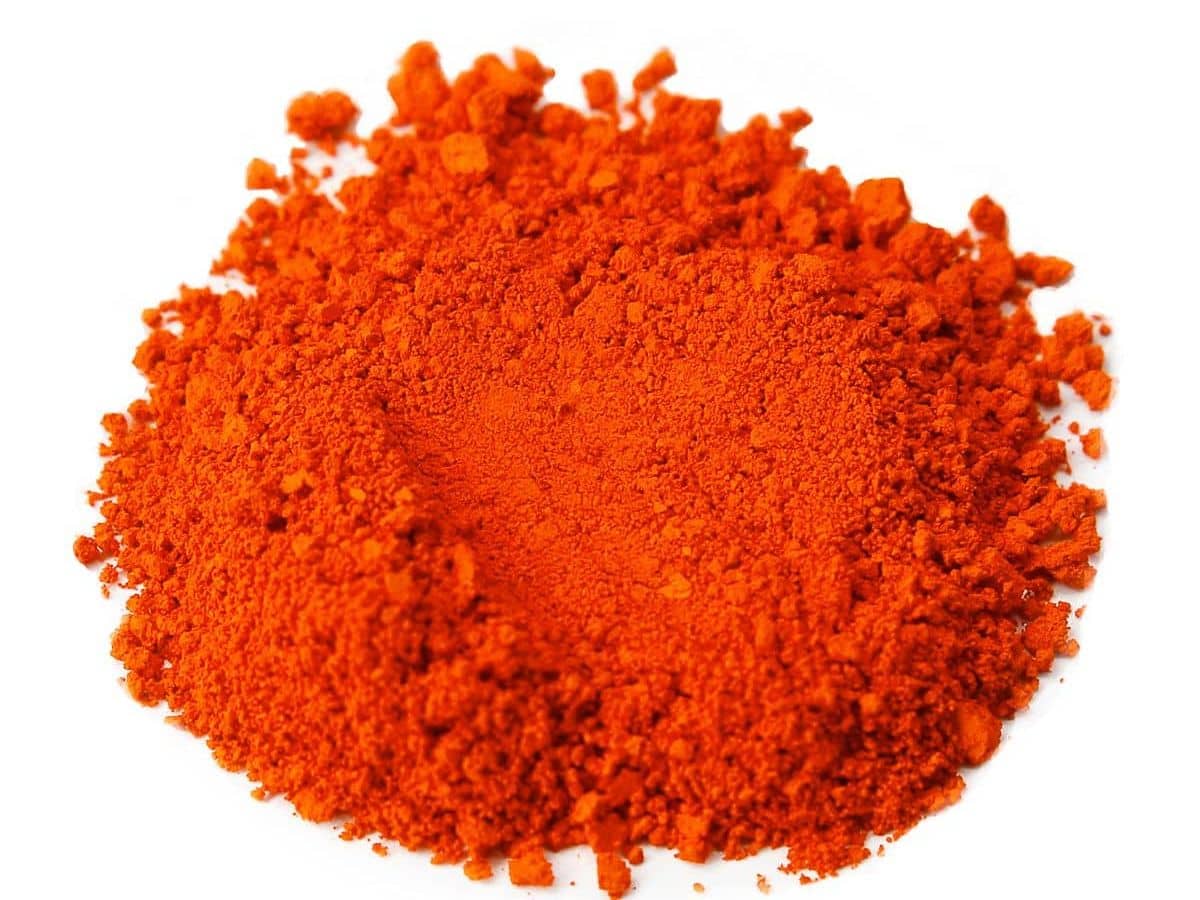
D&C Red 6 Barium Lake is a warm, orange-red cosmetic pigment with high tinting strength and a matte finish, used across lip color, nail lacquer, and pressed powder formulations. As a barium lake — an insoluble precipitate of the D&C Red 6 azo dye on a barium substrate — it disperses rather than dissolves in cosmetic matrices, making it suitable for both anhydrous and wax-based systems where color migration must be controlled. Formulators familiar with azo lake pigments will recognize its characteristic warm red hue with a slight orange undertone, which blends predictably with other D&C lakes to produce a broad range of coral, red, and brick shades.
Item No. :
D&C Red 6 Barium LakeColor Effect :
RedBrand :
Kolortek / OEMMOQ :
25 KGApplication :
Nail polish, lipstick, foundation, blush, eyeshadow (external use), compact powders, liquid makeup
Within Kolortek's D&C Lakes series, Red 6 Barium Lake occupies a specific position as a warm-toned, high-opacity matte red — distinct from the cooler, more bluish-red character of D&C Red 27 Lake. It is the go-to option when a formulation calls for a saturated orange-red or coral base without pearl or shimmer contribution. The barium lake format also differentiates it from aluminum lake variants: barium lakes tend to carry higher dye content and produce more intense color at equivalent loading levels, which is a practical advantage in pigment-dense formulations like nail lacquer and full-coverage lip color.
Kolortek supplies this pigment with impurity filtration to cosmetic-grade standards, removing regulated heavy metals (arsenic, lead, mercury, antimony) to levels consistent with cosmetic use requirements. Batch-to-batch color consistency — a function of over 20 years of lake pigment manufacturing — is documented via Certificate of Analysis on request.
| Parameter | Value / Notes |
|---|---|
| Common Name | D&C Red 6 Barium Lake |
| CI Number | CI 15850:2 |
| Chemical Type | Azo dye precipitated on barium substrate (lake pigment) |
| Hue | Warm red with orange undertone |
| Finish | Matte |
| Solubility | Insoluble in water and most cosmetic solvents — disperses as pigment |
| Grade | Cosmetic grade — filtered of regulated heavy metal impurities |
| Regulatory Status (USA) | D&C listed; approved for lip and externally applied cosmetics — confirm current FDA color additive list for specific use category |
| EU Status | Listed under EU Cosmetics Regulation Annex IV — verify permitted applications and conditions for your product type |
| Heavy Metal Control | Tested and filtered to cosmetic-grade limits; CoA available on request |
| Primary Applications | Nail lacquer, lipstick, lip gloss, pressed powder, blush |
| Documentation Available | TDS, SDS, Certificate of Analysis — on request |
| MOQ | Contact us for details |
Barium lake substrate — higher dye content vs. aluminum lakes: The barium precipitation process typically yields a higher dye-to-substrate ratio than aluminum lake equivalents. In practical terms, this means stronger color intensity at equivalent loading levels — relevant for formulators optimizing pigment efficiency in cost-sensitive production runs or high-coverage lip products.
Non-migrating in anhydrous and wax-based matrices: As an insoluble dispersed pigment, D&C Red 6 Barium Lake does not recrystallize or bleed through wax, oil, or powder carriers during storage or under thermal cycling. This is a critical performance requirement for lip crayons, wax-based lipsticks, and pressed blush where dye migration would compromise shelf appearance.
Matte texture in nail lacquer: In nail enamel formulations, azo barium lake pigments contribute to a matte dried-film texture alongside their colorant function. This dual contribution — color and surface effect — makes them efficient components in matte nail lacquer development without requiring a separate matting agent at the same loading level.
Predictable blending behavior: The warm orange-red hue of Red 6 Barium Lake is well-characterized within the D&C color system. It blends consistently with D&C Red 7 Calcium Lake (cooler red) to produce mid-range reds, and with D&C Yellow 5 or Yellow 6 lakes to shift toward coral or tangerine tones. Formulators with established blend ratios from other suppliers will find the hue position reliable for cross-supplier substitution.
| Product Type | Function | Technical Note |
|---|---|---|
| Nail lacquer (matte) | Primary colorant; matte film texture contribution | Compatible with nitrocellulose and waterborne nail systems |
| Lipstick / lip crayon | Primary colorant; non-migrating in wax base | FDA-approved for lip use — verify current approval status |
| Lip gloss | Dispersed colorant in oil/polymer carrier | Fine milling improves dispersion uniformity in high-viscosity gloss bases |
| Pressed powder blush | Color body blended with talc, mica, TiO₂ | No migration risk in dry powder pressing |
| Loose powder / setting powder | Low-level tinting; warmth contribution in skin-tone powders | Typical inclusion rate well below full-saturation loading |
Regulatory note: D&C Red 6 Barium Lake is not on the FDA approved list for eye-area use. Formulators developing eye shadow or eyeliner for the US market should consult the current FDA color additive list before specifying. EU permitted use conditions may differ — confirm against Annex IV of the EU Cosmetics Regulation for your specific product category.
Q: What is the difference between D&C Red 6 and D&C Red 6 Barium Lake?
A: D&C Red 6 is the soluble azo dye form — it dissolves in certain solvents and can migrate through lipid-based systems. D&C Red 6 Barium Lake is the insoluble form, produced by precipitating the dye onto a barium substrate. The lake form disperses rather than dissolves, making it the correct specification for wax-based, anhydrous, and powder cosmetic applications where color stability and migration control are required.
Q: How does D&C Red 6 Barium Lake compare to D&C Red 7 Calcium Lake?
A: Both are azo lake pigments used in lip and nail products, but their hue positions differ. Red 6 Barium Lake has a warmer, more orange-red tone; Red 7 Calcium Lake is a cooler, truer red. In practice, formulators blend the two to dial in specific red shades — increasing Red 6 proportion shifts the blend warmer and more coral; increasing Red 7 cools and deepens it. The substrate difference (barium vs. calcium) also affects dye content and tinting strength, with barium lakes typically carrying a higher dye load.
Q: Is barium considered a safety concern in cosmetic formulations?
A: Barium in soluble form is regulated due to toxicity concerns, but in the lake pigment form the barium is insoluble and bound within the pigment structure. Regulatory frameworks for D&C color additives address this distinction — D&C Red 6 Barium Lake is an approved color additive under FDA regulations for its specified use categories. Kolortek supplies heavy metal impurity data via Certificate of Analysis, and soluble barium content is controlled to limits consistent with cosmetic-grade standards. Contact us for documentation.
Q: What dispersion equipment is suitable for this pigment?
A: D&C Red 6 Barium Lake disperses in standard cosmetic manufacturing equipment including three-roll mills, high-shear mixers, and bead mills. For lipstick and lip crayon production, milling the pigment into a portion of the wax/oil base before combining with the full batch improves color uniformity. For nail lacquer, pre-dispersion in butyl acetate or ethyl acetate before addition to the resin phase is standard practice. Contact us for formulation guidance specific to your base system.
Q: What documentation can Kolortek provide for ingredient qualification?
A: TDS, SDS, and Certificate of Analysis documenting heavy metal impurity levels and dye content are available on request. For supplier qualification submissions or regulatory dossiers, contact the technical team to discuss what additional documentation may be available.
For supplier qualification, formulation development, or production sourcing of D&C Red 6 Barium Lake, contact Kolortek to request a sample, TDS/SDS package, or Certificate of Analysis. If you need formulation guidance on dispersion method, loading level, or blend ratios with other D&C lakes, the technical team can advise based on your specific base system and target application.
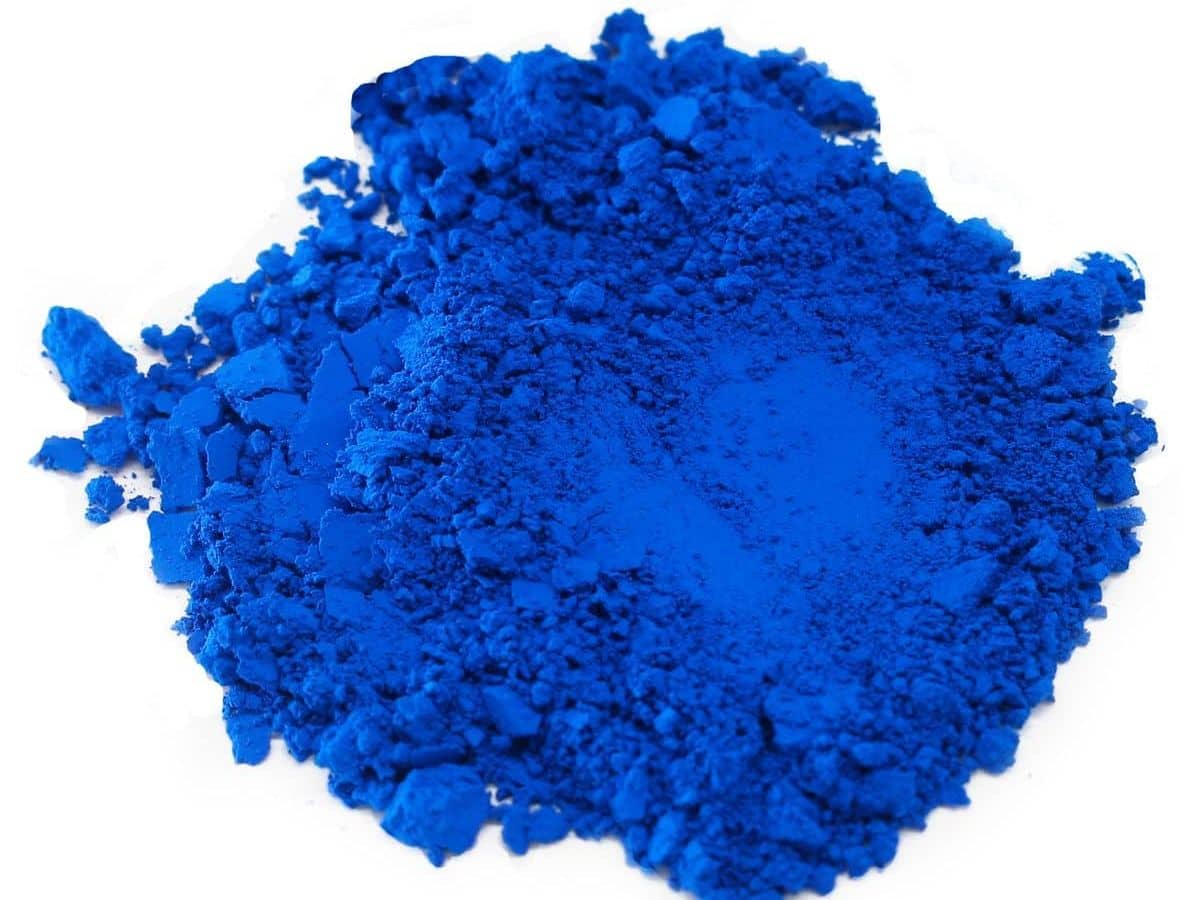
FD&C Blue 1 Lake is a dual-listed colorant — approved under both FDA food additive and cosmetic colorant regulations — making it one of the few blue pigments formulators can specify across personal care, nail, and certain food-contact or food-adjacent product categories without switching colorant systems. As a lake form of Brilliant Blue FCF (CI 42090), it is insoluble in water and most cosmetic solvents, which eliminates the dye migration issues that affect soluble FD&C Blue 1 in wax, oil, and pressed powder matrices.
Read More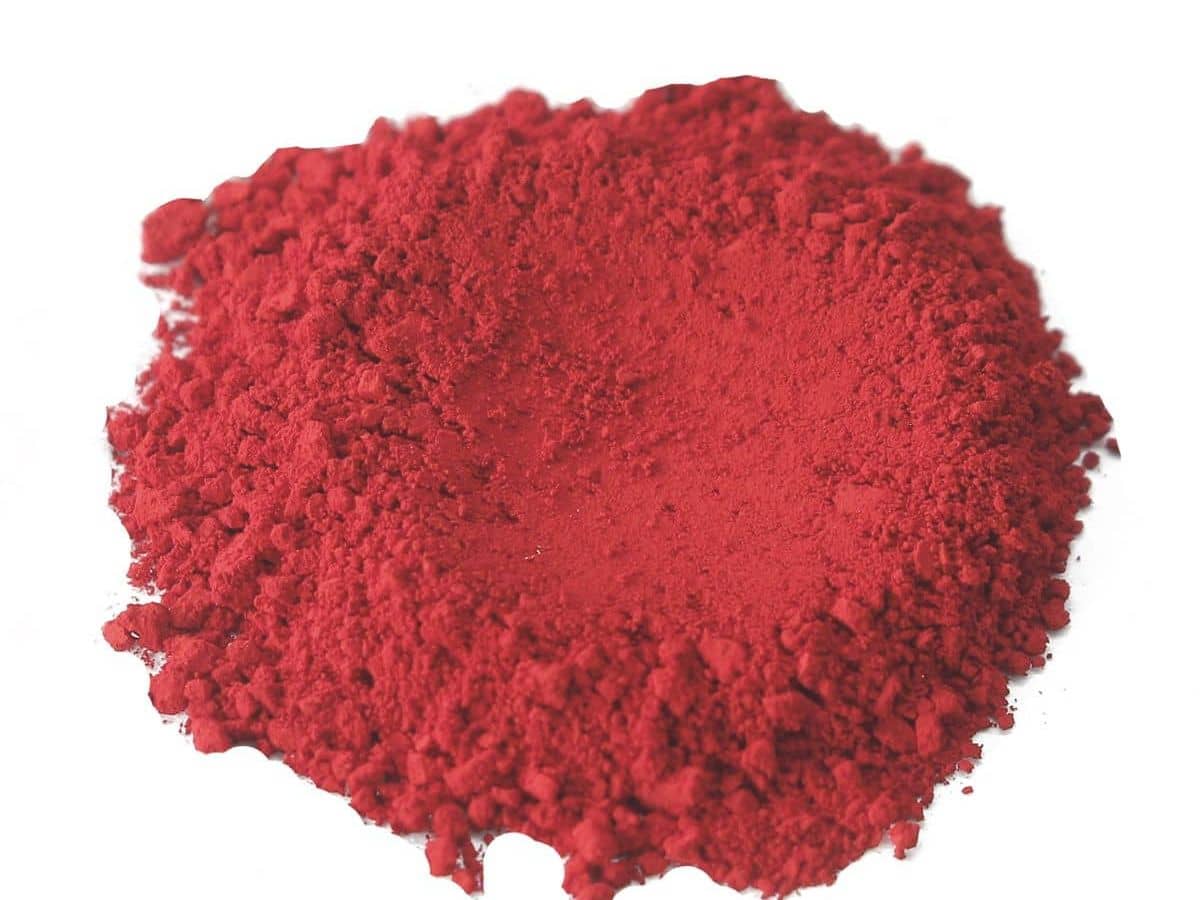
FD&C Red 40 Aluminum Lake at 24–30% dye content is a high-strength, insoluble red pigment used across cosmetic, food, and pharmaceutical applications where a non-migrating red colorant is required. The lake form of Allura Red AC (CI 16035) is precipitated onto an alumina substrate, producing a dispersible powder that holds its color in wax, oil, and anhydrous matrices without the bleed or migration issues associated with the soluble dye form. At 24–30% dye loading, it delivers consistent tinting strength and is suited for formulations where color depth and regulatory compliance need to be met simultaneously.
Read More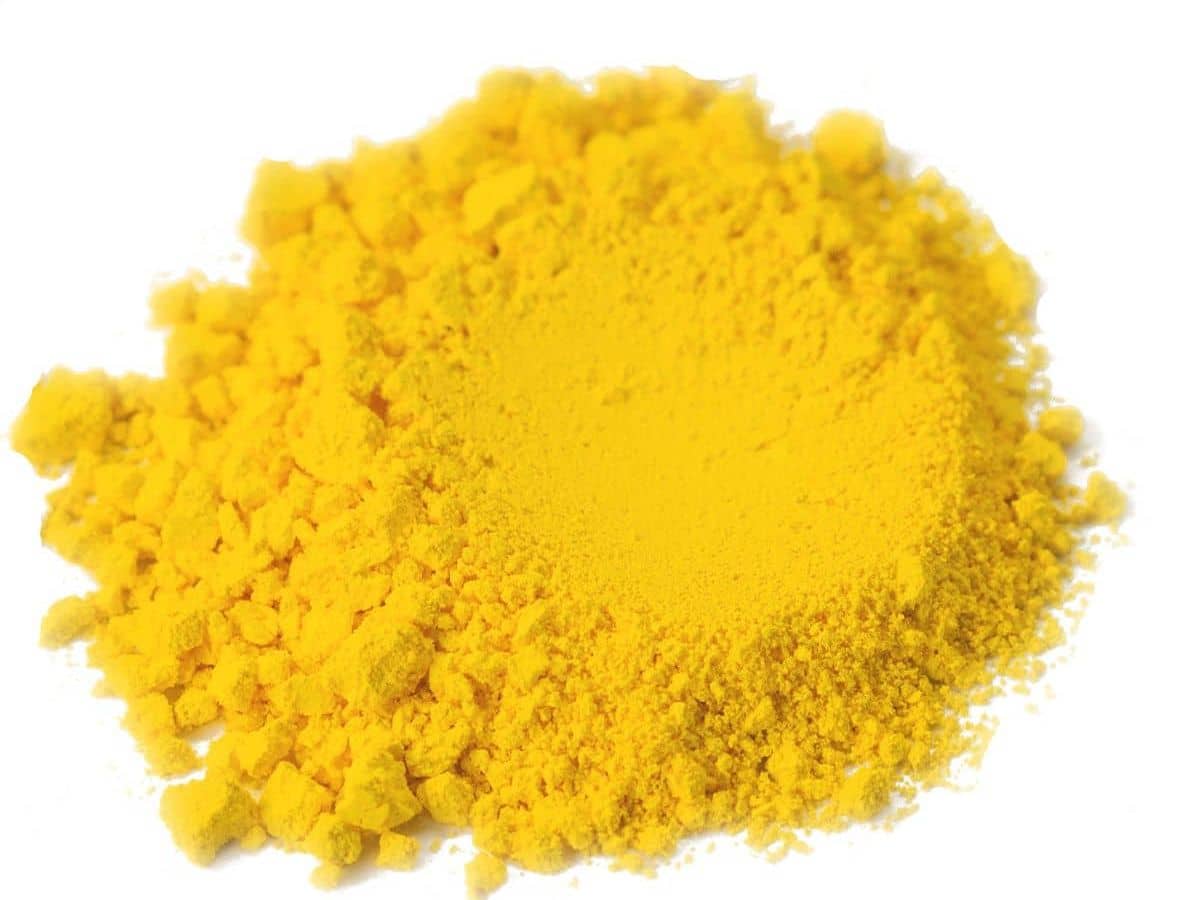
FD&C Yellow 5 Lake is an **insoluble food-grade lake pigment** designed for applications where **color stability and low bleeding** are required. Compared with water-soluble dyes, it provides better control in oil-based and low-moisture systems, making it suitable for confectionery coatings, pressed tablets, and decorative food applications.
Read More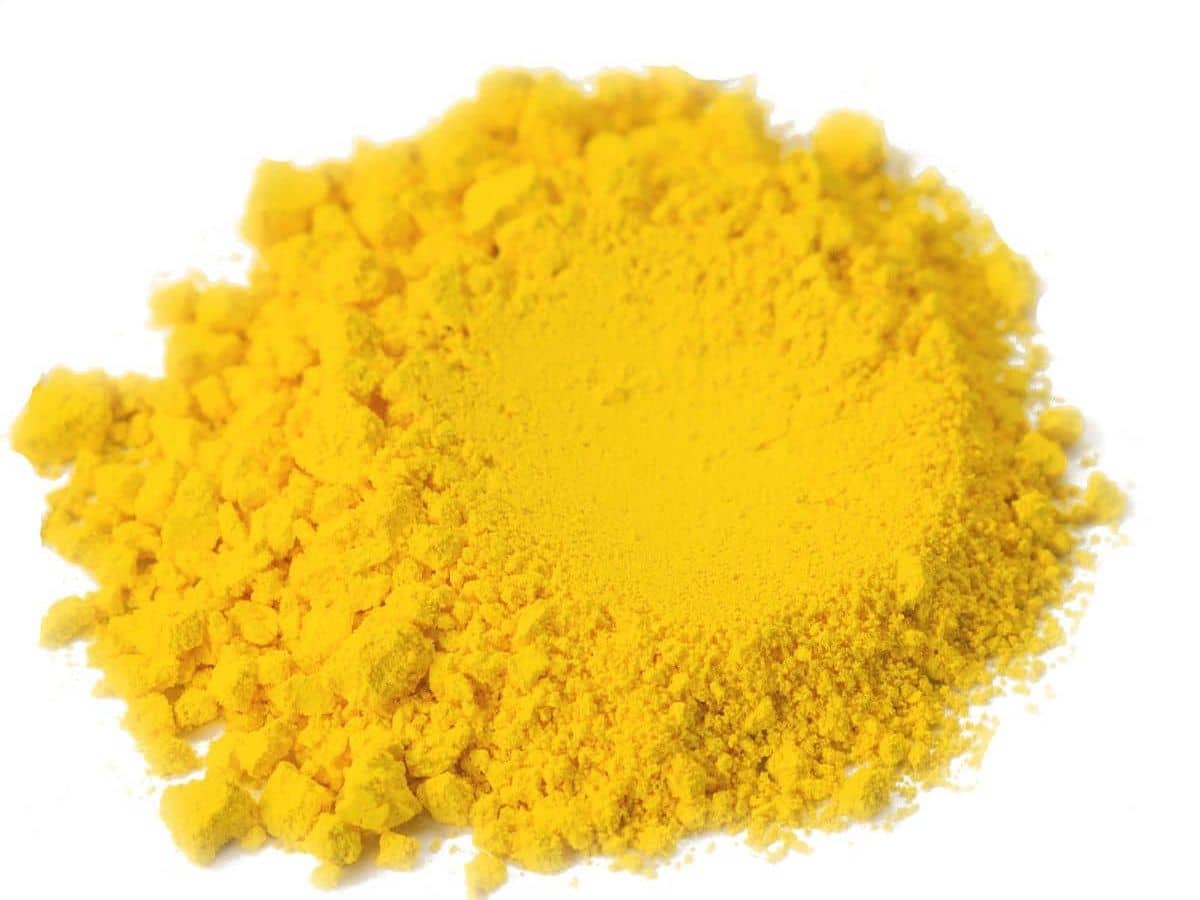
FD&C Yellow 5 Aluminum Lake at 15–22% dye content delivers a clean, neutral yellow in anhydrous cosmetic and food-adjacent formulations where the soluble dye form (Tartrazine) would migrate or bleed through wax, oil, or pressed powder matrices. The aluminum lake conversion of CI 19140 is insoluble in most cosmetic solvents — making it the standard specification for nail lacquer, lip color, pressed powder, and pharmaceutical tablet coatings that require a food-safe yellow without color instability in the finished product.
Read More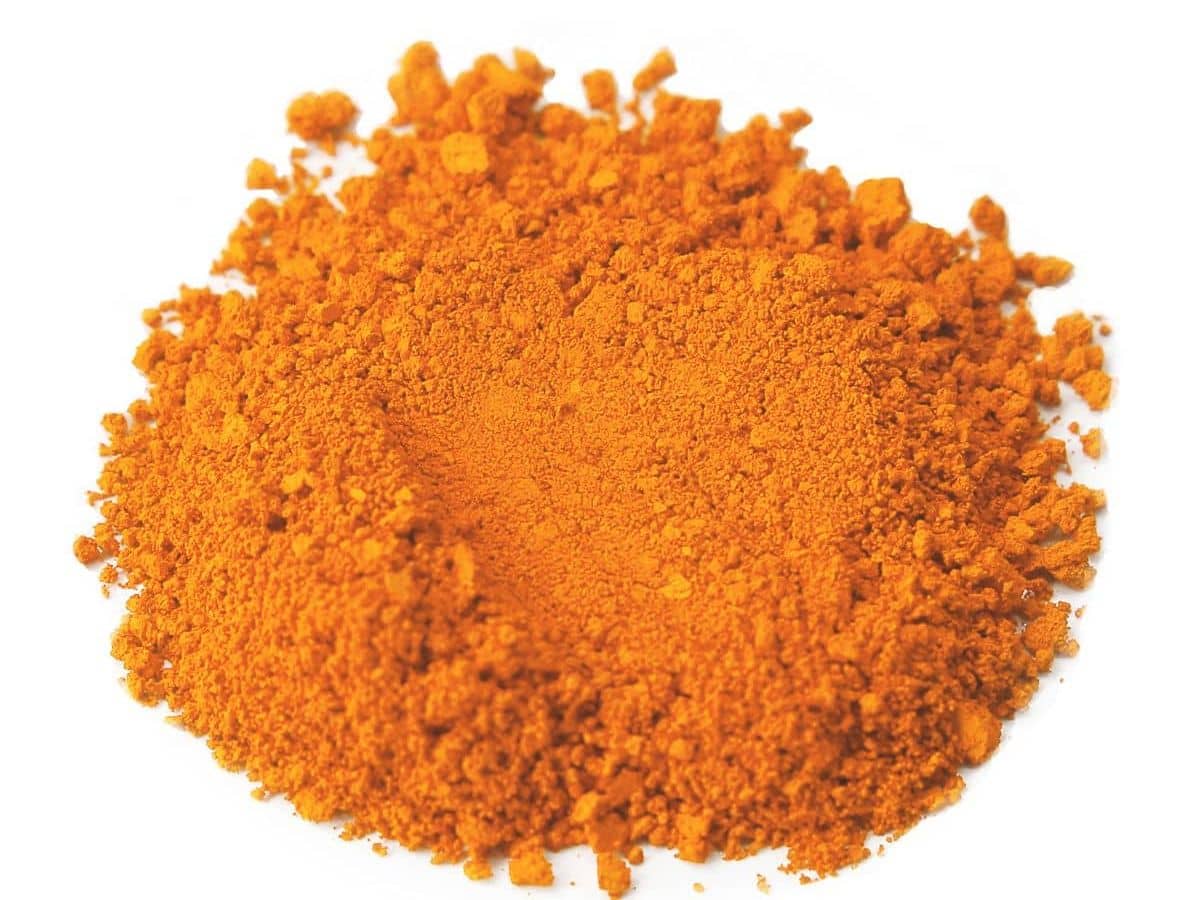
FD&C Yellow 6 Aluminum Lake is an orange-yellow insoluble pigment derived from Sunset Yellow FCF (CI 15985), precipitated onto an alumina substrate to produce a non-migrating, dispersible lake pigment approved for both food and cosmetic applications. Its dual FD&C listing makes it one of a limited number of yellow colorants that formulators can specify across nail lacquer, lip color, pressed powder, food products, and pharmaceutical tablet coatings without switching colorant systems between product categories. Kolortek supplies this grade with confirmed low heavy metal content and full batch documentation — the baseline requirement for cosmetic and food ingredient supplier qualification.
Read More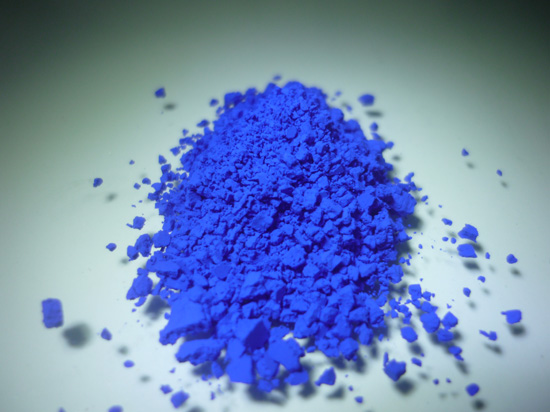
KT-40001 is a cosmetic grade Ultramarine Blue — a synthetic inorganic pigment that provides a clean, bright violet-blue body color with excellent opacity and low heavy metal content suitable for use across personal care and color cosmetic formulations. Unlike organic blue dyes, Ultramarine Blue is chemically inert, non-migrating, and inherently lightfast — properties that make it a reliable choice for pressed powders, eye shadows, lip products, and soap where color stability over shelf life is a baseline requirement. All Kolortek cosmetic oxide grades are filtered to remove regulated impurities before supply.
Read More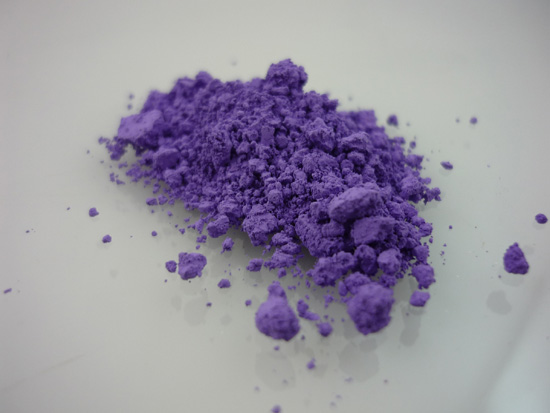
KT-40002B is a cosmetic grade Ultramarine Violet — a synthetic inorganic pigment that delivers a red-biased violet body color with the same chemical stability and regulatory acceptance as Ultramarine Blue, but with a distinctly warmer, more purple-red hue character. As a matte, opaque, insoluble colorant, it is non-migrating in wax, oil, and powder matrices and inherently lightfast — making it a practical specification for eye shadows, lipsticks, pressed powders, and soap where stable violet or purple color is required without the fading limitations of organic violet dyes. All Kolortek cosmetic oxide grades are filtered to remove regulated heavy metal impurities before supply.
Read More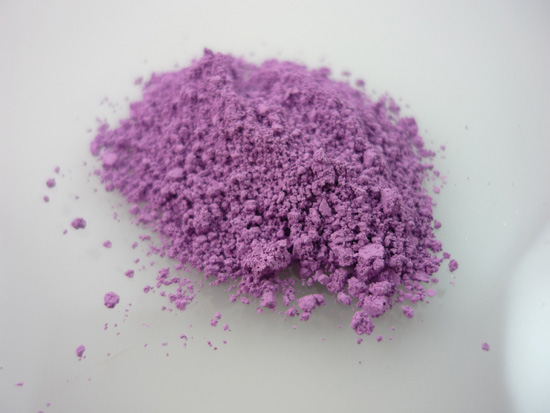
KT-40003A is a cosmetic grade Ultramarine Pink — a synthetic inorganic pigment that delivers a warm pink-rose body color within the same CI 77007 Ultramarines family as Ultramarine Blue and Ultramarine Violet, but with a distinctly warm, red-pink hue character. As a matte, insoluble, non-migrating colorant with excellent lightfastness and low heavy metal content, it provides a stable pink tone in pressed powder, eye shadow, lip color, blush, and soap formulations where organic pink dyes would fade or bleed over the product shelf life. All Kolortek cosmetic oxide grades are filtered to remove regulated heavy metal impurities before supply.
Read More
 English
 Français
 Deutsch
 Русский
 Español
 Português