Leave A Message
If you are interested in our products and want to know more details,please leave a message here,we will reply you as soon as we can.
FD&C Yellow 5 Aluminum Lake, Cosmetic Grade Food Safe Yellow Pigment 15–22%
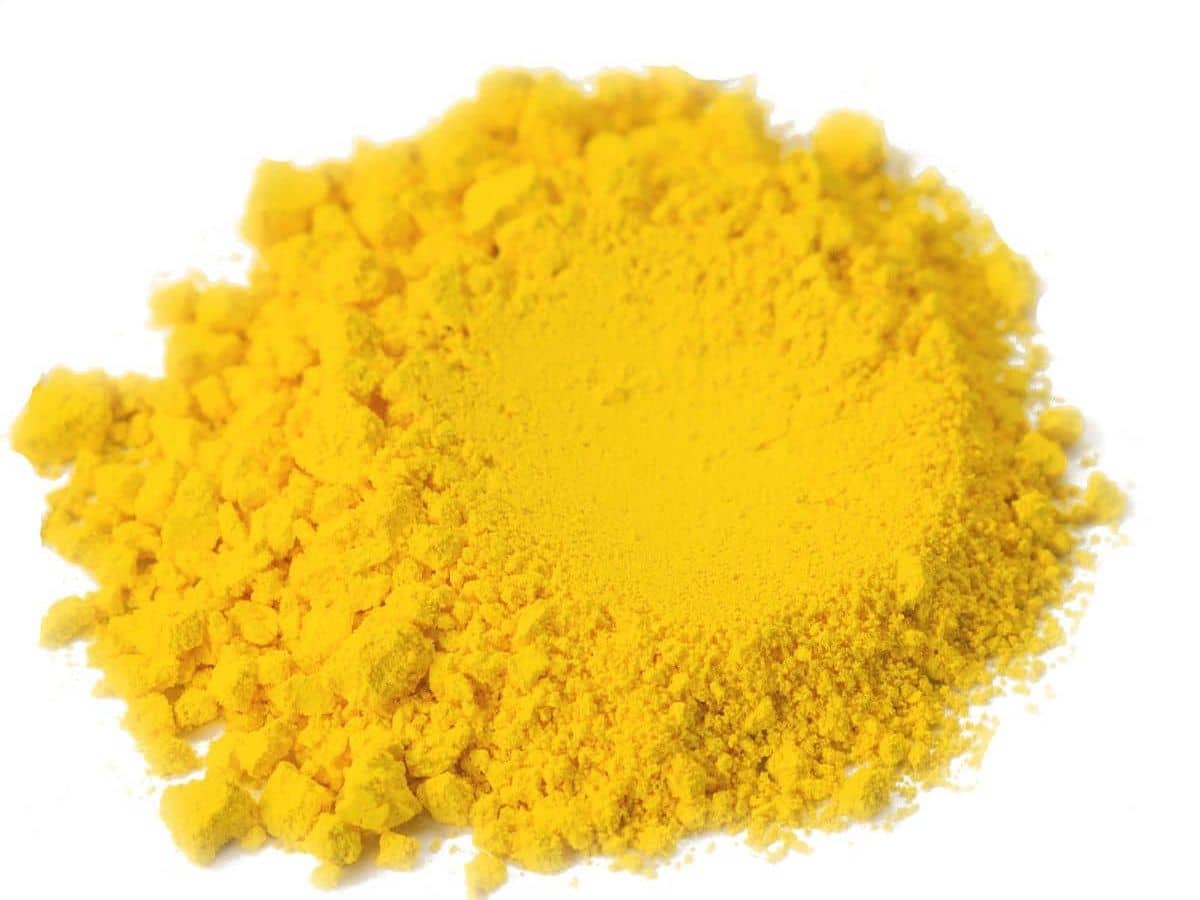
FD&C Yellow 5 Aluminum Lake at 15–22% dye content delivers a clean, neutral yellow in anhydrous cosmetic and food-adjacent formulations where the soluble dye form (Tartrazine) would migrate or bleed through wax, oil, or pressed powder matrices. The aluminum lake conversion of CI 19140 is insoluble in most cosmetic solvents — making it the standard specification for nail lacquer, lip color, pressed powder, and pharmaceutical tablet coatings that require a food-safe yellow without color instability in the finished product.
Item No. :
FD&C Yellow 5J Al Lake (15-22%)Color Effect :
YellowBrand :
Kolortek / OEMMOQ :
25 KGApplication :
Nail polish, lipstick, foundation, blush, eyeshadow (external use), compact powders, liquid makeup
FD&C Yellow 5 (Tartrazine, CI 19140) carries one of the most broadly recognized synthetic colorant listings across food, drug, and cosmetic regulatory frameworks. The lake form inherits this regulatory standing with additional practical advantages for anhydrous formulations. Buyers should verify current approved use categories against the relevant market framework before production specification.
| Market / Framework | Status | Key Conditions / Notes |
|---|---|---|
| USA (FDA) | FD&C listed — food, drug & cosmetic | Approved for ingested drugs, food, and externally applied cosmetics; not approved for eye area — verify 21 CFR for specific product category |
| EU (Annex IV / E102) | CI 19140 — listed in food (E102) and cosmetics (Annex IV) | Food use subject to quantity limits; EU food products containing E102 require an advisory label ("may have an adverse effect on activity and attention in children") — confirm requirements for your product type |
| Eye-area use (USA) | Not approved for eye area under FDA | Do not specify for eye shadow, eyeliner, or mascara in FDA-regulated markets |
| Other markets | Varies by jurisdiction | Contact us for documentation to support market-specific regulatory review |
Common selection error: specifying FD&C Yellow 5 Lake for eye-area cosmetics in the US market. Despite its broad FD&C listing, this colorant is not on the FDA's approved eye-area colorant list. Formulators developing yellow-toned eye shadow or eyeliner must select from the specific approved eye-area colorants under 21 CFR Part 74, Subpart D.
| Parameter | Value / Notes |
|---|---|
| Common Name | FD&C Yellow 5 Aluminum Lake / Tartrazine Aluminum Lake |
| CI Number | CI 19140 (lake form) |
| Grade Designation | J (15–22% dye content) |
| Chemical Class | Pyrazolone azo dye precipitated on alumina substrate |
| Dye Content | 15–22% (J grade) |
| Color | Clean neutral yellow (warm lemon-yellow tone) |
| Finish | Matte / opaque |
| Solubility | Insoluble in water and most cosmetic solvents — disperses as pigment |
| Substrate | Alumina (Al₂O₃) |
| Grade | Cosmetic grade & food-safe — low heavy metal content; filtered to remove regulated impurities (Pb, As, Hg, Sb) |
| Regulatory Listing | FD&C listed (FDA); E102 / CI 19140 (EU) |
| Eye-Area Approval (USA) | Not approved — do not specify for eye-area products in FDA-regulated markets |
| Primary Applications | Nail lacquer, lip color, pressed powder, food products, pharmaceutical tablet coatings |
| Documentation Available | TDS, SDS, Certificate of Analysis, INCI documentation — on request |
| Brand | Kolortek |
| MOQ | Contact us for details |
Dye content at 15–22% (J grade) — what it means for formulation: Lake pigments are sold at different dye loadings; the J designation specifies a 15–22% active dye range. Lower dye content grades (below 15%) require higher mass inclusion to achieve equivalent color depth, which increases the alumina volume in the formulation and can affect texture — particularly relevant in pressed powder compacts. The J grade represents a mid-range loading that balances tinting strength with manageable use levels across most cosmetic and food applications.
Clean neutral yellow — hue profile and blending behavior: CI 19140 produces a warm lemon-yellow with good chroma and minimal greenish or orange bias compared to quinoline yellow (CI 47005, D&C Yellow 10 Lake). For formulations requiring a clean primary yellow — nail lacquer, yellow-toned lip products, or yellow pressed powder — FD&C Yellow 5 Lake is the standard specification. Combined with red lakes it produces orange and coral shades; combined with blue lakes it shifts toward green.
Non-migrating in anhydrous systems: The alumina substrate renders CI 19140 insoluble in wax, oil, and solvent-based nail lacquer matrices. Color bleed and migration — the primary failure mode of the soluble FD&C Yellow 5 dye in these systems — are eliminated. For any lipid-based or anhydrous product where yellow color stability is a specification requirement, the lake form is the correct input material.
Matte texture contribution in nail lacquer: Alumina-substrate lake pigments physically reduce surface gloss in dried lacquer films. FD&C Yellow 5 Lake contributes both color and a degree of matteness to yellow and yellow-based nail formulations — a dual function relevant for matte finish nail product development.
Kolortek has supplied FD&C and D&C lake pigments across cosmetic and food-grade specifications for over 20 years, with documented batch-to-batch dye content consistency. Certificate of Analysis covering dye content confirmation and heavy metal impurity levels is available per lot — the standard documentation requirement for cosmetic ingredient supplier qualification and food additive compliance files.
| Product Category | Application | Notes |
|---|---|---|
| Nail lacquer | Primary yellow colorant; yellow, green, and orange blended shades; matte finish formulations | Non-migrating in nitrocellulose and waterborne bases; contributes matte texture to dried film |
| Lip color | Yellow-orange tone modifier in lipstick, lip gloss, and lip balm | Insoluble in wax/oil matrix; FD&C listing covers lip use — verify current 21 CFR approval status |
| Pressed powder / blush | Yellow hue modifier in talc and mica-based formulations | Uniform dispersion in dry powder; no migration risk in pressed format; avoid eye-area products |
| Food products | Yellow colorant in confections, baked goods, beverages, fat-based coatings | Lake form suitable for anhydrous food systems; EU E102 advisory labeling requirement applies — confirm limits by food category |
| Pharmaceutical coatings | Tablet film coating and hard capsule colorant | FD&C listed for drug use; verify applicable pharmacopeial standards for dosage form and market |
| Body / skin products | Externally applied cosmetics — body color, face color | Not approved for eye-area use under FDA — confirm product category before specifying |
If your formulation is anhydrous (nail lacquer, lipstick, wax crayon, fat-based food coating) → specify the lake form (this product), not the soluble dye. FD&C Yellow 5 (soluble Tartrazine) will dissolve into lipid matrices and migrate during storage.
If you need a clean neutral yellow without green undertone → FD&C Yellow 5 Lake (CI 19140) is the better specification over D&C Yellow 10 Lake (CI 47005). D&C Yellow 10 has a distinct greenish cast inherent to the quinoline chromophore; CI 19140 produces a cleaner lemon-yellow.
If your product targets the eye area in the US market → FD&C Yellow 5 Lake is not approved for eye-area use under FDA. Select from the approved eye-area colorant list under 21 CFR Part 74, Subpart D for that product category.
If your EU food product contains this colorant → confirm the E102 advisory labeling requirement ("may have an adverse effect on activity and attention in children") applies to your product category under Regulation (EC) No 1333/2008 before finalizing the specification.
Q: What does the "J" grade designation mean for FD&C Yellow 5 Aluminum Lake?
A: The J designation indicates a dye content of 15–22% — the proportion of active Tartrazine (CI 19140) precipitated onto the alumina substrate. Different lake grades carry different dye loadings; lower-content grades (e.g., below 15%) require higher mass addition to match the color output of a J grade, which increases the alumina volume in the formulation. Confirming dye content range before sourcing prevents color inconsistency between production batches when switching suppliers.
Q: What is the difference between FD&C Yellow 5 and FD&C Yellow 5 Aluminum Lake?
A: FD&C Yellow 5 (Tartrazine) is a water-soluble pyrazolone azo dye. It dissolves in aqueous systems but migrates through wax, oil, and anhydrous matrices, causing color bleed in lipstick, nail lacquer, and pressed powder. The Aluminum Lake form is insoluble — the dye is precipitated onto alumina, converting it from a soluble dye to a dispersible pigment. For all anhydrous cosmetic and fat-based food applications, the lake form is the correct specification.
Q: How does FD&C Yellow 5 Lake compare to D&C Yellow 10 Lake for nail and lip applications?
A: Both are yellow lake pigments approved for nail and lip use under FDA, but their hue profiles differ. FD&C Yellow 5 Lake (CI 19140) produces a clean lemon-yellow with minimal green bias. D&C Yellow 10 Lake (CI 47005) has a pronounced greenish undertone inherent to the quinoline chromophore. For formulations requiring a pure yellow without green cast — standard yellow nail lacquers, yellow-toned lipsticks — FD&C Yellow 5 Lake is the preferred specification. D&C Yellow 10 Lake is more useful in chartreuse or olive-toned shades where the green bias is intentional.
Q: Does the EU E102 advisory labeling requirement affect cosmetic products?
A: The E102 Southampton advisory ("may have an adverse effect on activity and attention in children") applies specifically to food products under EU food additive regulations (Regulation EC 1333/2008). It does not apply to cosmetic products regulated under the EU Cosmetics Regulation (EC 1223/2009). Formulators should confirm the applicable regulatory framework for each product type in their portfolio.
Q: What documentation is available for supplier qualification?
A: Kolortek provides TDS, SDS, Certificate of Analysis (covering dye content confirmation and heavy metal impurity data), and INCI documentation on request. Contact the technical team to discuss requirements for specific market submissions or regulatory filings.
Dye content consistency across production lots is the primary technical concern when sourcing lake pigments for cosmetic or food applications — and the most direct way to verify it is a Certificate of Analysis against your specification. Contact Kolortek to request a sample of FD&C Yellow 5J Aluminum Lake, a CoA confirming the 15–22% dye content range, TDS, SDS, or INCI documentation for your supplier qualification file.
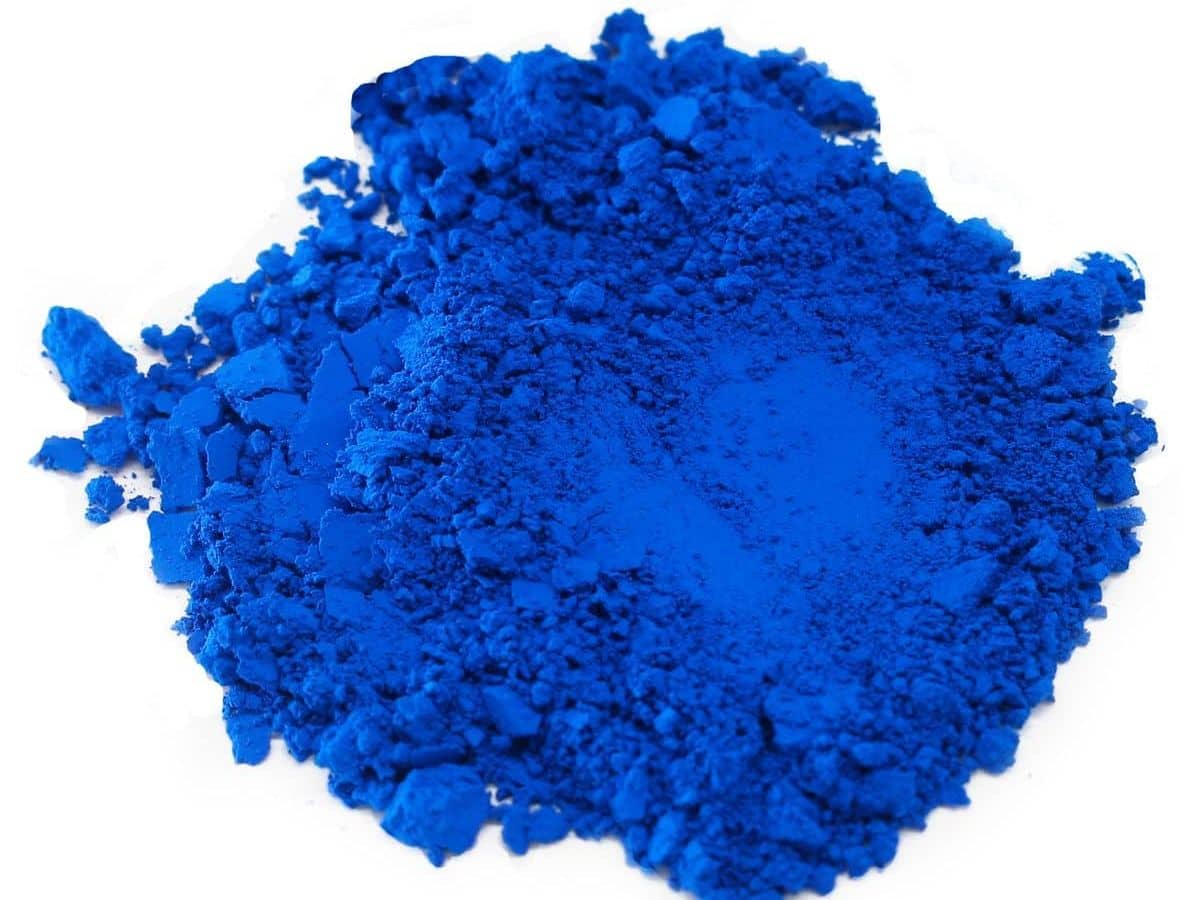
FD&C Blue 1 Lake is a dual-listed colorant — approved under both FDA food additive and cosmetic colorant regulations — making it one of the few blue pigments formulators can specify across personal care, nail, and certain food-contact or food-adjacent product categories without switching colorant systems. As a lake form of Brilliant Blue FCF (CI 42090), it is insoluble in water and most cosmetic solvents, which eliminates the dye migration issues that affect soluble FD&C Blue 1 in wax, oil, and pressed powder matrices.
Read More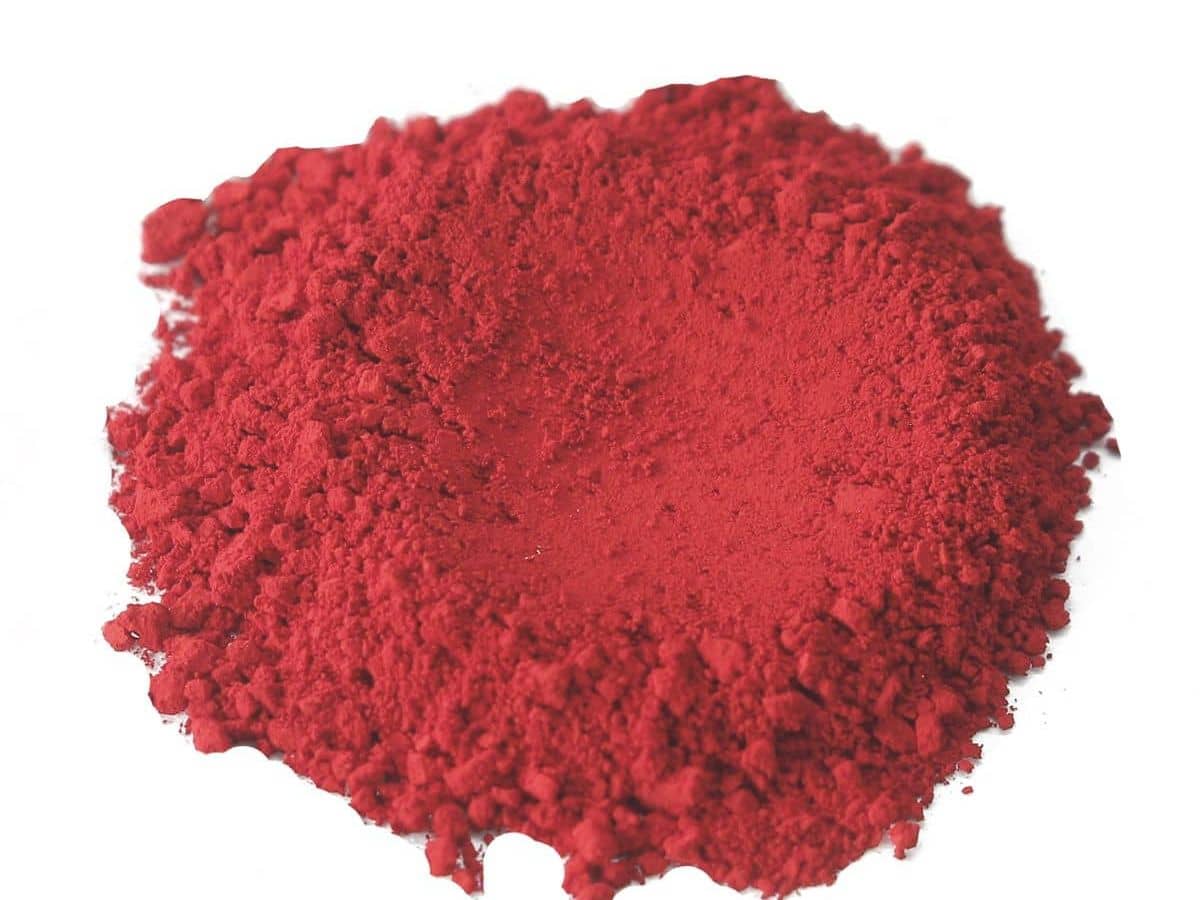
FD&C Red 40 Aluminum Lake at 24–30% dye content is a high-strength, insoluble red pigment used across cosmetic, food, and pharmaceutical applications where a non-migrating red colorant is required. The lake form of Allura Red AC (CI 16035) is precipitated onto an alumina substrate, producing a dispersible powder that holds its color in wax, oil, and anhydrous matrices without the bleed or migration issues associated with the soluble dye form. At 24–30% dye loading, it delivers consistent tinting strength and is suited for formulations where color depth and regulatory compliance need to be met simultaneously.
Read More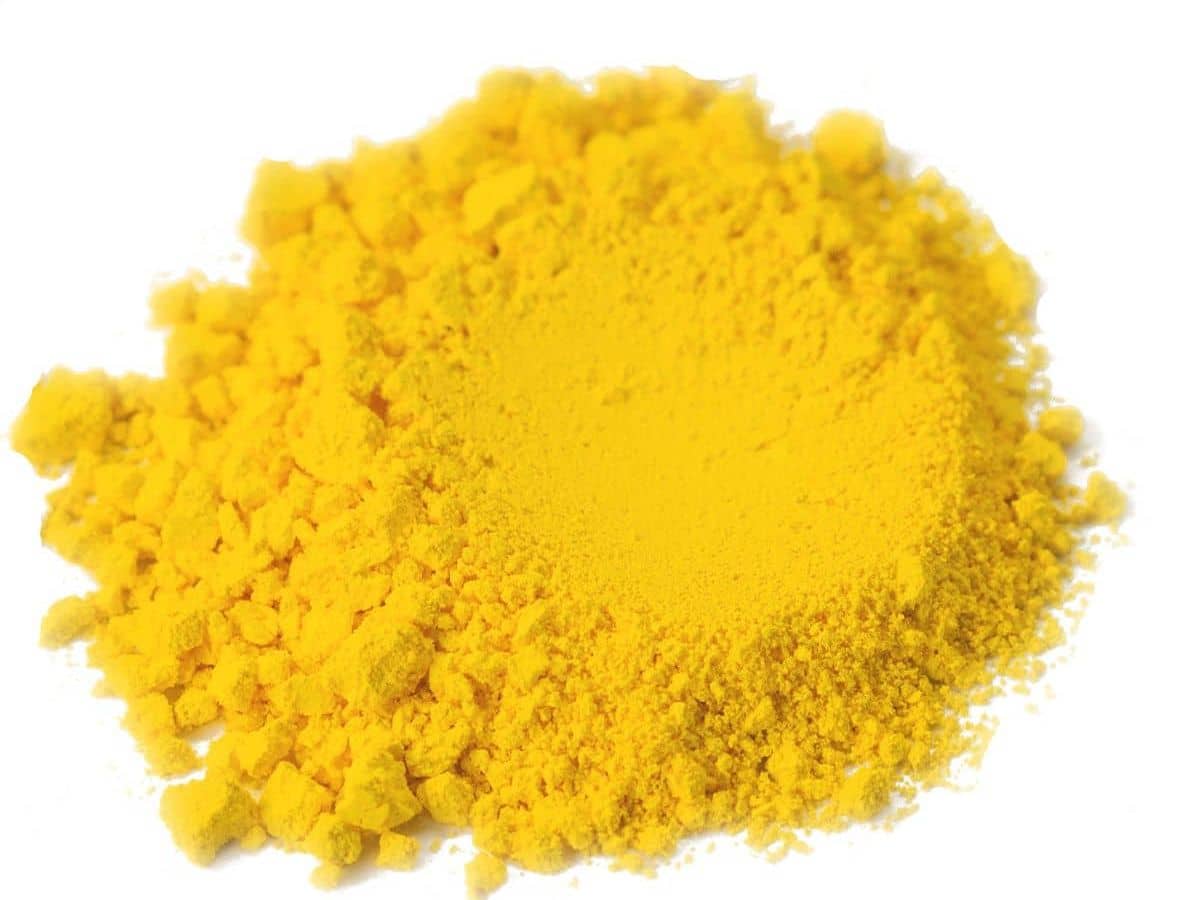
FD&C Yellow 5 Lake is an **insoluble food-grade lake pigment** designed for applications where **color stability and low bleeding** are required. Compared with water-soluble dyes, it provides better control in oil-based and low-moisture systems, making it suitable for confectionery coatings, pressed tablets, and decorative food applications.
Read More
FD&C Yellow 5 Aluminum Lake at 15–22% dye content delivers a clean, neutral yellow in anhydrous cosmetic and food-adjacent formulations where the soluble dye form (Tartrazine) would migrate or bleed through wax, oil, or pressed powder matrices. The aluminum lake conversion of CI 19140 is insoluble in most cosmetic solvents — making it the standard specification for nail lacquer, lip color, pressed powder, and pharmaceutical tablet coatings that require a food-safe yellow without color instability in the finished product.
Read More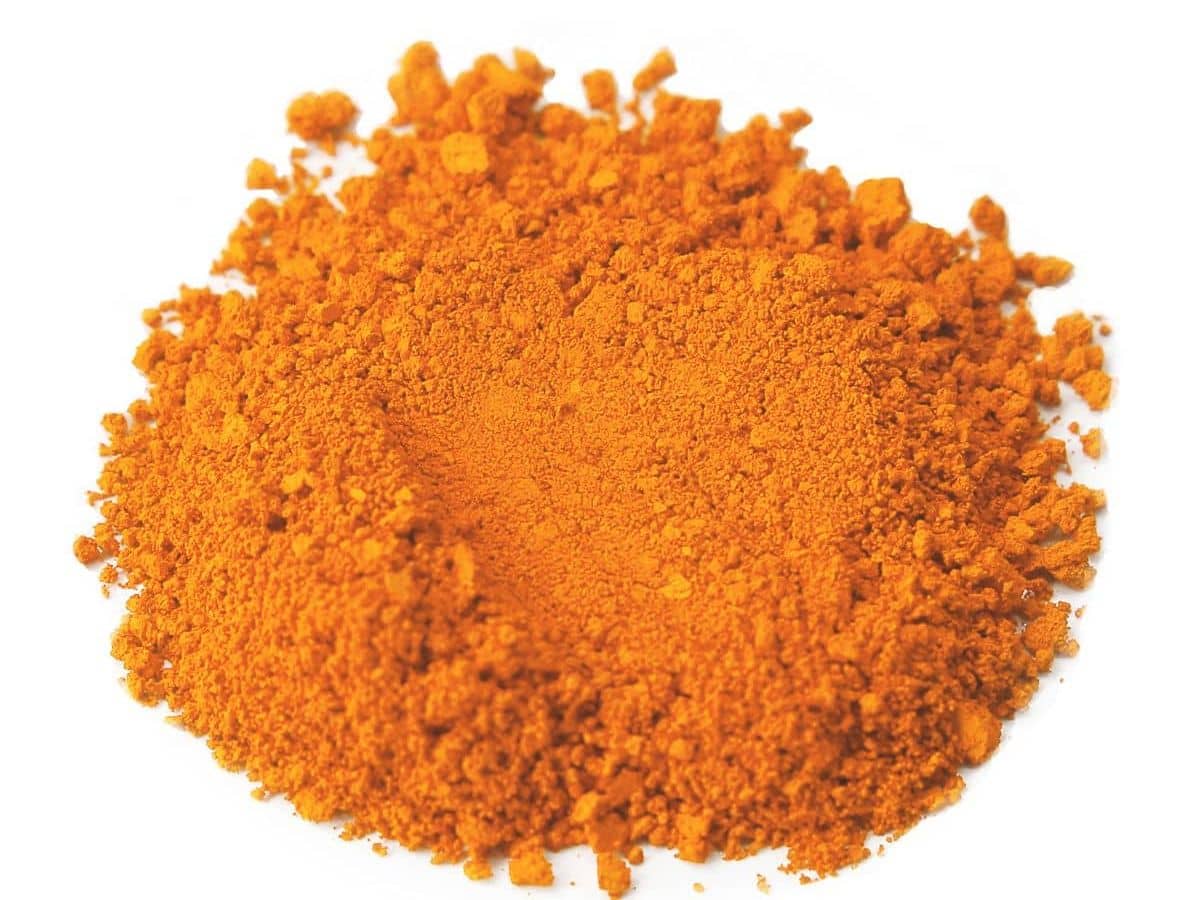
FD&C Yellow 6 Aluminum Lake is an orange-yellow insoluble pigment derived from Sunset Yellow FCF (CI 15985), precipitated onto an alumina substrate to produce a non-migrating, dispersible lake pigment approved for both food and cosmetic applications. Its dual FD&C listing makes it one of a limited number of yellow colorants that formulators can specify across nail lacquer, lip color, pressed powder, food products, and pharmaceutical tablet coatings without switching colorant systems between product categories. Kolortek supplies this grade with confirmed low heavy metal content and full batch documentation — the baseline requirement for cosmetic and food ingredient supplier qualification.
Read More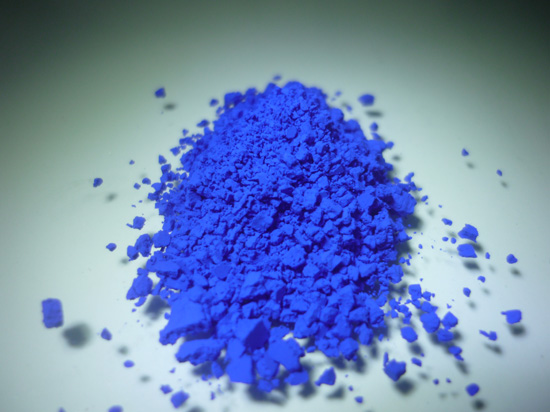
KT-40001 is a cosmetic grade Ultramarine Blue — a synthetic inorganic pigment that provides a clean, bright violet-blue body color with excellent opacity and low heavy metal content suitable for use across personal care and color cosmetic formulations. Unlike organic blue dyes, Ultramarine Blue is chemically inert, non-migrating, and inherently lightfast — properties that make it a reliable choice for pressed powders, eye shadows, lip products, and soap where color stability over shelf life is a baseline requirement. All Kolortek cosmetic oxide grades are filtered to remove regulated impurities before supply.
Read More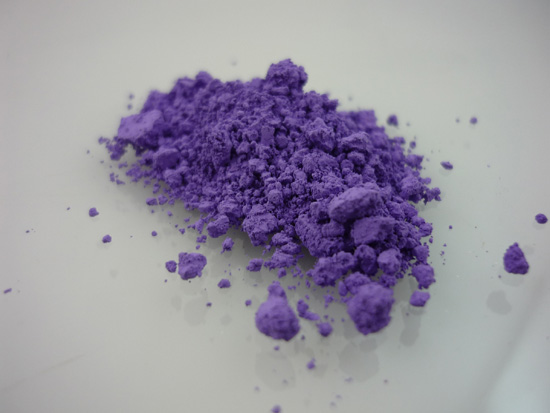
KT-40002B is a cosmetic grade Ultramarine Violet — a synthetic inorganic pigment that delivers a red-biased violet body color with the same chemical stability and regulatory acceptance as Ultramarine Blue, but with a distinctly warmer, more purple-red hue character. As a matte, opaque, insoluble colorant, it is non-migrating in wax, oil, and powder matrices and inherently lightfast — making it a practical specification for eye shadows, lipsticks, pressed powders, and soap where stable violet or purple color is required without the fading limitations of organic violet dyes. All Kolortek cosmetic oxide grades are filtered to remove regulated heavy metal impurities before supply.
Read More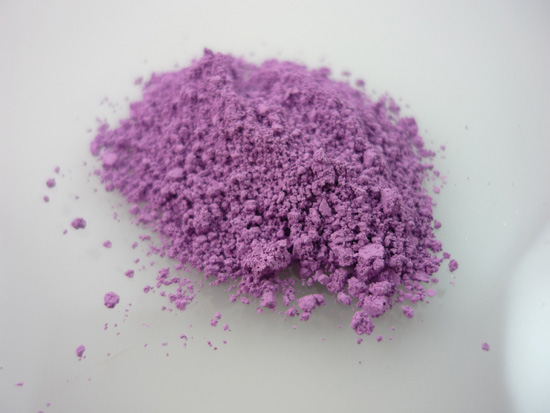
KT-40003A is a cosmetic grade Ultramarine Pink — a synthetic inorganic pigment that delivers a warm pink-rose body color within the same CI 77007 Ultramarines family as Ultramarine Blue and Ultramarine Violet, but with a distinctly warm, red-pink hue character. As a matte, insoluble, non-migrating colorant with excellent lightfastness and low heavy metal content, it provides a stable pink tone in pressed powder, eye shadow, lip color, blush, and soap formulations where organic pink dyes would fade or bleed over the product shelf life. All Kolortek cosmetic oxide grades are filtered to remove regulated heavy metal impurities before supply.
Read More
 English
 Français
 Deutsch
 Русский
 Español
 Português