
Leave A Message
If you are interested in our products and want to know more details,please leave a message here,we will reply you as soon as we can.
Ultramarine Pink Pigment, Cosmetic Grade – KT-40003A
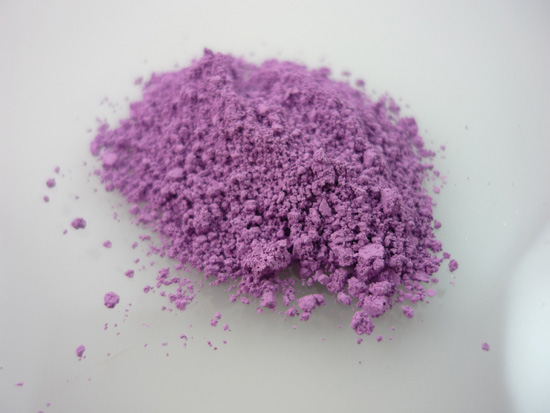
KT-40003A is a cosmetic grade Ultramarine Pink — a synthetic inorganic pigment that delivers a warm pink-rose body color within the same CI 77007 Ultramarines family as Ultramarine Blue and Ultramarine Violet, but with a distinctly warm, red-pink hue character. As a matte, insoluble, non-migrating colorant with excellent lightfastness and low heavy metal content, it provides a stable pink tone in pressed powder, eye shadow, lip color, blush, and soap formulations where organic pink dyes would fade or bleed over the product shelf life. All Kolortek cosmetic oxide grades are filtered to remove regulated heavy metal impurities before supply.
Item No. :
KT-40003AColor Effect :
PinkComposition :
Ultramarine PinkBrand :
Kolortek / OEMMOQ :
25 KGApplication :
Foundations, eyeshadows, lipsticks, nail polish, cosmetic powders
KT-40003A is a cosmetic grade Ultramarine Pink — a synthetic inorganic pigment that delivers a warm pink-rose body color within the same CI 77007 Ultramarines family as Ultramarine Blue and Ultramarine Violet, but with a distinctly warm, red-pink hue character. As a matte, insoluble, non-migrating colorant with excellent lightfastness and low heavy metal content, it provides a stable pink tone in pressed powder, eye shadow, lip color, blush, and soap formulations where organic pink dyes would fade or bleed over the product shelf life. All Kolortek cosmetic oxide grades are filtered to remove regulated heavy metal impurities before supply.
Kolortek supplies three Ultramarine variants within the Cosmetic Matte Oxides range. All share CI 77007 chemistry, the same regulatory approvals, and the same acid sensitivity profile — the hue difference arises from process variations in the calcination step. The table below shows where KT-40003A Pink fits relative to the Blue and Violet grades.
| Item No. | Pigment Name | Hue Character | Typical Blend Use |
|---|---|---|---|
| KT-40001 | Ultramarine Blue | Reddish-blue, cool violet-blue | Navy, cool blue, blue-grey, cool pastels |
| KT-40002B | Ultramarine Violet | Blue-violet, warm red-violet | Purple, plum, mauve, lavender |
| KT-40003A | Ultramarine Pink | Warm pink-rose, violet-pink | Rose, blush pink, soft coral, pastel pink |
All three Ultramarine grades share CI 77007 classification, identical regulatory status, and the same acid sensitivity (decomposition below approximately pH 3). They are blend-compatible with each other and with all other cosmetic oxide grades.
| Parameter | Value / Notes |
|---|---|
| Item No. | KT-40003A |
| Pigment Name | Ultramarine Pink |
| CI Number | CI 77007 |
| INCI Name | Ultramarines |
| Chemical Class | Synthetic inorganic — complex sodium aluminum silicate with sulfur (pink-process variant) |
| Color | Warm pink-rose / violet-pink — deepest red bias in the Ultramarine family |
| Finish | Matte / opaque |
| Solubility | Insoluble — disperses as pigment; non-migrating in wax, oil, and powder matrices |
| Lightfastness | Excellent — inherently stable; does not fade under UV exposure typical of cosmetic use |
| Acid Sensitivity | Sensitive to acid — color degrades below approximately pH 3; verify formulation pH before specifying for aqueous systems |
| Alkali Stability | Stable in alkaline conditions — suitable for cold process soap |
| Grade | Cosmetic grade — low heavy metal content; filtered to remove regulated impurities |
| Regulatory Status | CI 77007 — listed in EU Cosmetics Regulation Annex IV; FDA listed for cosmetic use; verify current approved use categories per product type and market |
| Eye-Area Approval (USA) | CI 77007 approved for eye-area use under FDA — verify current CFR status |
| Documentation Available | TDS, SDS, Certificate of Analysis — on request |
| Brand | Kolortek |
| MOQ | Contact us for details |
Inorganic pink — lightfastness where organic pinks fail: Organic pink dyes and lakes used in cosmetics — including certain D&C Reds and rhodamine-based colorants — are susceptible to photodegradation under UV and visible light, particularly in transparent or translucent packaging. Ultramarine Pink, as an inorganic aluminosilicate pigment, does not contain the organic chromophore structures that fade under light exposure. For pressed powder compacts, blush products, and any cosmetic with extended retail shelf display life, the lightfastness of Ultramarine Pink is a material formulation advantage over organic alternatives.
Warm pink hue — the reddest end of the Ultramarine range: Ultramarine Pink occupies the warmest hue position in the CI 77007 family. Where Ultramarine Violet sits between blue and red-violet, Ultramarine Pink shifts further toward a true warm pink — closer to rose than to purple. In color development terms, it functions as the inorganic pink primary for blush, eye shadow highlight shades, and soft lip formulations. Its violet undertone distinguishes it from iron oxide reds and D&C lake pinks, making it useful for achieving cool-warm rose shades that neither iron oxides nor organic lakes produce cleanly.
Blend directions for pink and rose cosmetic shades: KT-40003A is a practical building block for the pink-rose-blush color family. Key blend directions: Ultramarine Pink + TiO₂ → pastel blush pink and soft rose; Ultramarine Pink + iron oxide red → deeper coral-rose; Ultramarine Pink + Ultramarine Violet → mauve and dusty pink; Ultramarine Pink + carbon black → muted rose-grey. Tinting strength is moderate — addition rates are typically 1–8% in pressed powder formulations depending on target shade depth.
Non-migrating in wax and oil matrices: As an insoluble pigment, KT-40003A does not dissolve into lipstick wax bases or emulsion oil phases. Color is fixed within the particle and does not bleed into adjacent formulation layers during storage or on the skin during wear — a property that organic dyes and some D&C lakes in solvent-miscible forms cannot reliably deliver.
| Product Category | Role of KT-40003A | Notes |
|---|---|---|
| Blush / face powder | Primary pink-rose colorant in pressed and loose powder blush | Lightfast — reliable for retail display; typically 1–6% in pressed powder depending on shade depth |
| Eye shadow | Pink and rose highlight shades in pressed and loose powder eye products | FDA-approved for eye area (CI 77007); inorganic — no fade over product shelf life |
| Lip color | Rose and pink-violet modifier in lipstick, lip gloss, and balm | Non-migrating in wax; verify pH compatibility for acid-containing formulations |
| Pressed powder / concealer | Pink tone correction in complexion products; warm-tone brightening | Low loading (0.5–2%) for subtle tone correction; higher for visible blush effect |
| Nail lacquer | Pink body colorant for rose and blush-toned nail formulations | Insoluble — disperses in nitrocellulose and waterborne bases; non-migrating in film |
| Soap making | Pink and rose colorant in melt-and-pour and cold process soap | Stable in alkaline soap matrices; standard inorganic soap colorant for pink shades |
Pre-dispersion for pressed powder applications: Ultramarine Pink tends to agglomerate as dry powder. Pre-wetting with 2–5% of a light cosmetic ester (isopropyl myristate, caprylic/capric triglyceride) before blending into the powder base significantly improves color uniformity and reduces visible specks in the finished compact. For lipstick, grinding into the wax phase above melt temperature before pouring into molds gives more homogeneous color distribution.
pH verification for aqueous systems: Confirm the complete formulation pH remains above approximately pH 4 under all production and storage conditions before specifying KT-40003A in any water-based or emulsion product. Blush-toned skincare emulsions, tinted moisturizers, and liquid foundations may contain acidic actives that could compromise stability over time. Stability testing at 40°C over 12 weeks is the standard qualification method for ultramarine-containing aqueous cosmetics.
Kolortek has supplied cosmetic grade inorganic pigments including the full Ultramarine range for over 20 years. Certificate of Analysis documentation per production lot covering heavy metal impurity levels is standard — the key document required for cosmetic ingredient supplier qualification and EU CPNP notification support. The complete Kolortek cosmetic oxide range covers iron oxides (yellow, red, black, brown), TiO₂, three Ultramarine variants, chromium green oxide, and carbon black — enabling single-supplier sourcing for the full matte colorant palette.
Q: How does Ultramarine Pink differ from D&C Red lake pigments in cosmetic blush formulations?
A: D&C Red lake pigments (such as D&C Red 7 Lake or D&C Red 33 Lake) are organic dye-based and provide higher chroma and stronger tinting strength per gram, but are more susceptible to photodegradation over time — particularly in clear-packaged products with retail light exposure. Ultramarine Pink is an inorganic pigment with lower chroma but inherently superior lightfastness. In formulation practice, many blush and eye shadow formulators use Ultramarine Pink as the stable inorganic base and supplement with small amounts of D&C lake for additional saturation, rather than relying on organic colorants alone.
Q: Is KT-40003A approved for use in eye shadow?
A: Yes. CI 77007 (Ultramarines) is approved for use in the area of the eye under FDA regulations and listed in EU Annex IV for eye-area use. This applies to all three Ultramarine variants (Blue, Violet, Pink). Verify the current approved use conditions for your specific product category and target market before production specification.
Q: Can Ultramarine Pink be used in cold process soap without morphing or discoloring?
A: Yes. Ultramarine Pink is a well-established cold process soap colorant and is stable in high-pH alkaline environments. It does not morph (change color in the presence of sodium hydroxide) — a common concern with some organic pink dyes in cold process applications. Usage rates typically run 1–3% of total batch weight. Pre-disperse in a small amount of lightweight cosmetic oil before adding to the soap batter for more even color distribution.
Q: What is the difference between Ultramarine Pink and Ultramarine Violet?
A: Both are CI 77007 inorganic pigments. Ultramarine Violet has a blue-violet tone — sitting between blue and pink on the hue wheel. Ultramarine Pink has the warmest, most red-biased hue in the Ultramarine family — closer to a true pink-rose. In blends, Ultramarine Violet tends toward purple and mauve; Ultramarine Pink tends toward rose and soft coral. They are blend-compatible and can be combined to create intermediate violet-pink tones.
Whether you are developing a blush range, a rose eye shadow palette, or sourcing a stable pink for cold process soap, contact Kolortek to request a sample of KT-40003A Ultramarine Pink alongside the Ultramarine Blue and Violet grades for comparative shade evaluation. TDS, SDS, Certificate of Analysis, and INCI documentation are available on request.
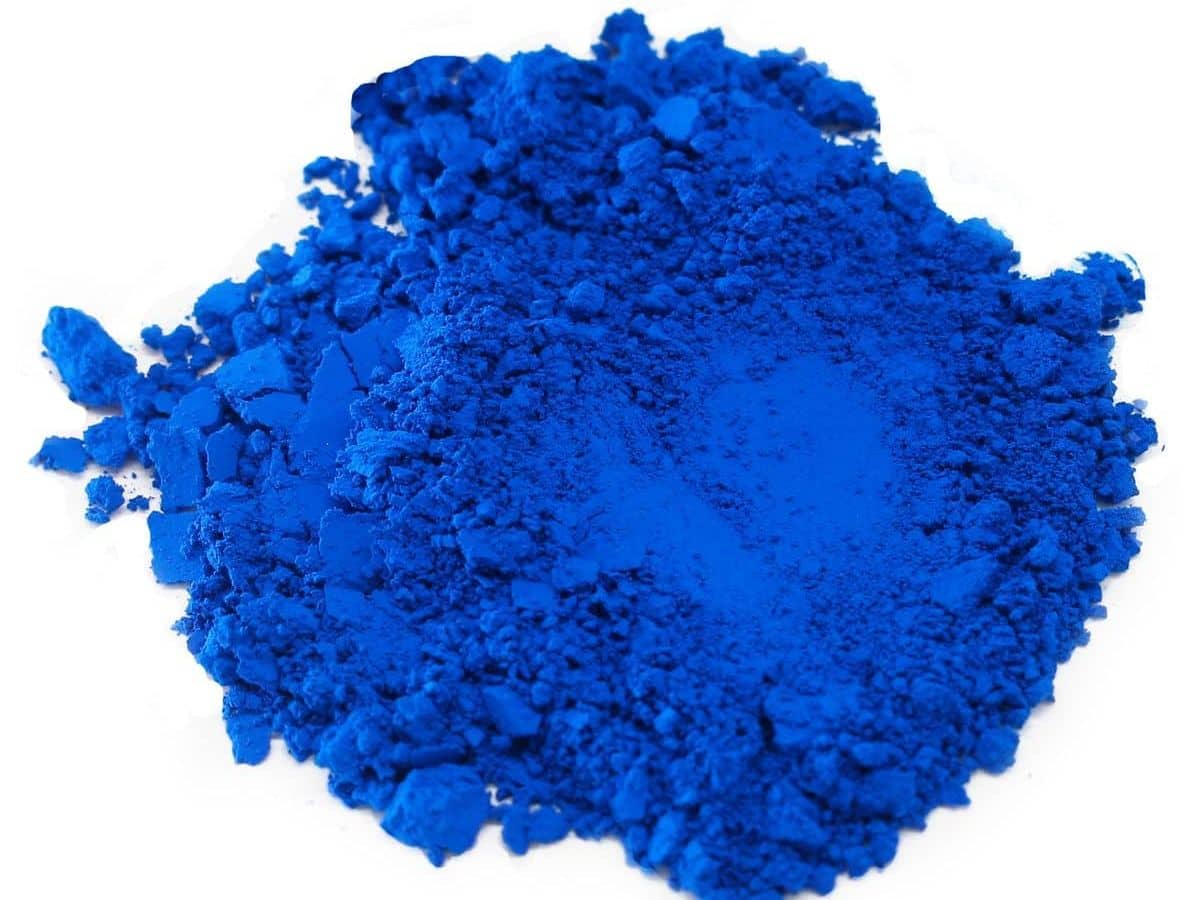
FD&C Blue 1 Lake is a dual-listed colorant — approved under both FDA food additive and cosmetic colorant regulations — making it one of the few blue pigments formulators can specify across personal care, nail, and certain food-contact or food-adjacent product categories without switching colorant systems. As a lake form of Brilliant Blue FCF (CI 42090), it is insoluble in water and most cosmetic solvents, which eliminates the dye migration issues that affect soluble FD&C Blue 1 in wax, oil, and pressed powder matrices.
Read More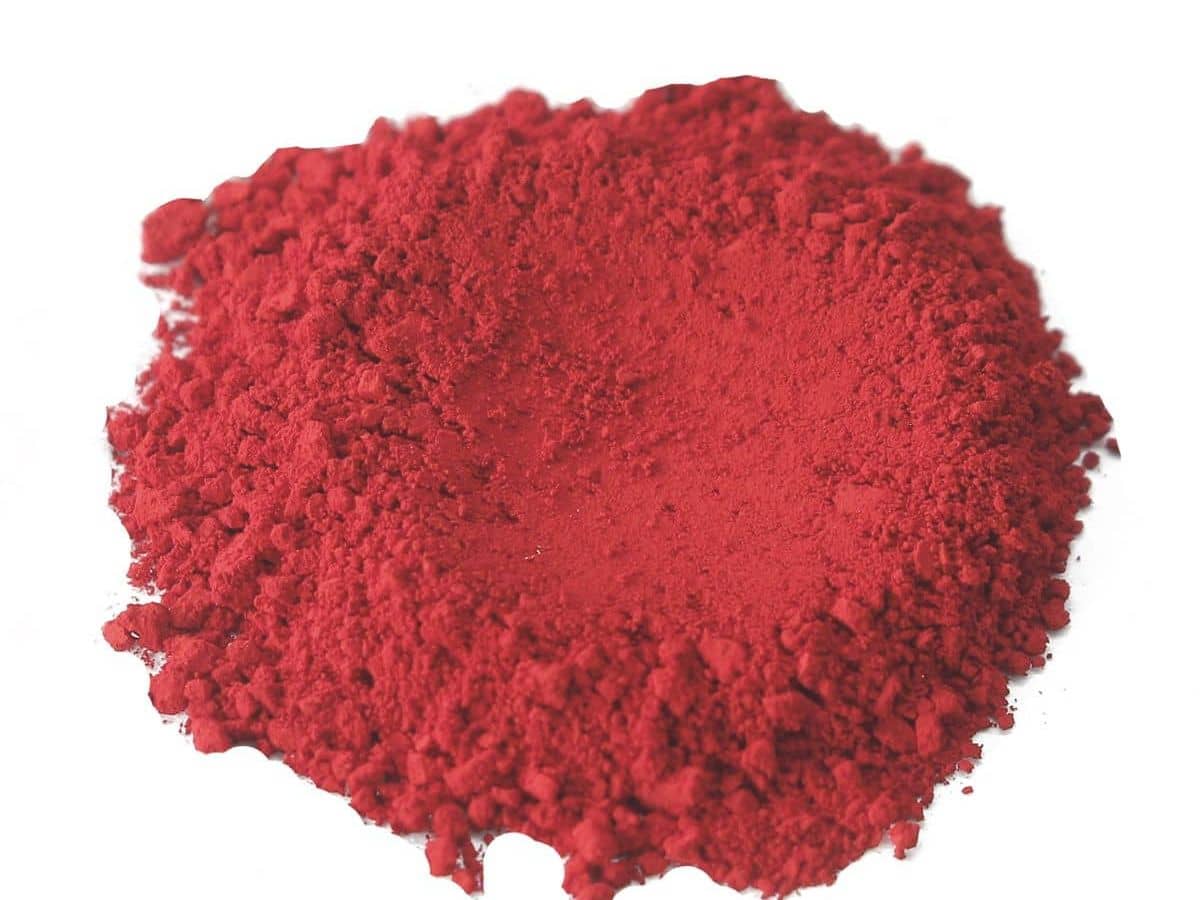
FD&C Red 40 Aluminum Lake at 24–30% dye content is a high-strength, insoluble red pigment used across cosmetic, food, and pharmaceutical applications where a non-migrating red colorant is required. The lake form of Allura Red AC (CI 16035) is precipitated onto an alumina substrate, producing a dispersible powder that holds its color in wax, oil, and anhydrous matrices without the bleed or migration issues associated with the soluble dye form. At 24–30% dye loading, it delivers consistent tinting strength and is suited for formulations where color depth and regulatory compliance need to be met simultaneously.
Read More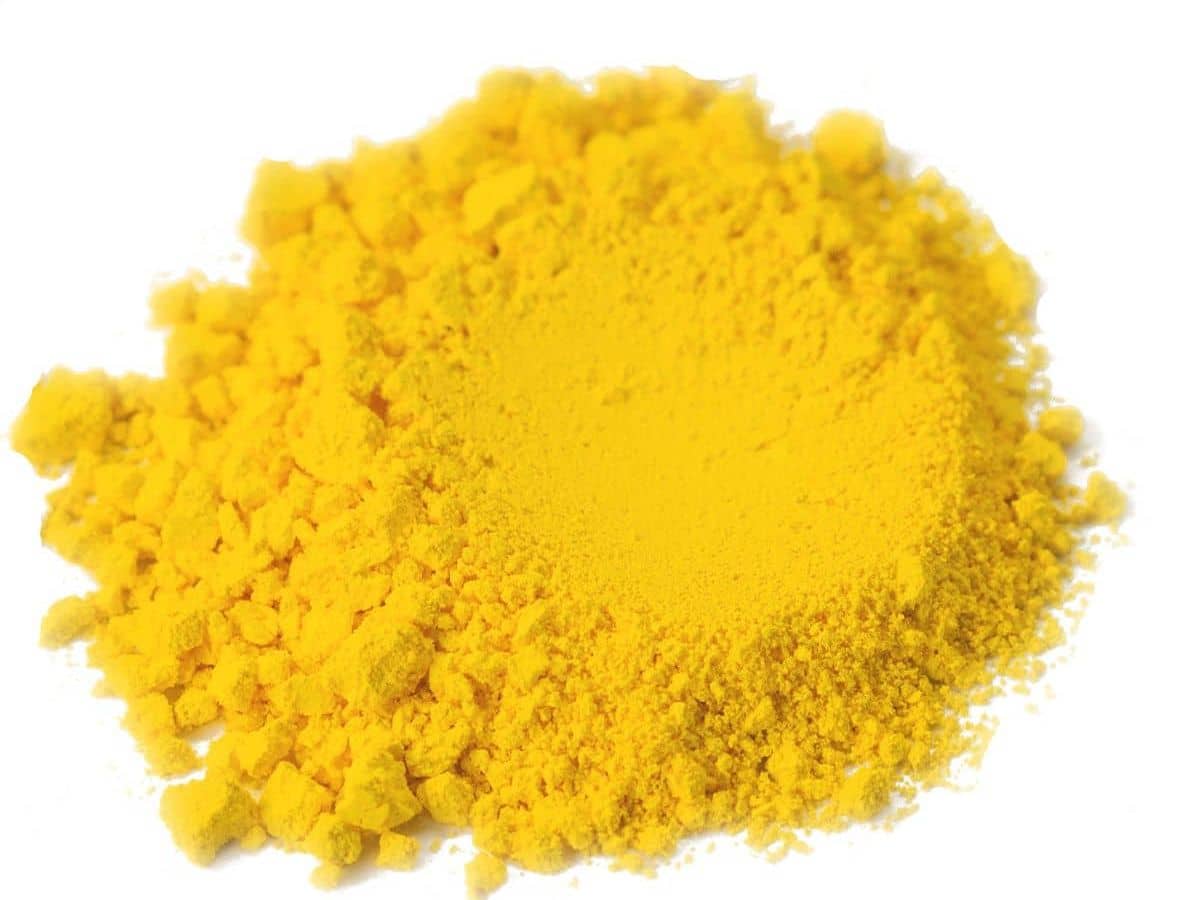
FD&C Yellow 5 Lake is an **insoluble food-grade lake pigment** designed for applications where **color stability and low bleeding** are required. Compared with water-soluble dyes, it provides better control in oil-based and low-moisture systems, making it suitable for confectionery coatings, pressed tablets, and decorative food applications.
Read More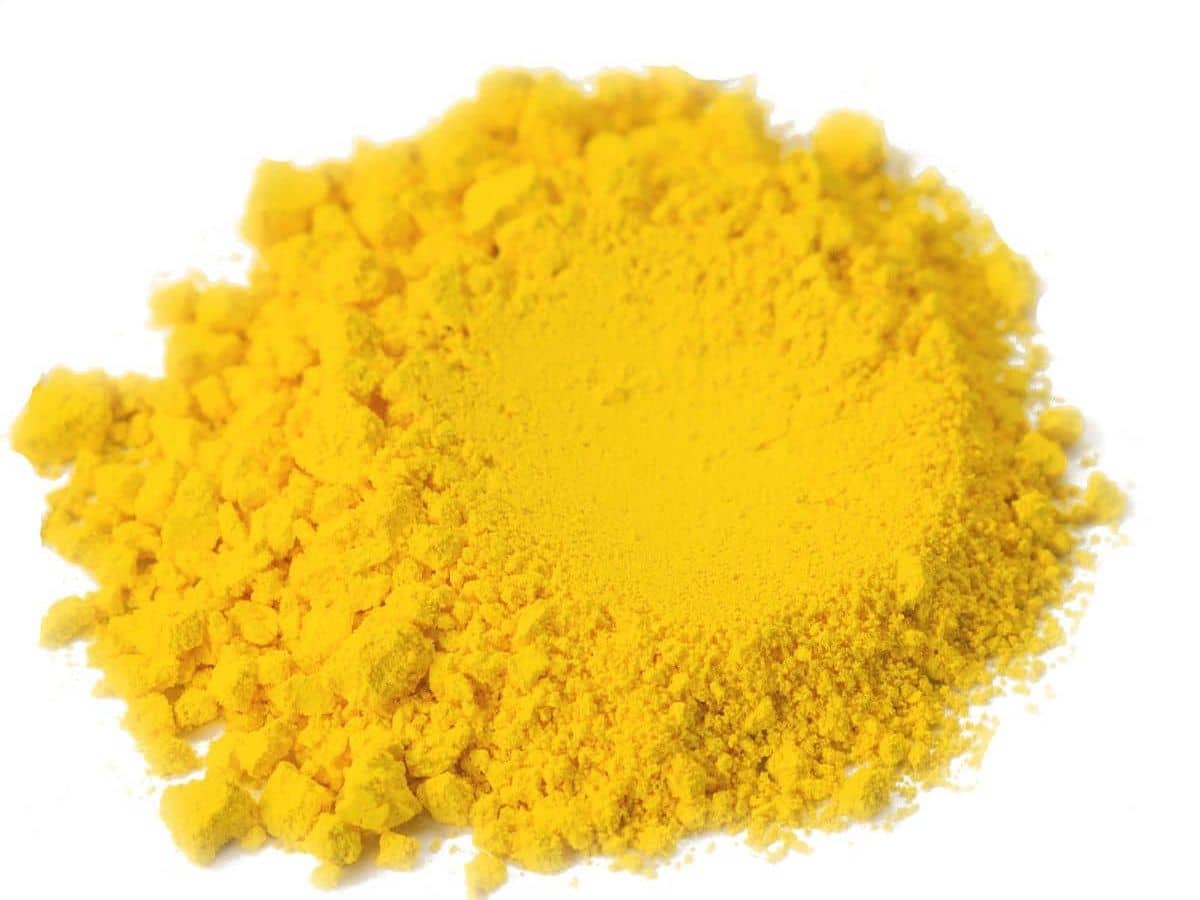
FD&C Yellow 5 Aluminum Lake at 15–22% dye content delivers a clean, neutral yellow in anhydrous cosmetic and food-adjacent formulations where the soluble dye form (Tartrazine) would migrate or bleed through wax, oil, or pressed powder matrices. The aluminum lake conversion of CI 19140 is insoluble in most cosmetic solvents — making it the standard specification for nail lacquer, lip color, pressed powder, and pharmaceutical tablet coatings that require a food-safe yellow without color instability in the finished product.
Read More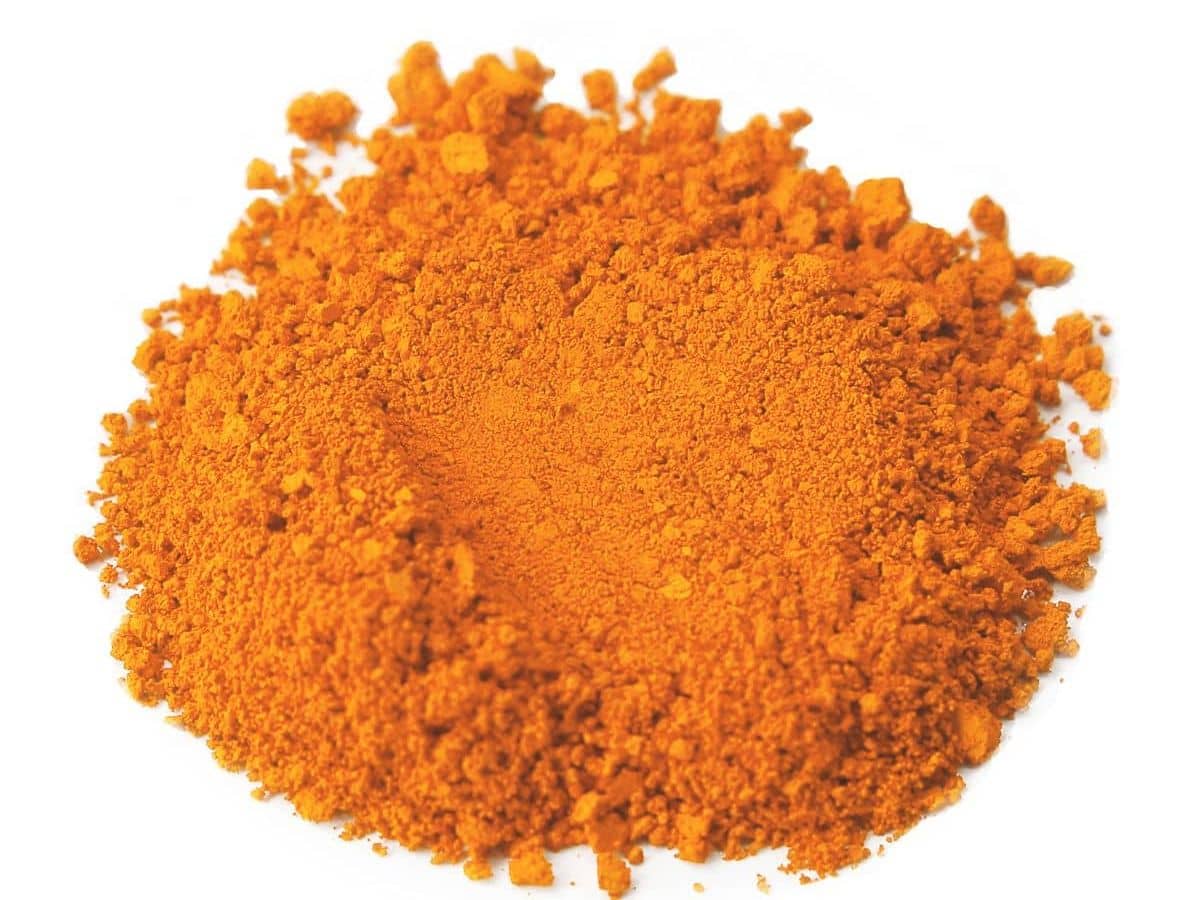
FD&C Yellow 6 Aluminum Lake is an orange-yellow insoluble pigment derived from Sunset Yellow FCF (CI 15985), precipitated onto an alumina substrate to produce a non-migrating, dispersible lake pigment approved for both food and cosmetic applications. Its dual FD&C listing makes it one of a limited number of yellow colorants that formulators can specify across nail lacquer, lip color, pressed powder, food products, and pharmaceutical tablet coatings without switching colorant systems between product categories. Kolortek supplies this grade with confirmed low heavy metal content and full batch documentation — the baseline requirement for cosmetic and food ingredient supplier qualification.
Read More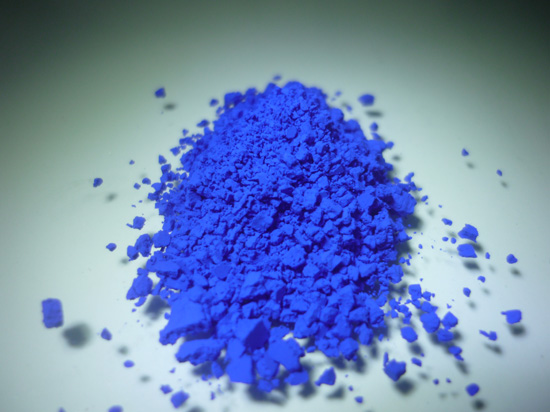
KT-40001 is a cosmetic grade Ultramarine Blue — a synthetic inorganic pigment that provides a clean, bright violet-blue body color with excellent opacity and low heavy metal content suitable for use across personal care and color cosmetic formulations. Unlike organic blue dyes, Ultramarine Blue is chemically inert, non-migrating, and inherently lightfast — properties that make it a reliable choice for pressed powders, eye shadows, lip products, and soap where color stability over shelf life is a baseline requirement. All Kolortek cosmetic oxide grades are filtered to remove regulated impurities before supply.
Read More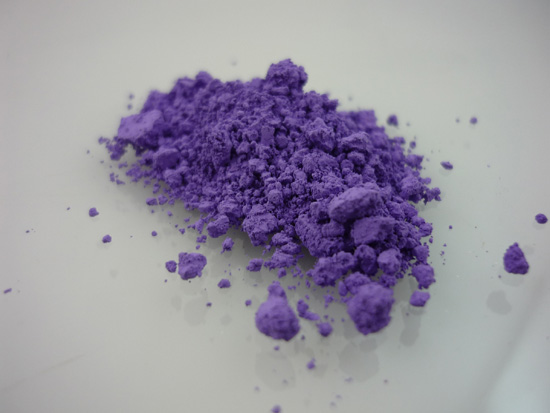
KT-40002B is a cosmetic grade Ultramarine Violet — a synthetic inorganic pigment that delivers a red-biased violet body color with the same chemical stability and regulatory acceptance as Ultramarine Blue, but with a distinctly warmer, more purple-red hue character. As a matte, opaque, insoluble colorant, it is non-migrating in wax, oil, and powder matrices and inherently lightfast — making it a practical specification for eye shadows, lipsticks, pressed powders, and soap where stable violet or purple color is required without the fading limitations of organic violet dyes. All Kolortek cosmetic oxide grades are filtered to remove regulated heavy metal impurities before supply.
Read More
KT-40003A is a cosmetic grade Ultramarine Pink — a synthetic inorganic pigment that delivers a warm pink-rose body color within the same CI 77007 Ultramarines family as Ultramarine Blue and Ultramarine Violet, but with a distinctly warm, red-pink hue character. As a matte, insoluble, non-migrating colorant with excellent lightfastness and low heavy metal content, it provides a stable pink tone in pressed powder, eye shadow, lip color, blush, and soap formulations where organic pink dyes would fade or bleed over the product shelf life. All Kolortek cosmetic oxide grades are filtered to remove regulated heavy metal impurities before supply.
Read More
 English
 Français
 Deutsch
 Русский
 Español
 Português