
Leave A Message
If you are interested in our products and want to know more details,please leave a message here,we will reply you as soon as we can.
KT-520 Satin Bronze Metal Luster Pearlescent Pigment — Natural Mica Iron Oxide
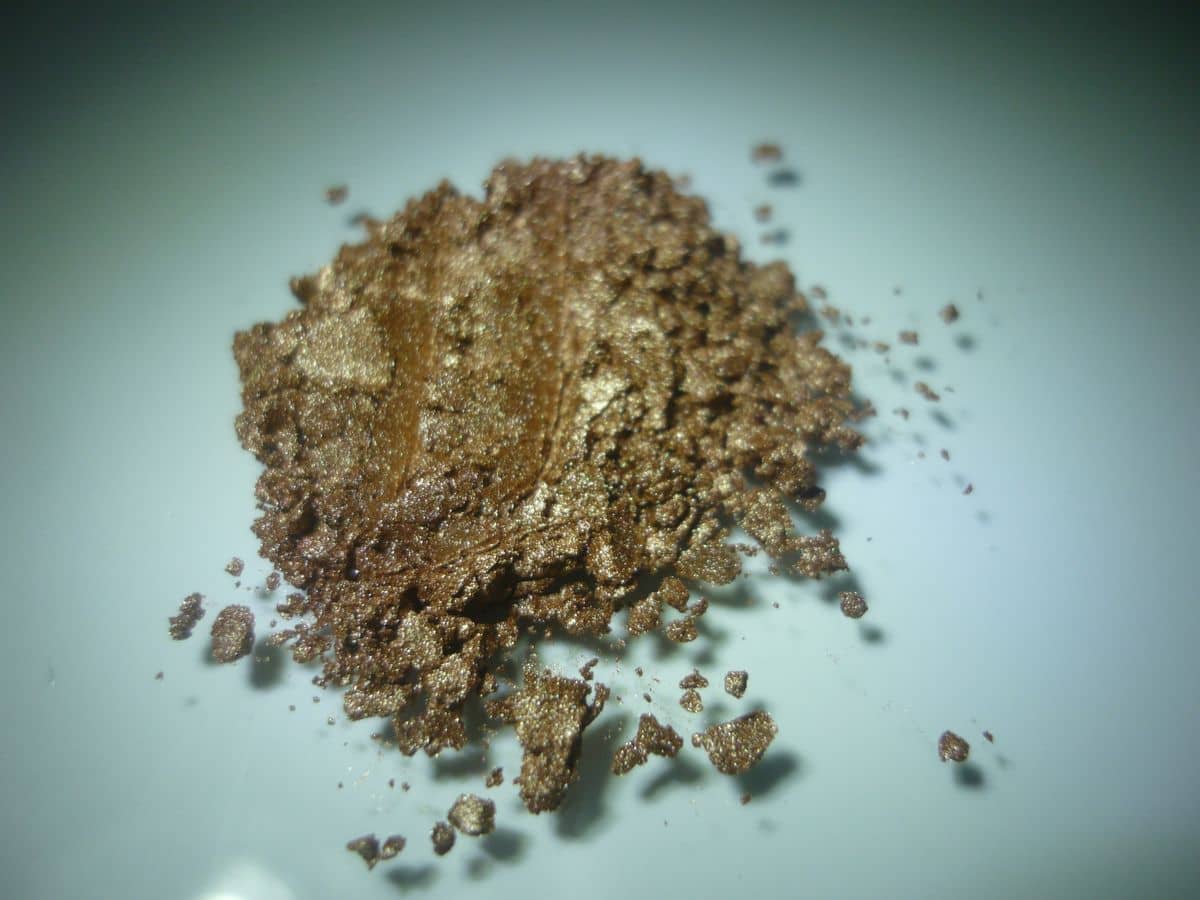
KT-520 is a satin bronze pigment built on natural mica flakes uniformly coated with ferric oxide, delivering a warm, rich metallic luster with strong opacity — closer in character to a true metal finish than a conventional pearl. It performs across decorative coatings, cosmetic formulations, and nail applications where a controlled, non-glittery bronze tone is required. As a direct iron oxide mica solution in the fine 5–25μm range, it disperses cleanly into both solvent-borne and water-borne systems without surface treatment in most standard formulations.
Item No. :
KT-520Color Effect :
Satin BronzeParticle Size :
5-25μmComposition :
Mica, Iron OxideBrand :
Kolortek / OEMMOQ :
25KGApplication :
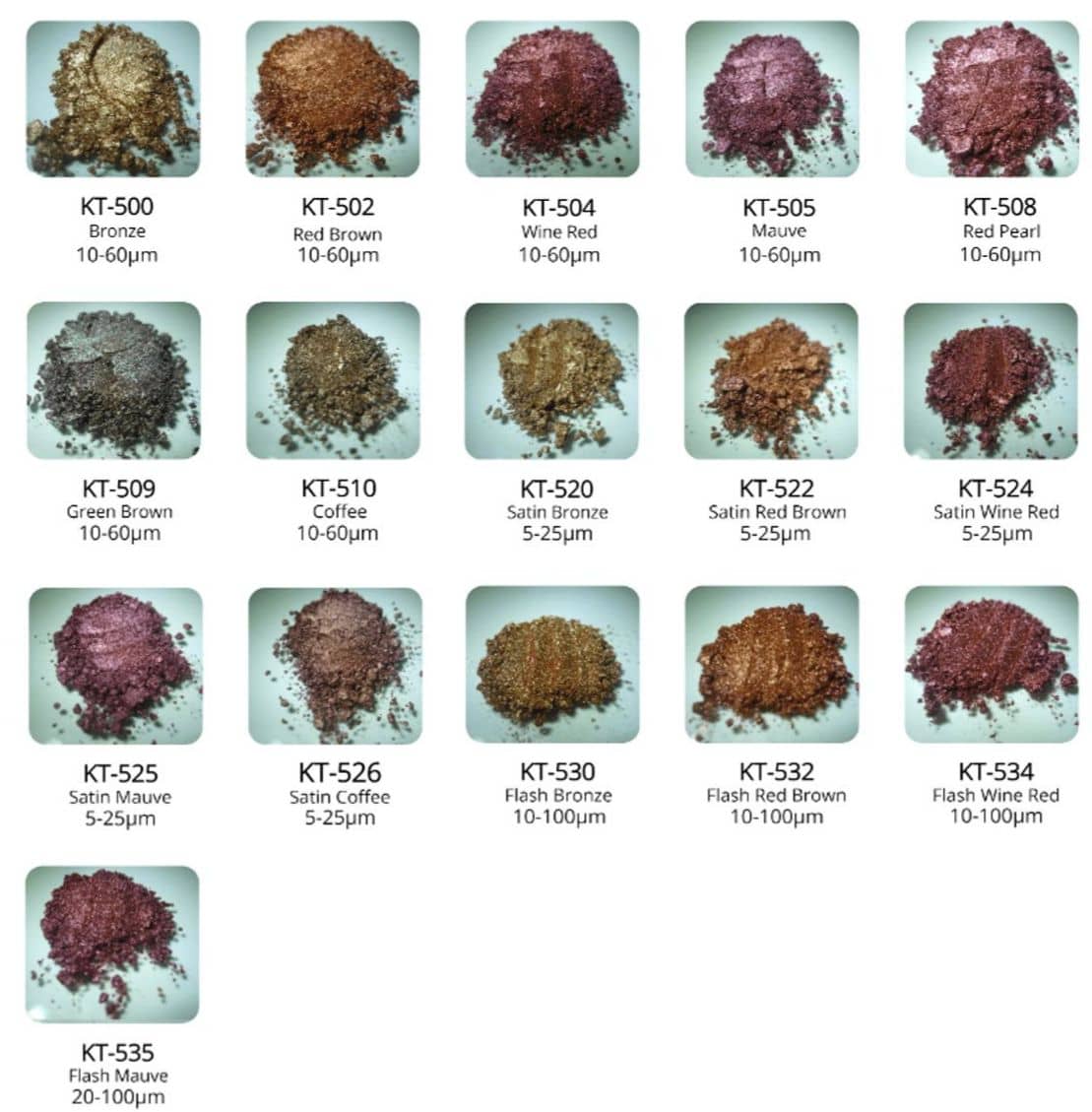
Paints & Coatings, Printing, Cosmetics, Soaps, Nail Polish, Epoxy Flooring, Crafts, etc.The KT-500 Series sits within Kolortek's Metal Luster family — pigments produced by depositing iron oxide (Fe₂O₃) at controlled thickness onto natural mica flakes. The color output is determined by that coating thickness: thinner layers yield gold tones, while progressively thicker coatings shift the hue through bronze and into deeper copper-red territories. KT-520 targets the satin bronze position in that range.
Unlike interference pearlescents that rely on thin-film optical effects to generate color, this series achieves its tone through the inherent absorption properties of ferric oxide. The result is a pigment with genuine concealing power — a characteristic that separates iron oxide mica grades from standard pearl pigments and makes them behave more like metallic pigments in application.
KT-520 is a recognized alternative to Merck Iriodin 520 Satin Bronze, offering comparable color position and particle size profile.
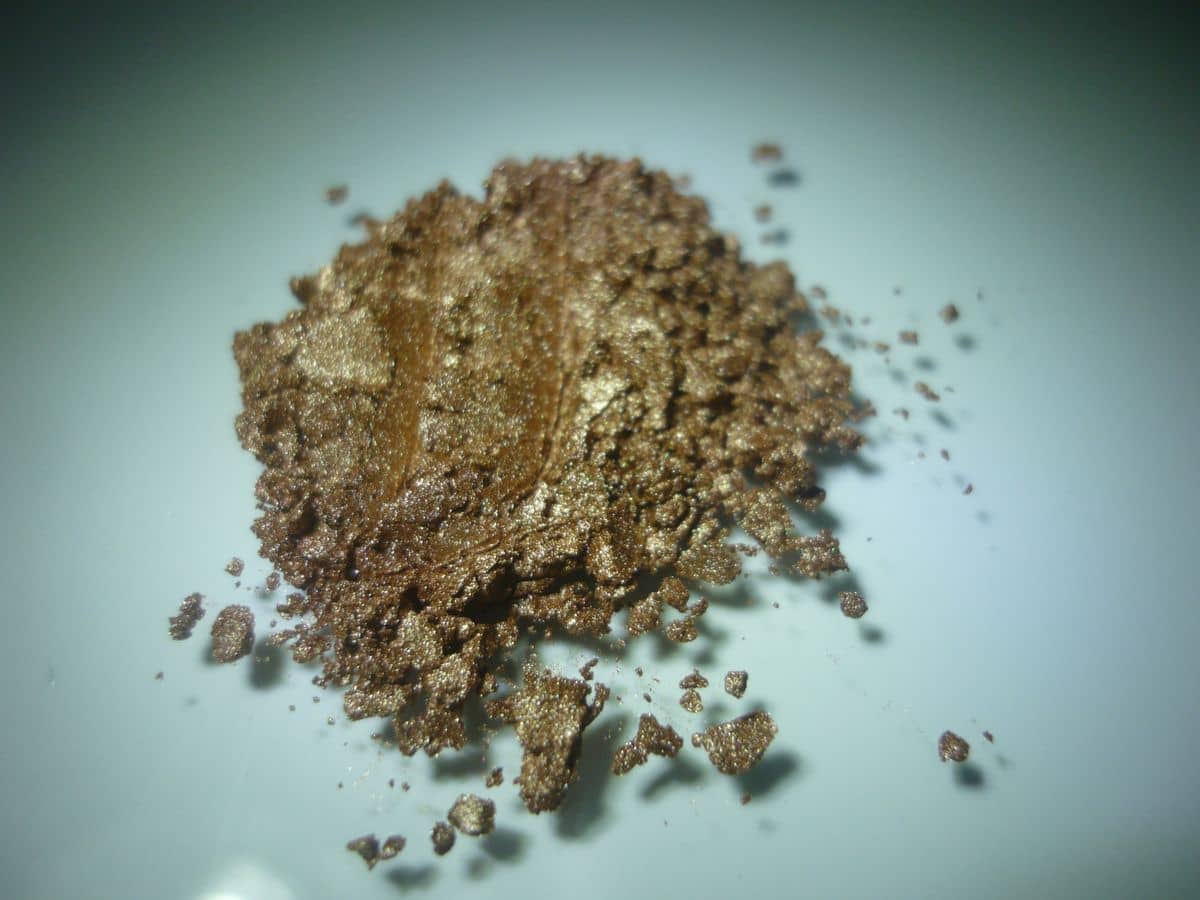
Two substrate options exist within the Metal Luster family. The KT-500 Series uses natural mica as the substrate; the KT-7500 Series uses synthetic mica (fluorphlogopite). Both are coated with iron oxide and follow the same color logic, but the synthetic mica base offers higher purity and improved whiteness in the substrate — relevant when color fidelity is critical or when formulating for cosmetic-grade applications with stricter raw material requirements.
| Series | Model | Color | Substrate | Particle Size | Composition |
|---|---|---|---|---|---|
| KT-500 Series | KT-520 | Satin Bronze | Natural Mica | 5–25μm (800 mesh) | Mica, Iron Oxide |
| KT-7500 Series | KT-7500 range | Multiple tones | Synthetic Mica | Various | Fluorphlogopite, Iron Oxide |
KT-520 covers a wide application range. In practice, the same base pigment is used across industries with minimal reformulation — the primary variable is loading level and the binder system it's incorporated into.
| Application | Notes |
|---|---|
| Paints & Decorative Coatings | Suitable for interior/exterior decorative finishes; delivers a satin bronze tone with good film build |
| Automotive Coatings | Used in bronze metallic basecoats; stable under standard automotive clear-coat systems |
| Cosmetics & Personal Care | Approved ingredient profile (Mica, Iron Oxide); suitable for face, eye, and body applications |
| Nail Products | Compatible with nail gel and lacquer matrices; fine particle size ensures smooth finish |
| Soaps | Stable in cold-process and melt-pour soap bases |
| Epoxy Floors & Countertops | Strong opacity and chemical resistance make it well-suited for cast epoxy surfaces and artificial marble |
| Printing Inks | Fine particle size (800 mesh) is compatible with gravure and screen printing; check ink viscosity requirements |
| Craft & Art Applications | Usable in resin art, handmade crafts, and decorative media |
Dispersion: KT-520 disperses readily by low-shear mixing. High-shear equipment is not recommended — it can fracture the mica platelets, reducing aspect ratio and degrading luster. Pre-wetting with a small amount of the carrier solvent or binder before adding to the bulk mix improves uniformity.
Loading levels: Typical use rates range from 2–15% depending on the system and desired opacity. In clear or translucent coatings, lower loadings maintain a depth effect. Higher loadings in pigmented systems build opacity without requiring additional iron oxide colorants in many cases.
Cosmetic use: The composition — natural mica and iron oxide — aligns with globally recognized cosmetic ingredient standards. That said, formulators should verify regulatory compliance against the specific regional requirements for their product category and intended use site (eye-area vs. general skin).
Coating systems: KT-520 is compatible with waterborne acrylics, solvent-borne alkyds, epoxy resins, polyurethanes, and UV-cure systems. In highly alkaline systems (e.g., cement-based or strongly basic epoxy hardeners), verify stability under your specific formulation conditions before scaling.
Worth noting: if your application demands a purer substrate — for ultra-high color accuracy or specific cosmetic grade requirements — the KT-7500 Series synthetic mica equivalent is the logical step up from KT-520.
KT-520 is formulated as a functional alternative to Iriodin 520. Both share the same color designation (Satin Bronze), the same substrate type (natural mica), and the same active coating material (ferric oxide). The particle size range is equivalent. For formulators currently sourcing Iriodin 520, KT-520 can be evaluated as a drop-in replacement — batch-to-batch color consistency and particle distribution are controlled under ISO 9001-certified manufacturing processes. As with any pigment substitution, side-by-side drawdown testing under your specific formulation conditions is the appropriate validation step.
Q: Is KT-520 suitable for cosmetic use?
Yes. The composition — natural mica and iron oxide — is listed within standard cosmetic ingredient inventories. It is used in cosmetics, nail products, and soap formulations. Formulators should confirm regional regulatory compliance (FDA, EU Cosmetics Regulation, etc.) for their specific product type and use zone.
Q: How does KT-520 differ from a standard gold pearlescent pigment?
Standard gold pearlescents achieve their color through thin-film interference — the color shifts with viewing angle and the pigment has limited opacity. KT-520's color comes from ferric oxide absorption, which gives it genuine hiding power and a more stable, angle-independent bronze tone. It reads as metallic rather than pearlescent in most applications.
Q: Can KT-520 be used in epoxy floor coatings?
Yes. Its chemical stability and strong concealing property make it a practical choice for cast epoxy floors and countertop systems. It holds up well under the alkaline conditions of standard epoxy resin systems, though testing under your specific hardener chemistry is always advisable.
Q: What is the difference between KT-520 (natural mica) and the KT-7500 Series (synthetic mica)?
The iron oxide coating and color logic are the same across both series. Synthetic mica (fluorphlogopite) offers a cleaner, higher-purity substrate with better whiteness — which can improve color brightness and is often preferred in cosmetic-grade applications. Natural mica is the standard industrial choice and is cost-effective for most coating and decorative applications.
If you are evaluating KT-520 as an Iriodin 520 alternative or incorporating it into a new formulation, sample quantities and full technical data sheets are available. Contact the technical team at contact@kolortek.com to specify your application, substrate system, and any regulatory requirements — this helps ensure the right grade is matched to your needs from the start.
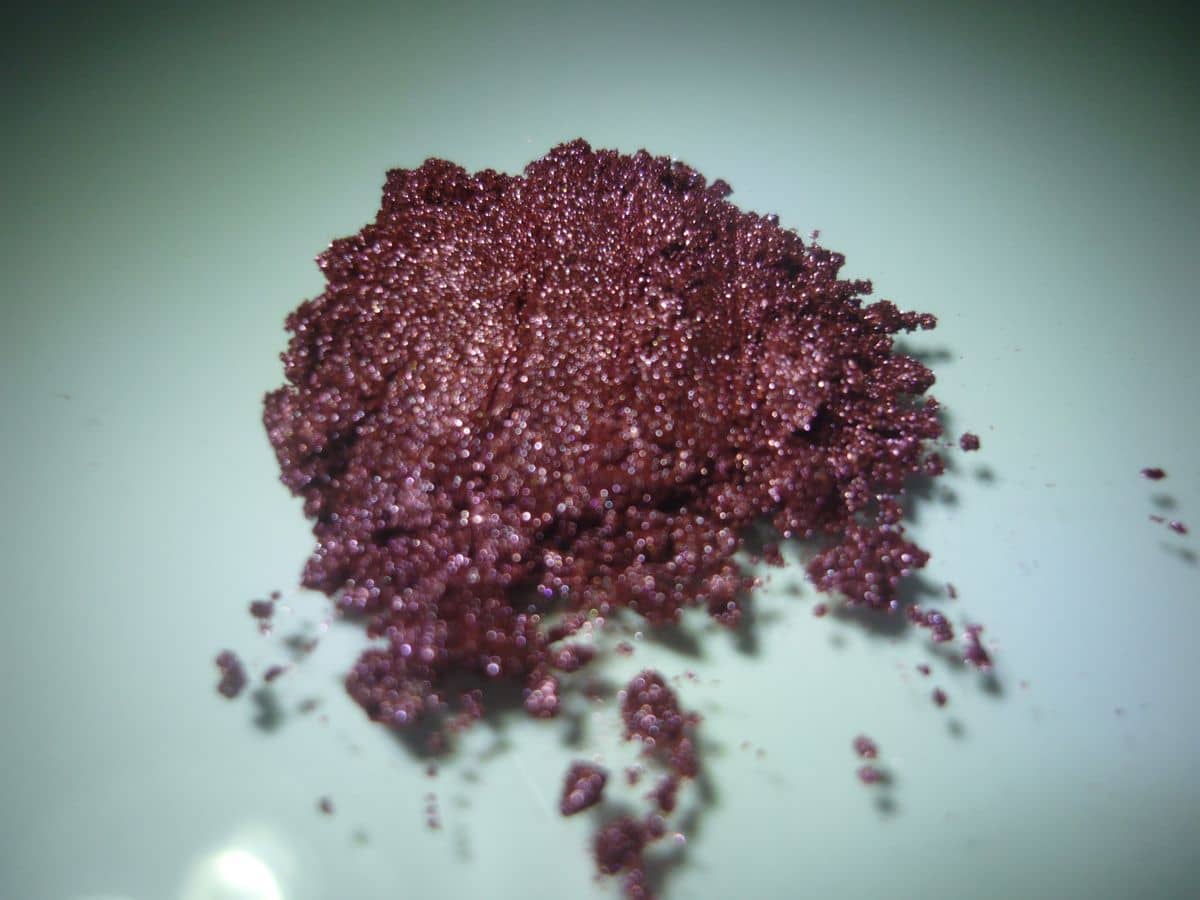
KT-535 is a flash mauve pigment built on mica flakes coated with ferric oxide, delivering a warm, richly toned metallic shimmer with strong opacity. The iron oxide mica construction gives it reliable chemical and physical stability across demanding substrates. It performs consistently in automotive coatings, decorative paints, and cosmetic formulations where a deep mauve metallic effect is required.
Read More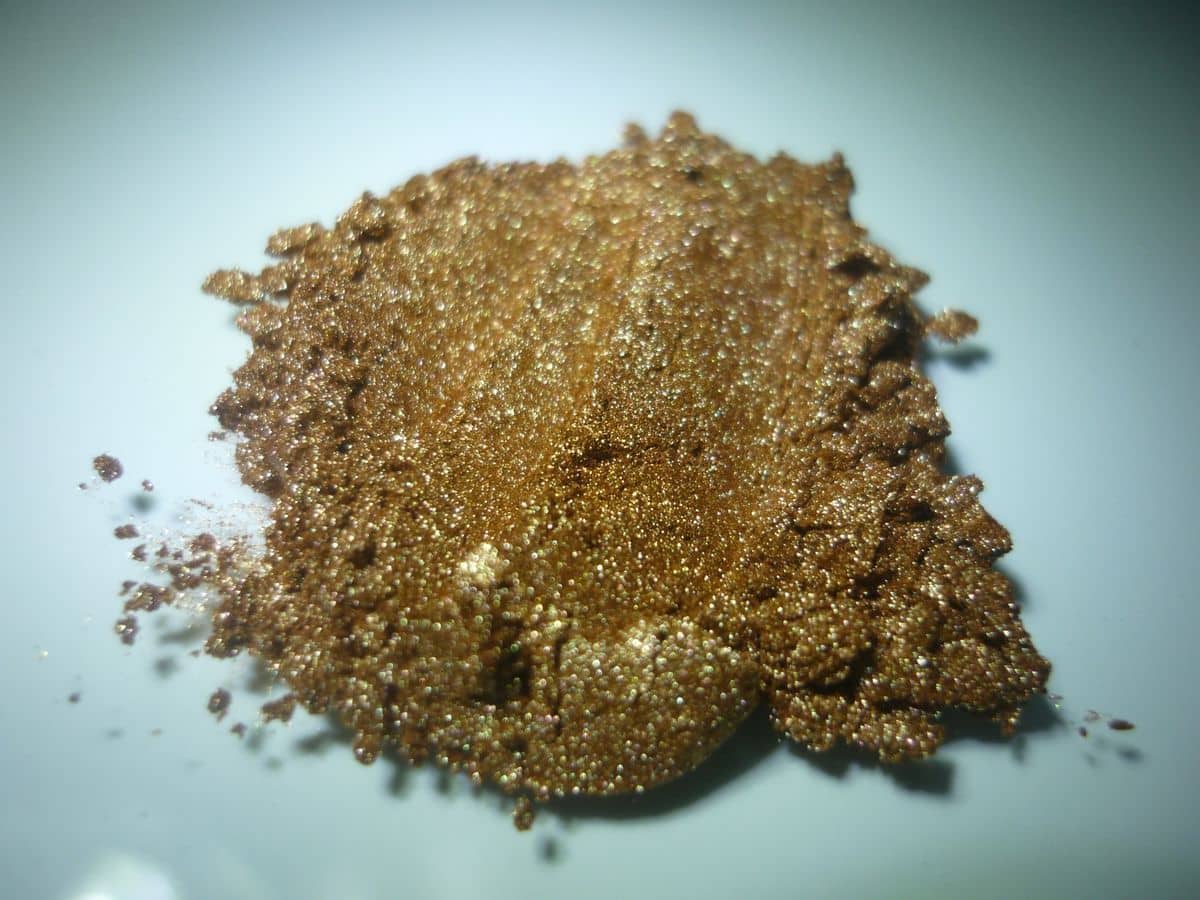
KT-7511 is a bronze synthetic mica pigment built on a fluorphlogopite base coated with iron oxide, delivering a warm, rich metallic luster with strong coverage. Synthesized from high-purity fluorphlogopite, it outperforms natural mica in brightness, color consistency, and thermal stability. Well-suited for cosmetics, decorative coatings, and nail applications where clean metallic effects and reliable batch-to-batch performance matter.
Read More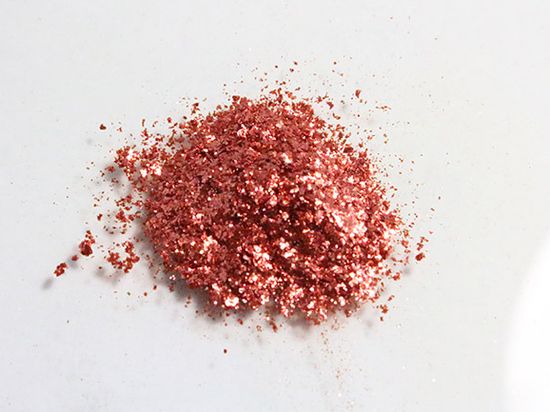
KT-7573 is a coarse mica powder delivering a deep, warm wine red metallic effect built on a fluorphlogopite base — engineered for applications where coverage, sparkle, and color depth all matter. Compared to natural mica equivalents, it offers noticeably cleaner color, fewer surface defects, and stronger luster retention under demanding conditions. Widely used in epoxy floors, decorative coatings, and craft art where coarse particle brilliance is a design requirement.
Read More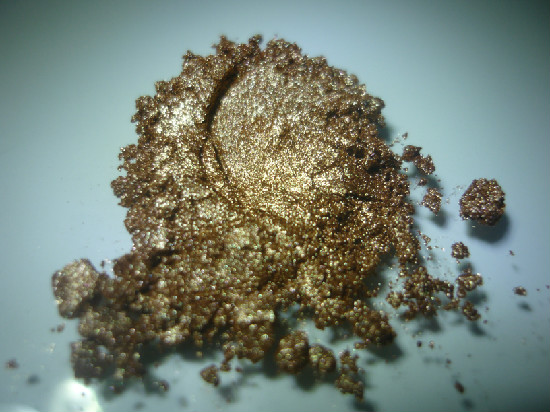
KT-500 is a bronze mica pigment built on natural mica flakes coated with ferric oxide, delivering a warm, rich metallic luster with strong opacity — a direct functional match to the iriodin effect found in Merck's widely specified 500-series. Suited for decorative coatings, epoxy floors, and cosmetic formulations where consistent, high-coverage metallic bronze is required, KT-500 is a well-established iriodin 500 equivalent used by formulators across multiple industries.
Read More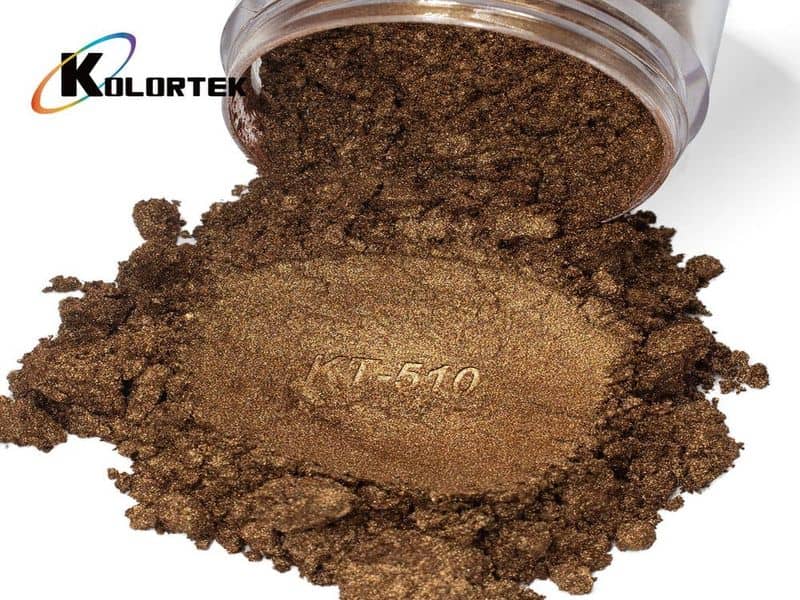
KT-510 is a natural mica-based iron oxide mica pigment delivering a rich coffee-brown metallic lustre with strong opacity — a direct functional equivalent to Merck pearlescent pigments in the Iriodin 510 series. Its warm, deep tone and consistent metallic finish make it a practical choice for decorative coatings, cosmetic formulations, and specialty printing applications.
Read More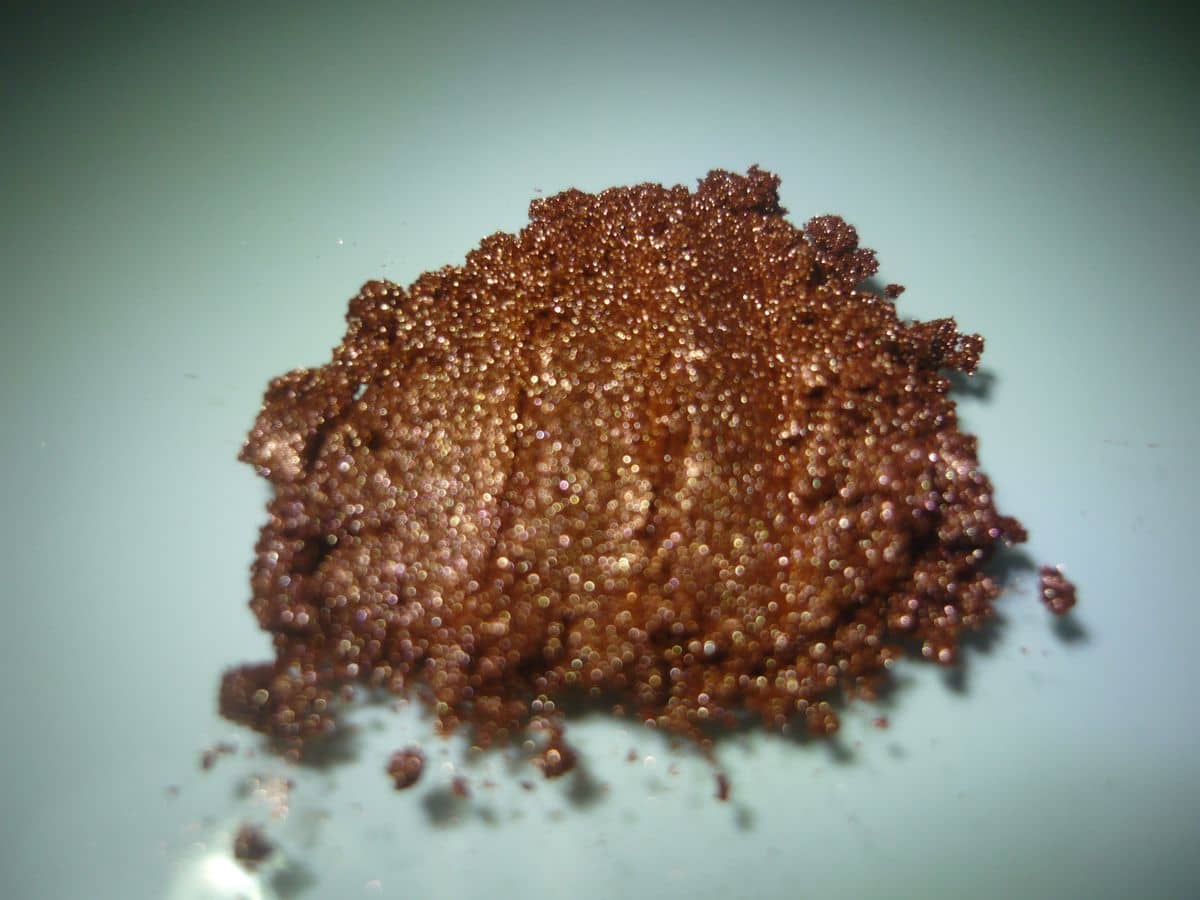
KT-532 is a natural mica-based flash red brown pigment coated with ferric oxide, delivering a warm, sparkling metallic luster with strong opacity — well suited for decorative coatings, epoxy floors, and cosmetic applications. Formulated as a cost-effective iriodin 532 alternative, it matches the same mica substrate, iron oxide chemistry, and particle size range as Merck's original, making it a straightforward drop-in for formulators already working with iriodin equivalents in their systems.
Read More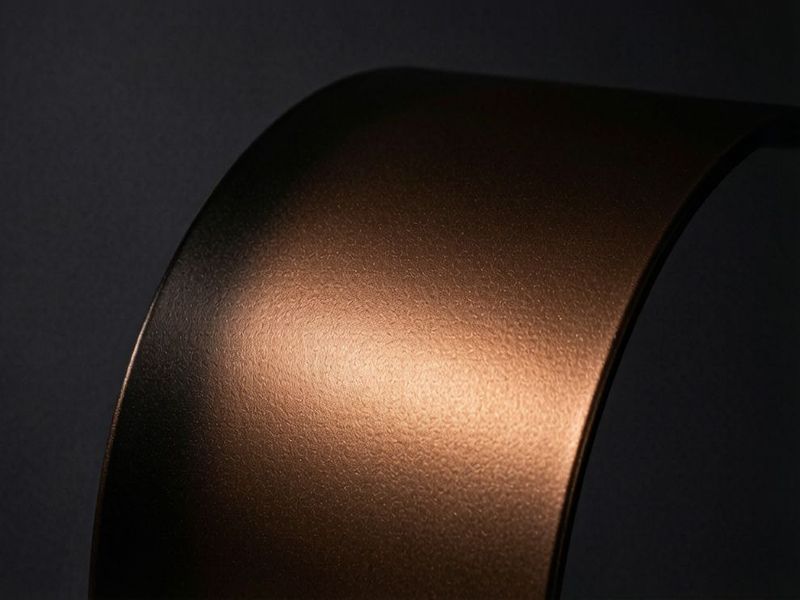
Bronze metallic mica powder delivers a warm, opaque earth-tone metallic finish through an iron oxide (Fe₂O₃) coating on natural muscovite mica — producing consistent color at every viewing angle, not just at specular reflection. Our KT-500 Metal Luster Series covers three particle size grades (5–25 μm through 10–100 μm) to match everything from fine satin coverage to high-sparkle flash effects. Heat stability to 800°C and a fully TiO₂-free composition make these grades relevant across coatings, plastics, inks, and cosmetics alike.
Read More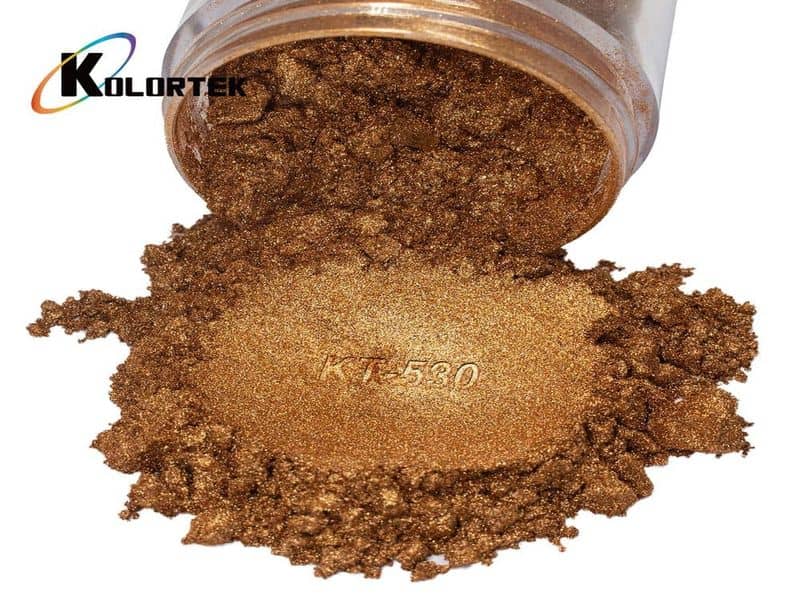
Bulk bronze mica-based pigment delivers rich copper and earth-tone metallic finishes through iron oxide–coated natural mica. Our KT-500 Metal Luster Series spans three particle sizes—5–25 μm for smooth satin coverage, 10–60 μm for classic luster, and 10–100 μm for high-sparkle effects—all heat-stable to 800°C and fully TiO₂-free, making them suitable for coatings, automotive interiors, plastics, and cosmetic bronzers where you need consistent color at every viewing angle.
Read More
 English
 Français
 Deutsch
 Русский
 Español
 Português